
Becoming (2006)
A major monograph of youth portraits produced over five years, accompanied by an essay by David Goldblatt.
Michelle Sank is a South African-born photographer whose portraits explore people, identity and their connection to place. Her relationship with photography began in Cape Town in the 1970s and continues through work made in South Africa and the UK.
Michelle Sank began taking photographs in Cape Town in the 1970s. People have remained at the centre of her work, particularly the way they present themselves and the connection they have with their surroundings.
Her early black-and-white photographs and more recent colour portraits share the same careful attention to gesture, clothing, light and place. Although made decades apart, they reveal a consistent interest in everyday encounters and the small details that give each person a distinct presence.
The setting is never separate from the subject. A street, bedroom, swimming pool or public space adds to what we understand about the person being photographed. Sank allows these details to remain within the frame, giving each portrait its wider sense of place.
Born in Cape Town, Michelle Sank first began taking photographs while studying at the Michaelis School of Fine Art in the late 1970s. Painting and sculpture were her original subjects, but neither felt entirely right. Photography was introduced during her final year and, despite having no previous connection to the medium, the decision to try it changed the direction of her life.
Picking up a Pentax camera produced an immediate response. Sank has described the experience as being “like an umbilical cord”, a way of connecting with the world around her. Painting and sculpture quickly fell away as photography took their place.
David Goldblatt saw Sank’s work while visiting the photography department at Michaelis and took an interest in what she was making. They later exhibited together at The Space in Cape Town and Goldblatt became an important mentor. When Sank left South Africa in 1978, he found her before she departed and asked her to promise that she would never stop taking photographs.
That promise stayed with her during a long break in her career. Close to nine years in Greece followed her departure from Cape Town. Life during this period was difficult and most of her energy went into finding ways to earn a living. Some black and white photographs were made, but there was little time or money to build a sustained practice.
A move to England in 1987 led to five years running a small business while establishing a new life. Training in ceramic restoration followed, including work at the British Museum. The work was skilled and demanding, but it did not offer the connection Sank had experienced with photography. Returning to the camera became unavoidable.
Photography courses eventually led to an MA in Photography at
De Montfort University, completed in 2001 under the guidance of Paul Hill. By then, nearly 25 years had passed without a full-time photographic practice.
The MA introduced ways of working that were entirely new. Until then, almost everything had been photographed on 35mm black and white film. A second-hand Bronica opened the way to medium-format colour. When portraits began appearing among the landscapes on her contact sheets, Sank’s tutors encouraged her to continue in that direction.
Colour soon became an important part of the work. Clothing, light, buildings, interiors and small details within the frame are all carefully considered. Location is equally important, giving the viewer information about both the person and the place in which the encounter happened.
As Sank rebuilt her career, she renewed contact with Goldblatt and sent him new photographs. His feedback was direct and exact. One instruction stayed with her and is something she now repeats to her own students: “For God’s sake, woman, look at the edges of your frame.” Goldblatt later wrote an essay for her first monograph, Becoming, published in 2006.
Most of Sank’s photographs begin with an encounter. A particular area may be visited repeatedly, sometimes for several years, without deciding in advance exactly who will be photographed. A promenade, swimming pool, housing estate, park or coastal town provides a boundary. Within it, observation and conversation allow the project to develop gradually.
The process is open and collaborative. Everyone knows they are being photographed and takes part in how they appear before the camera. A genuine interest in the person comes first, an approach Sank describes as “an act of love”. Each participant also receives a copy of the finished photograph, a task that can take hours after a day of shooting.
Young people and the period in which someone is still working out how they want to be seen have remained recurring subjects. Clothing, posture and surroundings can reveal confidence, uncertainty, humour or a carefully constructed identity. The people in these photographs are never treated as types. Each portrait begins with the individual in front of the camera.
In recent years, Sank has also returned to the black-and-white negatives she made as a student in Cape Town. The negatives were kept in a single file that travelled with her through Greece and England, surviving when many of her other possessions did not. Looking at them again, she recognised the same interest in people, public spaces and small moments that continues in her work today.
A return to Cape Town in 2022 began a new period of working in South Africa. The Sea Point Promenade and Pavilion swimming pool, both familiar from childhood, drew Sank back repeatedly. The buildings, walkways and pools remained recognisable, while a new generation had made the area its own.
These visits developed into Ballade, a series made over several years around the promenade, pool and surrounding green spaces. Described by Sank as a poetic homage to Cape Town, the photographs show individuals, families and groups encountered in a public place used by people from across the city.
In 2024, Zenande, Sinawe, Zinathi and Buhle at Sea Point Pavilion, Cape Town, from Ballade, won the Portraiture category of the Portraiture category of the Sony World Photography Awards Open Competition. An Honorary Fellowship from the Royal Photographic Society followed in the same year.
Her photographs have been exhibited and published in the United Kingdom, Europe, Australia, Mexico, South Africa and the United States. Her work is held in collections including the
Museum of Fine Arts, Houston, the Open Eye Gallery Archive in Liverpool, the Museum of Youth Culture, the Royal Albert Memorial Museum in Exeter, Guernsey Museums and the Center for Photography at Woodstock.
Sank has published five monographs: Becoming (2006), The Water’s Edge (2007), The Submerged (2011), My.Self (2018) and Burnthouse Lane (2024).

Michelle Sank’s work carries a rare continuity, linking early photographic explorations made in South Africa during the 1970s with a mature contemporary practice developed over decades abroad. Her images are not driven by spectacle, but by careful observation, where individuals are situated within environments that shape and reflect their identities.
Her early work, often produced in black and white, focused on people navigating socially and politically charged spaces, capturing subtle expressions of tension, presence and belonging. In her more recent work, now largely in colour, Sank continues to explore similar concerns, turning her attention toward marginalised communities and individuals in transitional phases of life.
Across both periods, the photograph functions as a contained space of interaction. Subjects engage with the camera in ways that feel both direct and considered, allowing each image to unfold with a quiet intensity. The result is a body of work that remains grounded, consistent and deeply connected to the human condition.
Sank often returns to the same place over several years, building each series through repeated visits and encounters. This gives her time to understand the people she photographs and allows ideas around identity, age and belonging to develop naturally.
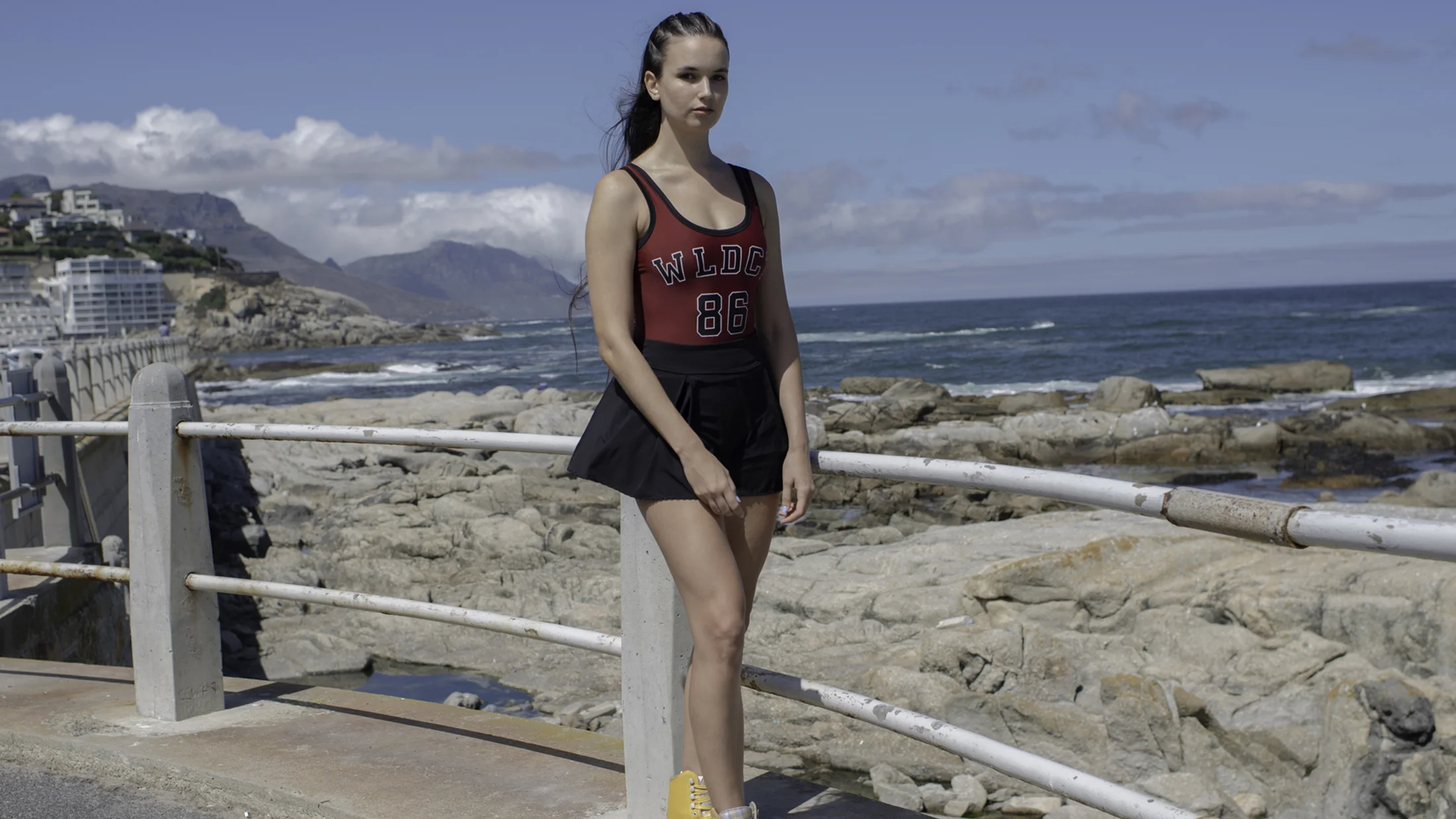
Ballade is Michelle Sank’s poetic return to Cape Town’s Sea Point Promenade, a place closely tied to her childhood. Through portraits and observations of daily life, the series reflects on the area as a shared public space shaped by memory, performance and South Africa’s cultural and social diversity.
View series →
Drag Daughters is a portrait series by Michelle Sank exploring identity, performance and self-expression within South Africa’s drag community. Photographed in domestic interiors and neighbourhood settings, the series places each subject at the centre of their own carefully presented world.
View series →Michelle Sank has published a number of significant photographic books, each focusing on communities and environments explored over extended periods.
A major monograph of youth portraits produced over five years, accompanied by an essay by David Goldblatt.
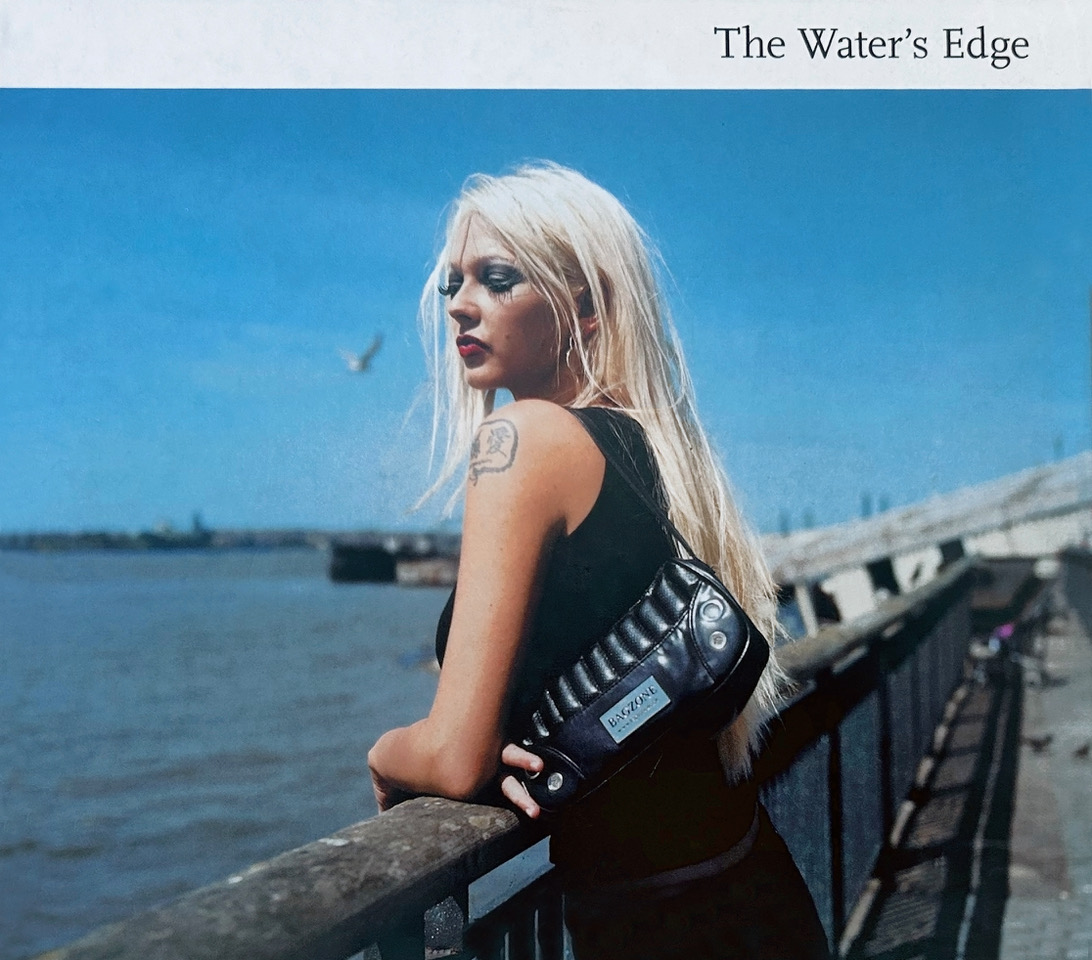
A study of women working on Liverpool’s docks, combining portraiture with oral histories.
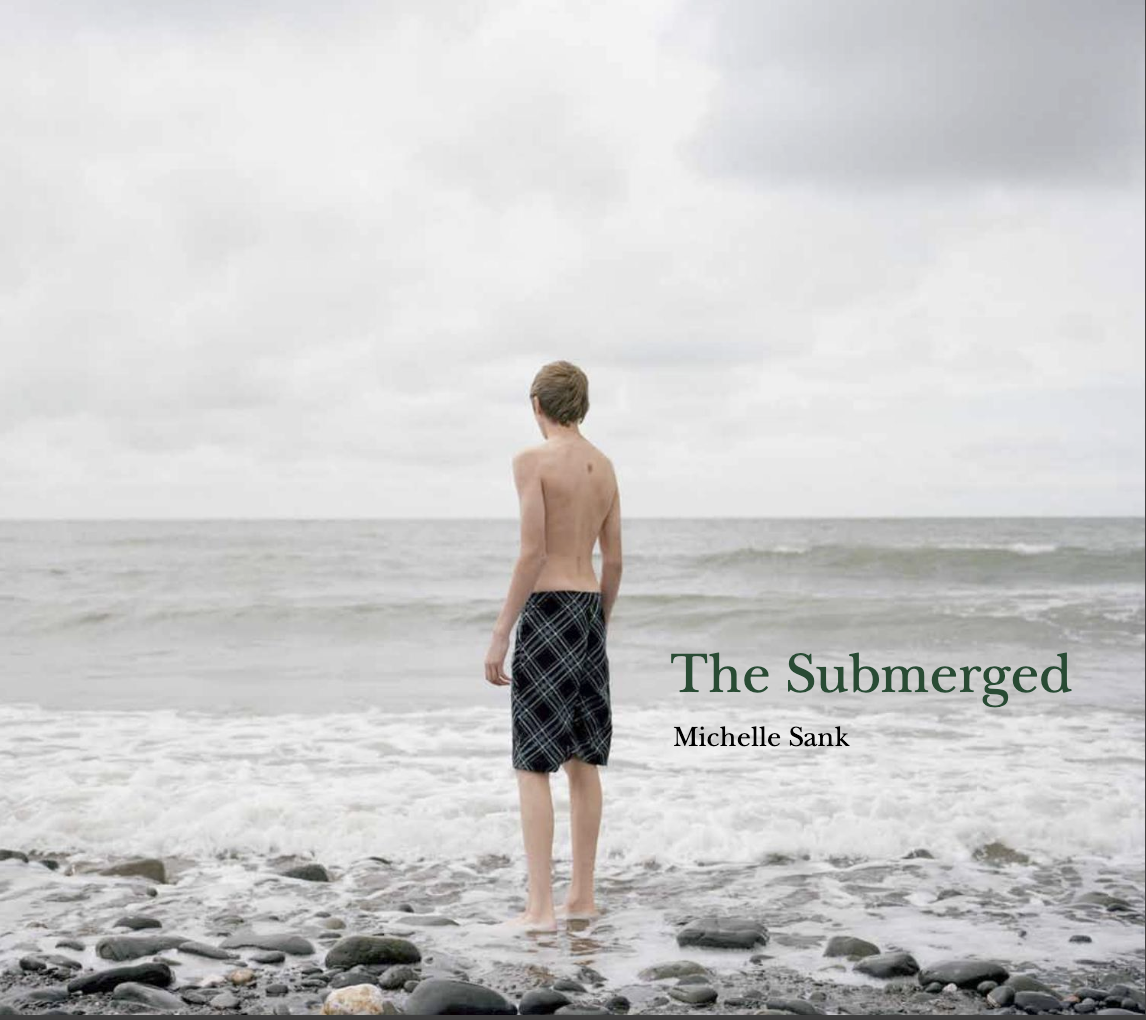
A project exploring the landscape and inhabitants of Aberystwyth, Wales, with an essay by Liz Wells.
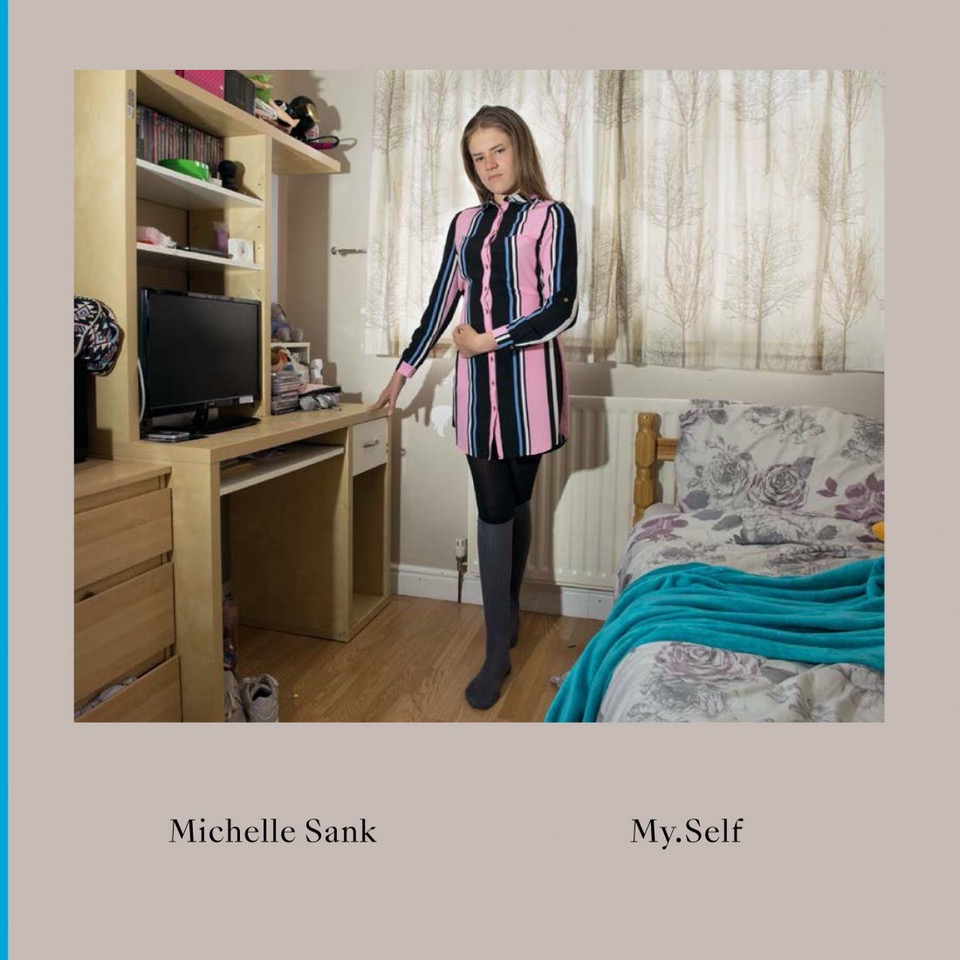
A study of identity among young people in the Black Country, UK, including participant interviews.
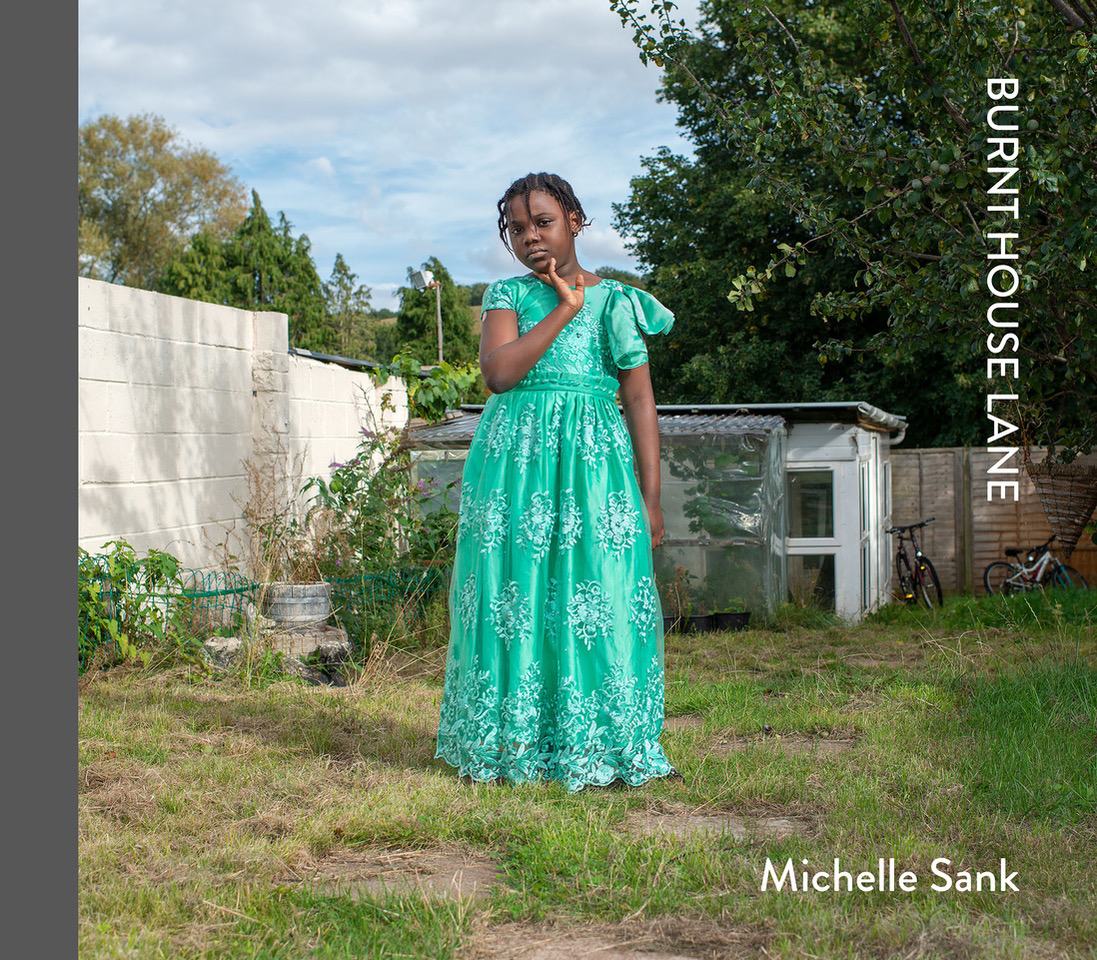
A documentation of a working-class community in Exeter, UK, accompanied by an essay by Diane Smyth.
For availability, pricing and collecting enquiries, please get in touch. We are happy to assist with building a collection of Michelle Sank’s work.