Paul Alberts
Paul Alberts was a South African documentary photographer, author and publisher whose work created a sustained visual record of social life across South Africa. Through long-term photographic projects, he documented communities, childhood, poverty, labour and the wider social conditions that shaped everyday life during and after apartheid.
Overview
Paul Alberts’ photographic practice was rooted in social documentary. Across several decades, he built a body of work that examined the lived realities of South Africans with care, clarity and long-term commitment. His photographs are often direct and deeply human, bringing together place, inequality, resilience and the structures that shape daily experience.
Rather than isolating dramatic moments, Alberts worked through sustained observation. His images place people within the environments they inhabited, allowing landscape, architecture and social conditions to remain part of the story. This gave his work both documentary weight and historical depth.
At the centre of his practice was a concern for visibility: how photography could record lives and communities too often overlooked. Through books, exhibitions and published projects, Alberts contributed significantly to the visual history of South Africa and to the broader tradition of socially engaged documentary photography.
Biography
Paul Alberts was born in Pretoria in 1946 and became one of South Africa’s leading social documentary photographers. After studying briefly at the University of Pretoria, he worked as a journalist at a number of South African newspapers before turning to freelance photography in 1975. From that point onward, his principal interests were social documentary and theatre photography.
From 1981, Alberts also dedicated himself to the publishing of social documentary photography and special-interest books. Over the course of his career he published a number of important works, including Children of the Flats (1980), The Borders of Apartheid (1983), South Africa: The Cordoned Heart (1986), The Forgotten Highway (1988), South African Military Buildings Photographed (1993), Some Evidence of Things Seen: Children of South Africa (1997) and Faces of Age (2005).
His work focused consistently on the social conditions of South African life. He photographed children, communities, labour, poverty, ageing and the wider structures of inequality, producing images that were both documentary records and acts of witness. One of his most significant books, Some Evidence of Things Seen: Children of South Africa, gathered photographs made over roughly two decades and framed childhood within the broader realities of South African society. The publication included an introduction by Nelson Mandela and texts by contributors including Desmond Tutu and Albie Sachs.
He died on 18 November 2010. His legacy remains important within South African documentary photography, not only for the social depth of his images, but also for the role his books played in preserving and circulating visual histories of the country.

A photographic record of lives shaped by social reality
Paul Alberts’ work is significant for the patience and seriousness with which it approaches social life. His photographs are not built around spectacle. Instead, they hold attention on the environments in which people live, the structures that shape their circumstances and the dignity that persists within difficult conditions.
What makes his practice especially important within South African photography is its long-form documentary character. Alberts returned repeatedly to themes of childhood, poverty, labour and place, building visual narratives that extend beyond single images. His photographs function both as records of lived experience and as part of a wider historical archive of South African society.
Photo Series
Paul Alberts’ bodies of work often developed through extended documentary observation. His photographs are closely tied to books and long-form projects, each one shaped by a sustained concern for the realities of South African social life.
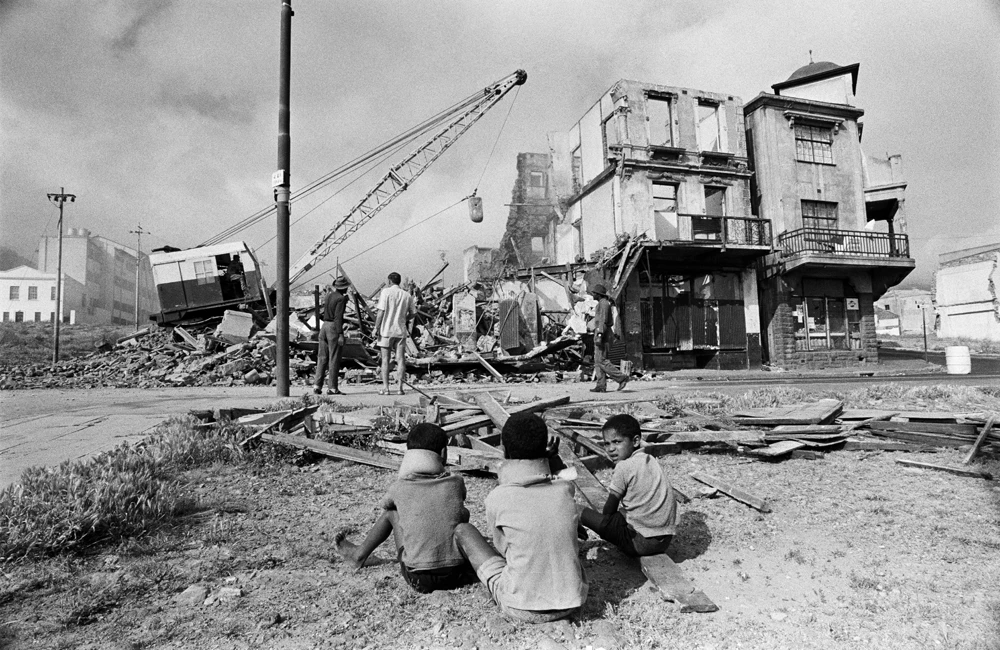
Some Evidence of Things Seen: Children of South Africa
One of Alberts’ most important bodies of work, this series forms a powerful visual record of childhood in South Africa. The photographs situate children within township streets, rural settlements and informal environments, revealing the broader social conditions that shaped everyday life. The book was published in 1997 with an introduction by Nelson Mandela and texts by contributors including Desmond Tutu and Albie Sachs.
View series →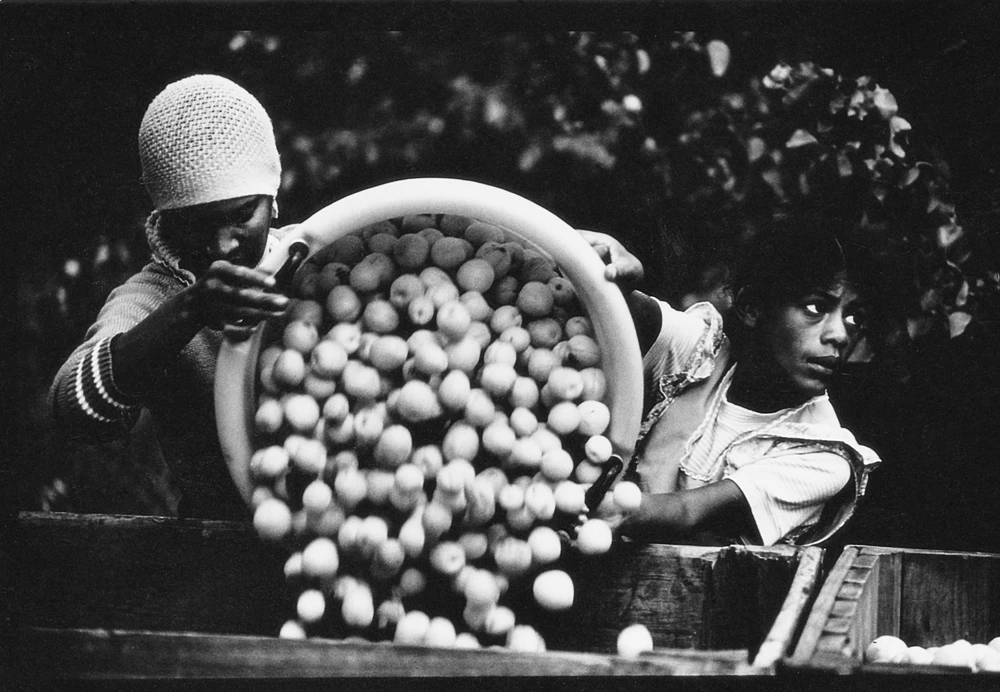
Buite Die Hekke Van Eden
Buite Die Hekke Van Eden is one of Paul Alberts’ most significant documentary projects. The series reflects on social and environmental conditions in South Africa through a sequence of photographs accompanied by diary-style observations. Rather than presenting a single narrative, the work moves through fragments of everyday life: landscapes shaped by neglect, communities living within difficult conditions and moments that reveal both suffering and resilience. Alberts’ photographs do not attempt to simplify these realities. Instead, they present them directly, allowing the viewer to confront the contradictions and complexities of the world he observed. The title, translated as “Outside the Gates of Eden”, suggests a world far removed from idealised visions of society. Through careful observation and quiet persistence, Alberts’ photographs document lives and environments that existed beyond the boundaries of comfort and privilege.
View series →Achievements
Solo and group exhibitions in South Africa and internationally
Exhibitions linked to major documentary publications including Children of the Flats, The Borders of Apartheid and Some Evidence of Things Seen: Children of South Africa
Photographs preserved through documentary publications, archives and collection-based contexts connected to South African social history
Recognised as one of South Africa’s leading social documentary photographers
Published seven major photographic books over the course of his career
Enquire about available works by Paul Alberts
For print availability, prices, condition details, framing options or research enquiries relating to Paul Alberts, please contact Gallery F directly.