
South African Photographer
Pierre Crocquet
Pierre Crocquet (1971–2013) was a South African photographer whose work focused on documenting everyday life, social realities and cultural expression across South Africa. Working primarily in black and white, he developed a direct and empathetic approach to portraiture, producing images that are both intimate and socially attentive. His photographs reflect a sustained interest in human experience, often shaped by extended engagement with his subjects and a commitment to recording lived realities with clarity and restraint.
overview
Overview
Pierre Crocquet’s work is grounded in documentary photography and portraiture, with a particular focus on social context and lived experience. His photographs are characterised by a quiet observational approach, allowing subjects to occupy the frame with presence and dignity. Working primarily with black and white film, he produced images that reflect both individual identity and broader social conditions in South Africa during a period of transition.
1971, Cape Town, South Africa
2013
Practice
Documentary portraiture focused on social context and lived experience
Key Work
Enter / Exit series, South African jazz musician portraits
biography
Biography
Pierre Crocquet was born in Cape Town in 1971 and grew up in Klerksdorp, a mining town west of Johannesburg. His early life unfolded within a South Africa still shaped by apartheid, a context that would later inform his sensitivity to social conditions and representation. He initially pursued a career in finance, studying at the University of Cape Town and qualifying as a Chartered Accountant.
In 1996, he moved to London to work at Chase Manhattan merchant bank. During this period, he began to reconsider his professional direction and developed a growing interest in photography. He left banking to study at the London College of Printing, where he established the foundations of a documentary approach rooted in observation and sustained engagement with his subjects.
After returning to South Africa in the early 2000s, Crocquet committed himself fully to photography. His work focused on everyday life and cultural expression, often exploring individuals and communities whose stories were not widely represented. One of his significant bodies of work documented South African jazz musicians, producing portraits that reflect both performance and cultural history. This period also led to the publication of books such as Us (2002) and On Africa Time (2003).
Between 2005 and 2007, he produced an important series of portraits in the Karatara settlement near Knysna. These photographs form part of his broader engagement with social and economic conditions in South Africa, approached with restraint and attentiveness rather than spectacle. The work was later exhibited internationally and contributed to the publication Enter/Exit.
Crocquet’s photographs were exhibited both locally and internationally and featured in publications including The New York Times, Le Monde and The Guardian. He developed a reputation for producing work that is both direct and considered, avoiding overt dramatization while maintaining a strong sense of presence.
He passed away in 2013. His work remains an important contribution to contemporary South African photography, particularly in its focus on portraiture and the ethics of representation.

Curatorial Note
Portraiture and Presence
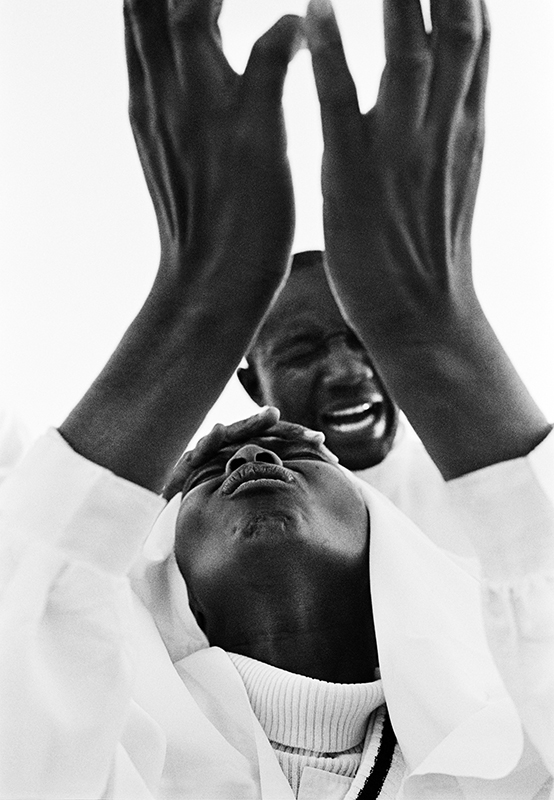
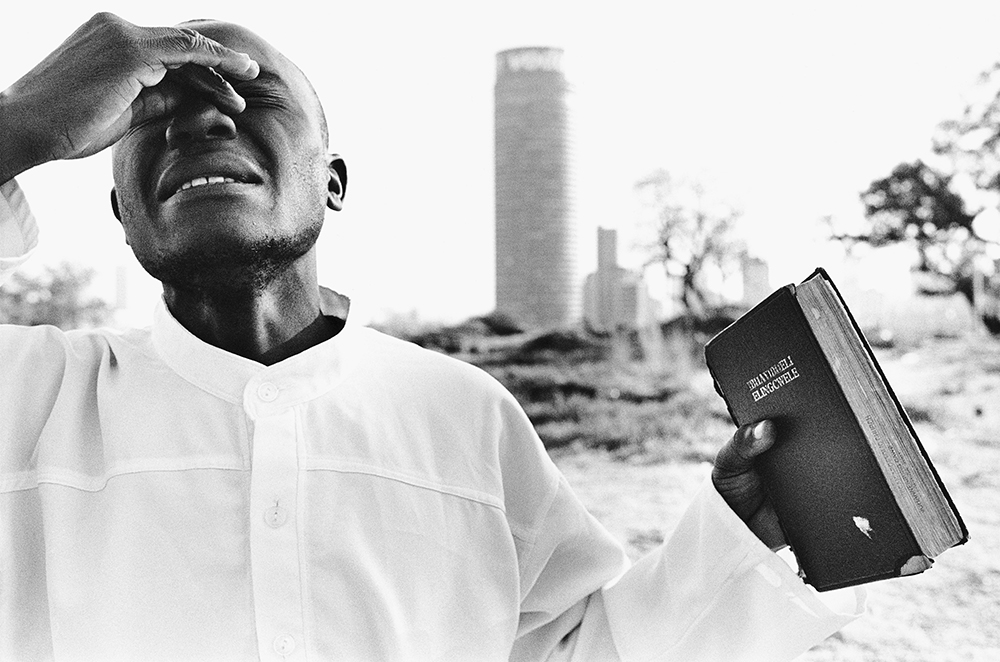
Pierre Crocquet’s photographs are defined by their directness and restraint. Rather than constructing scenes, he worked through observation and time, allowing his subjects to settle into the frame. His portraits carry a sense of presence that reflects both the individual and the broader conditions in which they live. This approach is particularly evident in his work in Karatara and in his portraits of musicians, where the emphasis remains on the person rather than the surrounding narrative.
available works
Available Works
Crocquet’s photographs are held in private and institutional collections and are valued for their clarity, sensitivity and documentary significance. The works below represent examples from key bodies of work including portraiture and social documentary projects.

selected photo series
Selected Photo Series
Crocquet’s work is structured through a number of focused bodies of work, each developed through sustained engagement with specific subjects and environments.
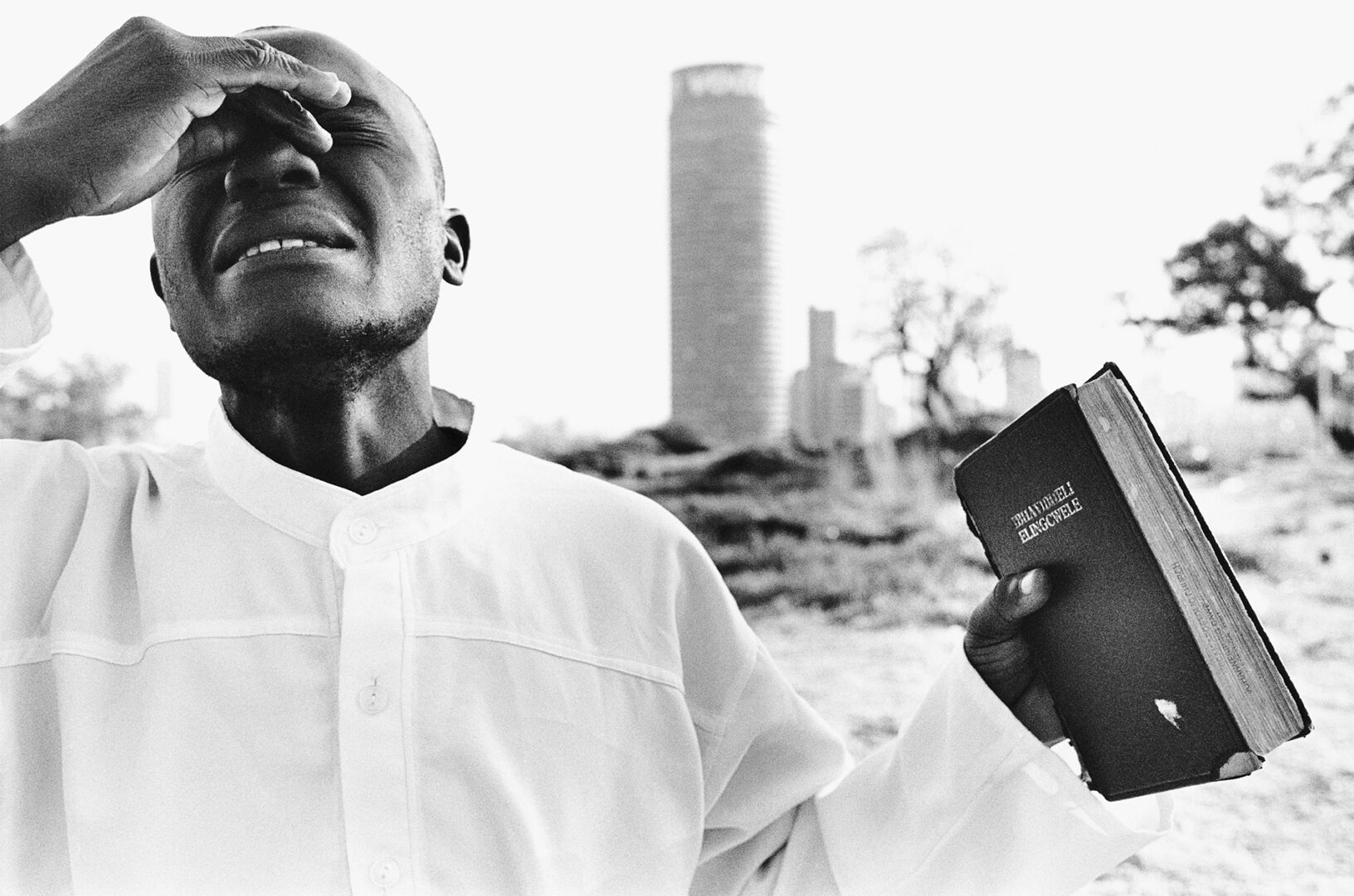
Selected Works from Pierre's Archive
A selection of Pierre Crocquet's broader Archive.
View series →
Enter / Exit (Coming Soon)
A body of portraits and environmental images documenting life in the Karatara settlement near Knysna, focusing on individuals and domestic spaces through a restrained and observational approach.
View series →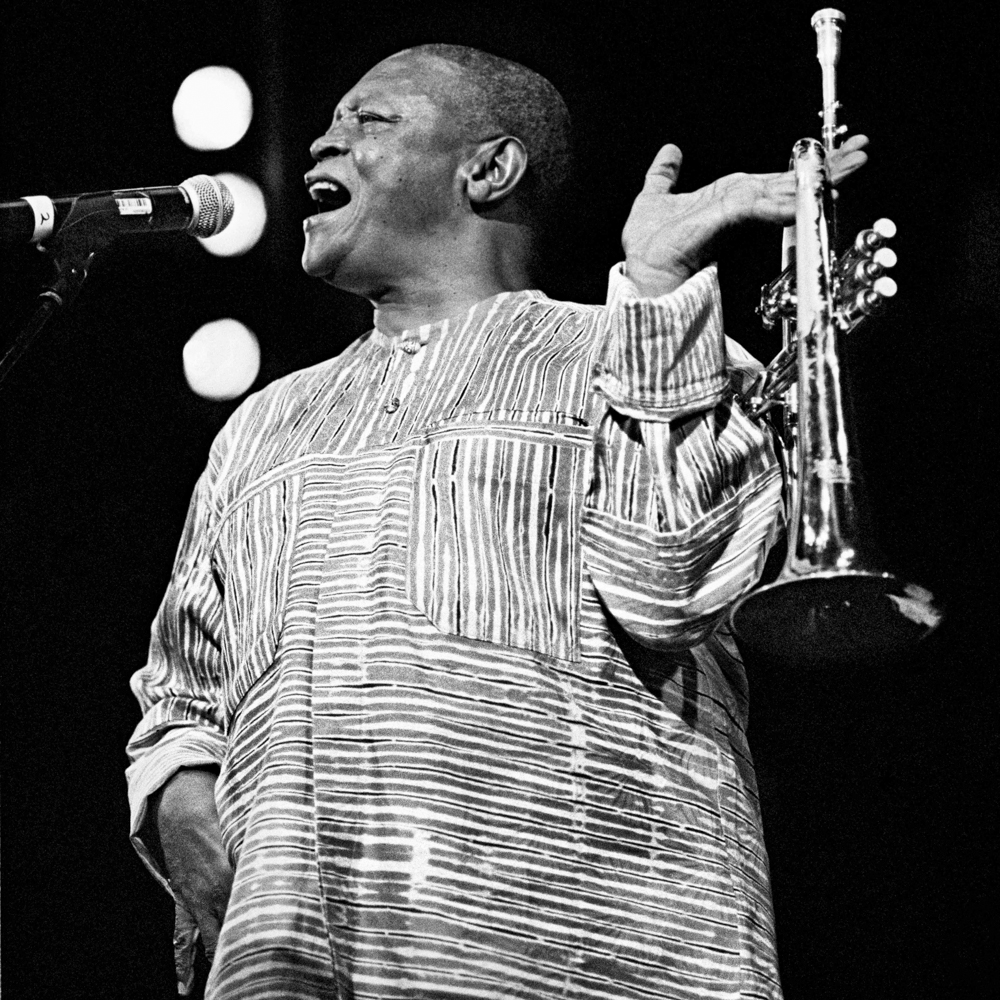
South African Jazz Musicians (Coming Soon)
Portraits of musicians that reflect both performance and cultural identity, engaging with the historical role of jazz within South African society.
View series →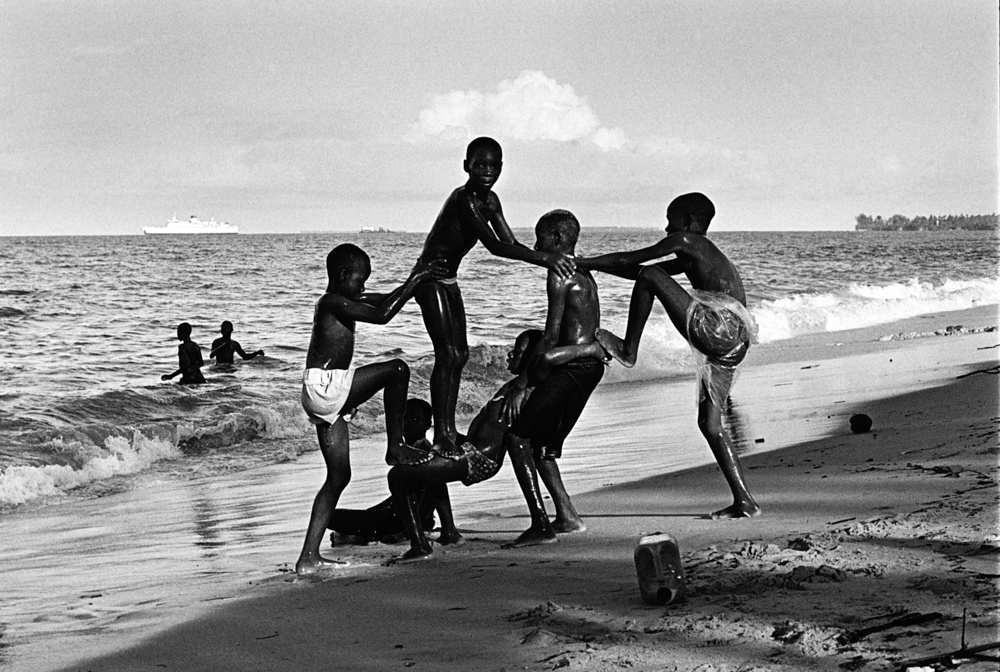
On Africa Time (Coming Soon)
A broader photographic engagement with African environments and rhythms of life, combining portraiture with documentary observation.
View series →Achievements
Pierre Crocquet's work has been exhibited in galleries and museums across the globe. His exhibitions focused on his exploration of South African life, the African experience, and the jazz culture that has been an integral part of the country’s identity. Some of his key exhibitions include:
Iziko South African National Gallery (Cape Town, South Africa)
As one of South Africa’s most prestigious galleries, Iziko National Gallery showcased several of Crocquet’s exhibitions, including his retrospective works. His contributions to the cultural landscape were celebrated here, particularly his insightful portrayal of South African society.
The Photographers’ Gallery (London, UK)
A major platform for contemporary photography, The Photographers' Gallery in London hosted Crocquet’s work, focusing on his portraits and documentary images that explored the social dynamics of post-apartheid South Africa.
Goodman Gallery (Johannesburg, South Africa)
The Goodman Gallery, known for its dedication to contemporary African art, displayed Crocquet’s photography in exhibitions that were reflective of his powerful narratives about social change and identity in South Africa.
Gallery of Photography (Dublin, Ireland)
Crocquet’s works were featured in this leading European photography gallery, where his poignant depictions of African life and his nuanced storytelling through images were lauded by critics and visitors alike.
The National Portrait Gallery (London, UK)
The National Portrait Gallery in London included Crocquet’s photographic portraits in their exhibitions, particularly his stunning portrayals of jazz musicians and cultural figures from South Africa.
Museum of Contemporary Art (Cape Town, South Africa)
This Cape Town-based museum presented Crocquet’s work in exhibitions focusing on South African contemporary photography, highlighting his artistic skill and social consciousness.
Rheinisches Landesmuseum (Bonn, Germany)
Crocquet’s work was displayed as part of a broader showcase of contemporary African photography, where his intimate and social narratives captured the attention of international audiences.
Stellenbosch Modern & Contemporary (Stellenbosch, South Africa)
Crocquet’s exhibitions at Stellenbosch Modern & Contemporary gallery focused on his sensitive portrayal of South African life, offering a deep dive into the cultural and emotional undercurrents of the country.
Leroy Gallery (Johannesburg, South Africa)
Leroy Gallery exhibited Crocquet’s photographs, particularly his work reflecting the complexities of South African life, capturing the raw, unfiltered experiences of ordinary South Africans.
The Africa Centre (London, UK)
As part of their exploration of African culture, The Africa Centre featured Crocquet’s work, focusing on themes of post-apartheid identity, social issues, and cultural shifts in South Africa.
Parliament Art Collection (Cape Town, South Africa)
Crocquet’s works were included in the Parliament Art Collection, which houses significant South African artwork that reflects the nation’s history, culture, and progress.
Iziko South African National Gallery (Cape Town, South Africa)
As one of South Africa’s most prestigious galleries, Iziko National Gallery showcased several of Crocquet’s exhibitions, including his retrospective works. His contributions to the cultural landscape were celebrated here, particularly his insightful portrayal of South African society.
The Photographers’ Gallery (London, UK)
A major platform for contemporary photography, The Photographers' Gallery in London hosted Crocquet’s work, focusing on his portraits and documentary images that explored the social dynamics of post-apartheid South Africa.
Goodman Gallery (Johannesburg, South Africa)
The Goodman Gallery, known for its dedication to contemporary African art, displayed Crocquet’s photography in exhibitions that were reflective of his powerful narratives about social change and identity in South Africa.
Gallery of Photography (Dublin, Ireland)
Crocquet’s works were featured in this leading European photography gallery, where his poignant depictions of African life and his nuanced storytelling through images were lauded by critics and visitors alike.
The National Portrait Gallery (London, UK)
The National Portrait Gallery in London included Crocquet’s photographic portraits in their exhibitions, particularly his stunning portrayals of jazz musicians and cultural figures from South Africa.
Museum of Contemporary Art (Cape Town, South Africa)
This Cape Town-based museum presented Crocquet’s work in exhibitions focusing on South African contemporary photography, highlighting his artistic skill and social consciousness.
Rheinisches Landesmuseum (Bonn, Germany)
Crocquet’s work was displayed as part of a broader showcase of contemporary African photography, where his intimate and social narratives captured the attention of international audiences.
Stellenbosch Modern & Contemporary (Stellenbosch, South Africa)
Crocquet’s exhibitions at Stellenbosch Modern & Contemporary gallery focused on his sensitive portrayal of South African life, offering a deep dive into the cultural and emotional undercurrents of the country.
Leroy Gallery (Johannesburg, South Africa)
Leroy Gallery exhibited Crocquet’s photographs, particularly his work reflecting the complexities of South African life, capturing the raw, unfiltered experiences of ordinary South Africans.
The Africa Centre (London, UK)
As part of their exploration of African culture, The Africa Centre featured Crocquet’s work, focusing on themes of post-apartheid identity, social issues, and cultural shifts in South Africa.
Parliament Art Collection (Cape Town, South Africa)
Crocquet’s works were included in the Parliament Art Collection, which houses significant South African artwork that reflects the nation’s history, culture, and progress.
Explore
View Available Works
Explore available works and discover more South African photographers within the Gallery F collection.