David Lurie – Images Of Table Mountain
In Images Of Table Mountain, David Lurie turns his attention to one of Cape Town’s most recognisable landmarks. Through subtle shifts in light, atmosphere and vantage point, the series reflects on how the mountain continues to shape the visual identity and cultural memory of the city.
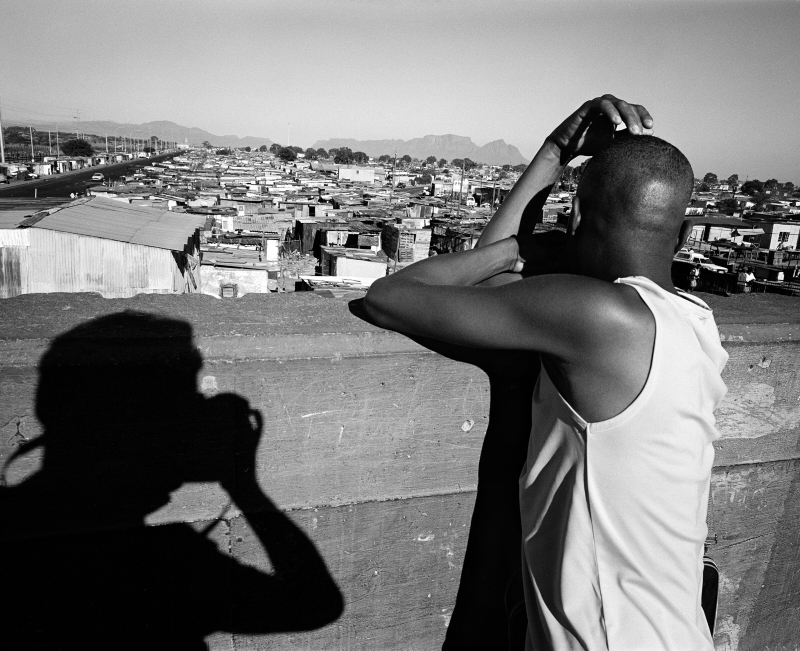
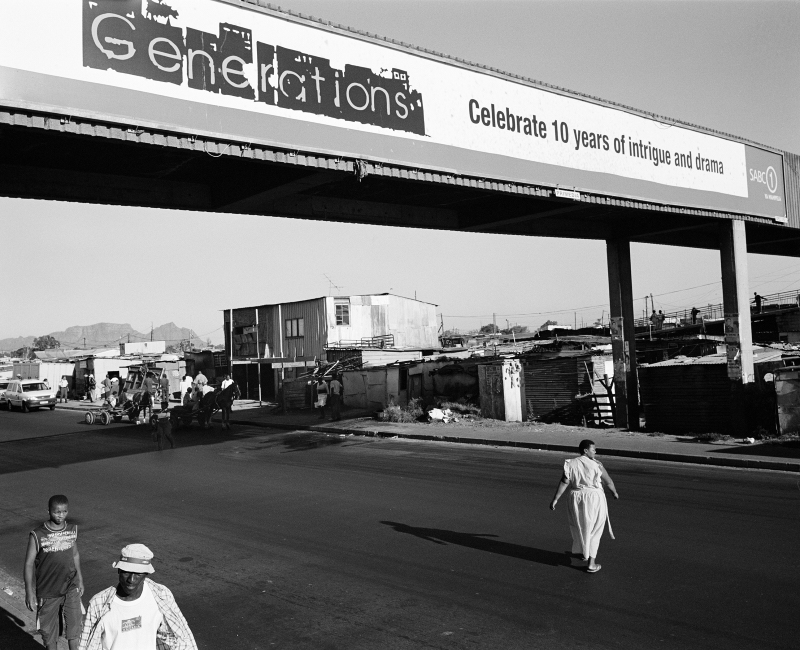
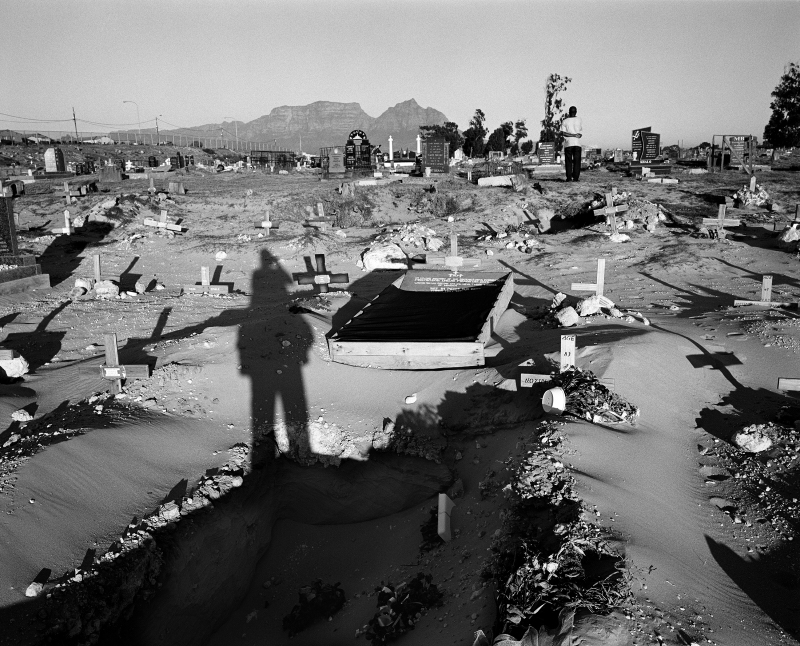
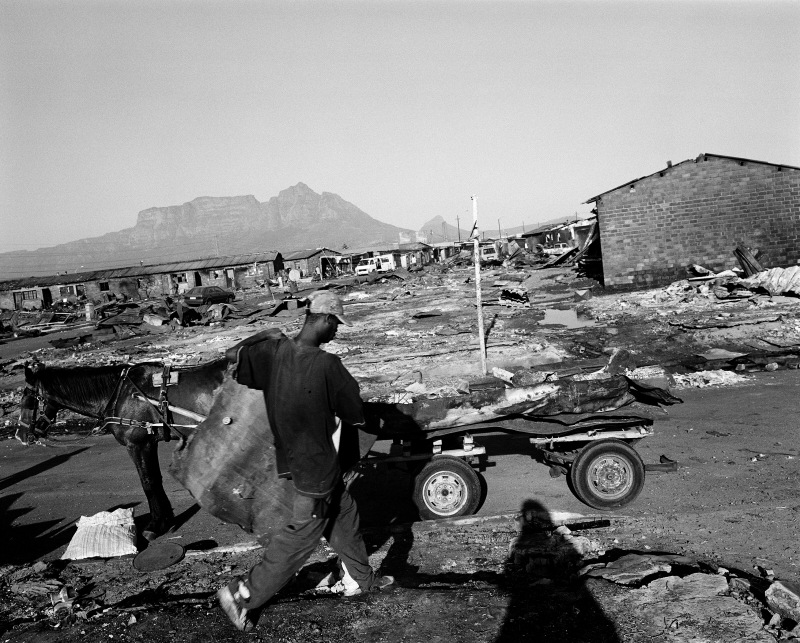
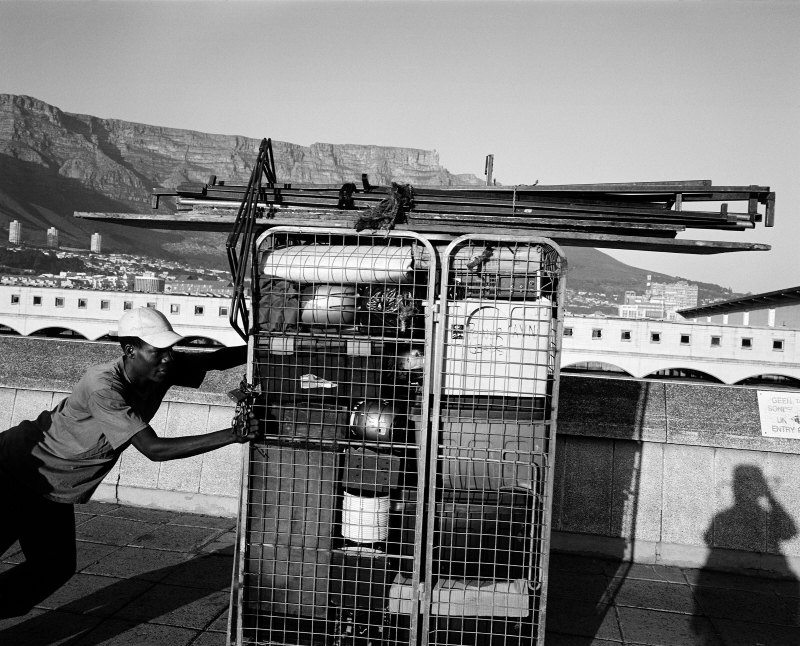
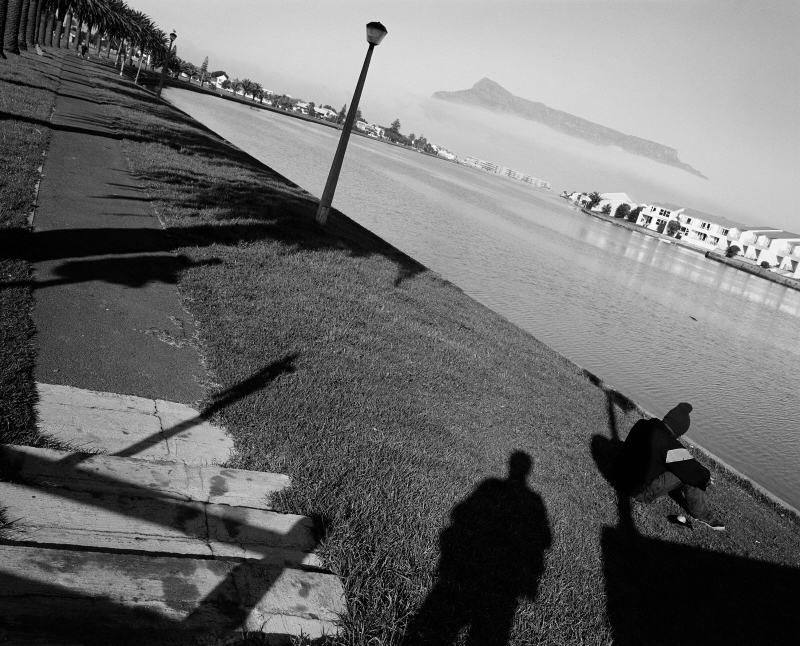
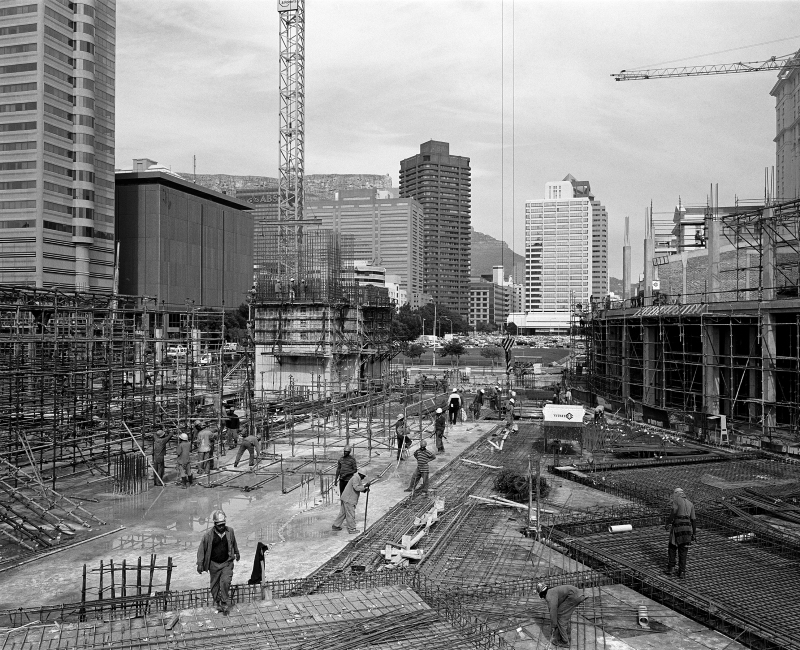
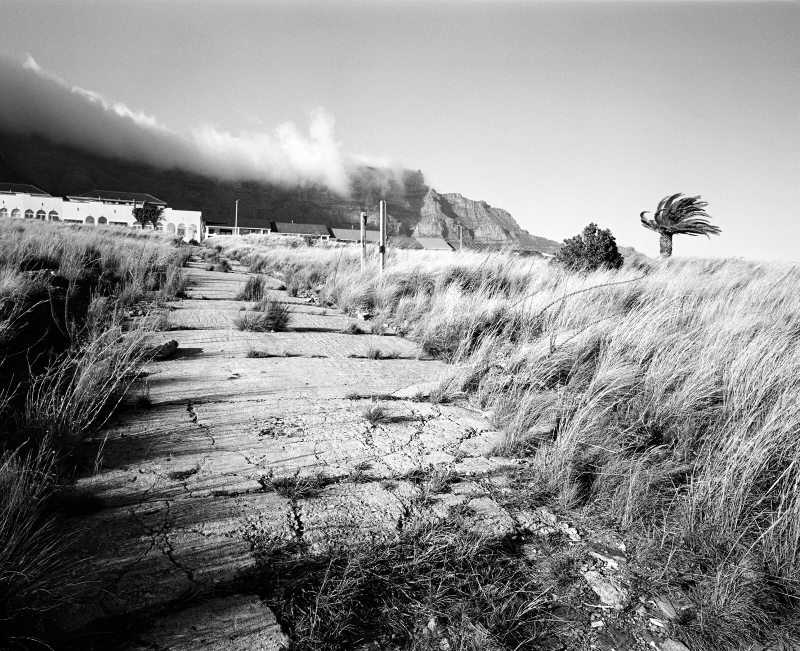
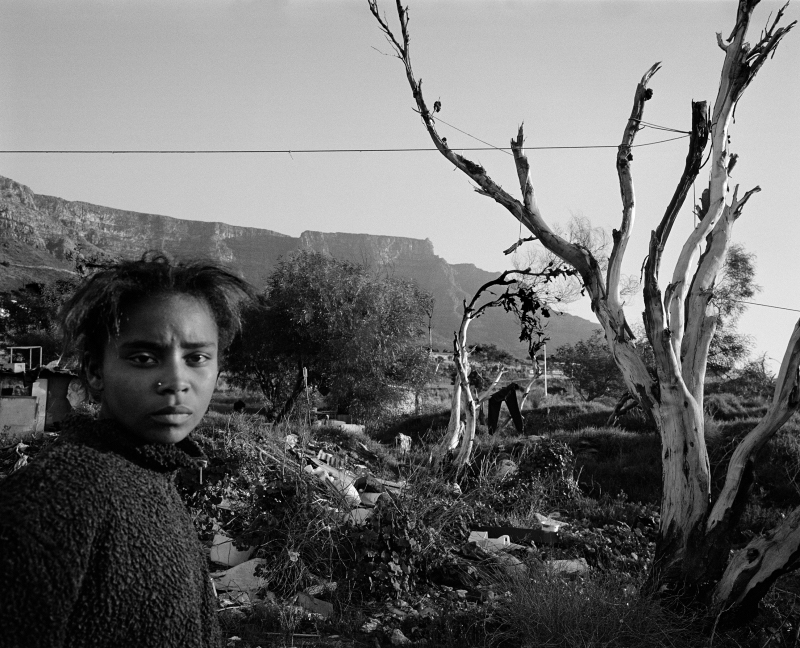
In Images of Table Mountain, David Lurie turns his attention to one of the most photographed landmarks in the world, approaching it not as spectacle but as witness. Made between 2001 and 2005, the series treats Table Mountain less as a postcard icon and more as a silent presence that shapes, divides and observes life in Cape Town.
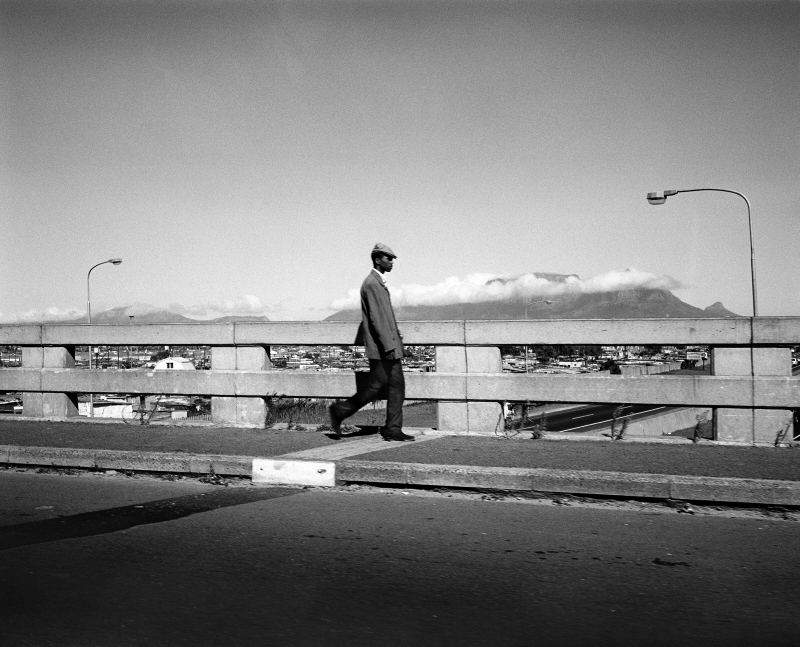
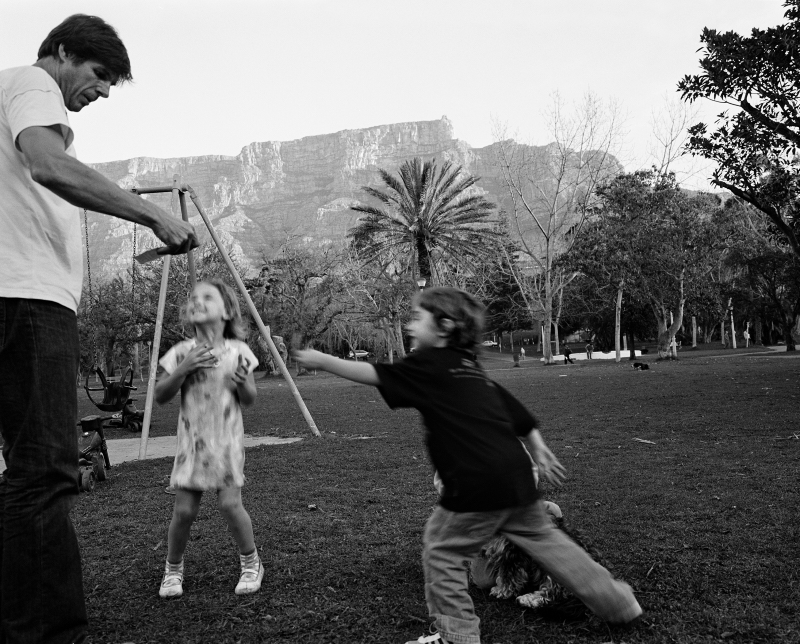
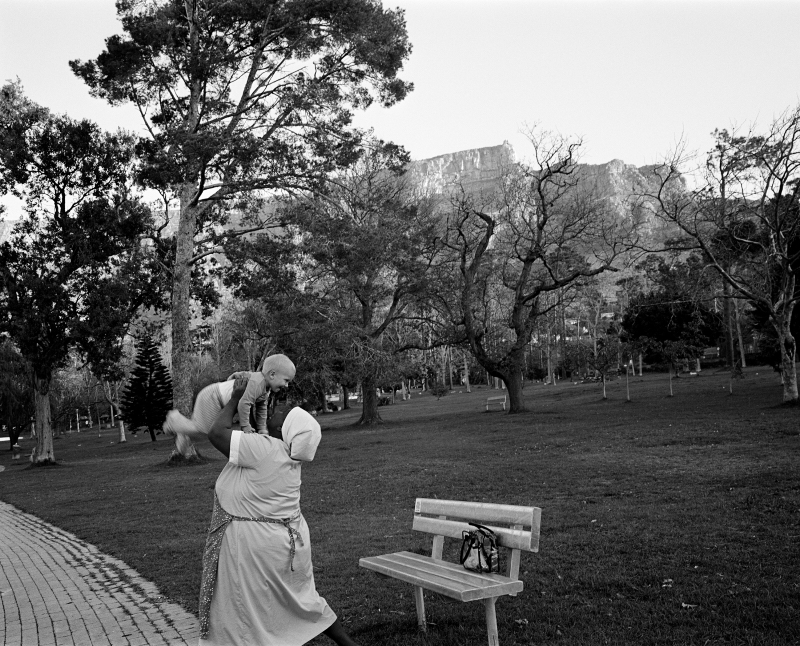
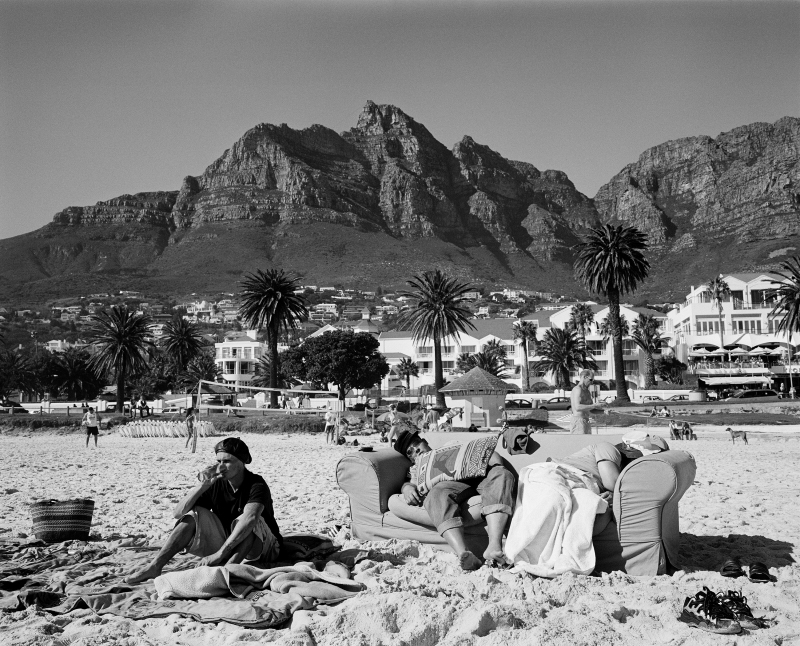
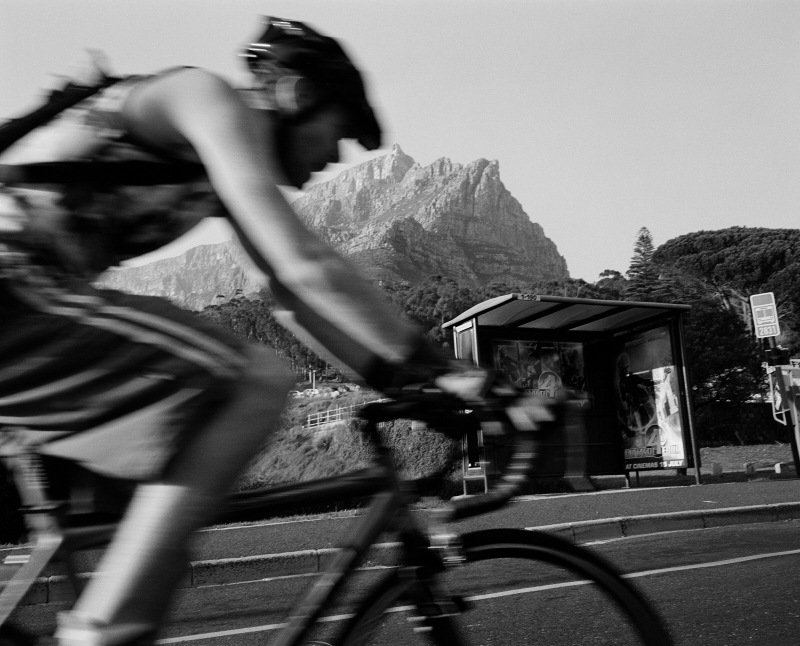
The mountain appears constant, immovable and indifferent, while the city below shifts restlessly around it. Against this enduring geological form, the rhythms of urban life unfold in fragments: moments of movement, pause and quiet observation. Lurie’s photographs reveal how the mountain exists not only as a landmark but as a persistent backdrop to the social life of the city.
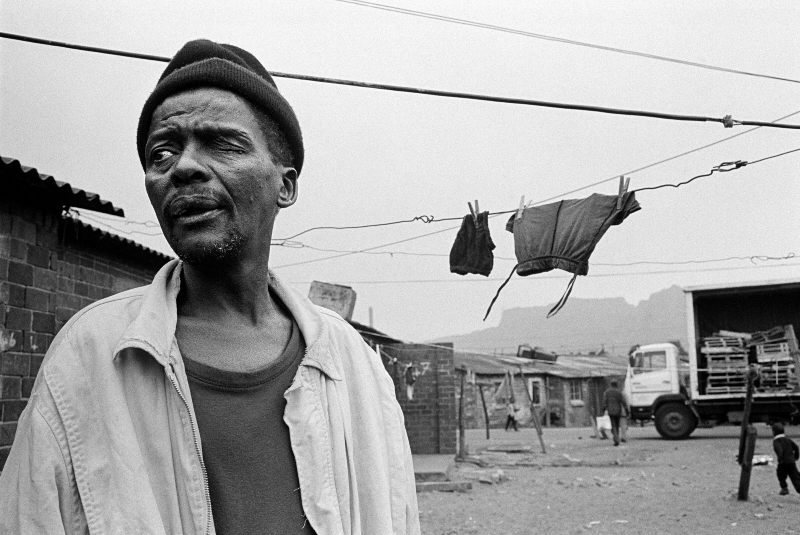
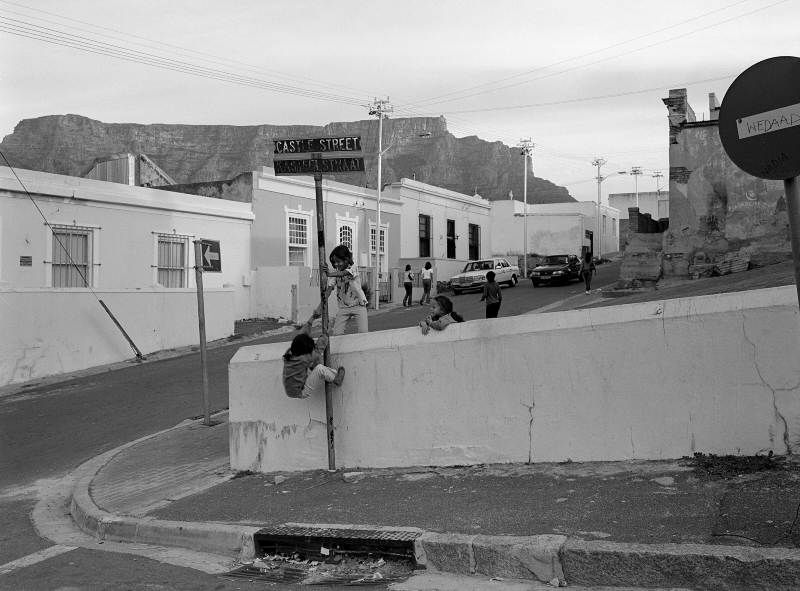
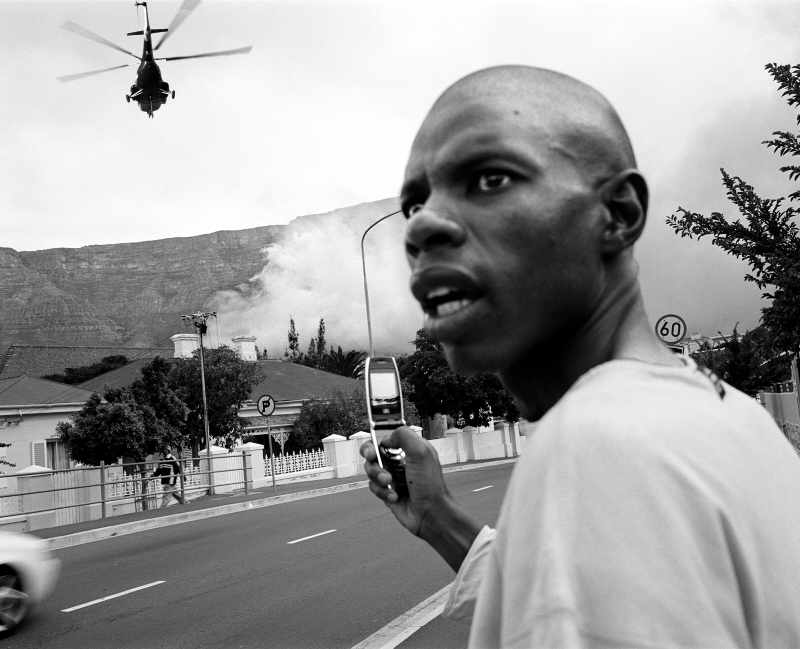
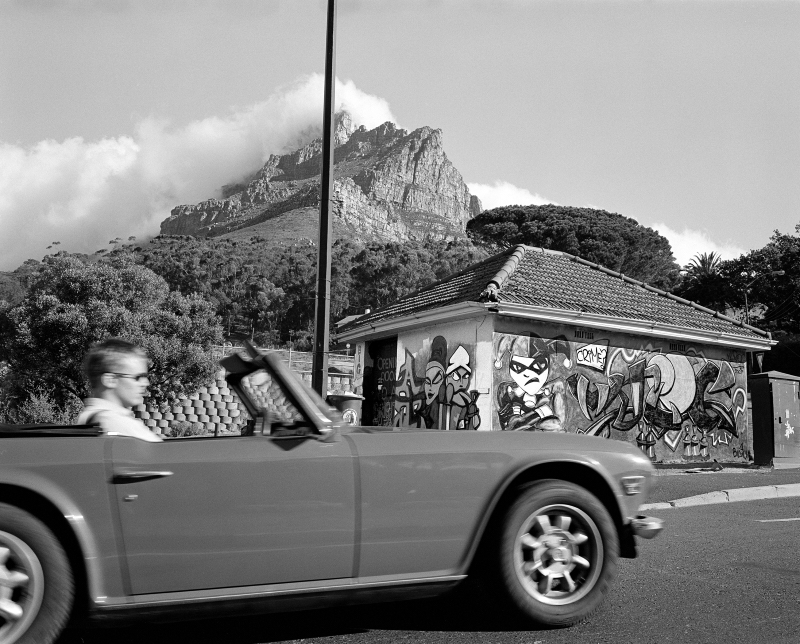
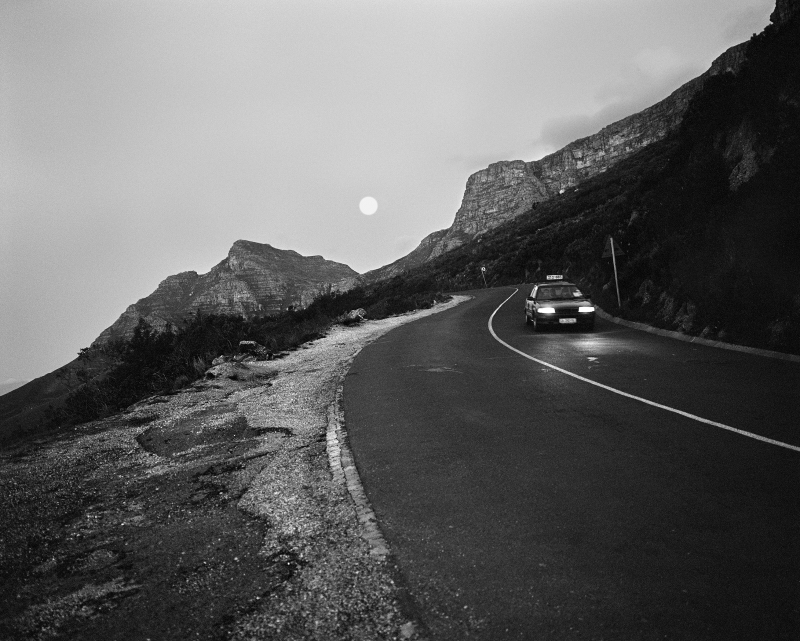
Rather than celebrating the familiar scenic view, the series turns attention to the spaces where everyday life takes place in the mountain’s shadow. Streets, neighbourhood edges and passing encounters form the visual terrain of the photographs, situating the mountain within the lived reality of Cape Town.
The Mountain and the City
Table Mountain functions in the series as both a physical boundary and a symbolic presence. It stands between different parts of the city, shaping how neighbourhoods face the sea, the slopes and one another.
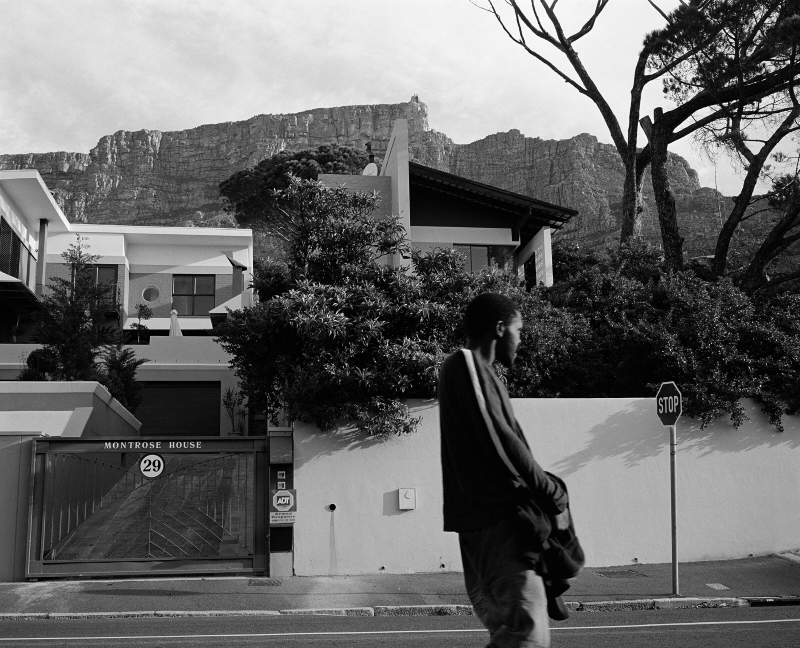
Lurie’s photographs suggest a city divided not only by geography but also by history, privilege and memory. One side looks outward toward the ocean and the promise of paradise. The other exists beyond the mountain, carrying the weight of displacement, endurance and the long legacy of spatial separation that continues to shape Cape Town.
Resisting the Postcard View
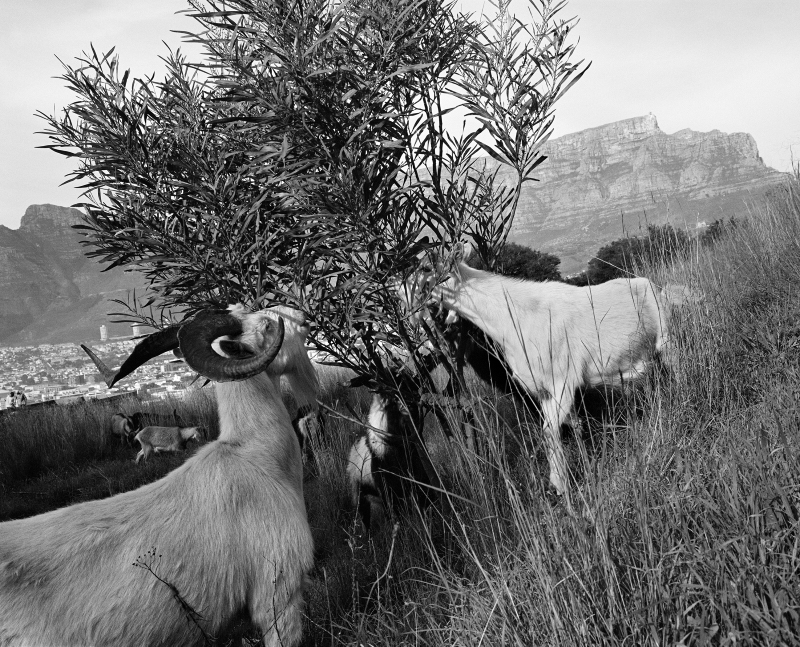
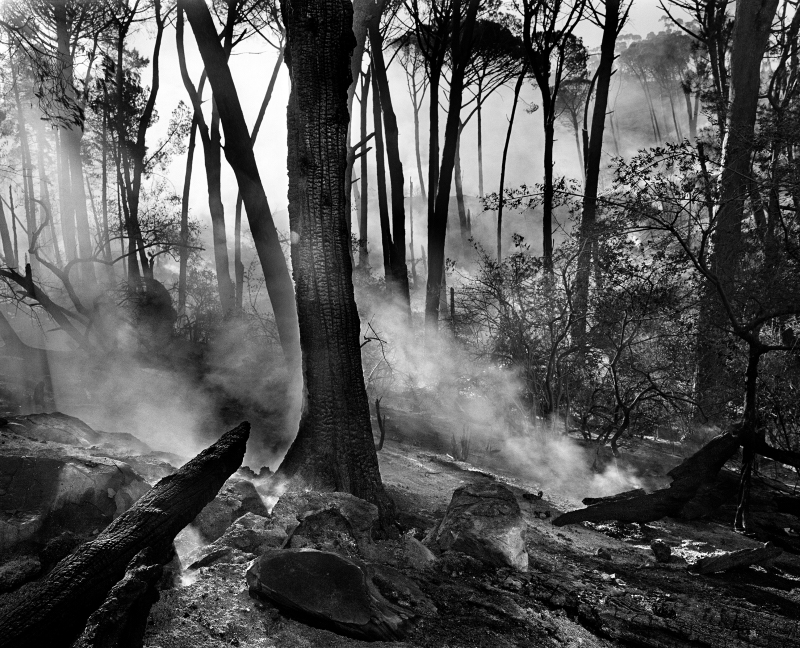
Instead of presenting sweeping panoramic vistas, Images of Table Mountain adopts a restrained and contemplative approach. The mountain sometimes dominates the frame and sometimes recedes almost entirely from view, yet its presence is always felt.
In many photographs it becomes a quiet moderator between worlds. The landscape acts as a constant reference point against which human movement, architecture and everyday life unfold. Through this subtle framing, the mountain shifts from a scenic attraction to a witness to the city’s layered realities.
Landscape and Contradiction
The work echoes the idea that Cape Town’s beauty cannot be separated from its contradictions. The same landscape that attracts admiration and tourism also carries histories of exclusion and unequal development. Lurie’s photographs acknowledge this tension without attempting to resolve it.
The mountain becomes a reminder that place is never neutral. Beneath its iconic silhouette lies a city shaped by competing narratives of belonging, loss and aspiration.
“Table Mountain stands as a silent witness to the shifting lives, histories and contradictions of the city below.”
Image and Text
Accompanied by John Matshikiza’s incisive text, the series situates Table Mountain within a broader social and political landscape. Together, image and word deepen the reading of the photographs, connecting the physical terrain of the mountain with the human stories unfolding around it.
The collaboration frames the mountain not simply as a landmark, but as part of a complex urban narrative. Through this dialogue between photography and writing, the work reflects a city suspended between longing and loss, unity and separation.
Images of Table Mountain ultimately becomes a meditation on what it means to live around the mountain, beneath it and in its shadow. The series reveals a place where paradise and reality exist side by side, and where the landscape quietly observes the lives shaped by it.