South African Photographer
Billy Monk
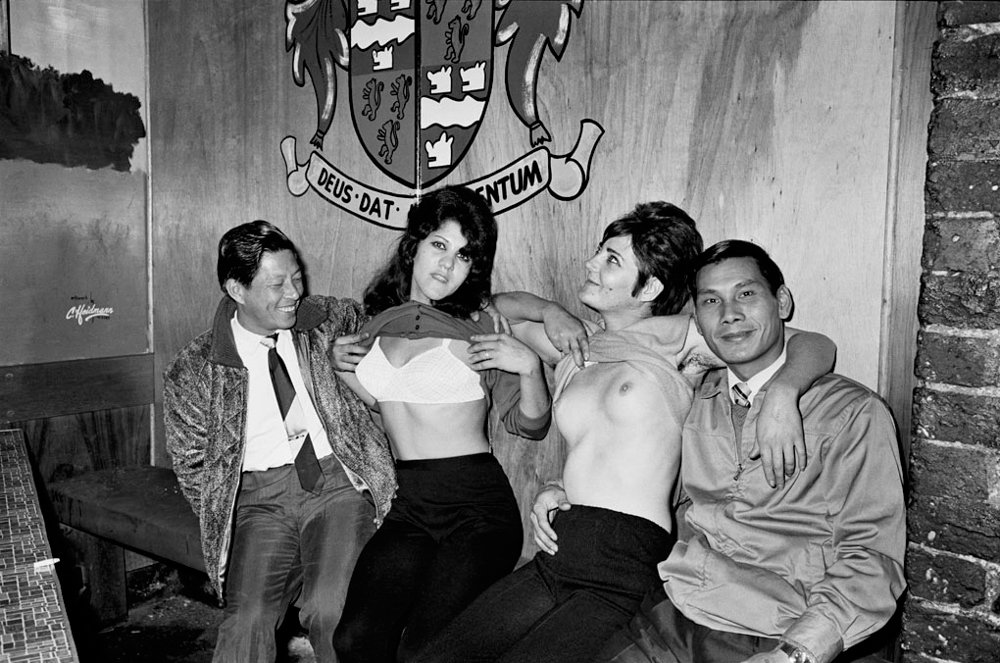
Billy Monk worked as a bouncer in 1960s Cape Town, most notably at The Catacombs nightclub on the city’s docks. During this time, he photographed the people who passed through these spaces, capturing an unfiltered cross section of nightlife that cut across race, class and social boundaries during apartheid. A decade later, his archive resurfaced through a chance rediscovery, leading to an exhibition in Johannesburg in 1982. Monk died shortly thereafter, but his photographs remain one of the most direct and uncompromising visual records of underground life in Cape Town during this period.
overview
Overview
Billy Monk’s photographs document a hidden social world within 1960s Cape Town. Working inside dockside nightclubs, he recorded moments of interaction, performance and excess that stood in contrast to the rigid structures of apartheid society.
His work is significant not only for its subject matter but for the position from which it was made. As both participant and observer, Monk had access to environments that were rarely documented. The resulting images form a rare visual archive of nightlife, marginal communities and transient encounters in South Africa’s urban history.
Born
1937, South Africa
Died
1982, Cape Town, South Africa
Primary Medium
35mm black and white film, silver gelatin prints
Focus
Nightlife, social documentary, marginal communities
biography
Biography
Billy Monk was born in 1937 in South Africa and lived through a period defined by the tightening structures of apartheid. Little is recorded about his early life or formal training, and his entry into photography did not follow a conventional path. His work instead developed from his position within the social environments of Cape Town’s dockside nightlife during the 1960s.
In his twenties and early thirties, Monk worked as a bouncer at The Catacombs, a nightclub located in Cape Town’s harbour district. These venues attracted a mix of sailors, dock workers, musicians and locals, creating rare spaces where the rigid divisions of apartheid were, at times, informally crossed. It was within this environment that Monk began photographing. Using a 35mm camera, he documented the people around him with directness, often working in low light and close proximity to his subjects.
The photographs capture moments of celebration, intimacy and tension. Rather than being produced for exhibition at the time, the images functioned as a personal record of the world he inhabited. After leaving Cape Town, Monk worked as a diamond diver along the South African coastline, and his photographic archive remained largely unseen for several years.
In the early 1980s, the negatives were rediscovered by Paul Gordon, who passed them to photographer Jac de Villiers. With the involvement of David Goldblatt, an exhibition of Monk’s work was organised at The Market Gallery in Johannesburg in 1982. The exhibition introduced his photographs to a wider audience and marked the beginning of their recognition within South African photographic history.
Monk was killed in a shooting following an altercation before he was able to attend his first show. He was in his mid-forties at the time. His life ended abruptly, but the rediscovery of his archive ensured that his work would continue to circulate. Today, his photographs are regarded as a rare and important record of a hidden social world within apartheid-era South Africa.
Craig Cameron-Mackintosh and Gavin Furlonger, working through the Photographic Archival & Preservation Association of South Africa (PAPA-SA), have established a collaborative partnership to support, promote and preserve the work of the Billy Monk Estate. This partnership brings together archival expertise and a shared commitment to safeguarding historically significant photographic material, ensuring that Monk’s work is properly conserved, contextualised and made accessible to both local and international audiences. Through careful stewardship, the collaboration aims to strengthen the long-term legacy of Billy Monk’s photography, positioning it within both South African visual history and the broader field of documentary and cultural archives.
Curatorial Note
Nightlife and the Underground
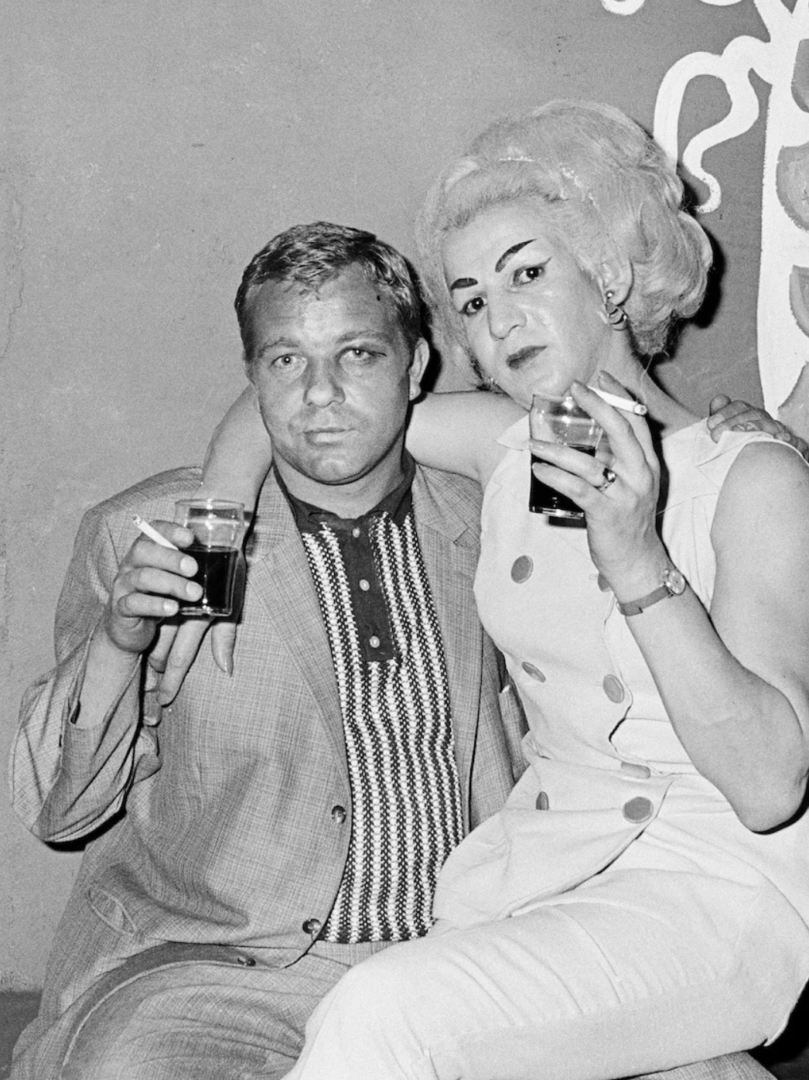
Billy Monk’s photographs offer a rare view into spaces that existed outside the dominant structures of apartheid South Africa. The dockside nightclubs he documented functioned as environments where social boundaries were blurred, even if only temporarily.
His work does not attempt to explain or frame these spaces. Instead, it records them directly, capturing moments of interaction, performance and excess as they unfolded. This immediacy gives the photographs their lasting relevance, positioning them as both visual documents and historical records.
available works
Selected Work
This selection brings together photographs made inside The Catacombs and surrounding dockside environments. The works reflect Monk’s proximity to his subjects and the immediacy of the spaces he documented.
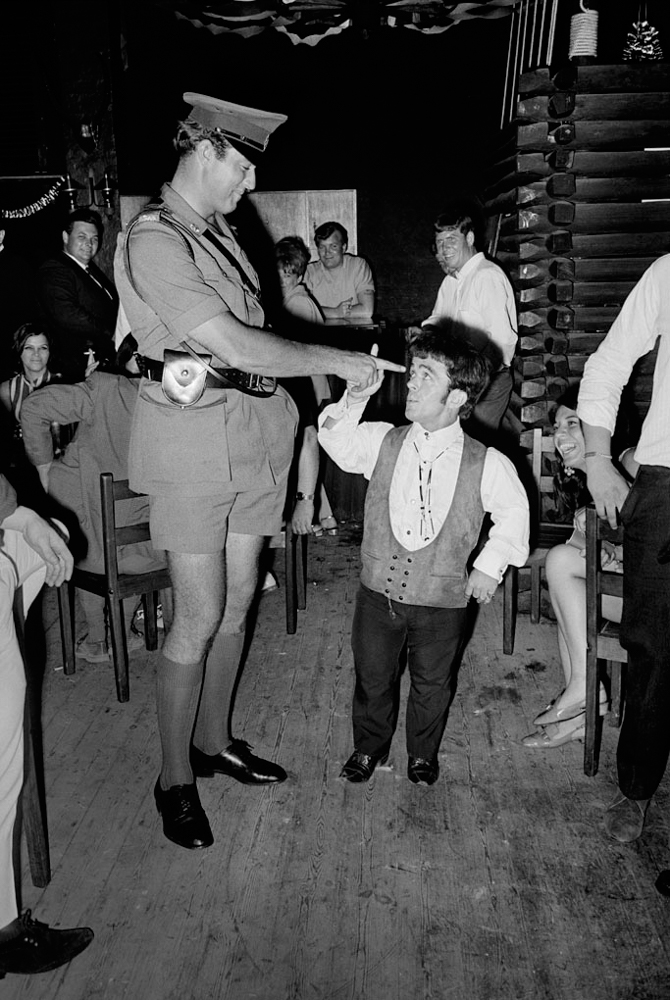
The Catacombs, Cape Town
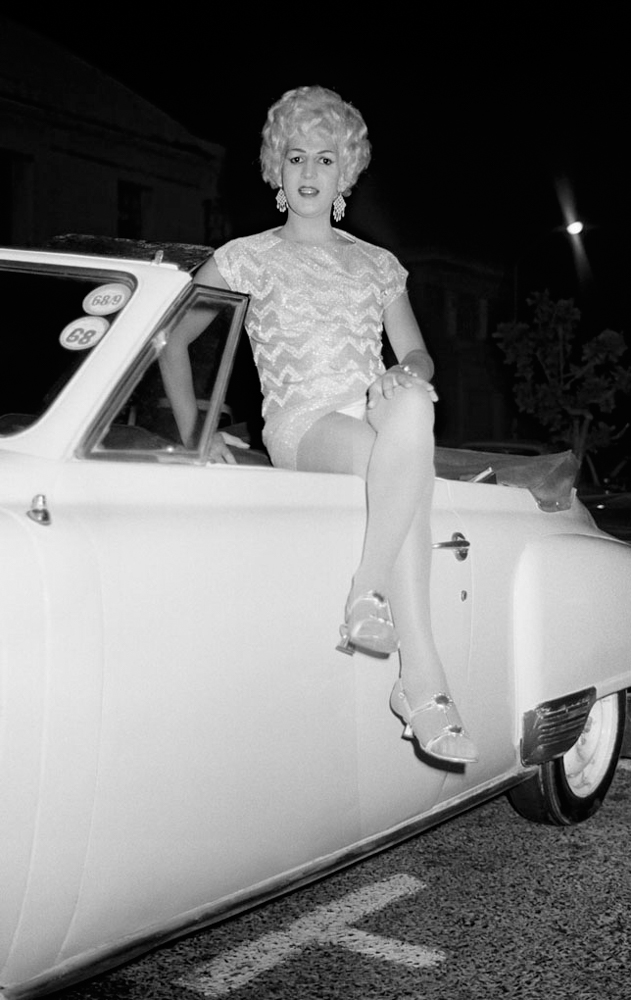
The Catacombs, Cape Town
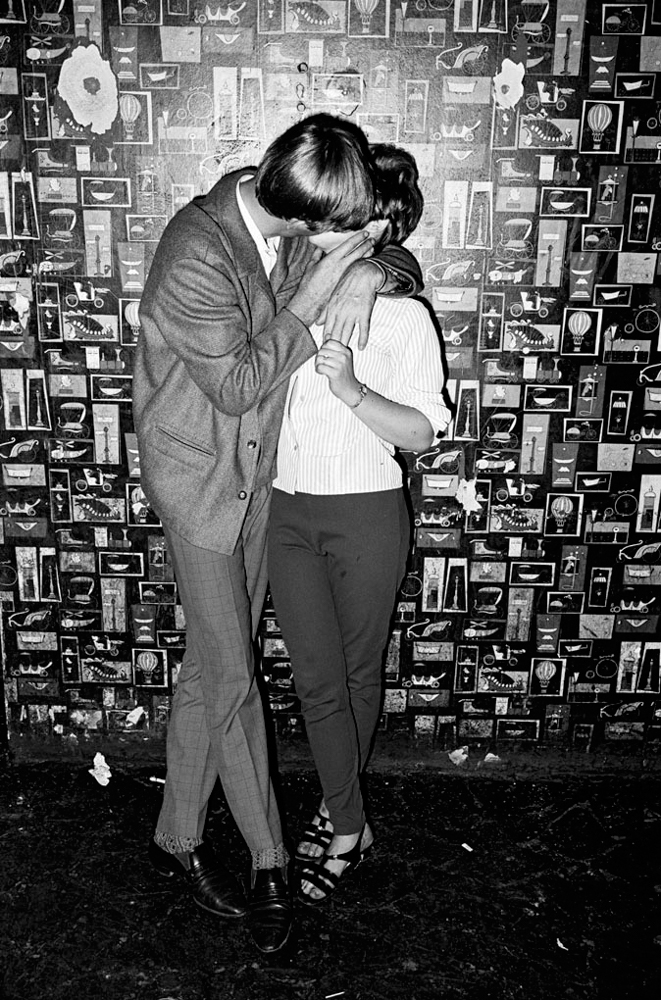
The Catacombs, Cape Town
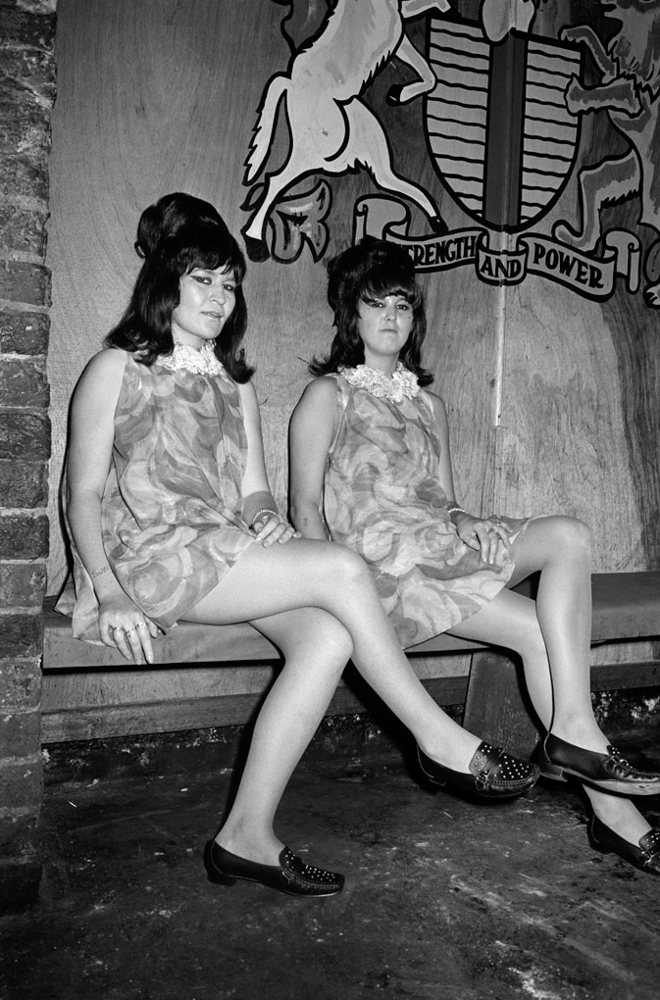
The Catacombs, Cape Town
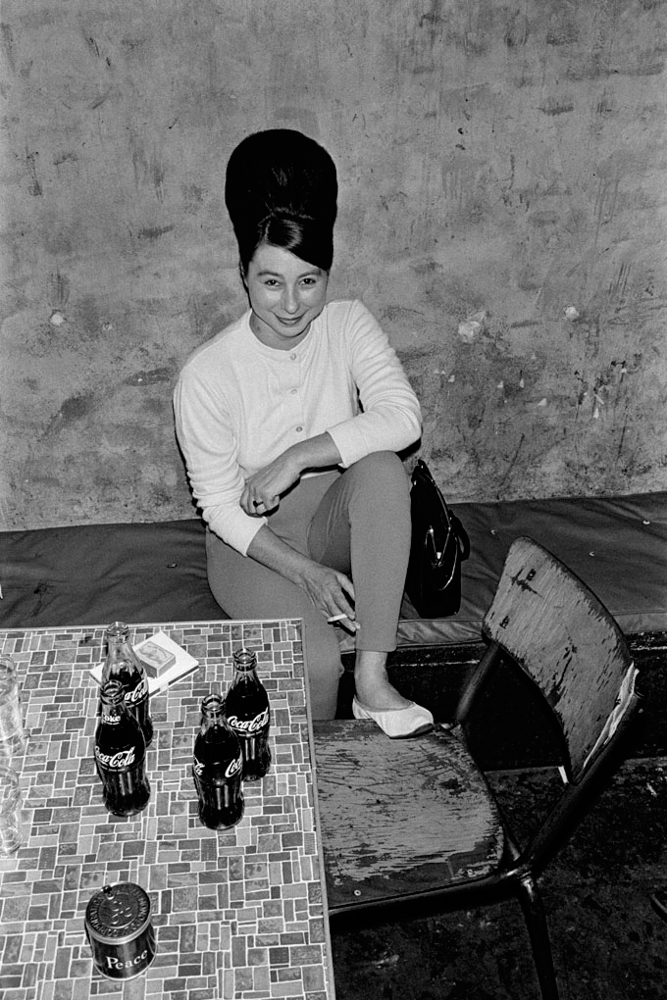
The Catacombs, Cape Town
selected photo series
Selected Series
Billy Monk’s work can be understood through a number of overlapping bodies of images, each rooted in the social environments of Cape Town’s harbour and nightlife during the 1960s.

Achievements
The Market Gallery, Johannesburg, July 1982. Nightclub.
University of Stellenbosch Art Gallery, Stellenbosch, March 1985. Nagklub/Billy Monk.
Iziko South African National Gallery, Cape Town, 1993. From the Bridge to the Catacombs: Photographs by Billy Monk and David Wise.
Iziko South African National Gallery, Cape Town, June – August 2009. Jol.
Brighton Photo Biennial, Brighton, October – November 2010. BPB Curated: New Ways of Looking.
Stevenson, Cape Town, March – April 2011. Nightclub Photographs.
International Center of Photography, New York, September 2012 – January 2013. Rise and Fall of Apartheid: Photography and the Bureaucracy of Everyday Life.
San Francisco Museum of Modern Art (SFMoMA), San Francisco, December 2012 – March 2013. South Africa in Apartheid and After: David Goldblatt, Ernest Cole, Billy Monk.
A4 Arts Foundation, Cape Town, September 2017 – January 2018. You & I.
Investec Cape Town Art Fair, 15 – 17 February 2019. A Clean Heart and a Cheerful Spirit.
Ink Asia (part of Fine Art Asia), Hong Kong, 4 – 7 October 2019. Works included in Boogie Woogie Photography’s booth.
The Container, Tokyo + The Hive Spring, Hong Kong, 27 September 2019 – 6 January 2020. Defiance and Decadence Under Apartheid.
Association for Visual Arts (AVA), Cape Town, 4 March – 9 July 2020. Love in a Loveless Time.
Pékin Fine Arts, Hong Kong, 8 August – 13 October 2020. Large Format, Small Space.
Ink Asia (part of Fine Art Asia), Hong Kong, 27 – 30 November 2020. Works included in Boogie Woogie Photography’s booth.
Latitudes Online, 15th July 2021. UNSEEN.
THEFOURTH, Cape Town, March 2022. Death Row Dinner.
University of Stellenbosch Art Gallery, Stellenbosch, March 1985. Nagklub/Billy Monk.
Iziko South African National Gallery, Cape Town, 1993. From the Bridge to the Catacombs: Photographs by Billy Monk and David Wise.
Iziko South African National Gallery, Cape Town, June – August 2009. Jol.
Brighton Photo Biennial, Brighton, October – November 2010. BPB Curated: New Ways of Looking.
Stevenson, Cape Town, March – April 2011. Nightclub Photographs.
International Center of Photography, New York, September 2012 – January 2013. Rise and Fall of Apartheid: Photography and the Bureaucracy of Everyday Life.
San Francisco Museum of Modern Art (SFMoMA), San Francisco, December 2012 – March 2013. South Africa in Apartheid and After: David Goldblatt, Ernest Cole, Billy Monk.
A4 Arts Foundation, Cape Town, September 2017 – January 2018. You & I.
Investec Cape Town Art Fair, 15 – 17 February 2019. A Clean Heart and a Cheerful Spirit.
Ink Asia (part of Fine Art Asia), Hong Kong, 4 – 7 October 2019. Works included in Boogie Woogie Photography’s booth.
The Container, Tokyo + The Hive Spring, Hong Kong, 27 September 2019 – 6 January 2020. Defiance and Decadence Under Apartheid.
Association for Visual Arts (AVA), Cape Town, 4 March – 9 July 2020. Love in a Loveless Time.
Pékin Fine Arts, Hong Kong, 8 August – 13 October 2020. Large Format, Small Space.
Ink Asia (part of Fine Art Asia), Hong Kong, 27 – 30 November 2020. Works included in Boogie Woogie Photography’s booth.
Latitudes Online, 15th July 2021. UNSEEN.
THEFOURTH, Cape Town, March 2022. Death Row Dinner.
publications
Books
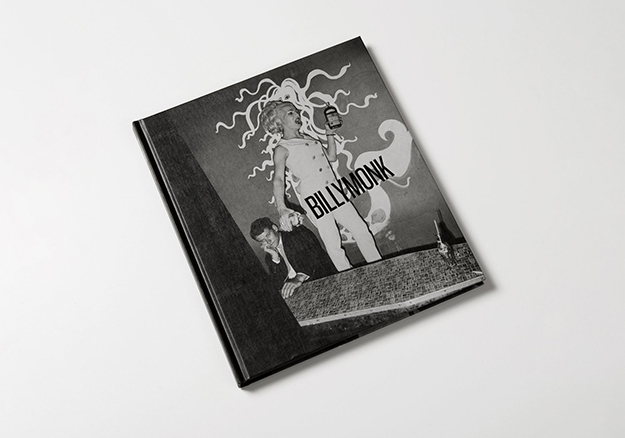
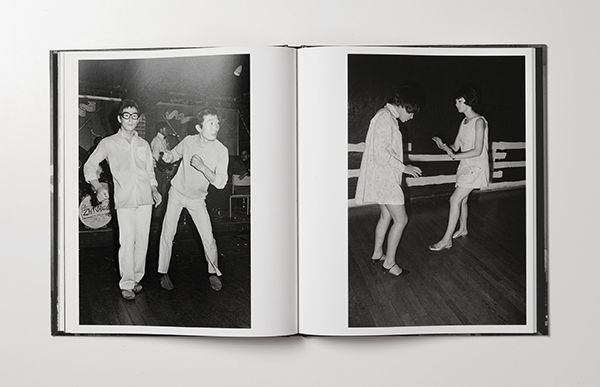
Billy Monk - Nightclub Photos
Featuring 47 iconic Monk images and written texts by David Goldblatt, Jac de Villiers and Lin Sampson, this hardcover photo book is a collectible item and a beautifully crafted glimpse into Cape Town’s sailor underworld.
Designed by Gabrielle Guy and published by Dewi Lewis Publishing. Format: Hardcover, 96 pages. Dimensions 240 x 280 x 14mm | 861.83g. Publication date 06 Mar 2012. Language: English.
Documentary Video
Billy Monk | Shot In The Dark
Billy Monk UNSEEN | Latitudes Webinar
Collect
Explore Available Works
Billy Monk’s photographs form part of an important archive of South African social history. Enquiries are welcome for available works, editions and further information.