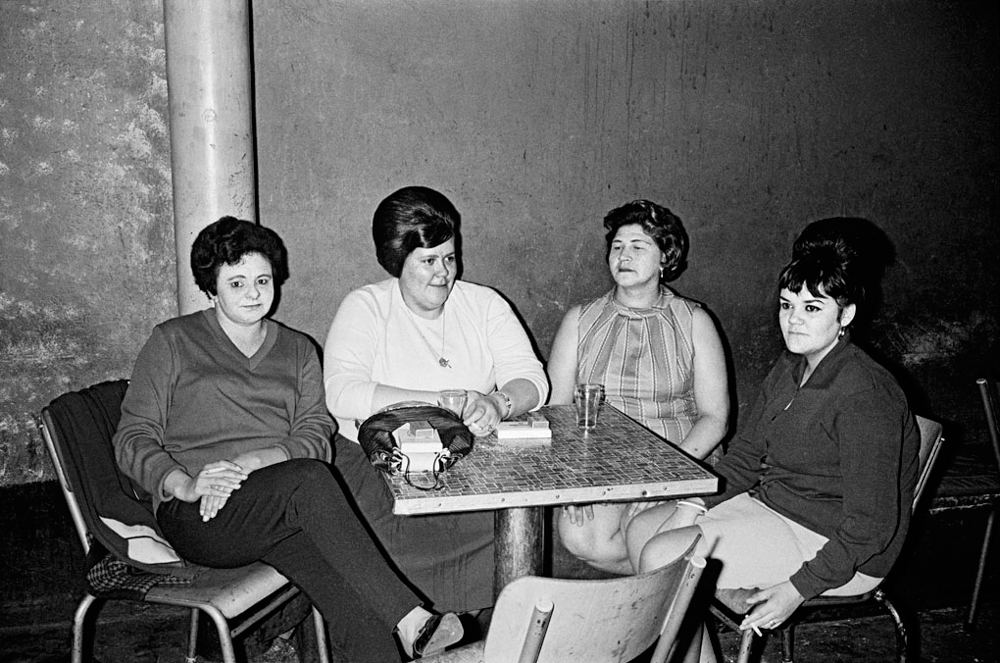
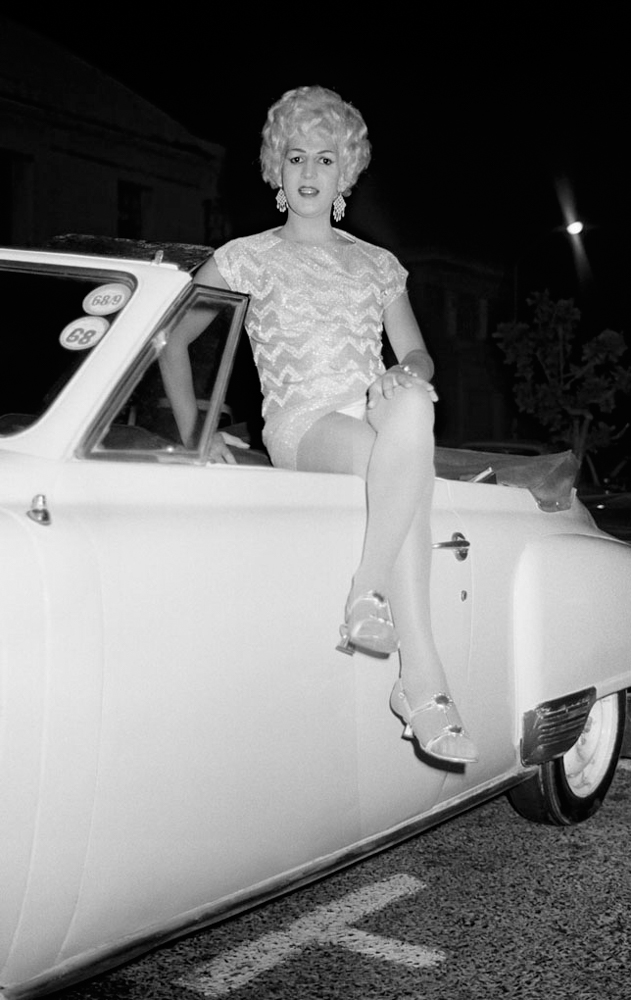
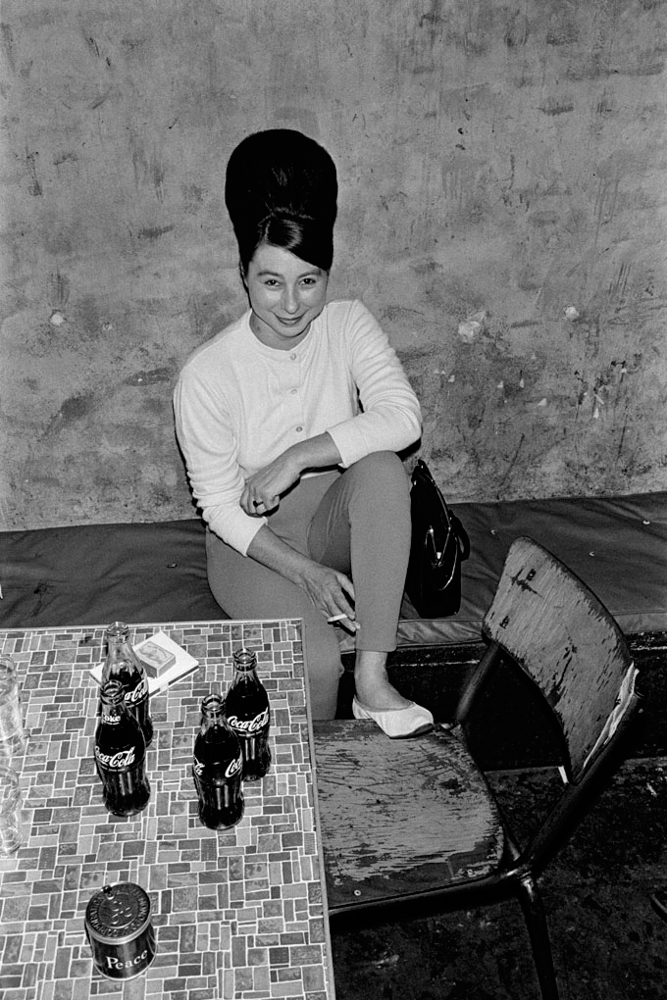
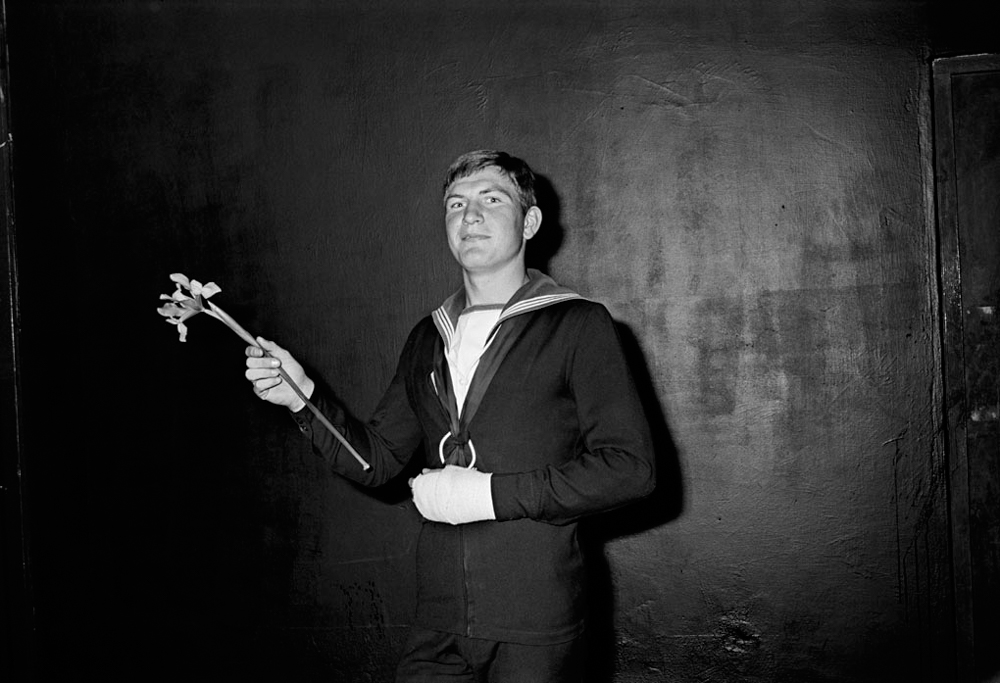
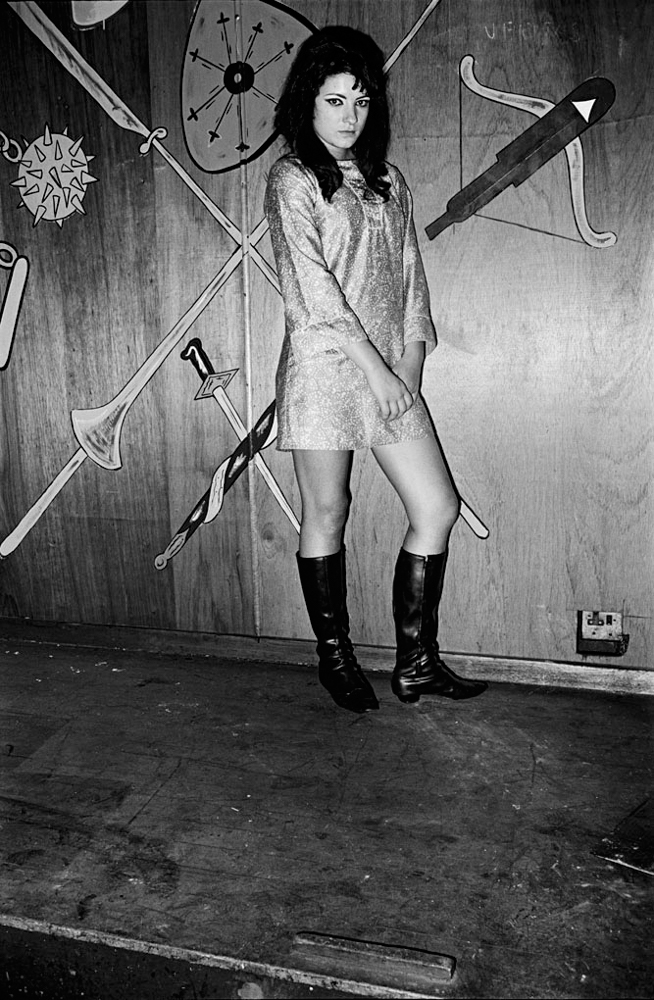
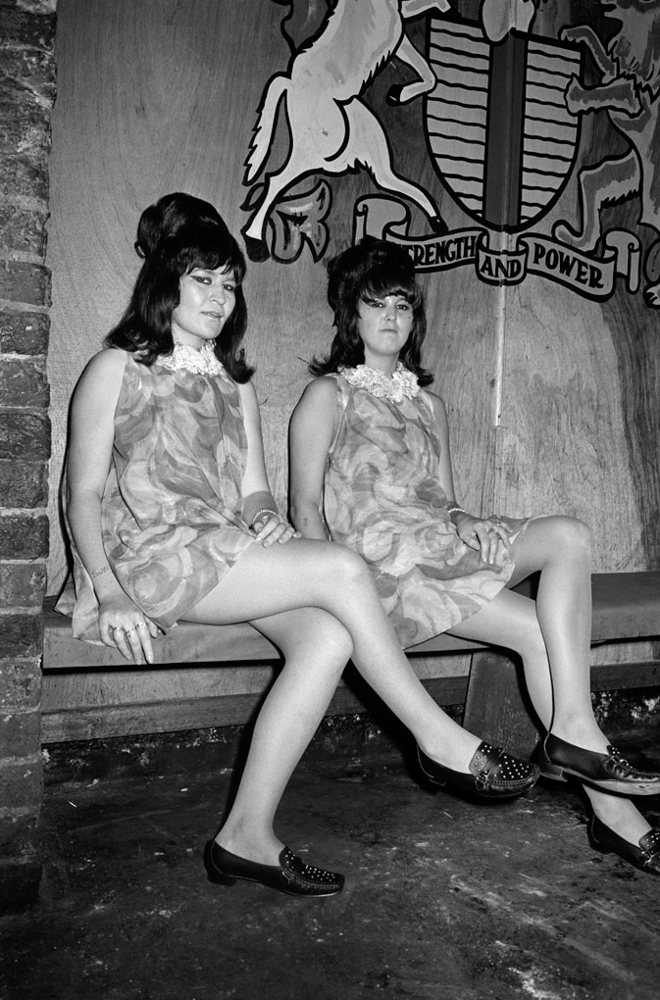
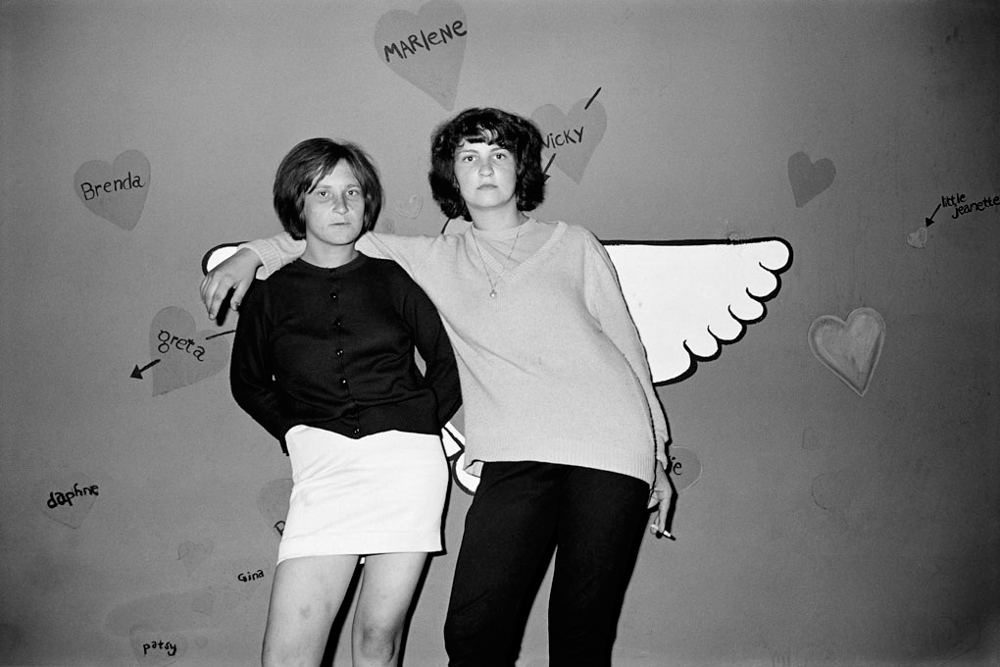
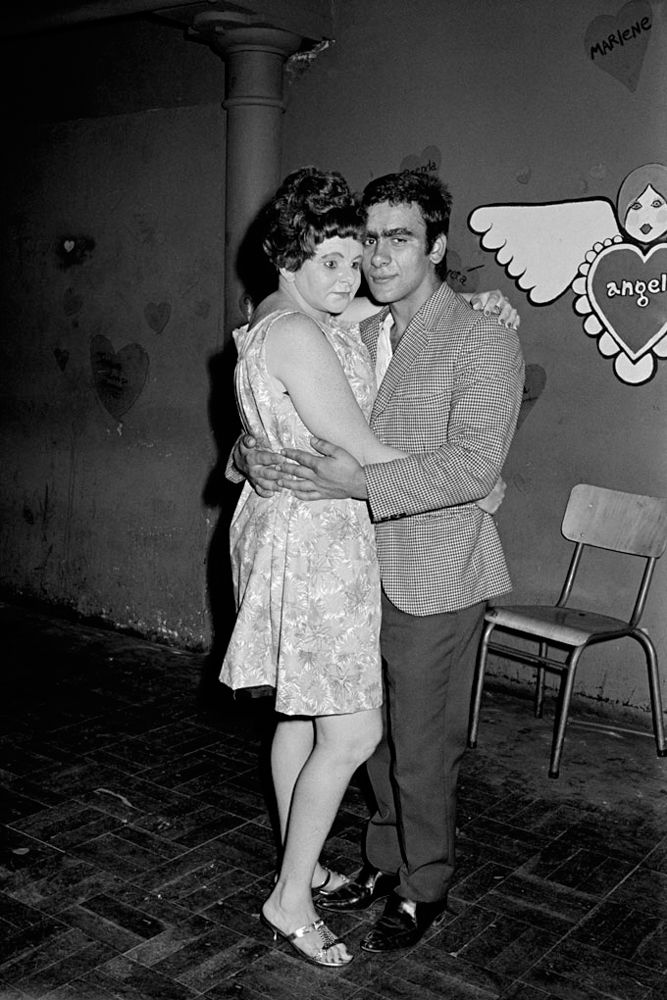
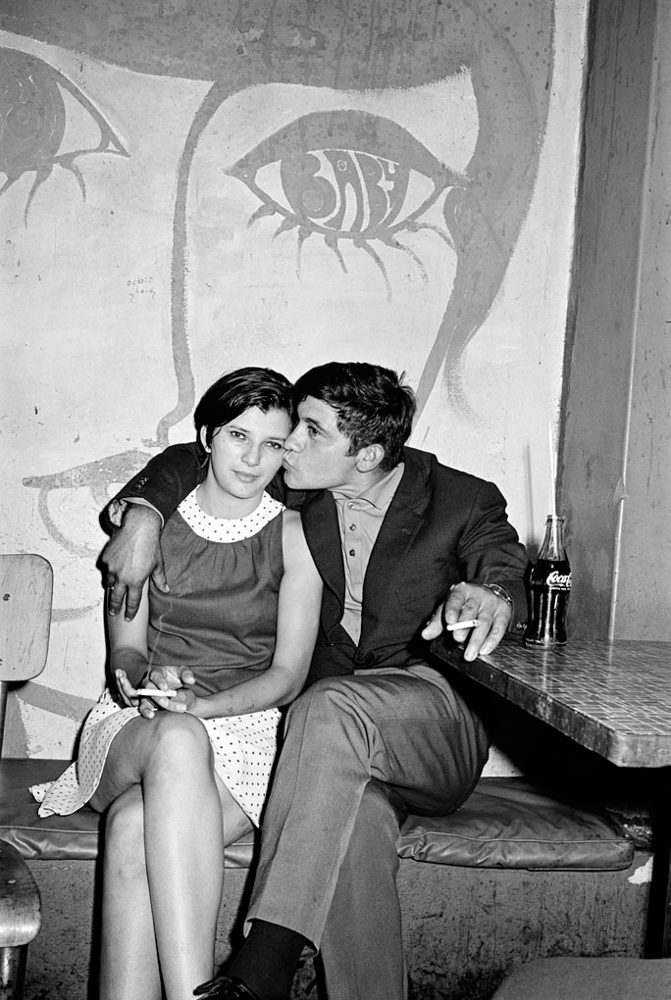
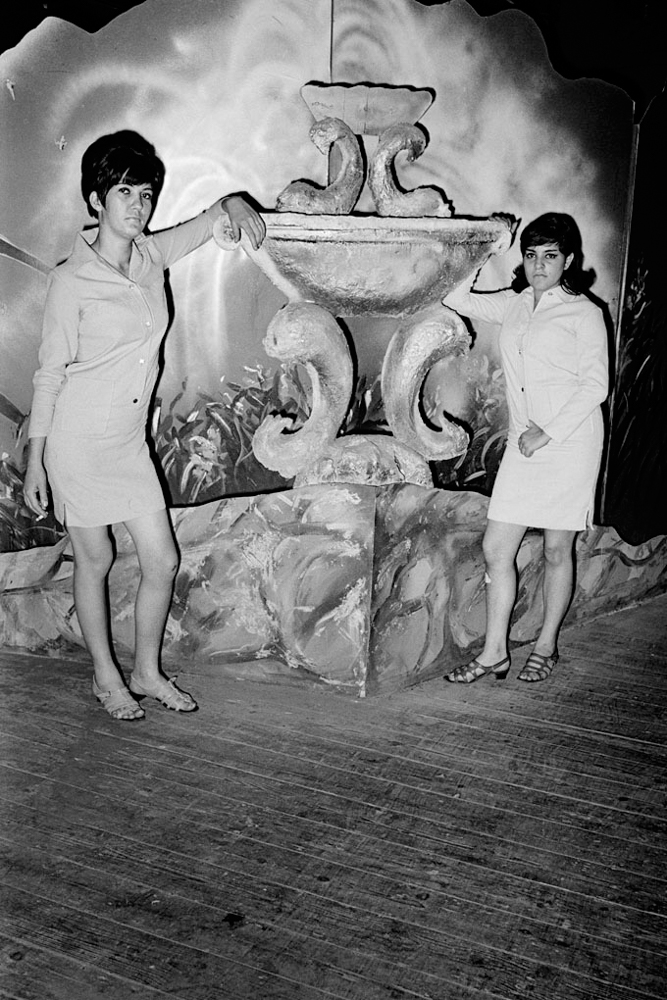
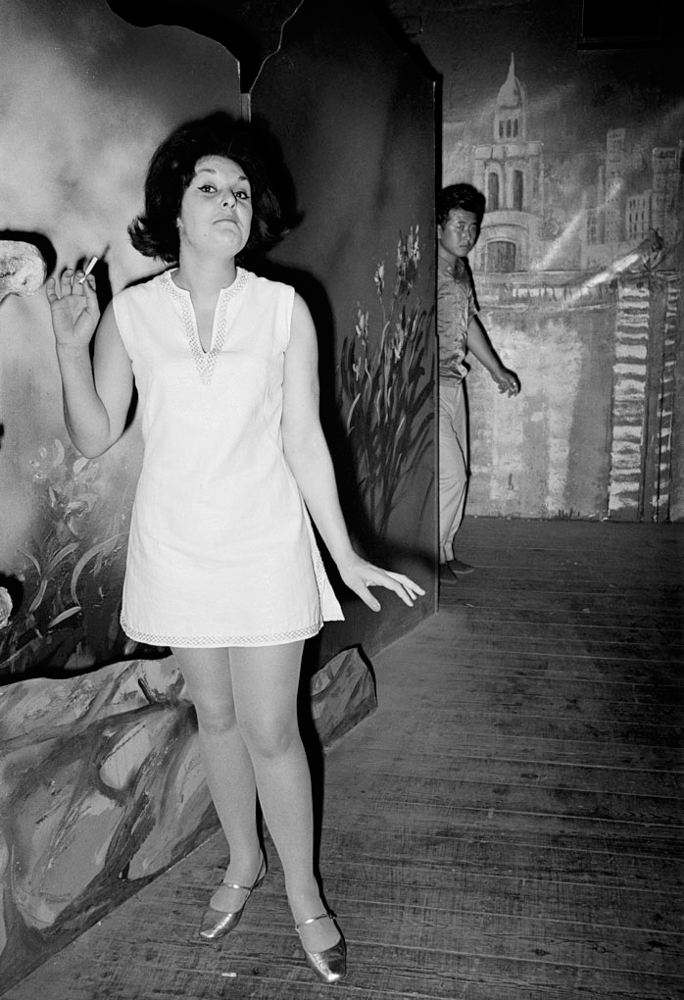
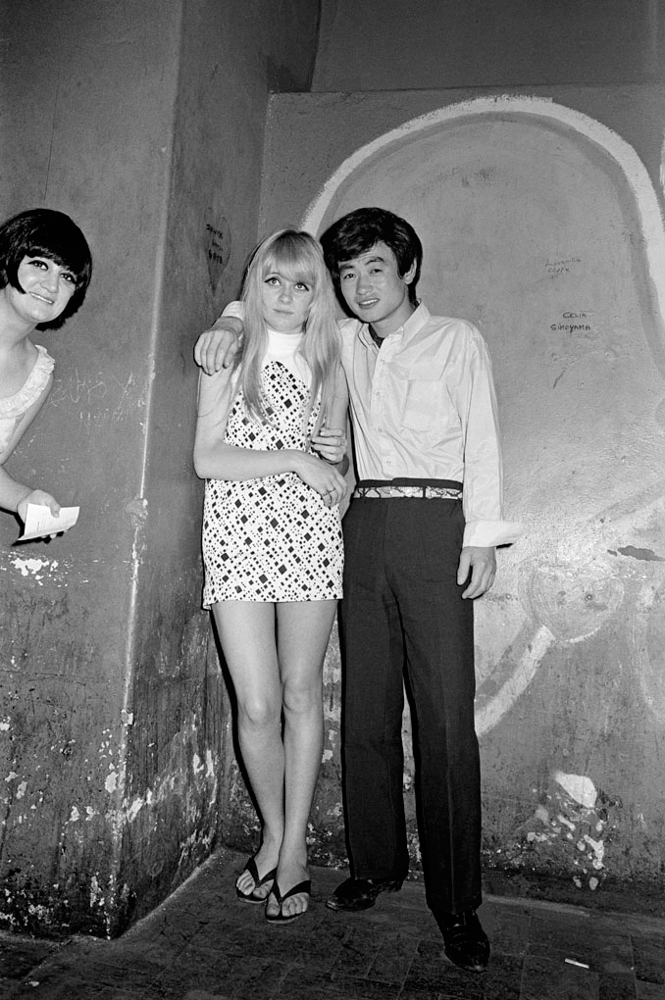
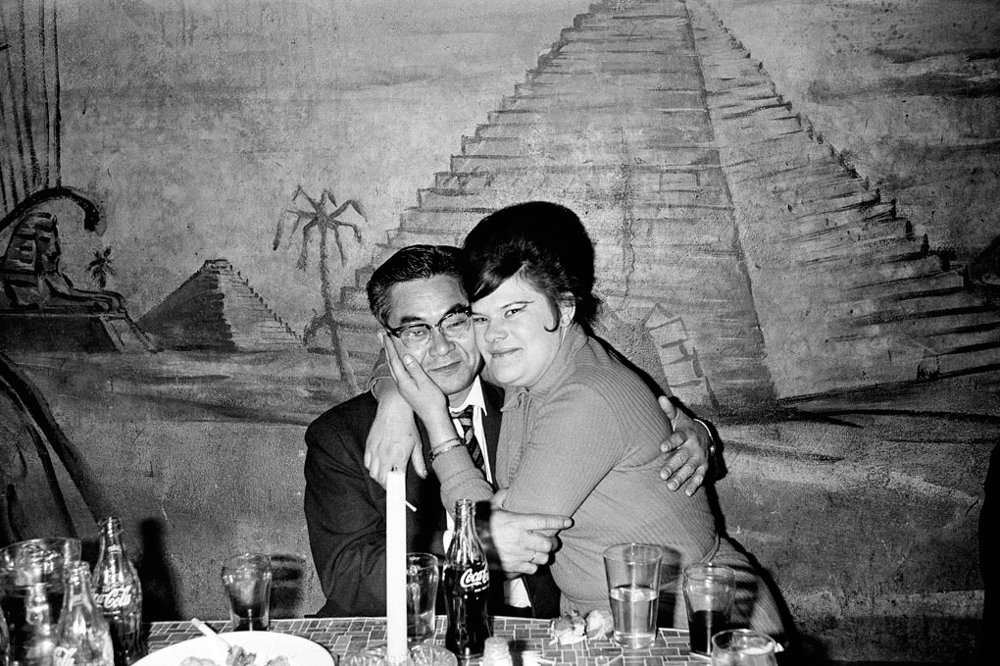
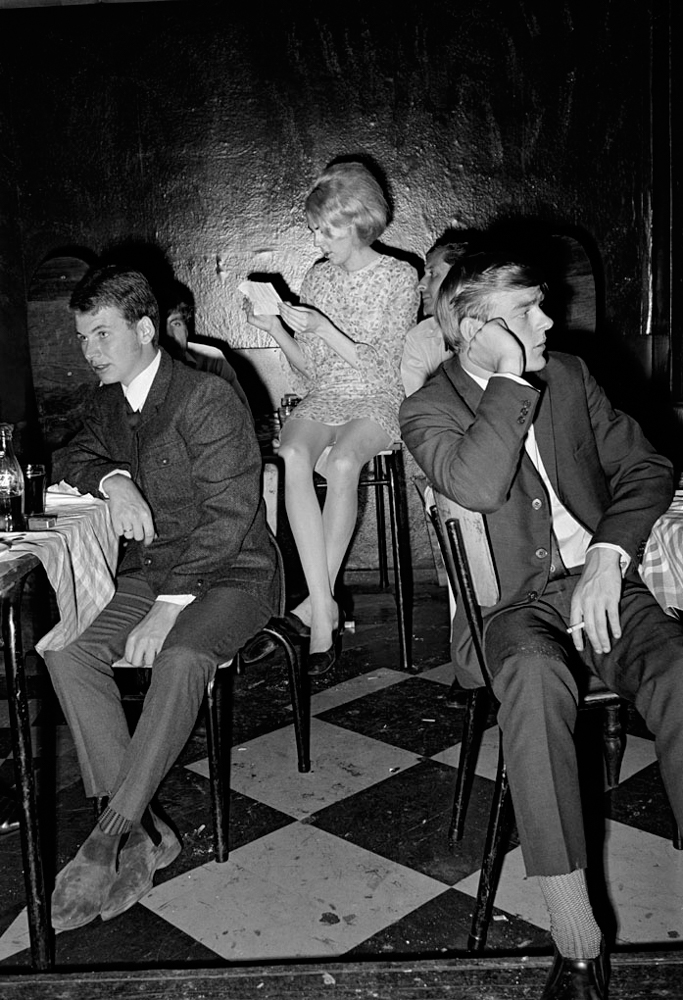
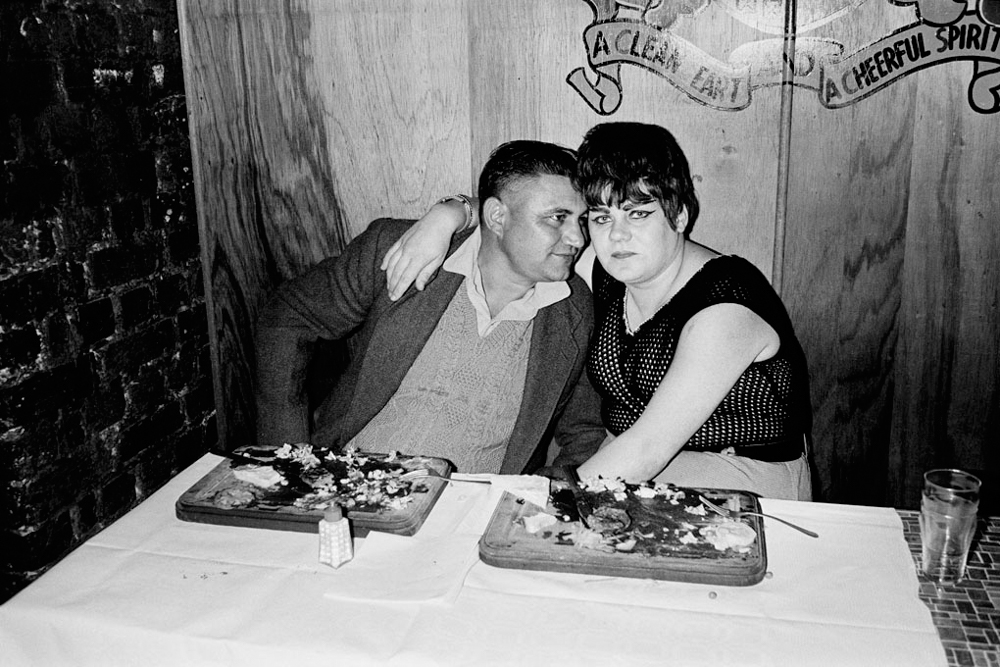
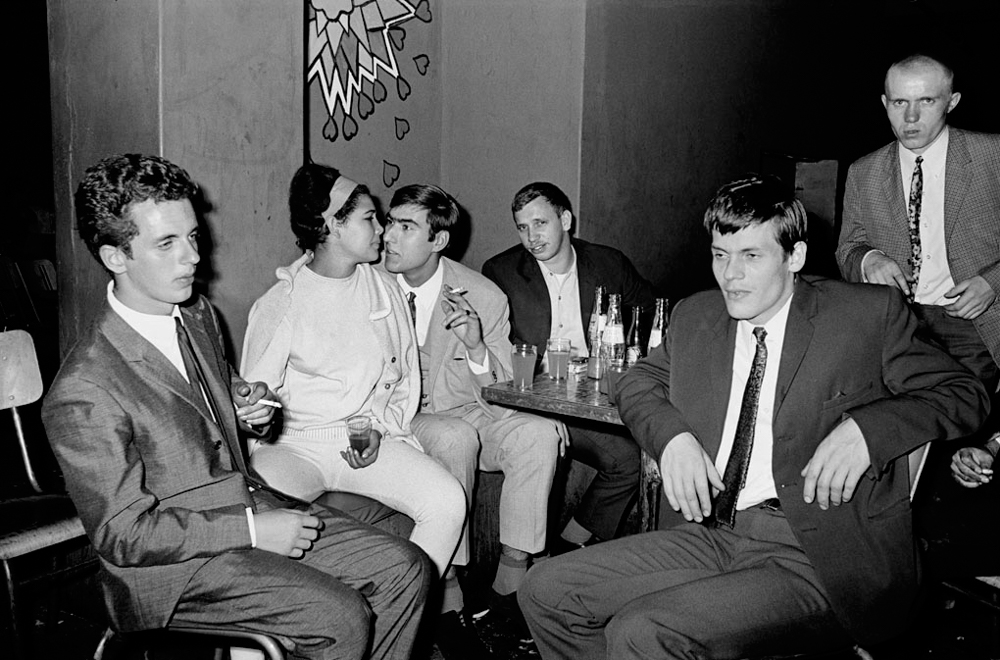
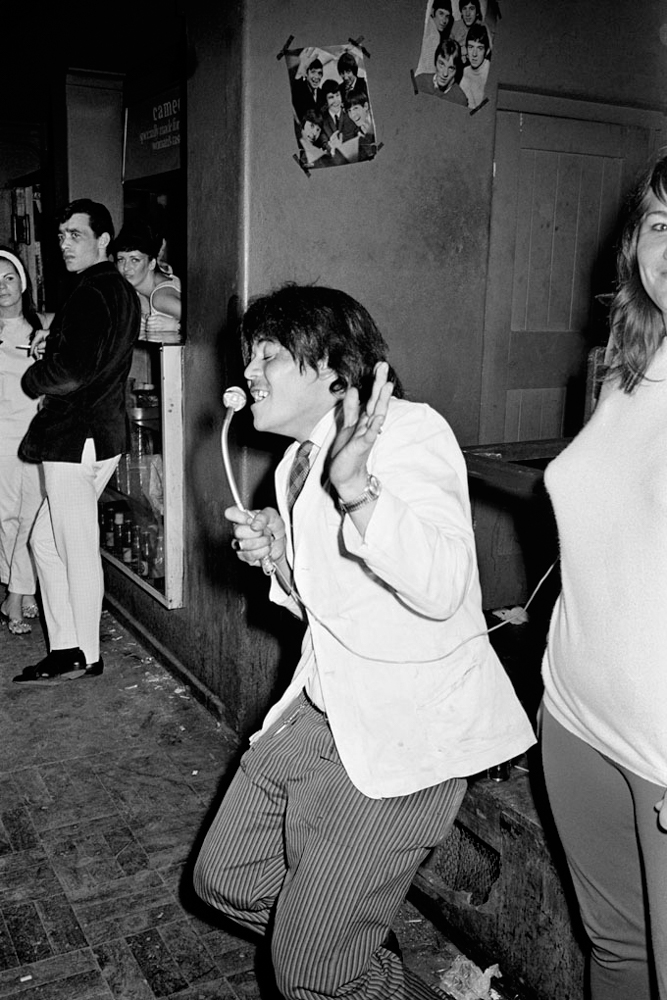
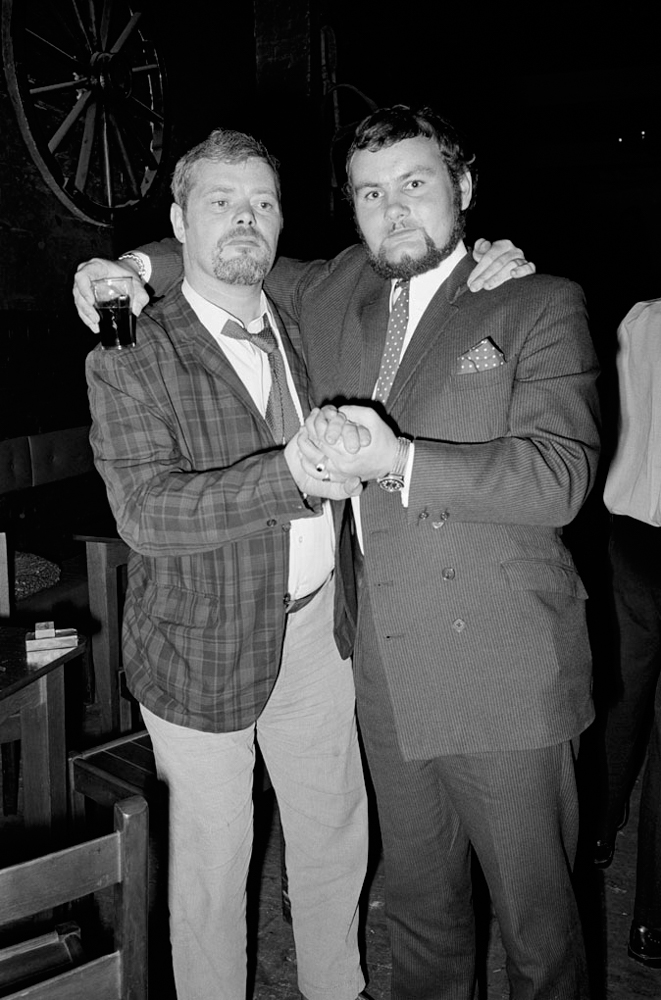
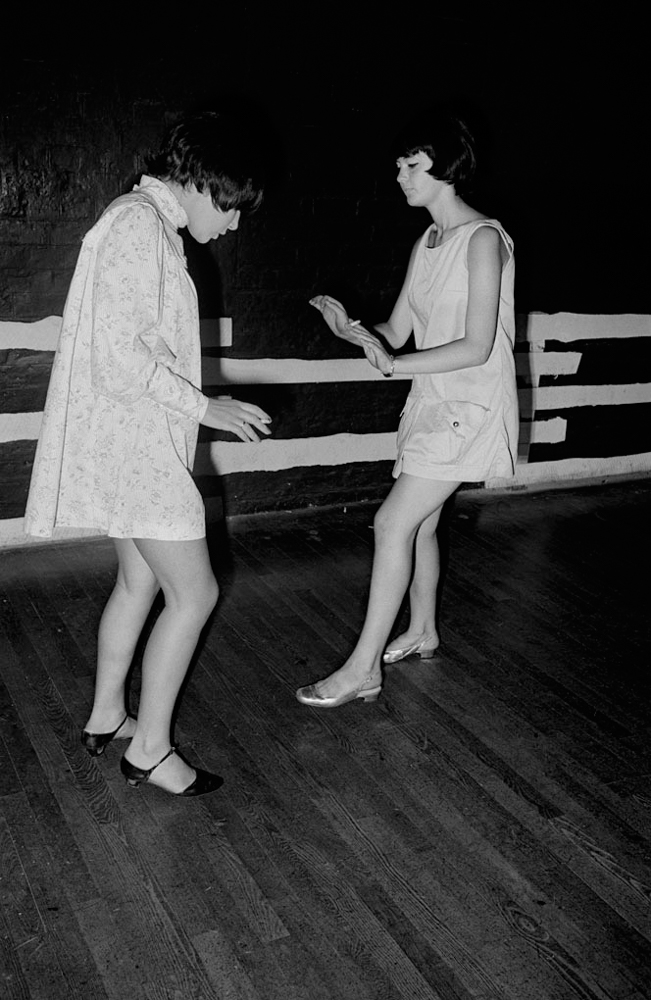
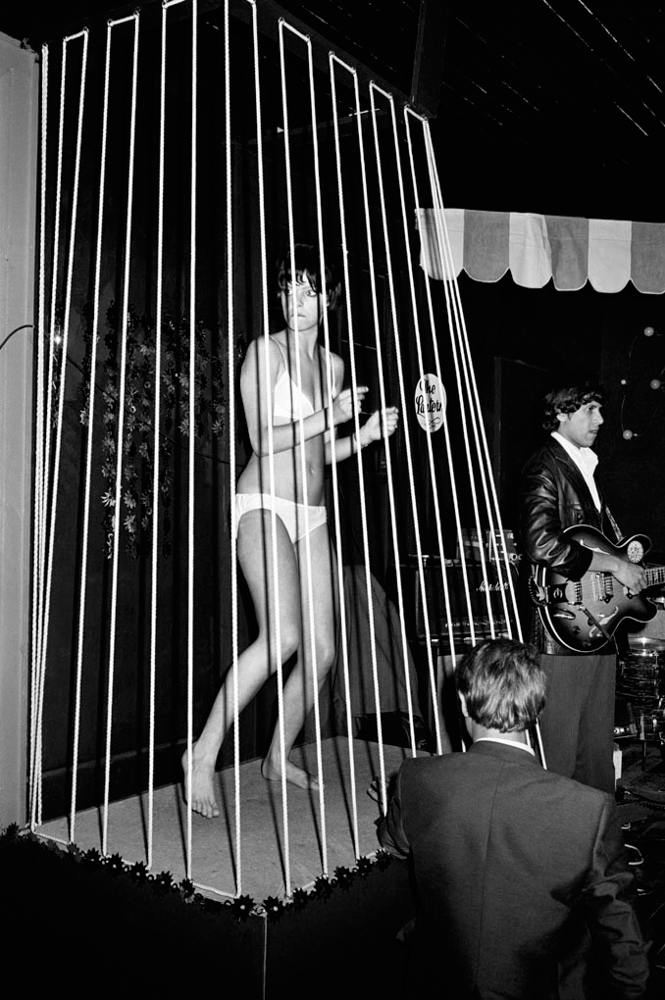
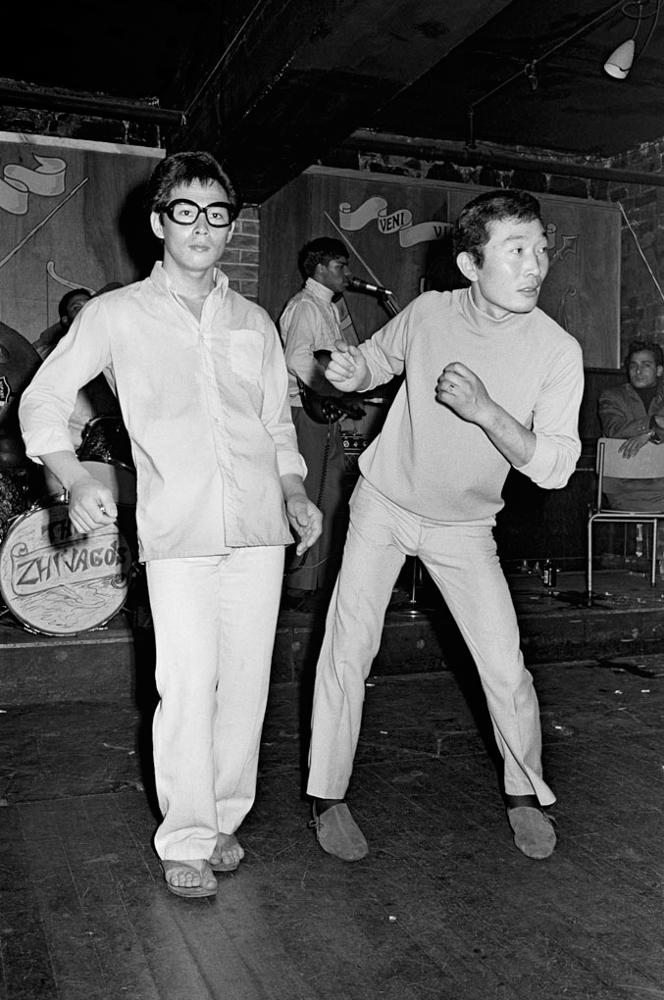
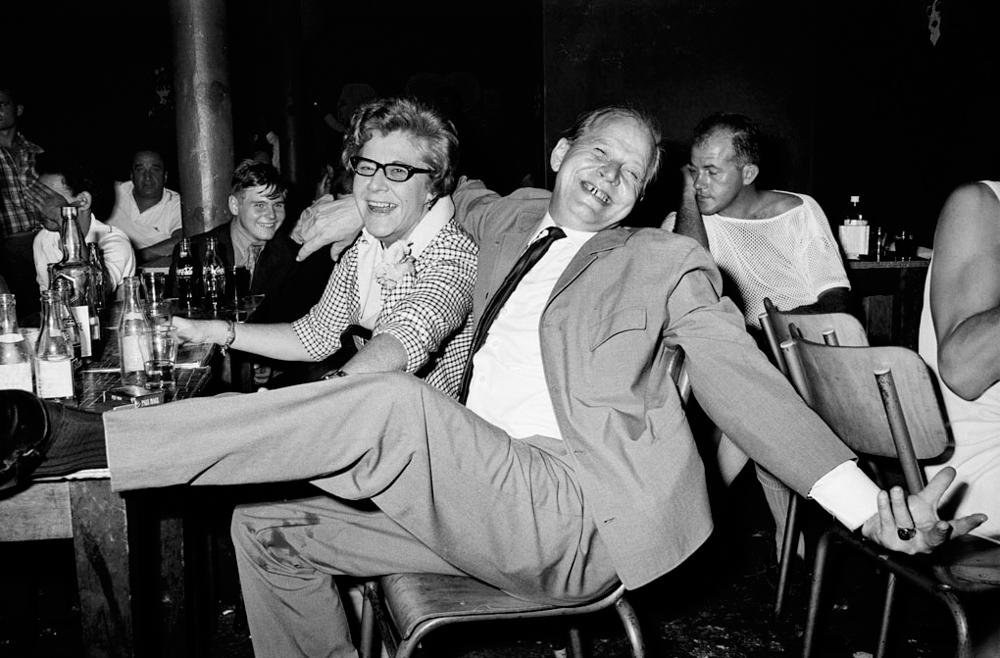
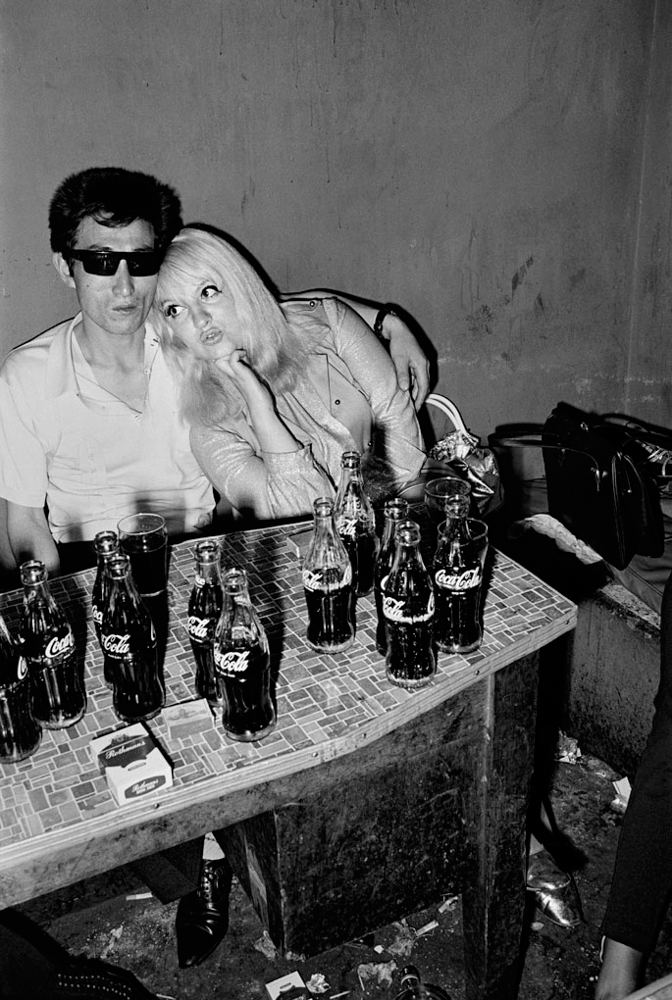
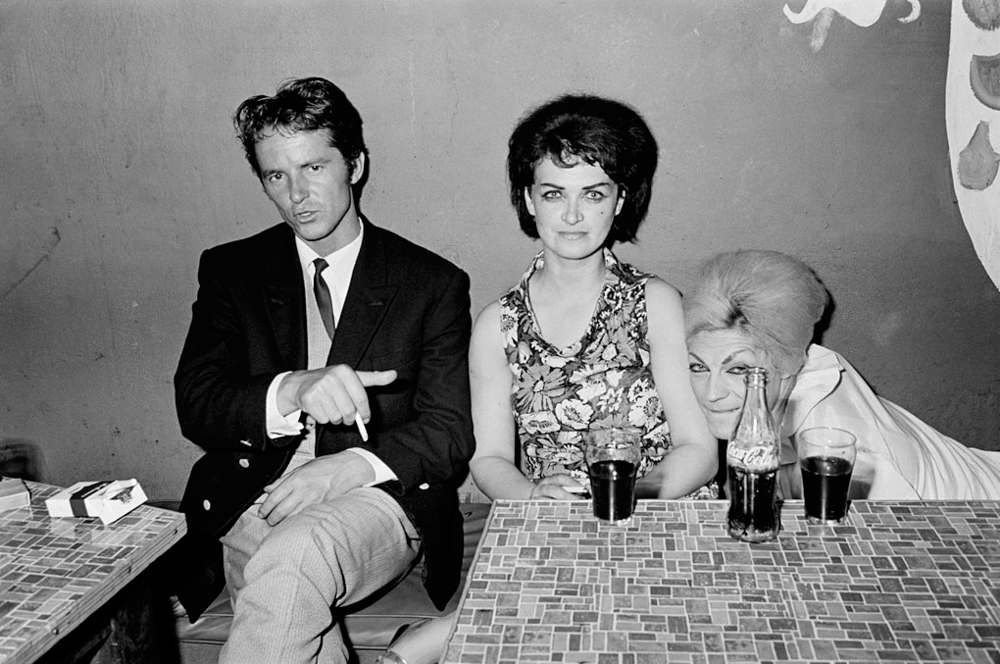
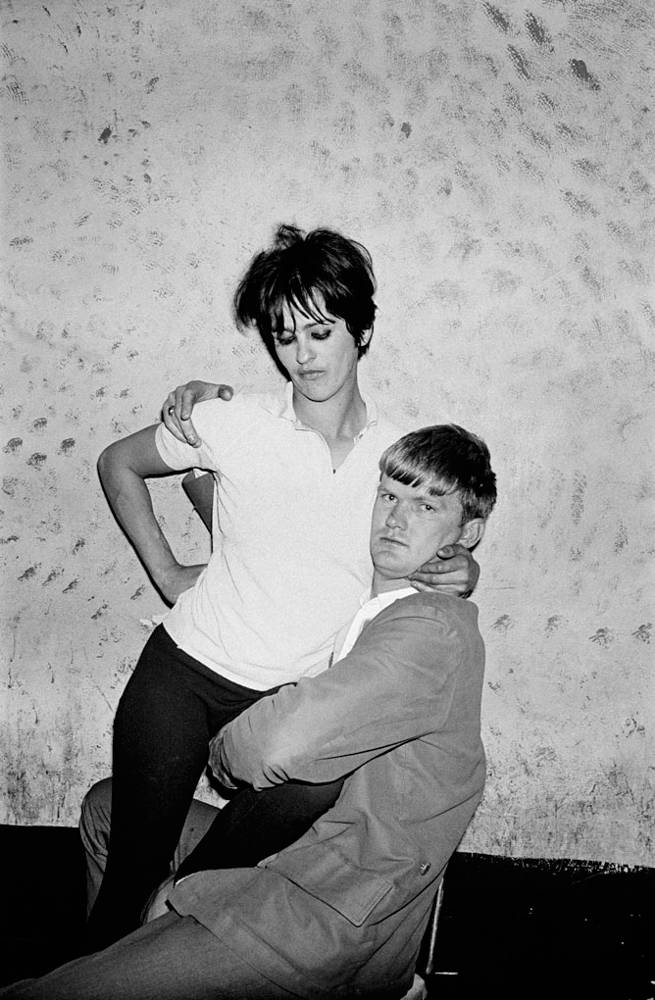
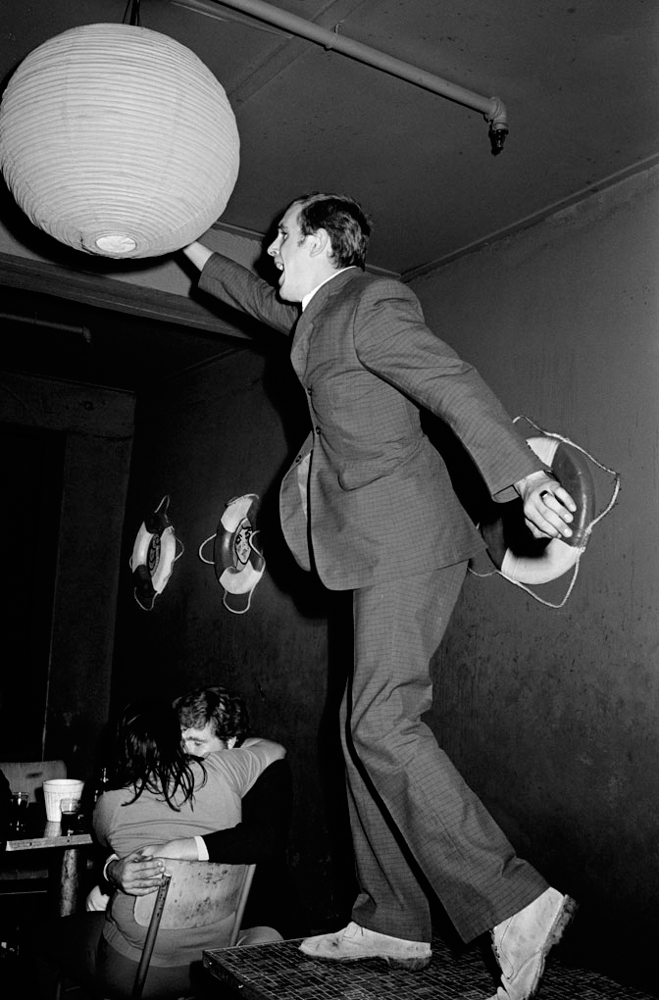
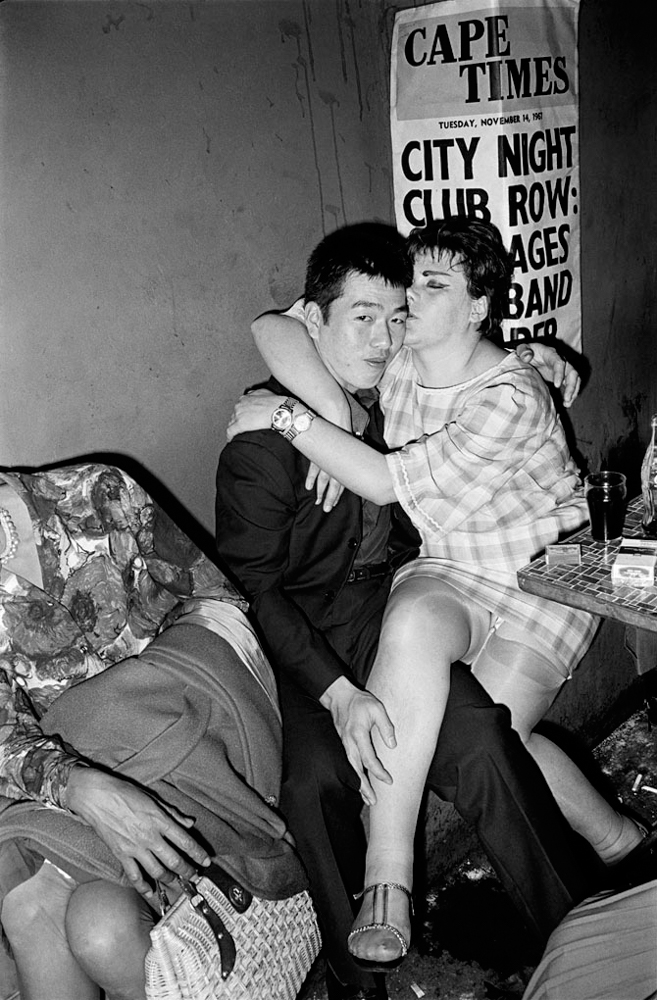
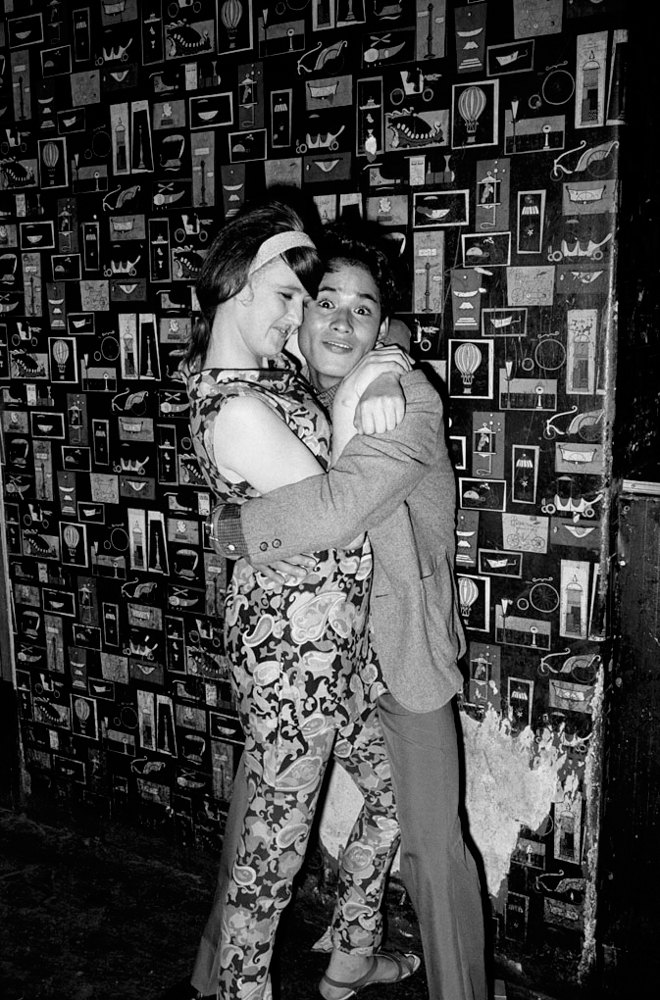
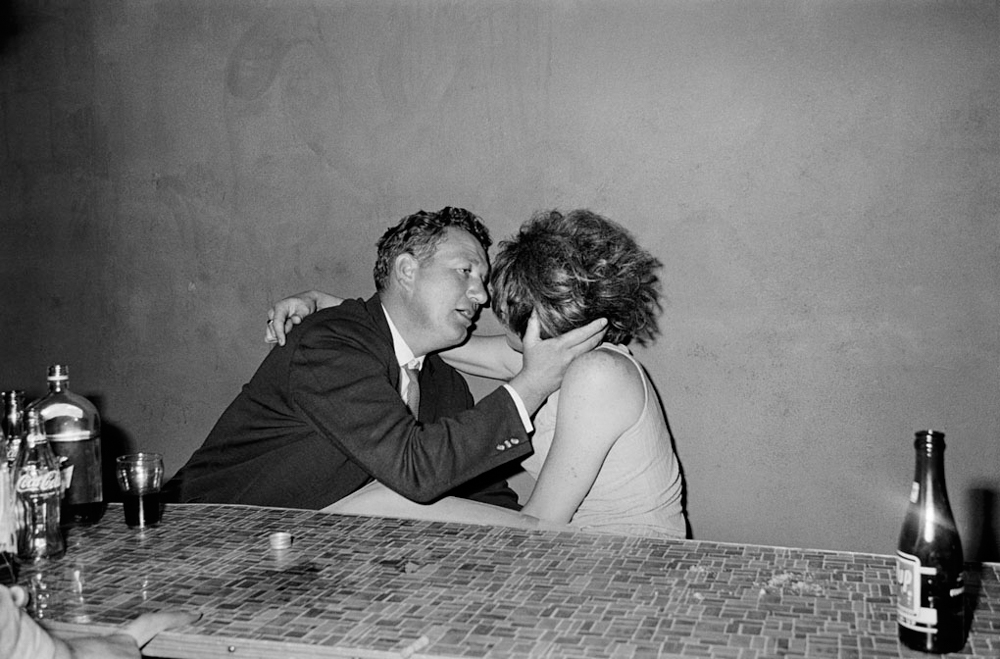
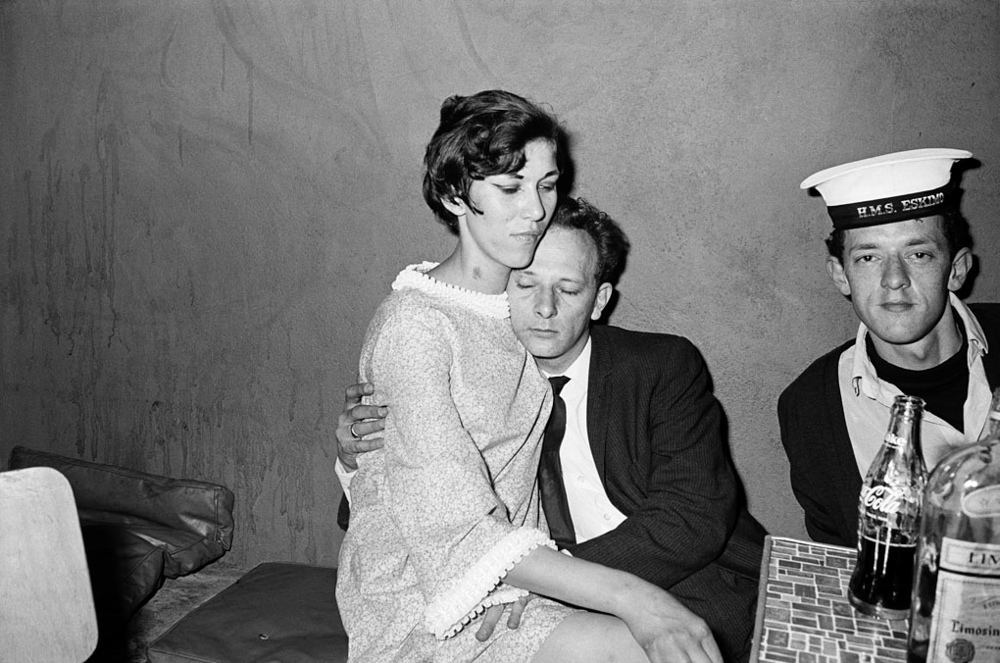
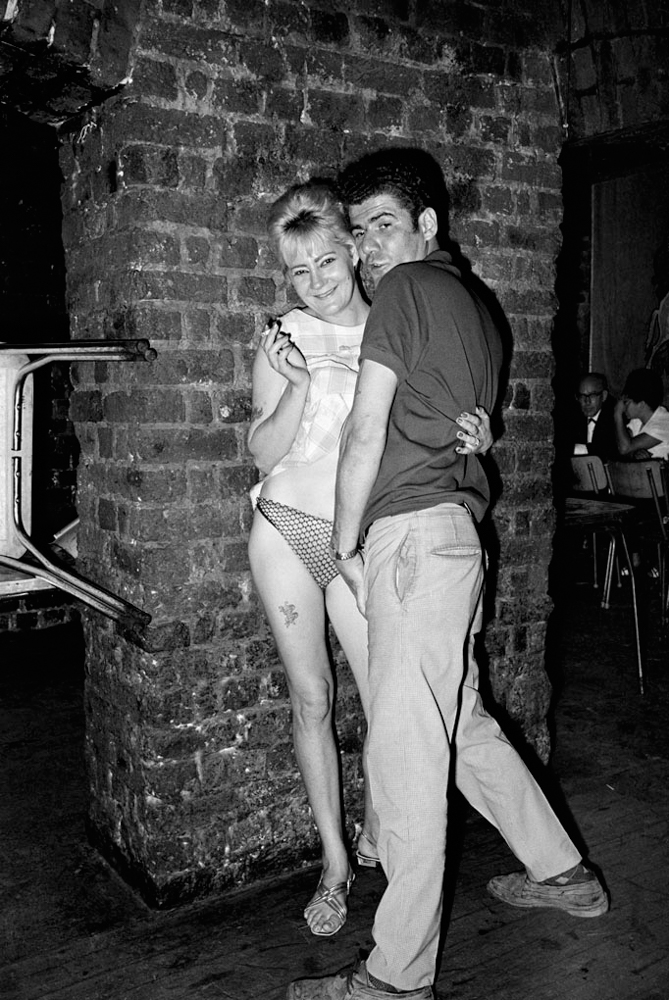
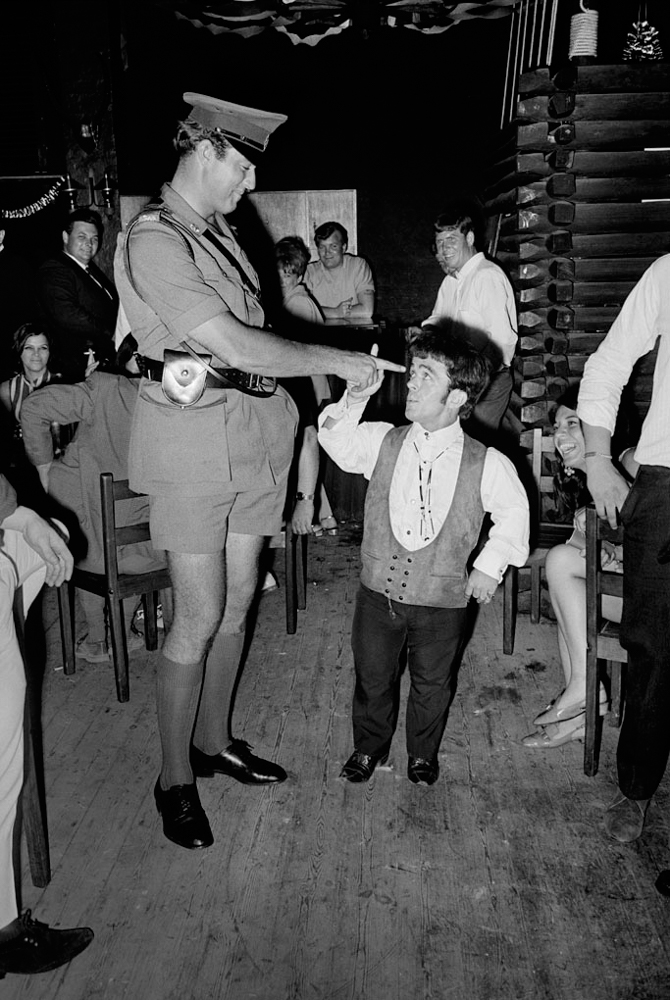
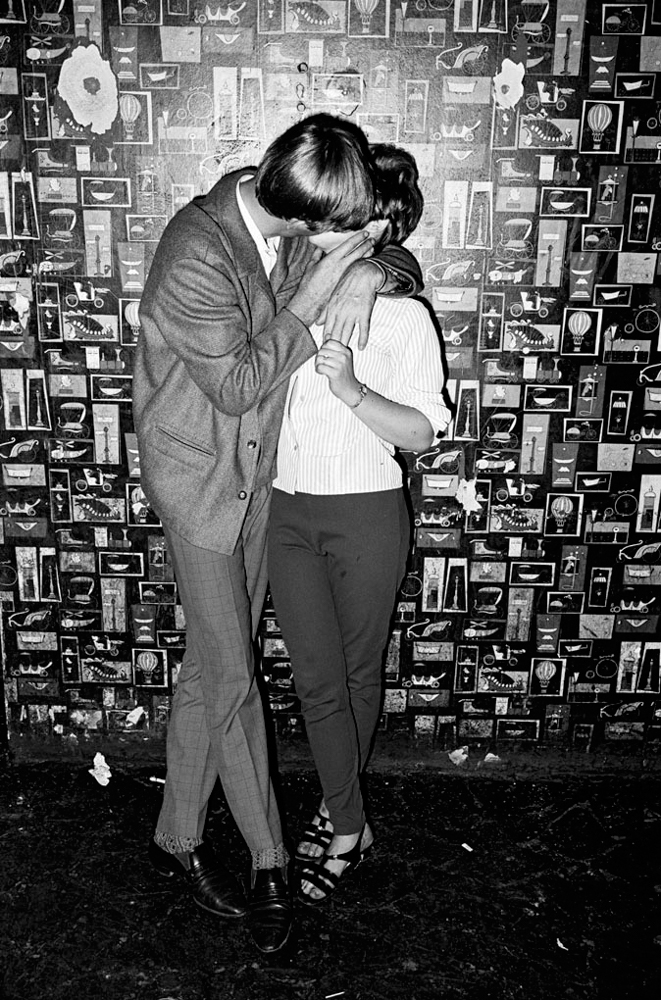
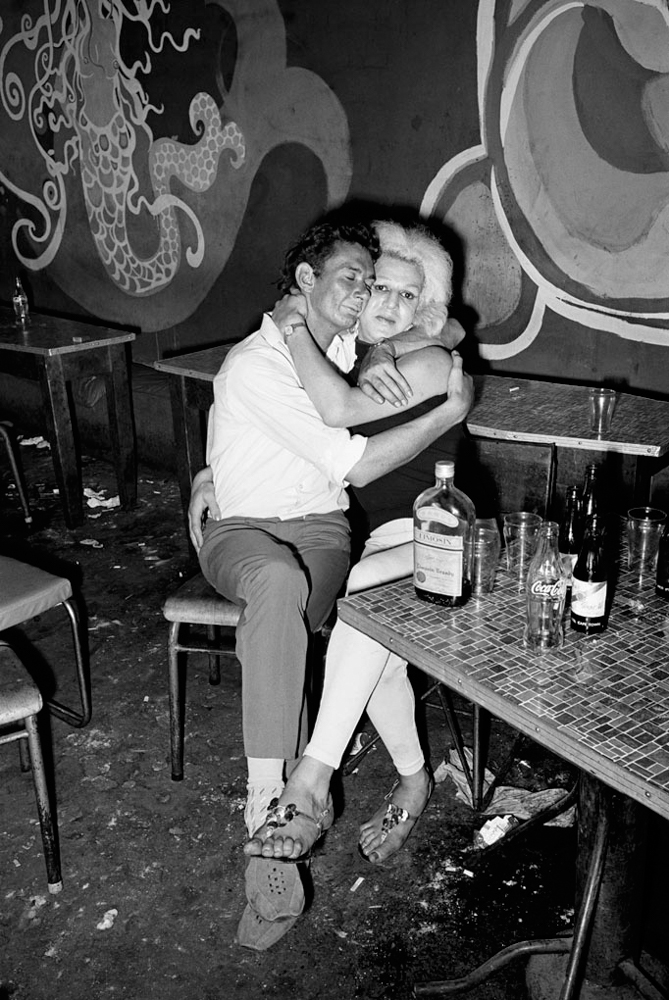
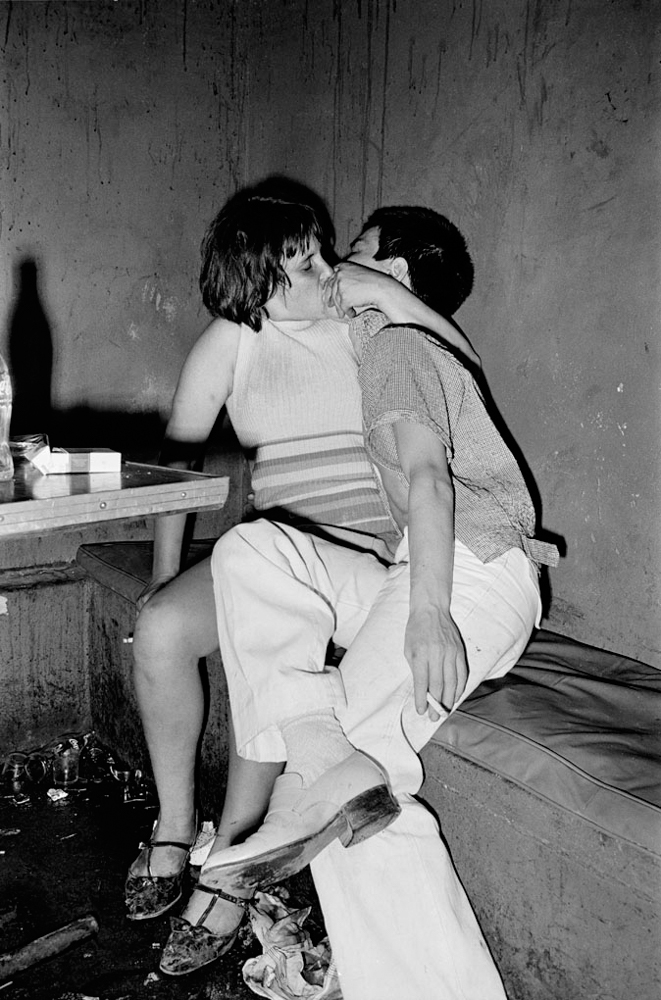
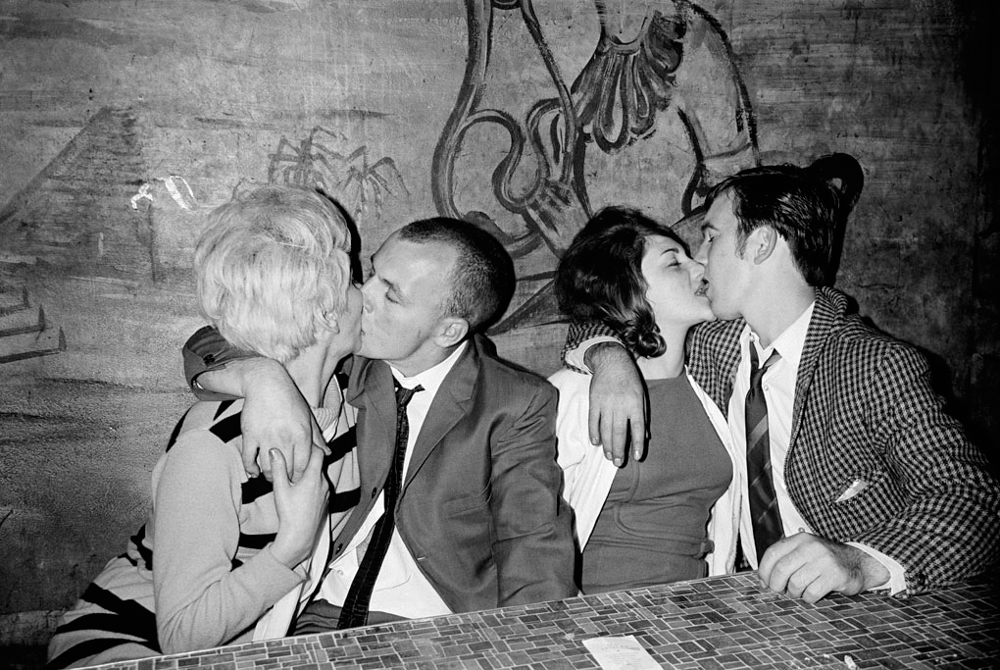
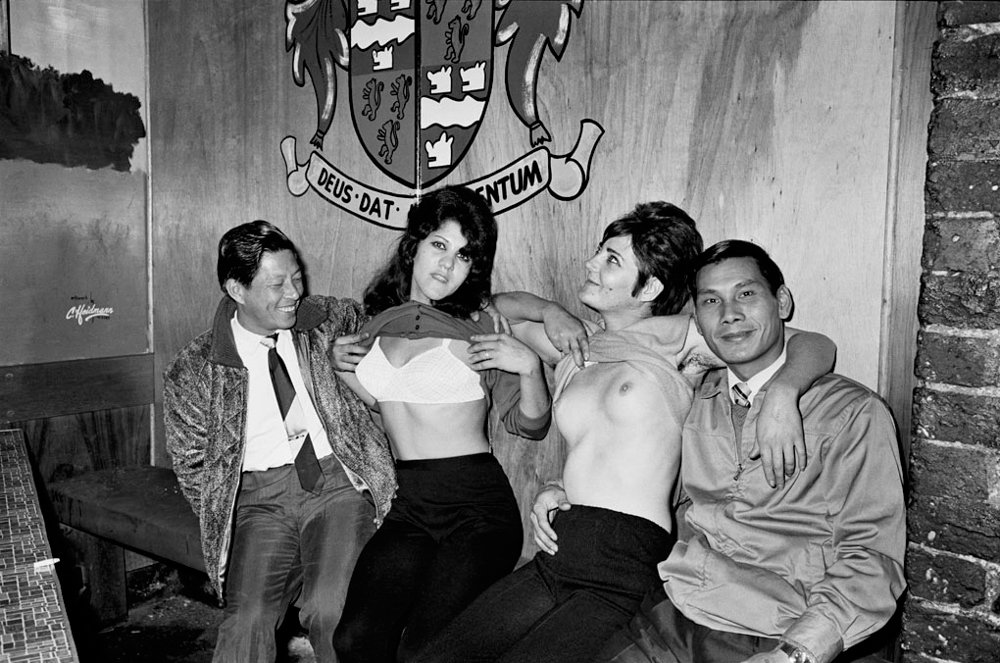
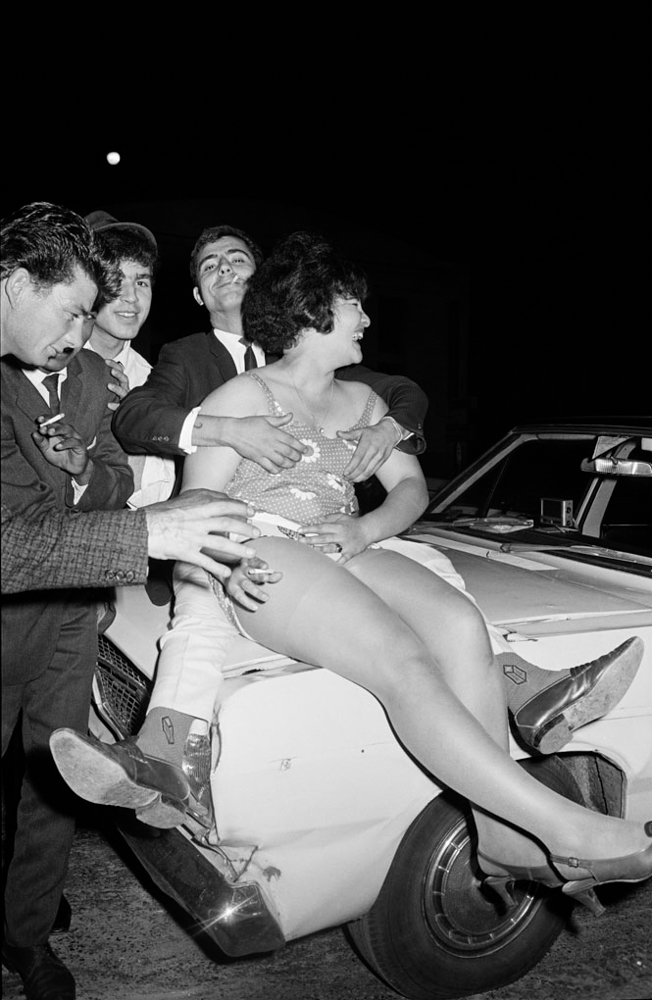
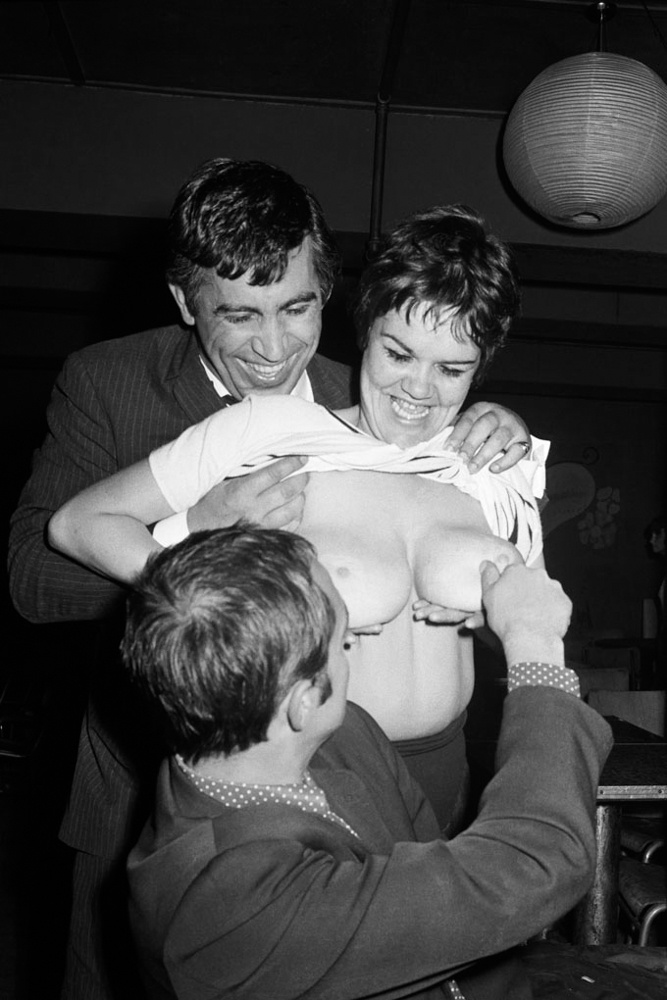
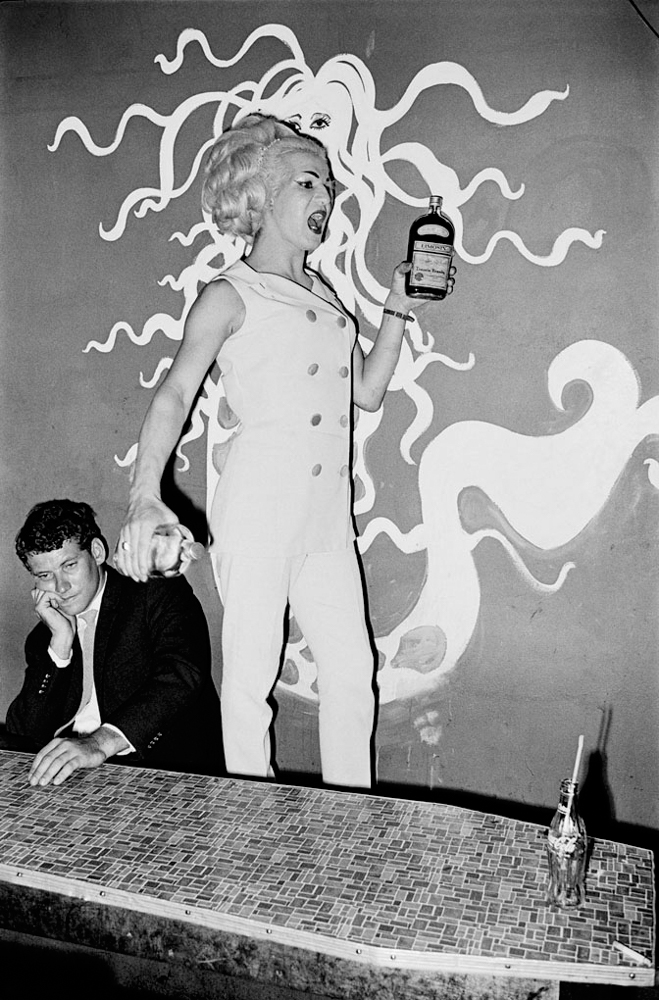
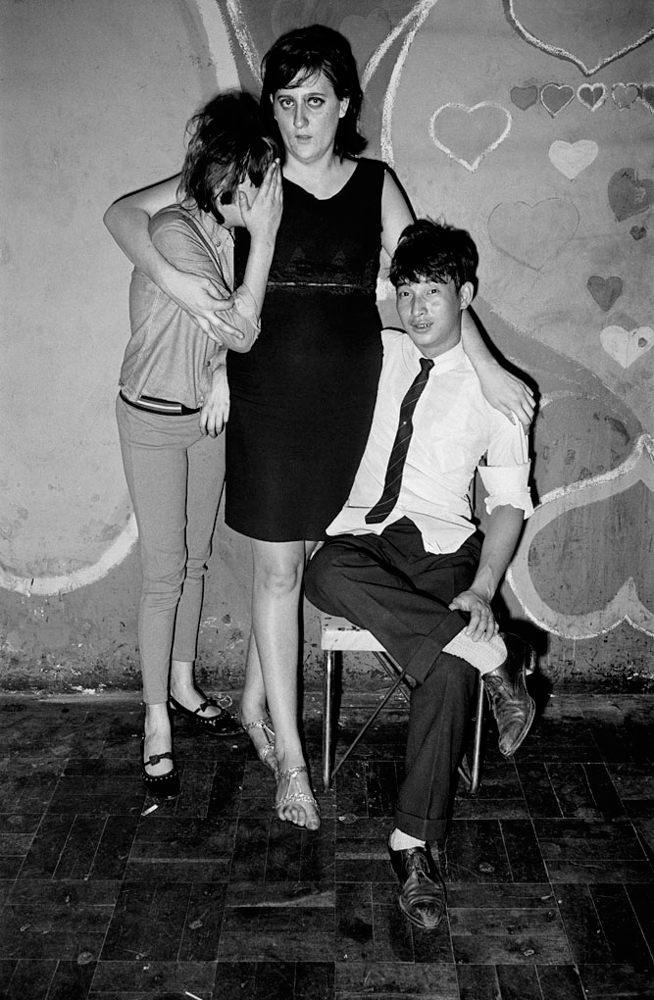
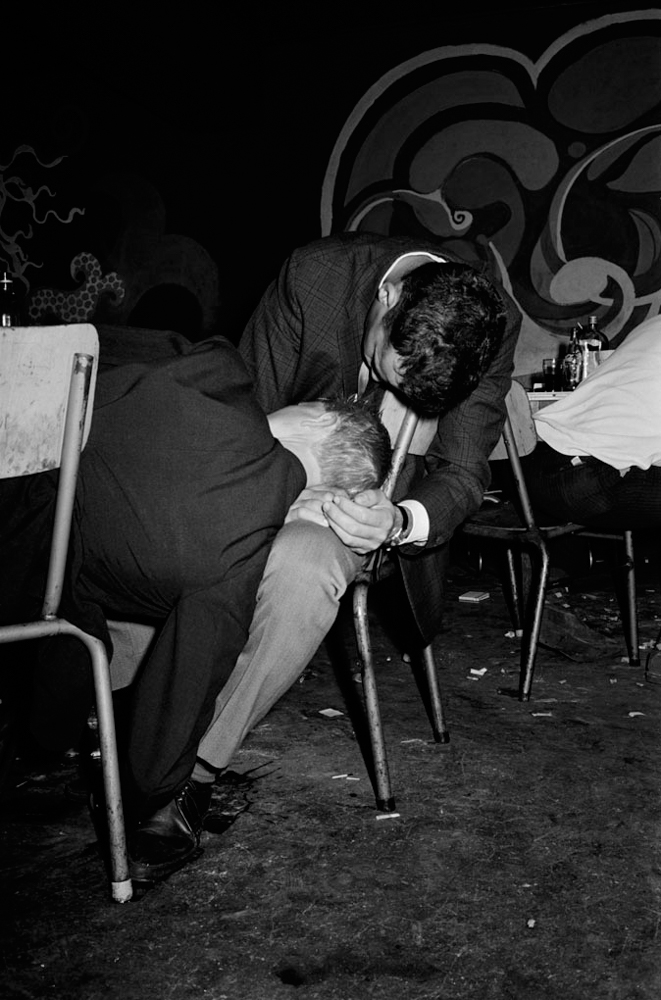
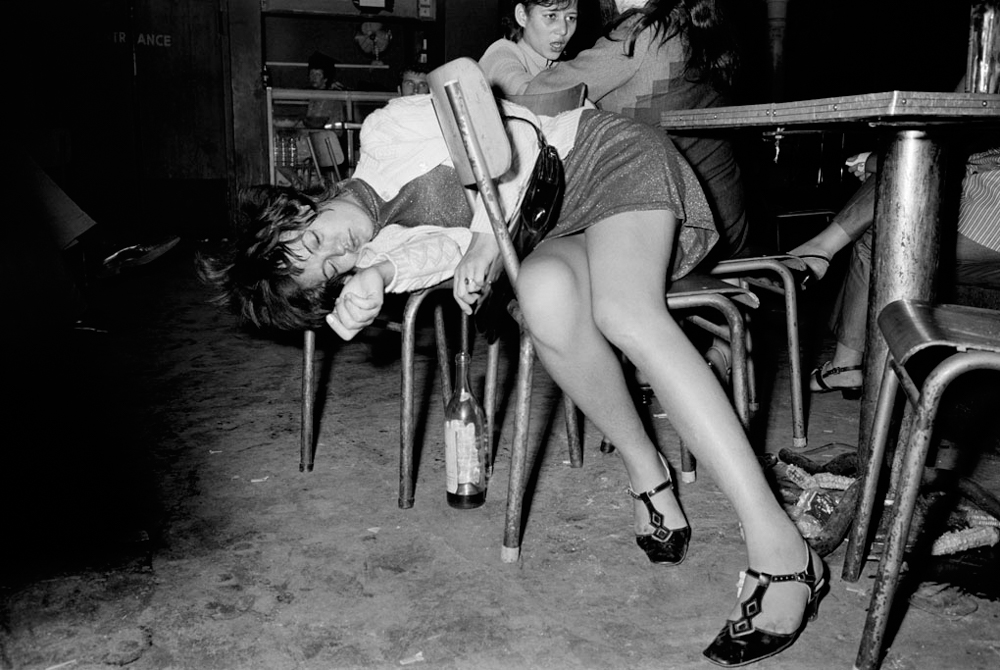
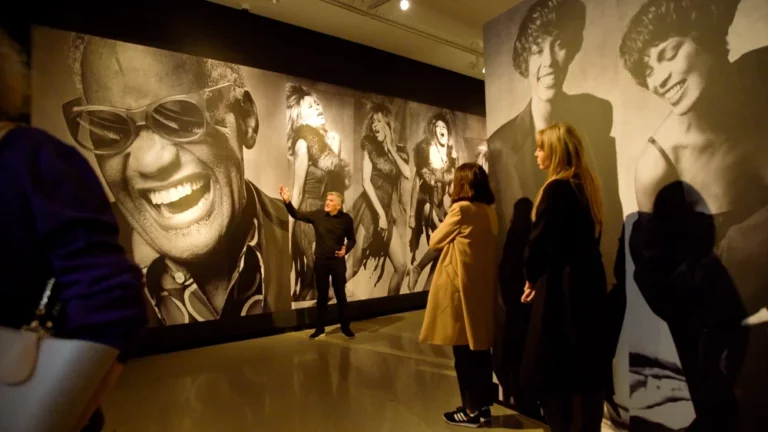
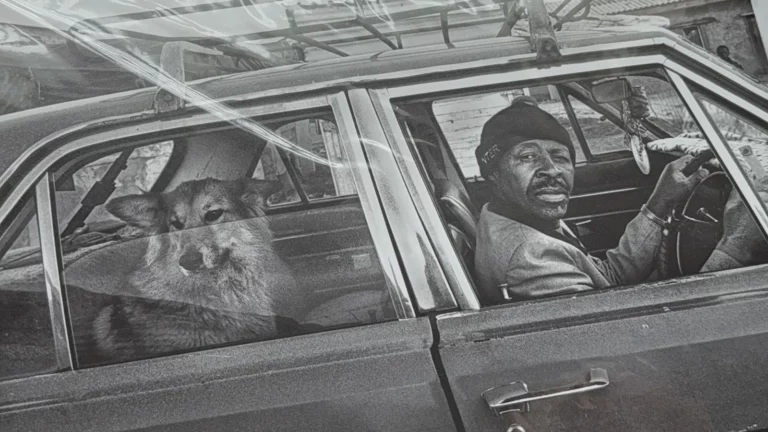
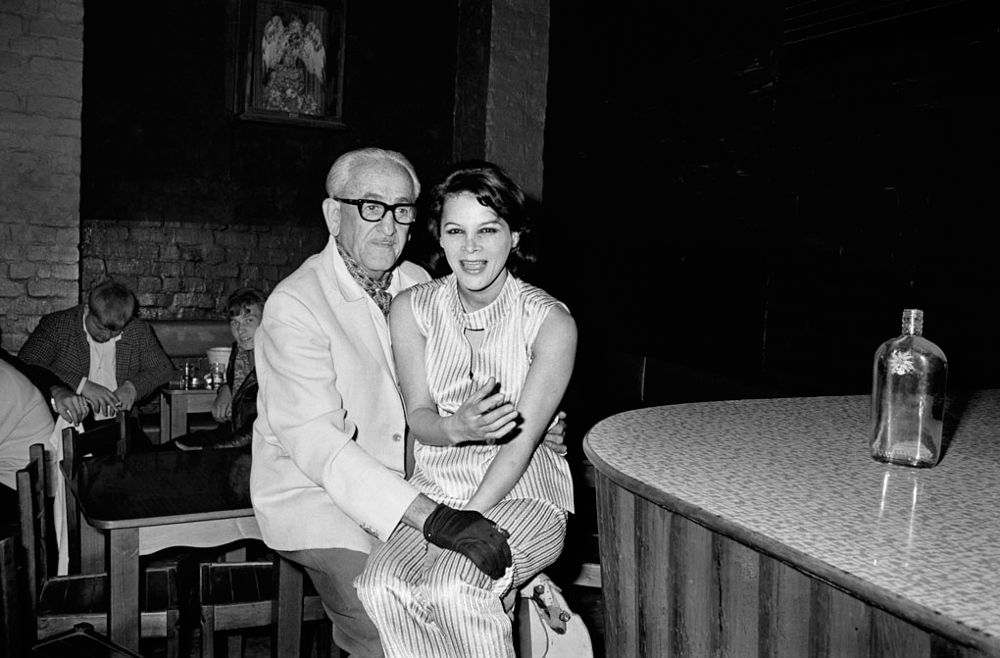
The Catacombs Club appears in Monk’s photographs as more than a nightlife venue. It becomes a social interior shaped by gesture, performance, closeness and observation. His pictures stay attentive to the atmosphere of the room, to the way people gathered, posed, relaxed and watched one another within a confined urban setting.
This nearness gives the work much of its enduring force. Rather than presenting the club as spectacle alone, Monk records a world that feels immediate and lived. Expressions shift between confidence and fatigue, sociability and tension, glamour and unease. The resulting images preserve the complexity of a place where nightlife, self-presentation and social interaction were constantly unfolding.
Nightlife, Observation and Social Space
Seen today, the photographs offer an important record of Cape Town’s underground social world during the 1960s. Clothing, posture, eye contact and proximity all become part of the historical material carried by the image. Monk’s photographs are not only about who was there, but about how people inhabited the space and how they wished to be seen within it.
The Catacombs Club series also reveals Monk’s instinct for framing fleeting moments without stripping them of ambiguity. His photographs do not force easy conclusions. Instead, they preserve the unstable energy of the room and the layered social realities embedded in nightlife culture.
In Billy Monk’s photographs, the Catacombs Club becomes both a nightlife interior and a visual record of Cape Town’s underground social atmosphere.
Within Billy Monk’s Archive
Within the broader context of South African photography, these images remain distinctive because of their combination of intimacy, formal directness and historical specificity. They are closely tied to a particular venue, yet they also speak to wider questions of urban culture, subcultural identity and the photographic preservation of fleeting social spaces.
At Gallery F, photographs from this body of work can be understood both as compelling visual documents and as important archival objects. They form part of Billy Monk’s lasting contribution to the photographic history of Cape Town and to the wider visual record of South African social life.