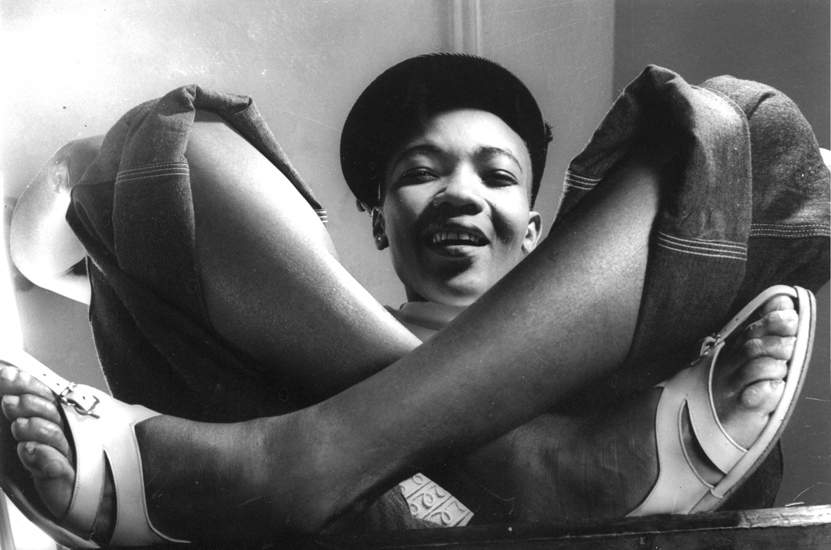
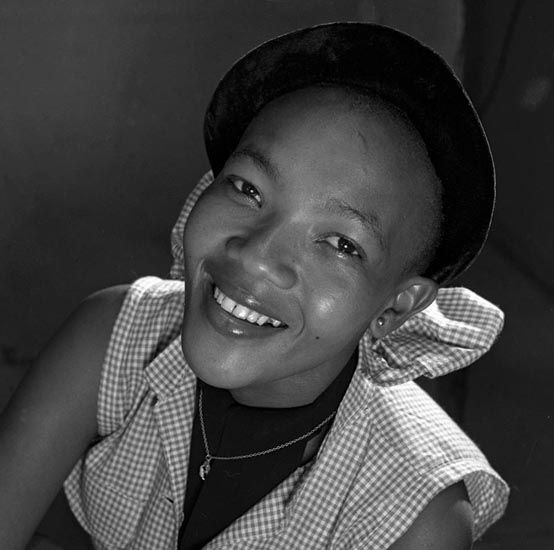
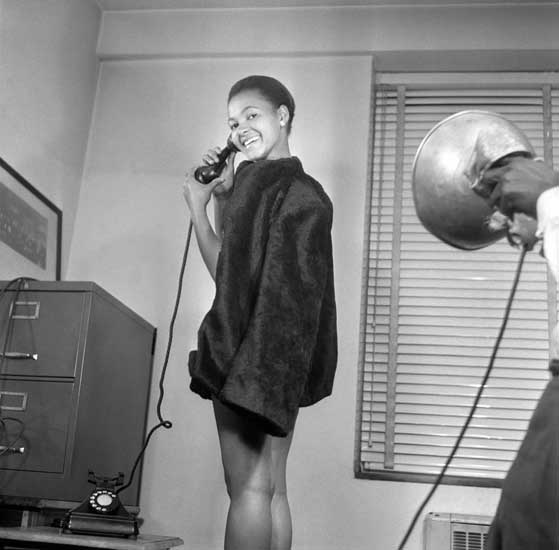
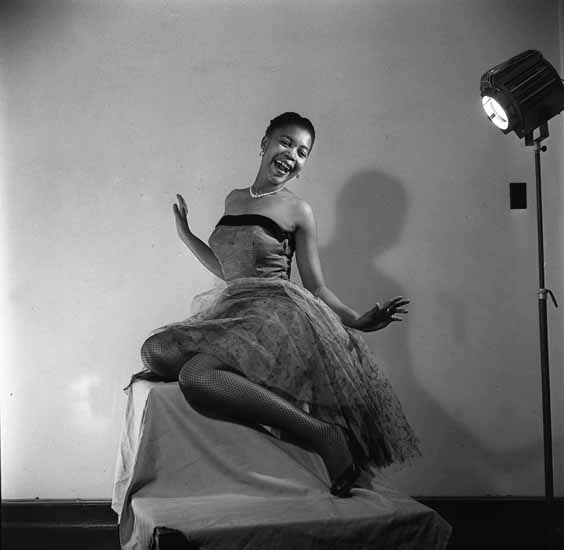
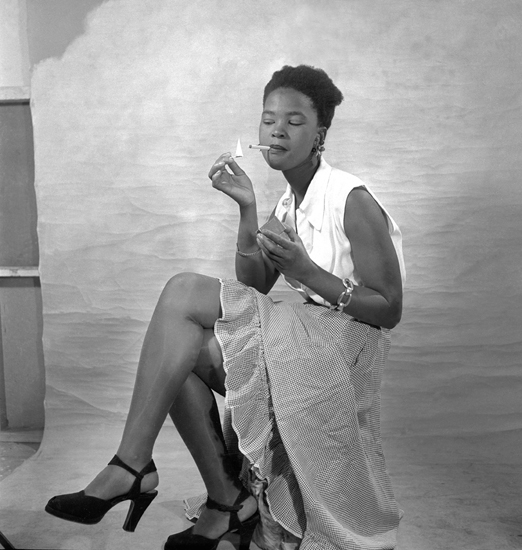
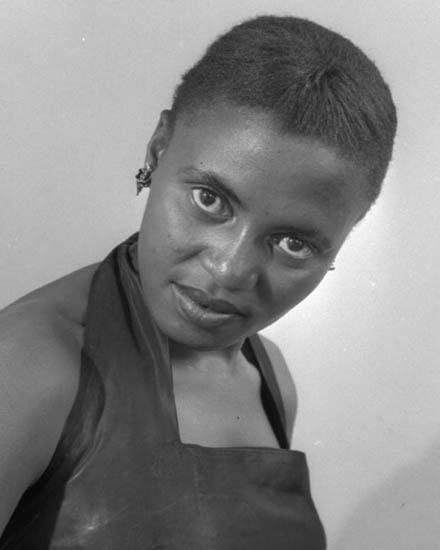
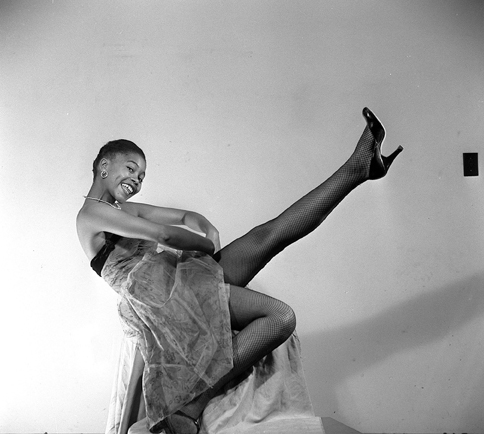
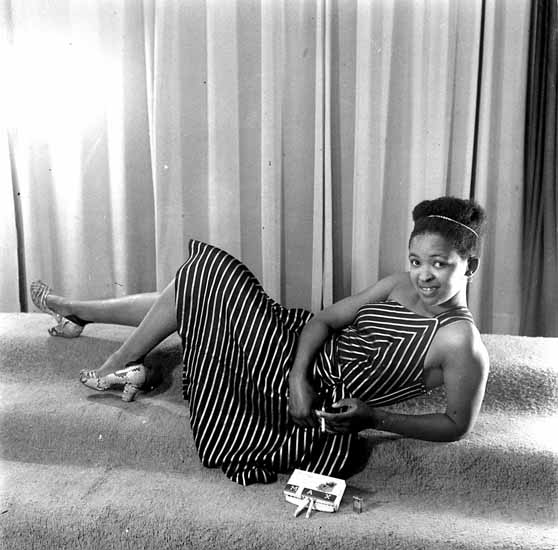
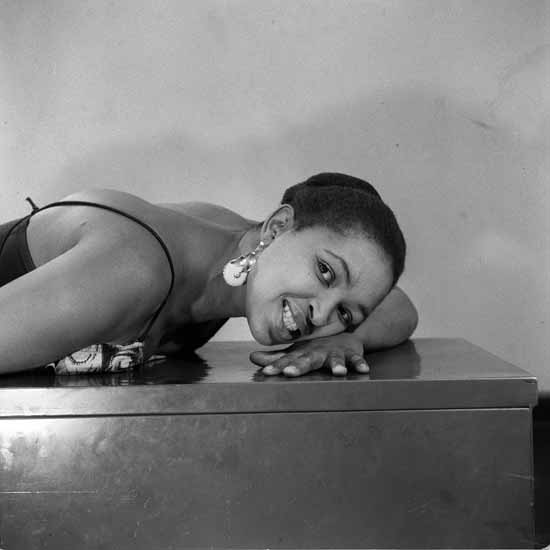
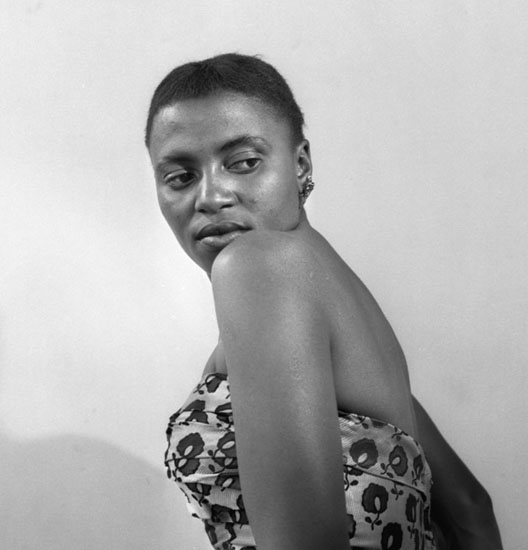
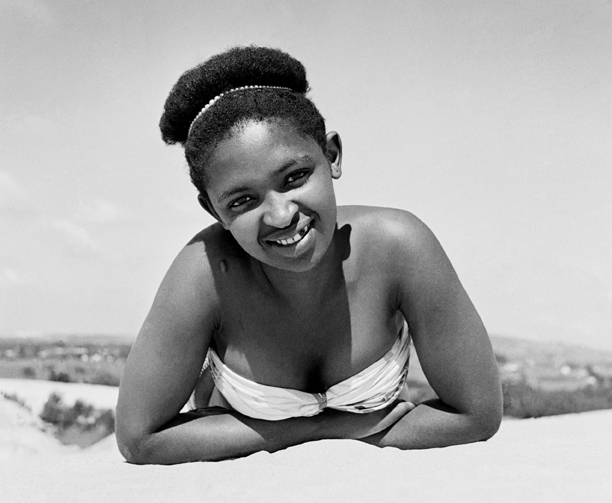
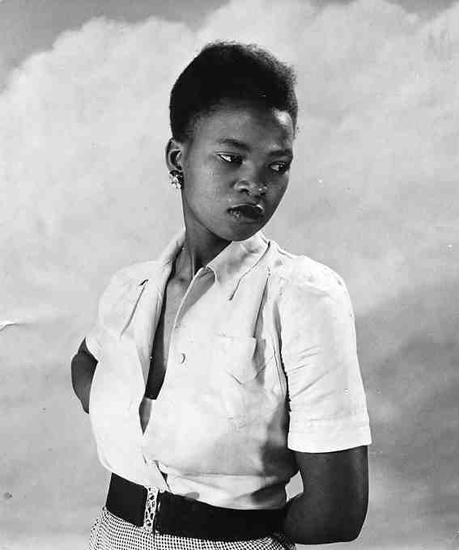
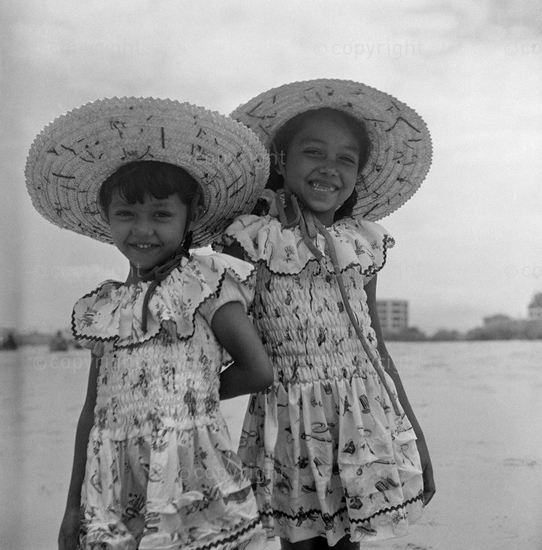
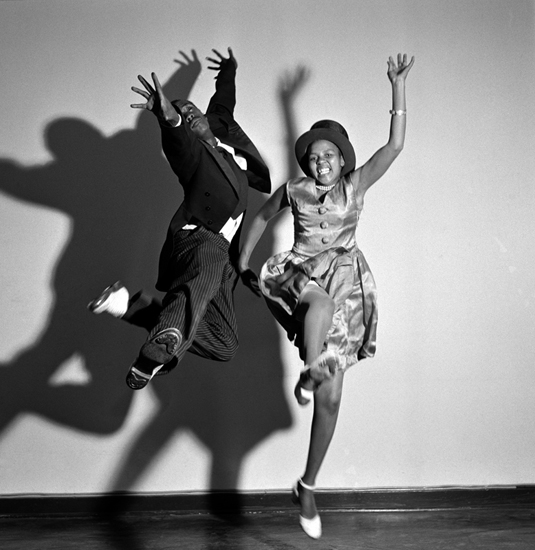
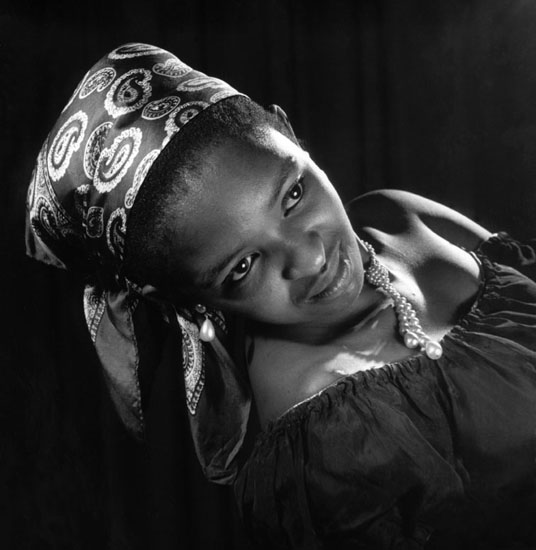
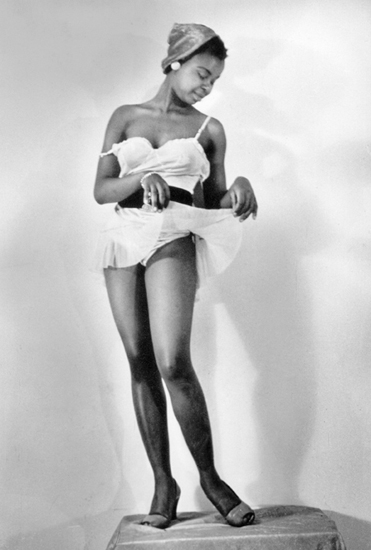
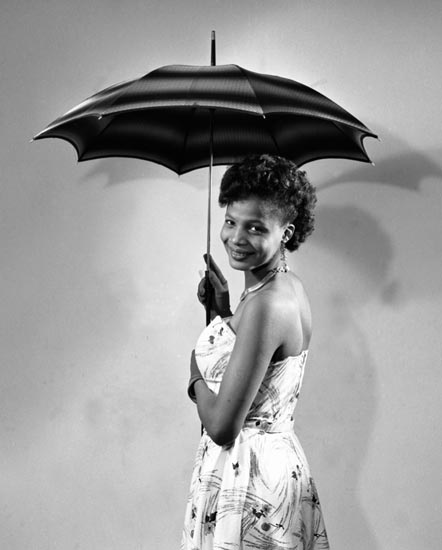
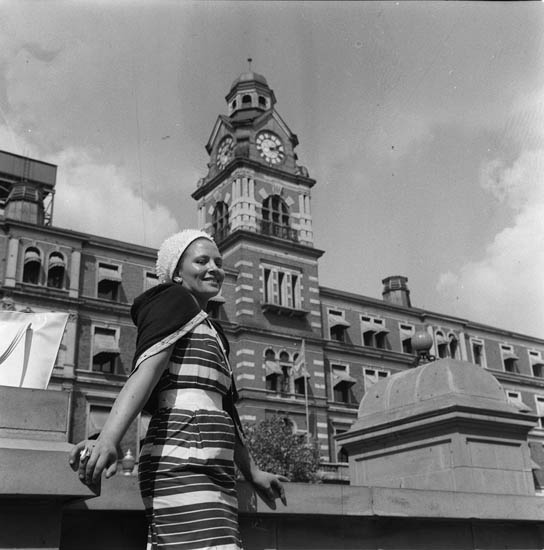
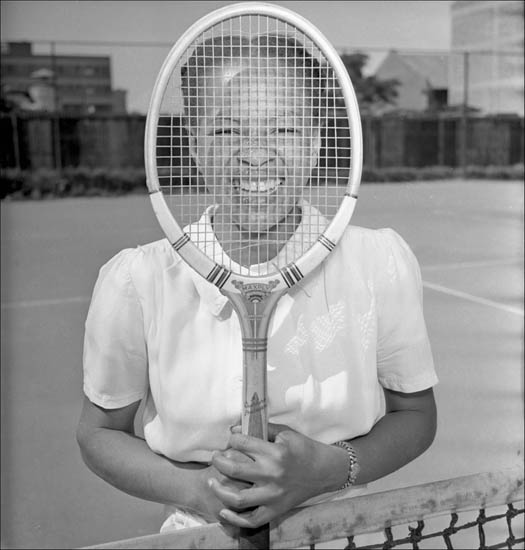
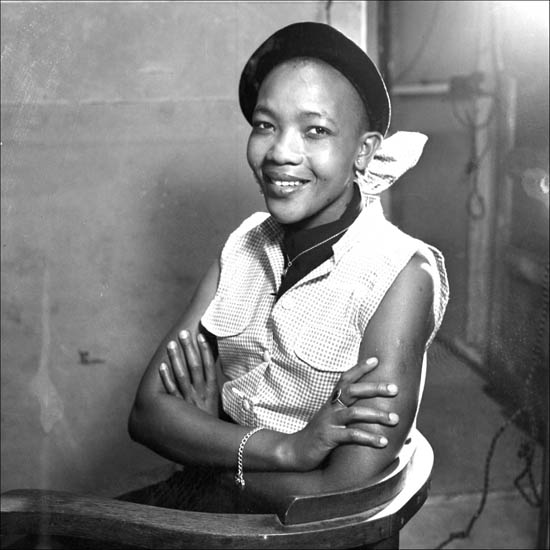
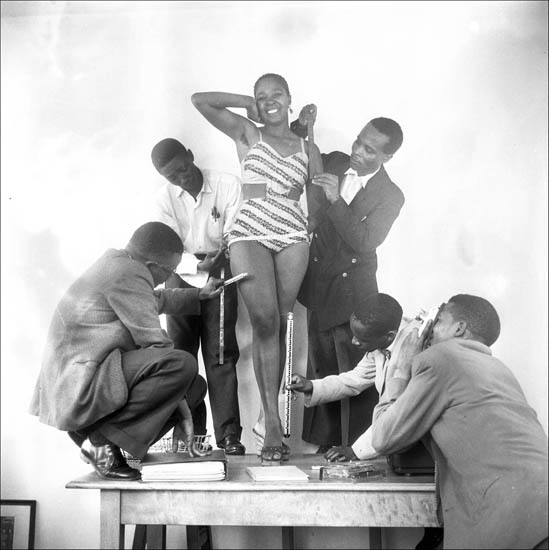
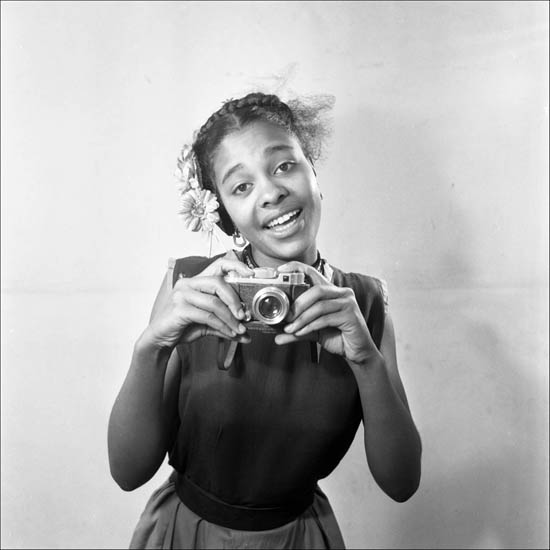
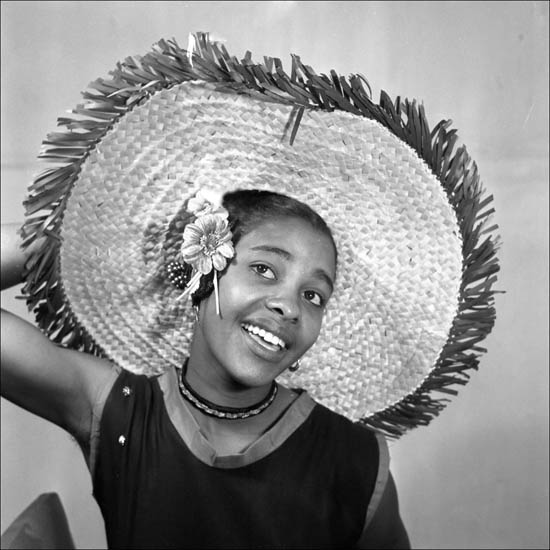
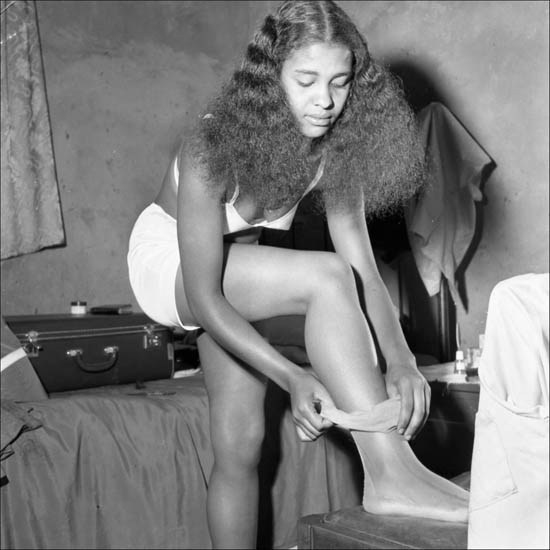
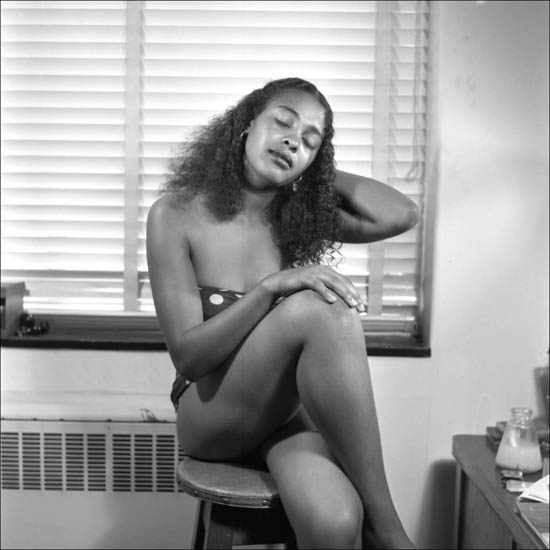
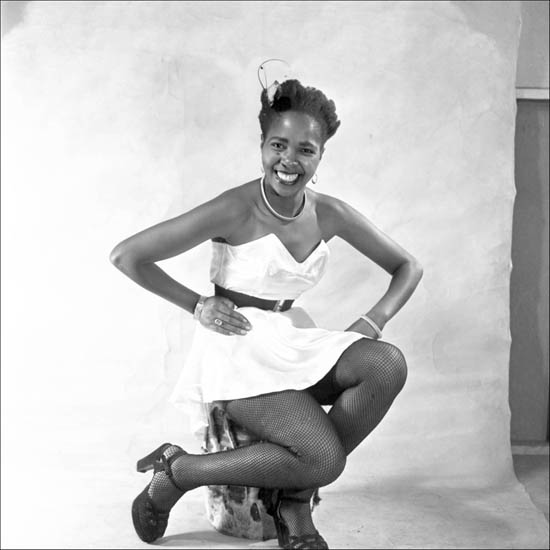
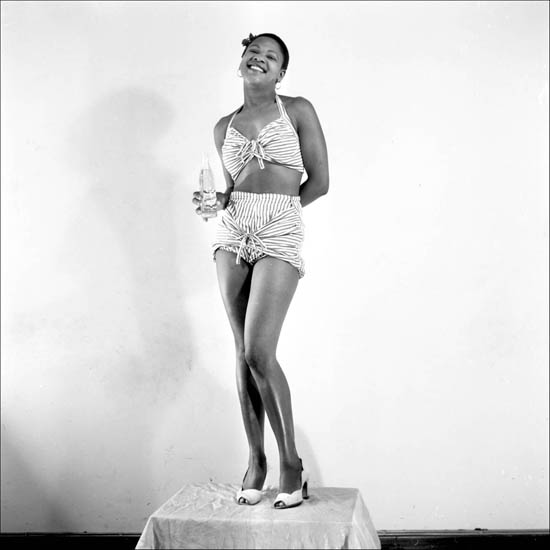
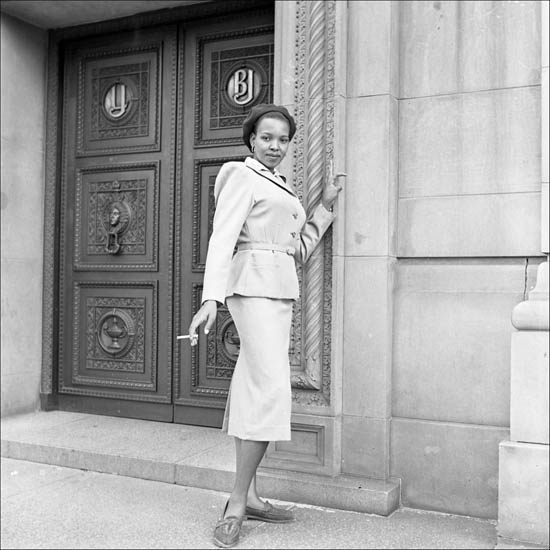
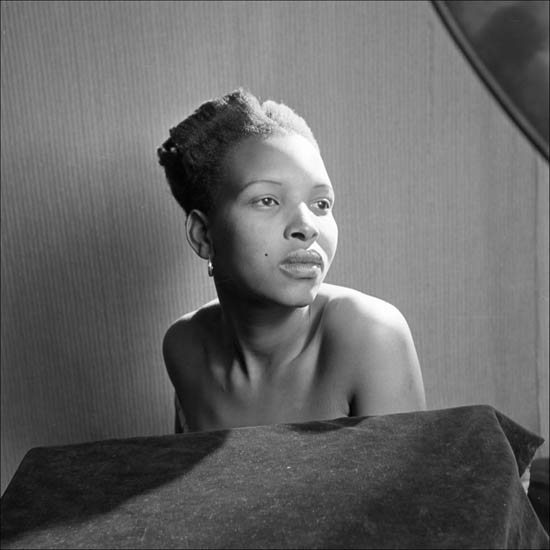
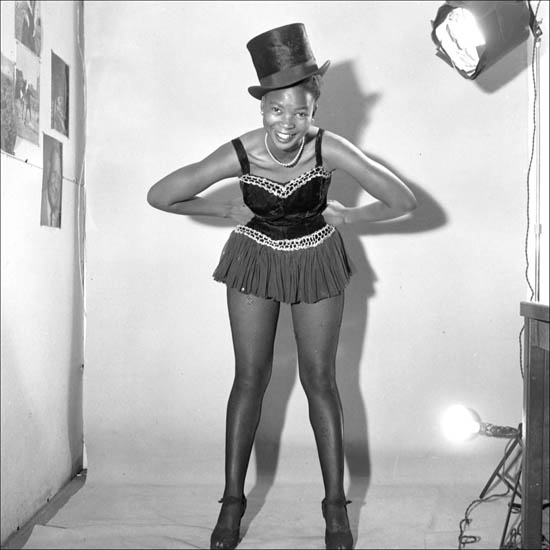
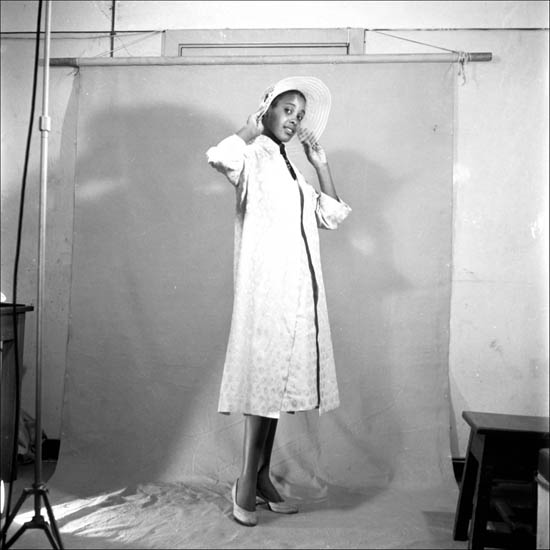
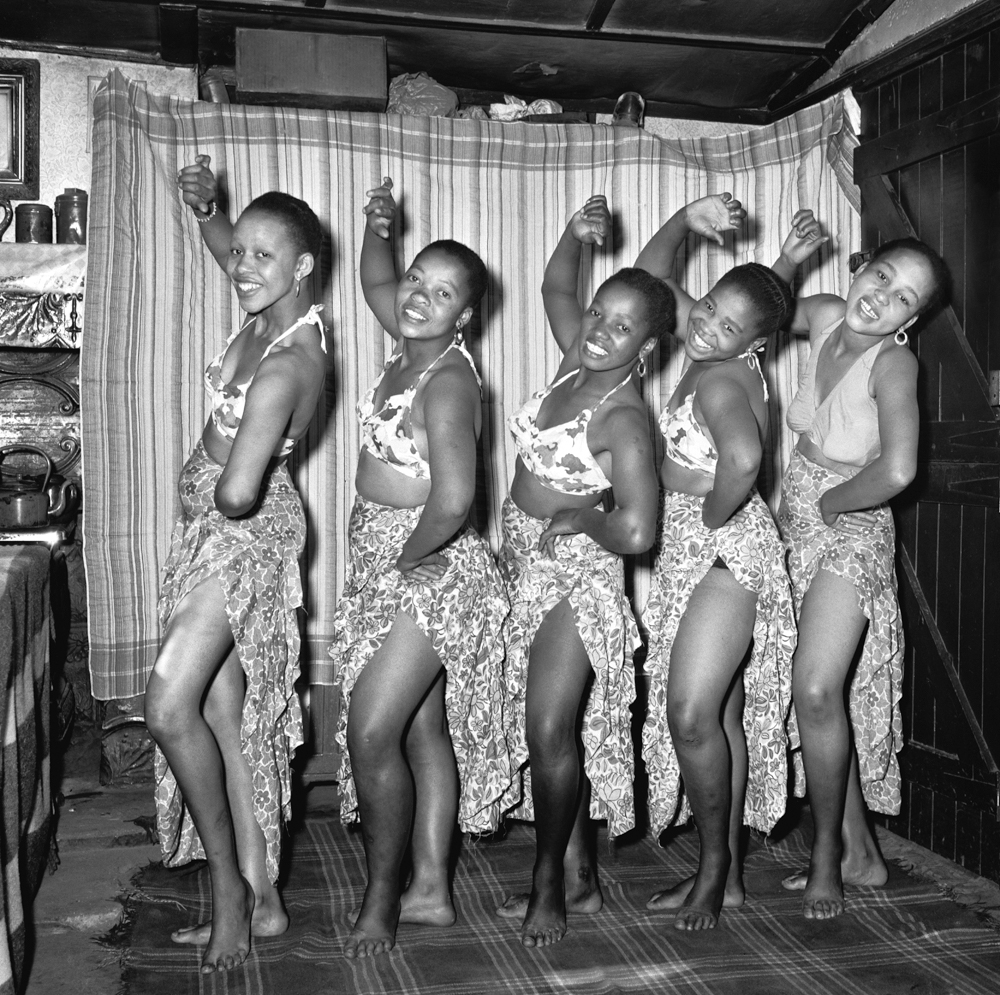
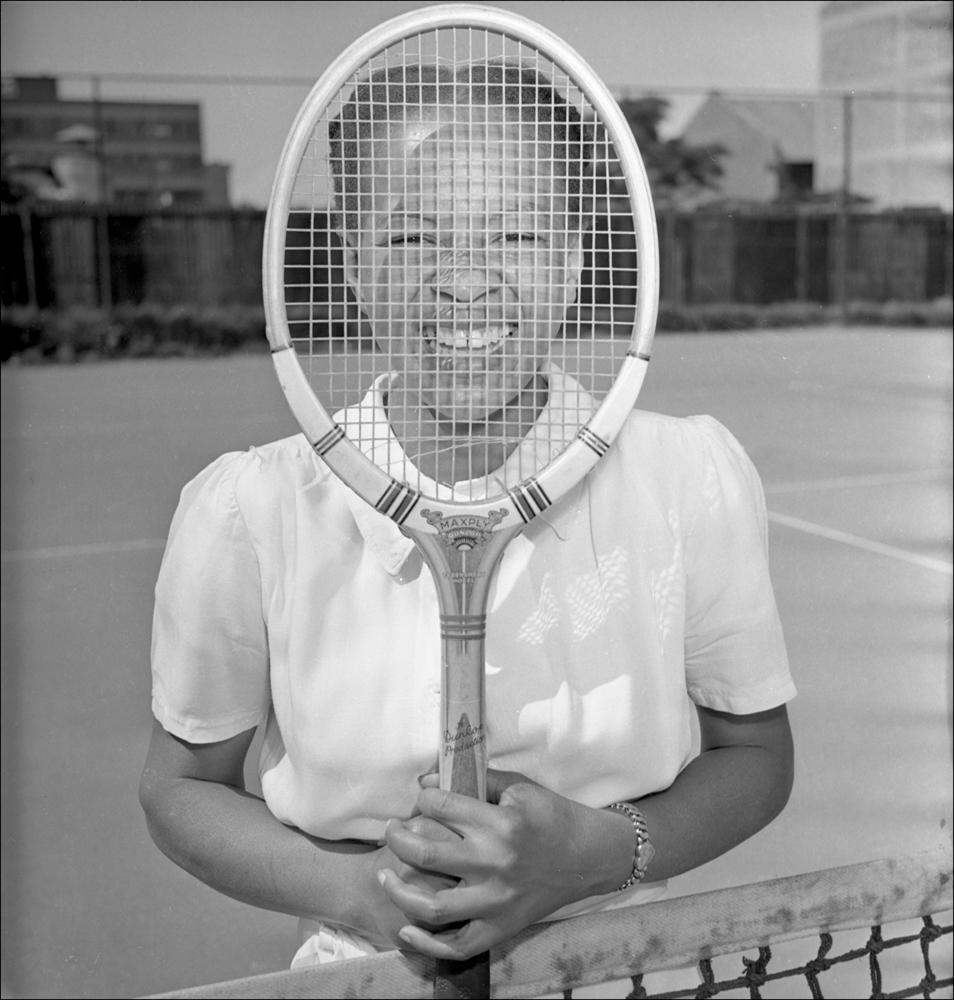
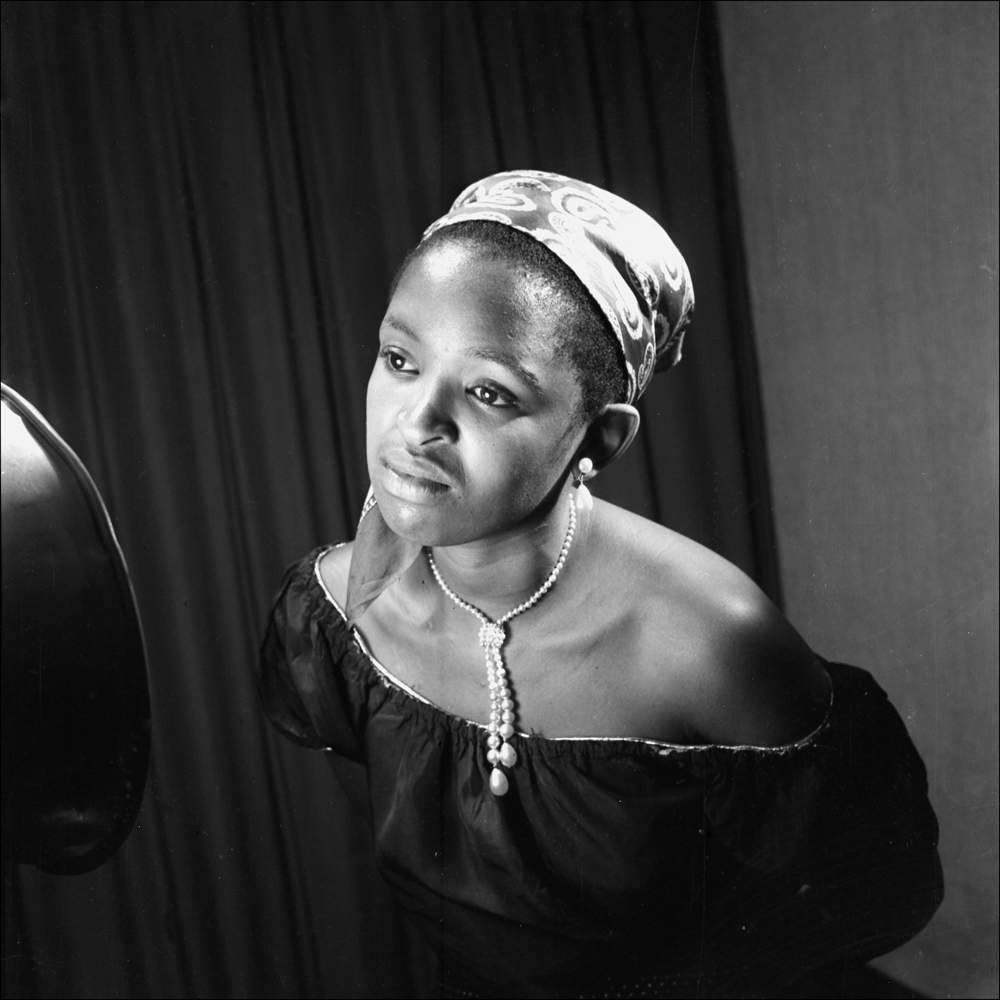
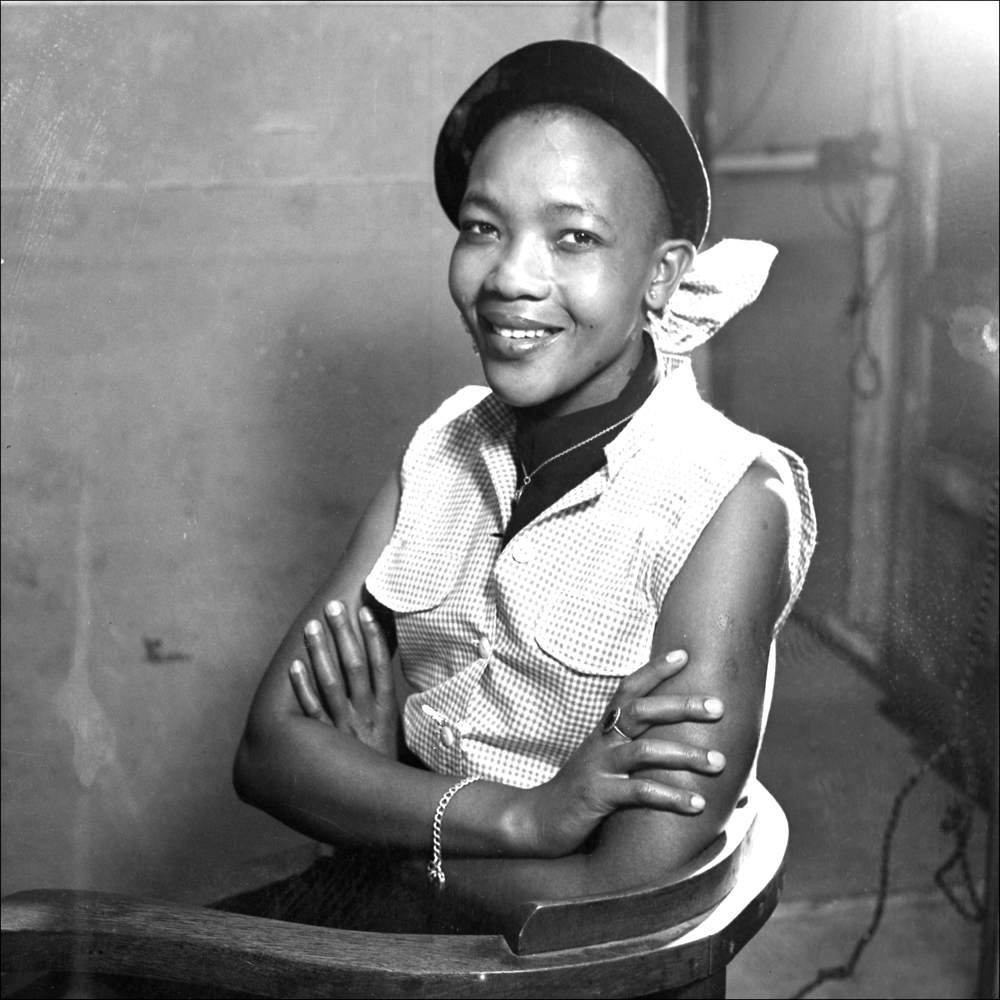
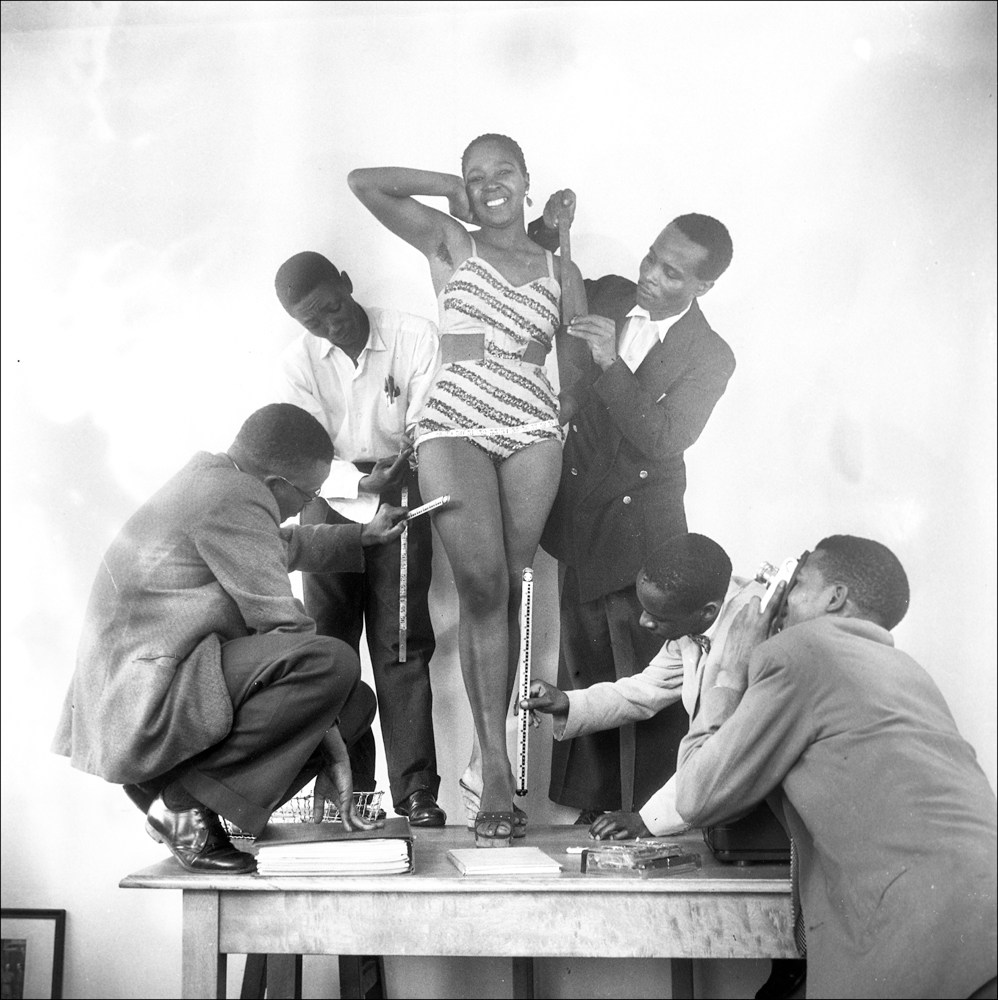
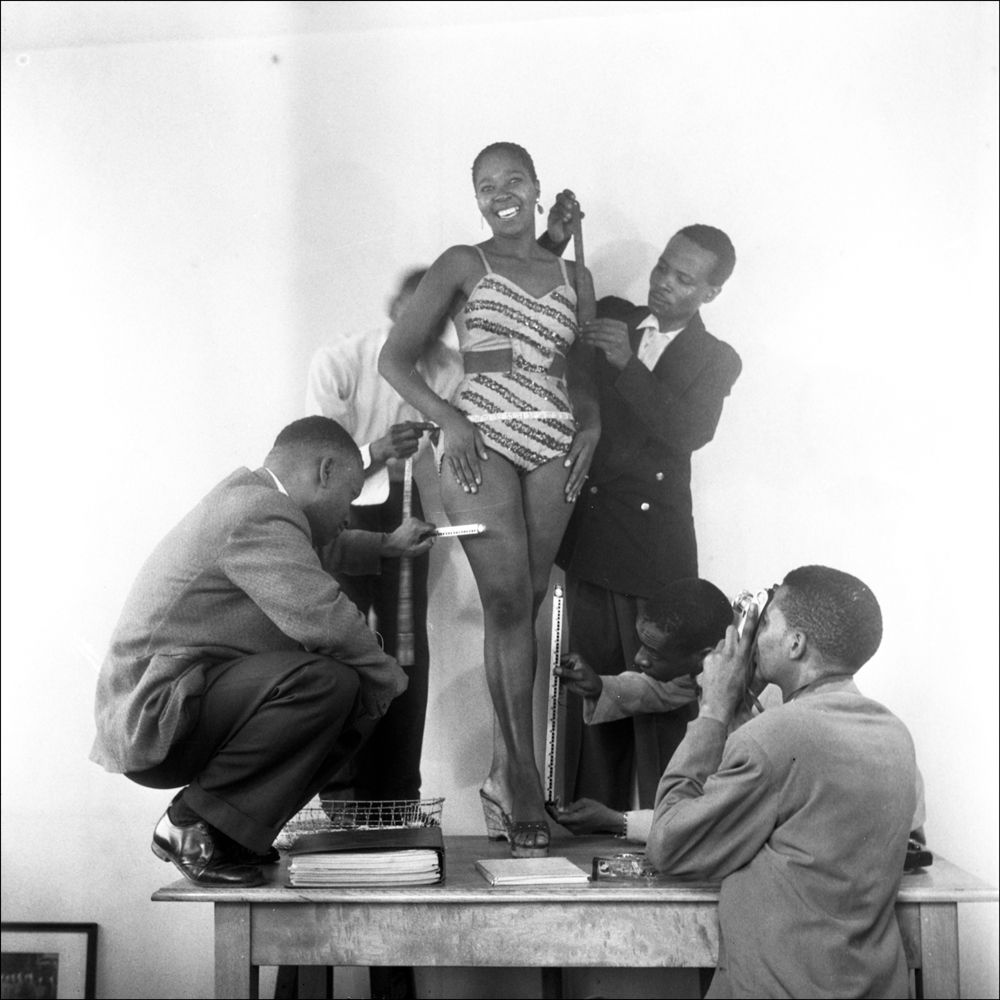
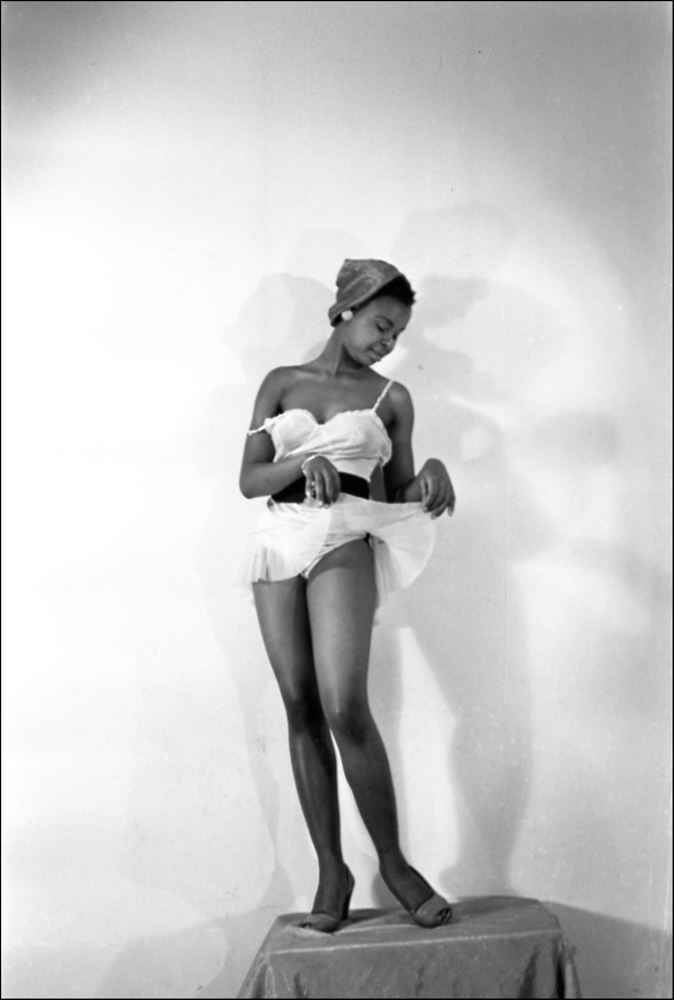
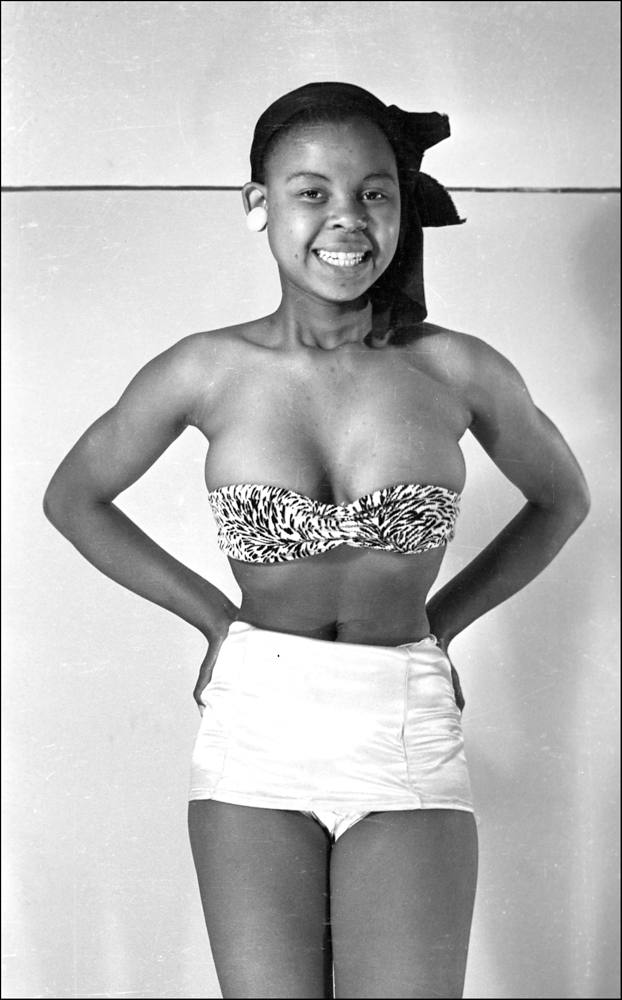
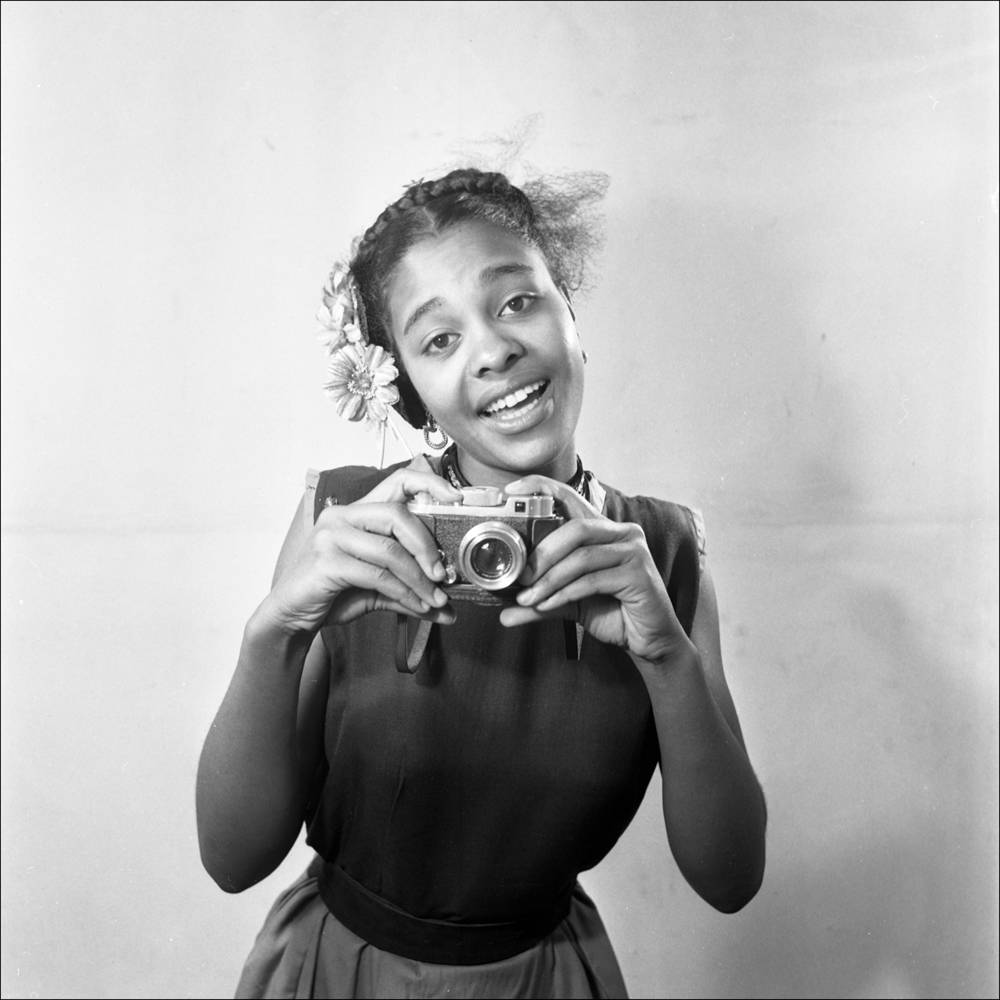
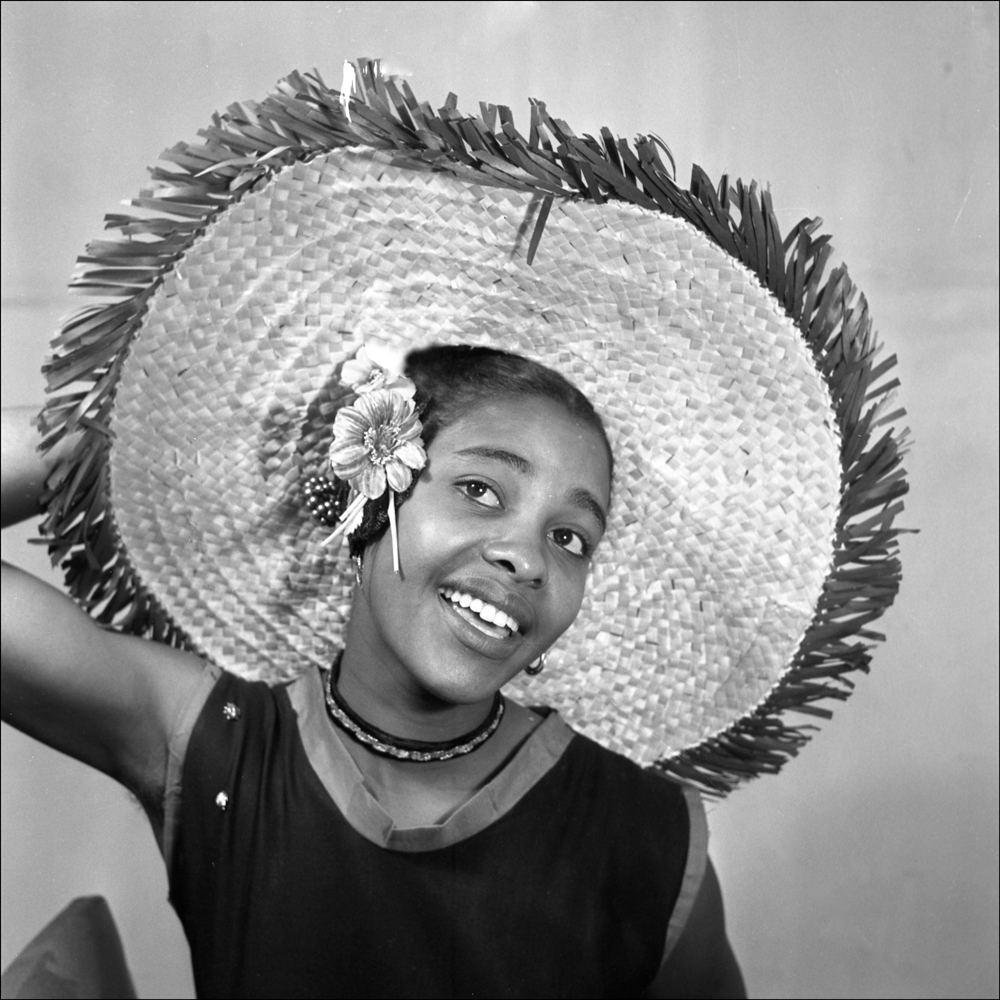
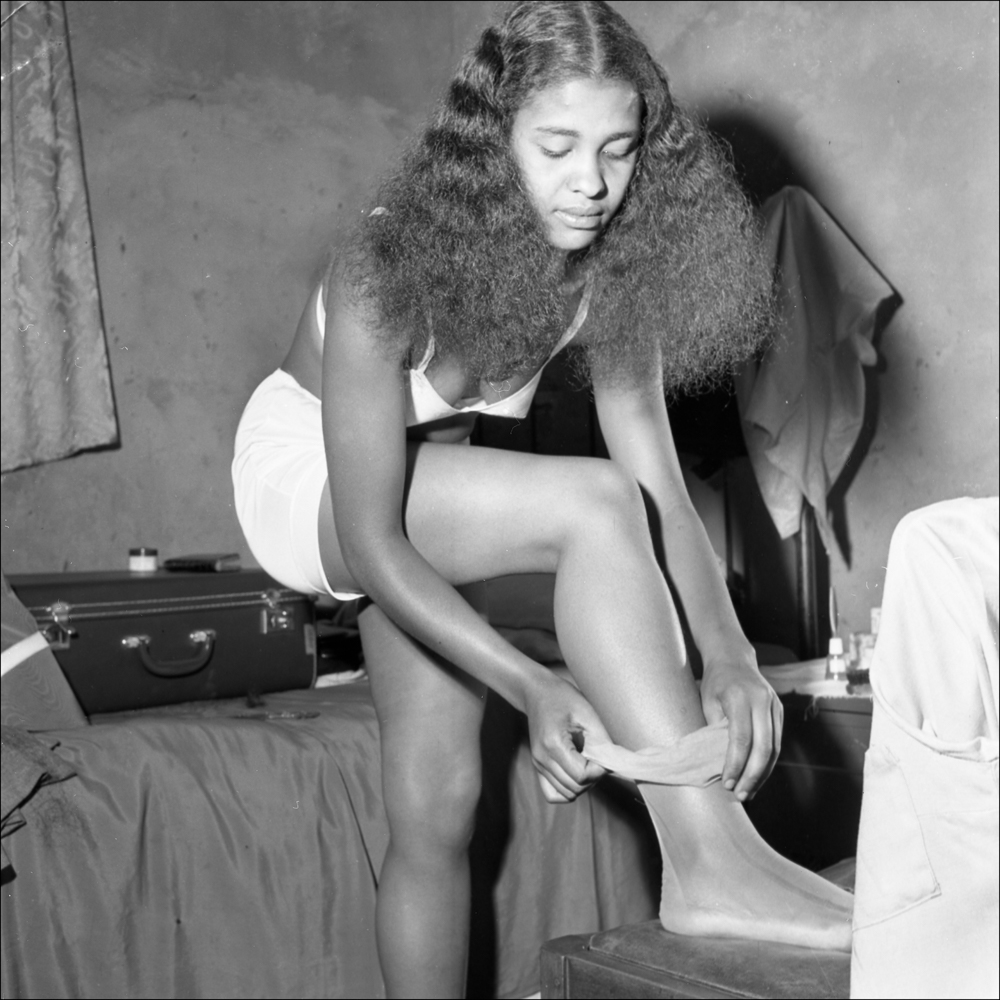
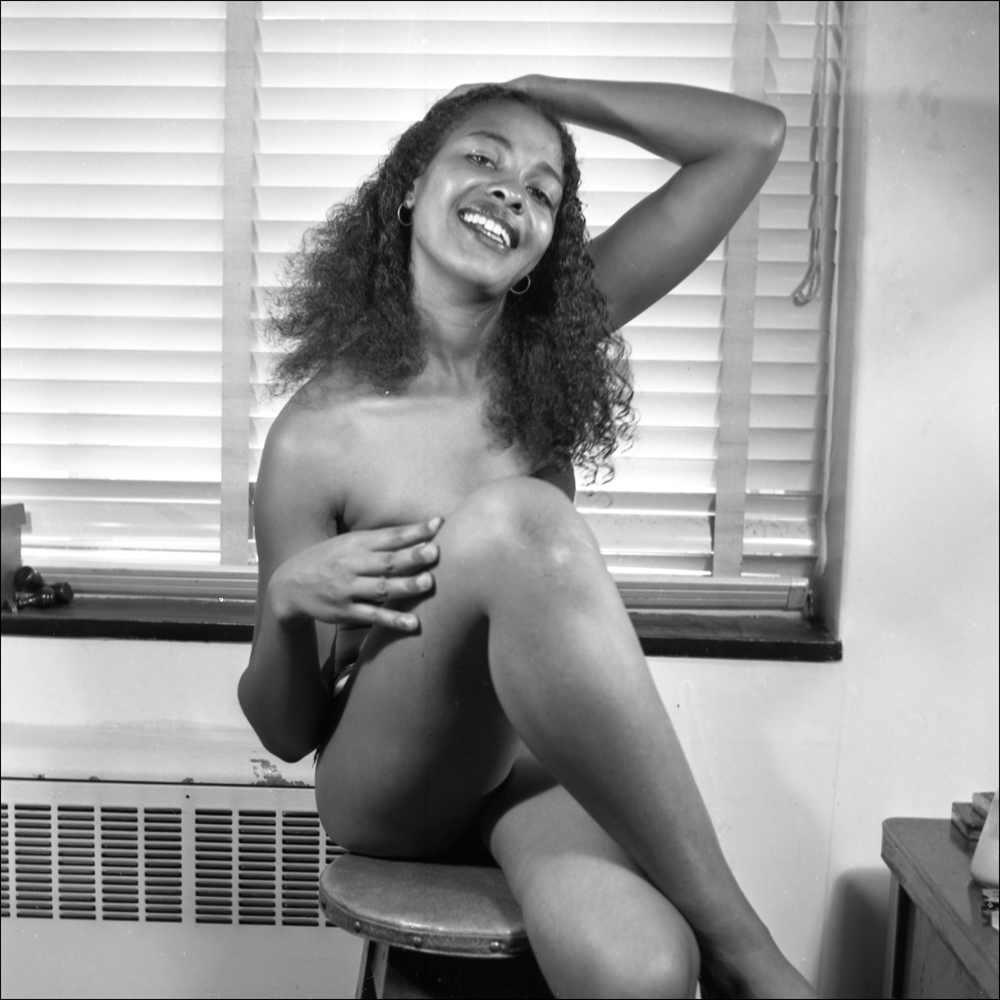
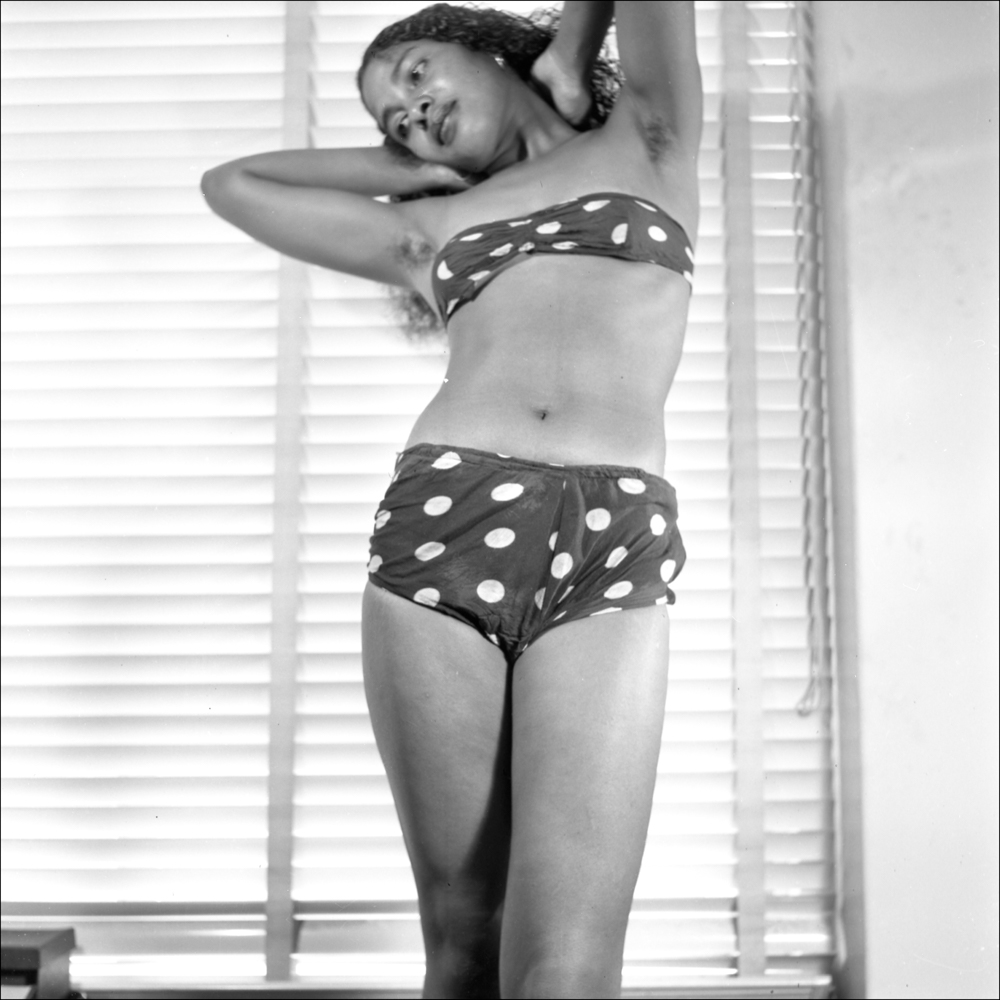
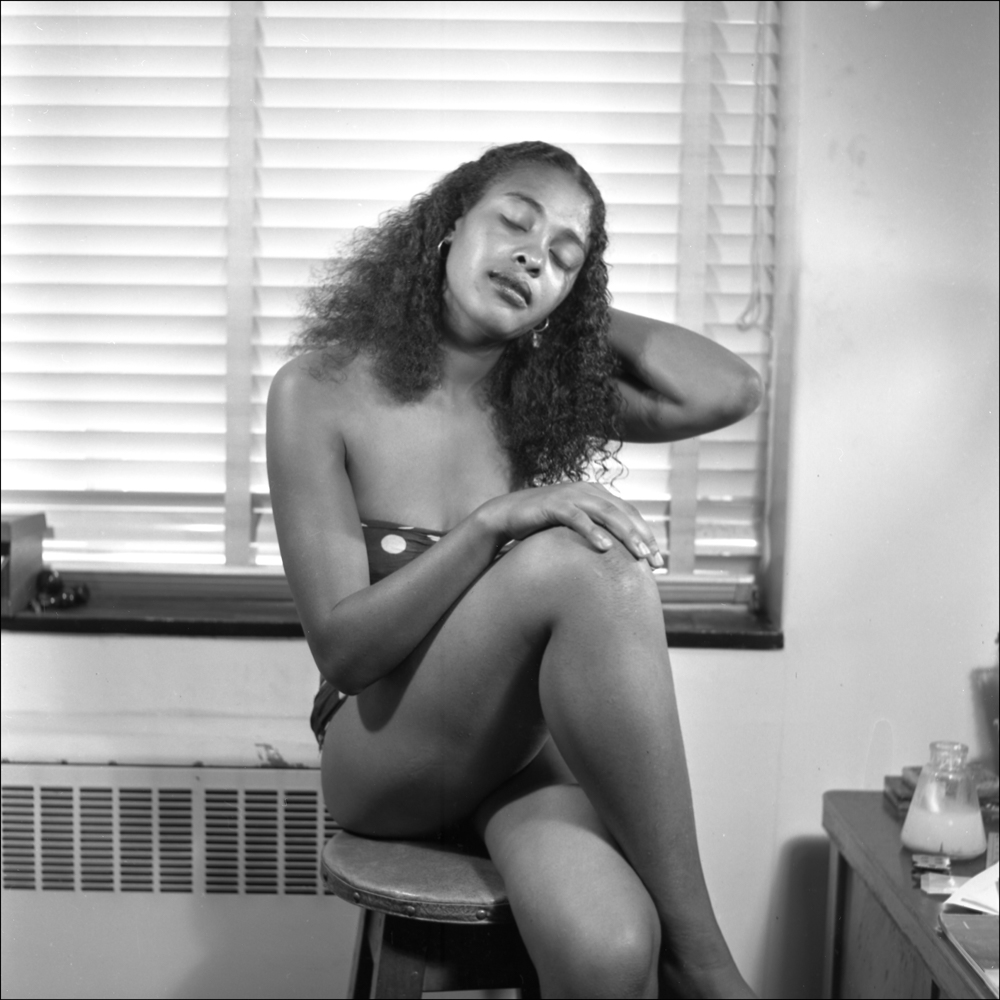
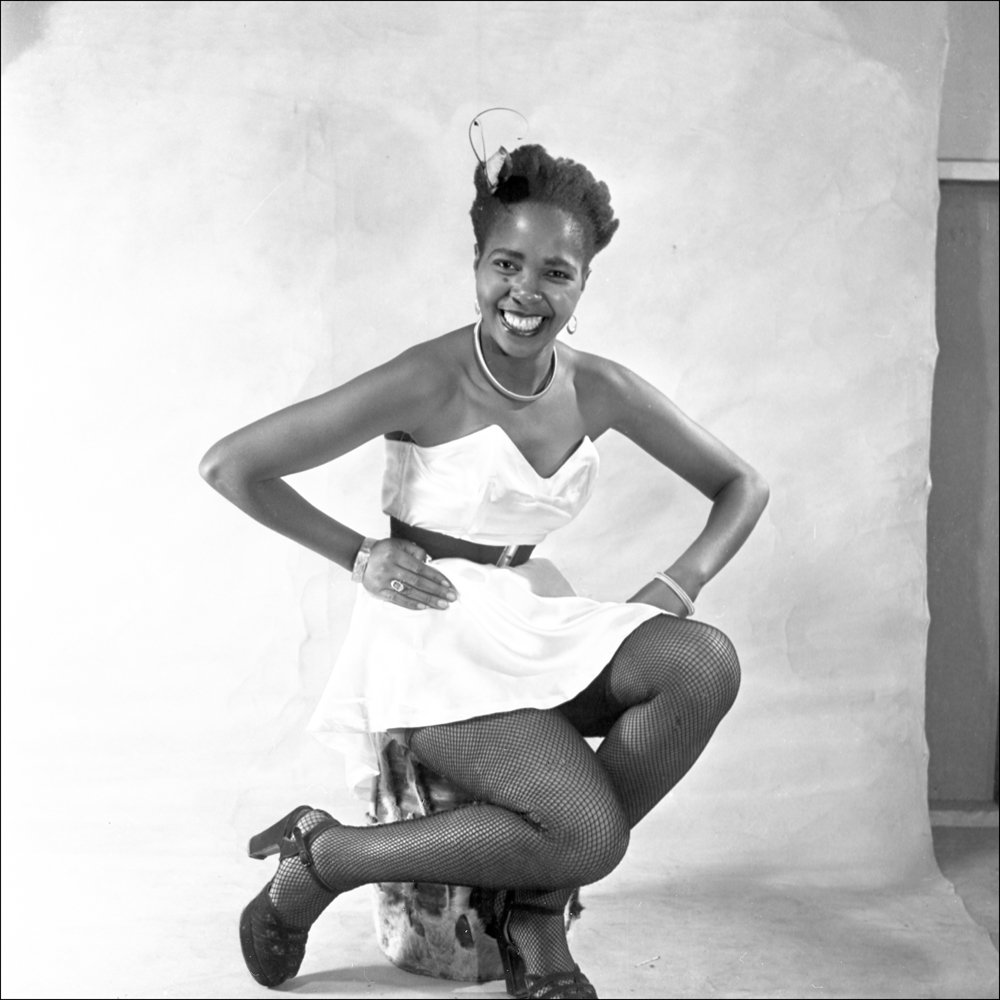
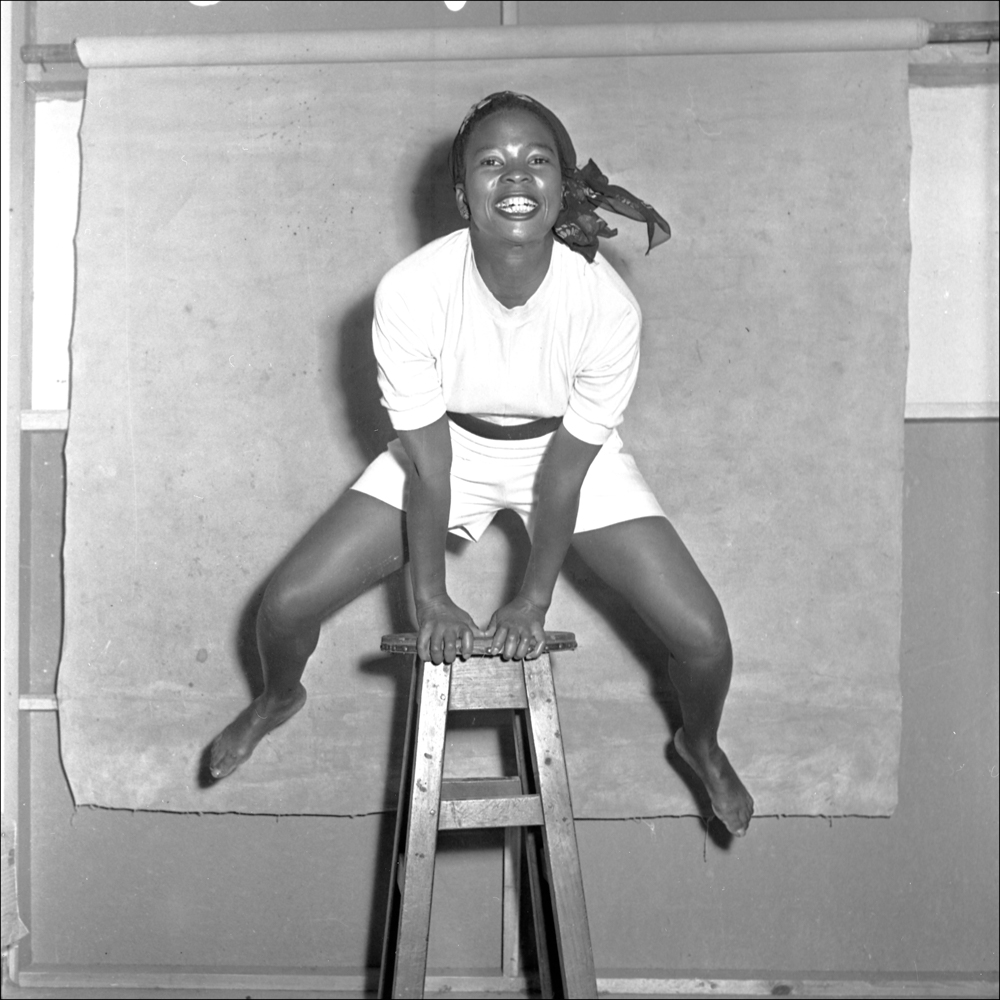
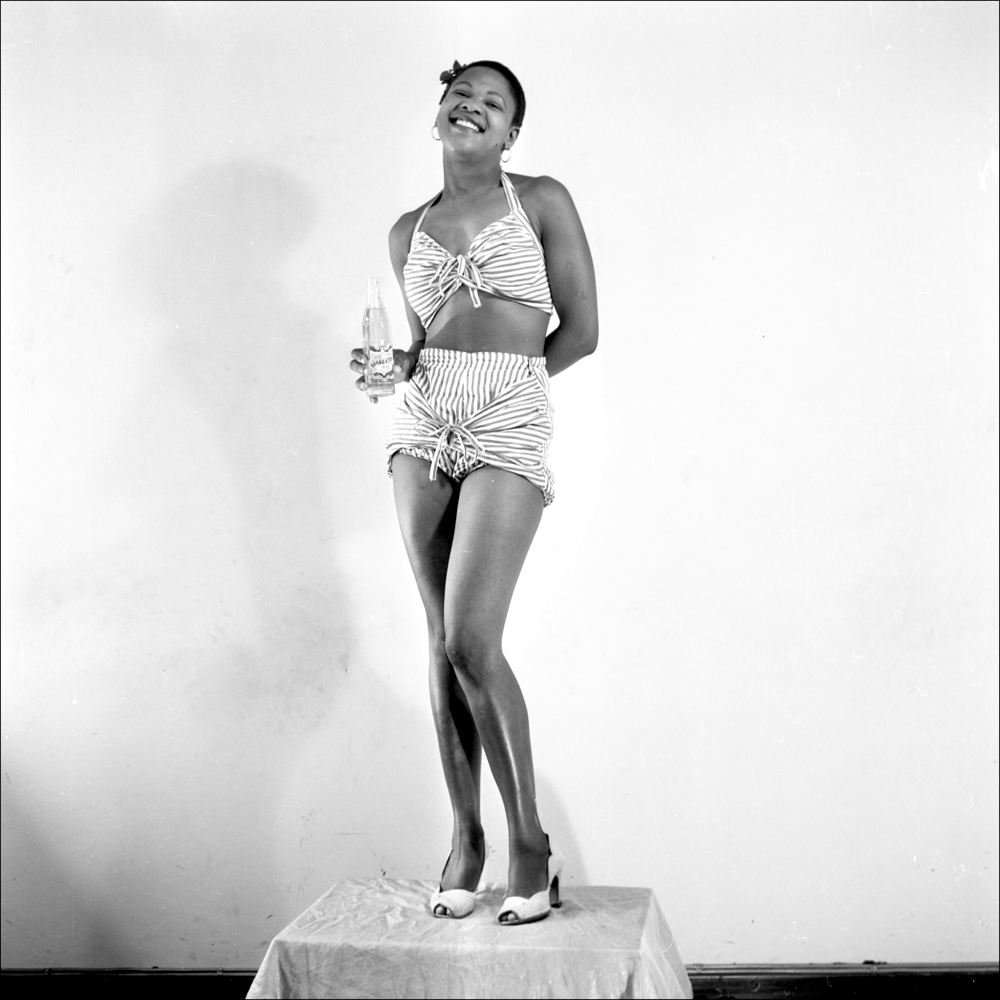
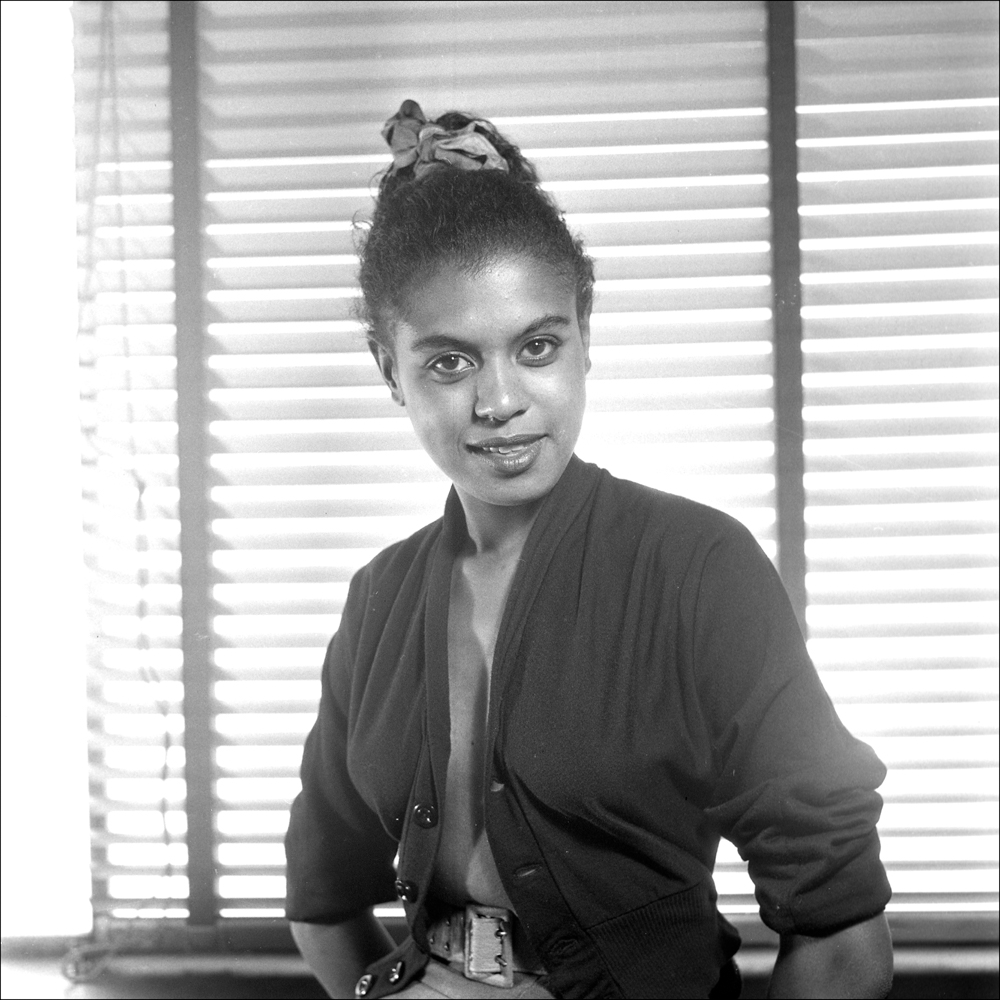
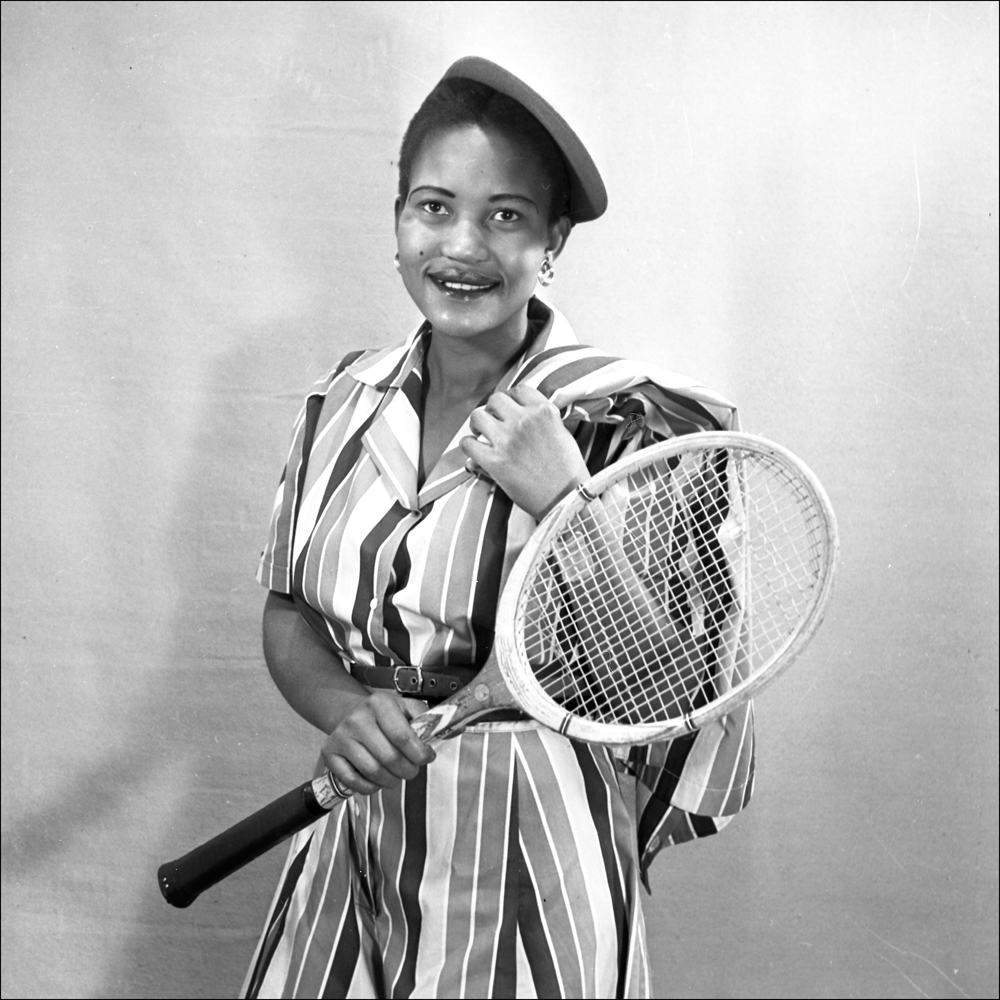
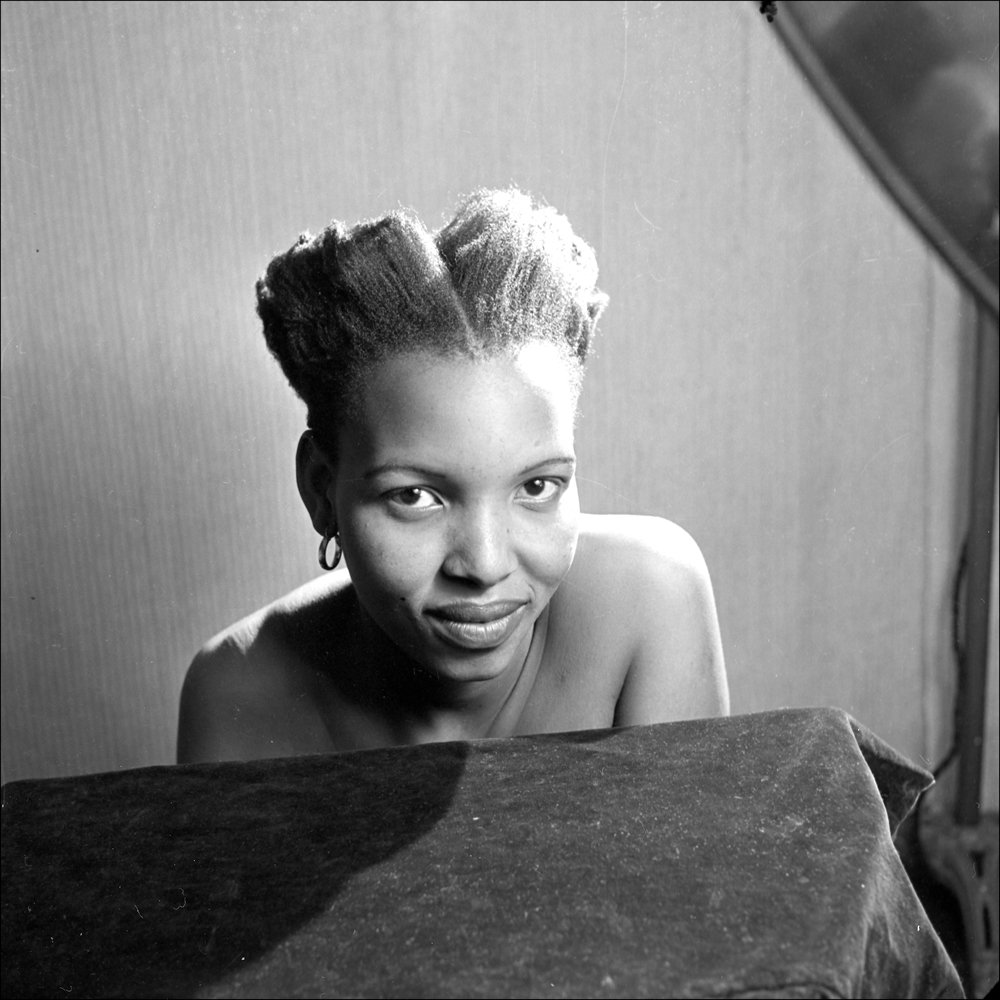
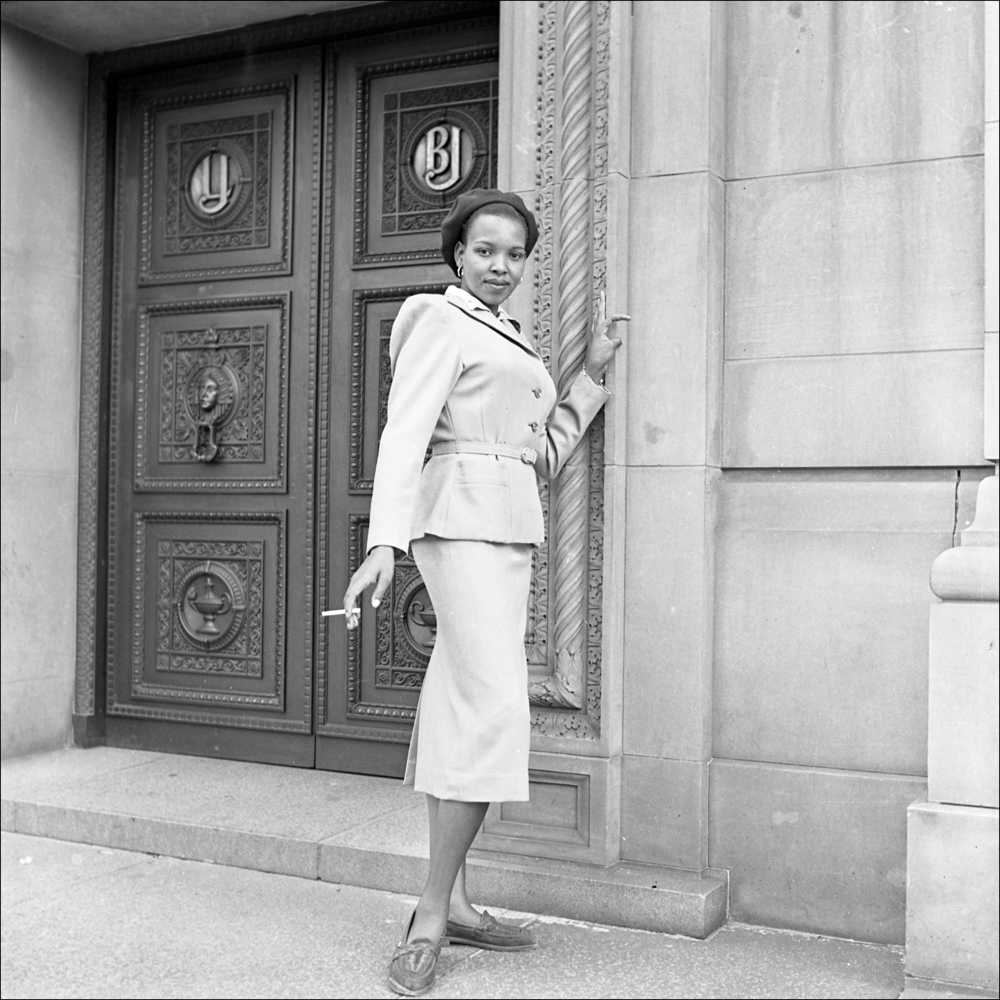
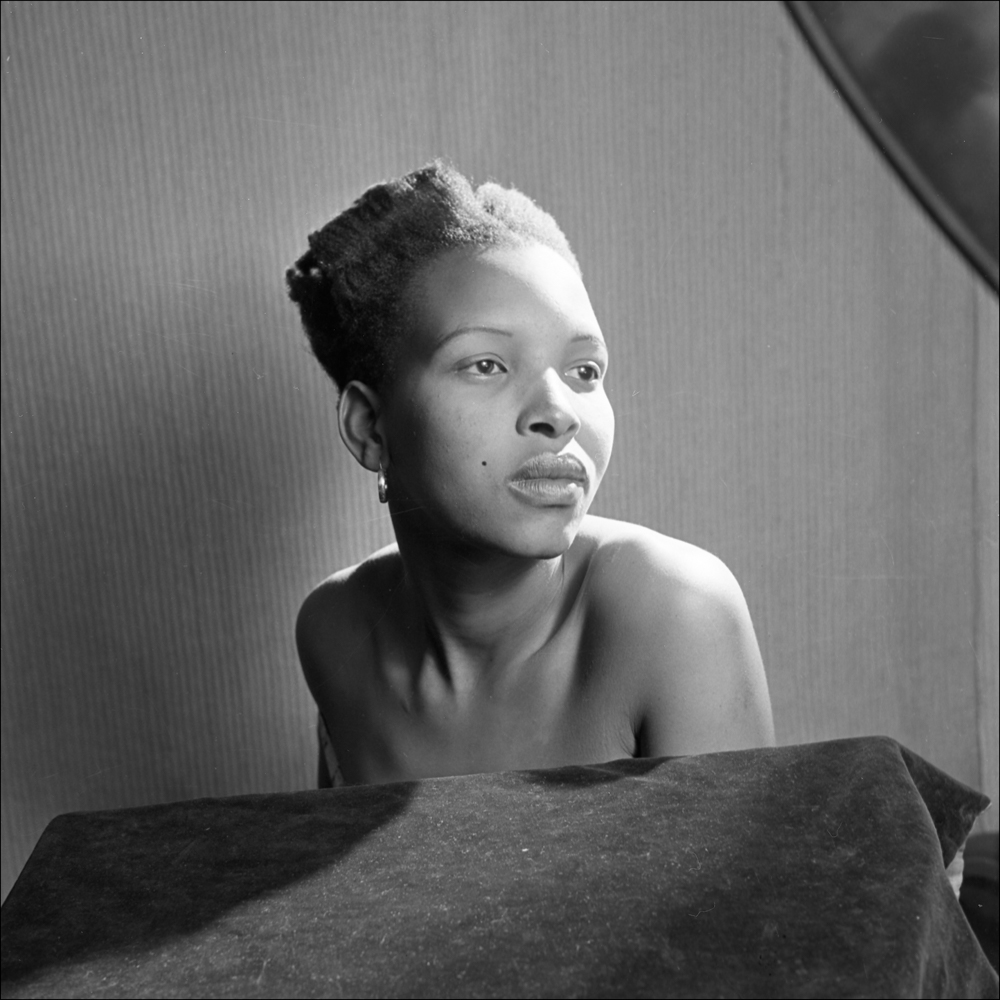
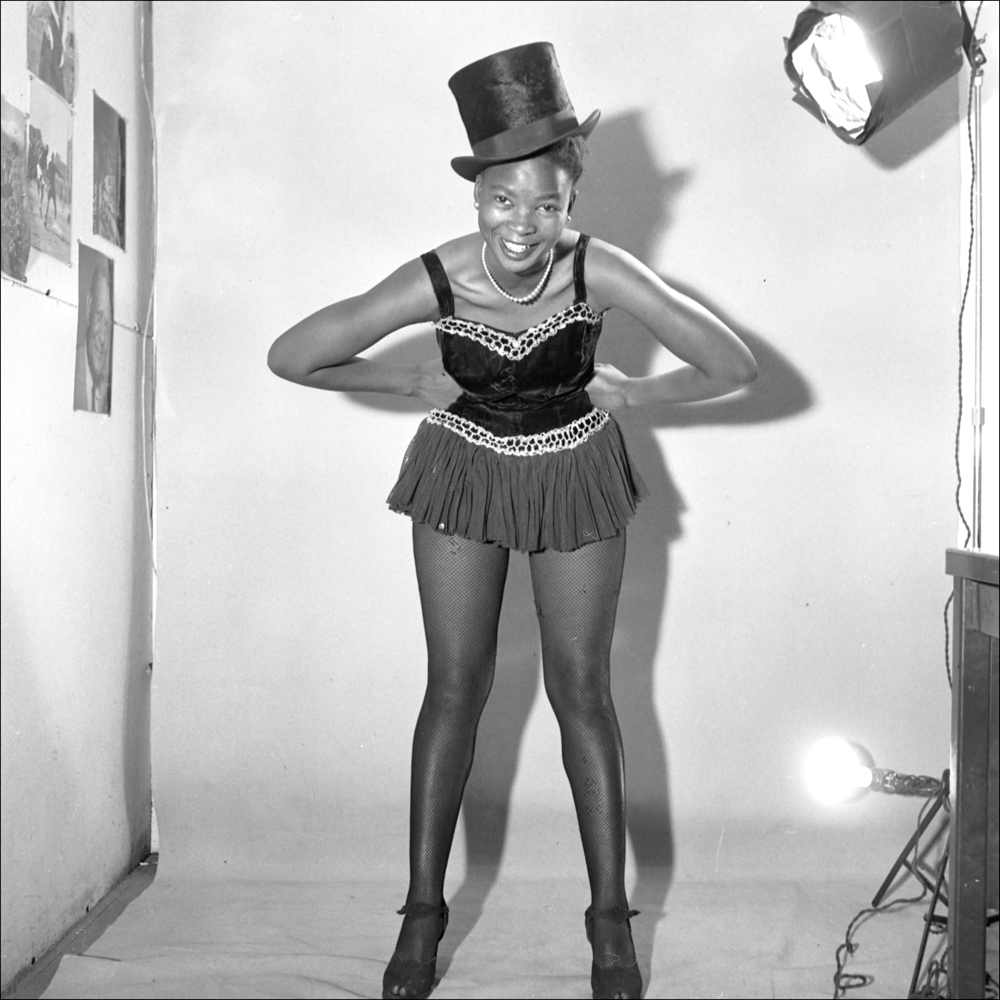
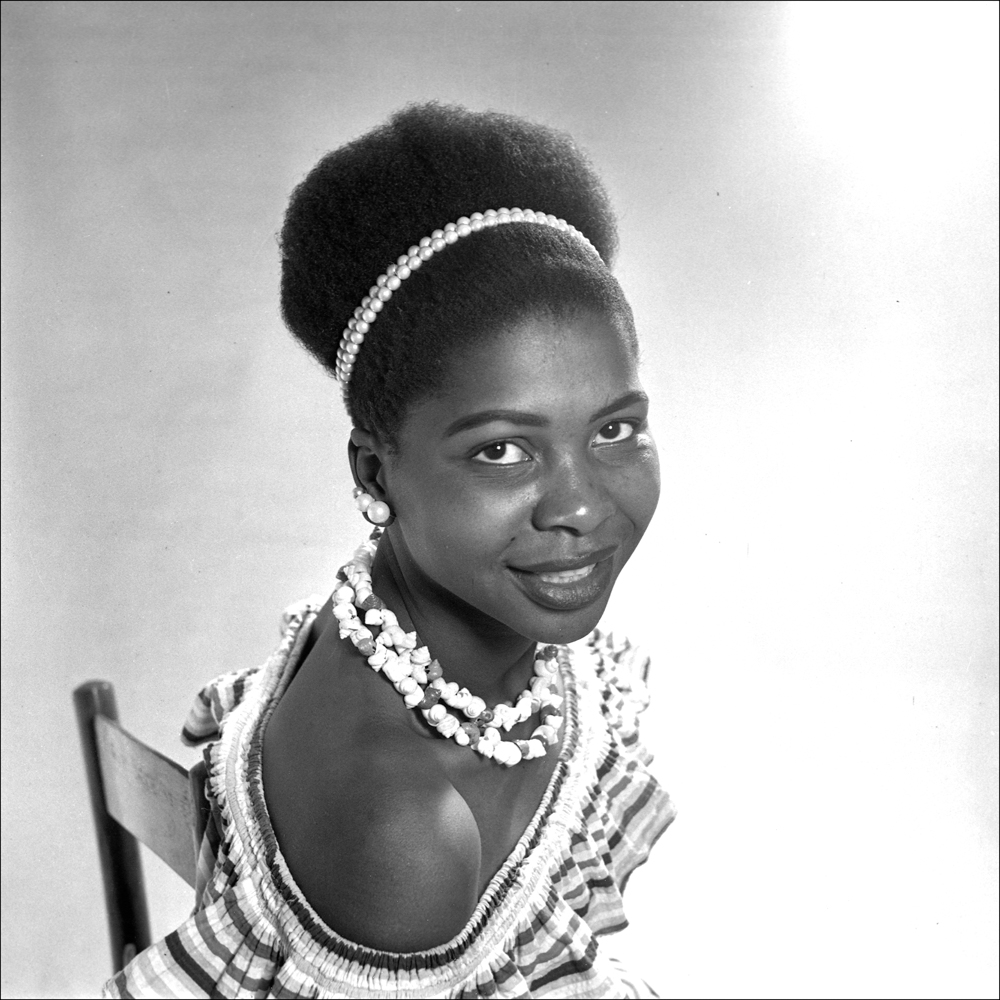
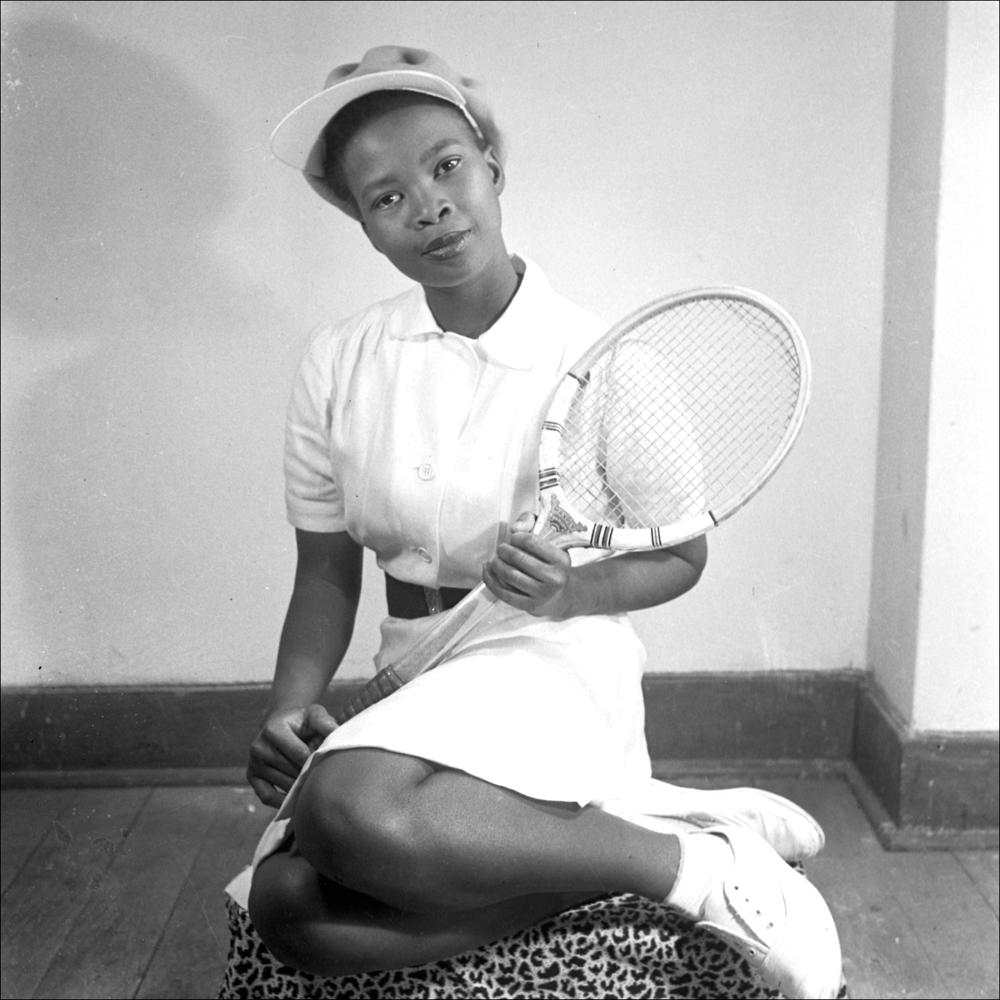
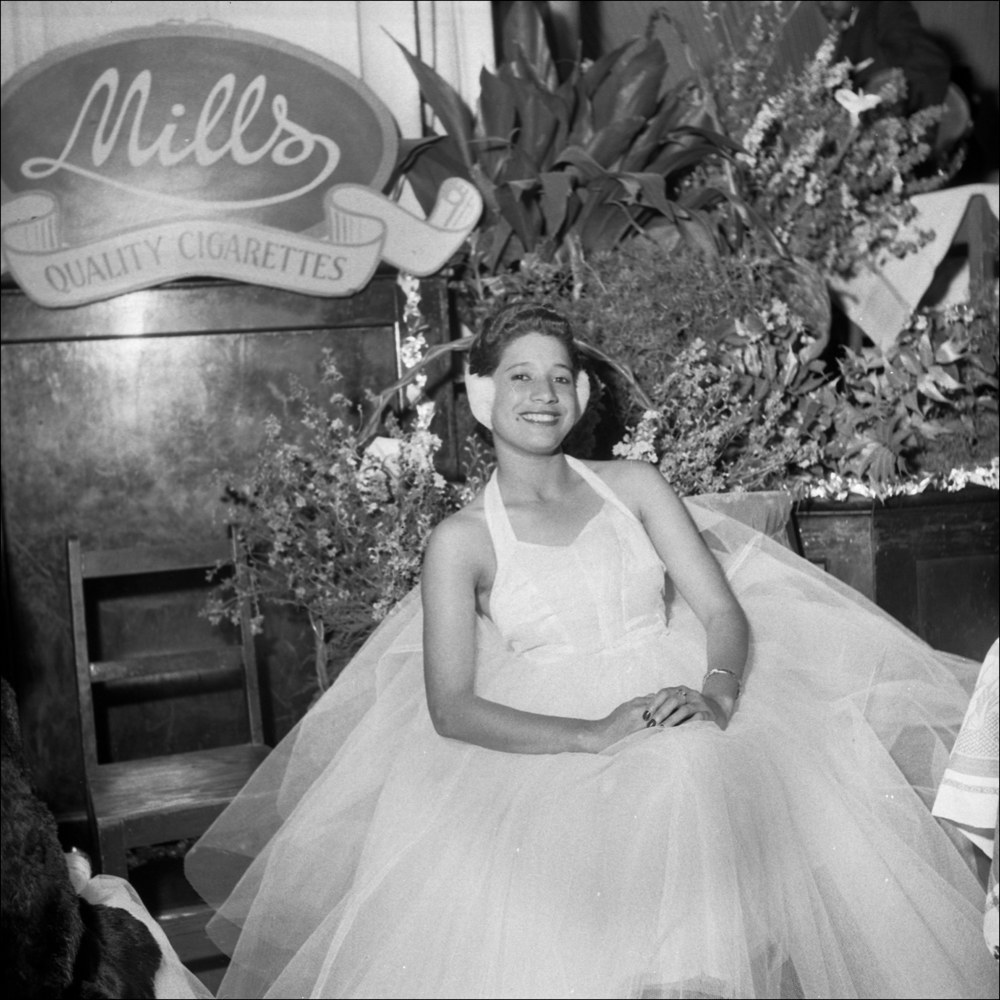
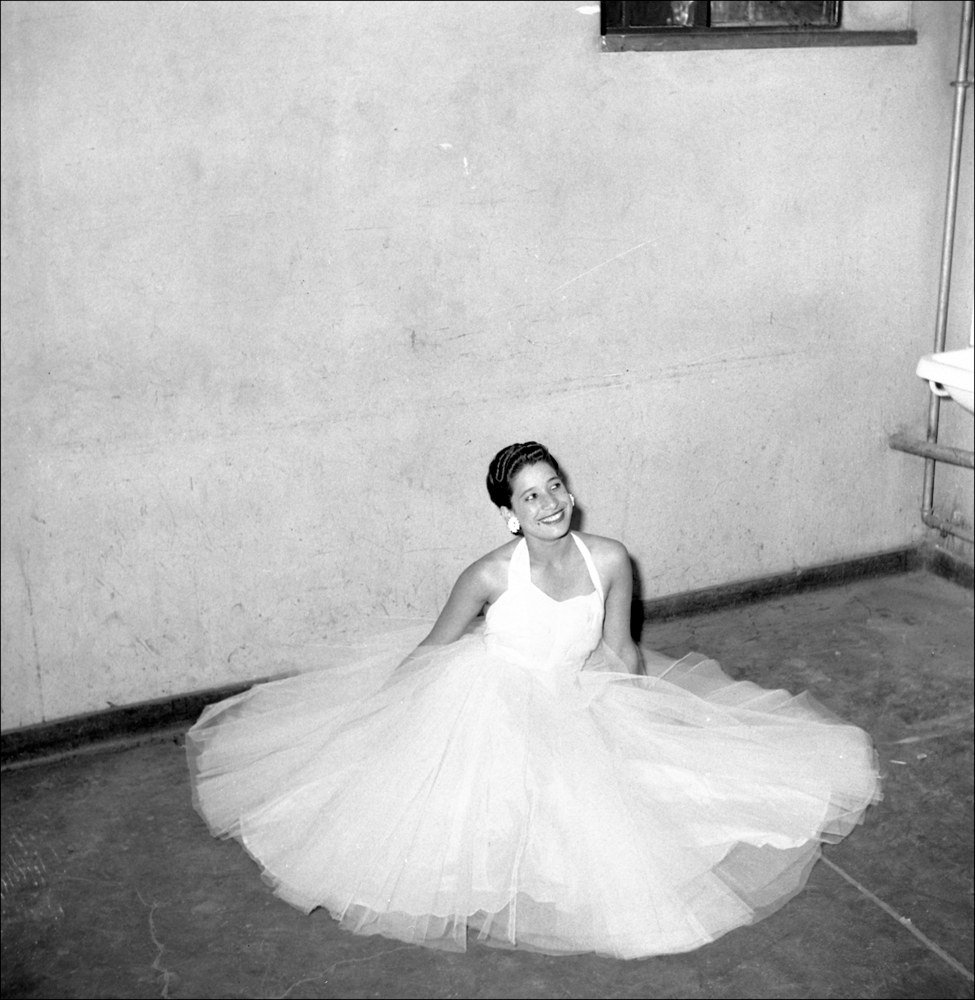
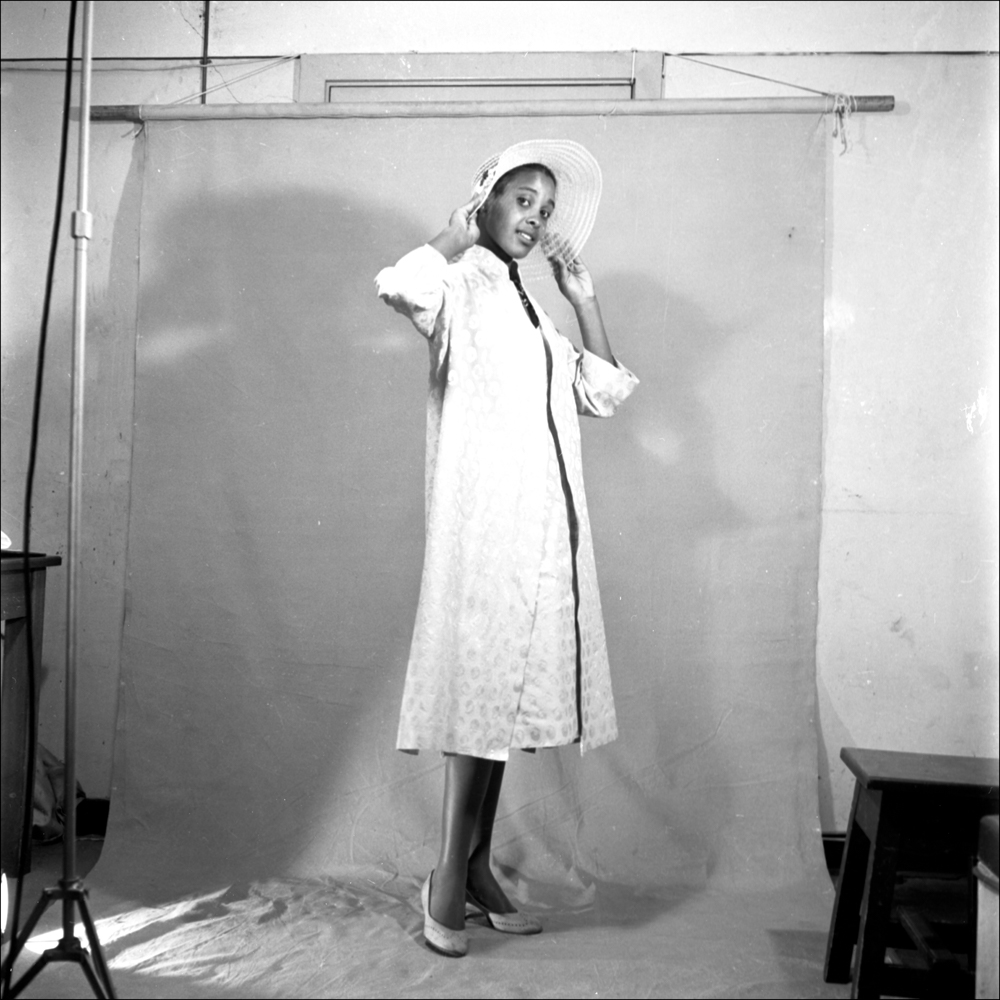
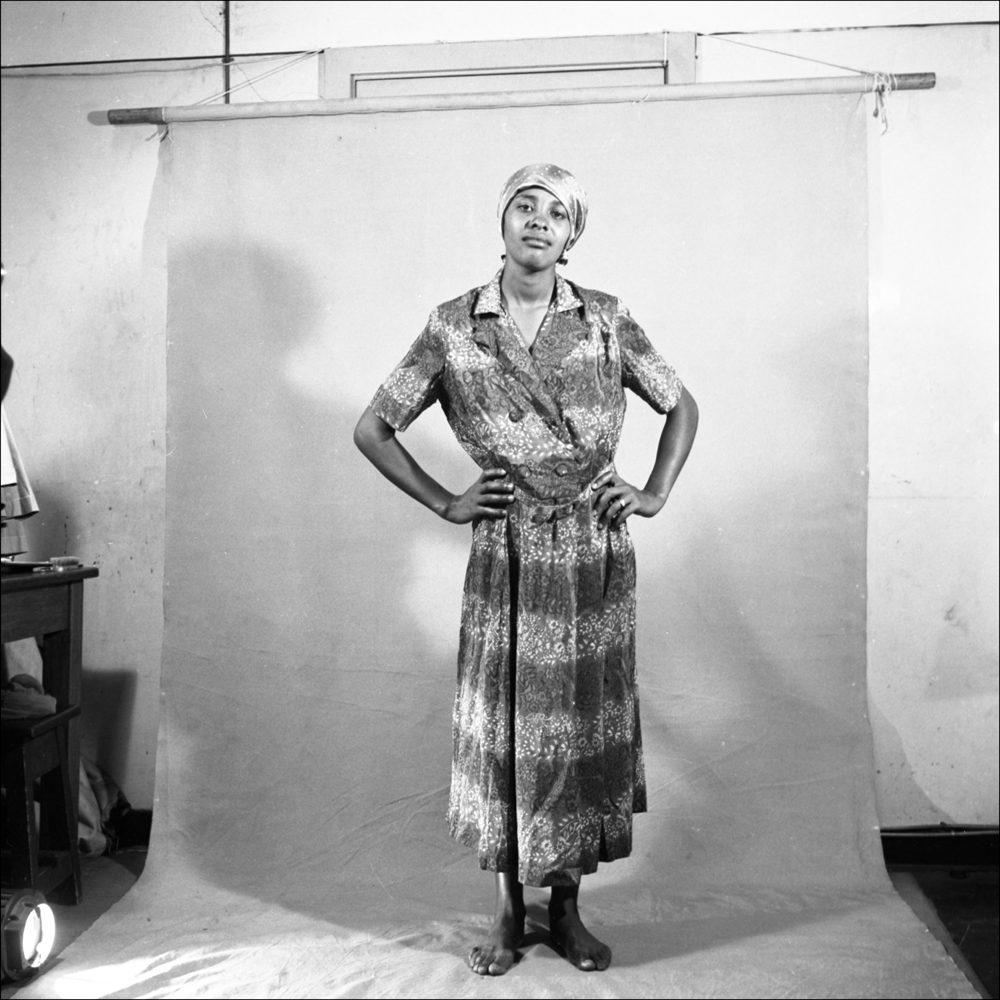
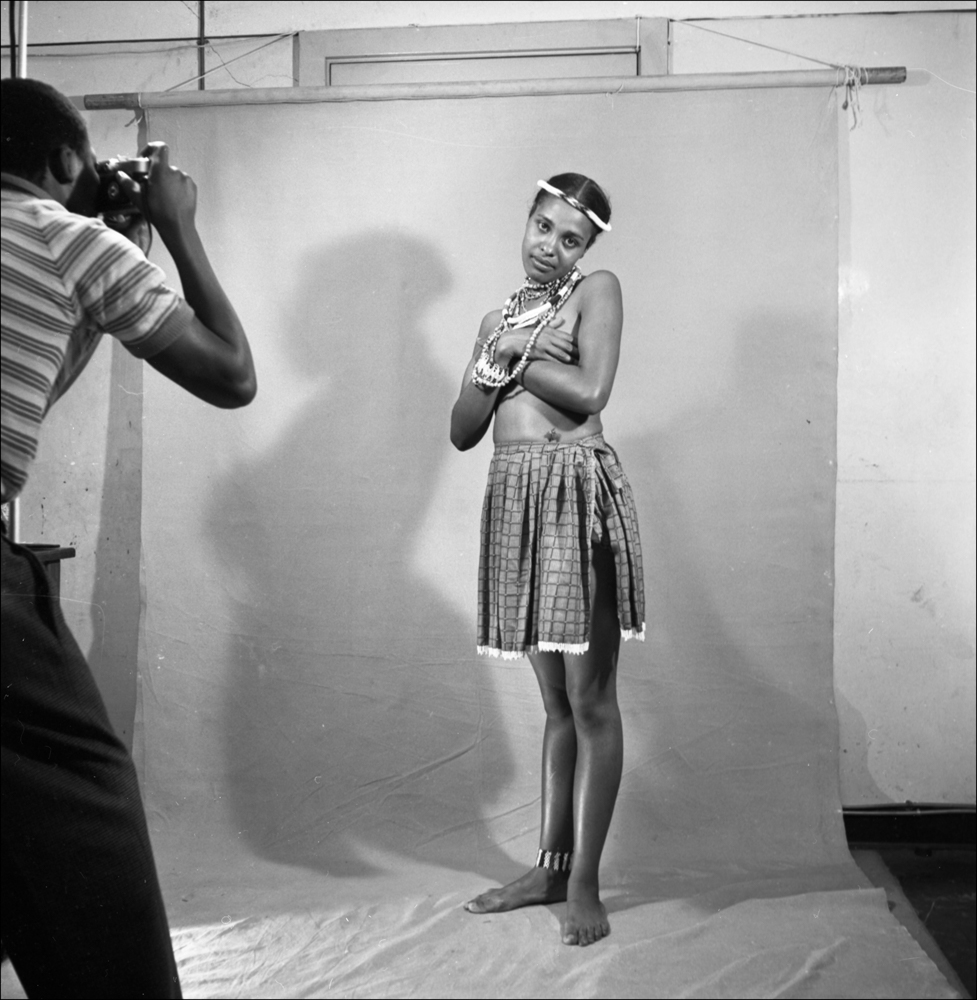
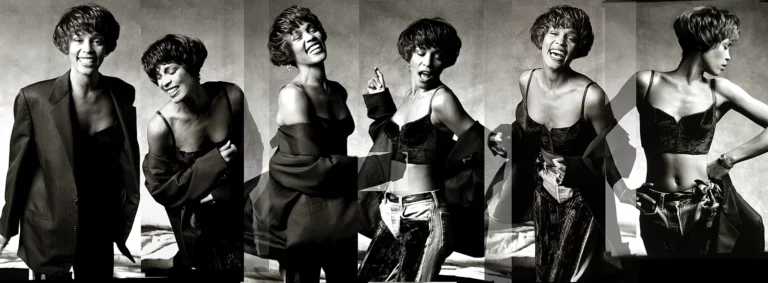
In Fifties Glamour South Africa, Jürgen Schadeberg turns toward the visual culture of elegance, performance and self-presentation that shaped parts of South African life during the 1950s. Moving between portraiture, fashion-inflected imagery and moments of public poise, these photographs reveal a world in which style carried social meaning and appearance became part of how modern identity was performed.
Schadeberg is often discussed in relation to documentary photography and political history, yet this body of work shows another important aspect of his practice. Here, glamour is not treated as something superficial or detached from the realities of its time. Instead, it appears as part of a wider visual language through which confidence, ambition and cultural presence were expressed.
These photographs preserve more than clothing, pose or atmosphere. They also record a historical moment in which magazines, music, nightlife and portraiture helped shape how people wished to be seen. Within that framework, glamour becomes both image and social document.
The Visual Language of the Fifties
The 1950s carried a distinct visual language shaped by cinema, magazines, performance culture and changing urban aspirations. Hairstyles, fabrics, posture and lighting all contributed to how glamour was constructed and understood. Schadeberg was attentive to these details, using them not only as descriptive elements but as part of the photograph’s wider atmosphere.
Seen now, these visual cues help place the work historically while also giving it its enduring appeal. The pictures remain compelling because they are carefully composed without feeling overly staged. They hold the confidence of editorial imagery while still retaining a sense of immediacy.
Performance, Nightlife and Cultural Space
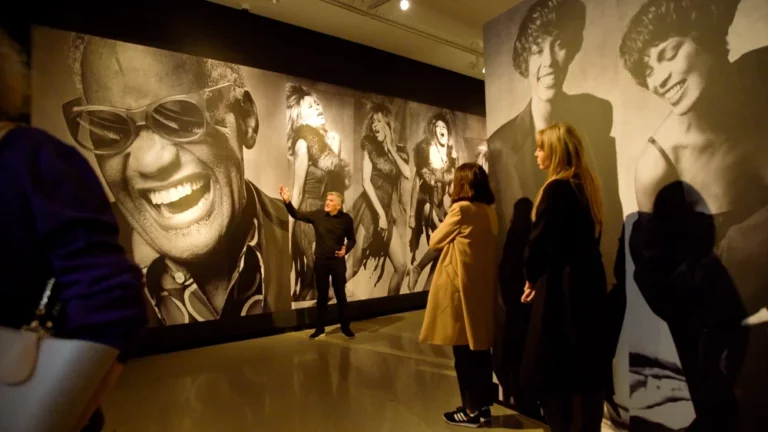
Glamour in this period was closely tied to public culture. It was shaped in theatres, clubs, studios and social spaces where performance and appearance overlapped. Schadeberg’s photographs suggest this wider world, one in which music, entertainment and urban life formed an essential backdrop to the creation of public image.
In these settings, dress and style became part of a broader cultural rhythm. The photographs reflect that energy without overstating it. They remain attentive to atmosphere, but they are equally grounded in observation, preserving the environments in which these identities were performed and made visible.
“These photographs show glamour not as surface alone, but as a form of presence shaped by style, performance and social space.”
Photography Between Document and Image
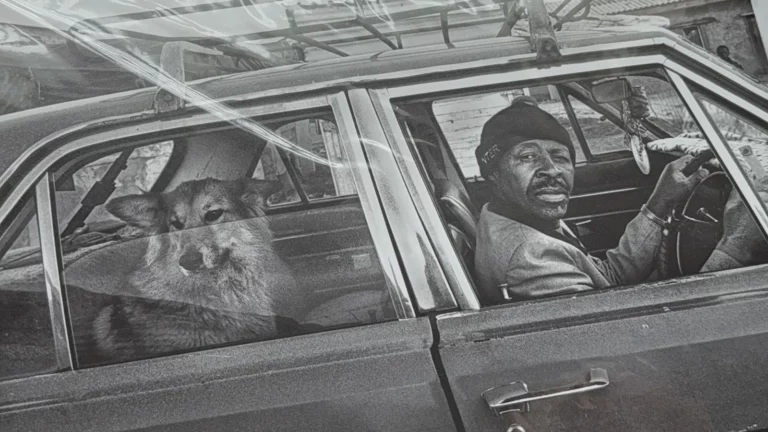
One of the strengths of this body of work lies in the way it moves between documentary attentiveness and constructed image-making. Schadeberg understood how a photograph could describe a real moment while also heightening its visual elegance through framing, timing and tonal control.
This dual quality gives the series its depth. The works are historically grounded, yet they also speak to photography’s ability to shape mood and perception. They document a world, but they also participate in the making of its visual identity.
As a result, the photographs can be read both as records of mid-century South African culture and as refined examples of photographic image-making from the period.
Collector and Historical Context
Within the broader history of South African photography, these works expand an understanding of Schadeberg’s range. They remind us that the archive of the 1950s is not only composed of politics, reportage and public events, but also of fashion, performance, aspiration and carefully shaped self-image.
For collectors, this material holds significance precisely because of that intersection. The photographs offer visual clarity and historical depth at once, connecting the elegance of the image with the broader cultural history of the period.
Fifties Glamour South Africa can therefore be understood as both a photographic study of style and a record of how a particular era imagined sophistication, modernity and public presence.