Who Is Norman Seeff? The Photographer Behind Iconic Celebrity Portraits
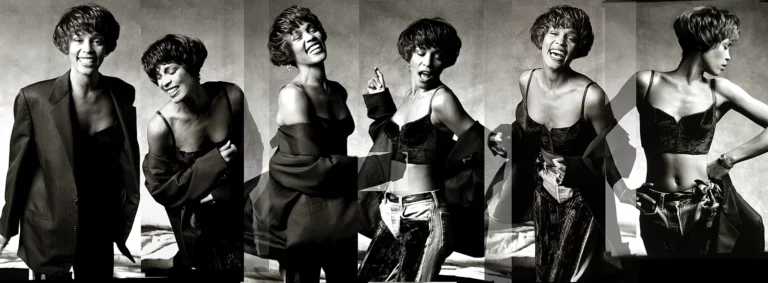
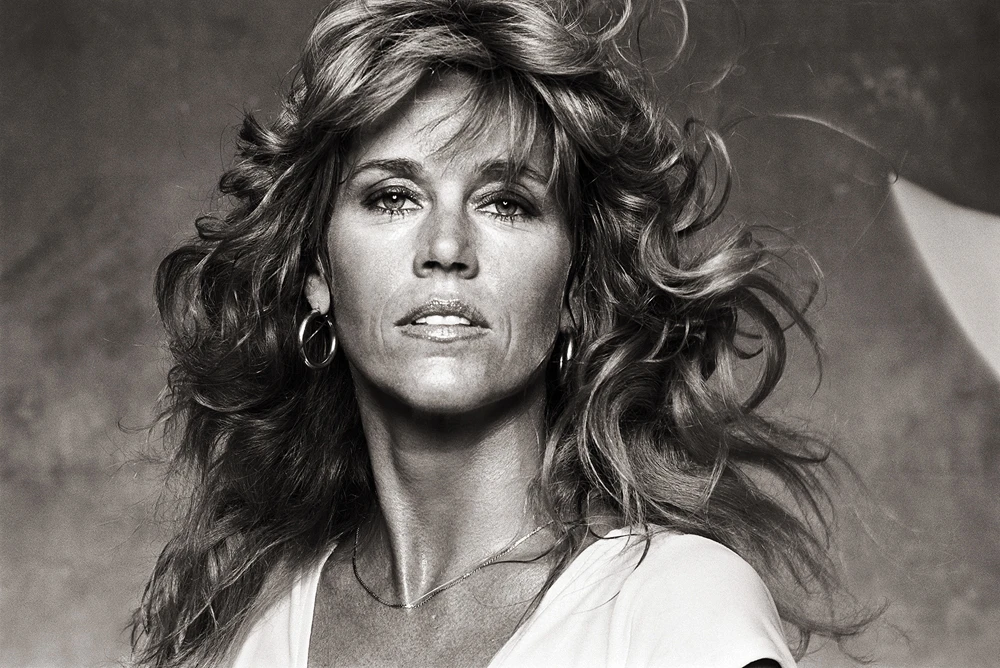
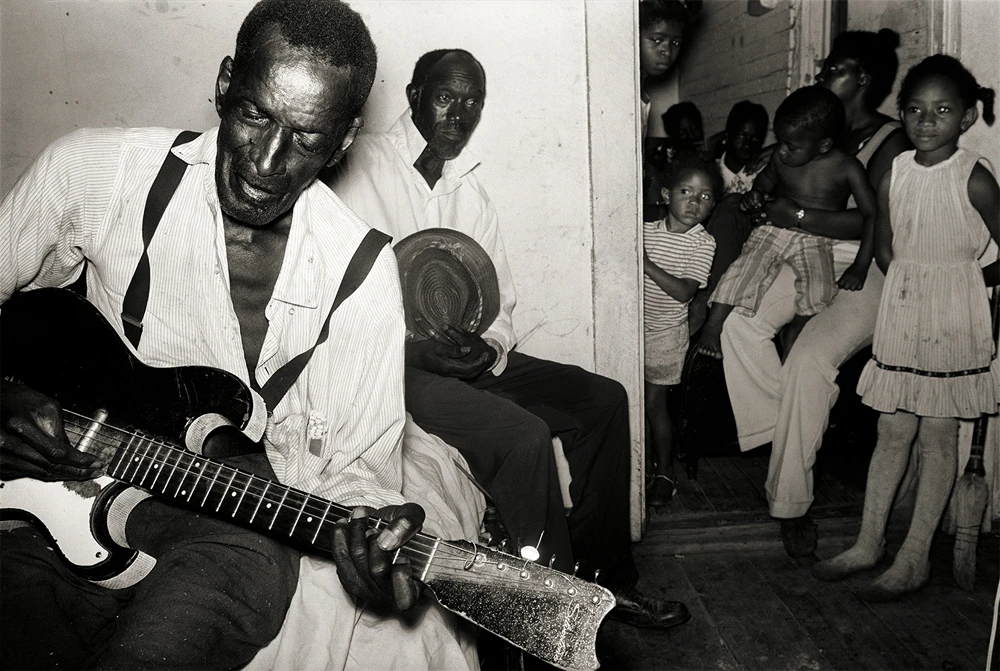
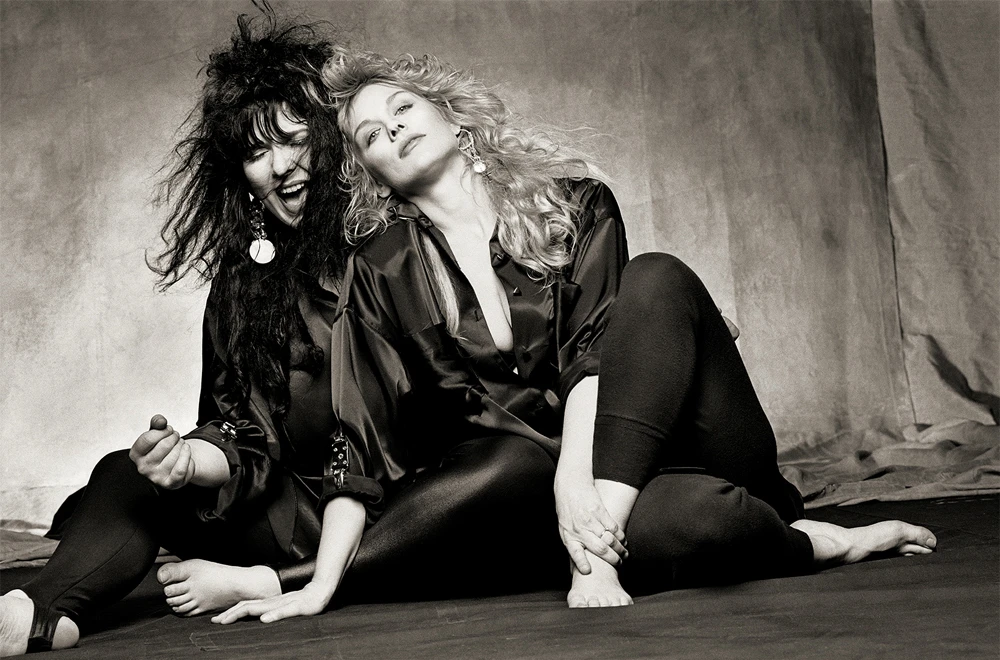
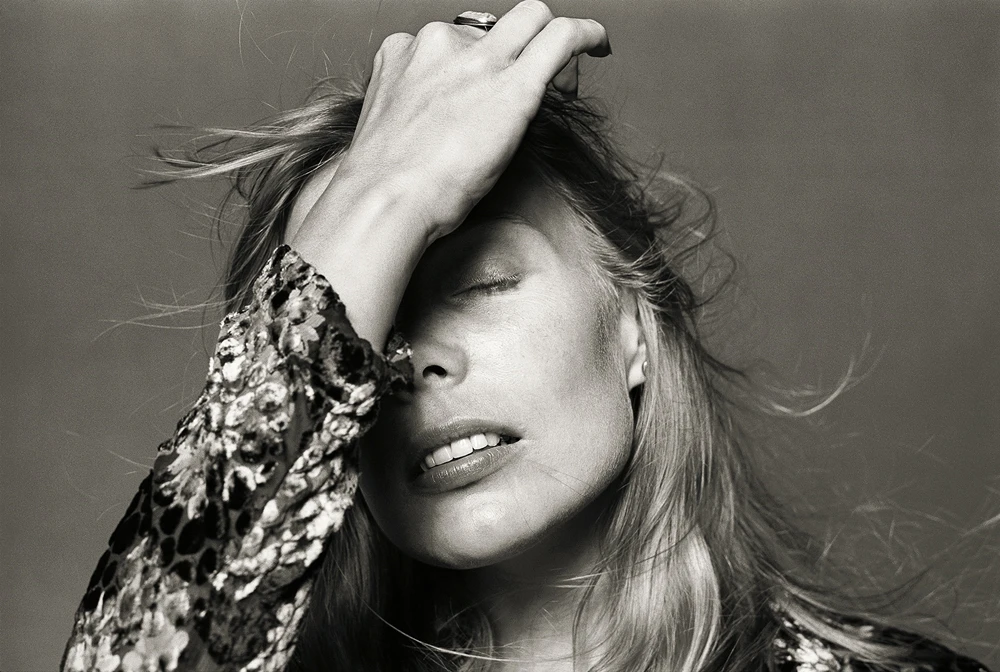
Norman Seeff is known for photographing some of the most recognisable figures in music, film and culture. His work goes beyond portraiture, focusing on the energy, interaction and moments that happen before the photograph is made.
Norman Seeff sits in an interesting place in photography. His work is widely recognised, but what makes it stand out is not just who he photographed, but how those images came about.
A lot of portrait photography is about control, lighting, composition and getting everything exactly where it needs to be. Seeff approached it differently. He was more interested in what happens when a person forgets the camera is there, even if just for a second.
Over time, that approach led to a body of work that feels alive in a way that many portraits do not.
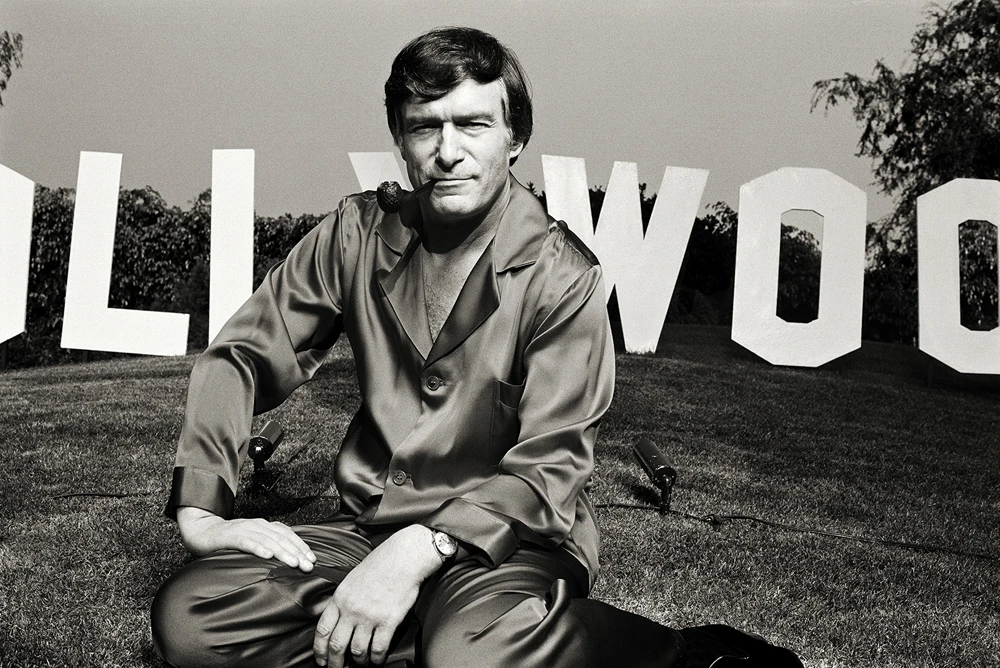
From South Africa to Los Angeles
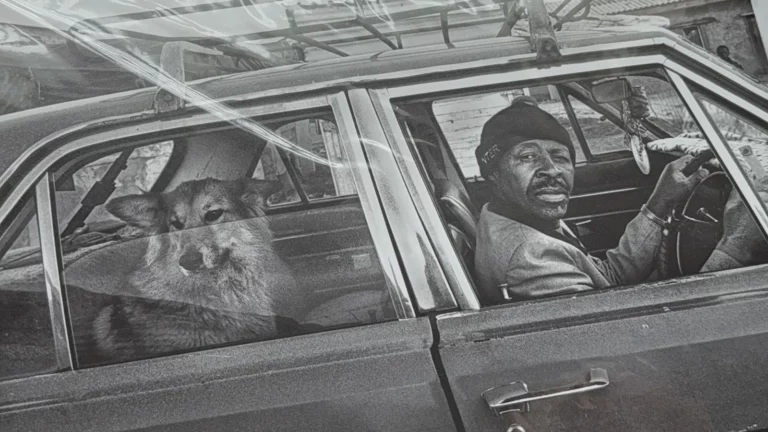
Seeff was born in South Africa and originally trained as a medical doctor. That is not something people always realise, but it explains quite a lot when you look at his work.
Spending years studying people, how they behave, how they respond and how they carry themselves, stays with you. When he eventually moved into photography, that understanding did not disappear. It became part of how he worked.
In the late 1960s, he left medicine and moved to the United States. Los Angeles at that time was full of energy, especially in music and film, and he landed right in the middle of it. That environment shaped everything that followed.
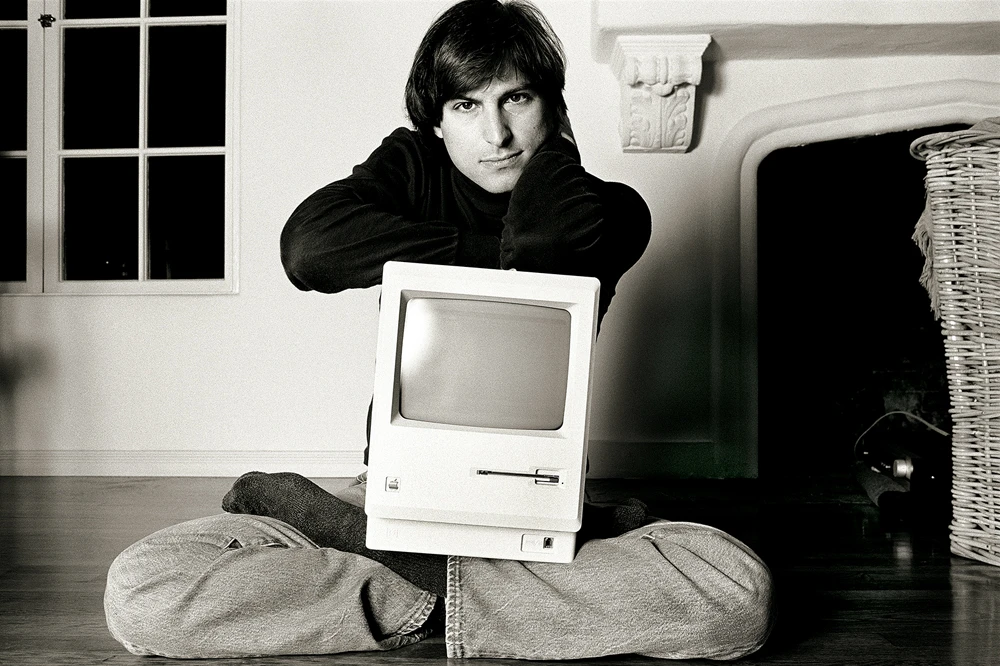
More Than a Portrait Photographer
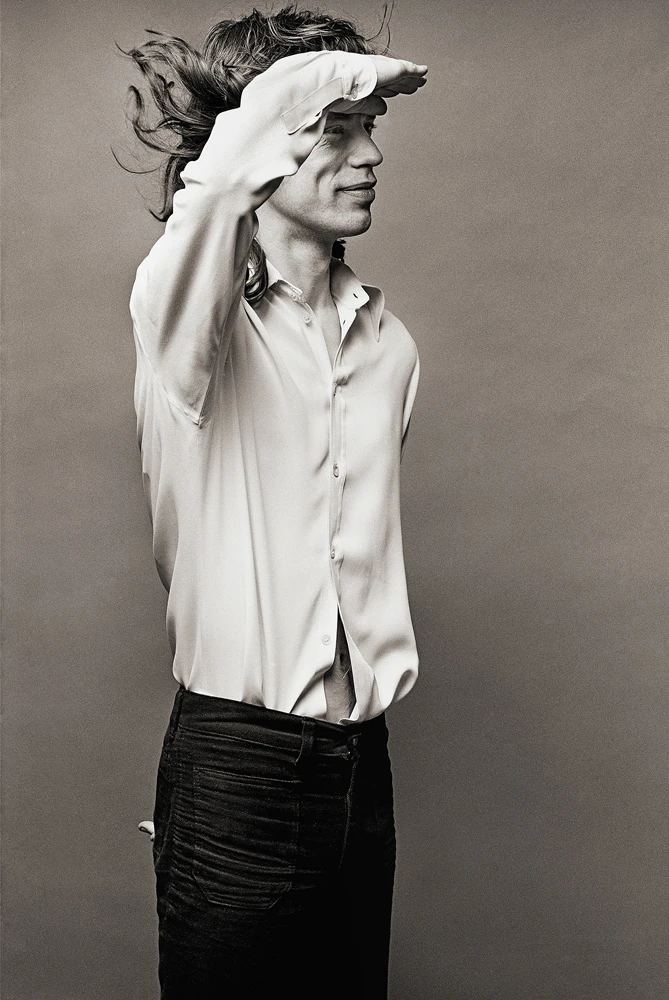
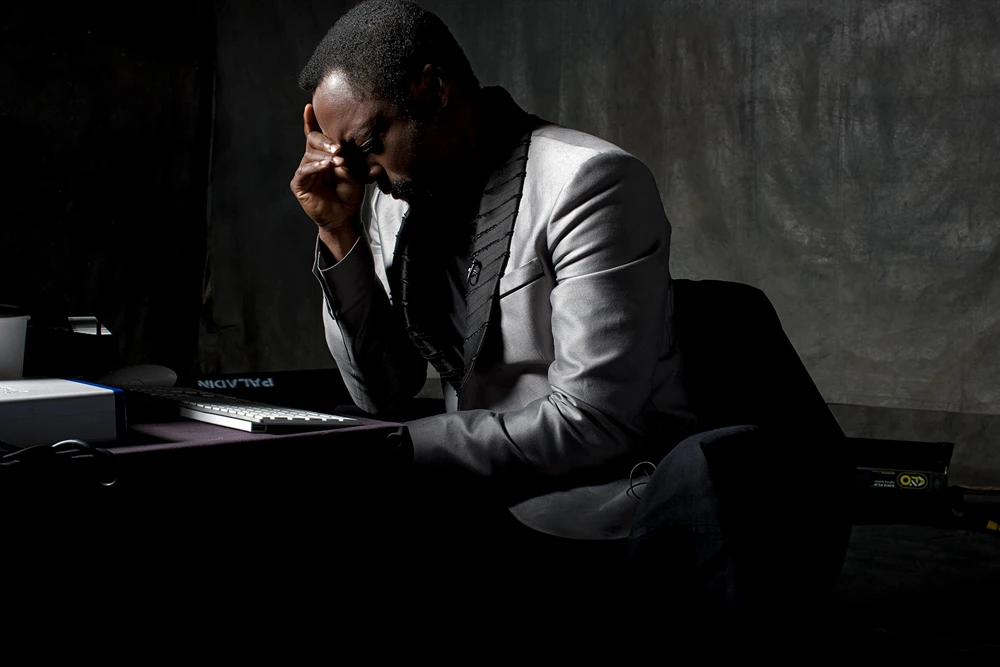
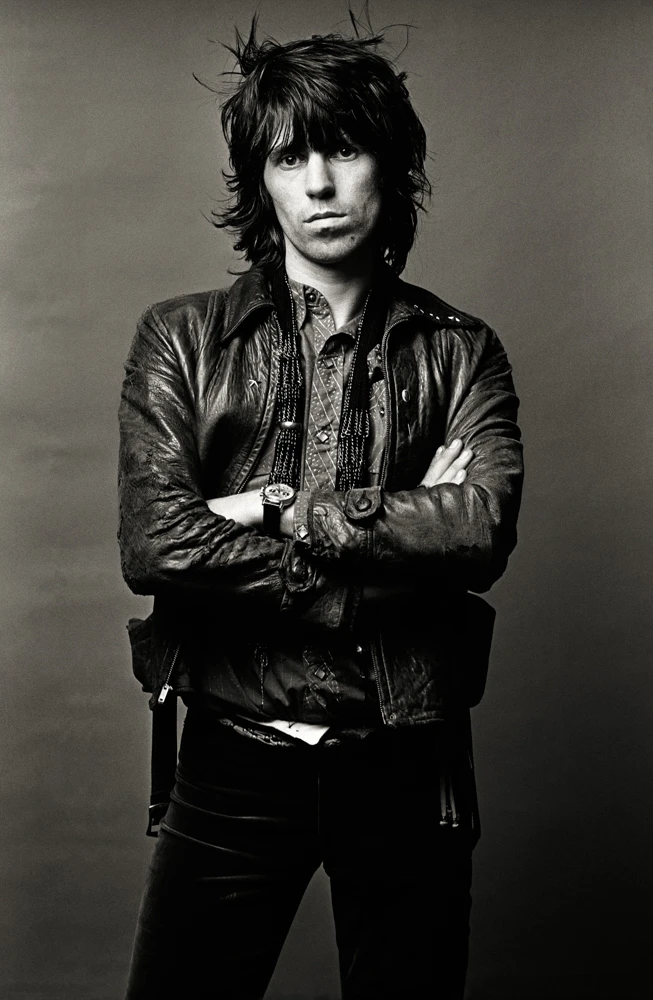
At first glance, the photographs feel simple. Clean backgrounds, often black and white, nothing excessive in the frame.
But the simplicity is deceptive.
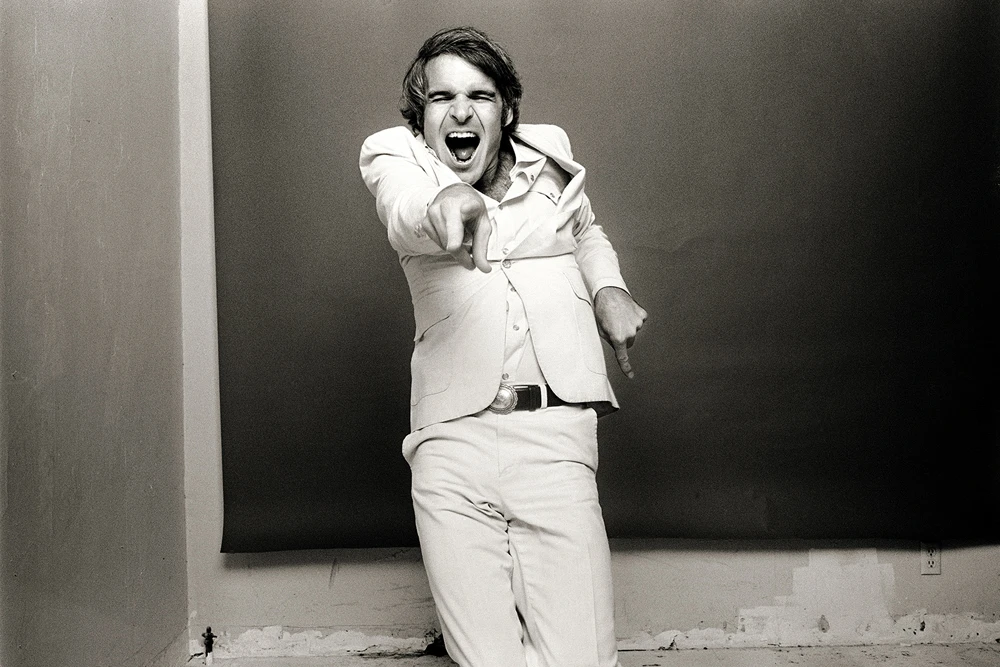
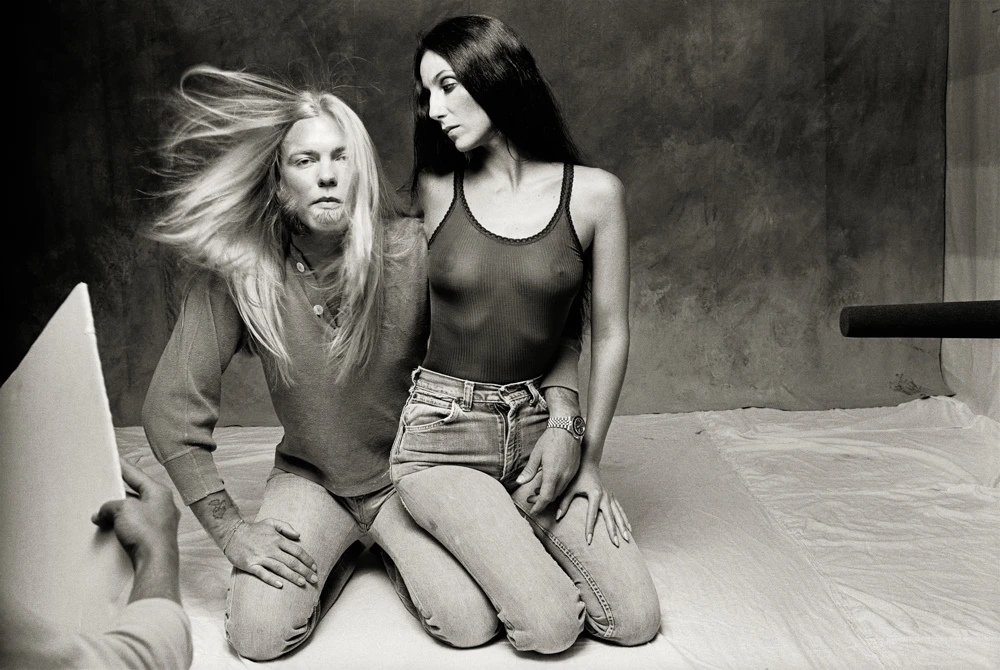
He wasn’t chasing a perfect image. The focus was on creating a space where something could actually happen. Conversation, movement, sometimes a bit of unpredictability. The photograph came out of that.
That’s why the work never feels rigid. There’s a looseness to it, a sense that you’re looking at a moment rather than something carefully staged.
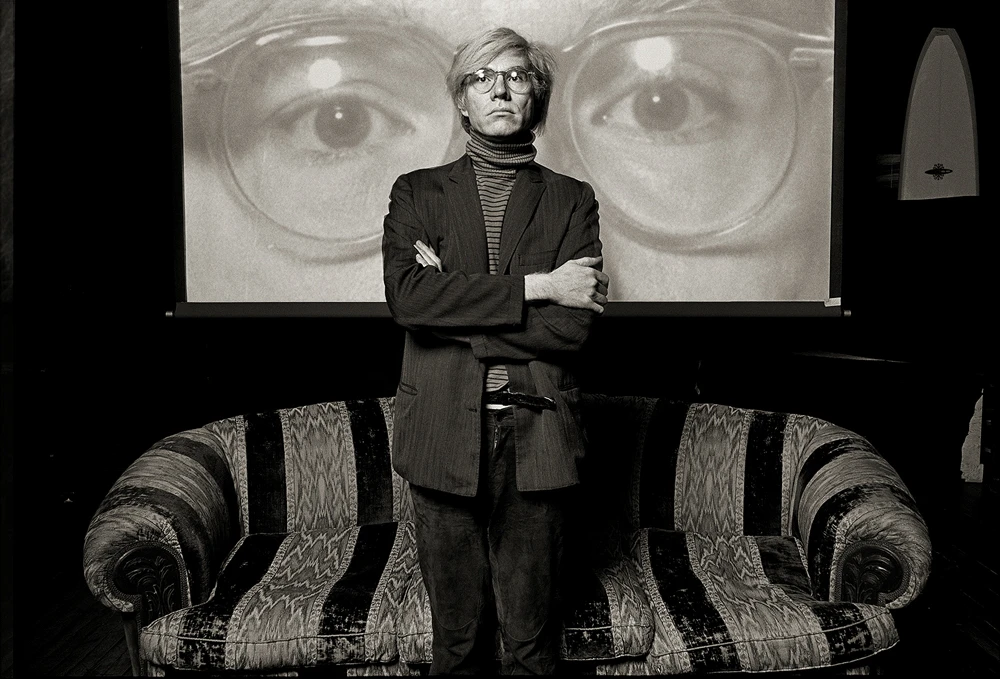
Photographing Cultural Icons
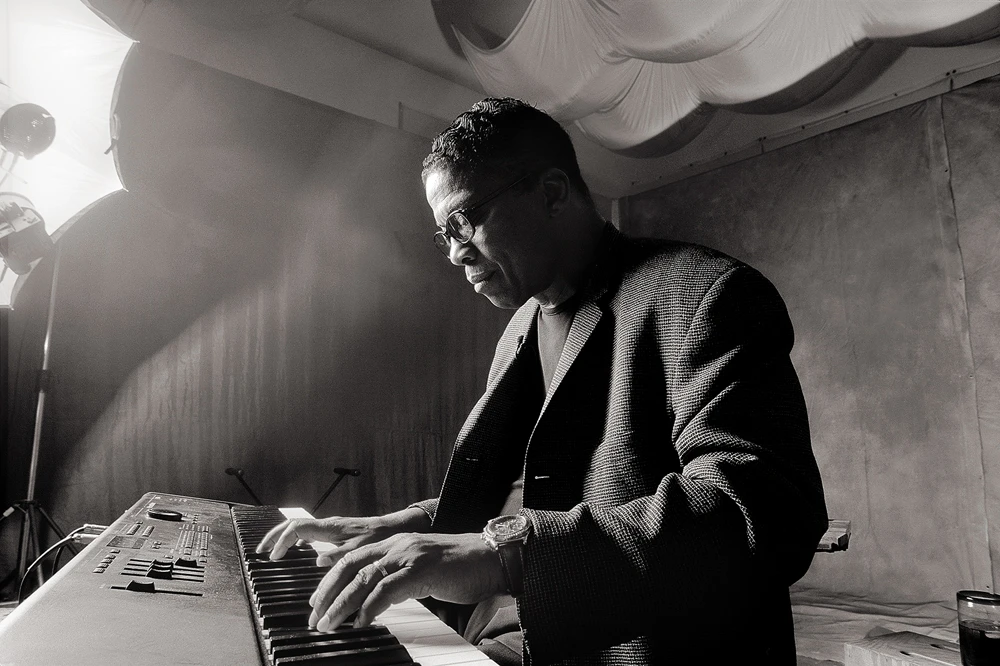
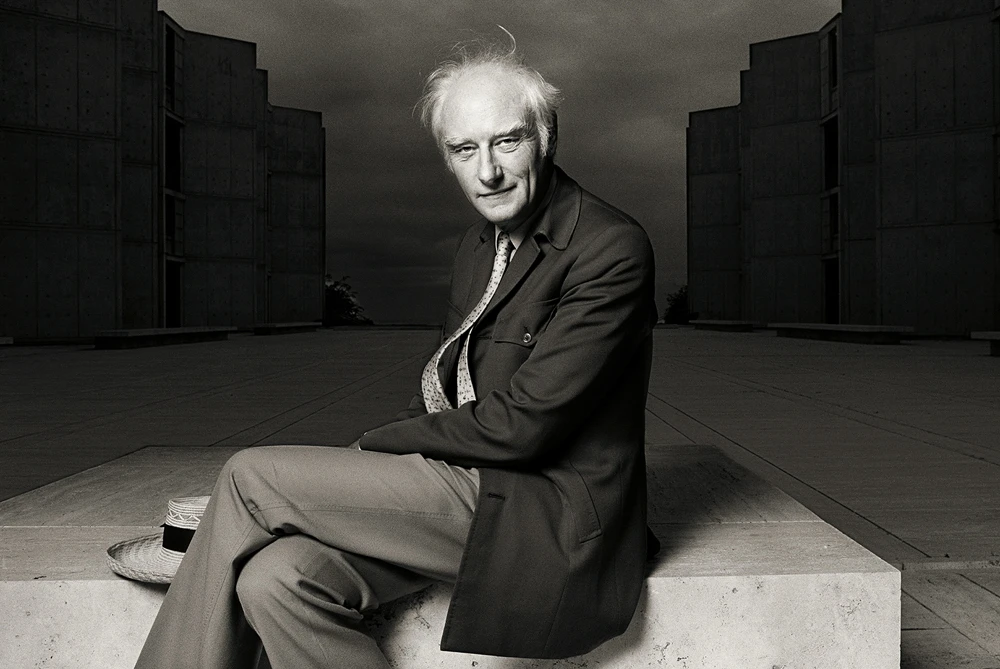
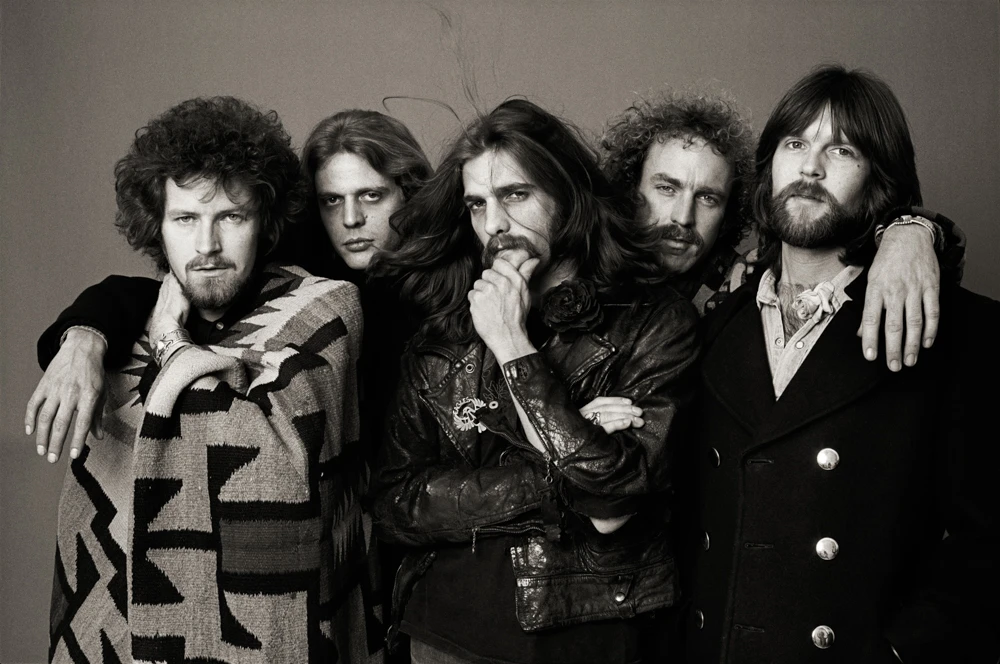
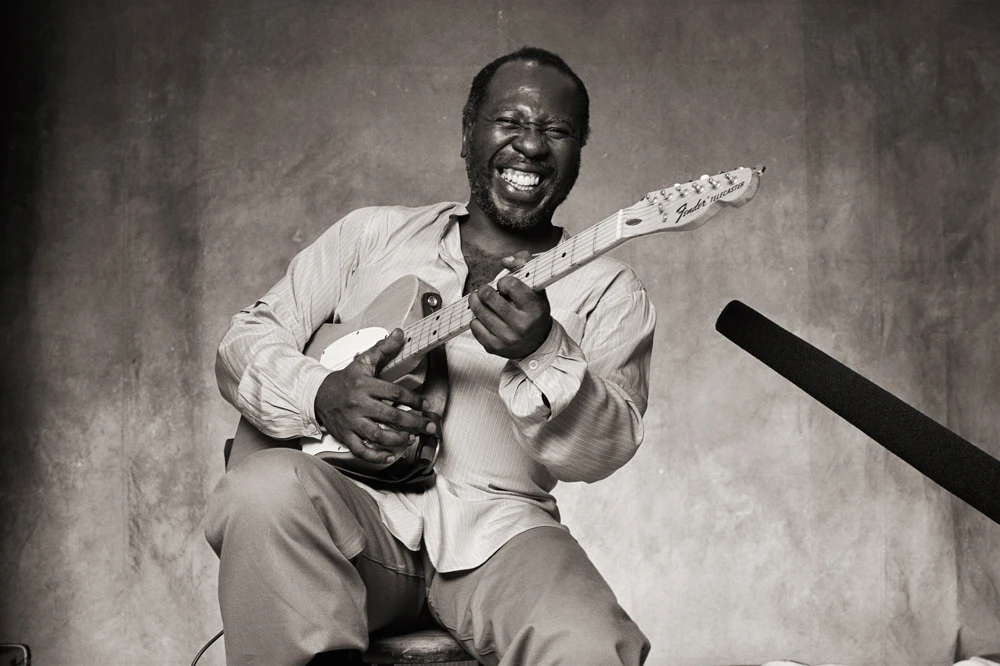
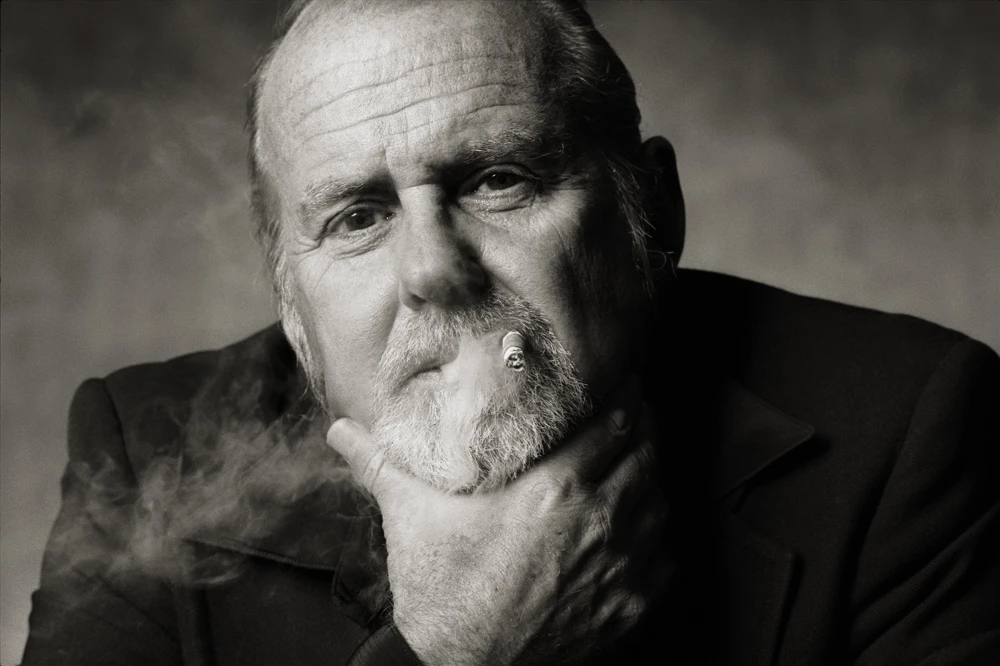
He worked with people who were already well known, musicians, actors, thinkers and people at very particular moments in their lives and careers.
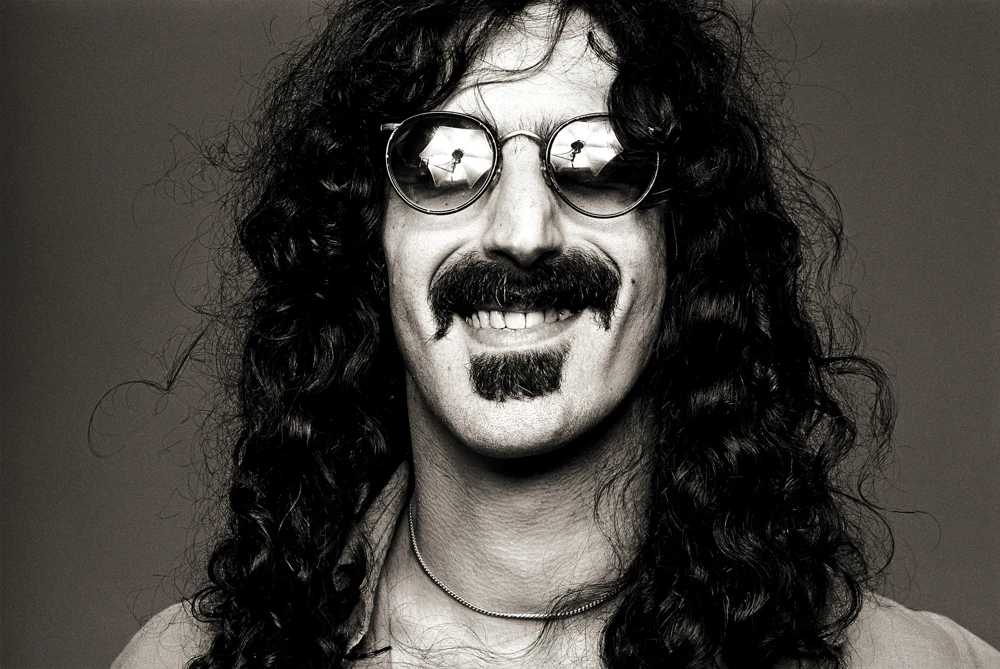
But what is interesting is that the photographs do not feel like celebrity portraits in the usual sense. They do not feel distant or polished to the point of being untouchable.
Instead, there is something quite direct about them. You feel like you are in the room, or at least close to it. There is an exchange happening, not just an image being taken.
That is probably why so many of these photographs have stayed relevant. They do not rely on trends or styling. They hold because of the moment itself.

The Creative Session as Process
One of the most important parts of Seeff’s work is what happens before the shutter is pressed.
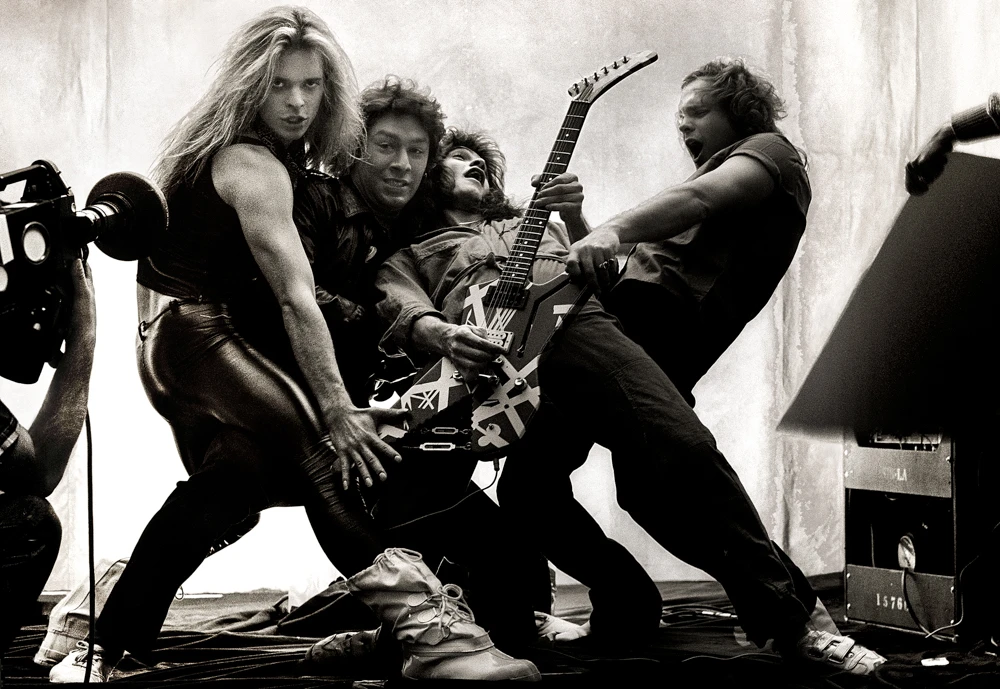
He treated the session as something active. Talking, pushing, responding and sometimes letting things drift a bit until something clicked. It is not about standing back and observing, it is about being involved.
You can see it in the work. There is energy in the frame, and that usually comes from what is happening just outside of it.
For photographers, it is a useful reminder. You do not always need more gear or more control. Sometimes you need a better connection with the person in front of you.
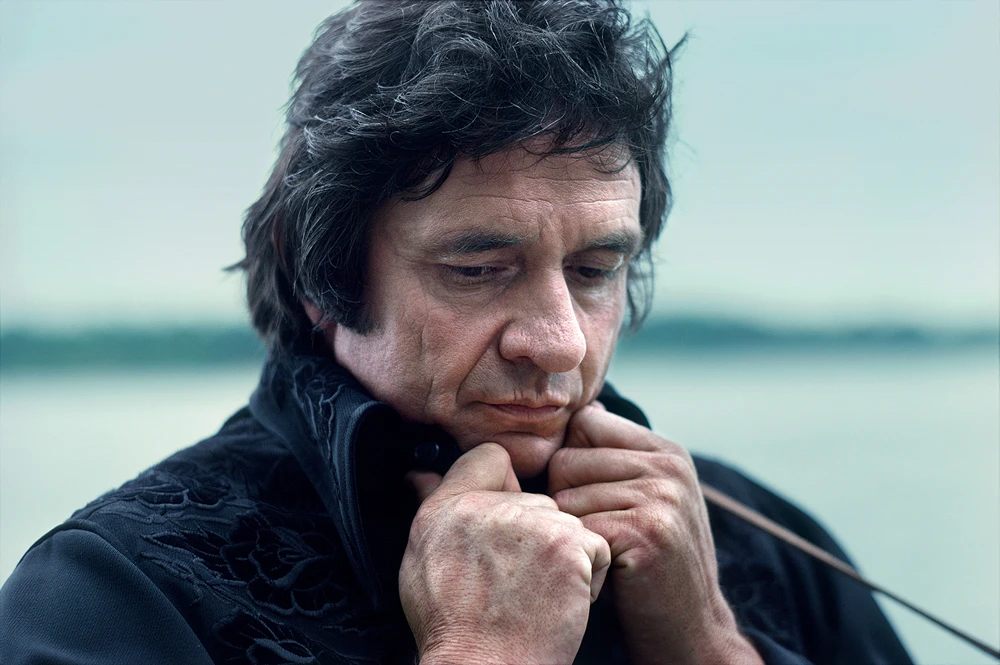
Why His Work Still Holds Up
We are in a time where images are constant. Everything is quick, immediate and disposable.
What Seeff was doing sits almost in opposition to that. His work feels considered, not in a slow or overly deliberate way, but in the sense that something had to happen before the photograph existed.
That is why it still holds up. You are not just looking at a face, you are looking at a moment where something shifted, even slightly.
And those are the images that tend to last.
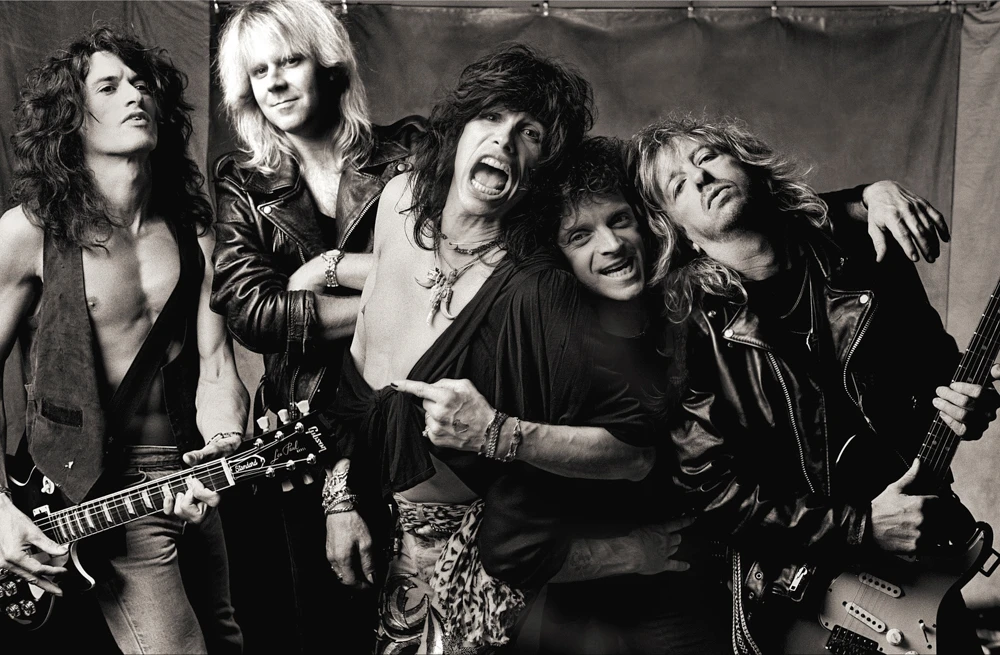
Viewing and Collecting His Work
If you start looking at his prints from a collecting point of view, the same principles apply as with any photography.
Signed or unsigned, edition size, how the print was made and where it comes from all matter. But none of it replaces the basic question of whether the image actually holds your attention.
That is always the starting point.
With Seeff, that is usually not the issue. The work has a way of pulling you in, not because it is trying too hard, but because something real happened when it was made.
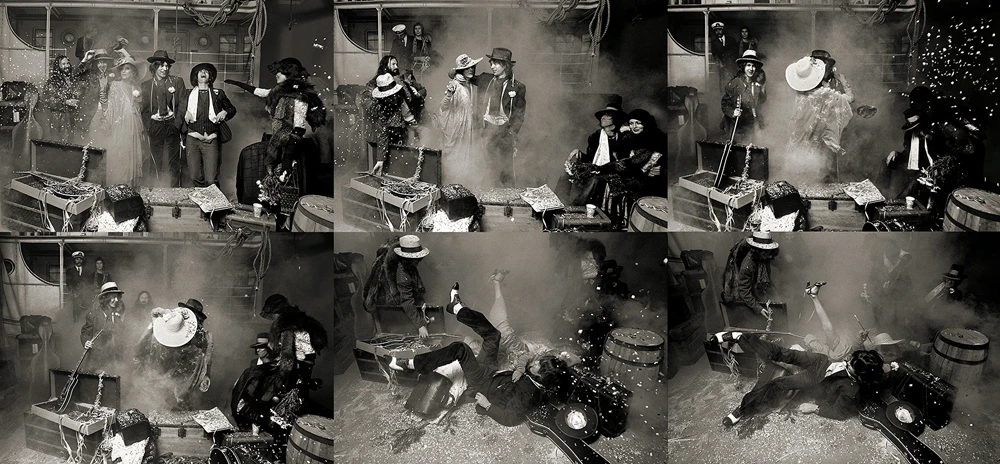
What makes Norman Seeff’s work hold is not just who he photographed, but the fact that something real was happening when the picture was made.
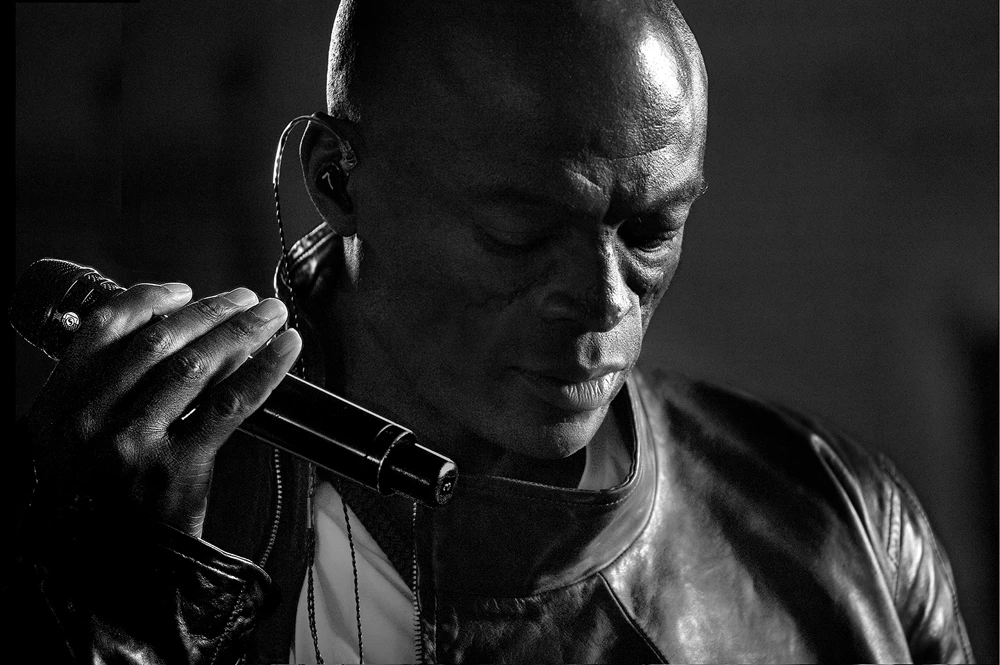
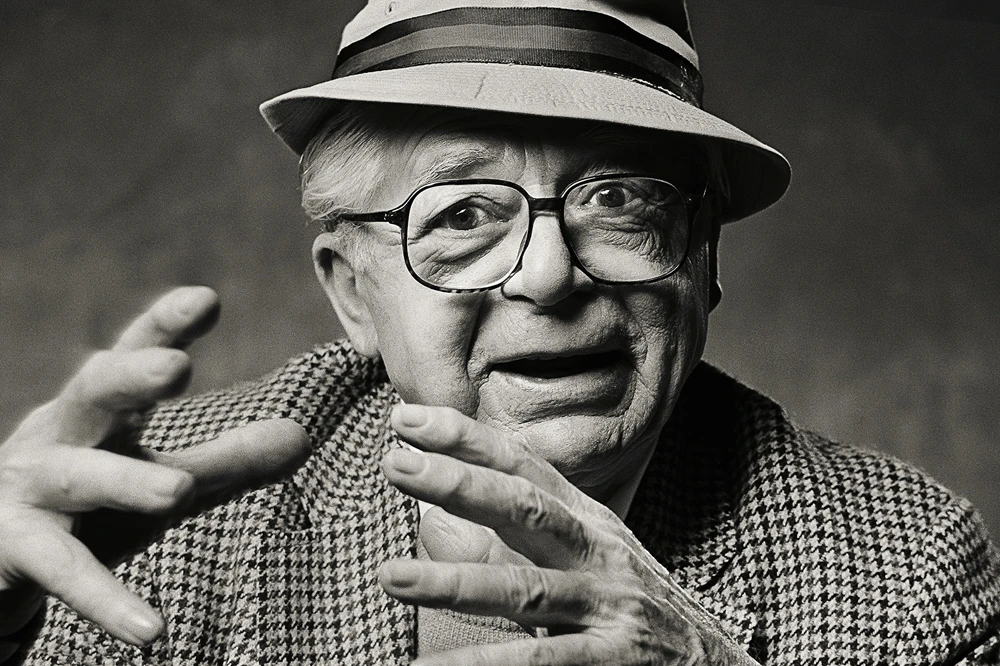
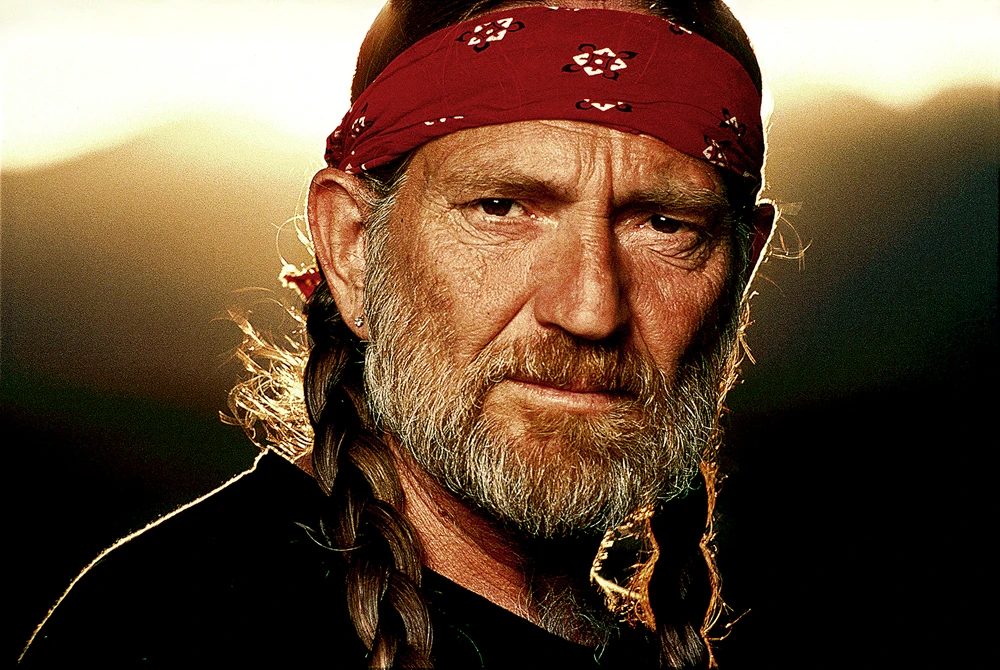



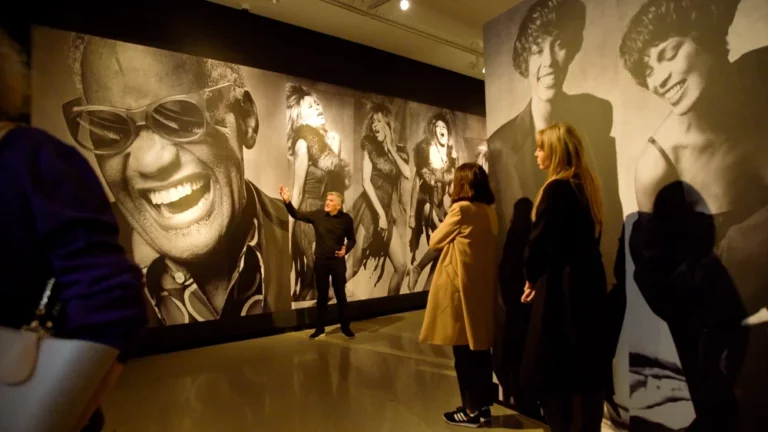
Norman Seeff: Homecoming at Norval Foundation
A closer look at Norman Seeff’s return to South Africa, documenting the preparation behind the exhibition and the final show days at Norval Foundation.
Read the full featureMore Stories