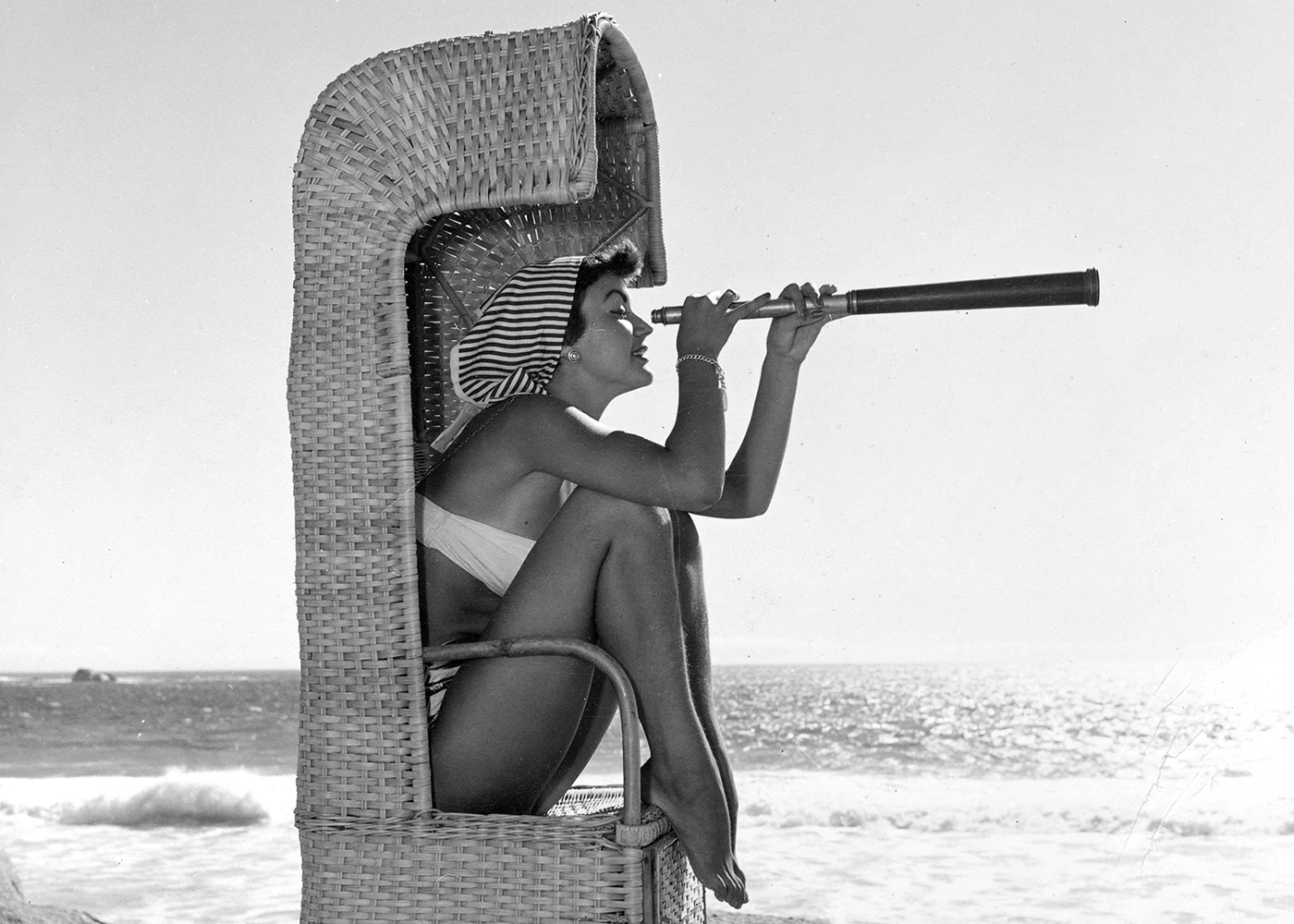
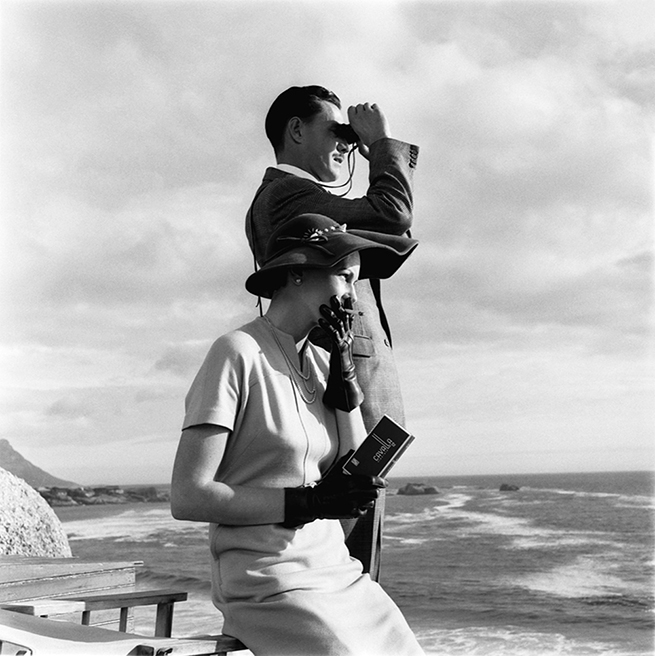
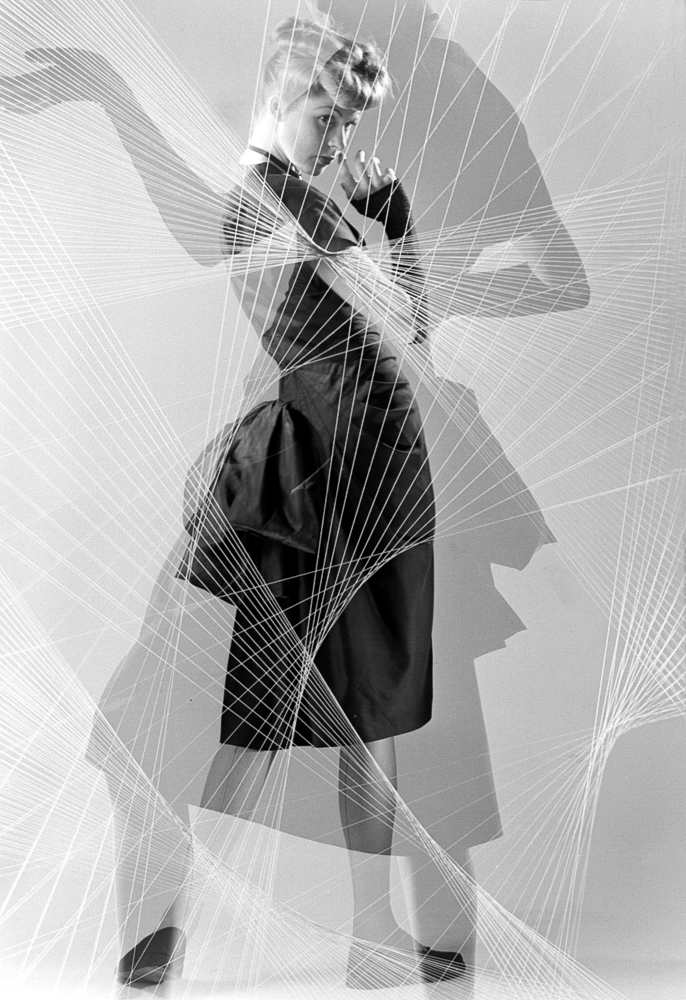
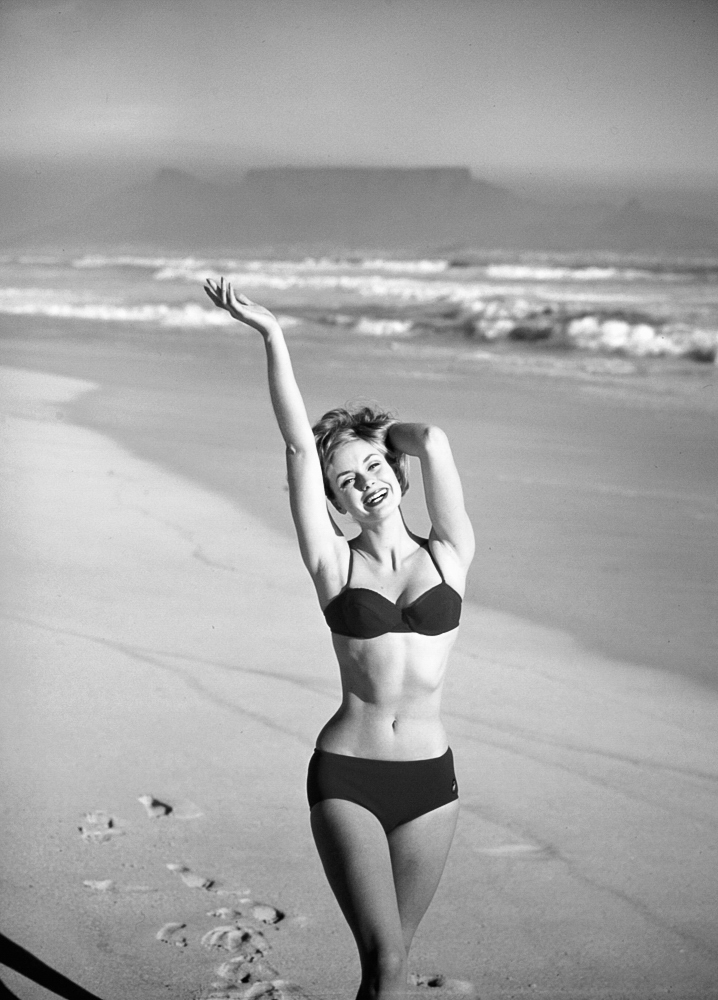
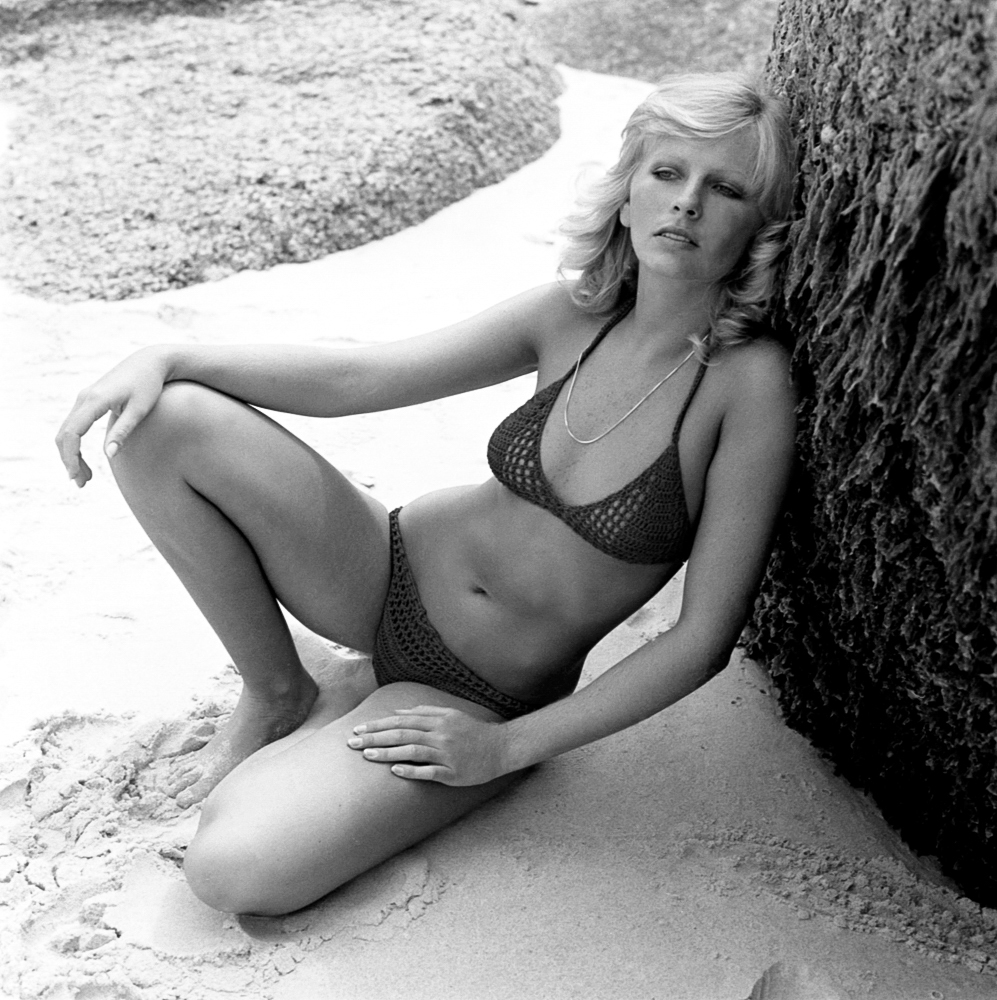
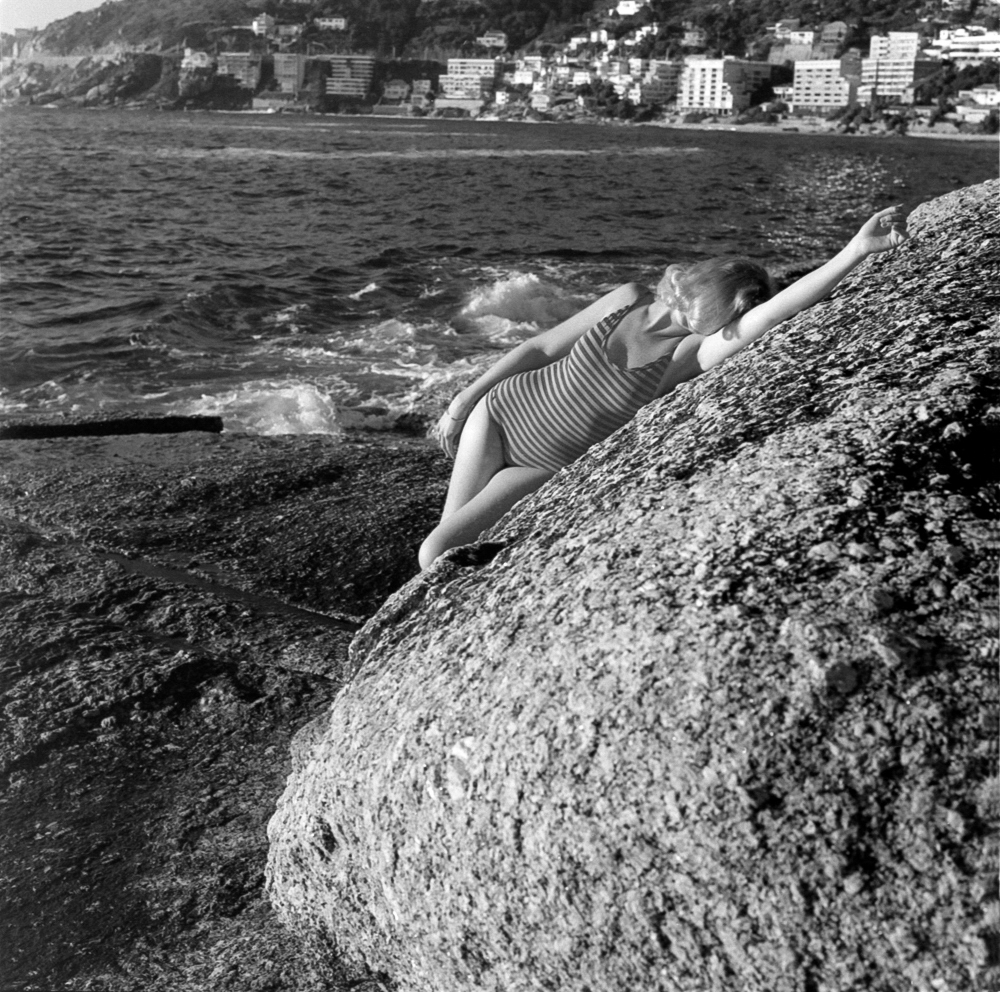
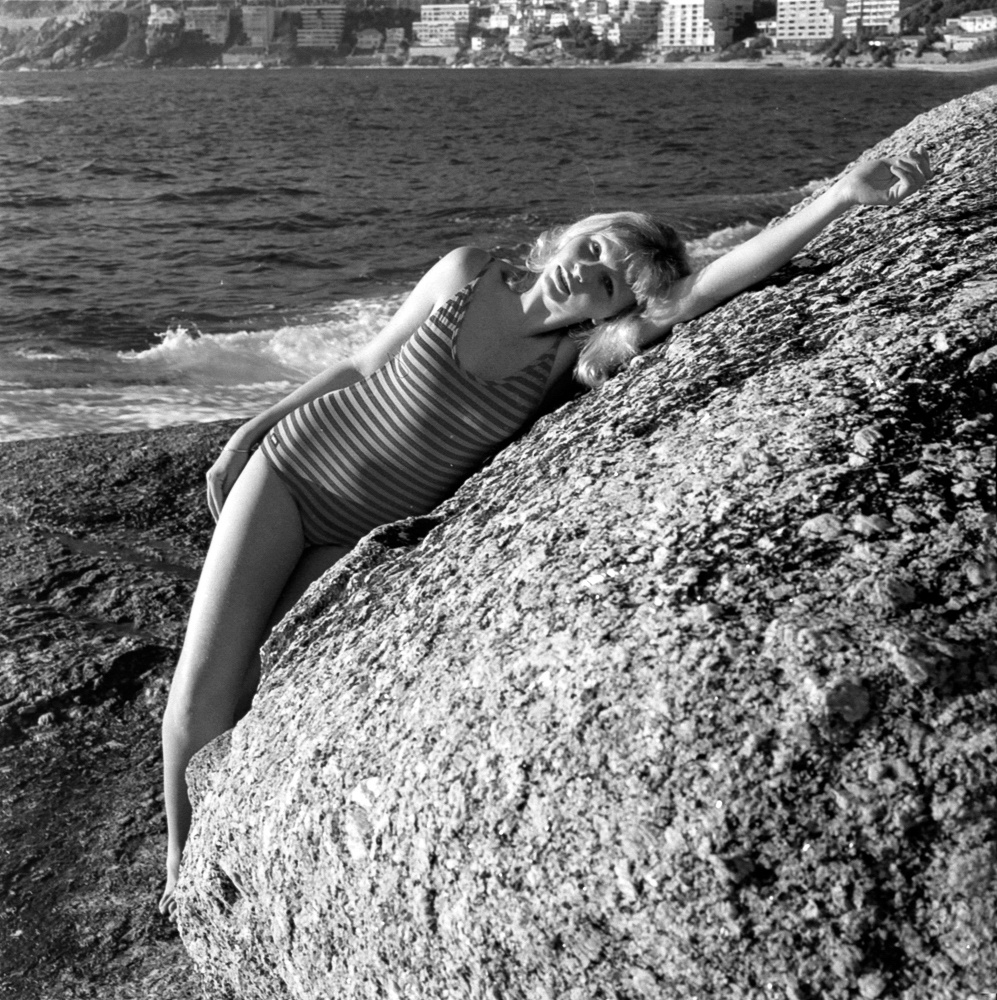
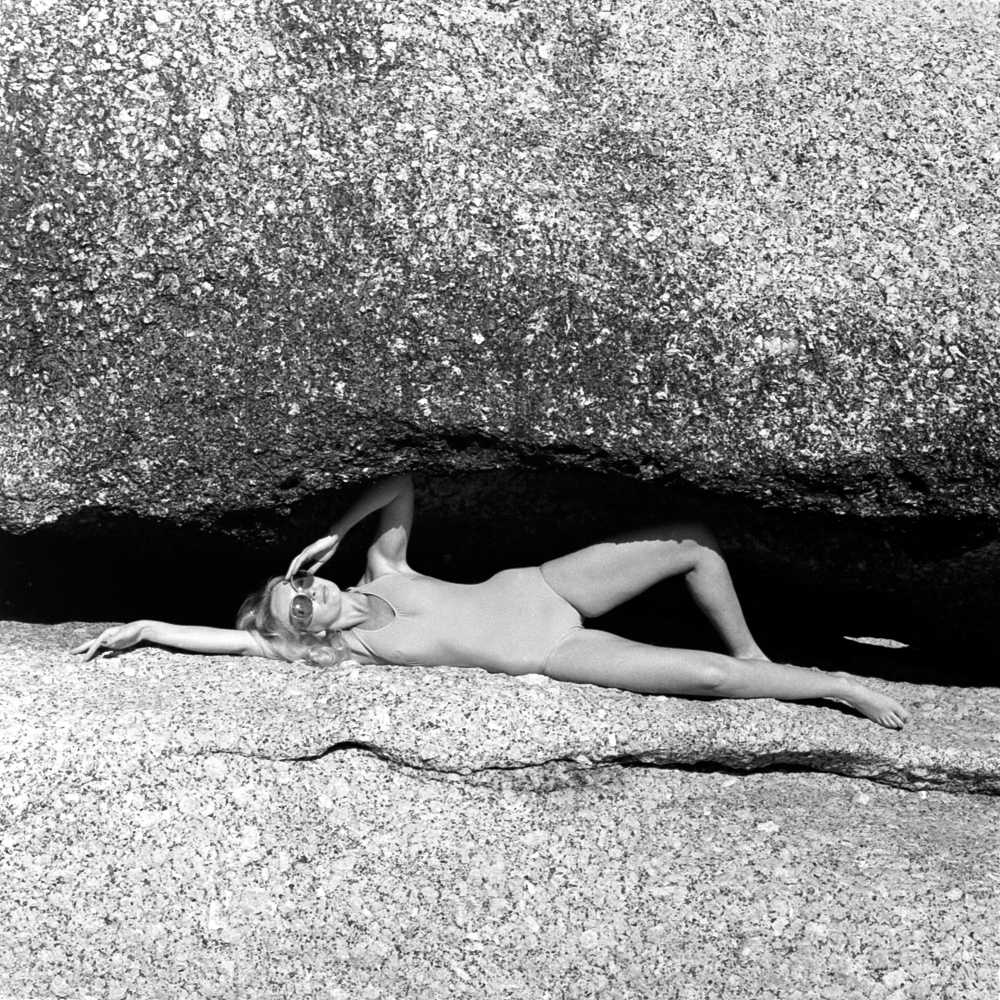
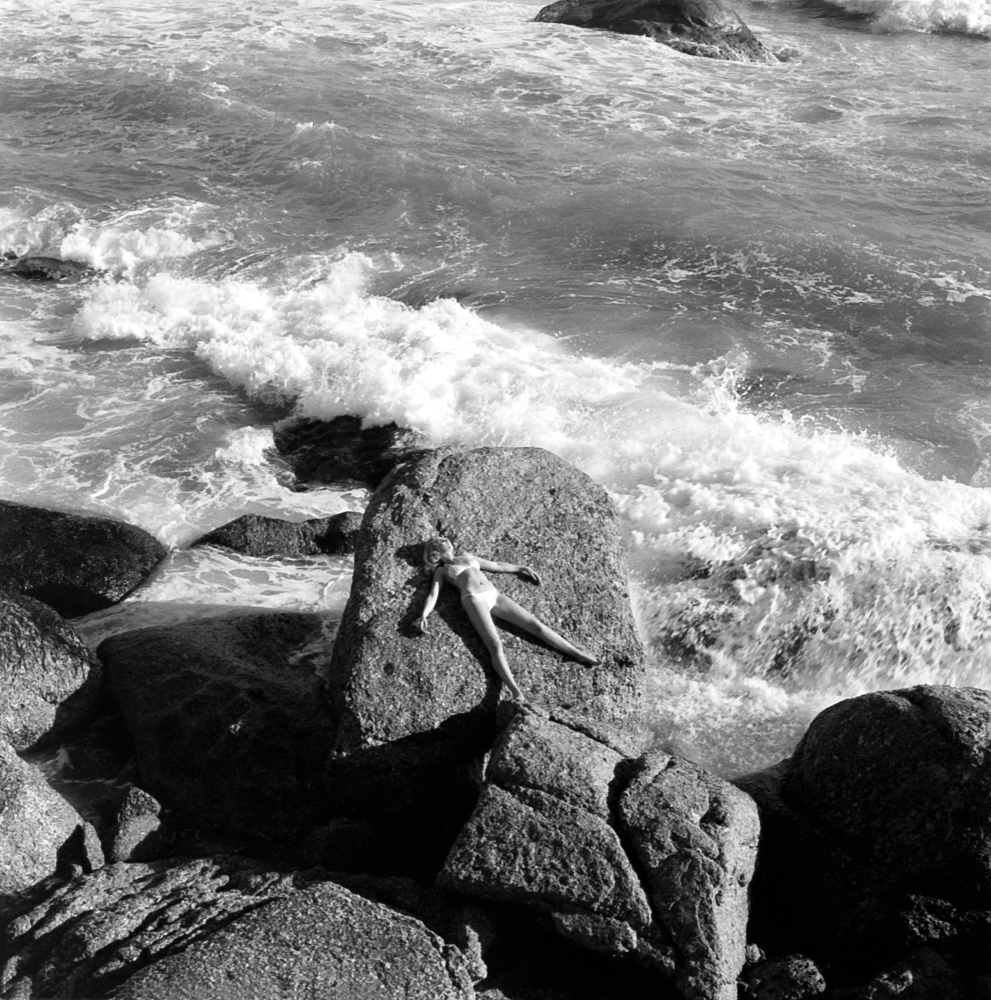
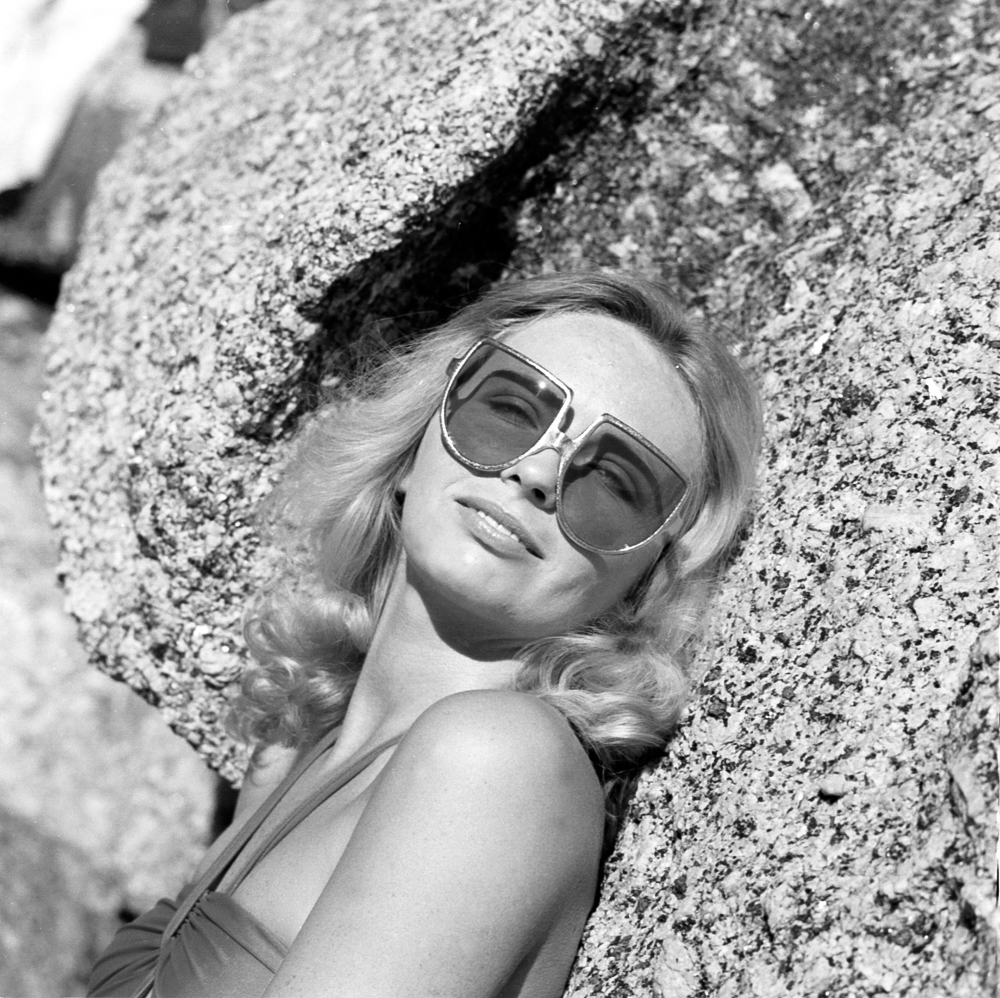
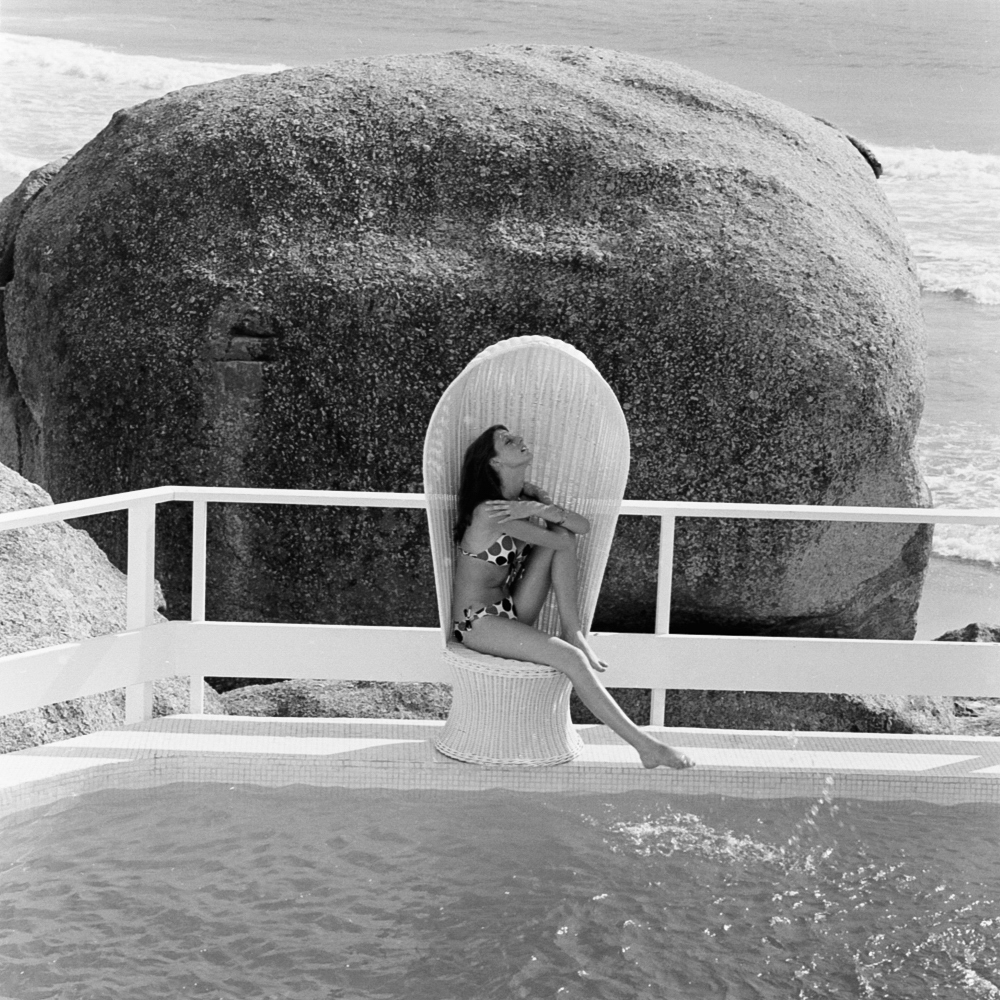
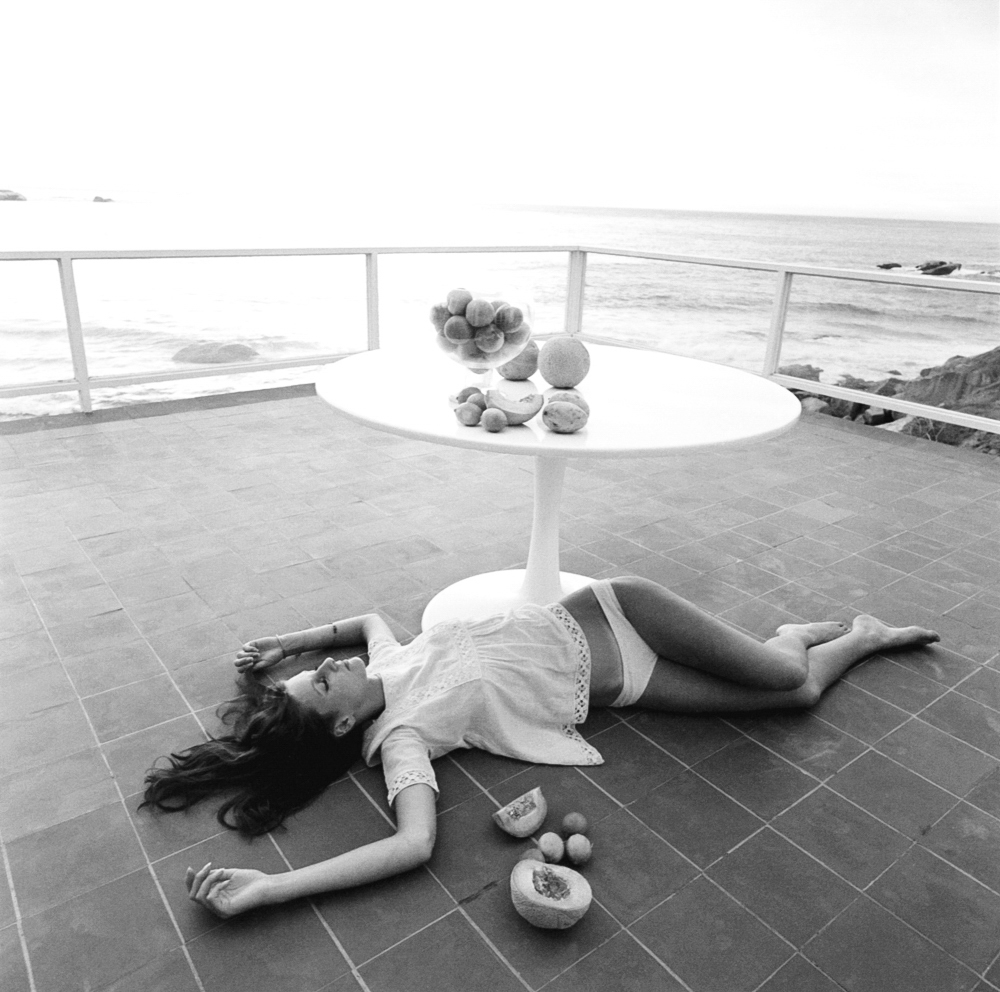
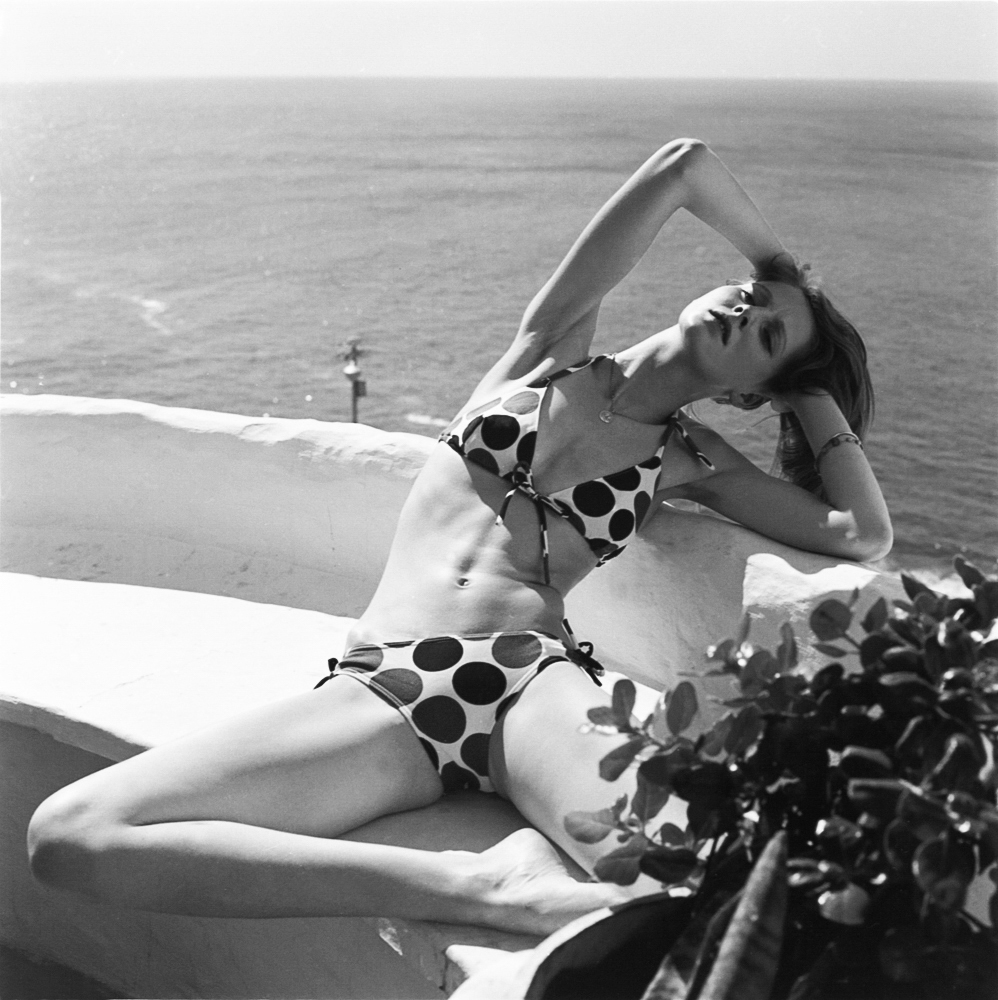
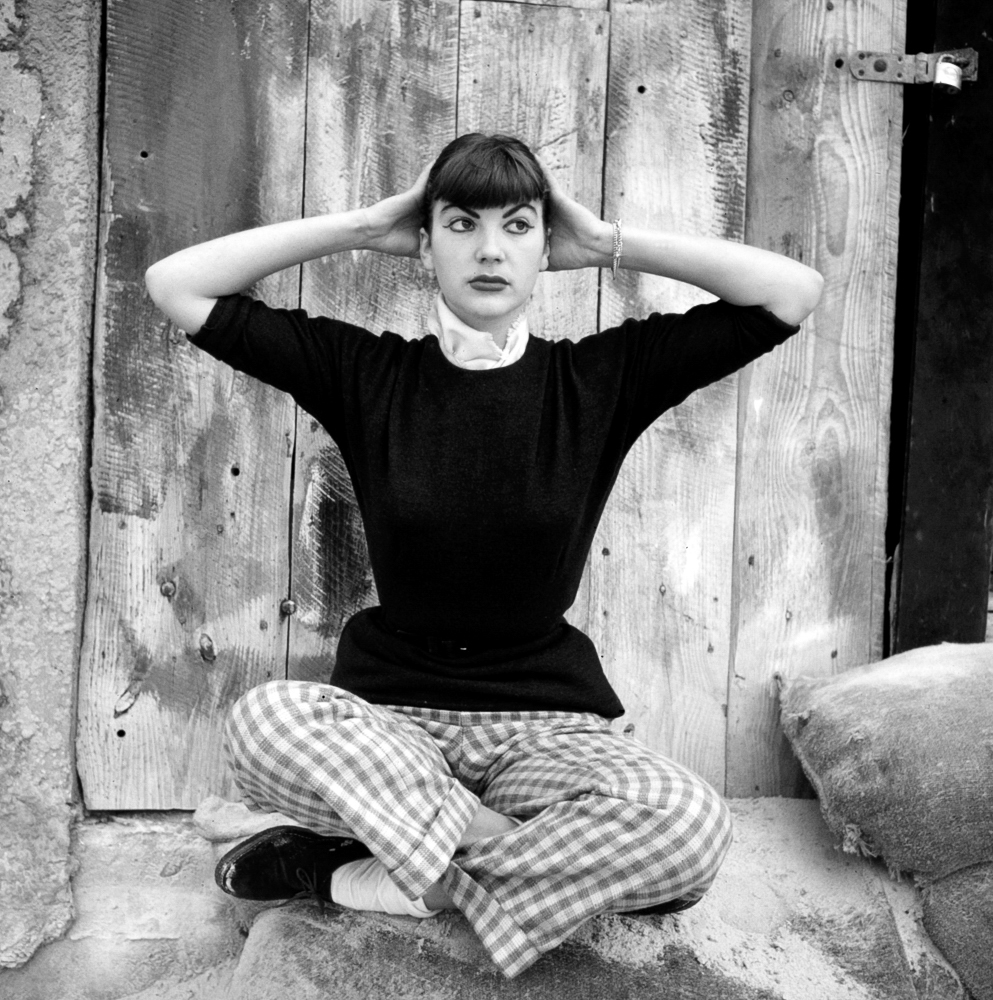
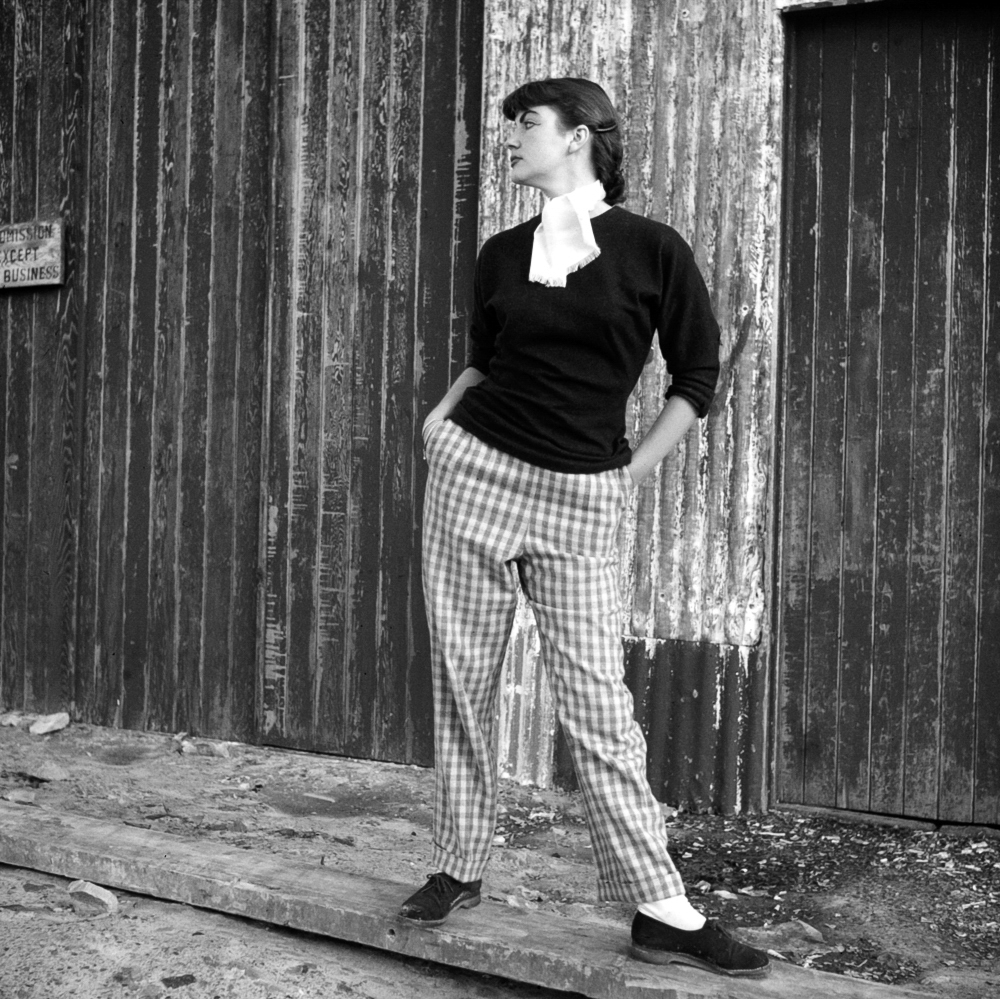
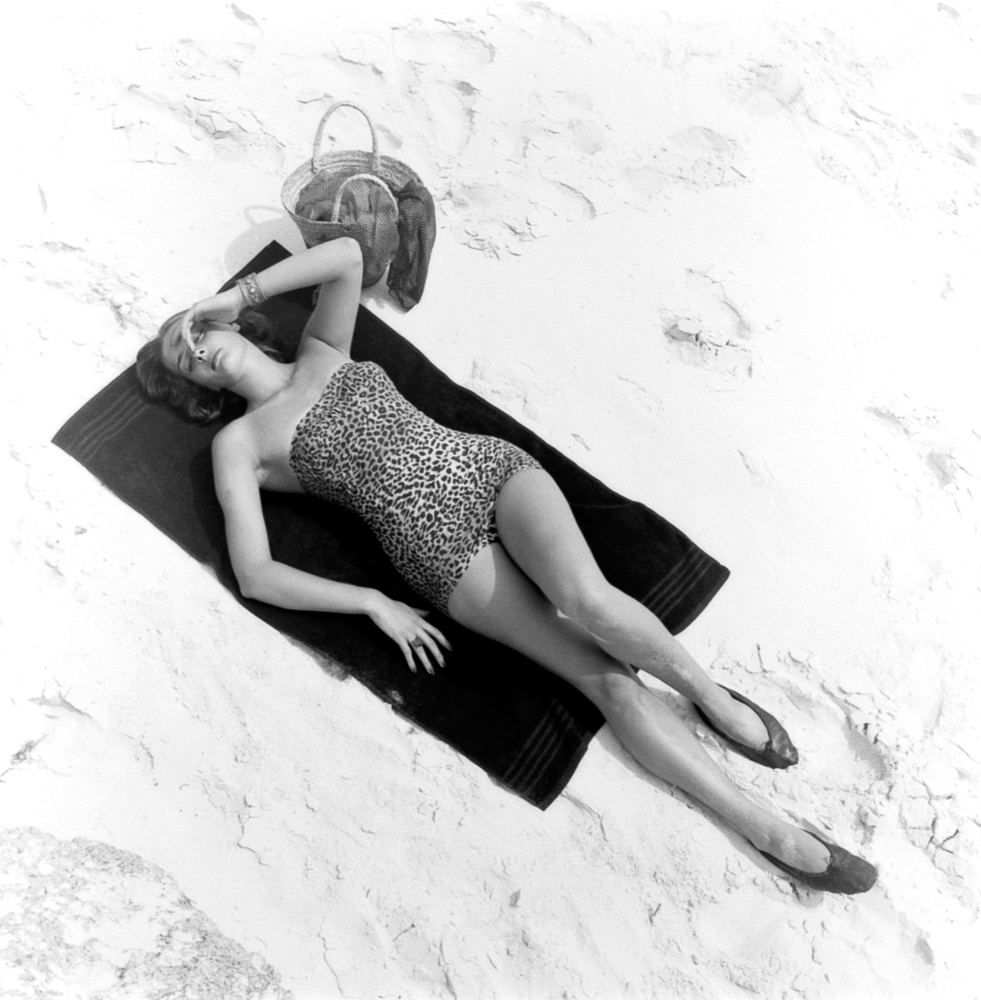
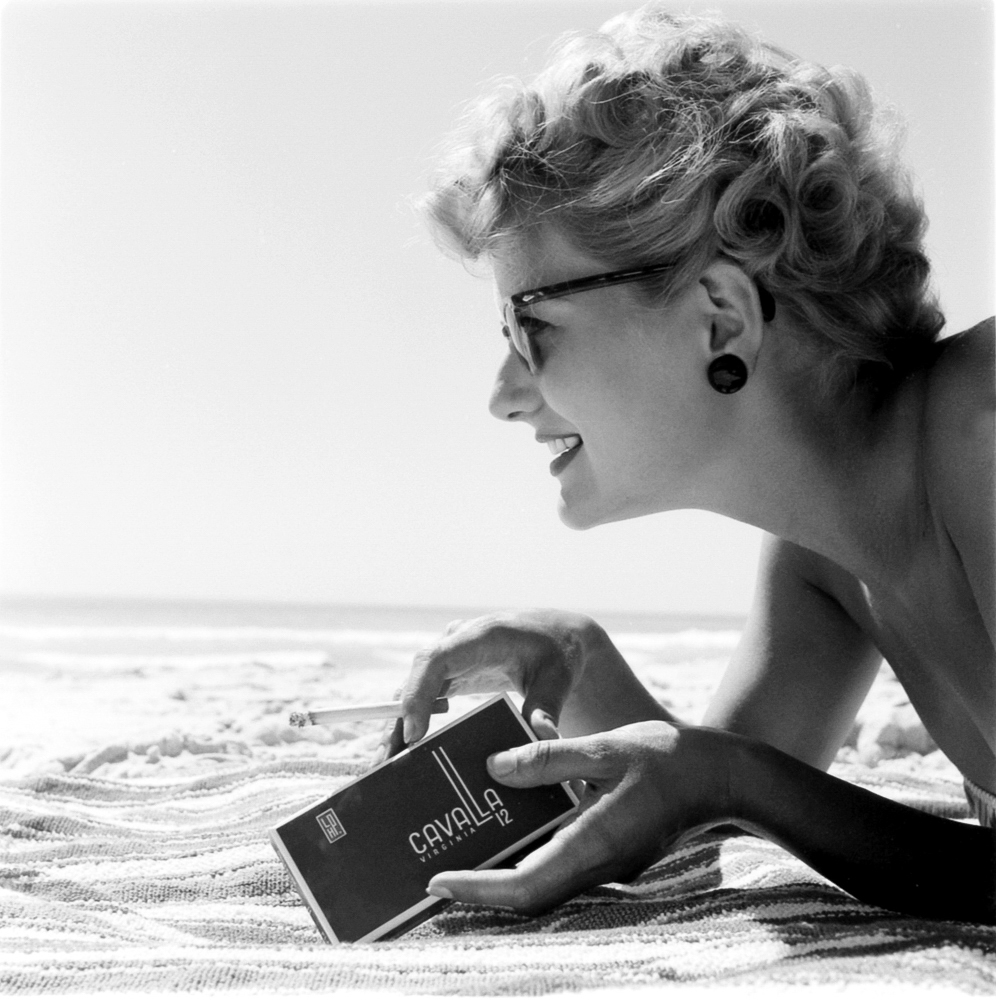
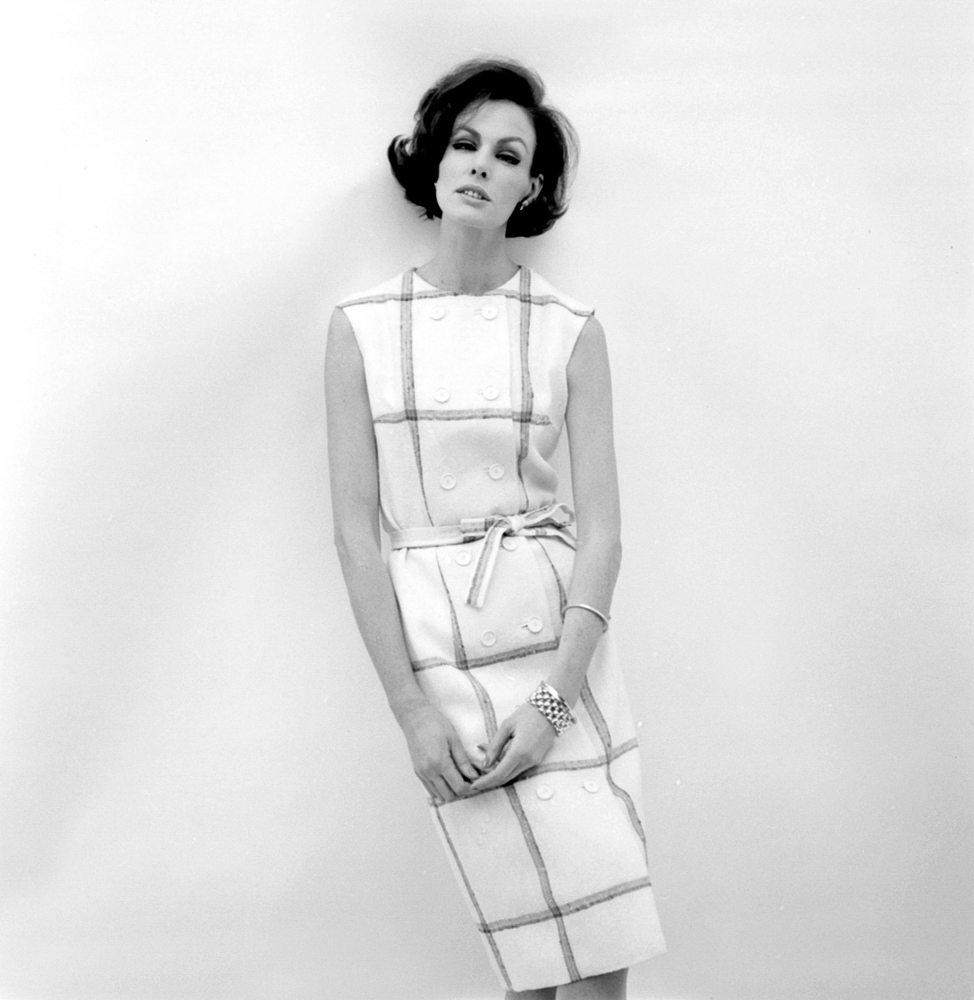
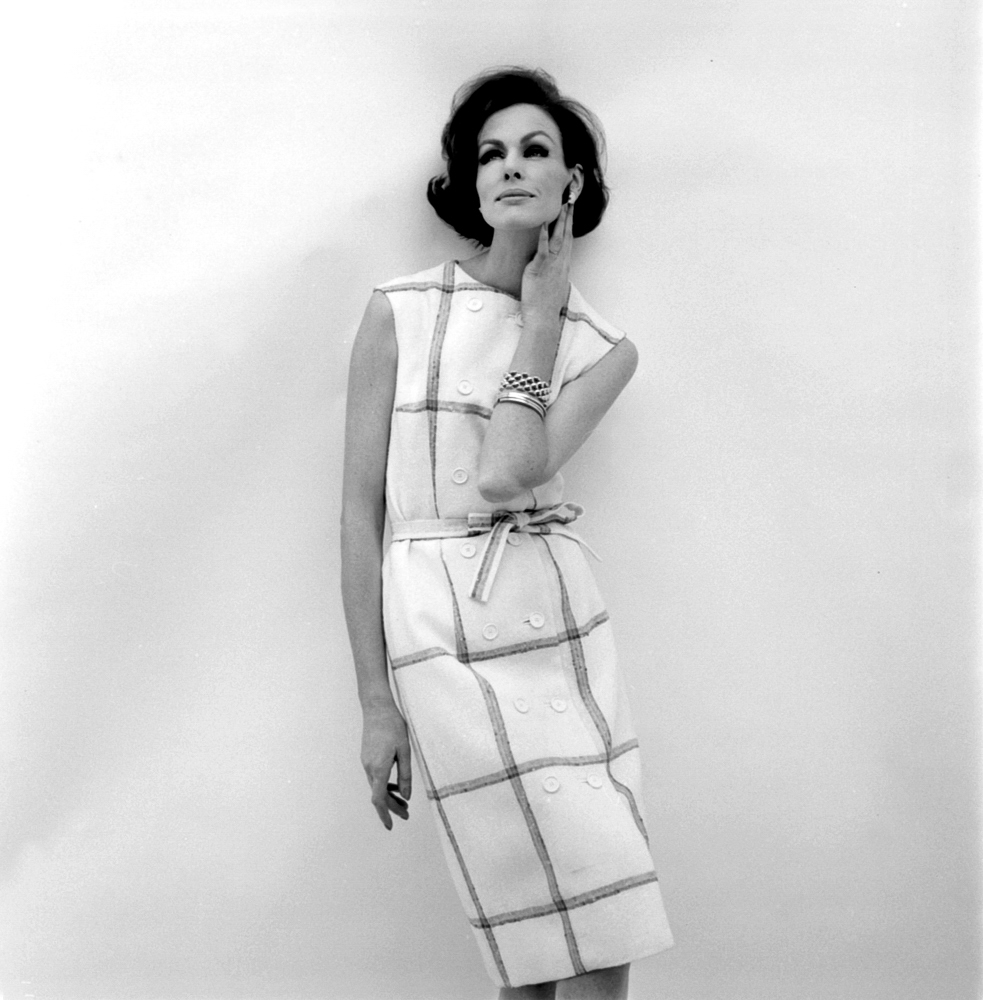
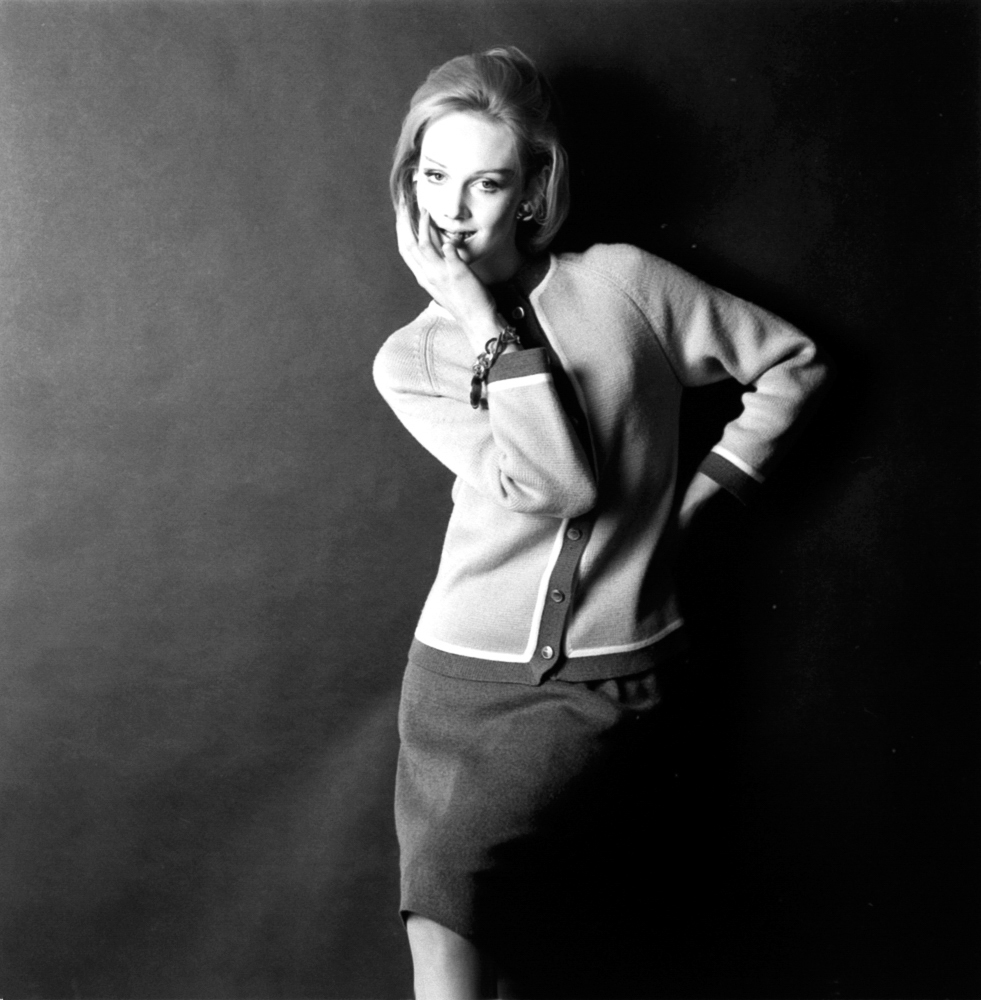
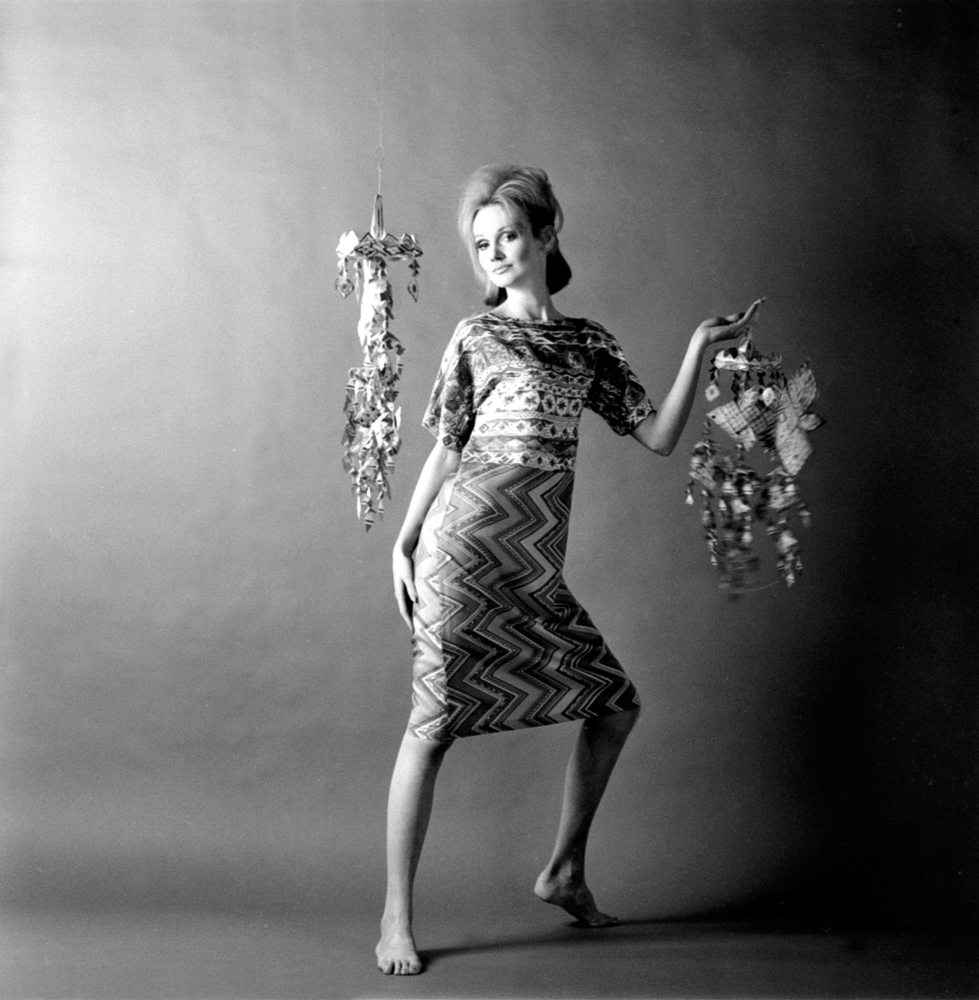
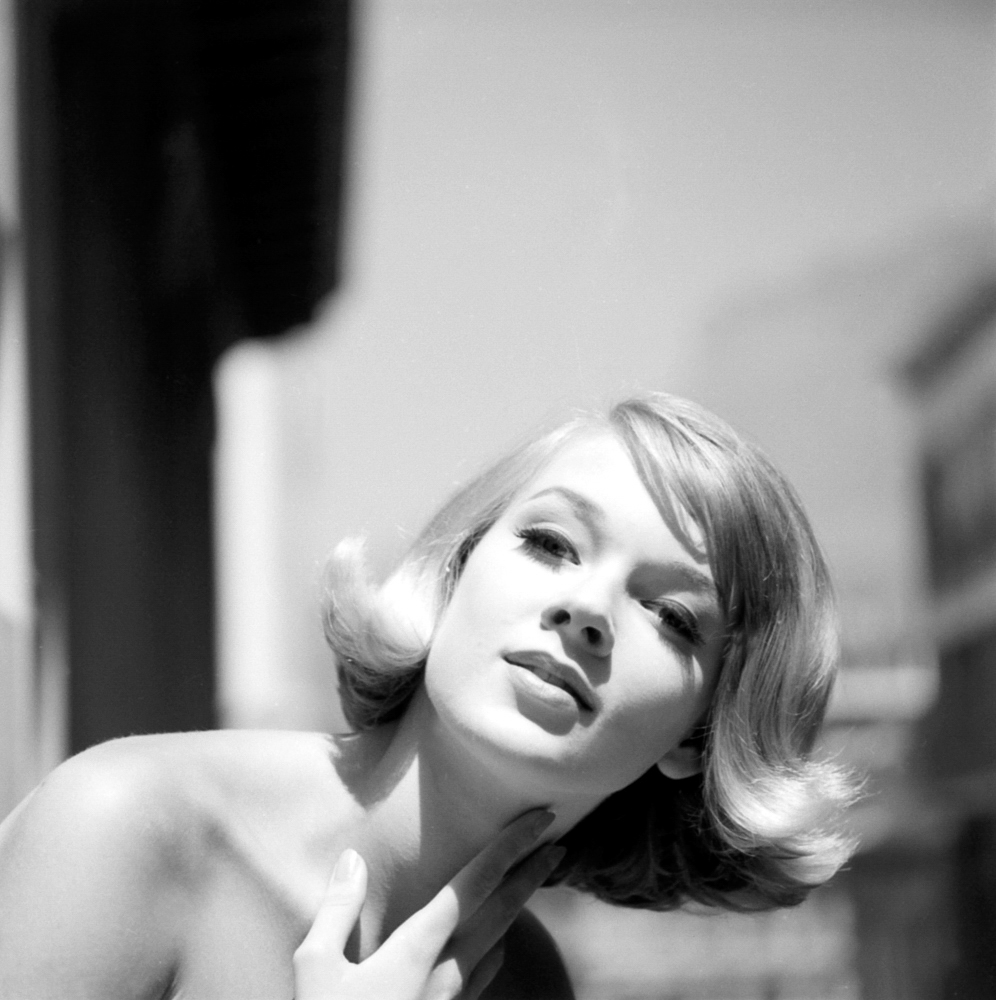
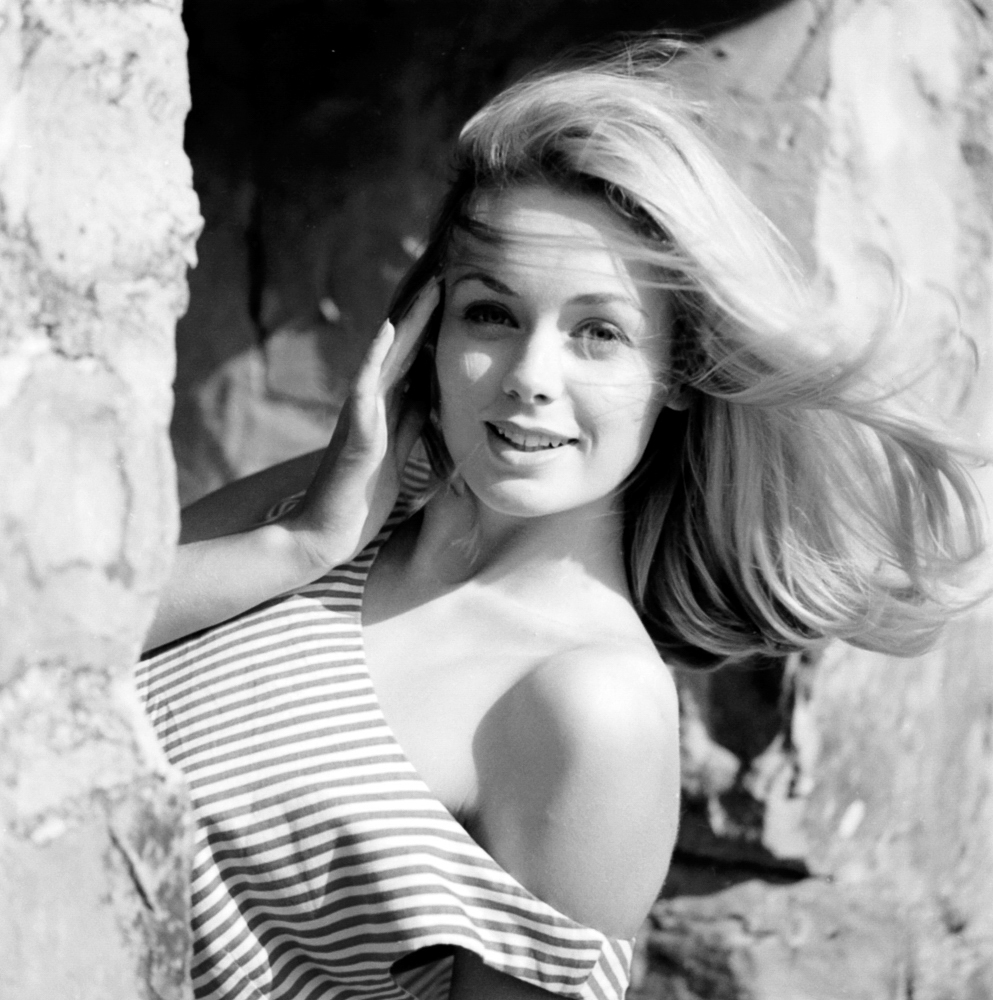
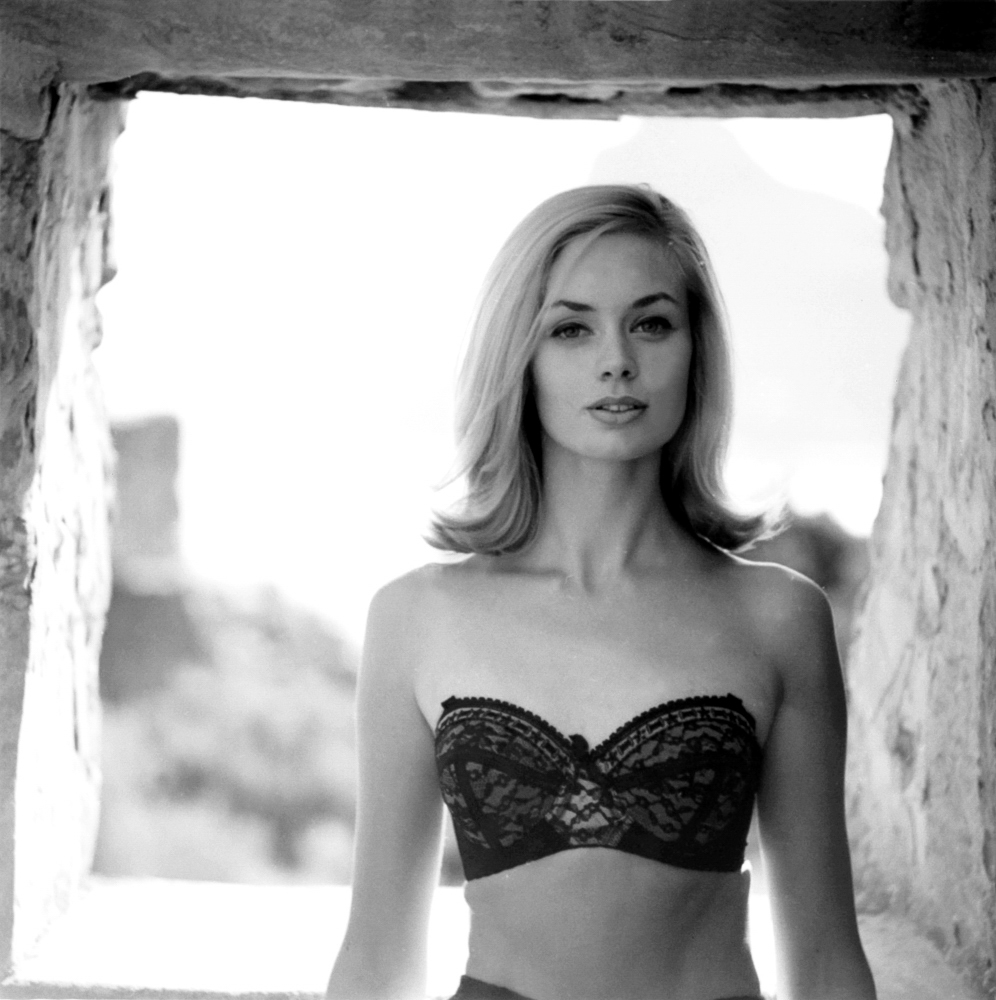
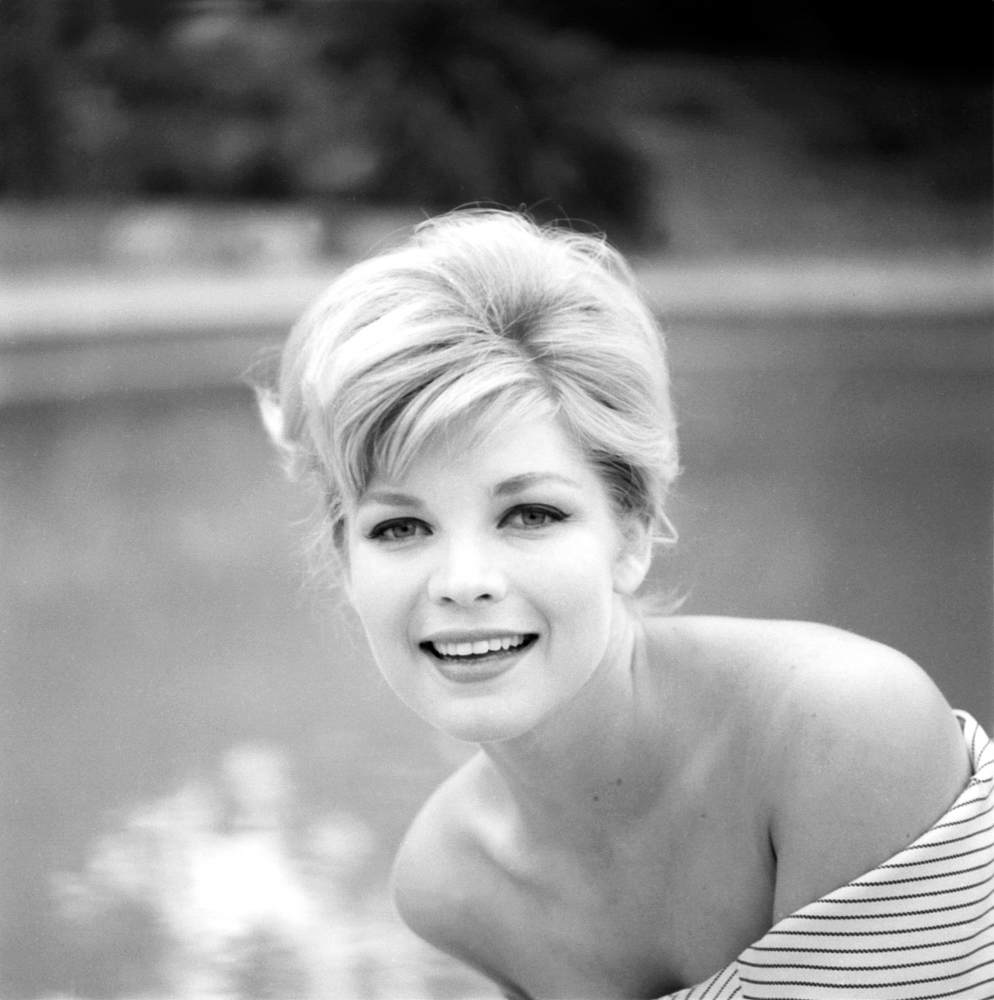
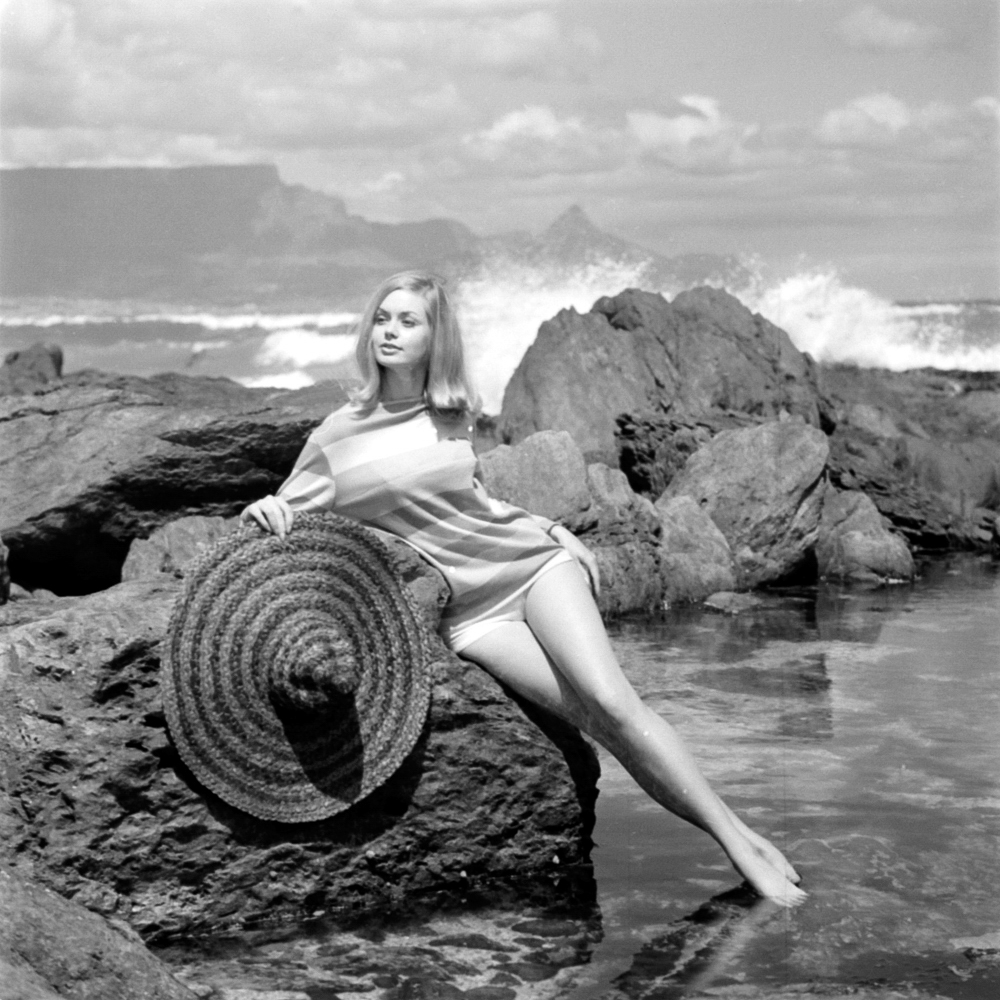
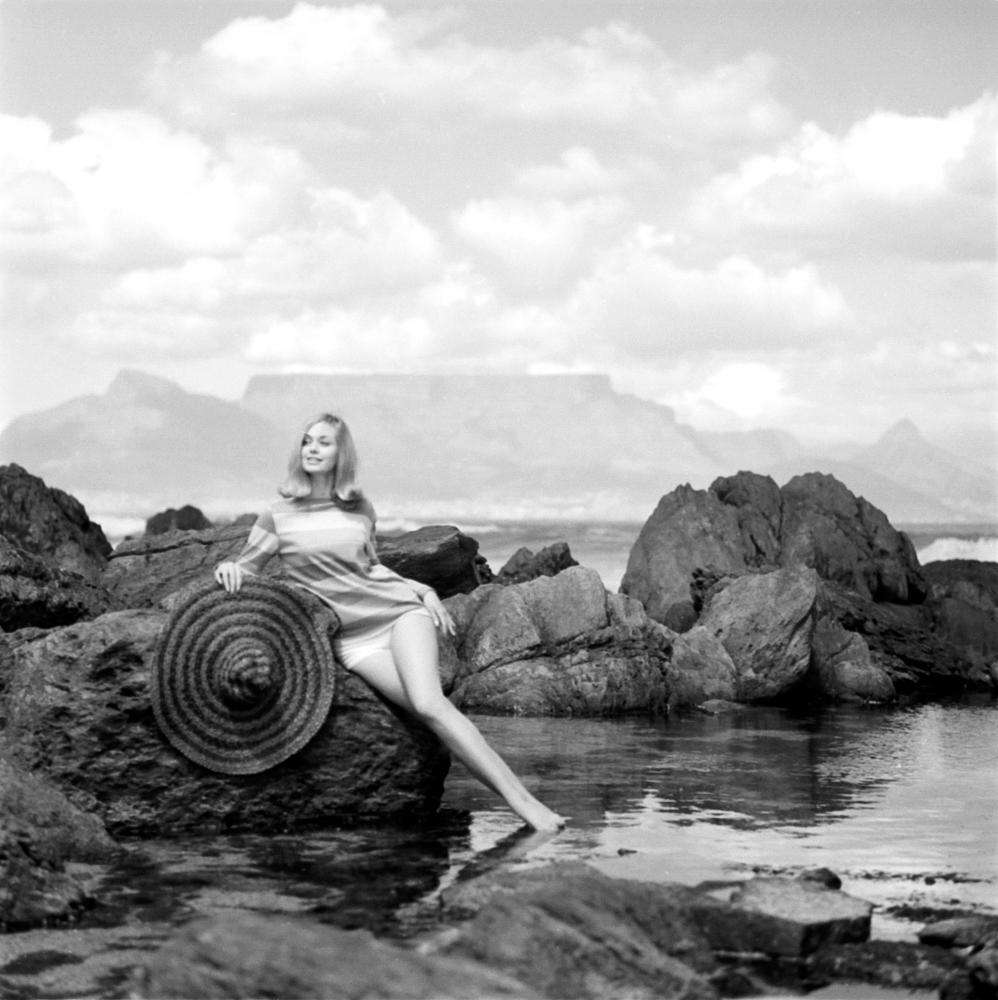
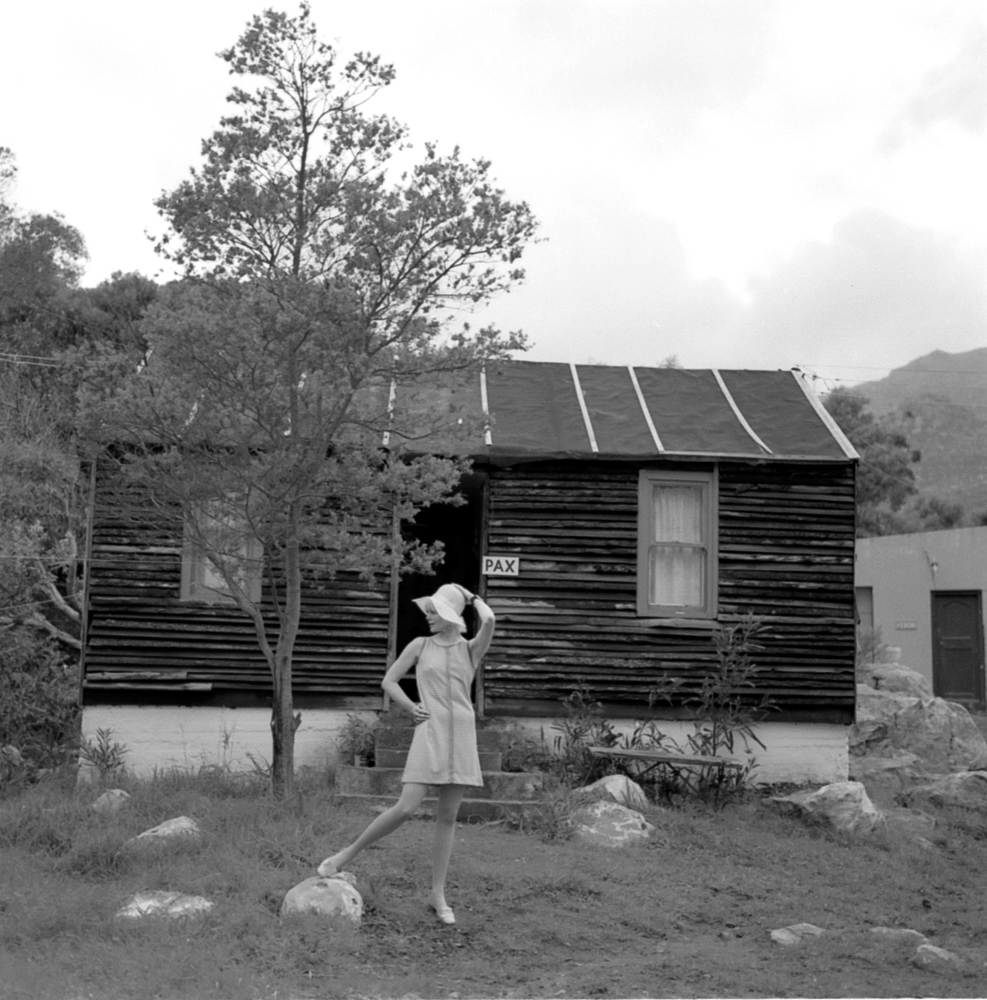
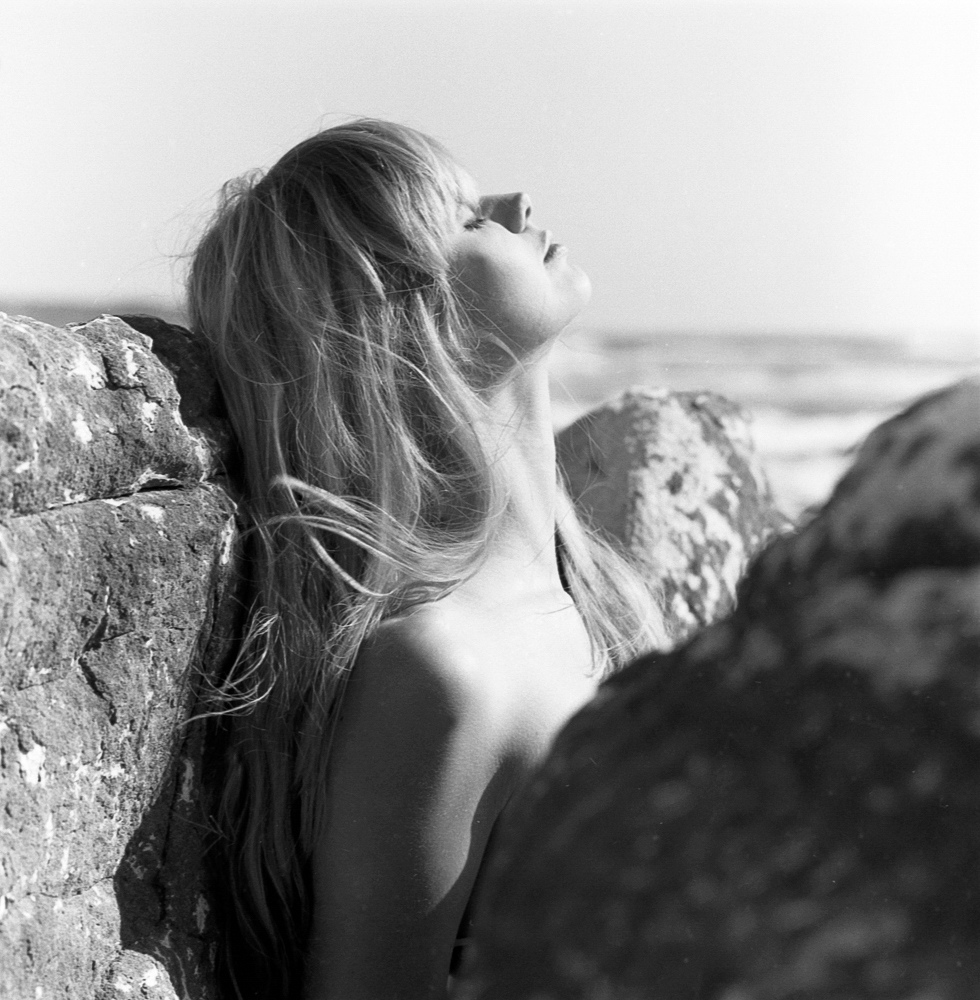
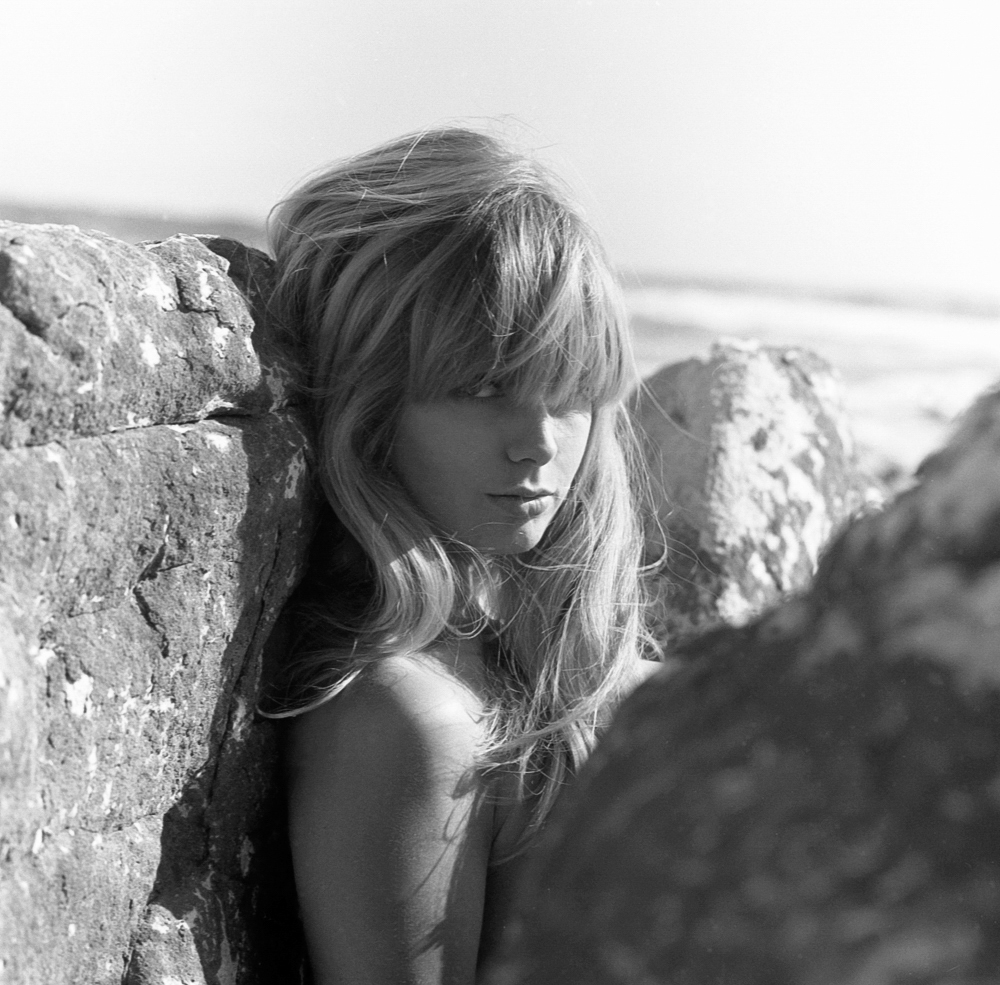
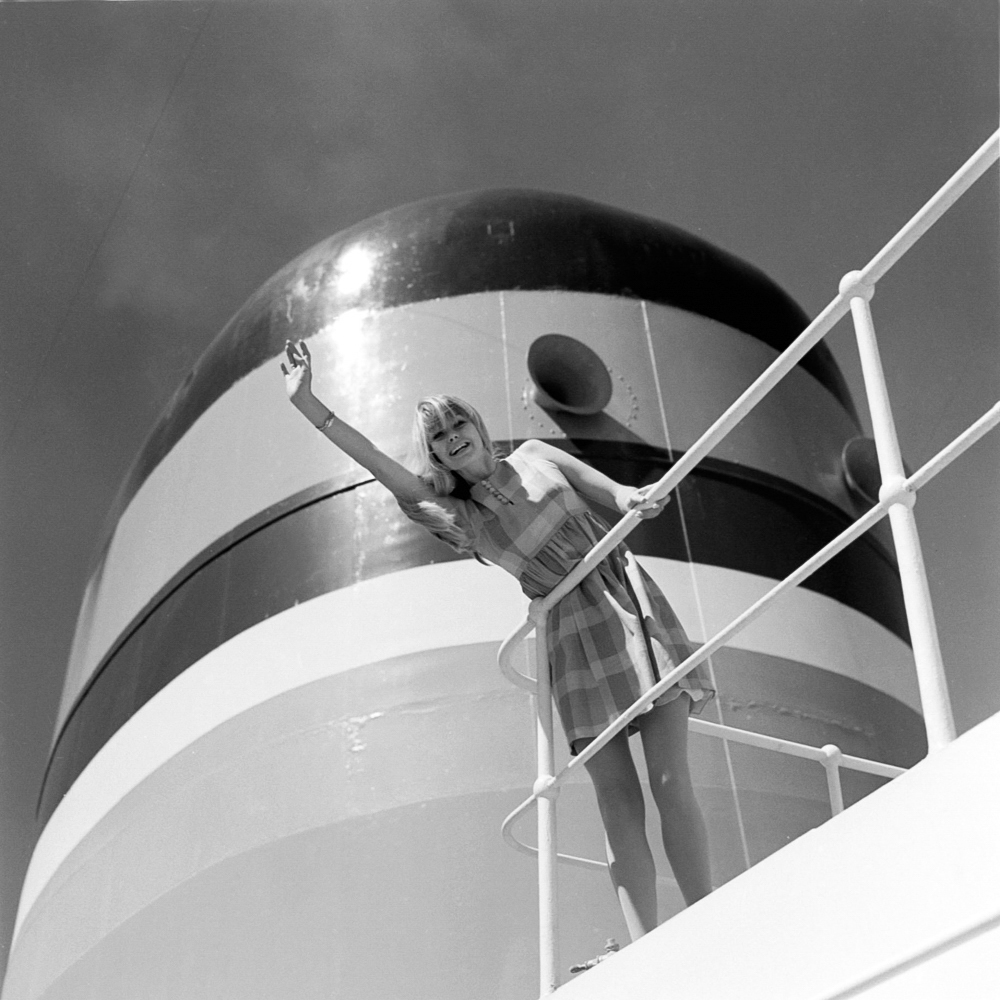
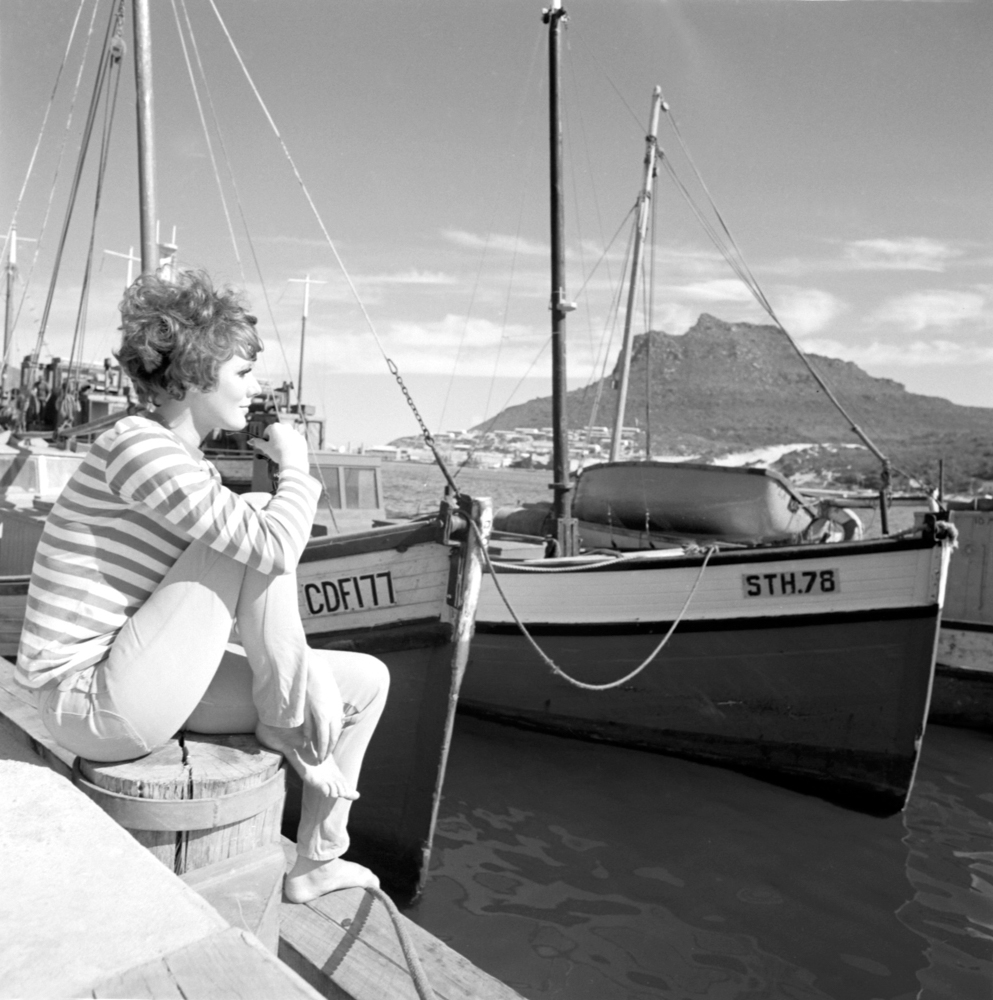
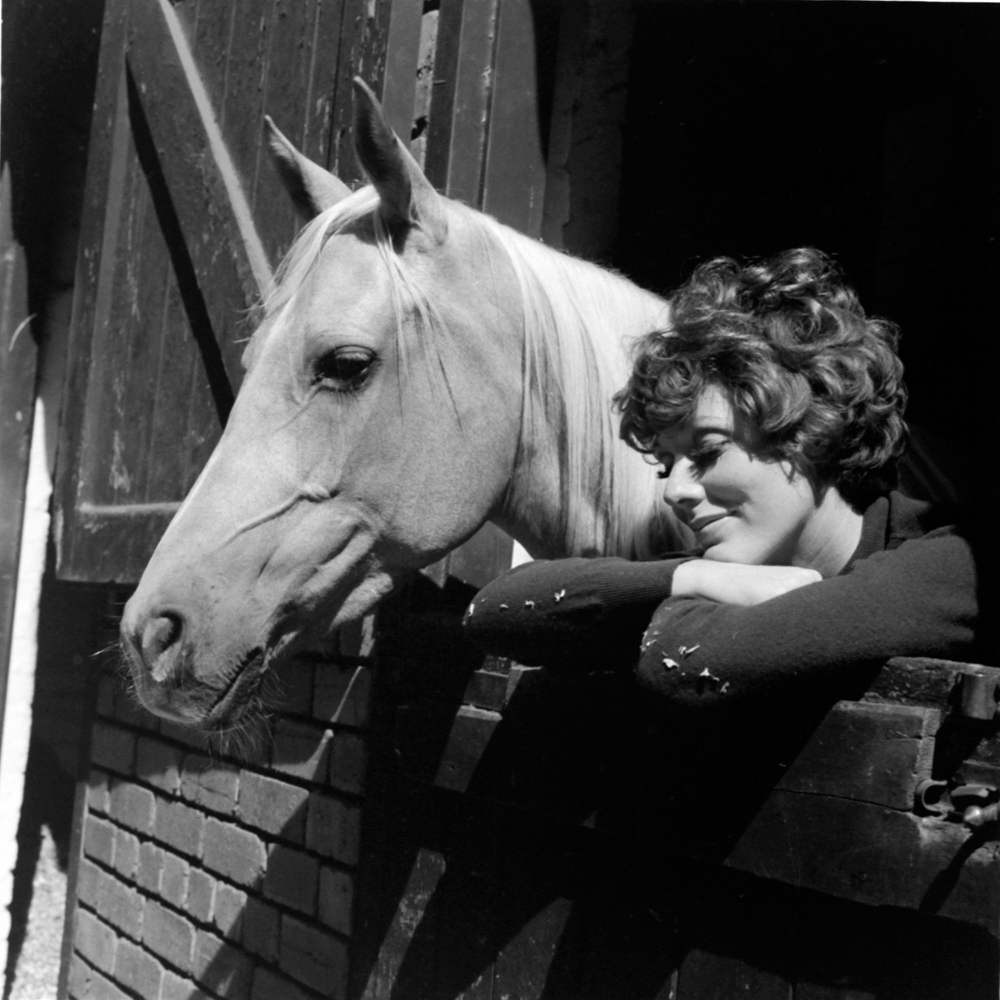
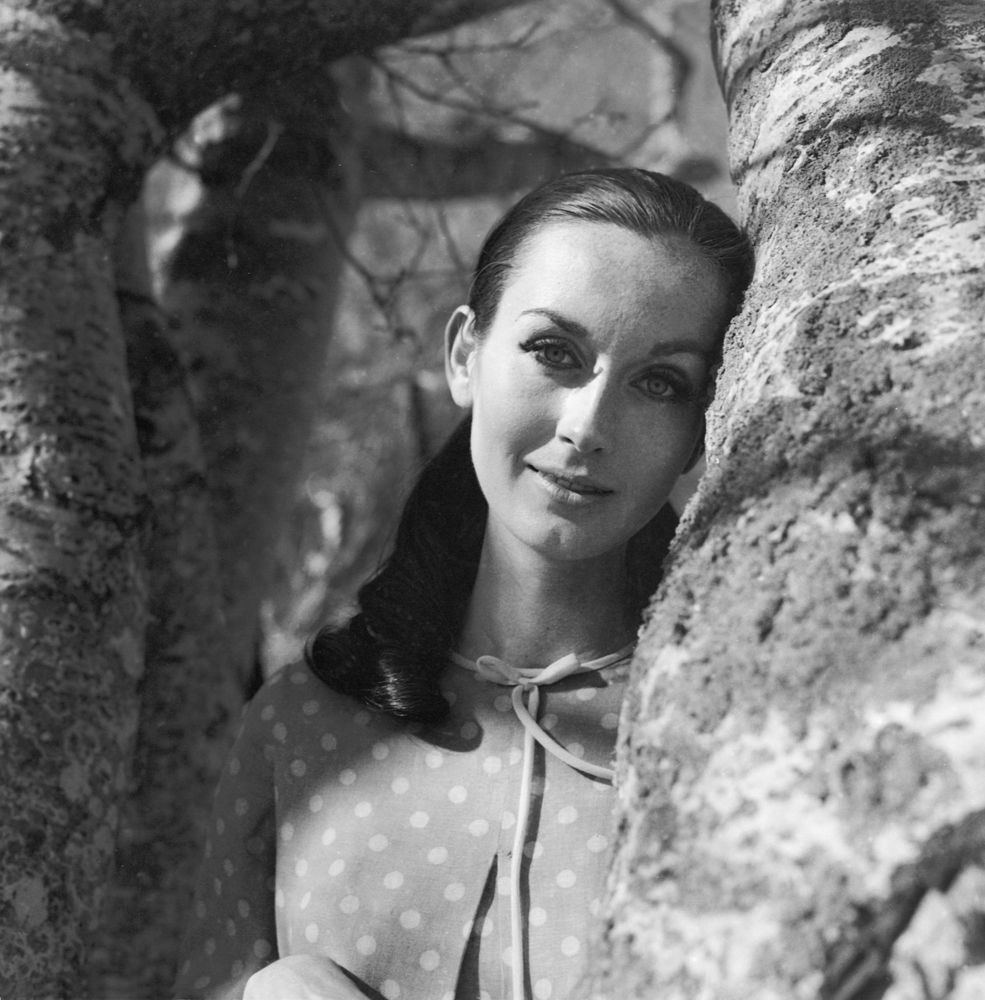
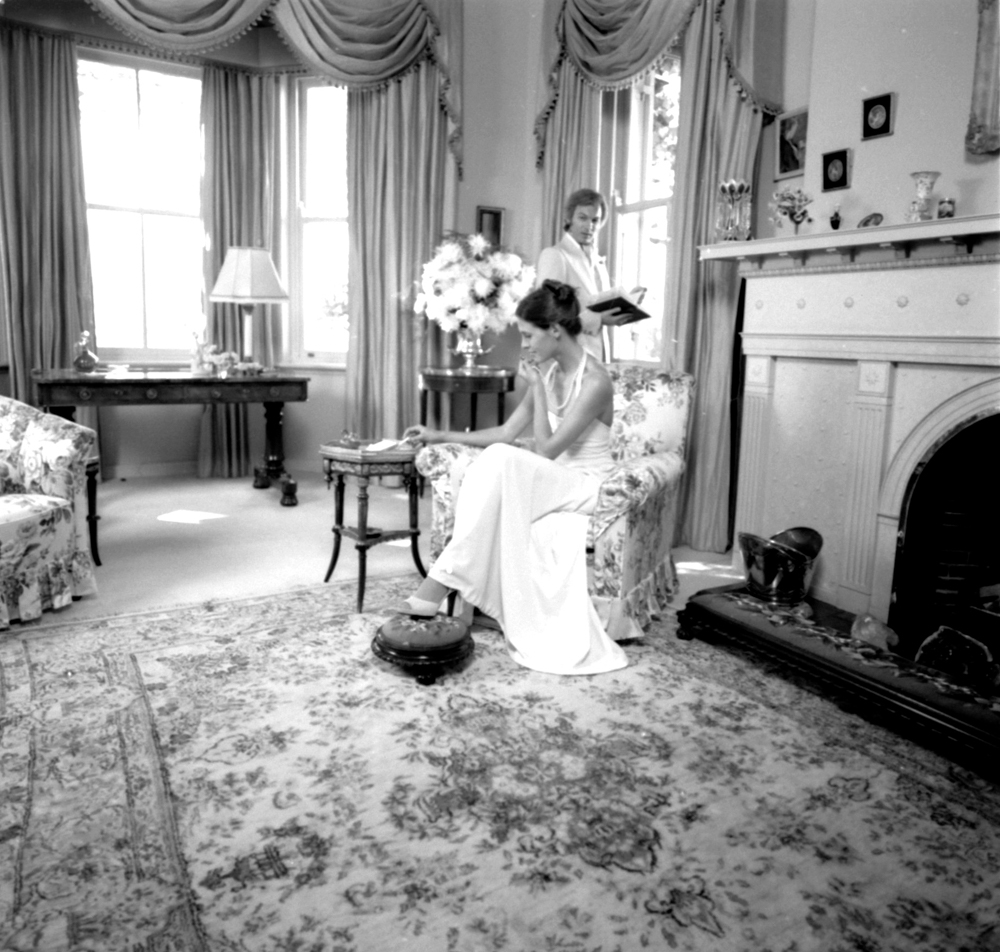
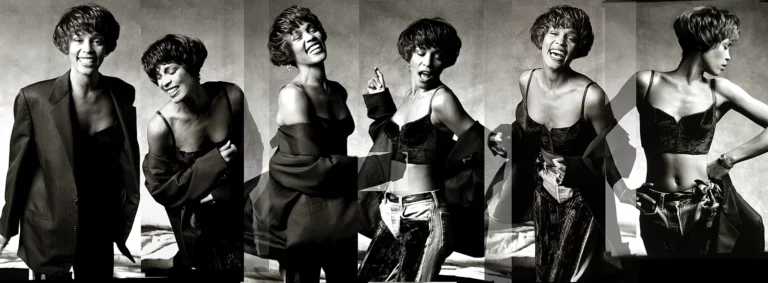
These editorial photographs reveal another side of Odes’ practice. Working with models, clothing and carefully considered locations, the images show how fashion photography in South Africa began to adopt the visual language seen in international magazines. Elegant compositions, strong lighting and a sense of movement give the photographs a distinctly mid-century character.
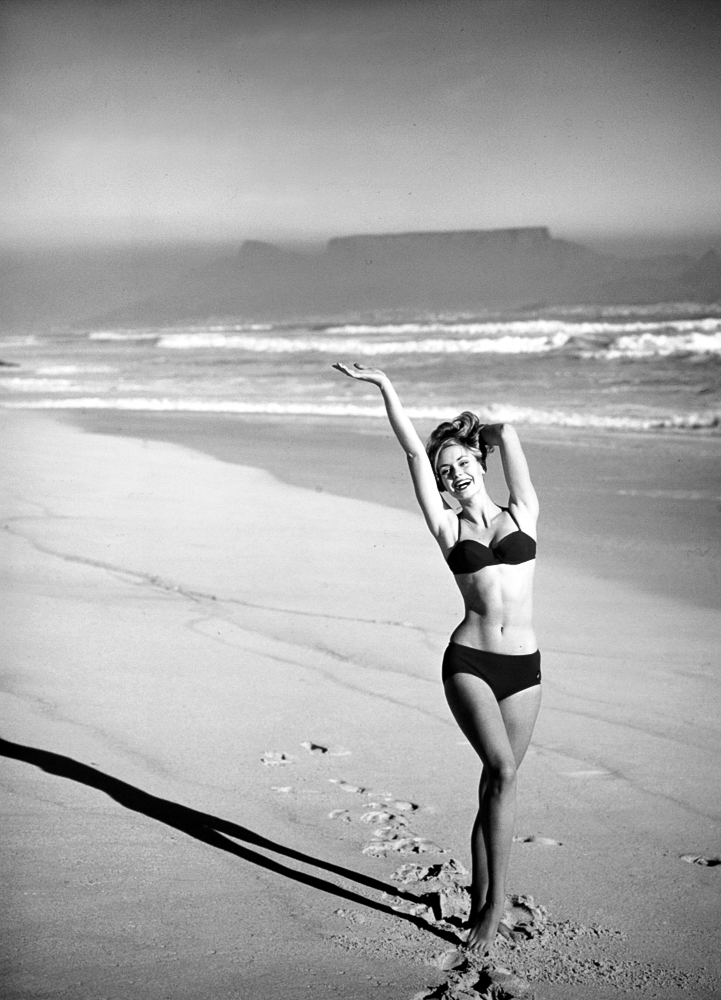
Many of the photographs were made in and around Cape Town. Streets, architectural settings and coastal landscapes appear as backdrops to the fashion imagery, placing the city within a broader international culture of editorial photography. In doing so, the work connects South African fashion imagery with the global visual language of magazines during the period.
Fashion Photography in Mid-Century South Africa
During this period South African magazines were increasingly influenced by European and American editorial design. Photographers working for these publications began experimenting with location shooting, stronger graphic compositions and a more cinematic approach to fashion imagery.
Odes’ photographs reflect these developments while maintaining a quiet observational quality. The models appear integrated into their surroundings rather than isolated from them, allowing the setting to remain part of the visual narrative.
The photographs place Cape Town within the visual language of mid-century fashion photography, linking local editorial work with an international photographic culture.
Today these photographs offer insight into a lesser-known part of Ginger Odes’ career. They expand the understanding of her work beyond documentary photography and reveal her engagement with the visual traditions of editorial and magazine photography during the mid-twentieth century.