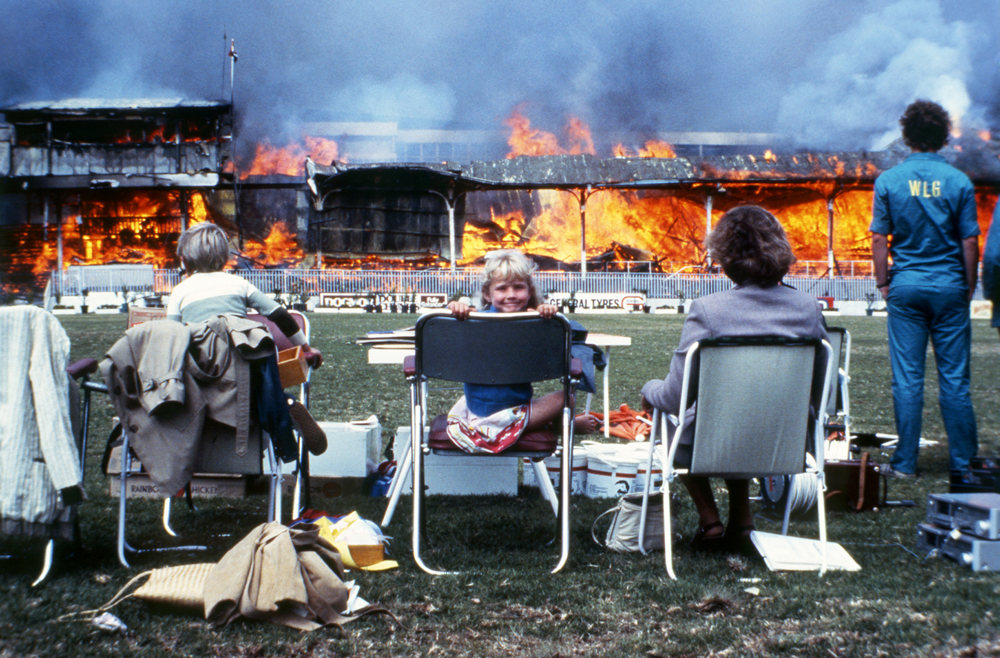
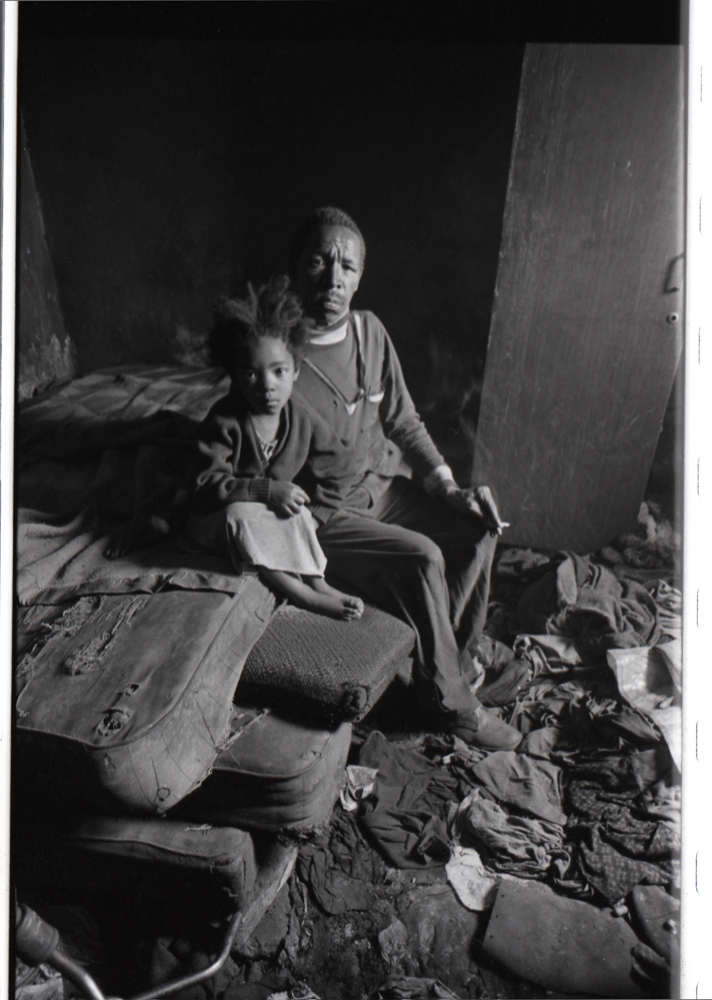
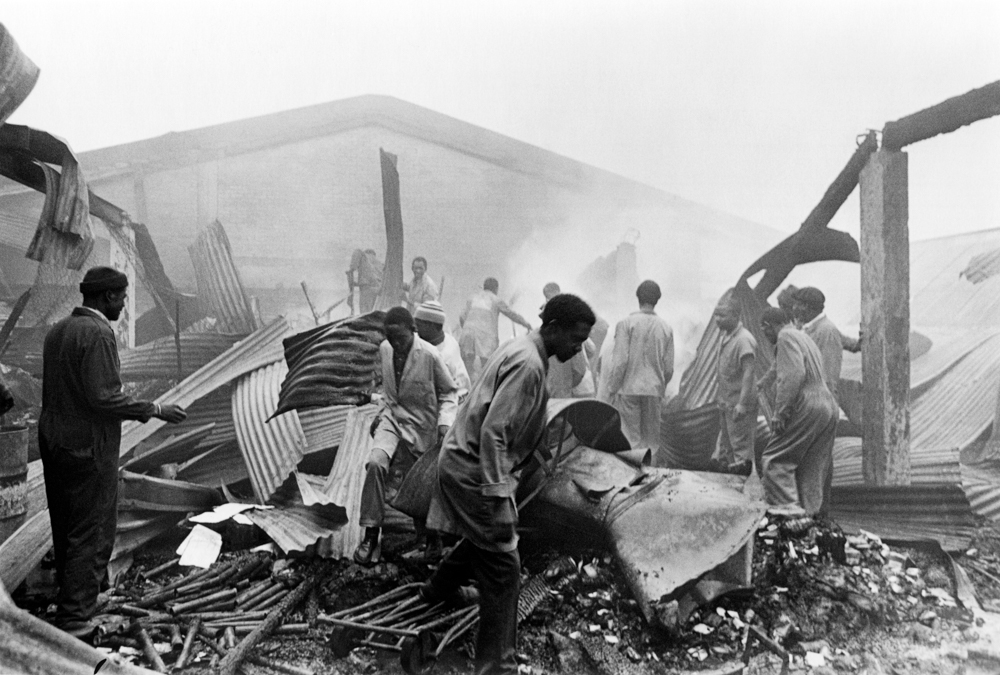
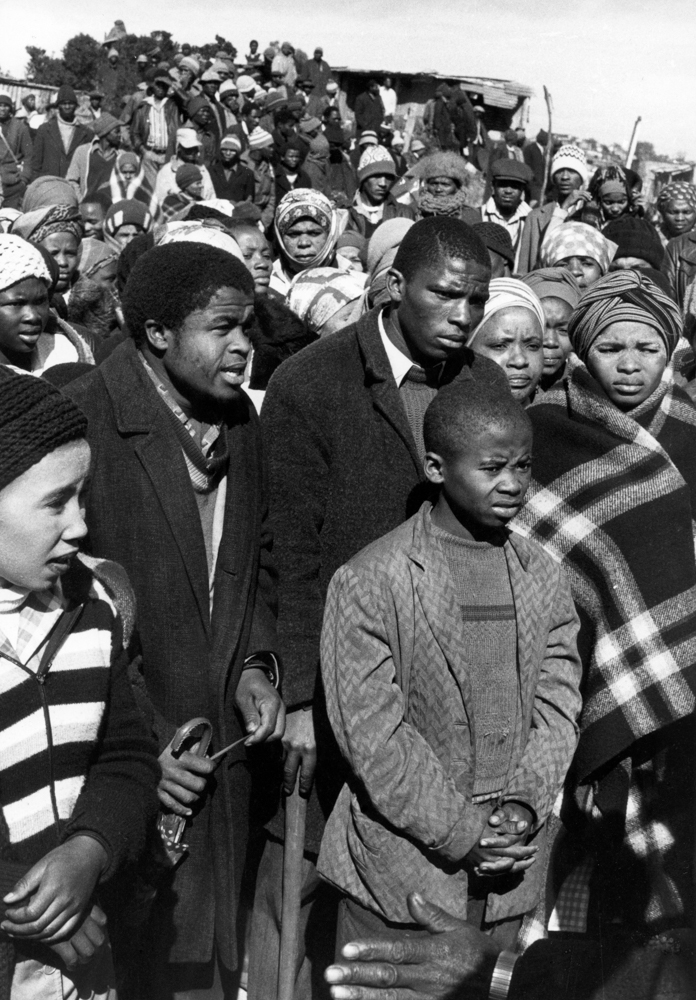
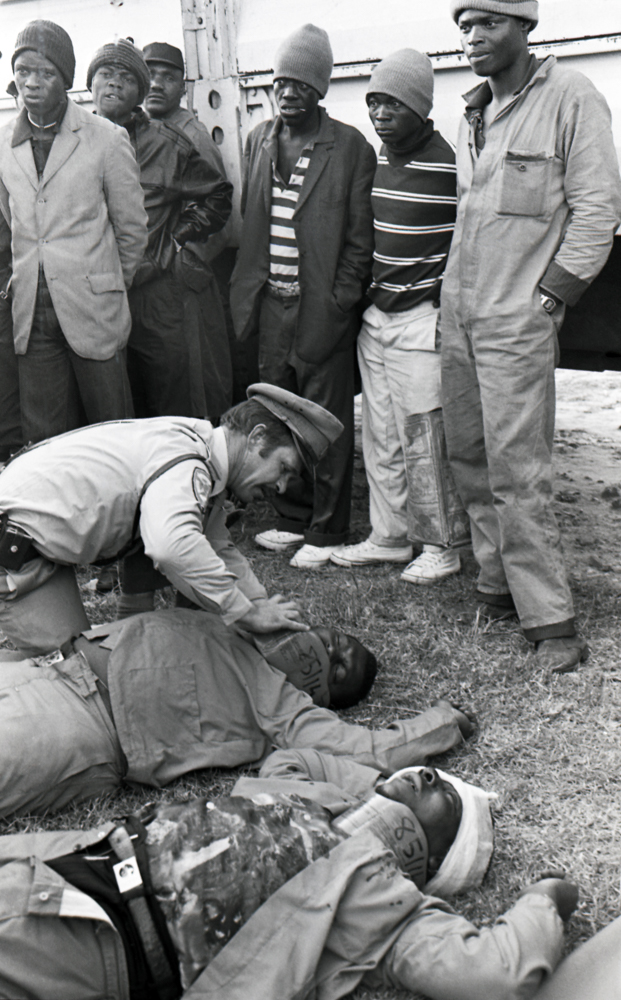
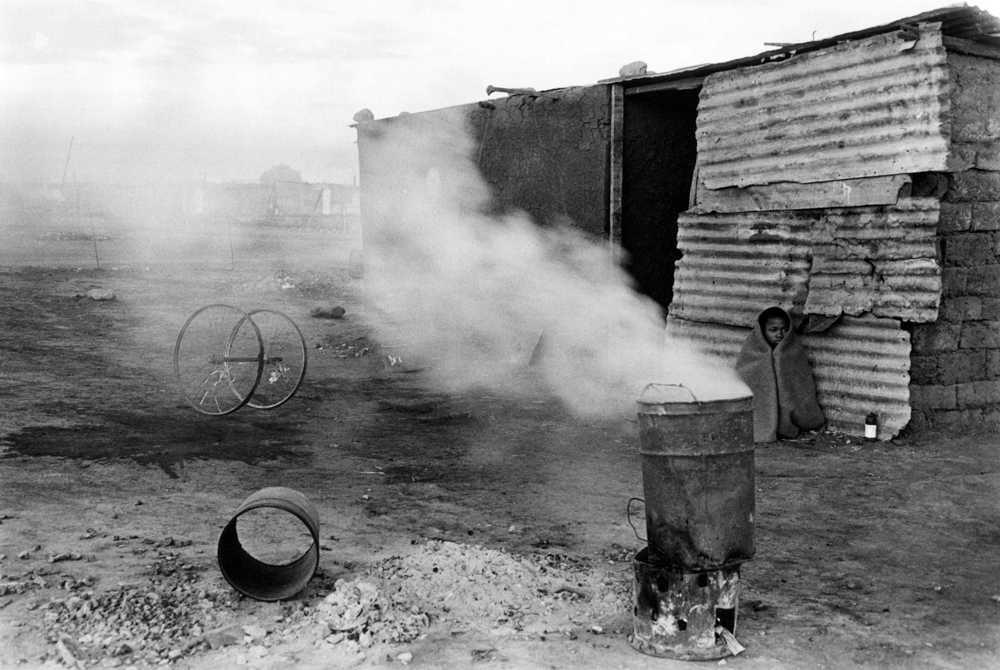
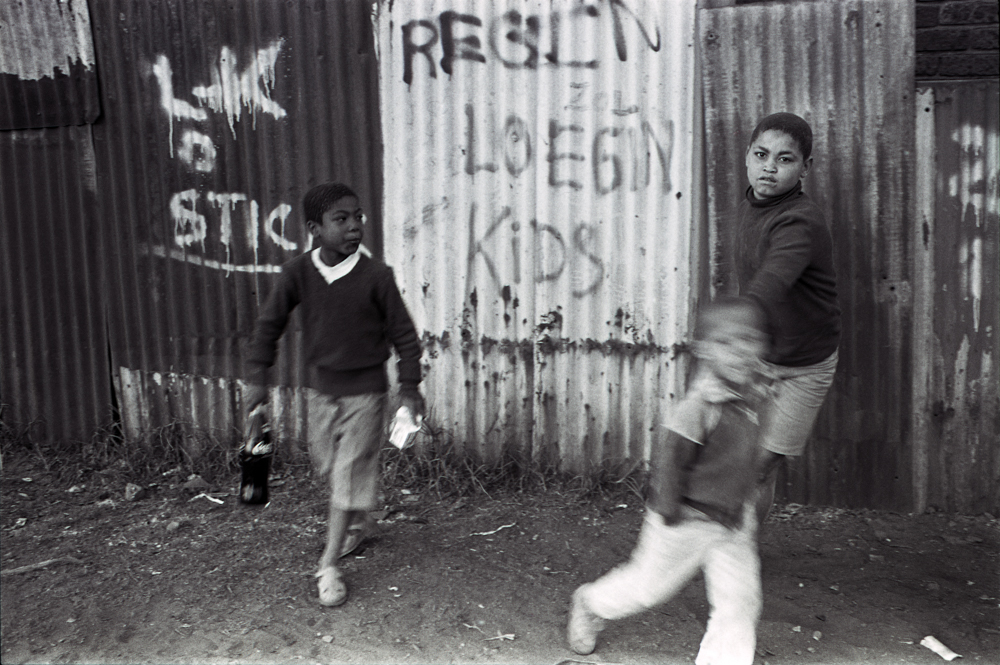
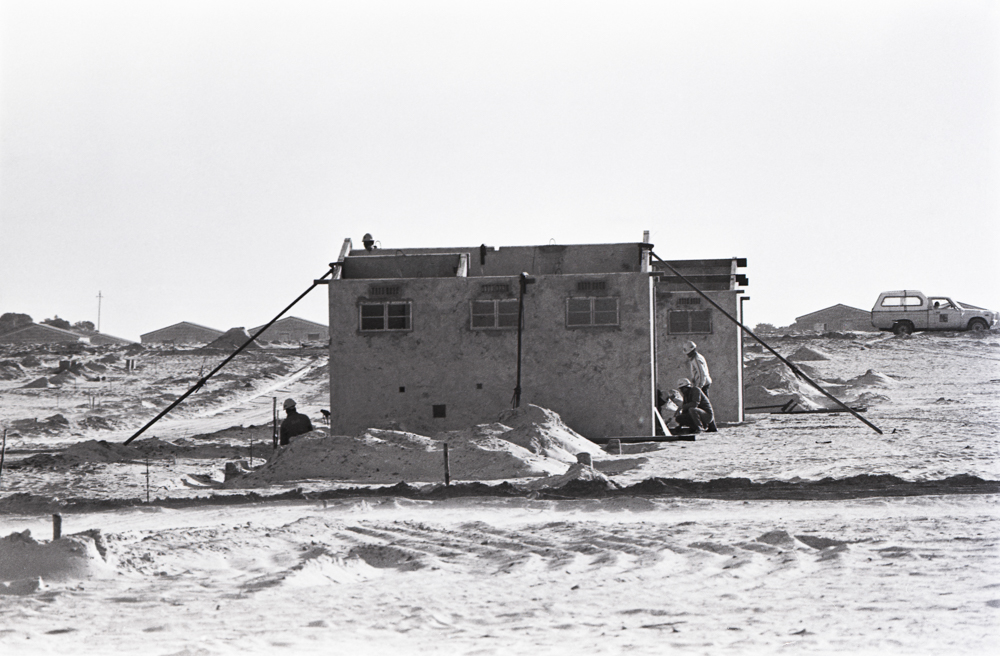
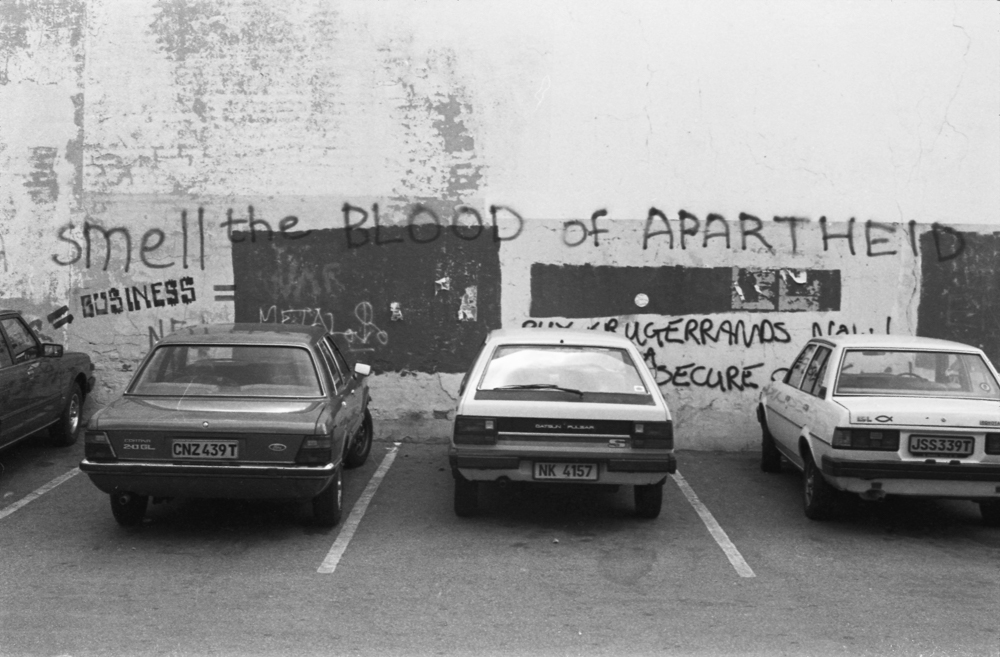
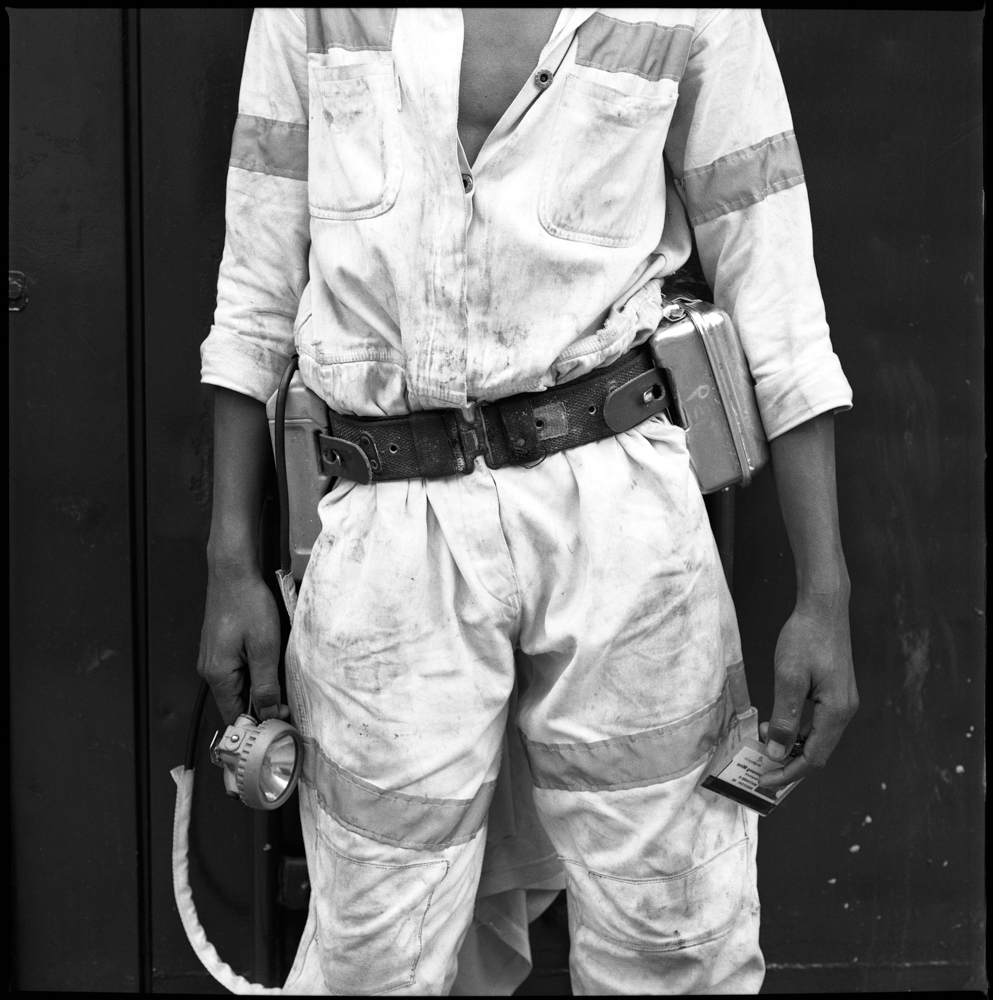
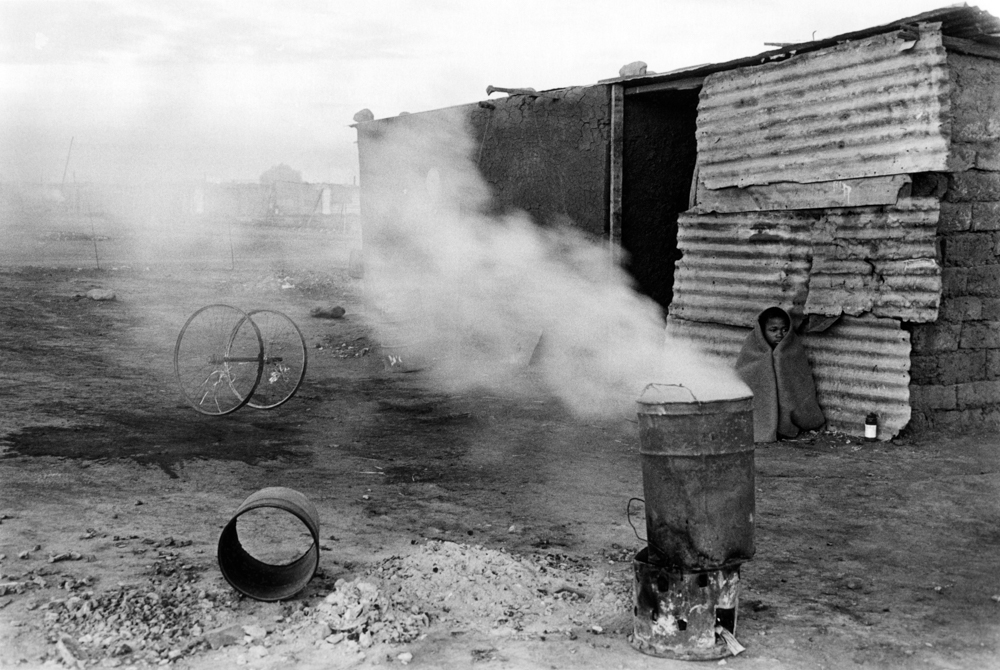
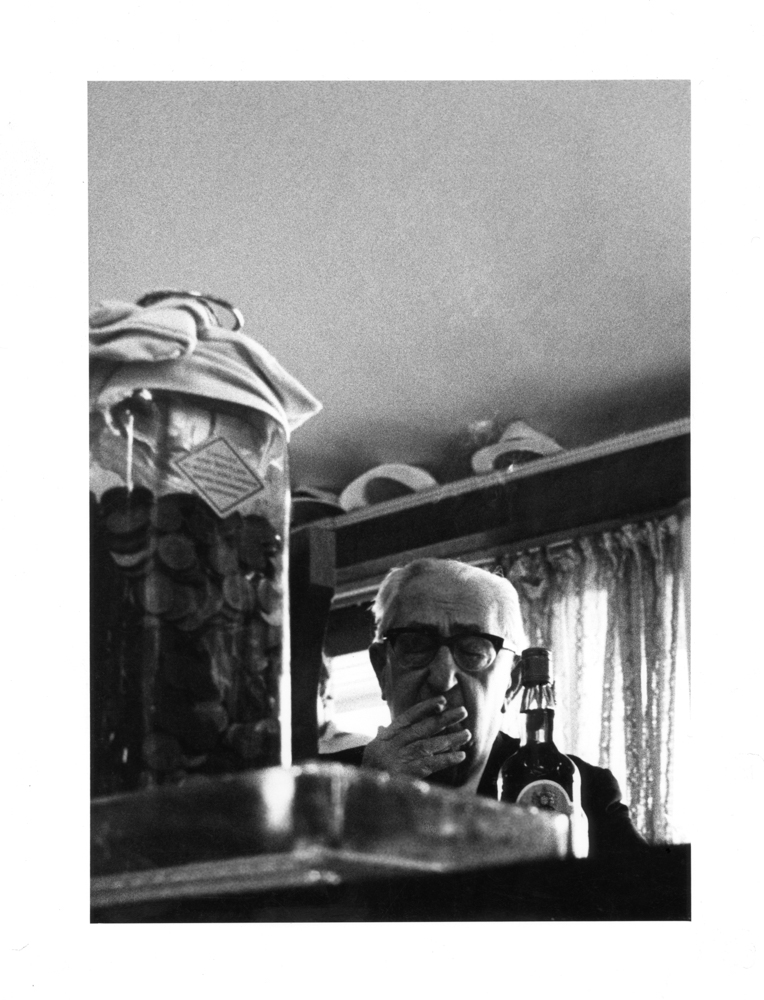
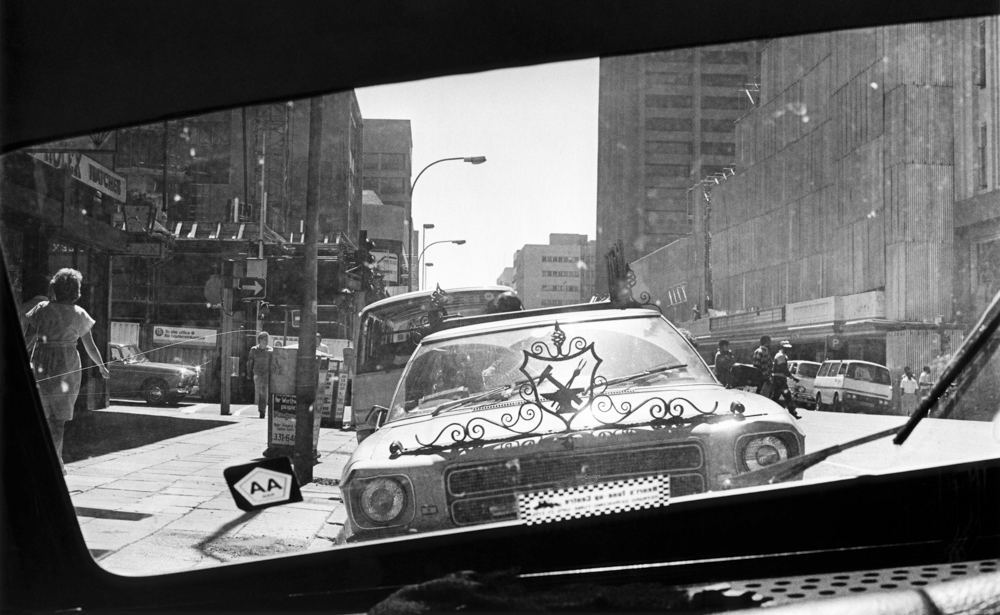
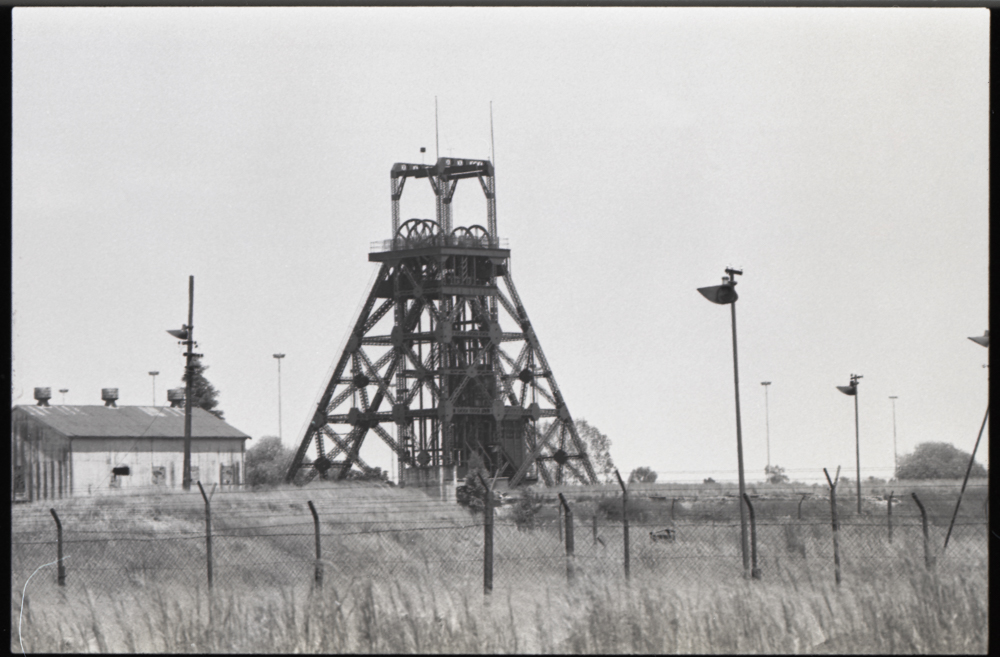
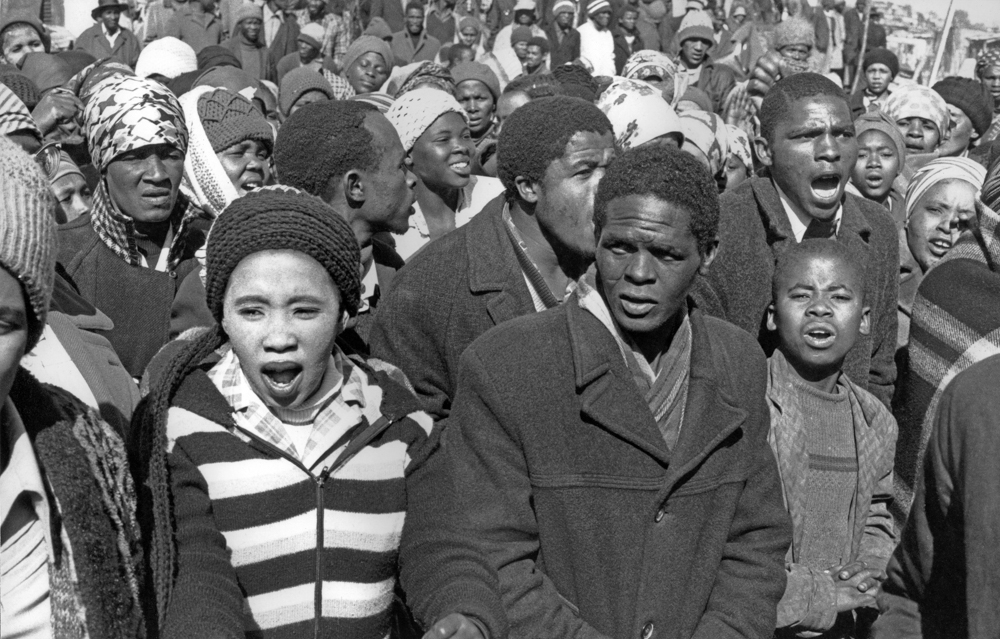
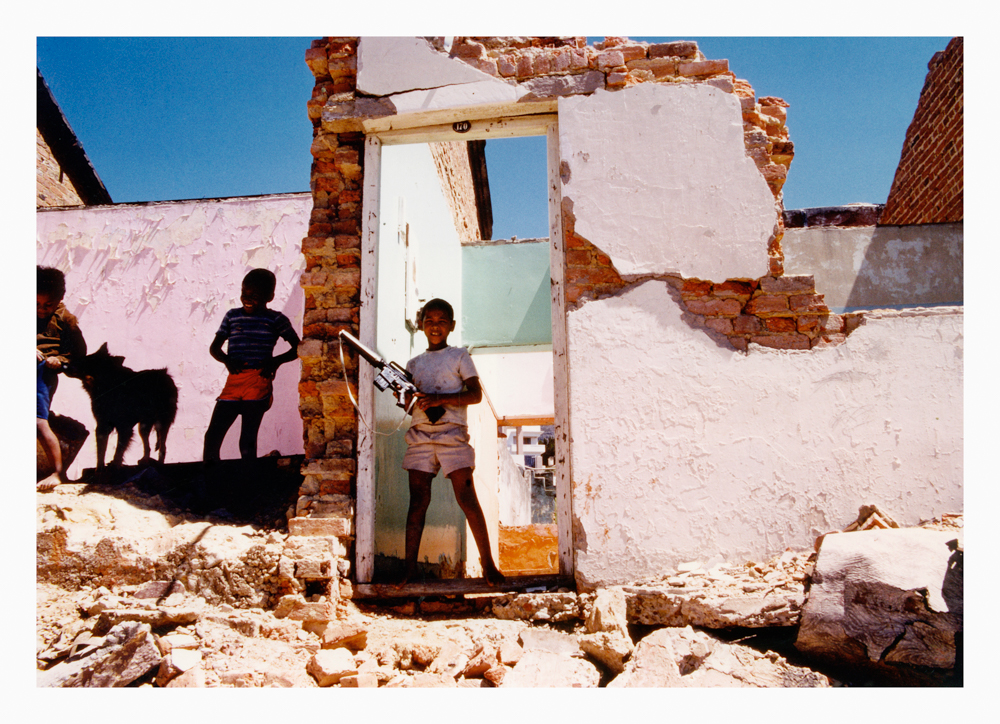
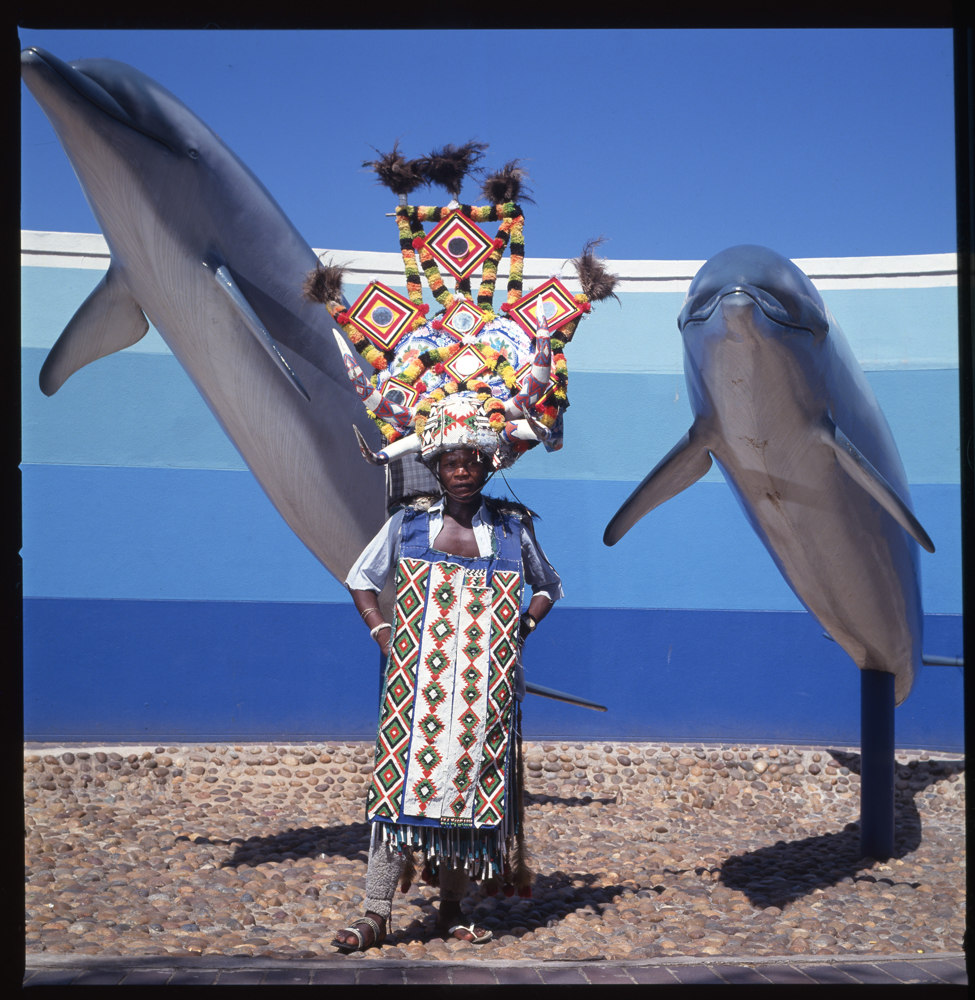
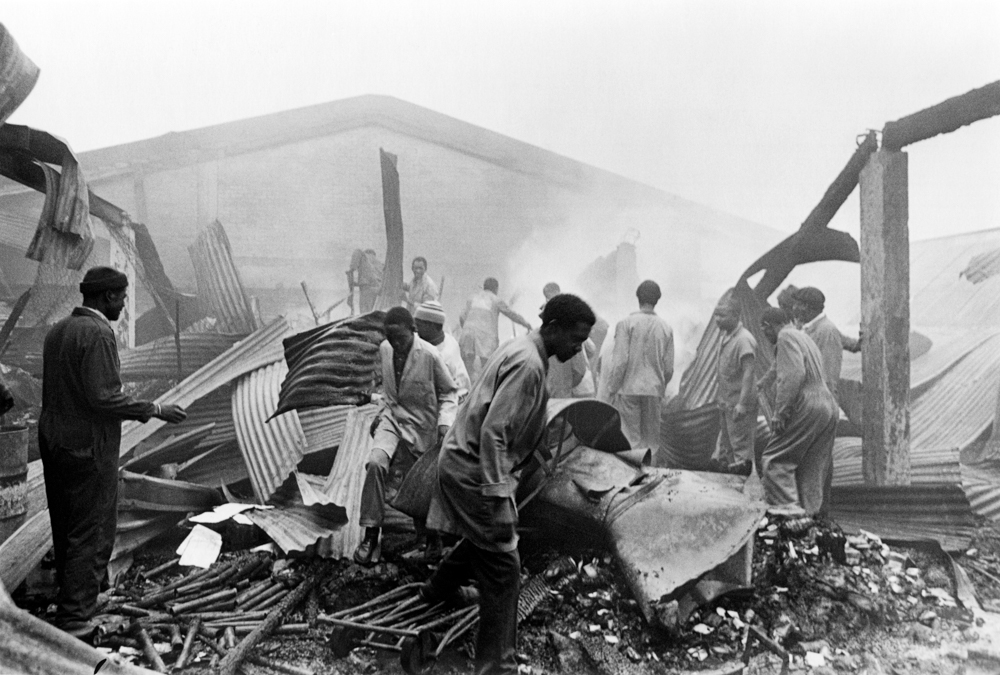
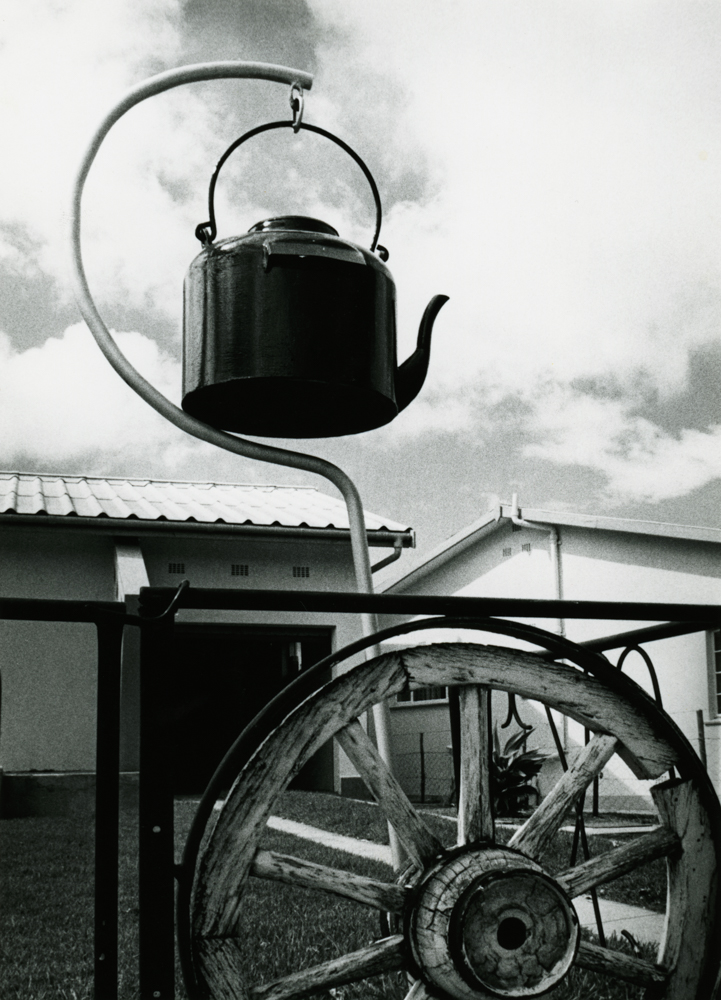
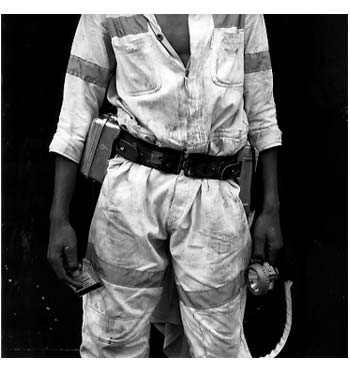
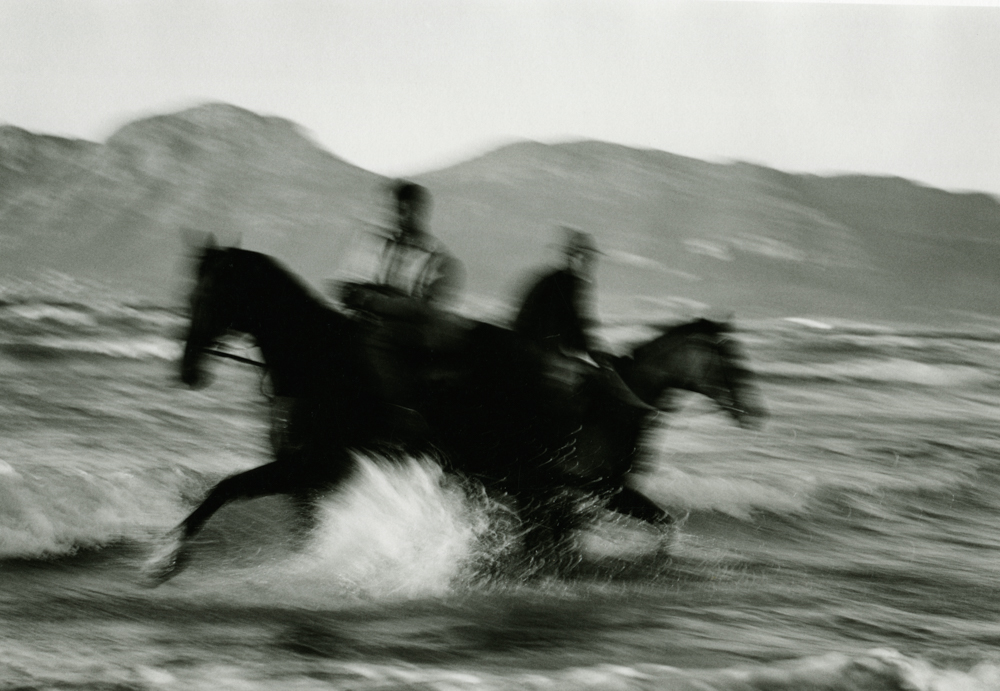
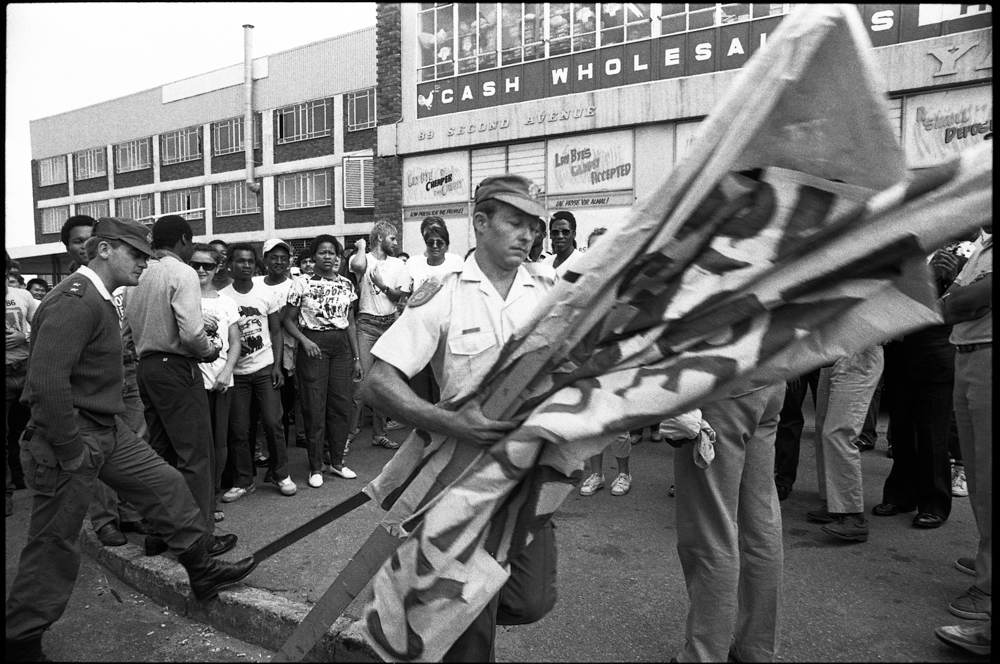
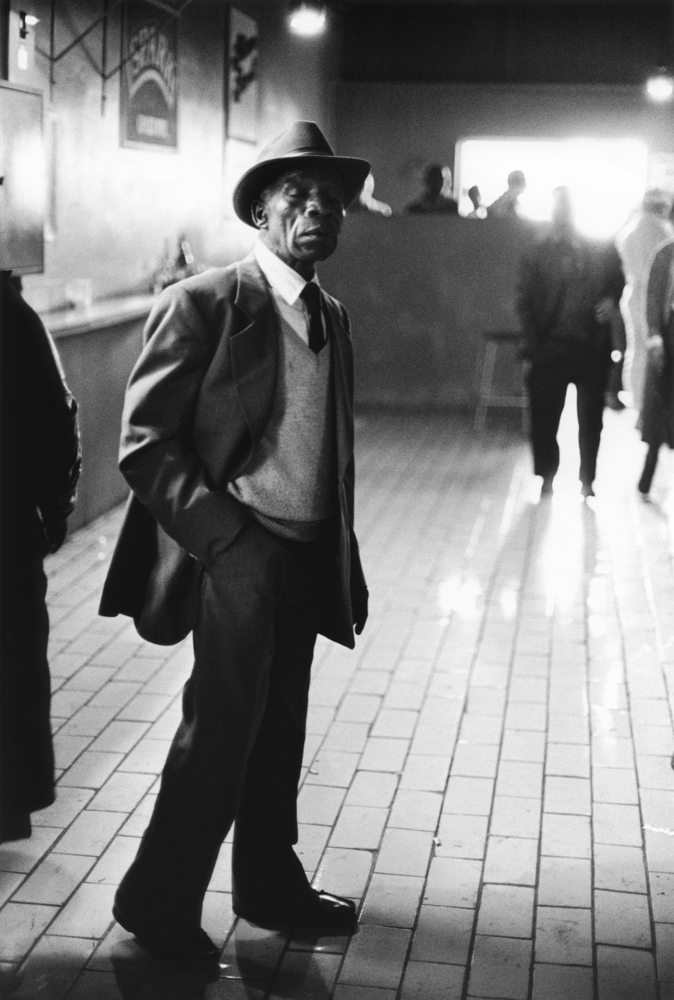
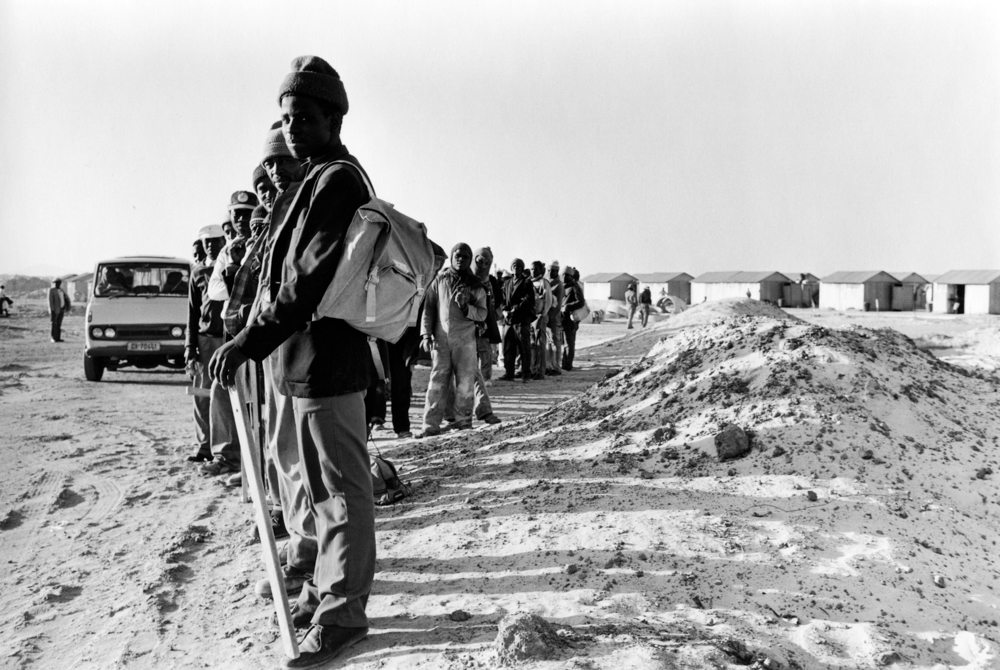
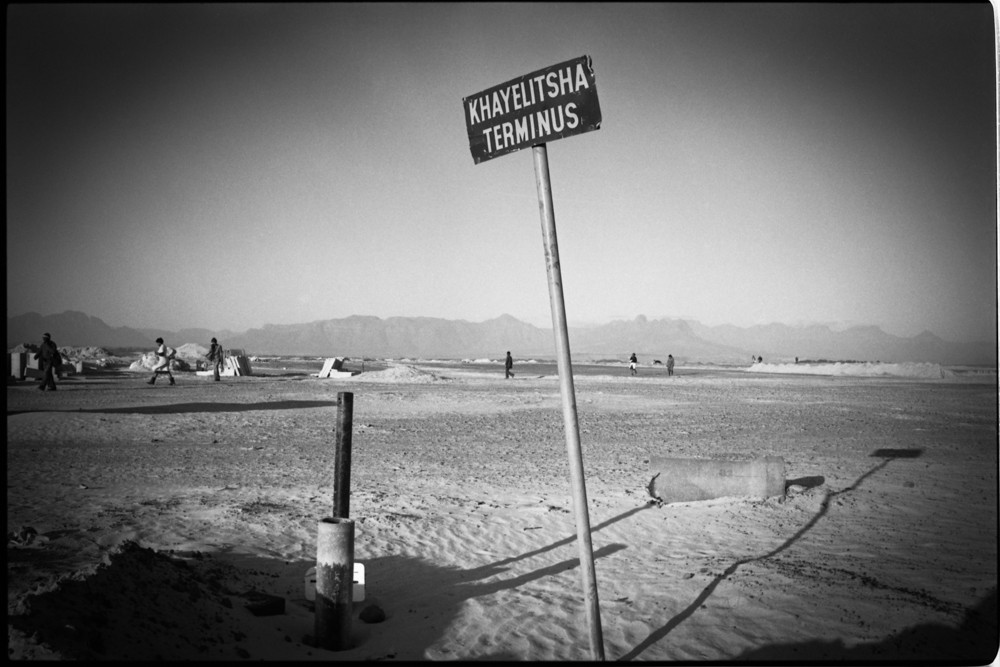
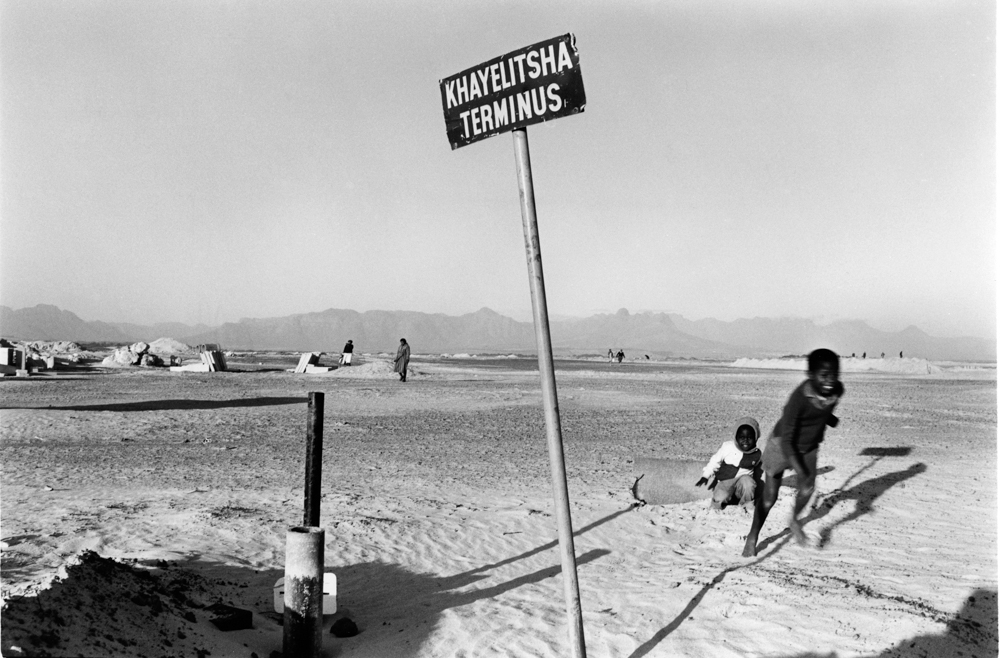
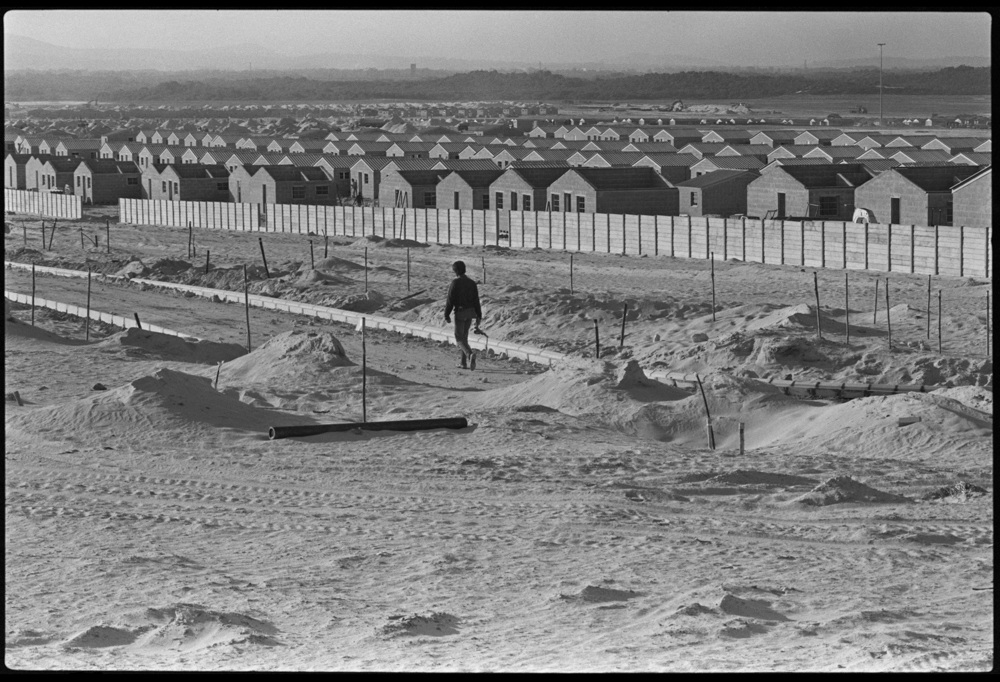
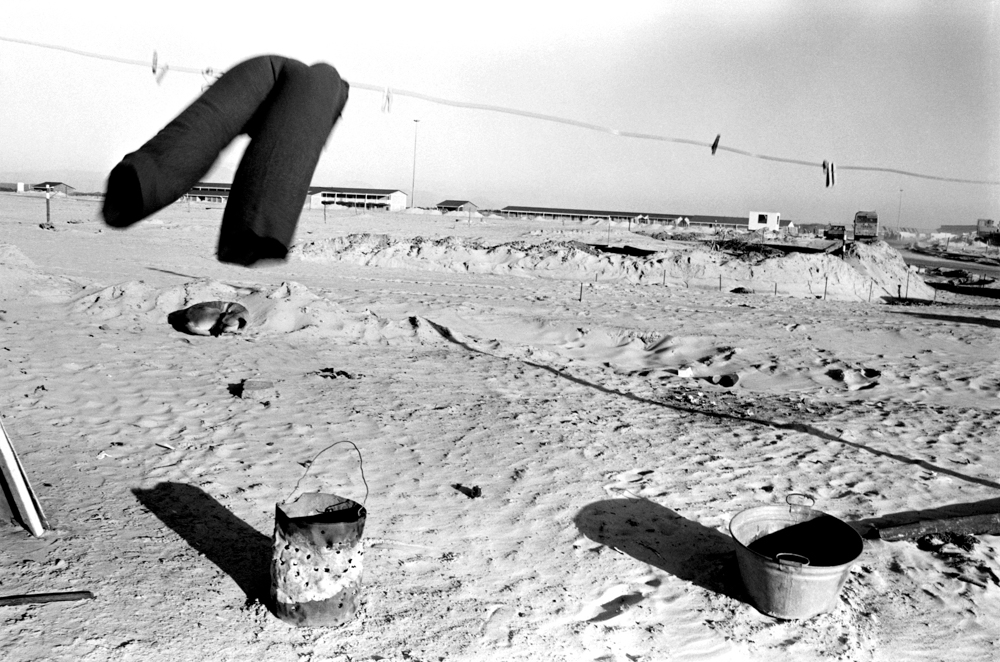
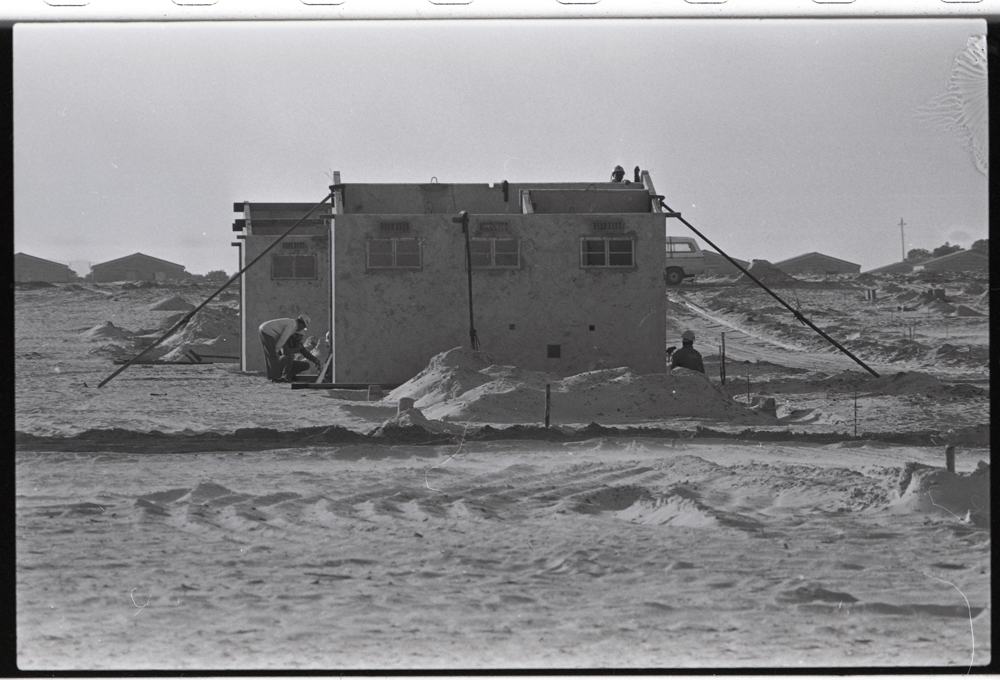
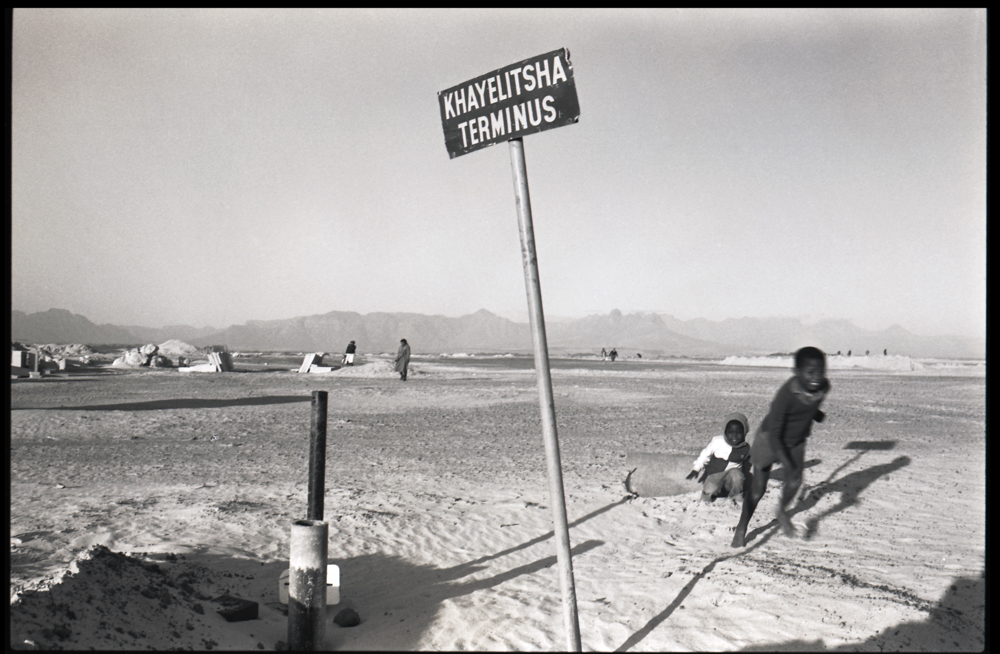
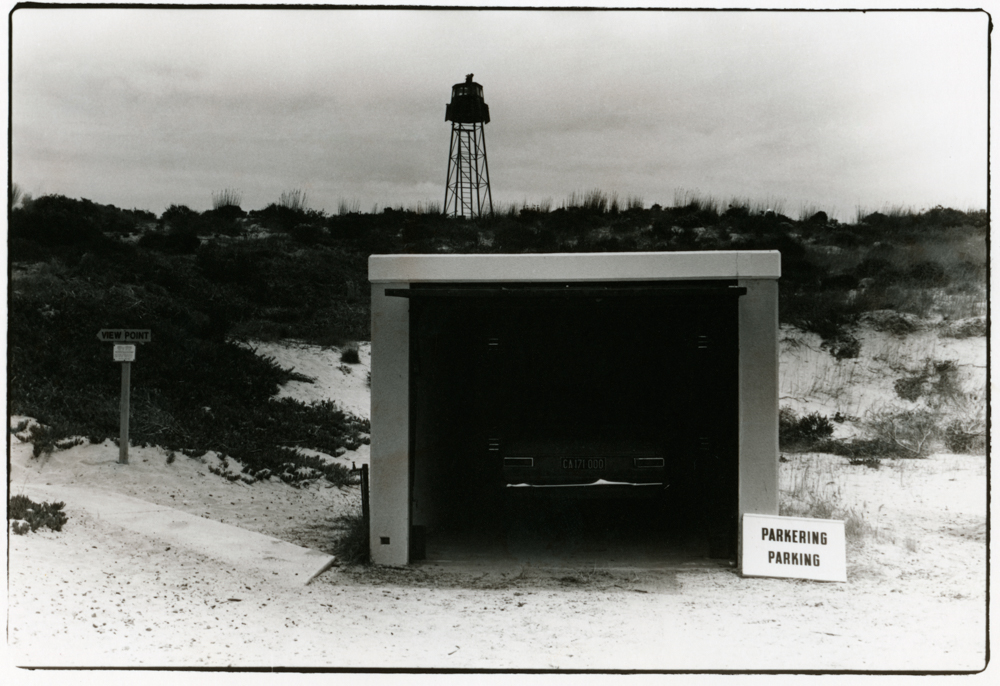
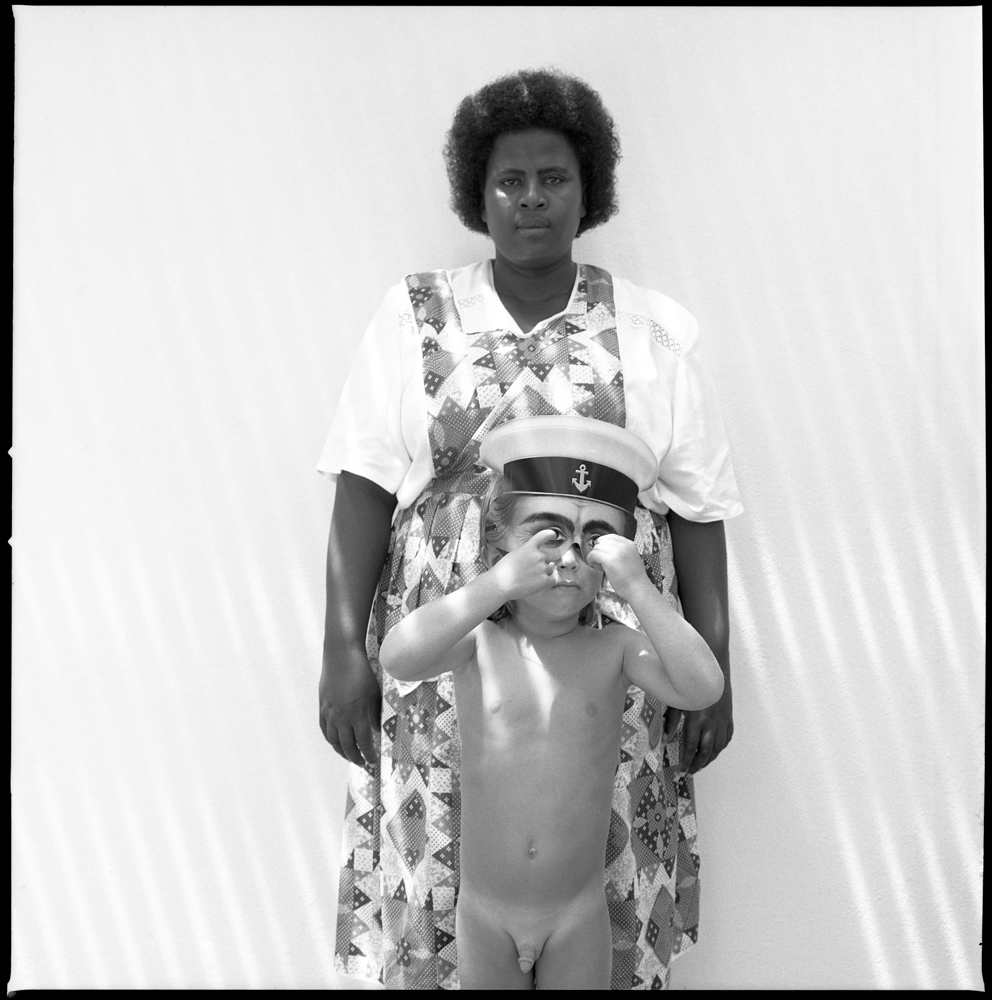
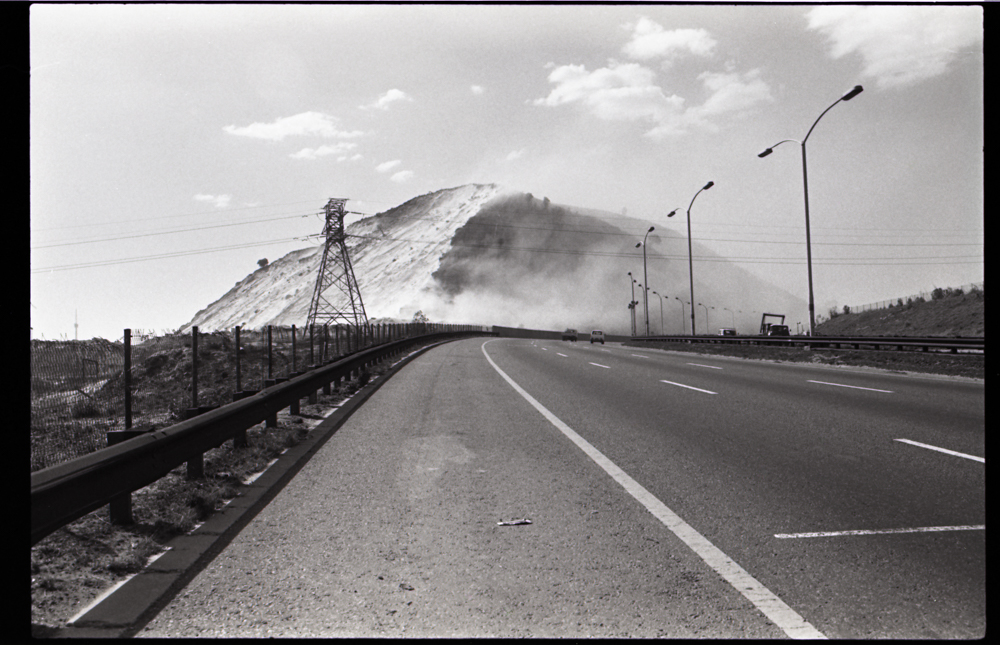
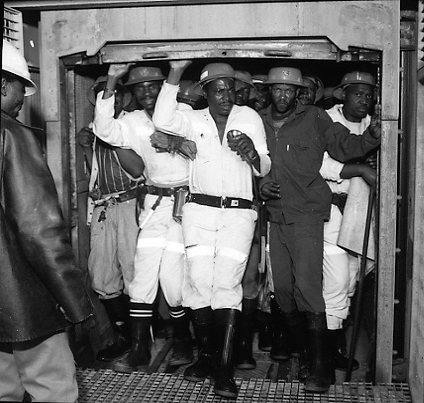
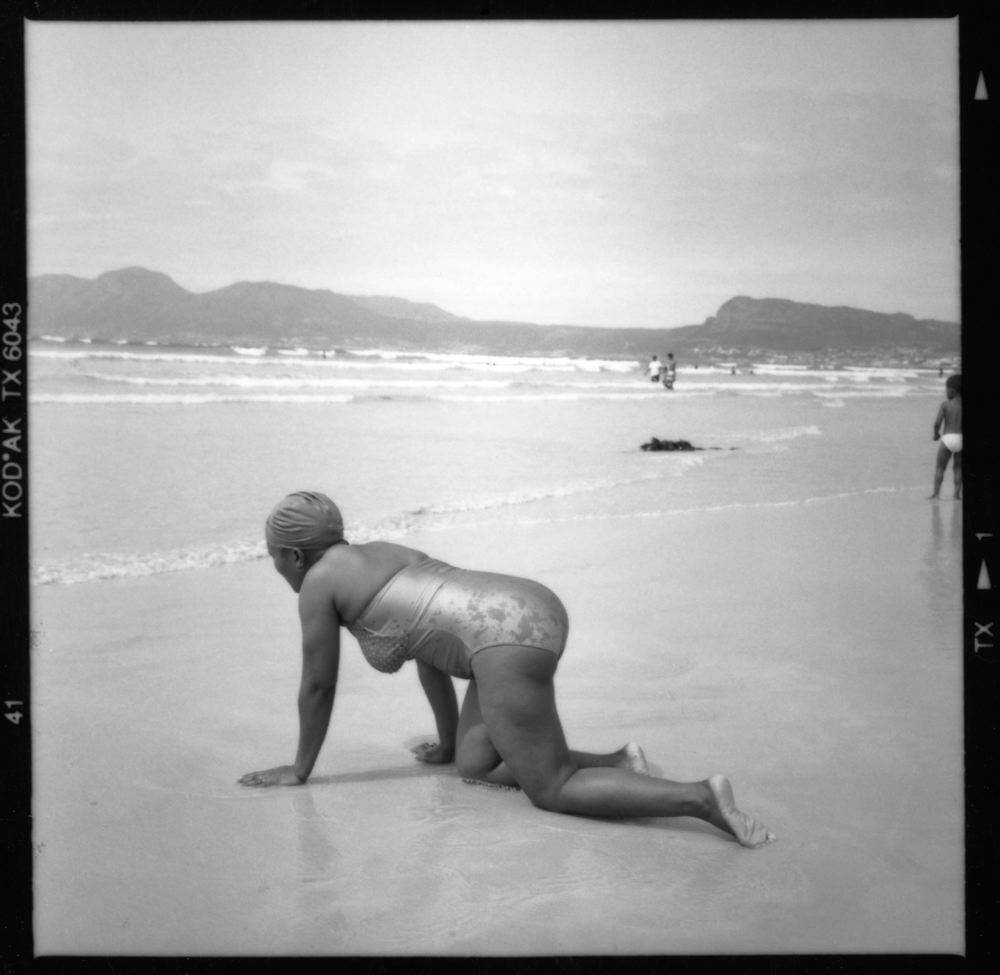
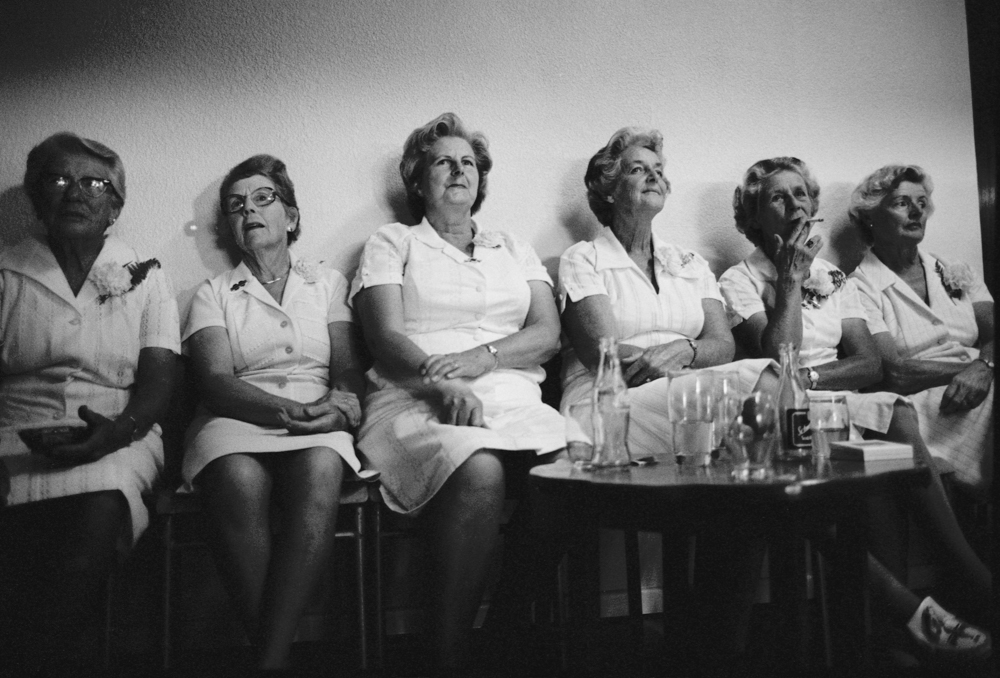
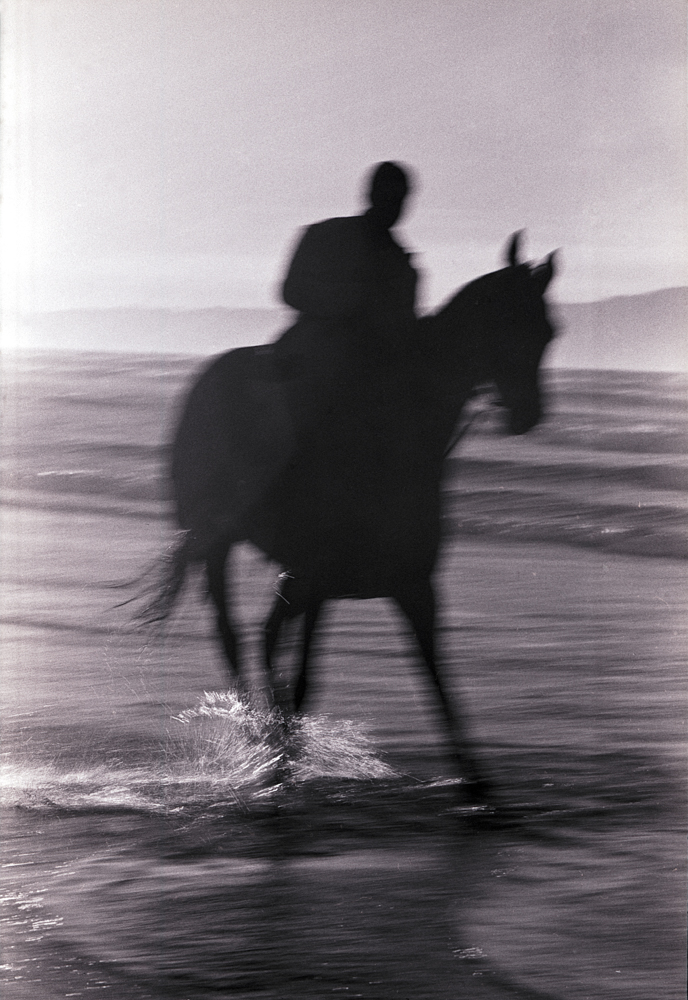
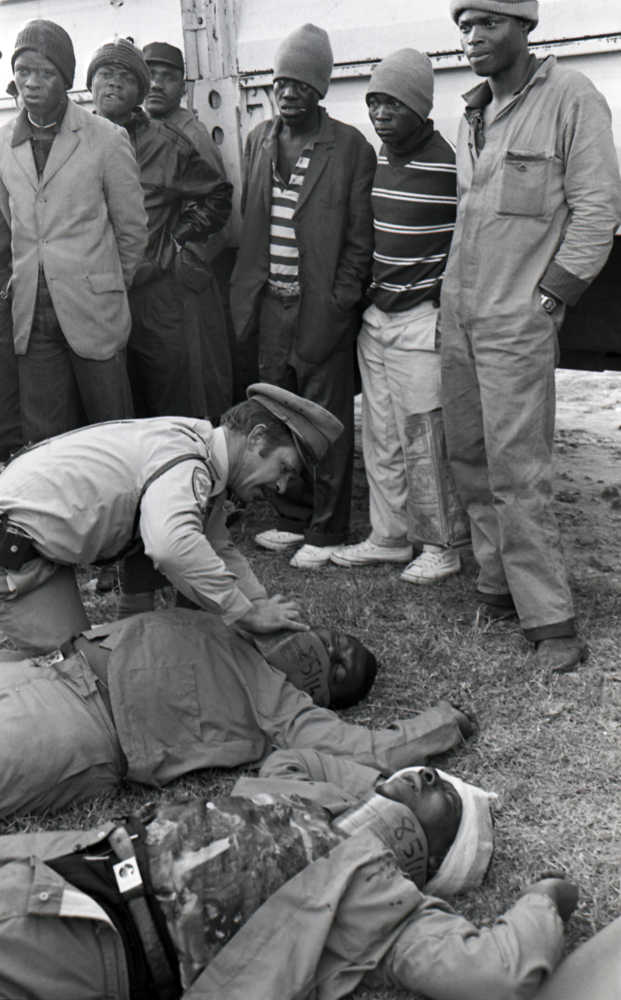
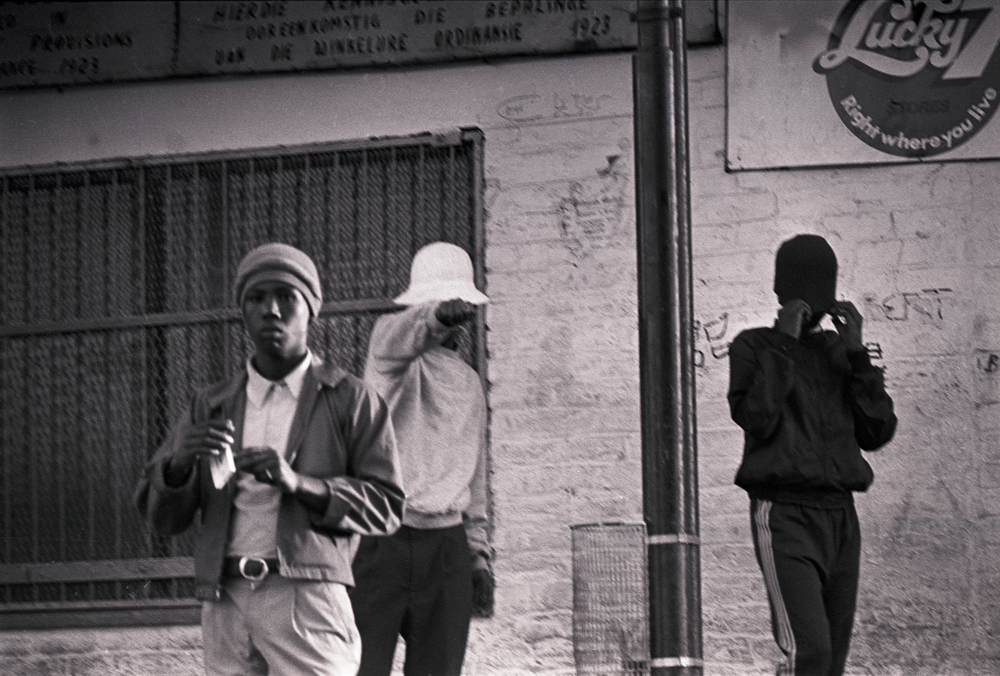
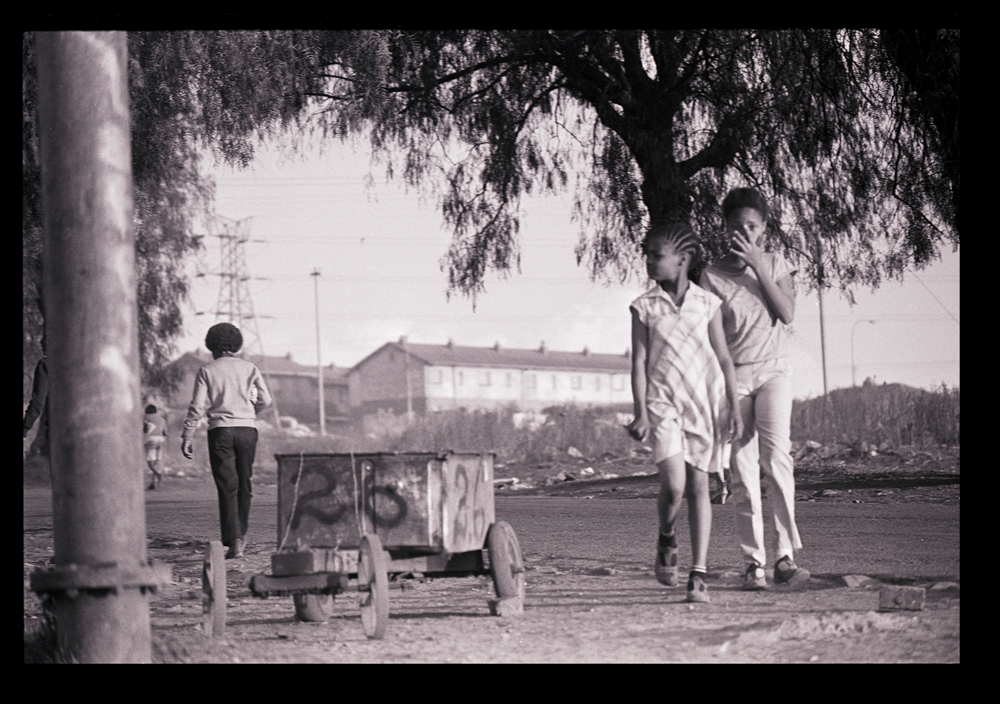
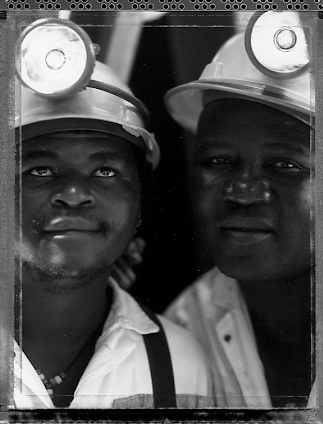
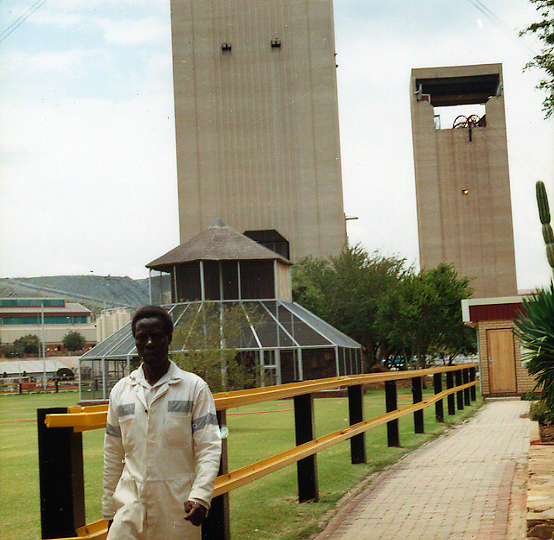
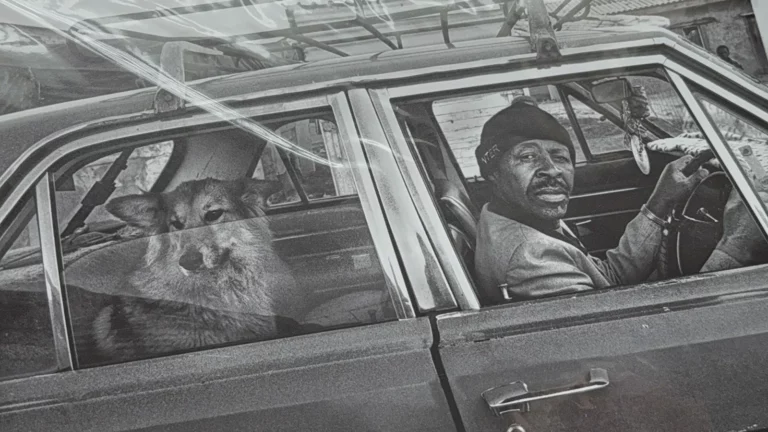
These photographs emerge from a moment when documentary practice in South Africa carried both urgency and responsibility. The camera operated not only as a tool for recording but also as a means of witnessing. Edelstein’s work does not rely on overt gestures or staged narratives. Instead, it moves quietly through spaces, paying attention to gesture, expression and the relationships between individuals and their environments. The result is a body of work that feels both immediate and reflective, grounded in lived experience rather than constructed imagery.
In these early South African works, there is a consistent sensitivity to how people occupy space. Whether photographed in public settings, domestic interiors or transitional environments, the subjects are approached with a sense of respect and attentiveness. The images do not attempt to define or categorise. They remain open, allowing the viewer to engage with the photograph as a moment rather than a fixed statement.

Context and Observation
Edelstein’s approach aligns with a broader tradition of documentary photography that prioritises presence over intervention. Her images do not seek spectacle. Instead, they register what is already there, often in quiet or transitional moments that might otherwise pass unnoticed. This method allows the photographs to retain a sense of authenticity while also acknowledging the complexity of the contexts in which they were made.
The period in which these photographs were produced carries particular weight within South African history. As structures began to shift, the act of photographing everyday life took on added significance. Edelstein’s work reflects this moment without attempting to summarise it. Rather than presenting a singular narrative, the photographs exist as fragments, each contributing to a broader understanding of place and time.
These photographs hold their meaning in observation, allowing the viewer to encounter the moment as it was, rather than as it is interpreted.
Photographs as Record
As part of a larger photographic archive, these images function as both visual records and points of reflection. They document specific encounters and environments, yet they also extend beyond their immediate subject matter. Over time, such photographs accumulate additional layers of meaning, shaped by changing contexts and continued viewing.
Within the context of South African photography, Edelstein’s early work contributes to an ongoing conversation about representation, memory and the role of the photographer. The images do not attempt to resolve these questions. Instead, they remain open, inviting reconsideration and continued engagement.
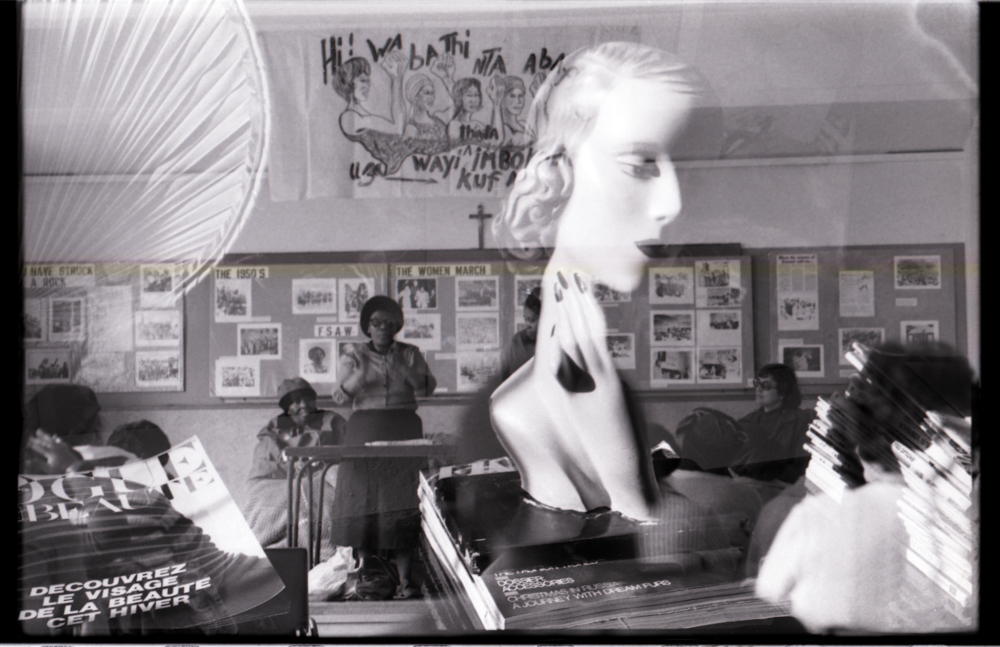
The materiality of the photograph also plays an important role in how the work is experienced. Whether viewed as a print or within an archival context, the photograph carries with it a physical presence that reinforces its connection to the moment it records. This relationship between image and object is central to how such work is understood within a gallery setting.
Collecting and Viewing the Work
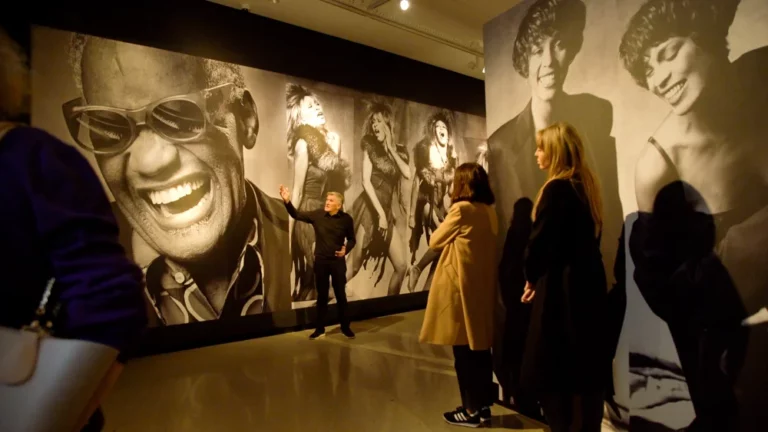
Within Gallery F, these photographs are approached as both artistic works and archival documents. Their value lies not only in their visual composition but also in their position within a broader historical framework. For collectors, the work offers an opportunity to engage with a period of South African history through the perspective of a photographer attentive to detail, presence and context.
As part of Edelstein’s wider practice, these early South African photographs provide insight into the development of her approach to portraiture and documentary work. They reflect a foundation built on observation, patience and an understanding of the complexities inherent in photographing people and place. Viewed today, the images continue to hold relevance, not as fixed statements, but as evolving points of reference within the history of photography in South Africa.