Jillian Edelstein | Truth and Lies
A photographic record of testimony, memory and confrontation, Jillian Edelstein’s work around the Truth and Reconciliation Commission brings together portraits of victims and perpetrators within one of South Africa’s most complex historical processes.
Can justice be reconciled with forgiveness? This question sits at the centre of South Africa’s Truth and Reconciliation Commission, a process that sought to confront decades of violence through public testimony. Between 1996 and the early 2000s, thousands of individuals came forward to speak, confess and listen. It was within this environment that Jillian Edelstein created a body of work that remains one of the most direct visual records of the Commission.
Documenting the Commission
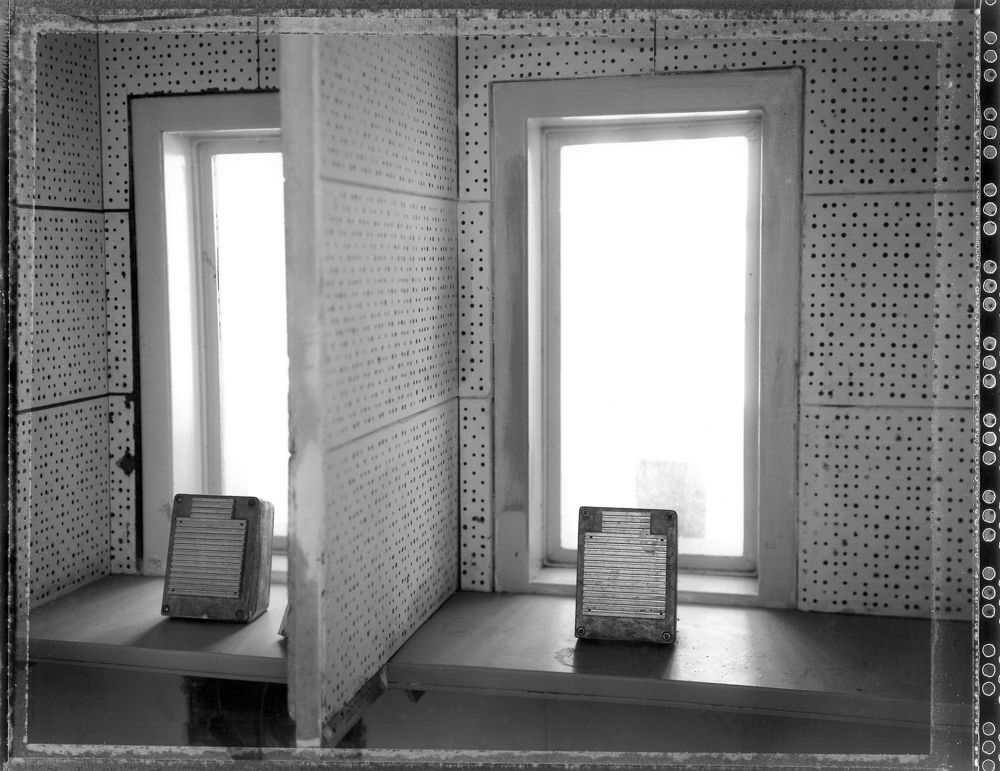
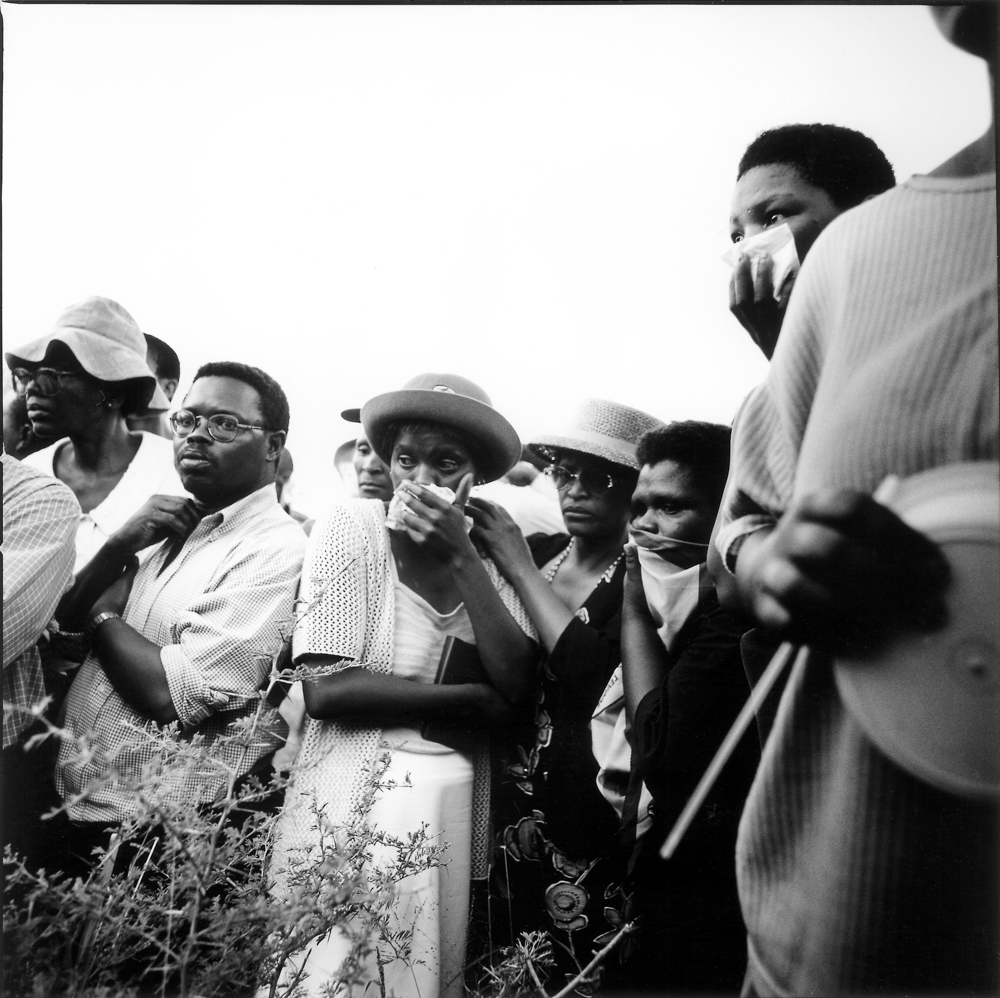
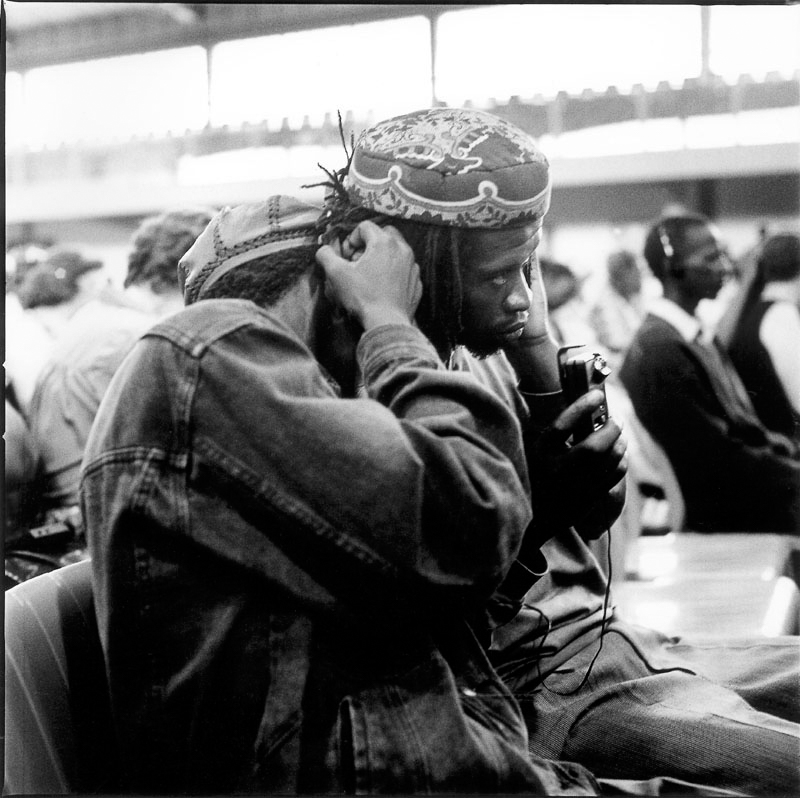
Established under Archbishop Desmond Tutu, the Truth and Reconciliation Commission was built on the belief that truth was necessary in order to move forward as a nation. More than 20,000 victims submitted statements, while approximately 7,000 perpetrators came forward under the possibility of amnesty. Hearings were held across South Africa in township halls, churches and civic centres, often bringing victims and perpetrators into the same space.
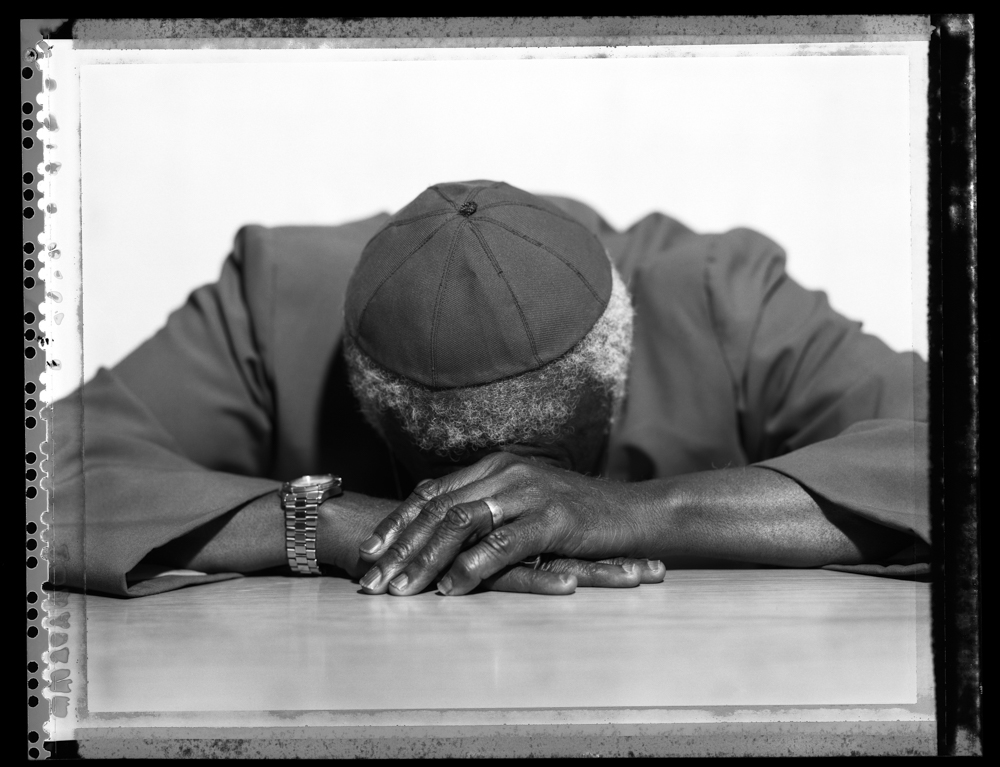
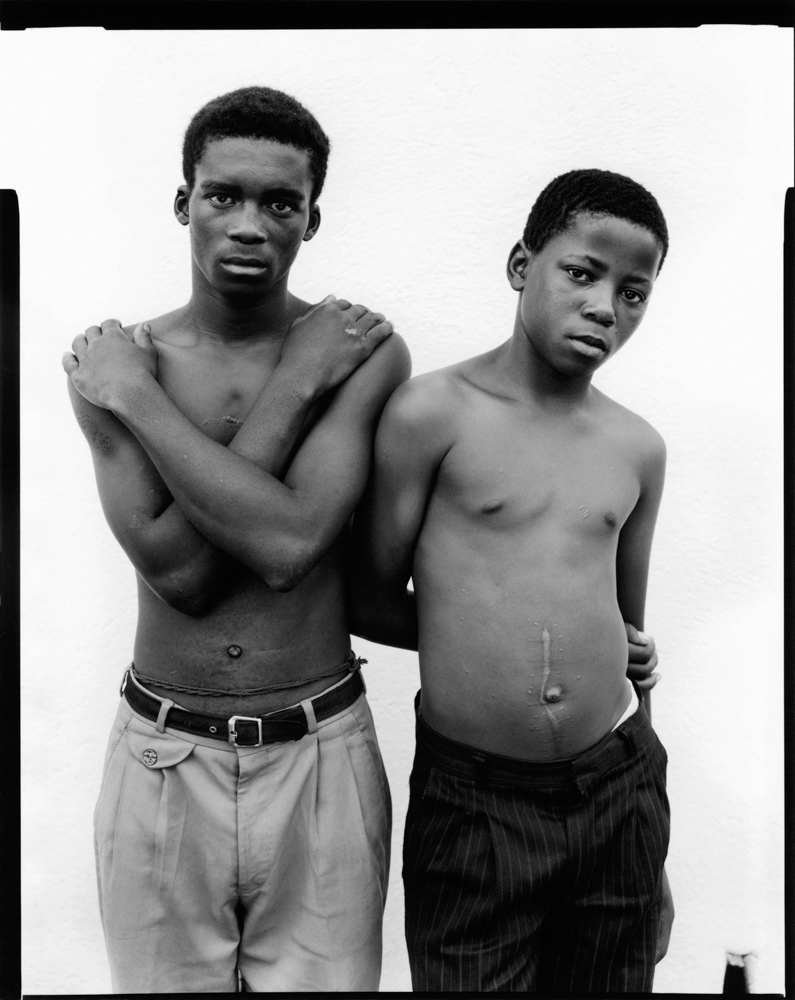
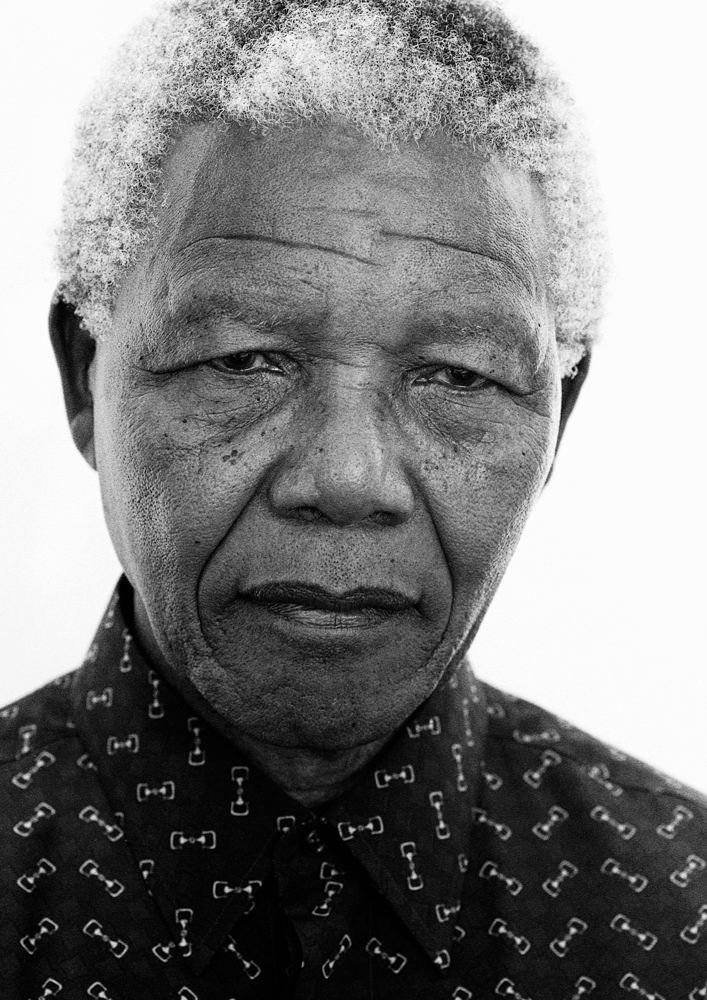
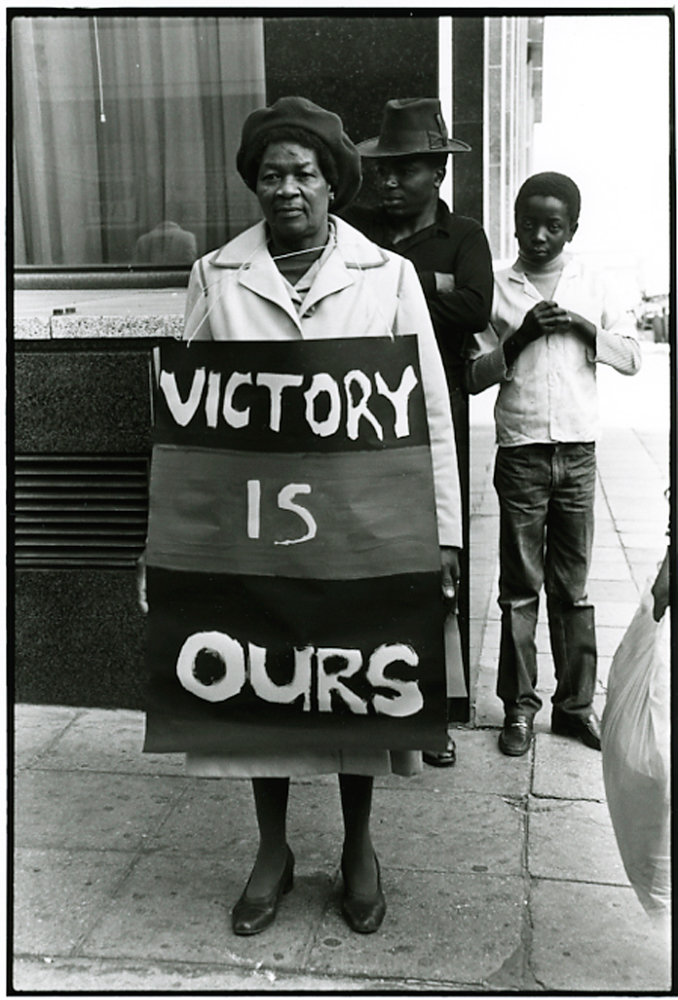
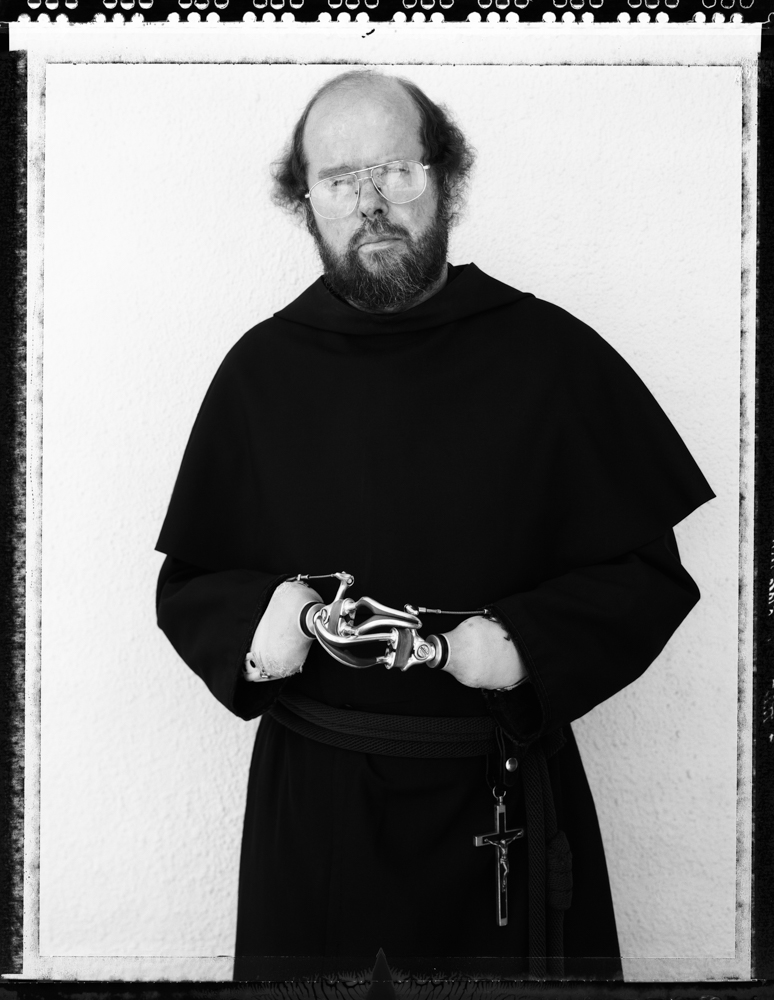
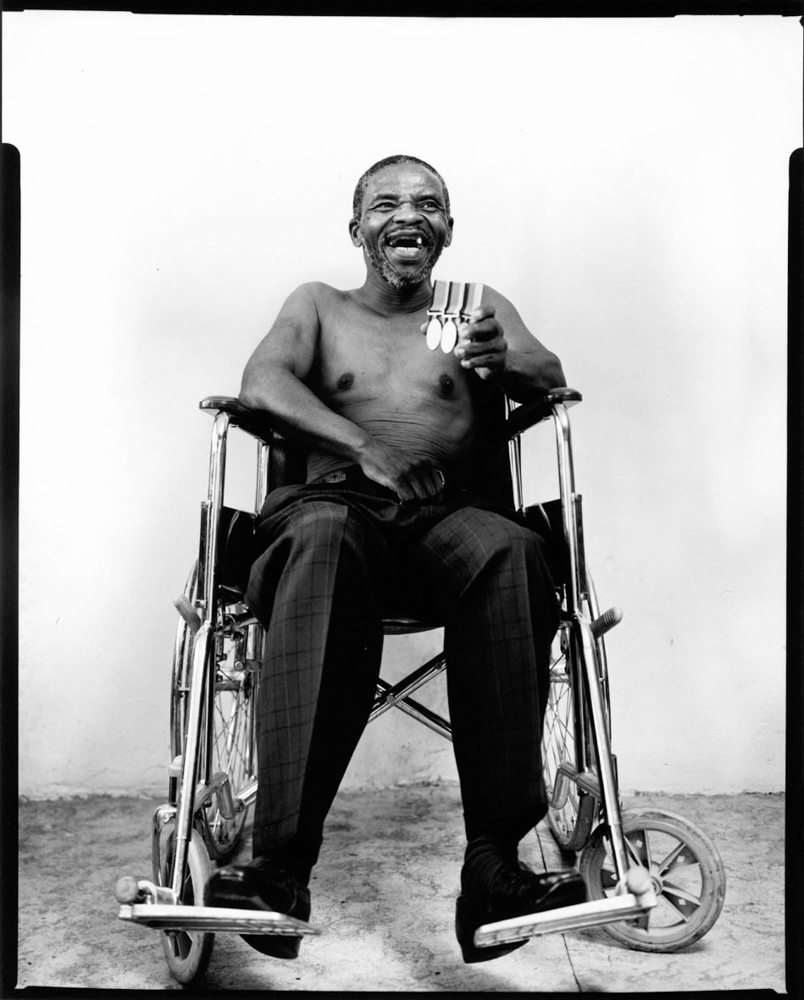
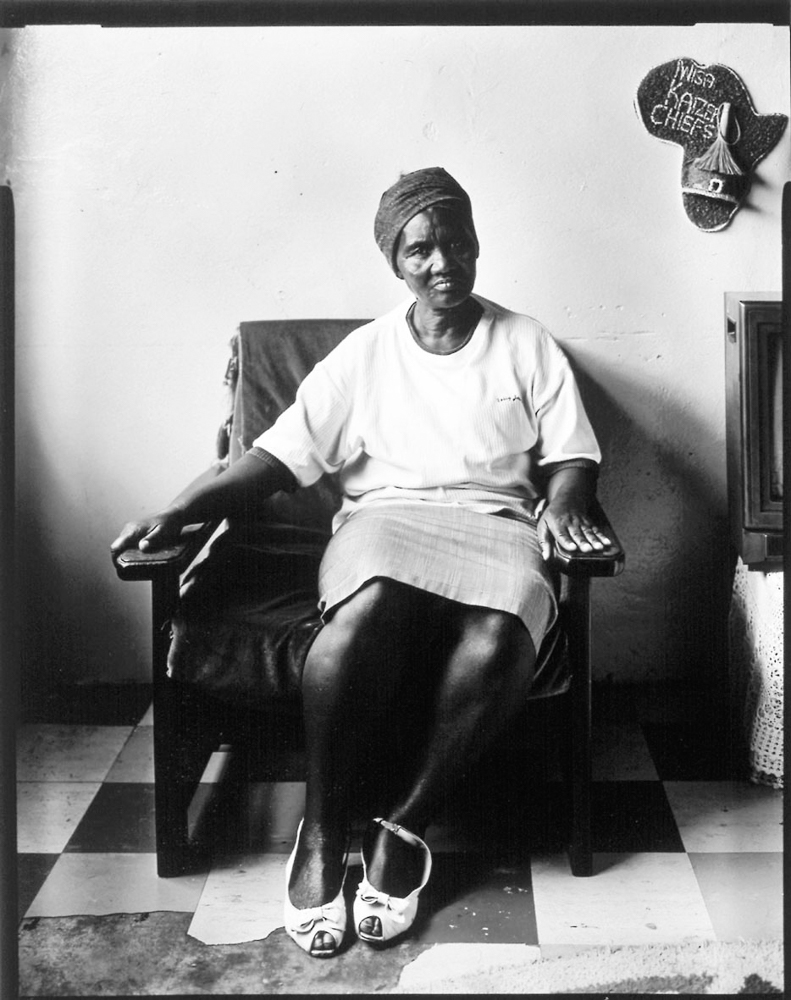
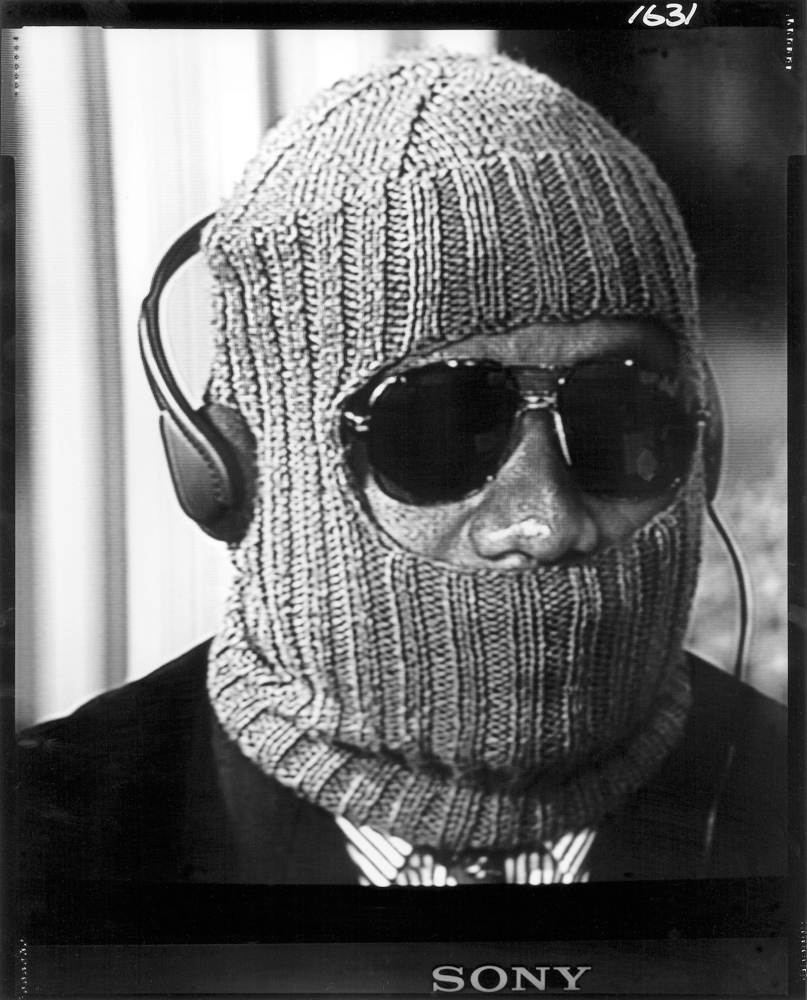
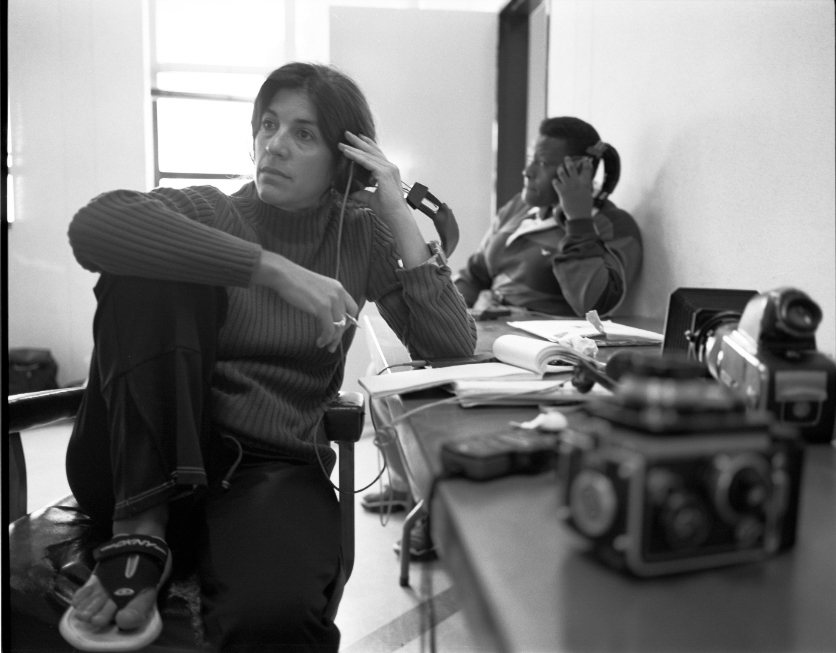
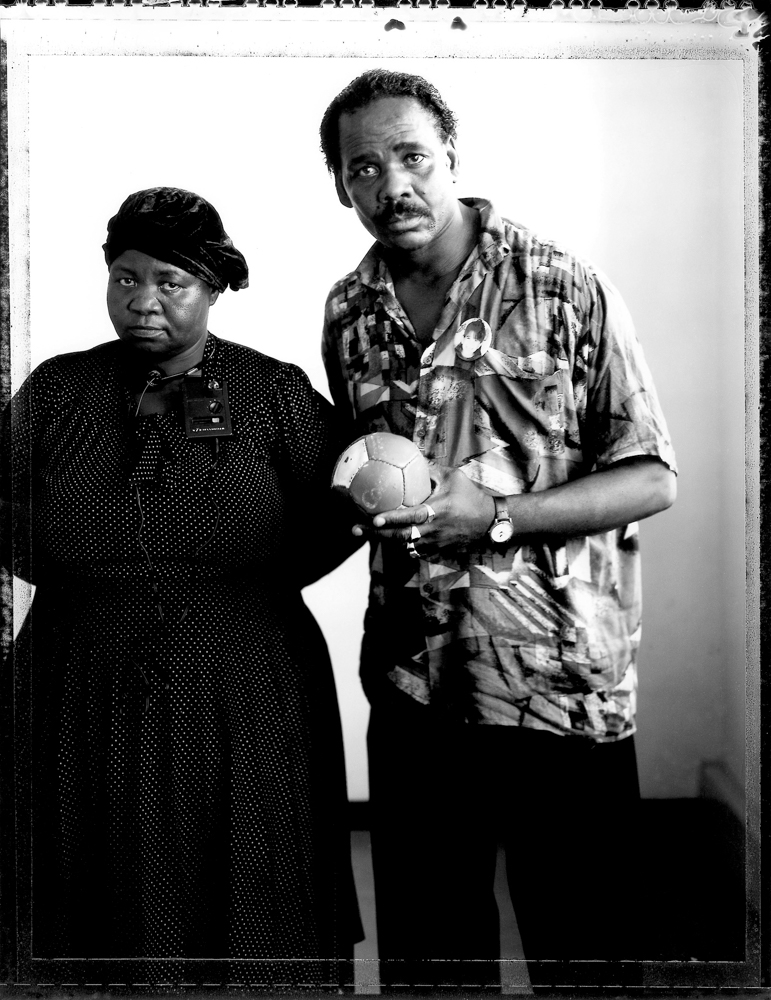
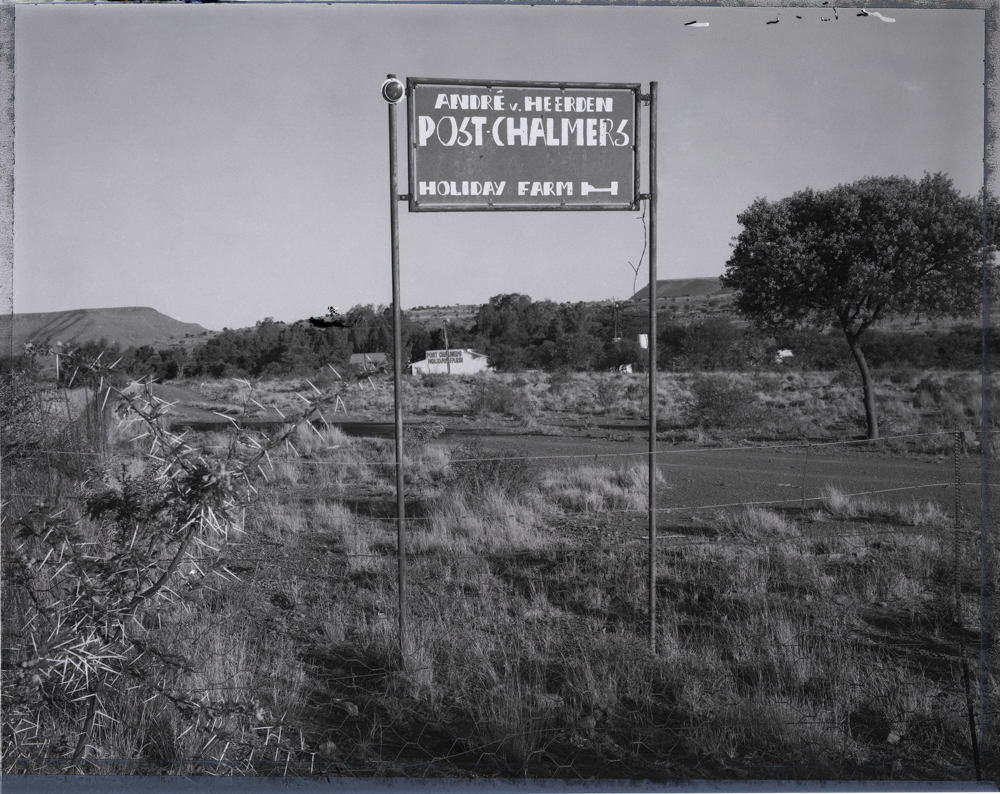
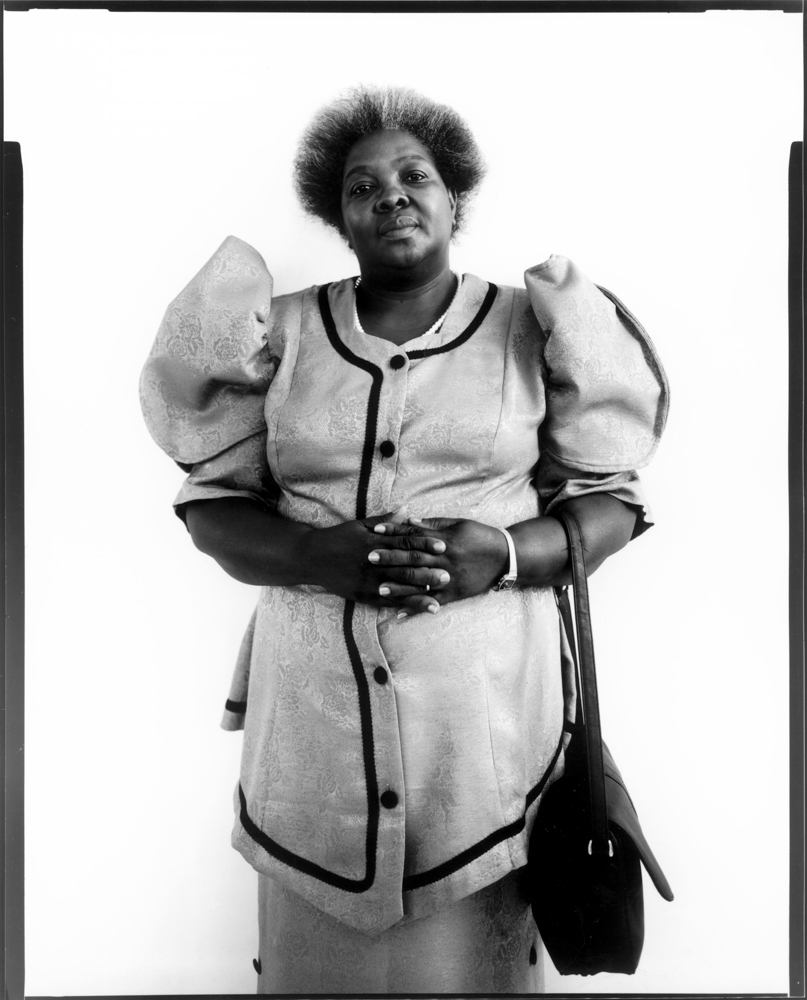
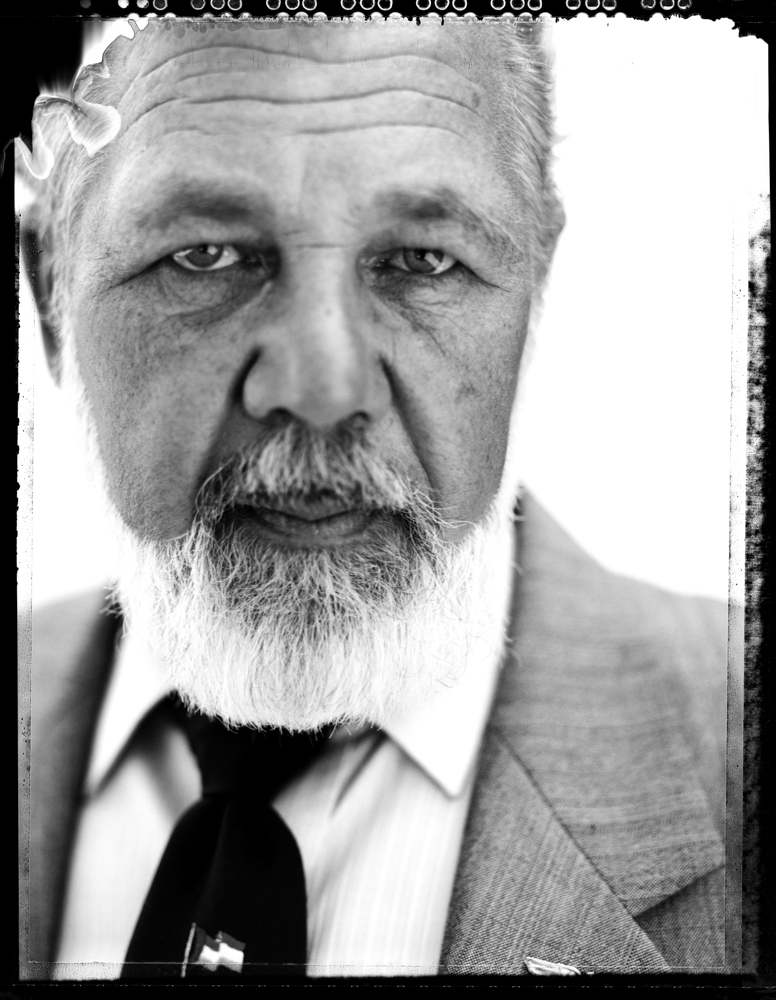
Rather than working inside the hearings, Edelstein positioned herself in the spaces around them. She constructed temporary portrait studios in adjacent rooms and travelled into townships and rural areas to photograph those who had testified. The work moves away from traditional documentary reportage and instead centres on the individual encounter.
“It was impossible to attend every hearing, but the emotional world within those spaces stayed with me.”
A Personal History of Observation
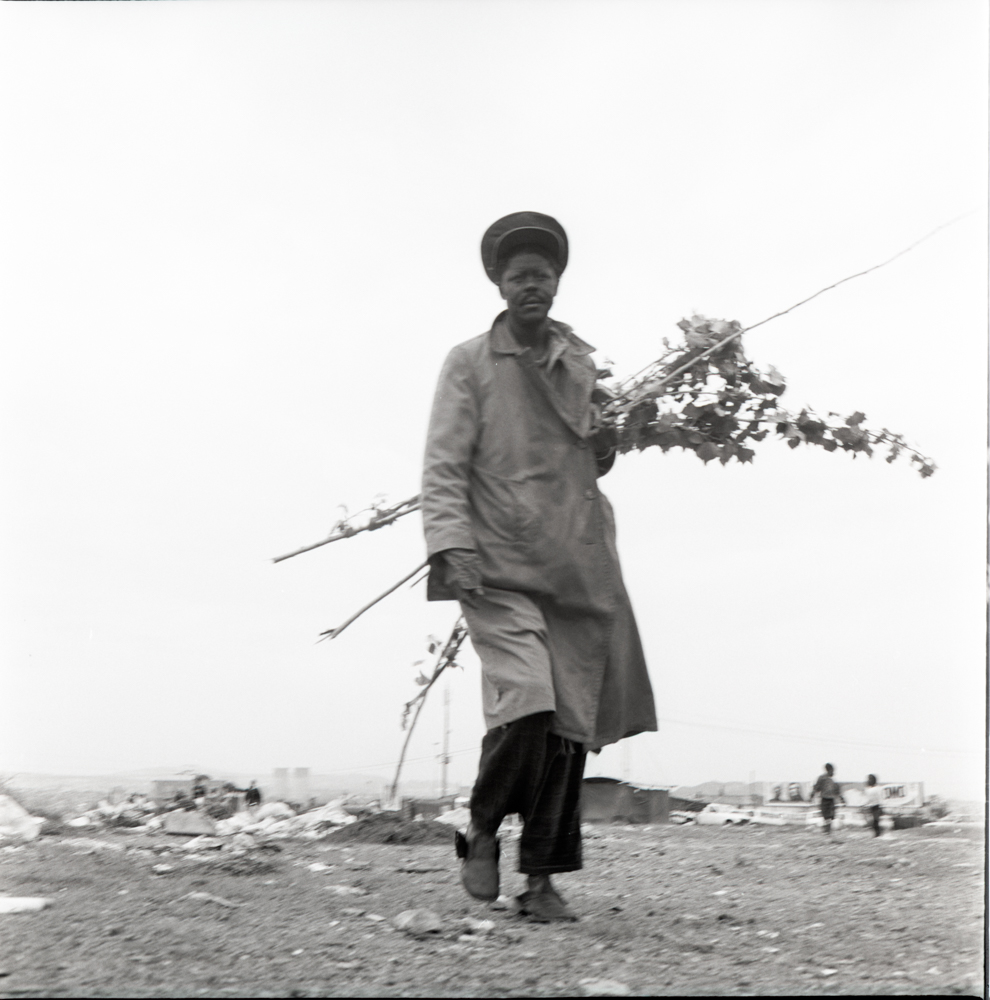
Edelstein’s engagement with South Africa’s political landscape began in the late 1970s. As a student at the University of Cape Town, she photographed the demolition of the Crossroads squatter camp. Bulldozers moved through informal settlements while residents attempted to resist, marking a moment that reflected the broader intensification of state control.
In the early 1980s, working as a press photographer in Johannesburg, she documented protests, police presence and the visible machinery of apartheid. Photography became a way of processing the contradictions of that environment. By 1985, she had left for London, experiencing events in South Africa from a distance until her return in 1996.
Portraiture as Testimony
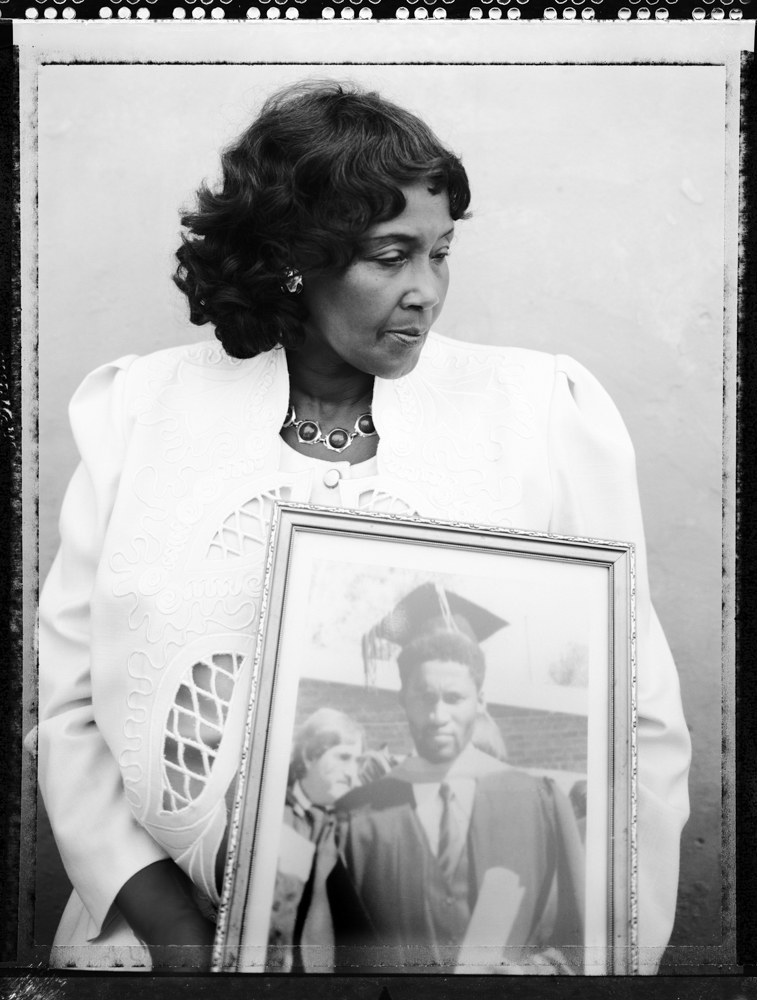
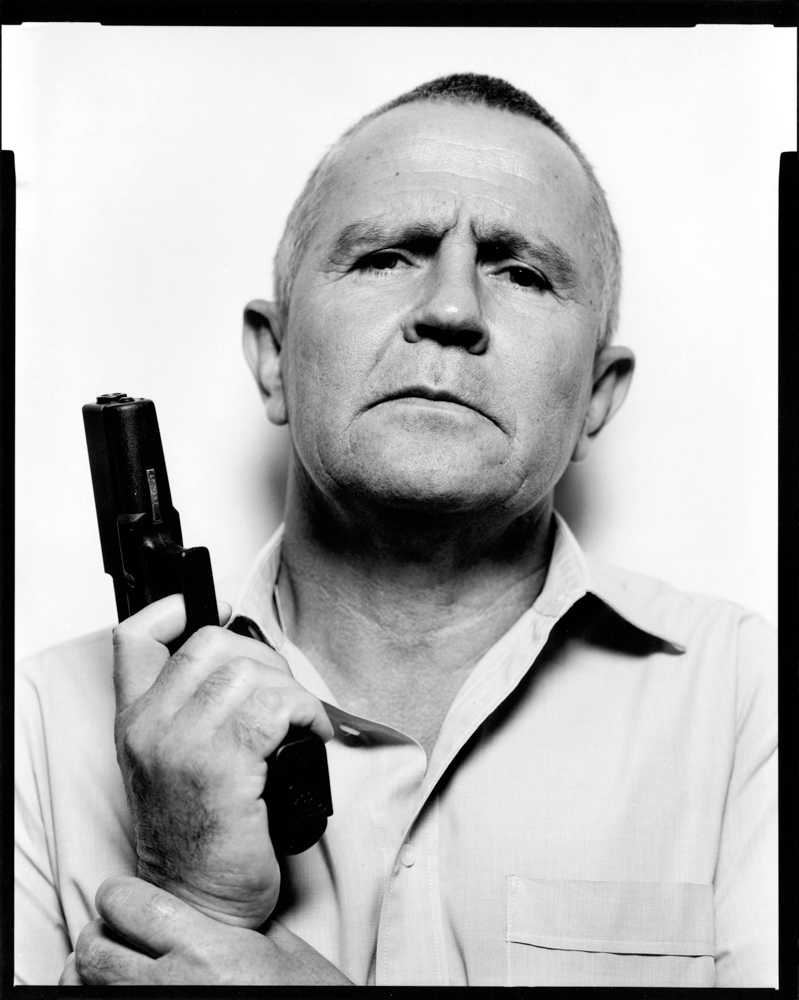
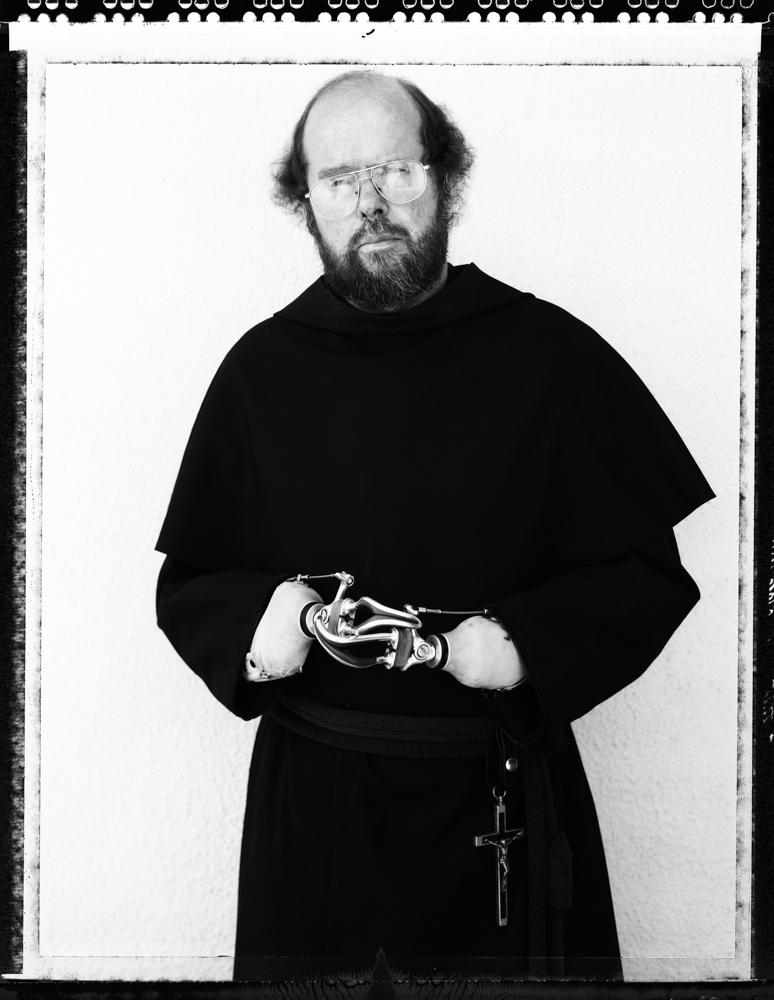
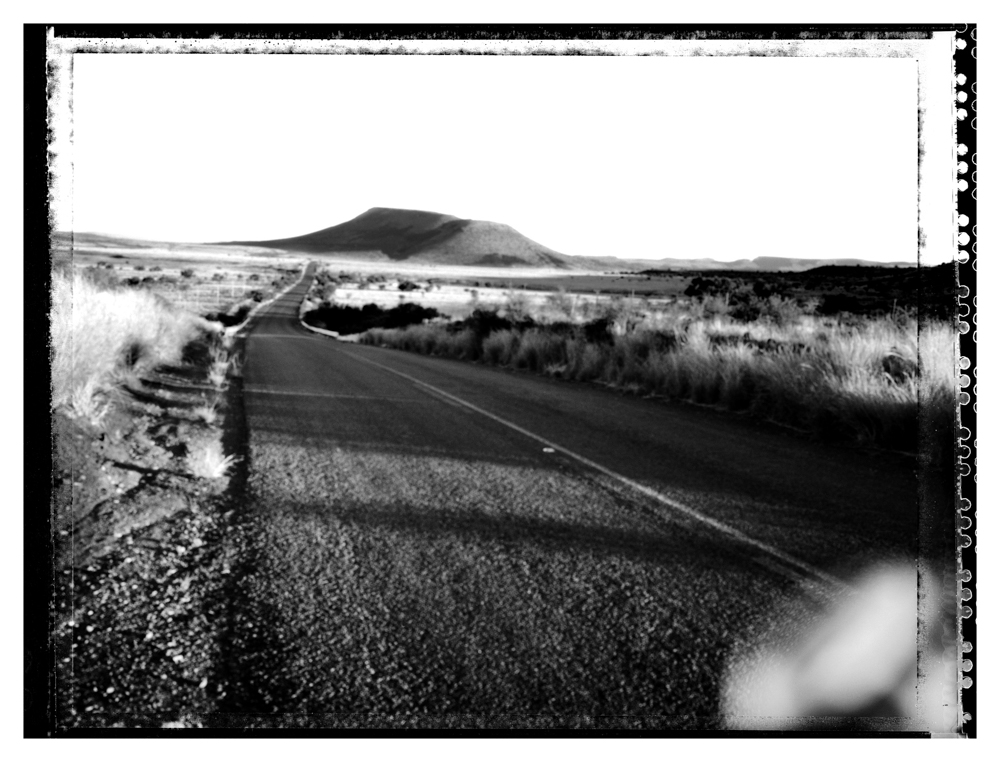
Over four years, Edelstein travelled repeatedly between London and South Africa, building a body of portraits shaped by conversation and proximity to testimony. The photographs place faces alongside narratives that had often remained unseen or unspoken.
For many victims, the act of being photographed formed part of a process of acknowledgement. It allowed for a reclaiming of identity and dignity. For perpetrators, the portrait often carries a different tension, revealing the complexities of accountability, memory and self-presentation.
Encounters Across a Divided Landscape
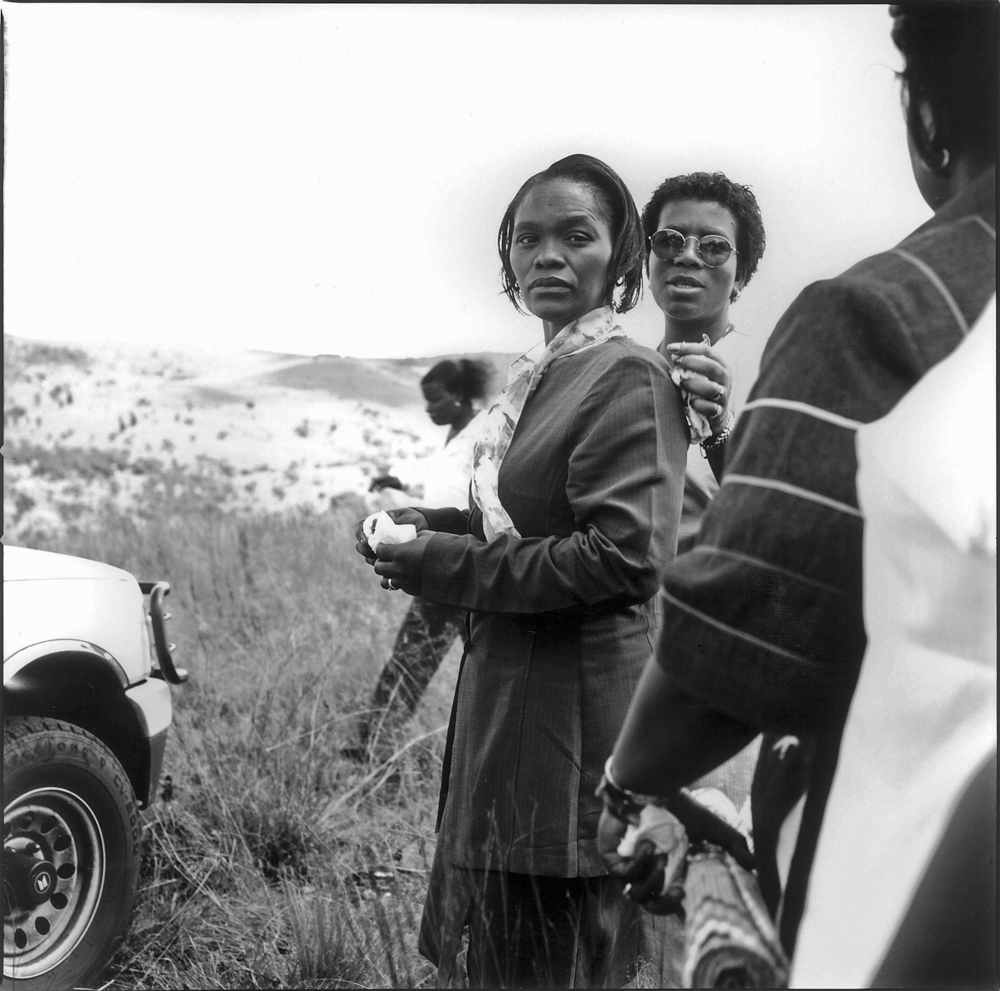
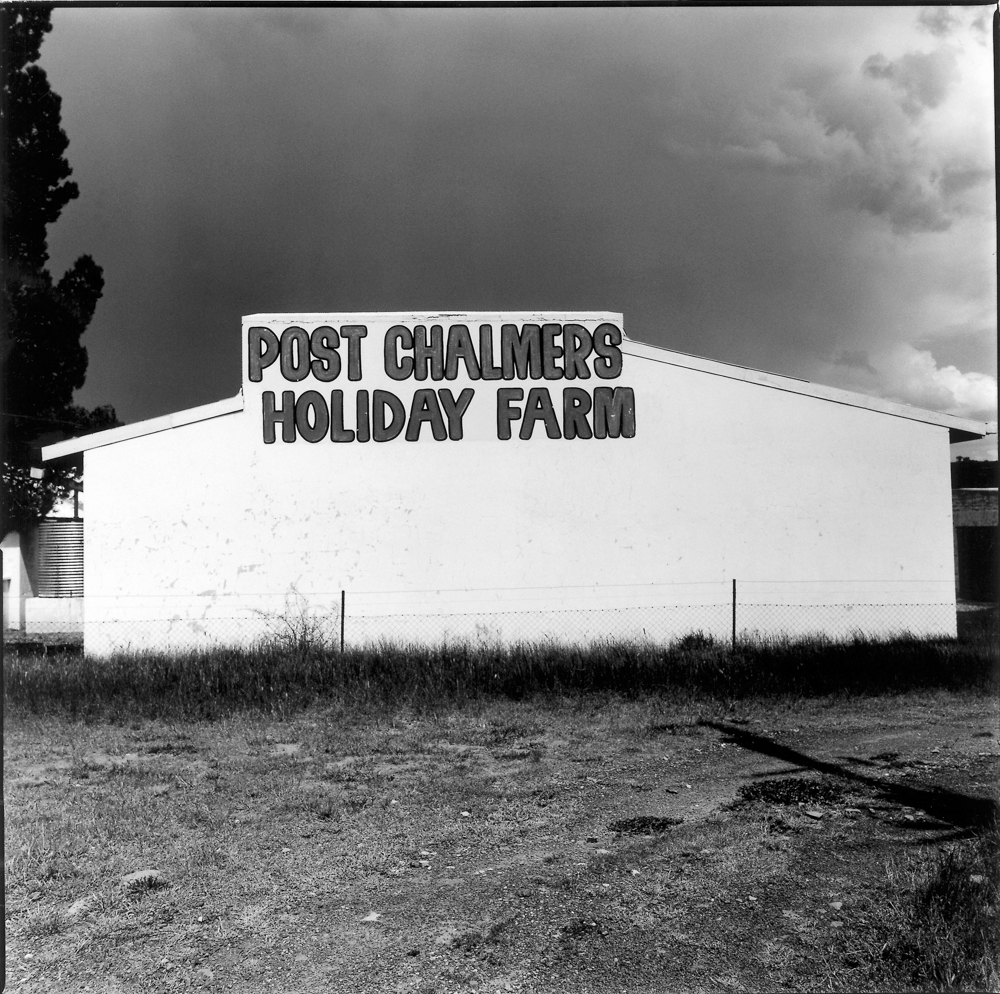
The work reflects encounters shaped by grief, memory and unresolved histories. In KwaZulu-Natal, Edelstein photographed individuals affected by political violence, including a mother who revisited the site where her son had been killed. These moments extend beyond documentation, holding both presence and absence within the frame.
Not all figures agreed to be photographed. Some refused participation, while others remained unreachable. These absences form part of the narrative, highlighting the limits of representation within a process that was itself incomplete.
The Limits of Truth
The Commission unfolded within contradiction. Testimonies were contested, narratives conflicted and the distinction between truth and distortion was not always clear. Some individuals evaded accountability, while others questioned the legitimacy of the process itself.
The Amnesty Committee extended its proceedings over several years, and while the hearings eventually concluded, their outcomes remain open to interpretation. For some, the Commission fell short of justice. For others, it provided a necessary space for acknowledgement.
What Remains
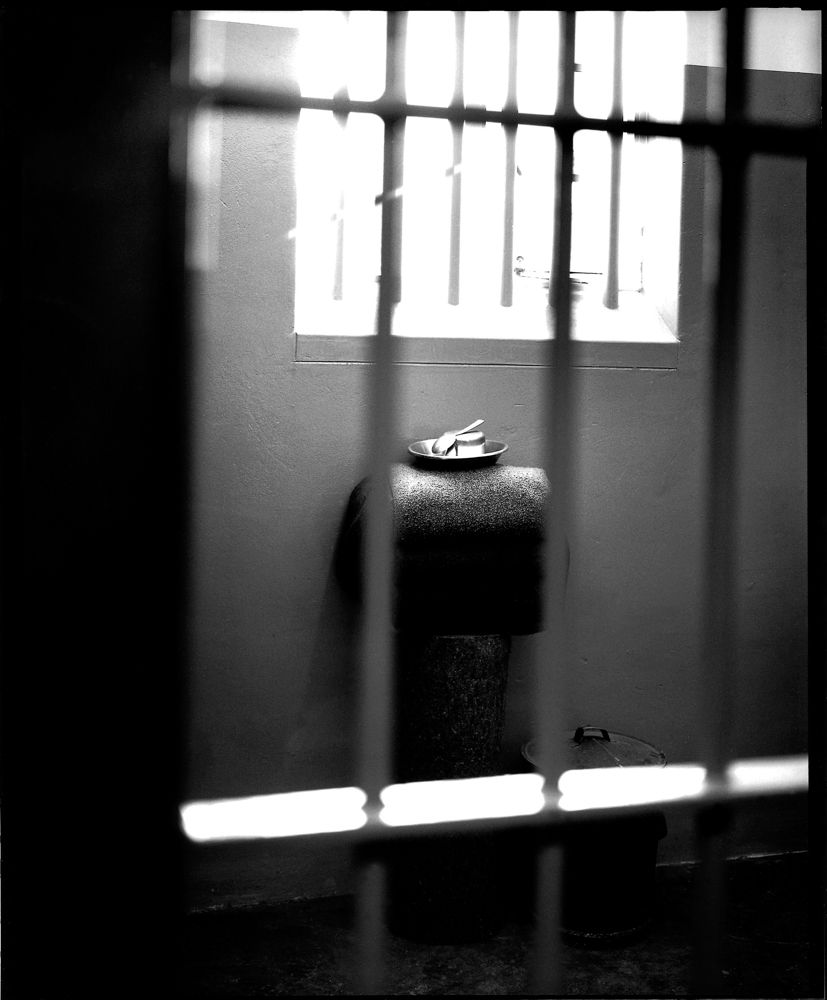
Edelstein’s photographs do not resolve these tensions. Instead, they hold them in place. The work exists between documentation and reflection, offering a visual record of a society attempting to confront its past.
For many who participated, the value of the process lay in the act of speaking and being heard. As one participant reflected after listening to testimony surrounding her son’s death, there was a sense that, at the very least, the truth had surfaced.
“At least now we know what happened.”







More Stories

Explore More Photographers
Continue exploring Gallery F’s photographic collections
Discover historically significant archival works and recent contemporary photography across the wider Gallery F programme.
Archival Photographers
View photographers whose works form part of South Africa’s photographic history, including rare handprints, documentary archives and historically important collections.
Contemporary Photographers
Explore recent photographic practices by living photographers whose work extends the collection into the present.