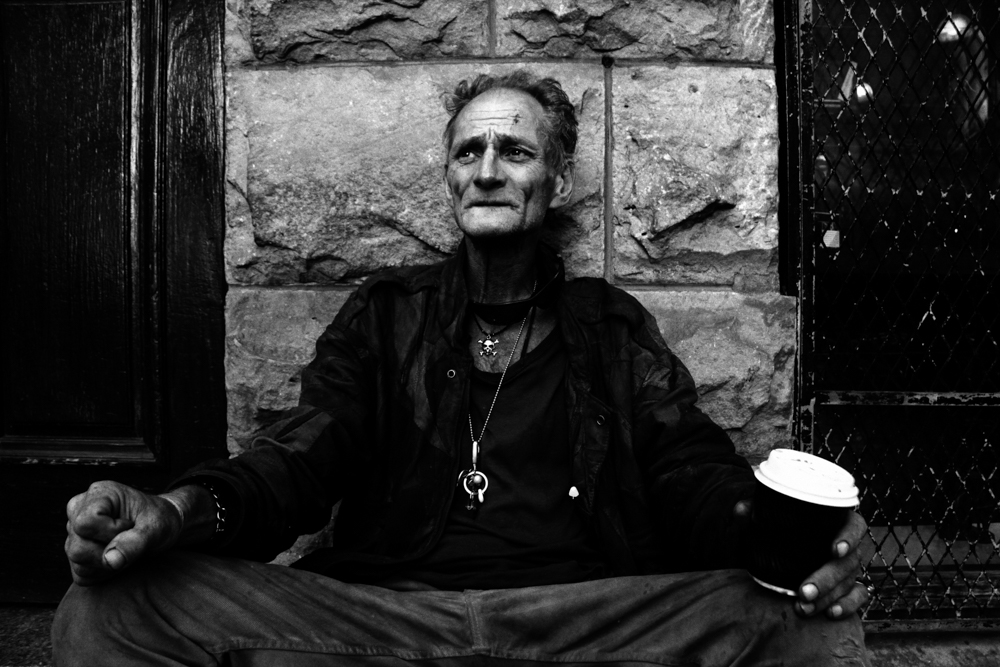
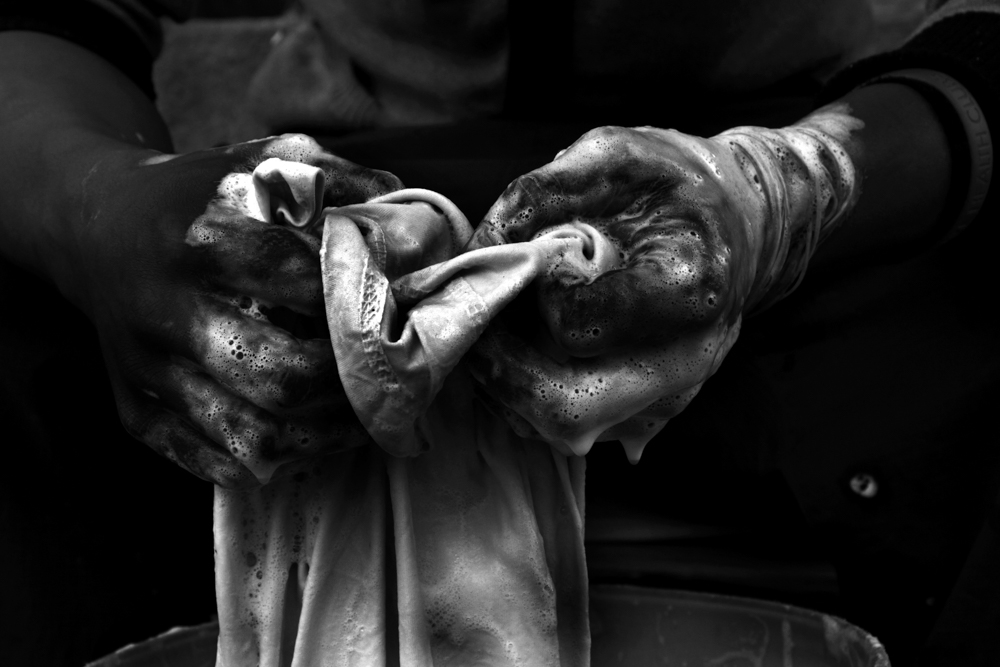
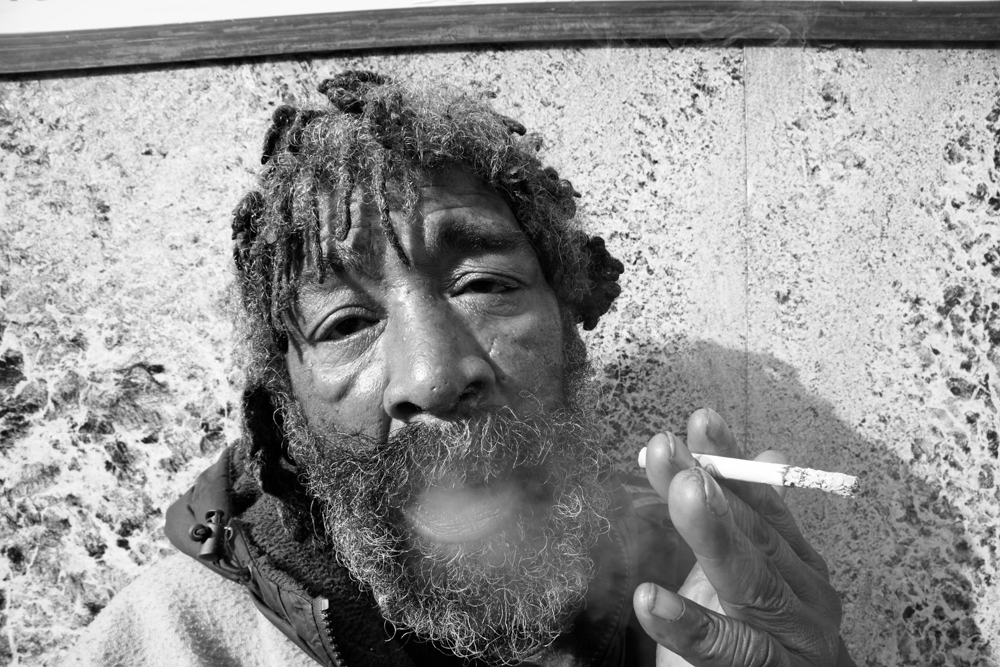
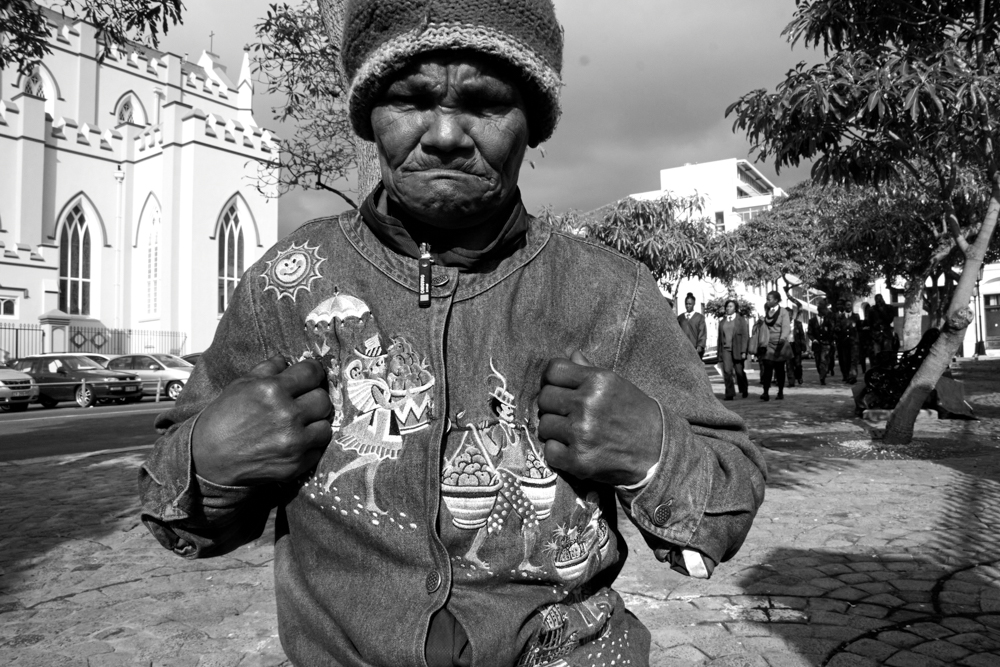
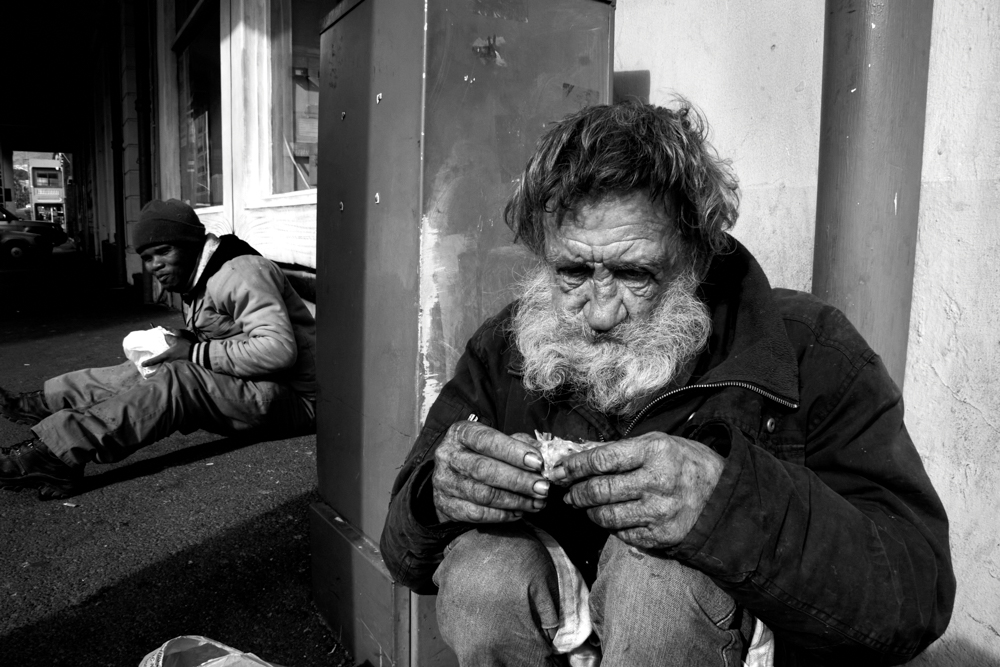
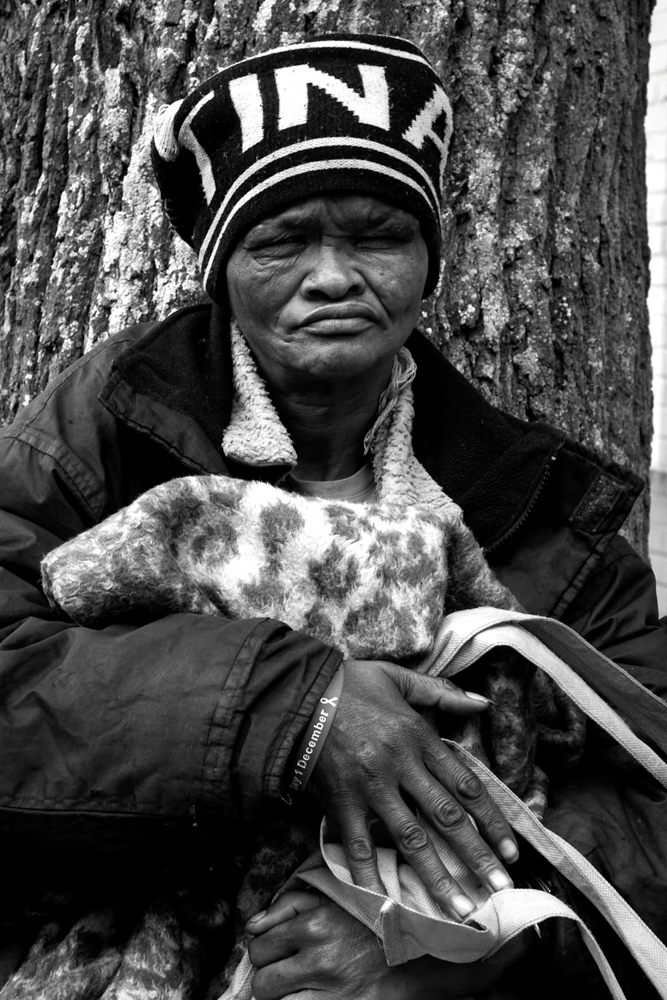
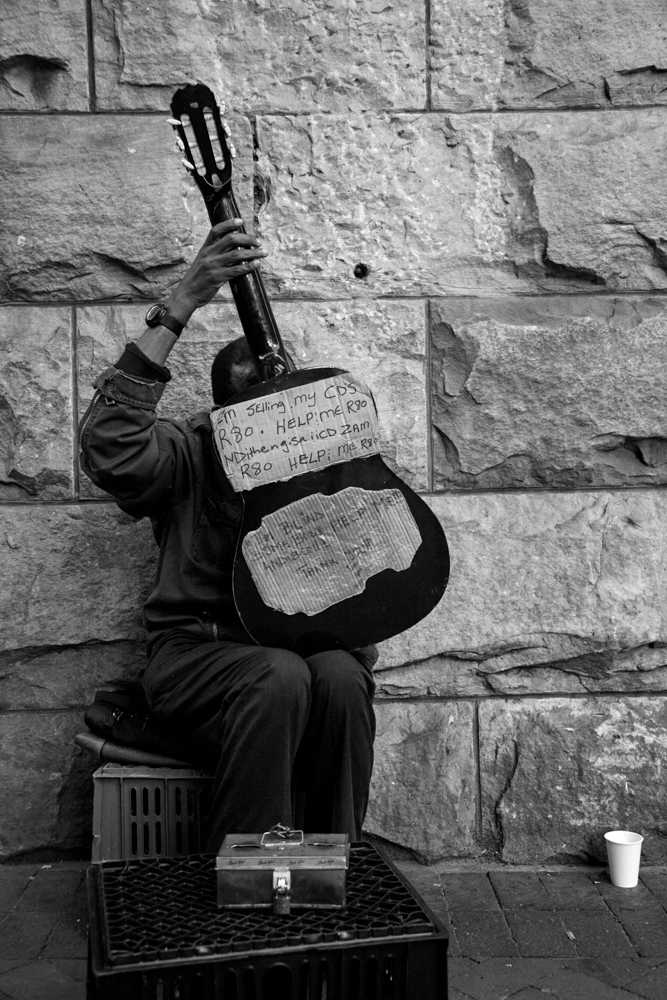
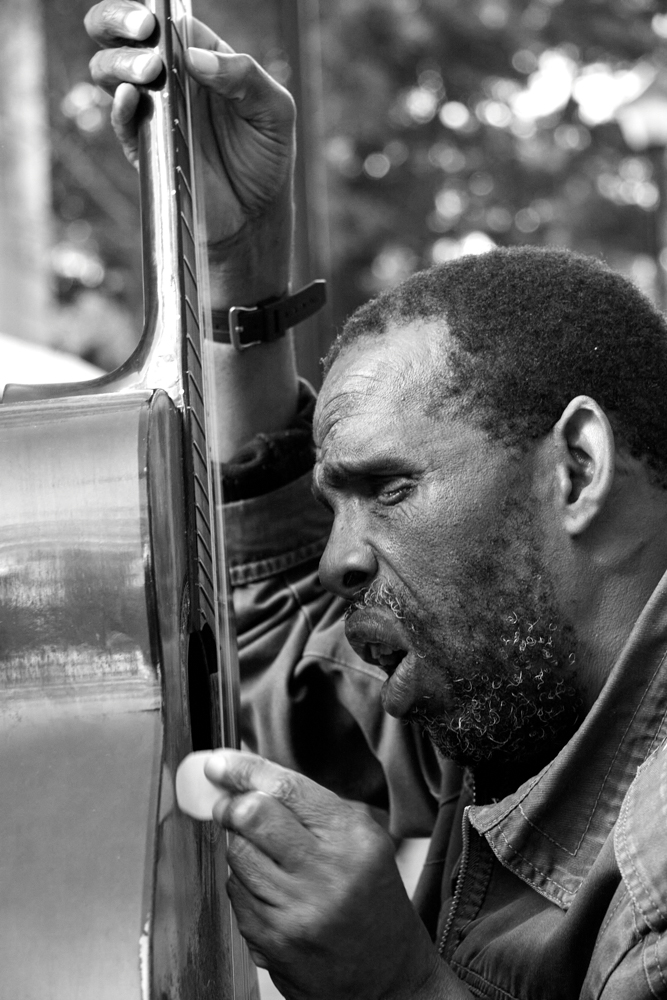
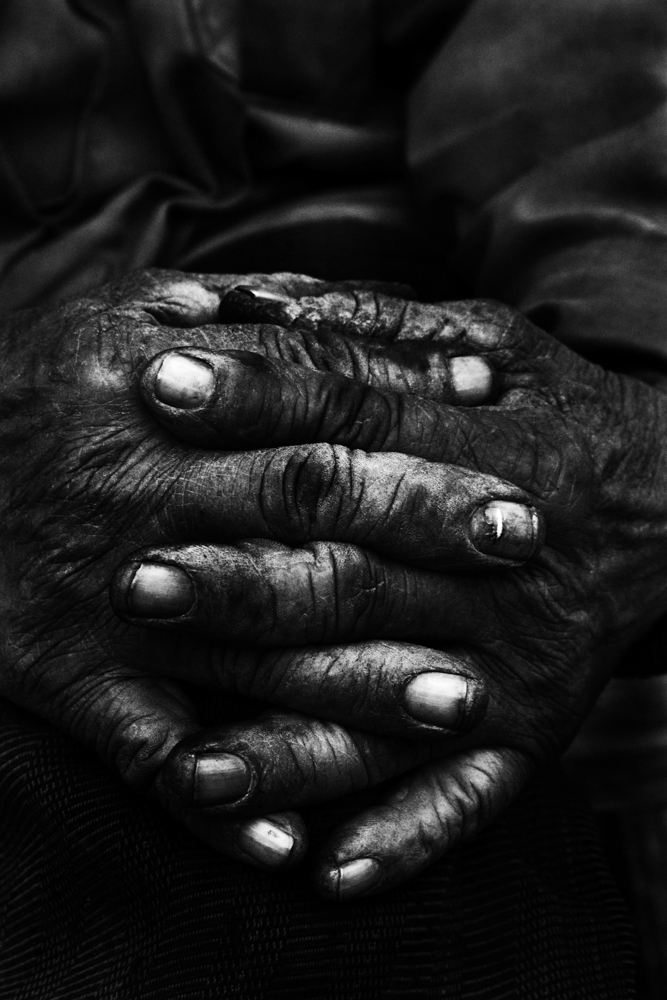
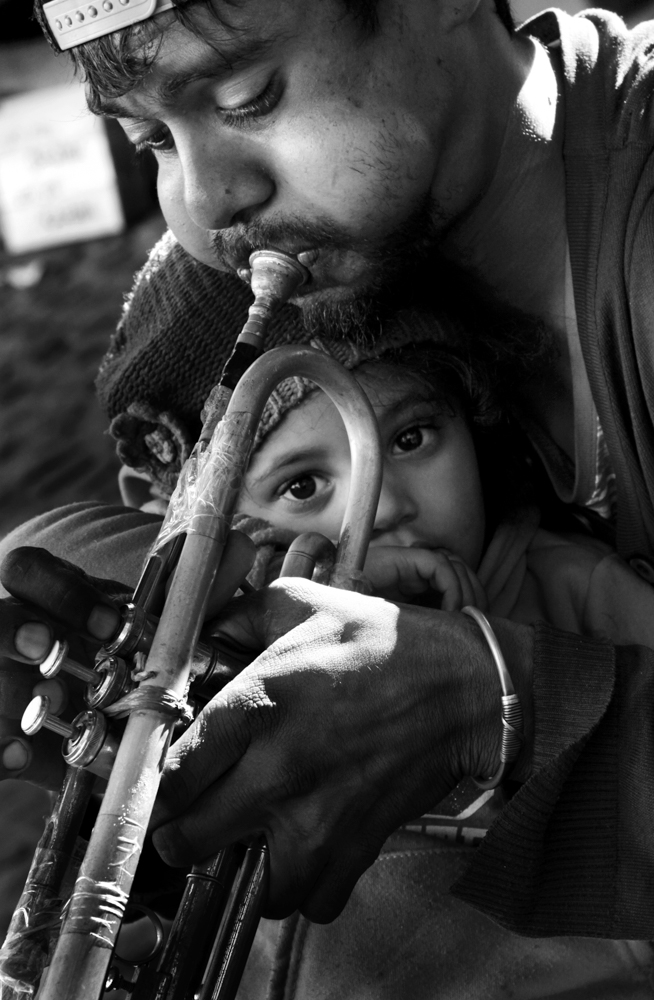
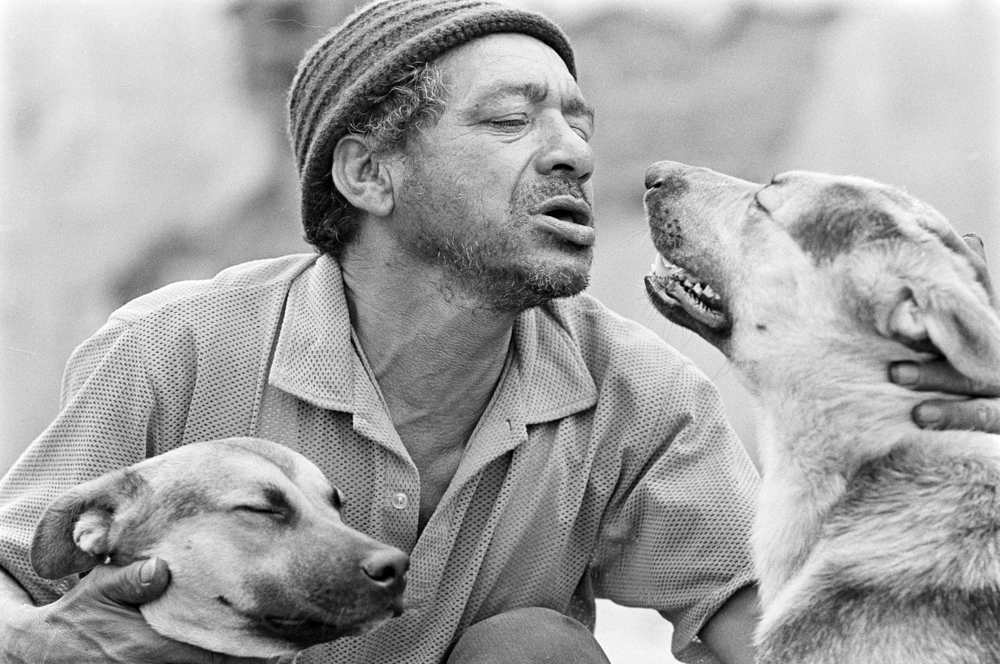
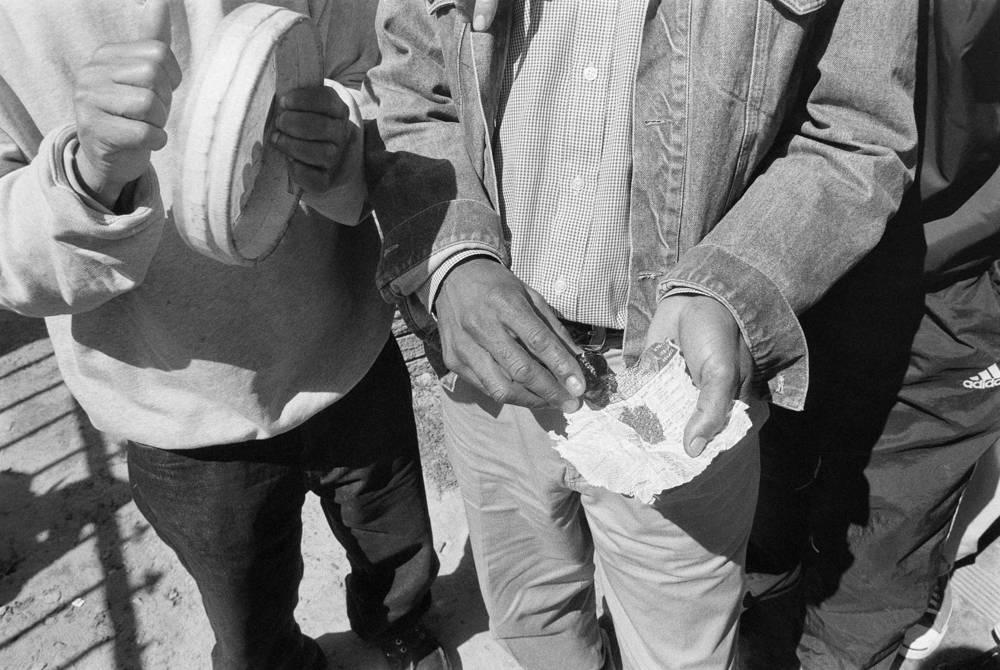
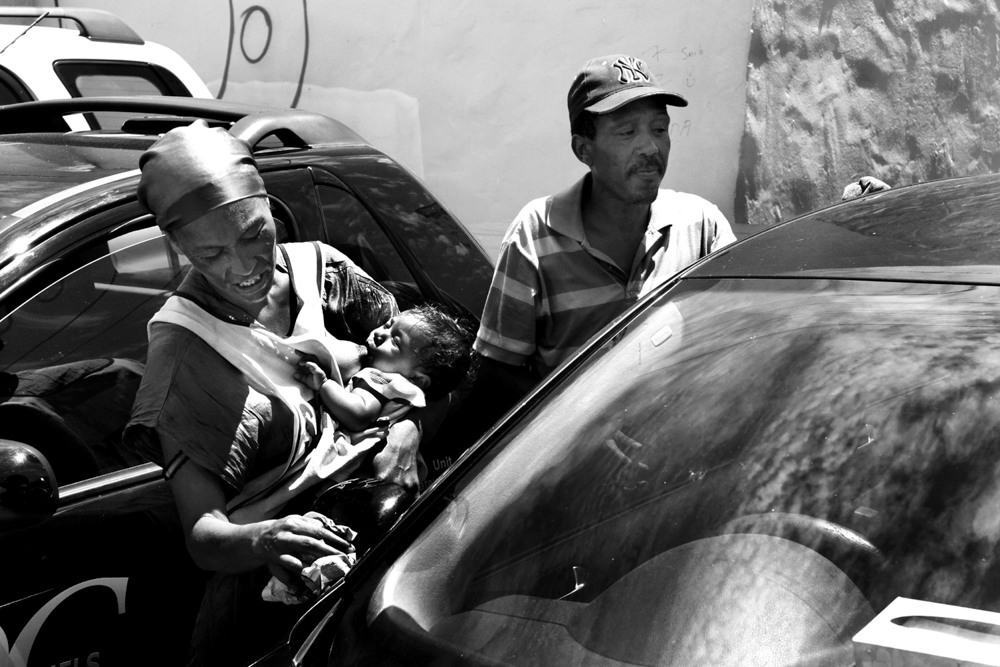
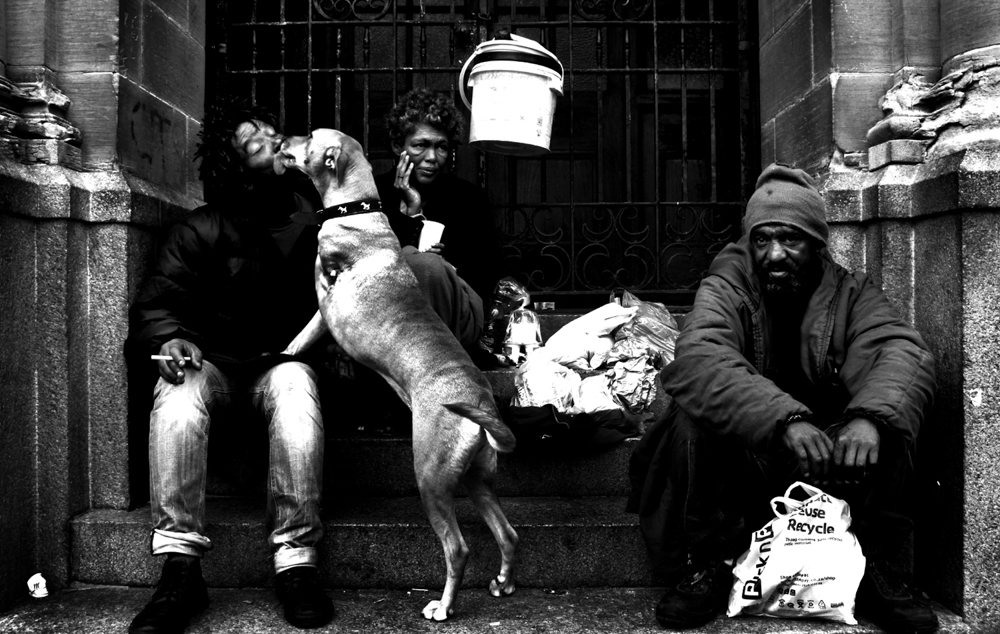
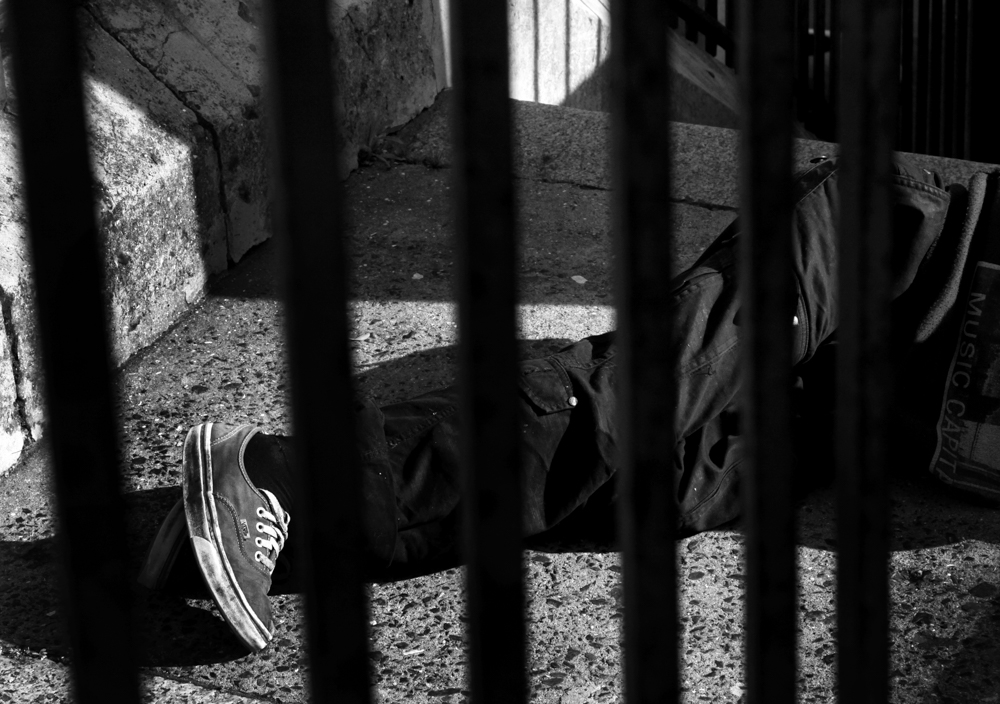
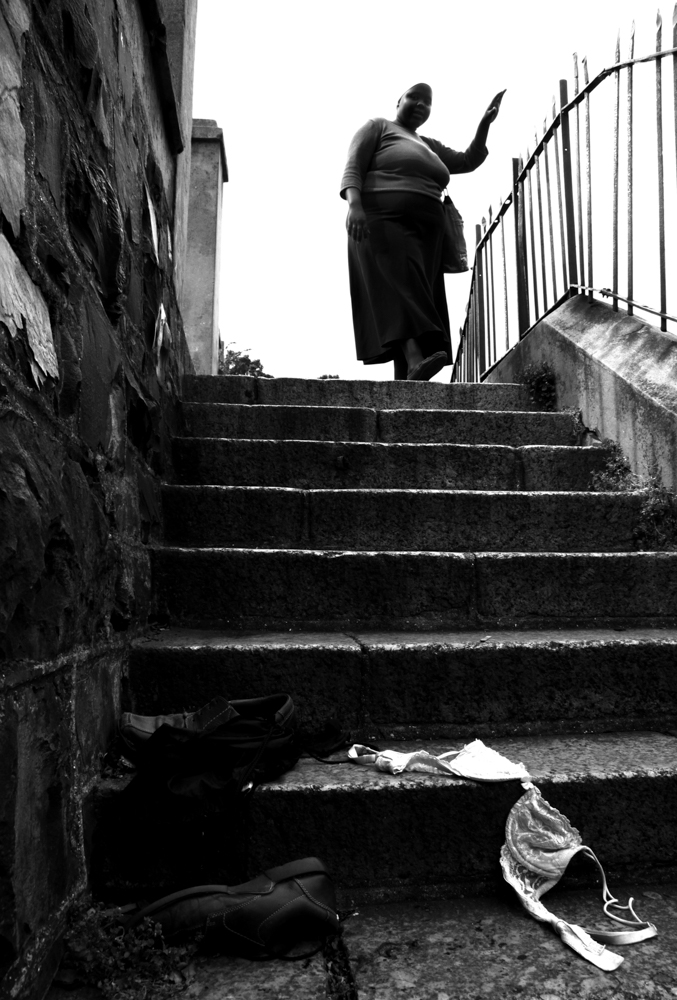
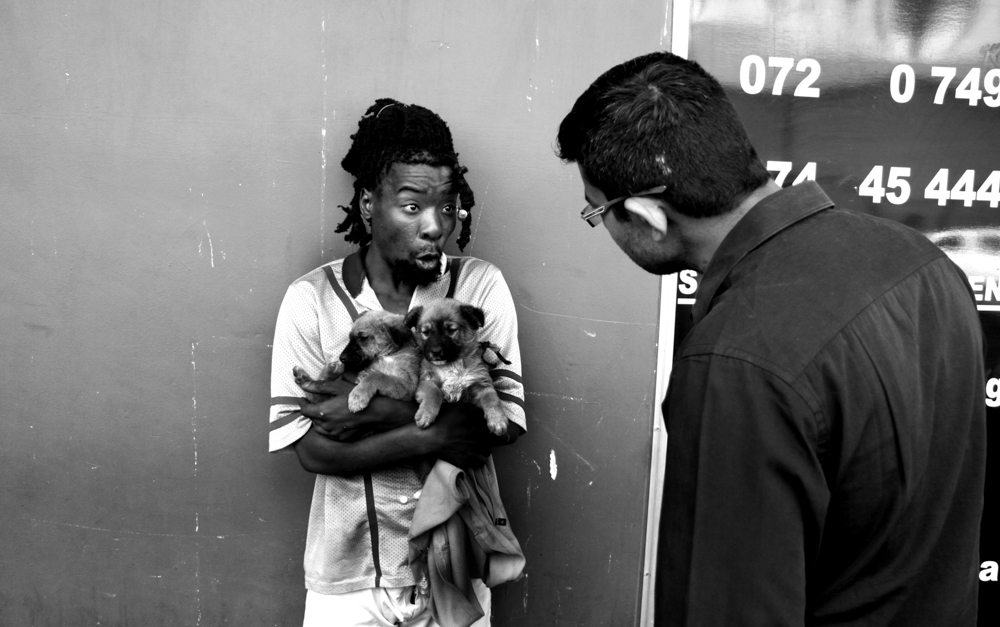
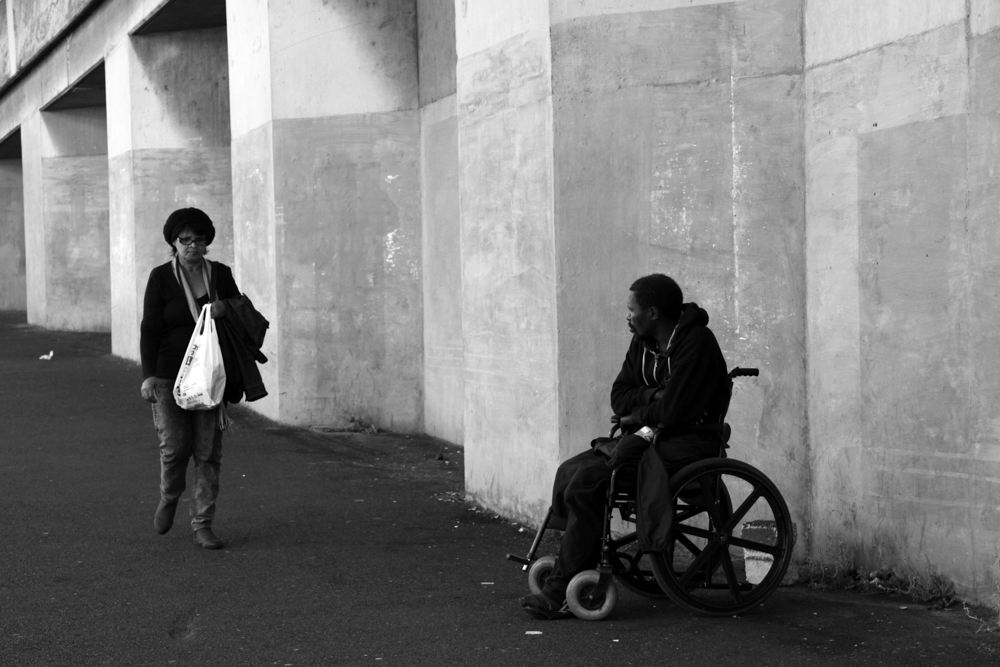
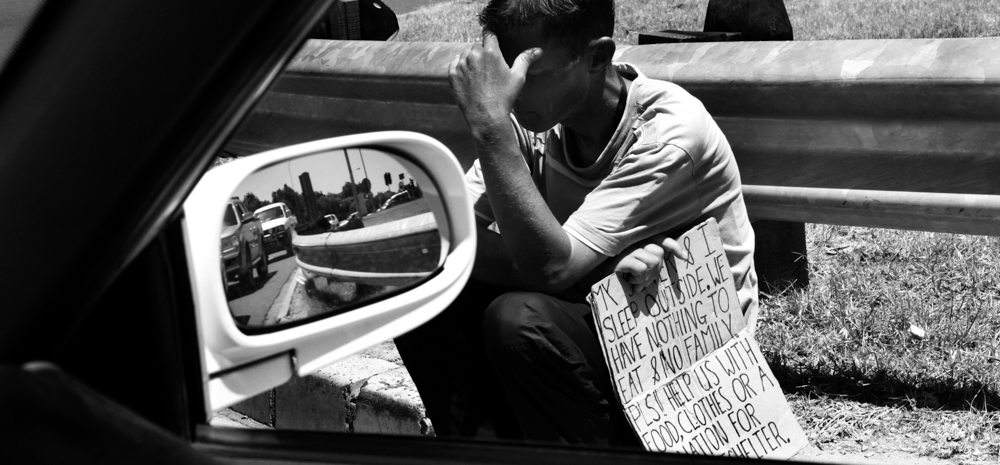
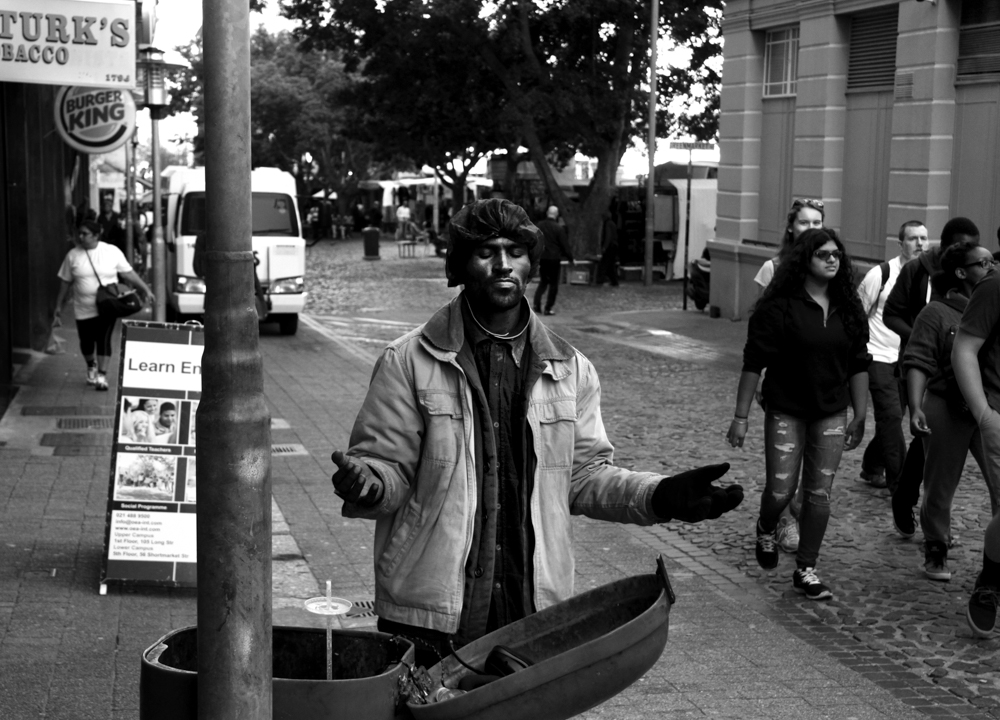
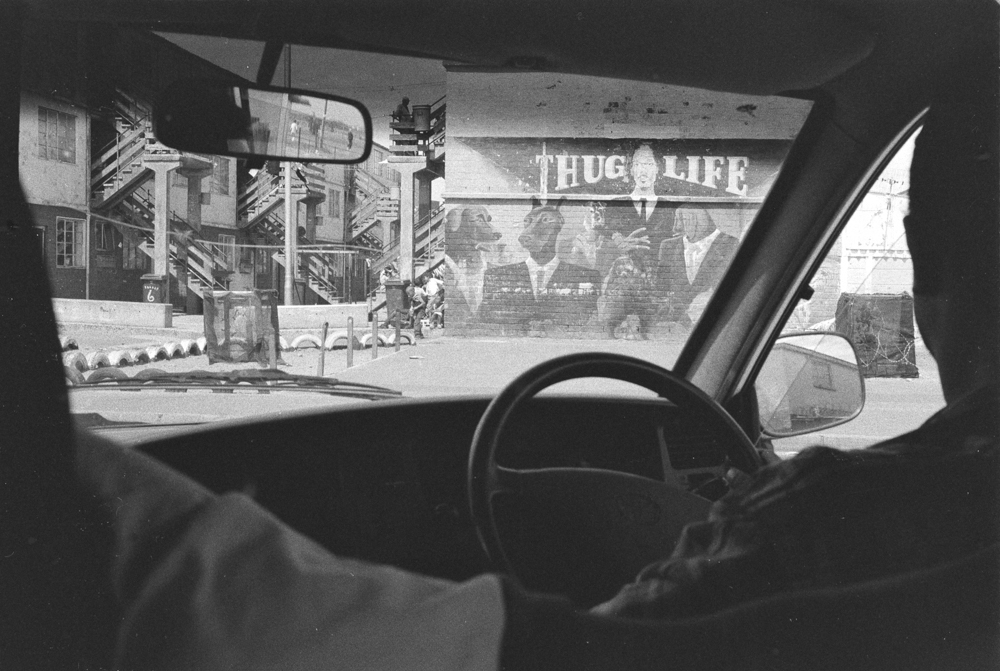
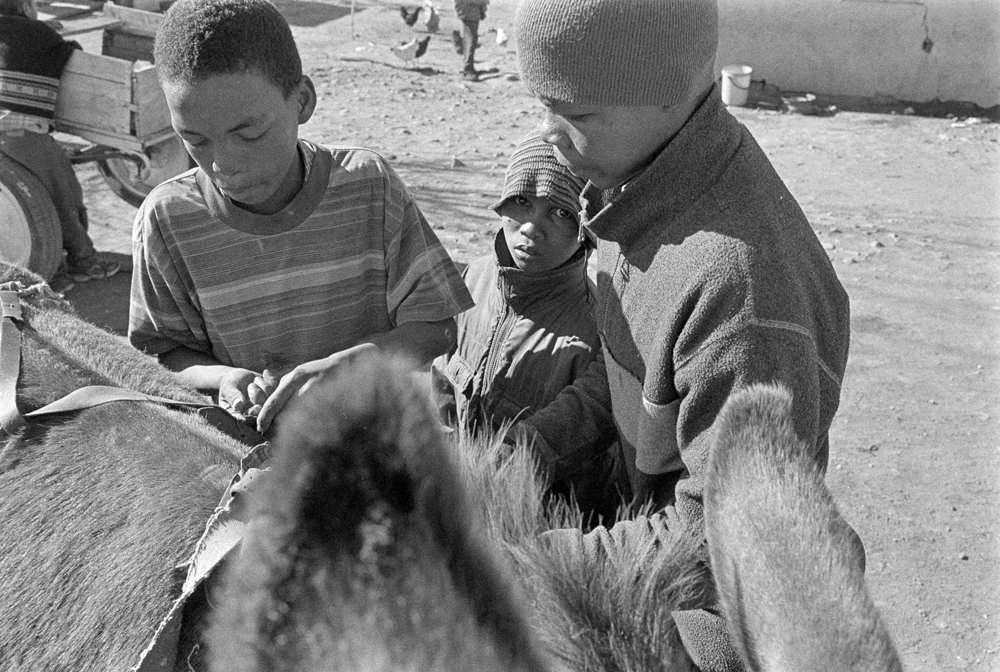
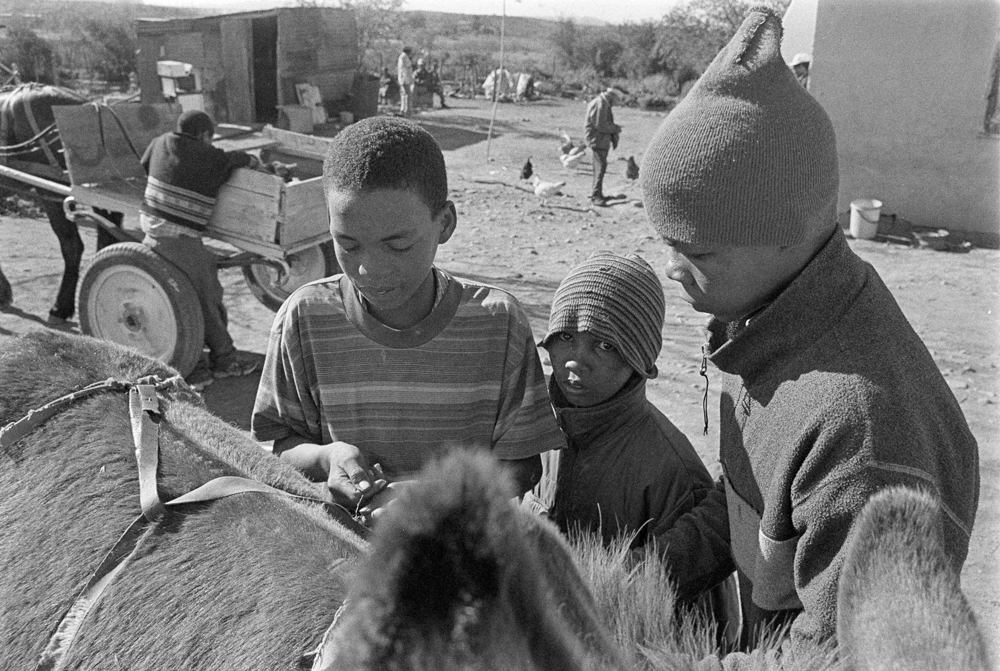
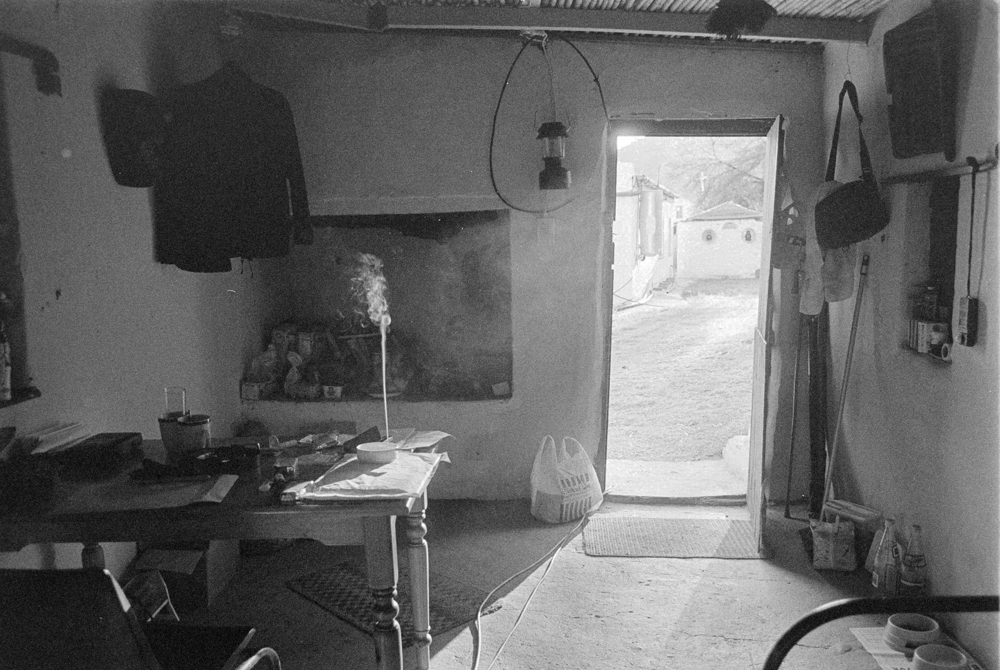
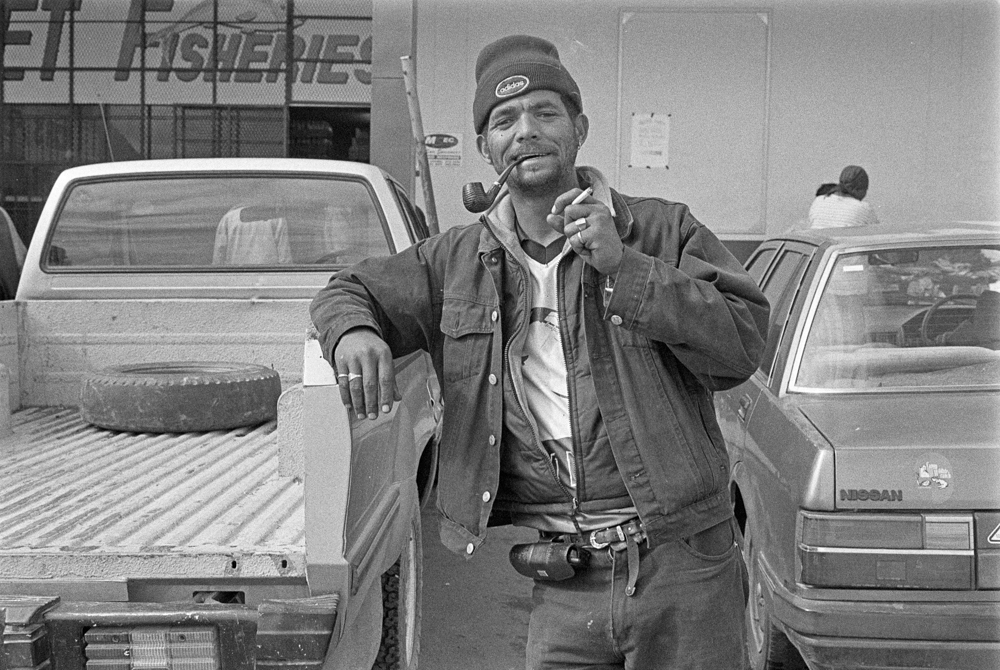
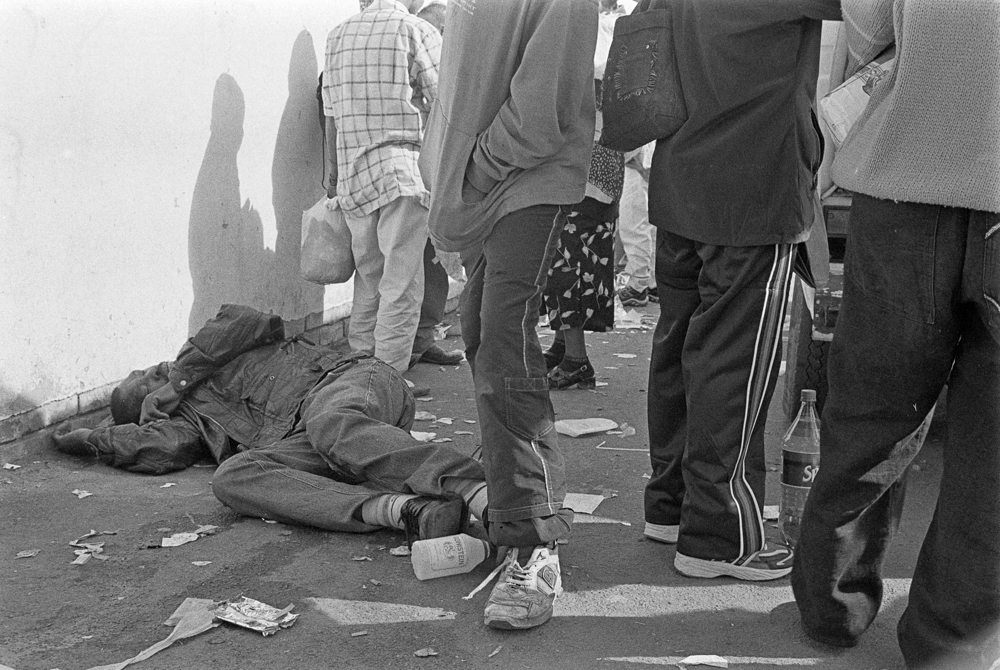
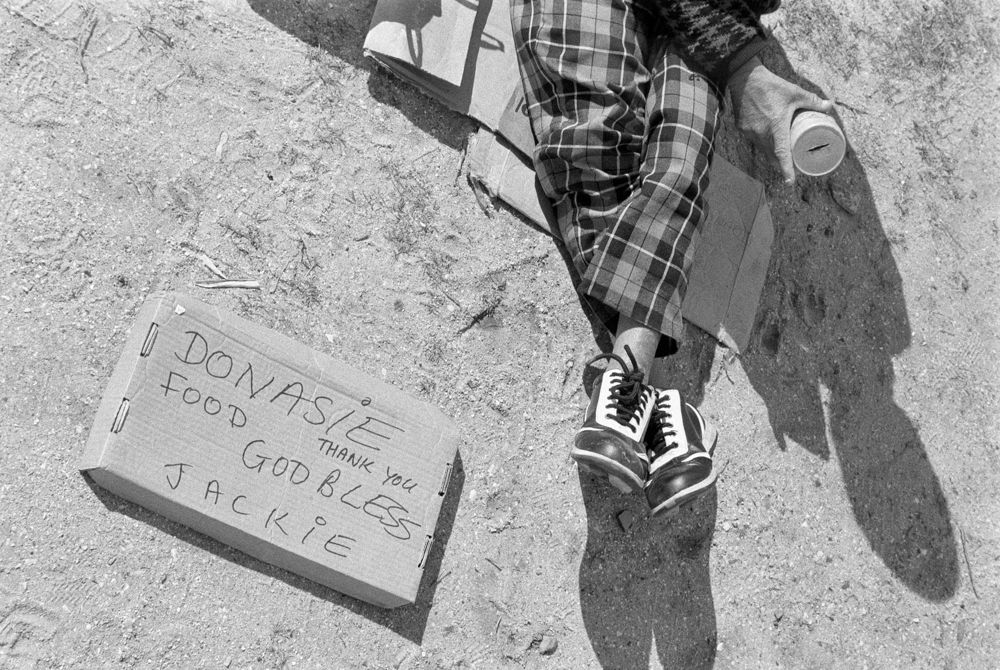
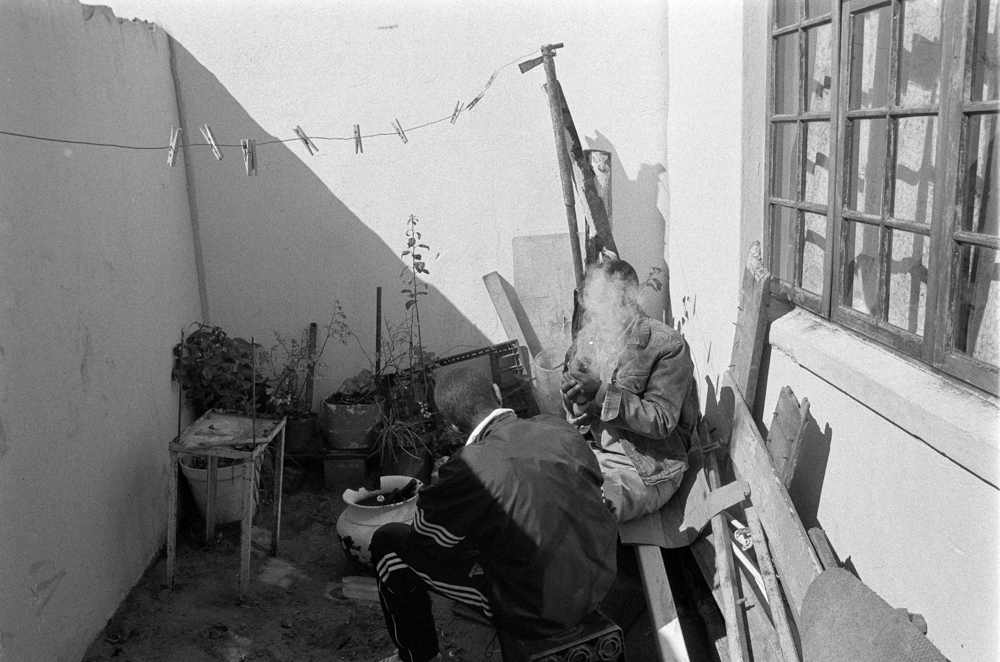
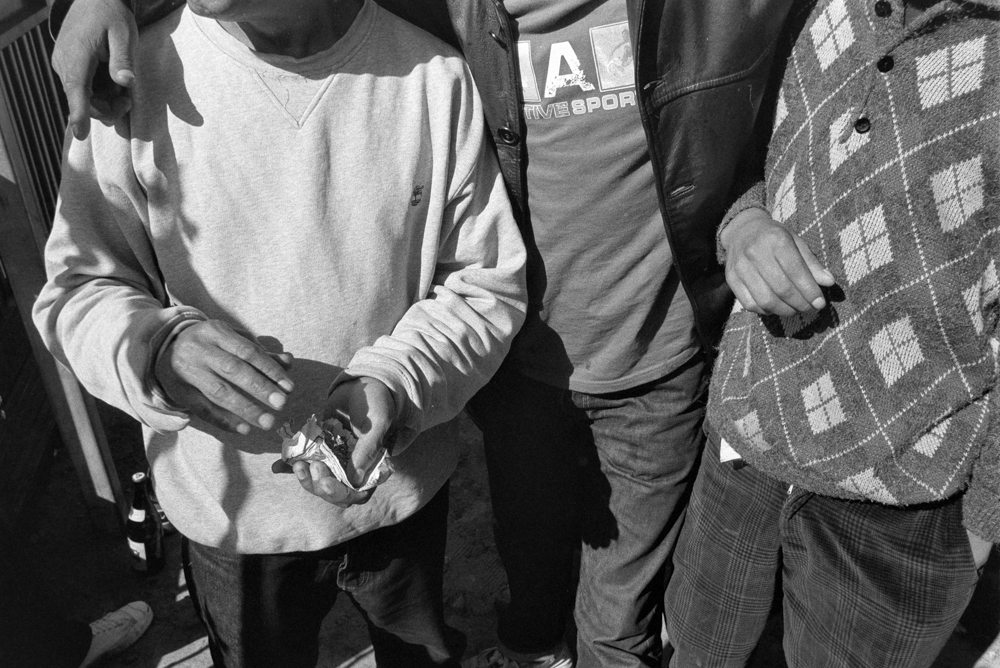
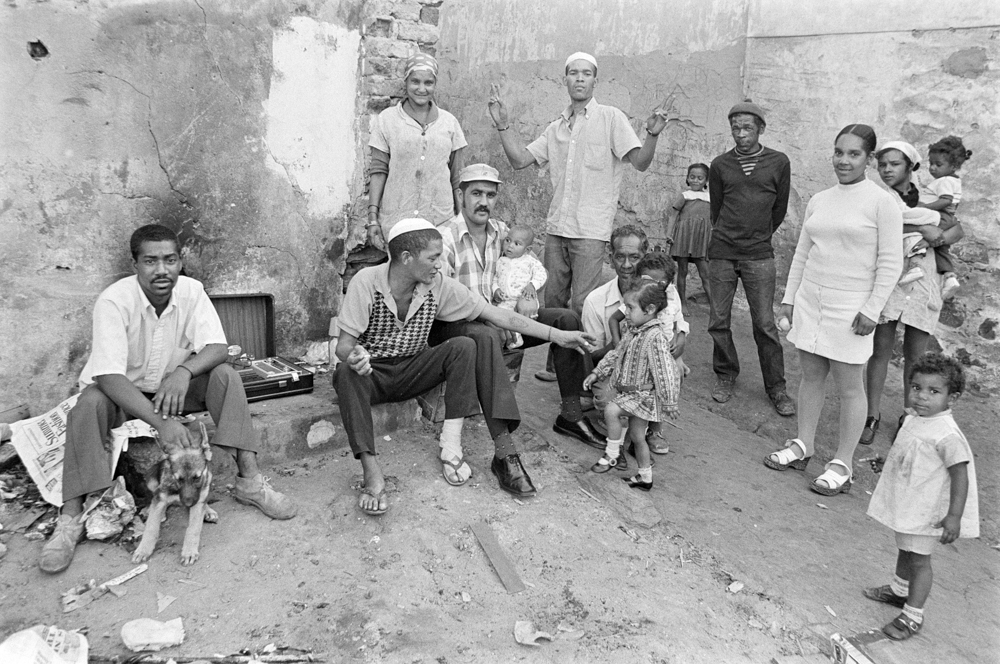
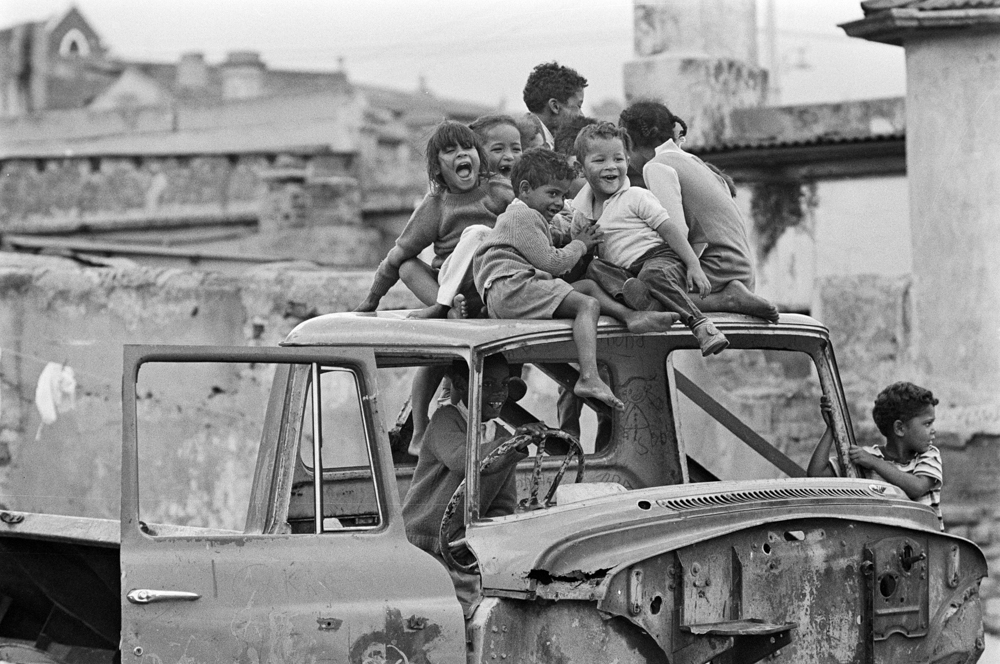
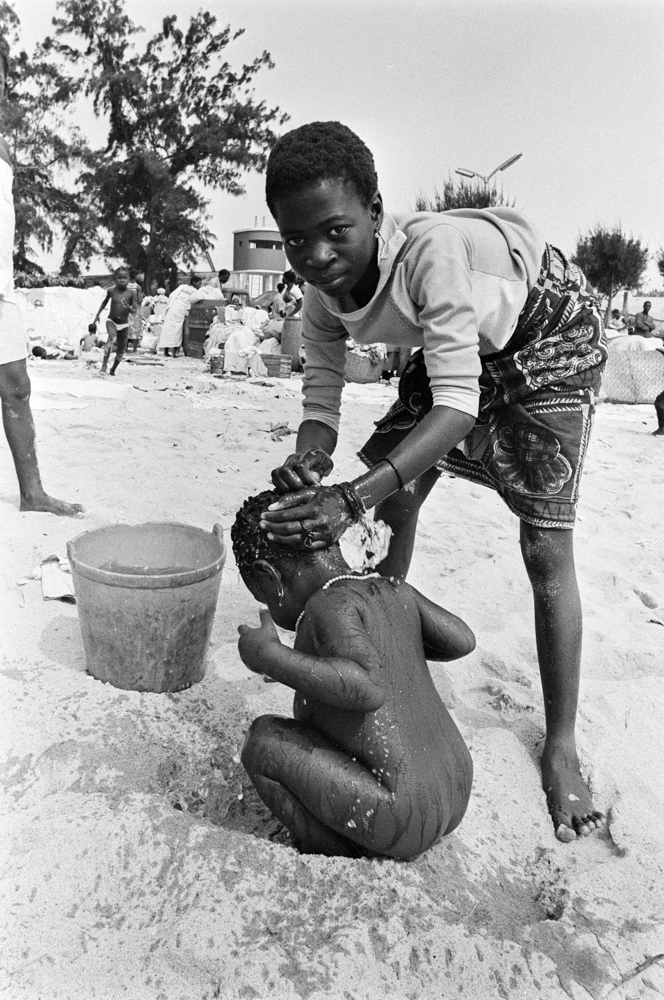
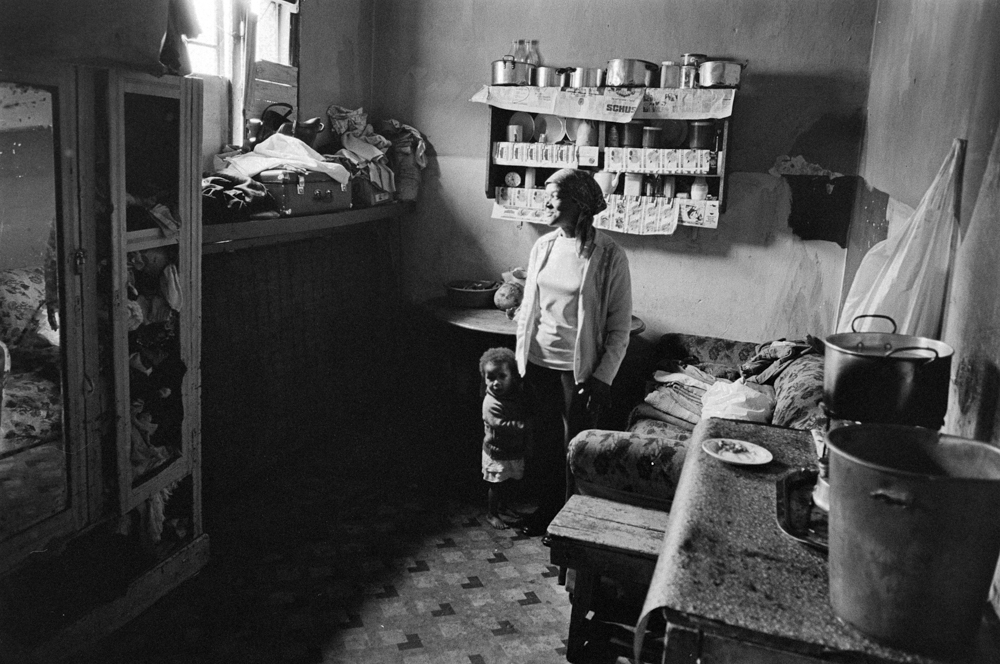
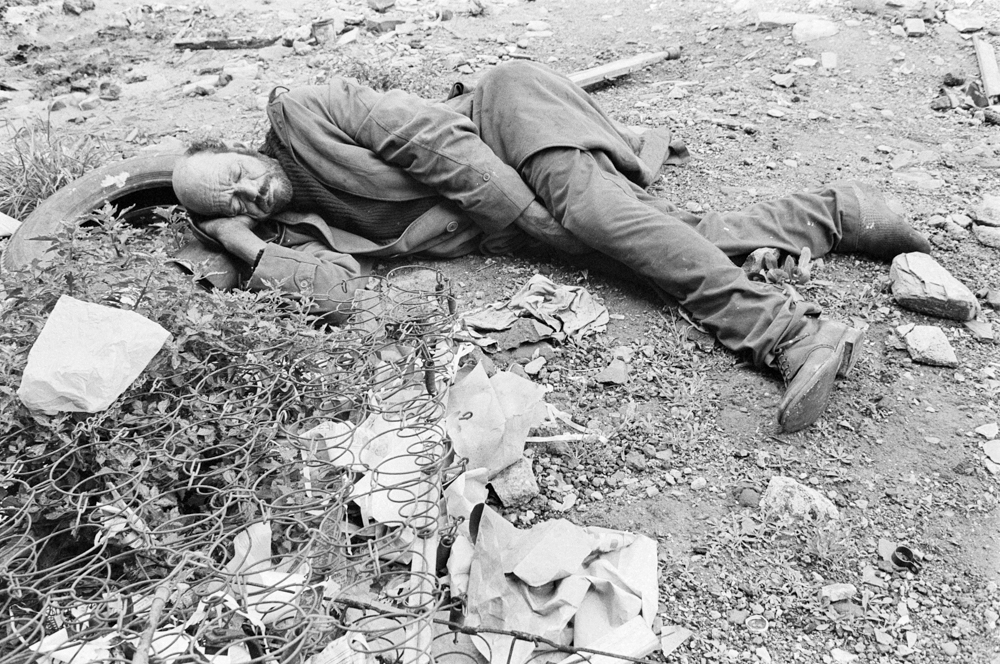
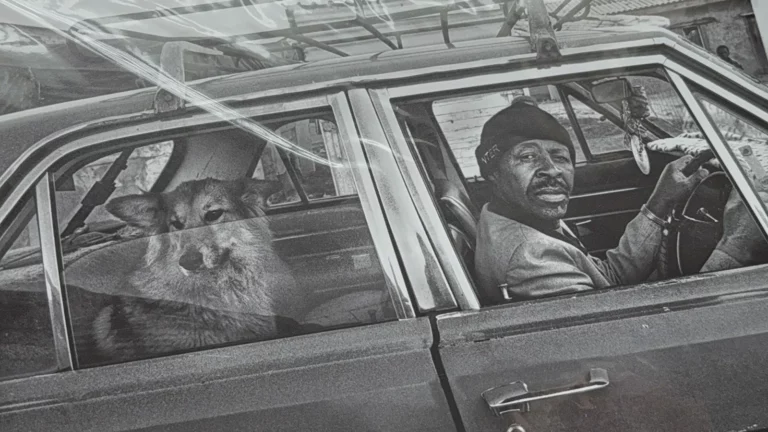
Juhan Kuus maintained a long-term documentary engagement with individuals and communities living outside mainstream representation. His photographs move into spaces often overlooked or marginalised within public discourse, including prisons, informal settlements, gang environments and situations shaped by homelessness. Through sustained access and close observation, the work forms a visual record grounded in proximity rather than distance.
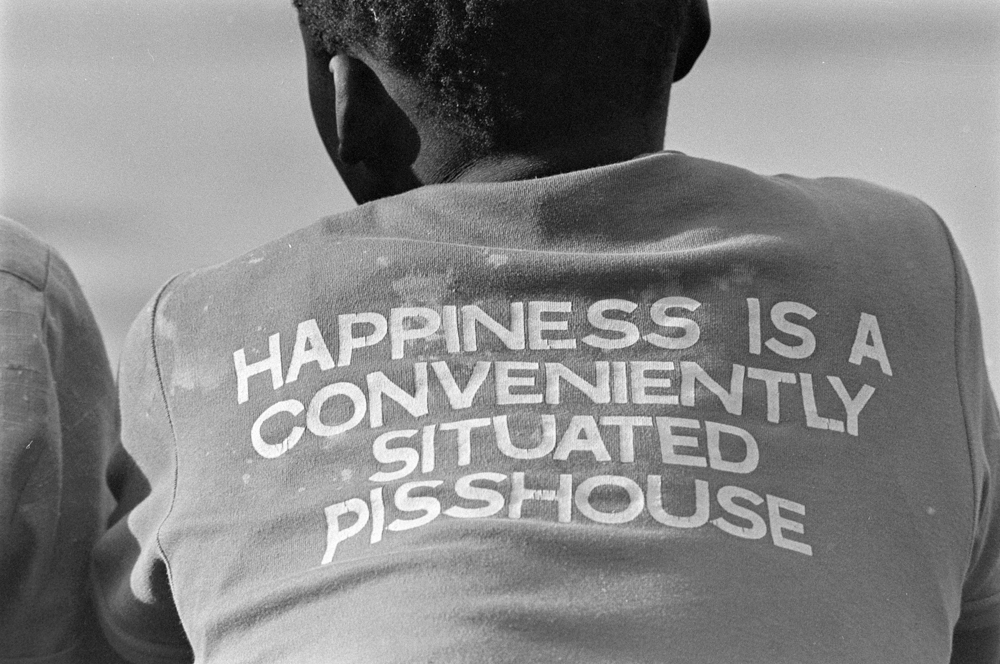
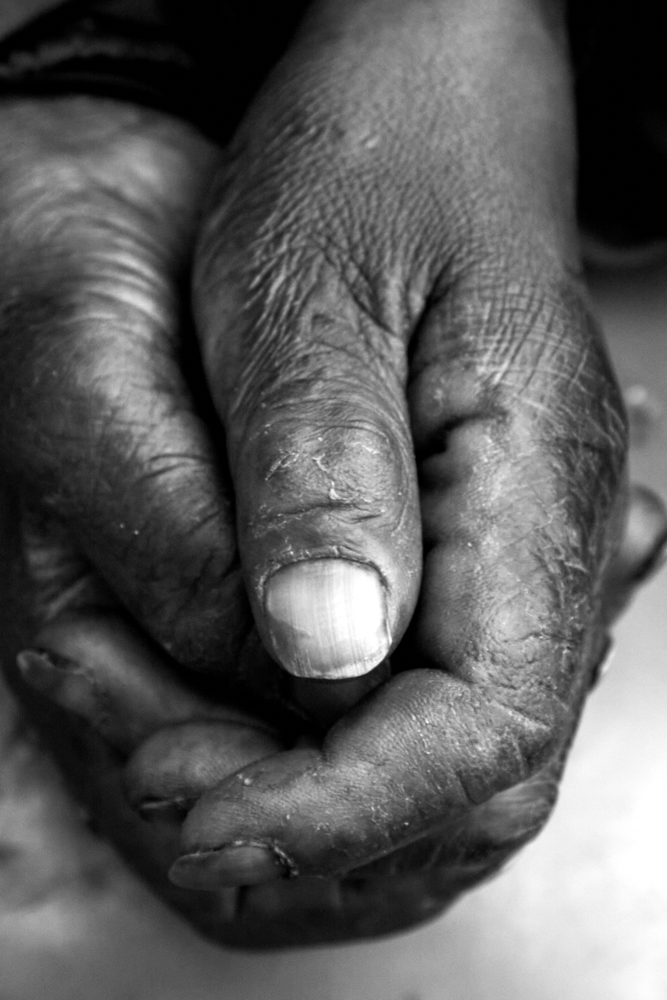
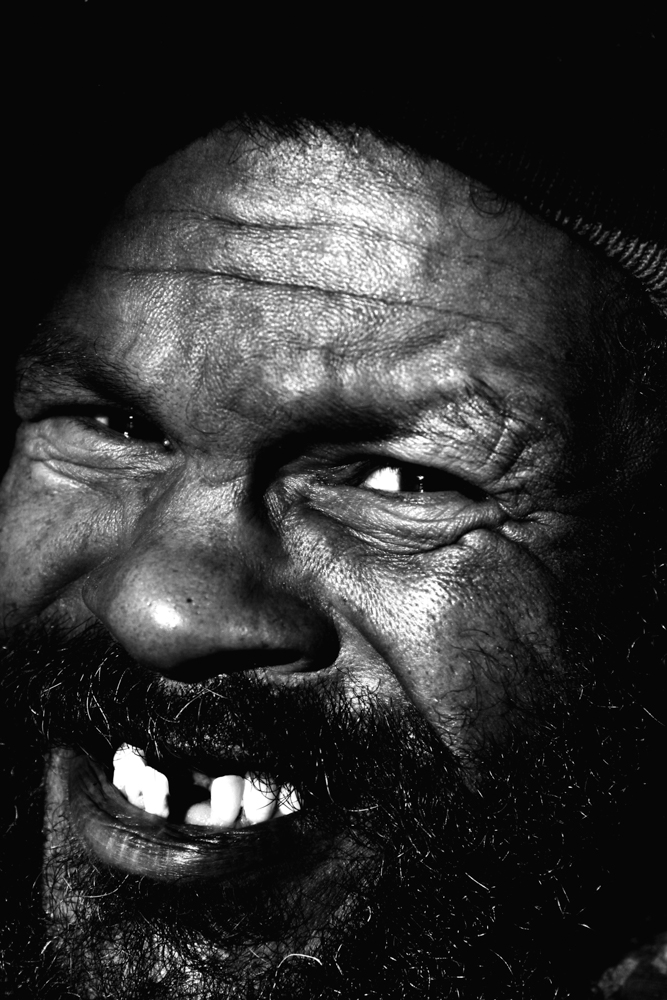
Rather than presenting subjects as anonymous or abstract figures, Kuus’s photographs emphasise individuality and presence. The images often position viewers in close relation to those depicted, creating a sense of immediacy that resists detachment. This approach allows the photographs to operate as encounters rather than distant observations.
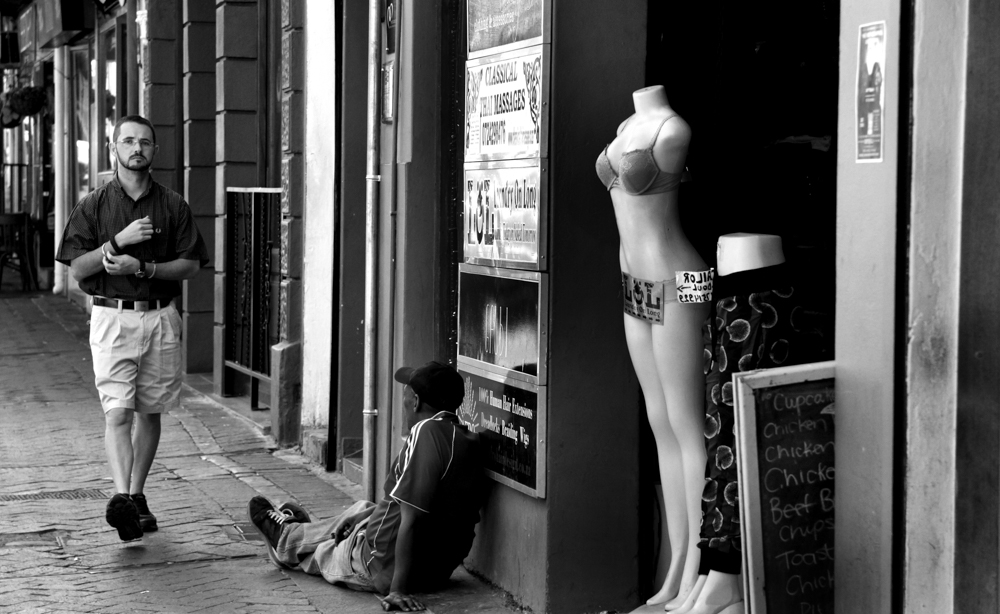
The work does not isolate these communities from the broader social landscape. Instead, it situates them within the structural conditions that shape their lives. Environments, gestures and interactions all contribute to an understanding of how marginalisation is experienced in everyday terms.
Access and Proximity
A defining aspect of this body of work is the level of access Kuus was able to establish. Whether photographing within correctional facilities or within communities affected by poverty and social exclusion, his images reflect time spent within these environments rather than brief or external observation.
This proximity allows the photographs to move beyond surface description. They begin to reveal patterns of behaviour, relationships and spatial dynamics that would remain less visible without sustained engagement.
The photographs operate through presence, allowing individuals to appear within their own environments rather than as distant subjects.
Representation and Visibility
In documenting marginalised communities, Kuus’s work raises broader questions about representation and visibility. Who is seen, and under what conditions, becomes central to understanding the role of documentary photography in shaping public perception.
His photographs do not offer simplified narratives. Instead, they hold complexity within each frame, allowing multiple readings to exist simultaneously. Individuals appear within social contexts that are neither reduced to stereotype nor separated from their lived realities.

Archival Importance
As part of the broader Juhan Kuus archive, this body of work contributes to a deeper understanding of South African social history. It records aspects of life that are often absent from official narratives, preserving moments, environments and experiences that might otherwise remain undocumented.
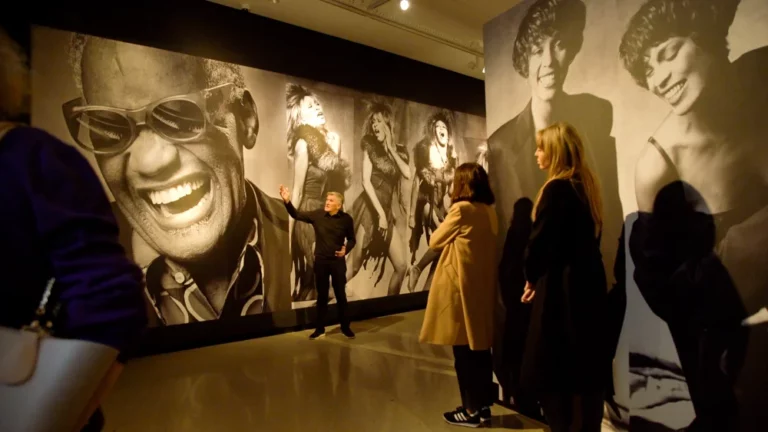
Within the context of Gallery F, presenting these photographs allows for a careful engagement with both their visual qualities and their historical significance. The images function as records of specific conditions while also forming part of a larger photographic practice concerned with observation, continuity and social context.
A Sustained Engagement
Seen together, the photographs reflect a sustained commitment to documenting lives that exist at the edges of visibility. They suggest a practice built over time, shaped by repeated return and continued presence within these environments.
For viewers, the work offers an opportunity to consider not only the subjects depicted, but also the structures that define inclusion and exclusion within society. In this way, the photographs extend beyond documentation, contributing to an ongoing conversation around visibility, dignity and representation.