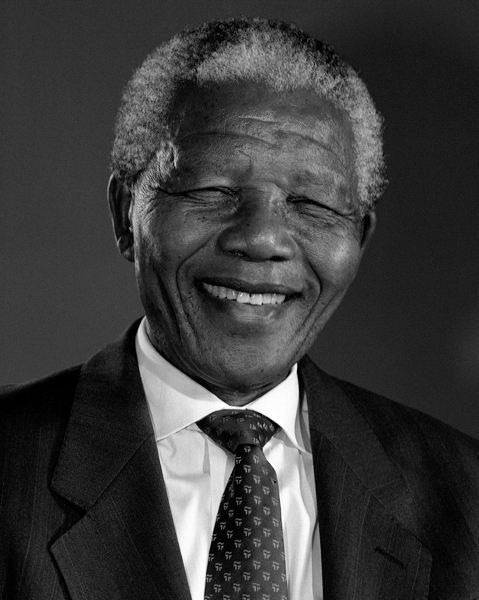
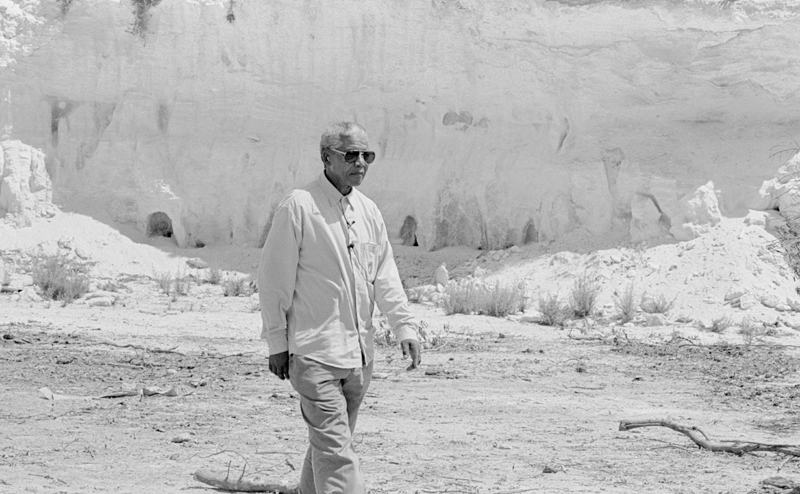
Jurgen Schadeberg’s photographs of Nelson Mandela form part of a long visual relationship extending from 1952 to 2013. Taken across very different political moments, these images do not simply follow one man’s public life. They also trace the changing history of South Africa itself, from the early years of organised resistance to the post-apartheid era in which Mandela became one of the most widely recognised political figures of the twentieth century.
To view these photographs together is to encounter a record shaped by time, distance and historical transformation. Early images carry the energy of a young lawyer and activist entering public life. Later photographs are marked by memory, return and the weight of national history. Across the decades, Schadeberg’s work preserves not only Mandela’s presence, but also the shifting meanings attached to that presence.
The significance of this body of work lies partly in its continuity. Few photographers were able to picture Mandela across such a long span. As a result, the photographs move beyond portraiture in the narrow sense. They become part of a wider visual archive of leadership, resistance, absence and political legacy.
1952 and the Beginning of a Public Image
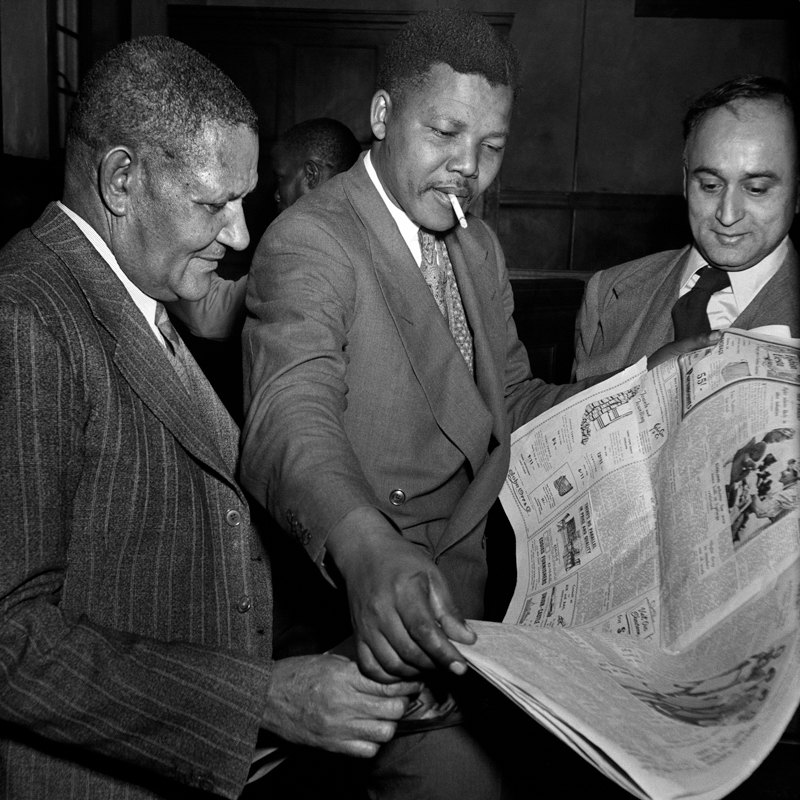
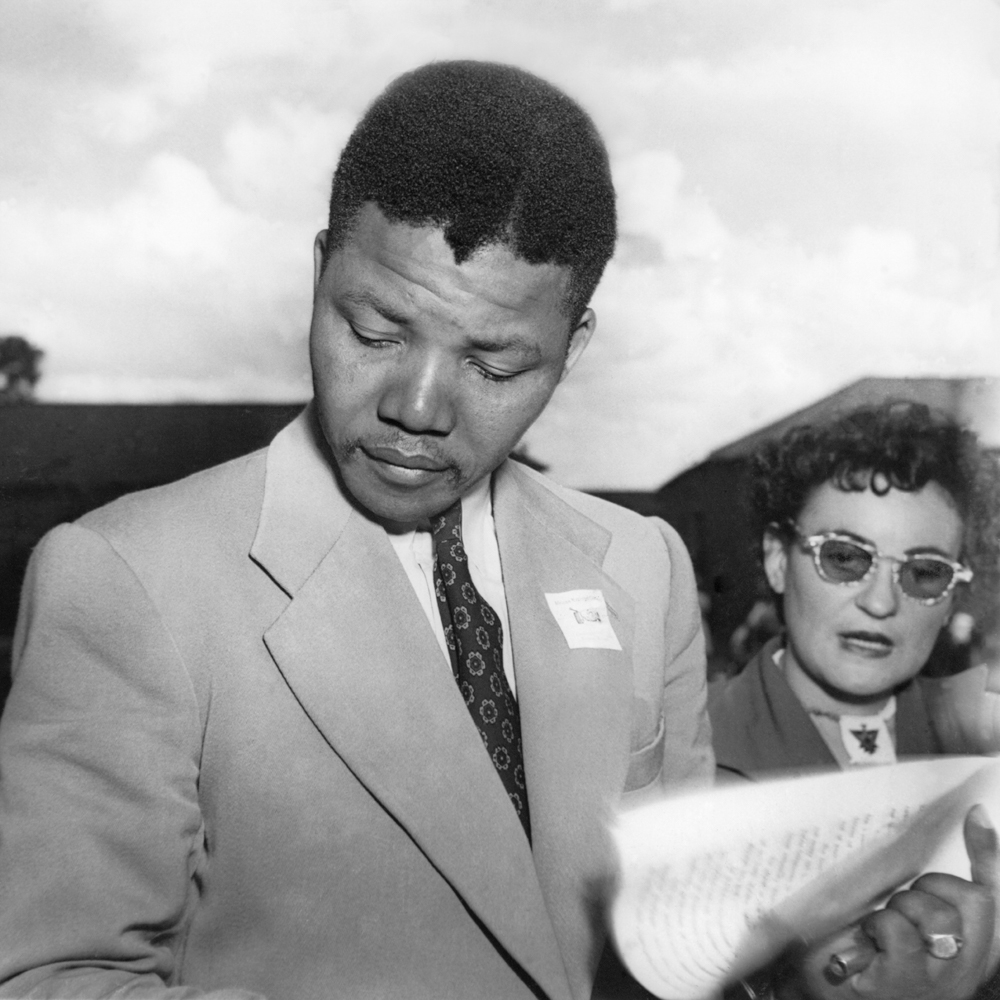
The year 1952 stands as an important point of departure. It was a period in which Mandela was emerging more visibly within South African political life, and photography played a central role in how figures associated with resistance entered the public imagination. Schadeberg’s early images belong to this moment of formation, when political identity was still being shaped in relation to law, activism and public speech.
These photographs carry a directness that reflects the period. They preserve gesture, bearing and expression without excess, allowing the image to remain grounded in observation. What emerges is not yet the fully monumental figure that later history would construct, but a younger Mandela positioned within the urgency of his time.
Absence, Memory and Return
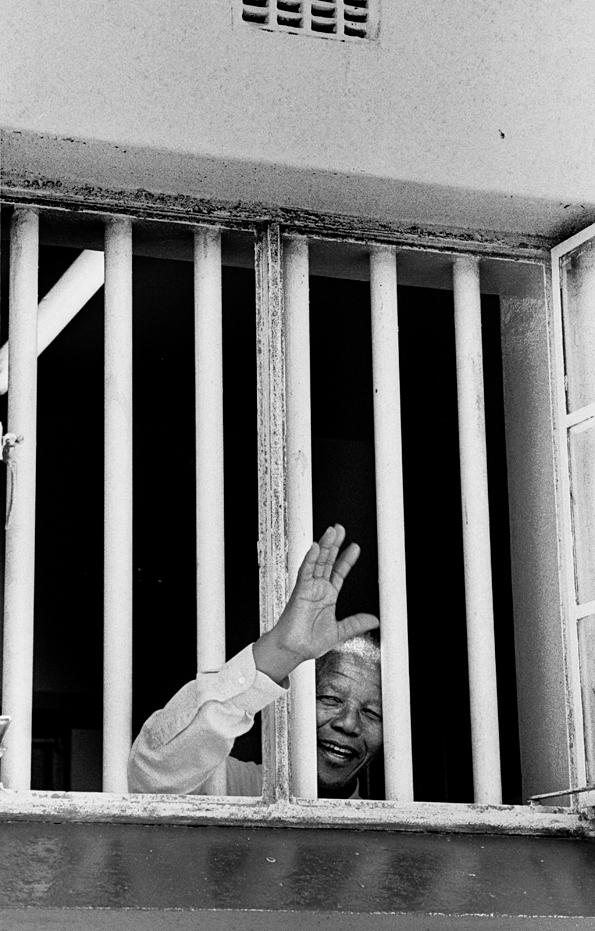
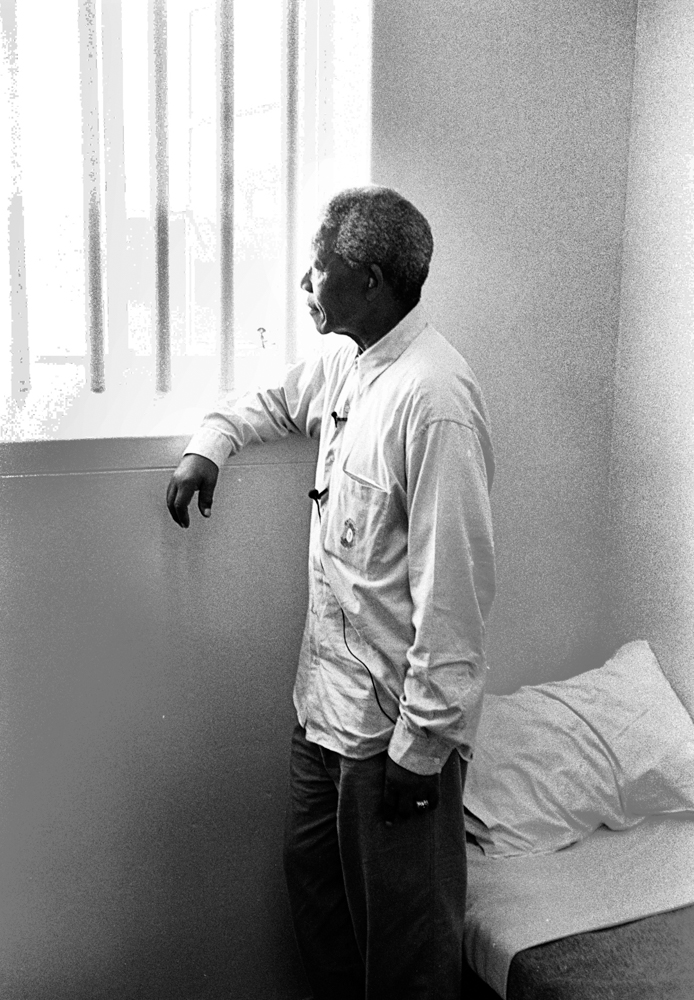
Any long photographic account of Mandela must also reckon with absence. The decades of imprisonment interrupted direct visibility, while at the same time deepening Mandela’s symbolic presence within both South Africa and the wider world. In this sense, the photographs taken before and after imprisonment speak to one another through what is missing as much as through what is shown.
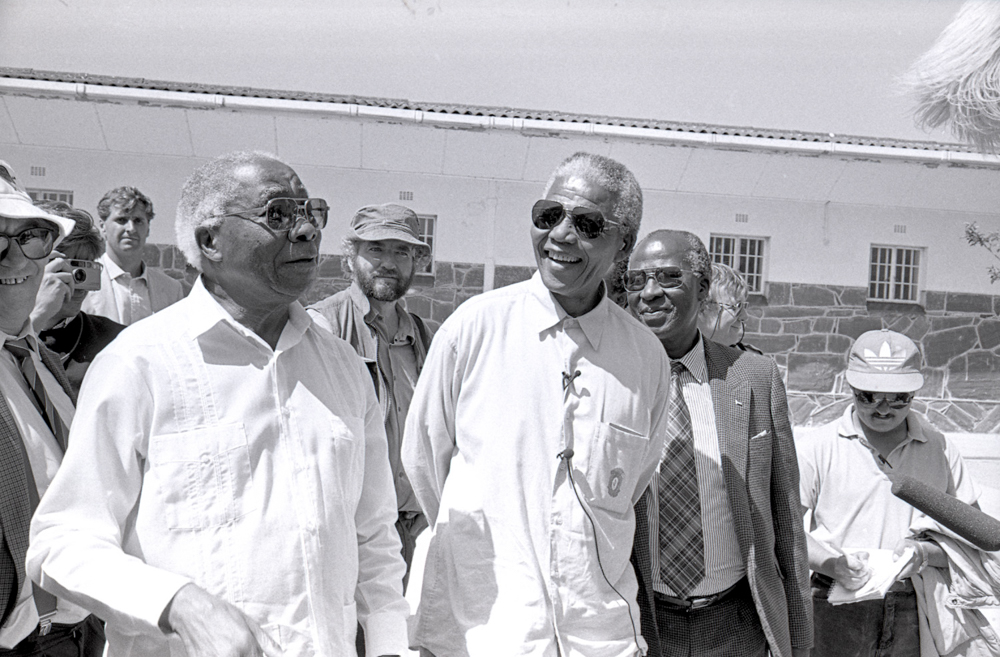
Later images therefore carry a different historical charge. They are shaped by return, by public recognition and by the knowledge of what intervened between one moment and another. Schadeberg’s work allows that history to remain felt without forcing it into a single narrative.
Photography and Political Presence
Schadeberg’s photographs of Mandela are important not only because of who appears within them, but because of how photography itself participates in the making of political presence. A photograph can record, but it can also stabilise memory, circulate identity and contribute to the historical imagination surrounding a public figure.
In these works, the camera operates with restraint. The images do not rely on spectacle. Instead, they draw their strength from clarity, timing and the relationship between person and context. This gives them lasting value as photographs, while also allowing them to function as historical documents.
“Across six decades, these photographs trace not only Mandela’s public life, but the changing historical landscape in which that life was seen.”
From Individual Portrait to National History
Over time, the image of Mandela became inseparable from wider questions of nationhood, reconciliation and political memory. Schadeberg’s photographs register that shift. What may begin as the picture of an individual gradually opens onto something broader, where the photograph comes to stand within national and international histories of resistance and democracy.
This transformation is part of what gives the body of work its depth. The photographs do not remain fixed in one historical register. They accumulate meaning as Mandela’s role within South African history changes, and as viewers return to the images from later vantage points.
Collector and Archival Context
Within the context of South African photographic history, these works hold significance as both image and archive. They connect Schadeberg’s long career to one of the central figures of the country’s modern political history, while also demonstrating photography’s role in preserving complex public lives across time.
For collectors, the importance of this material lies in that intersection between formal photographic value and historical depth. These are not only photographs of a globally recognised figure. They are part of a sustained visual record that links portraiture, documentary practice and national memory.
Seen together, Schadeberg’s photographs of Nelson Mandela offer a rare longitudinal view, one that reveals how photography can hold both immediacy and duration, and how a life lived in public can continue to be interpreted through the image.