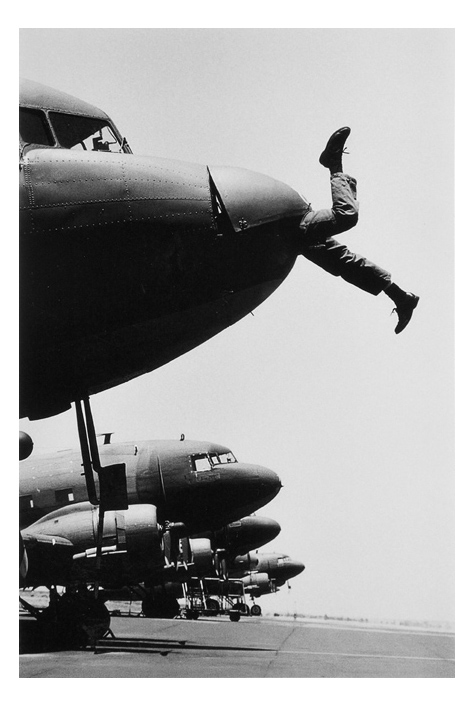
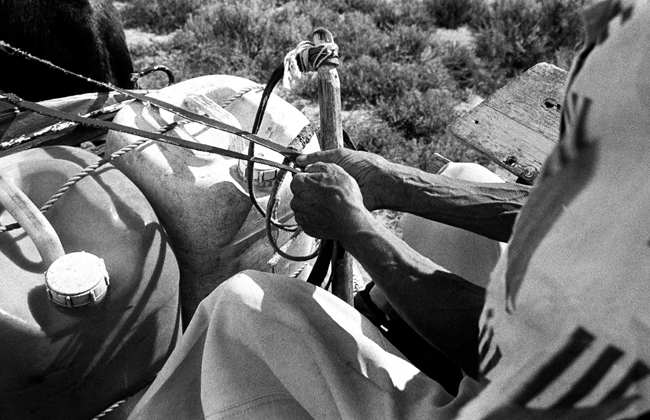
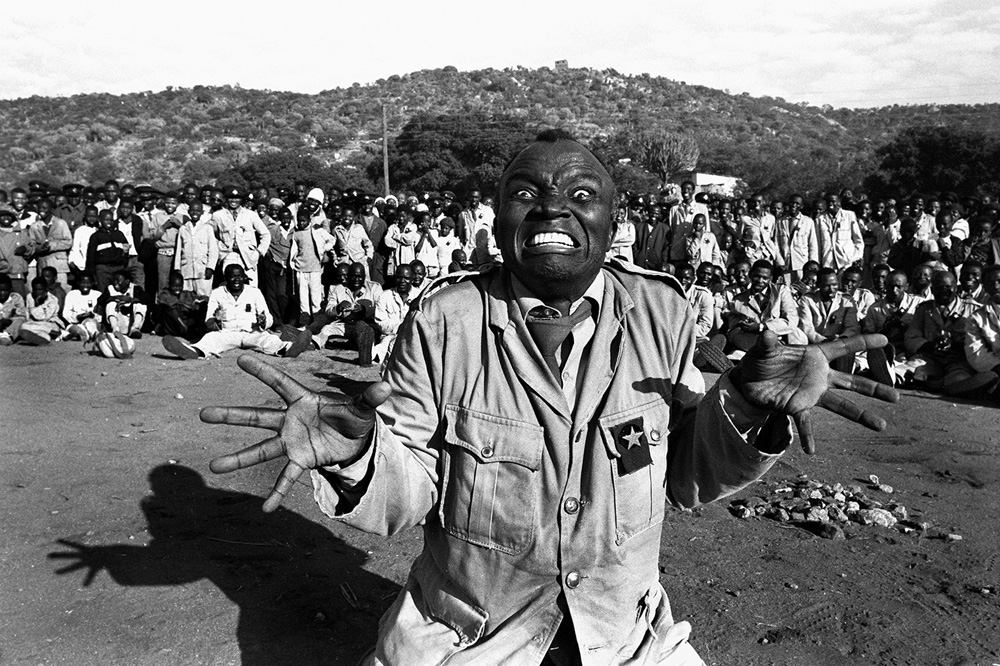
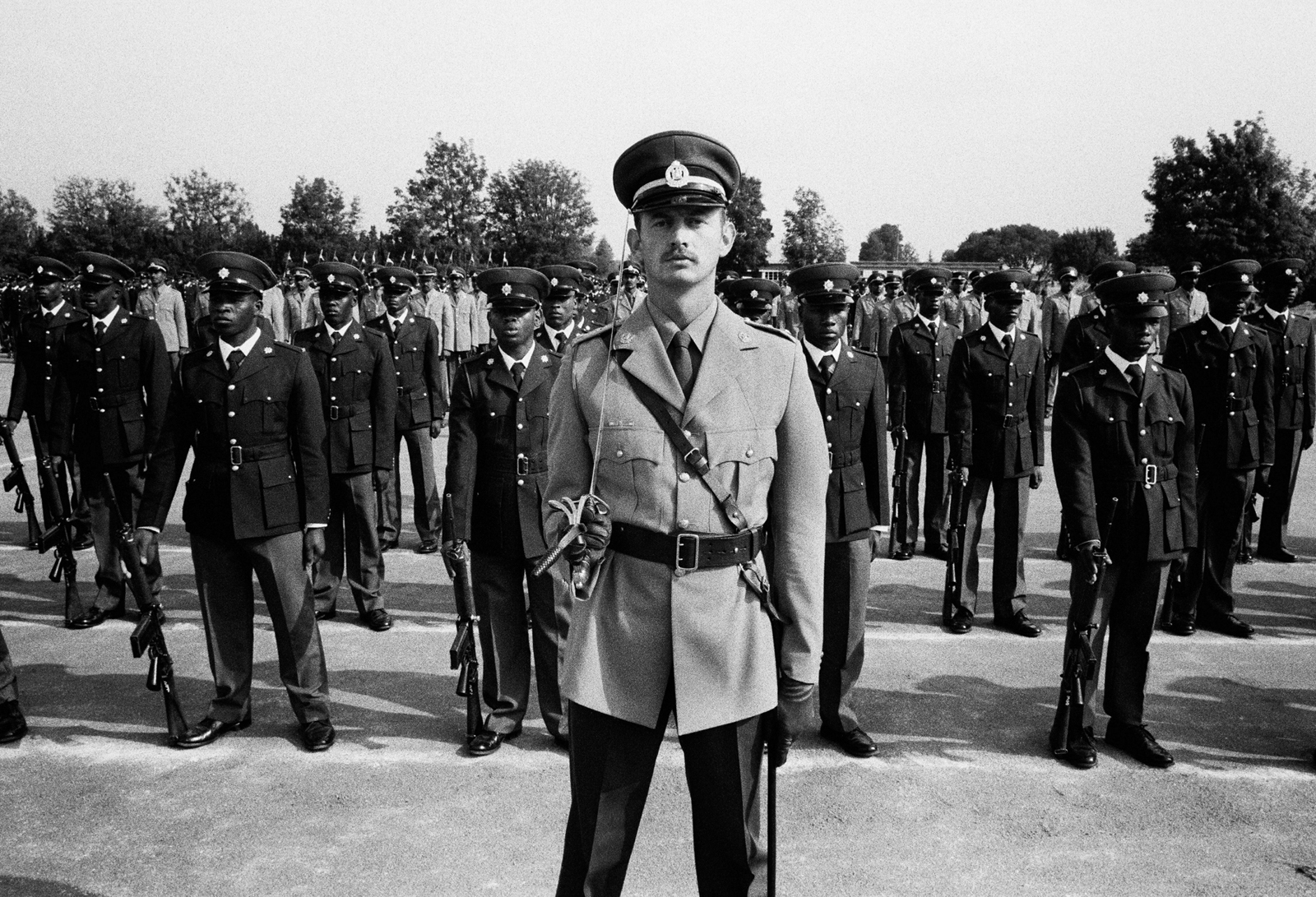
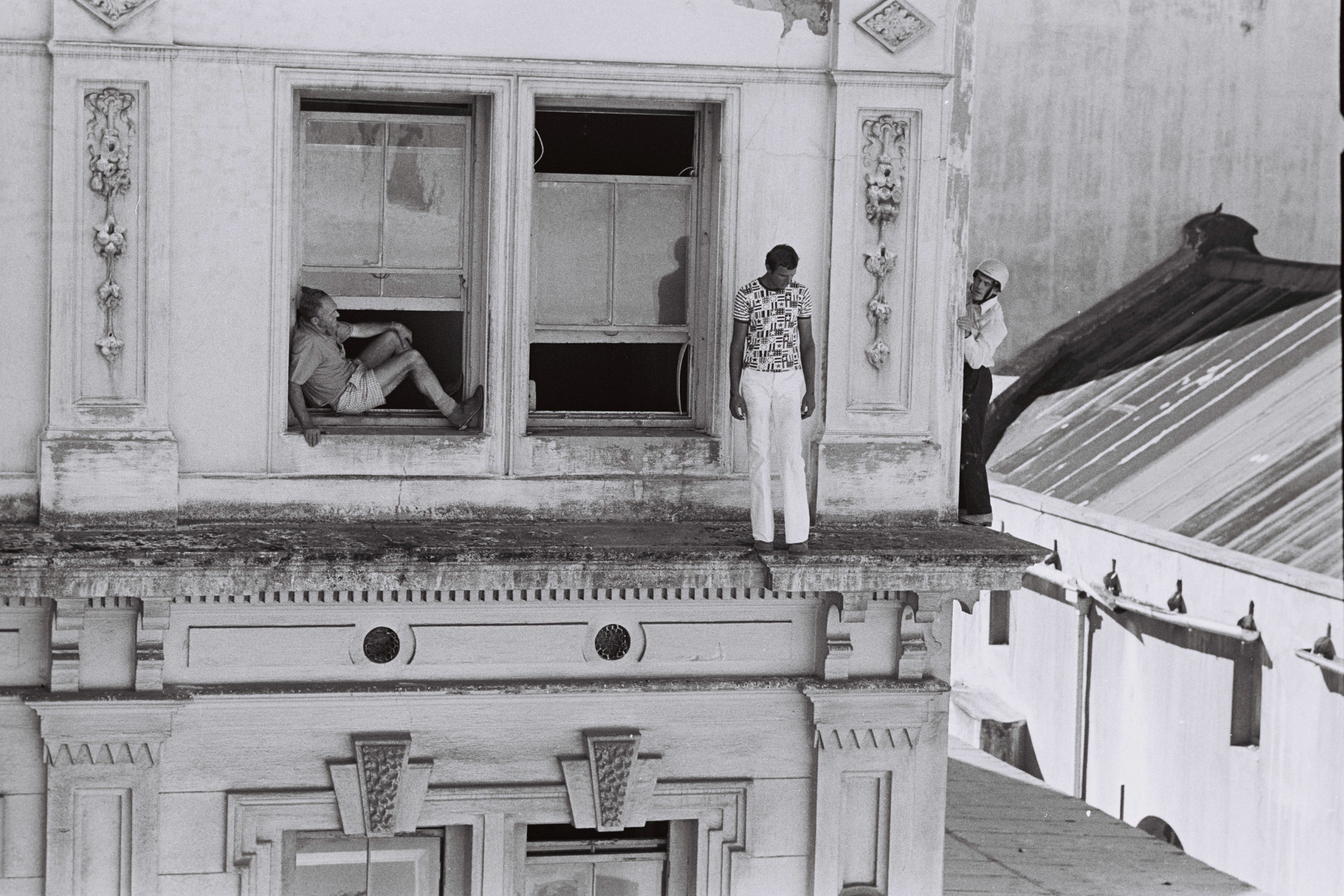
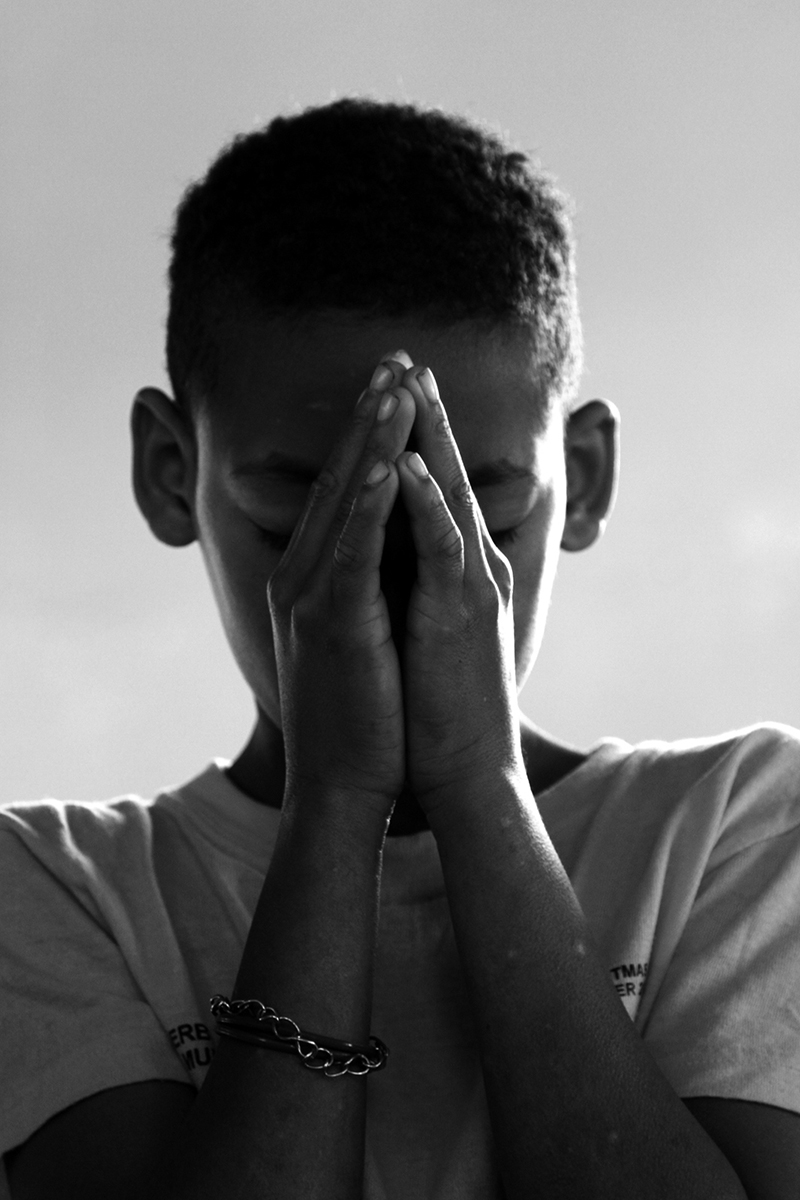
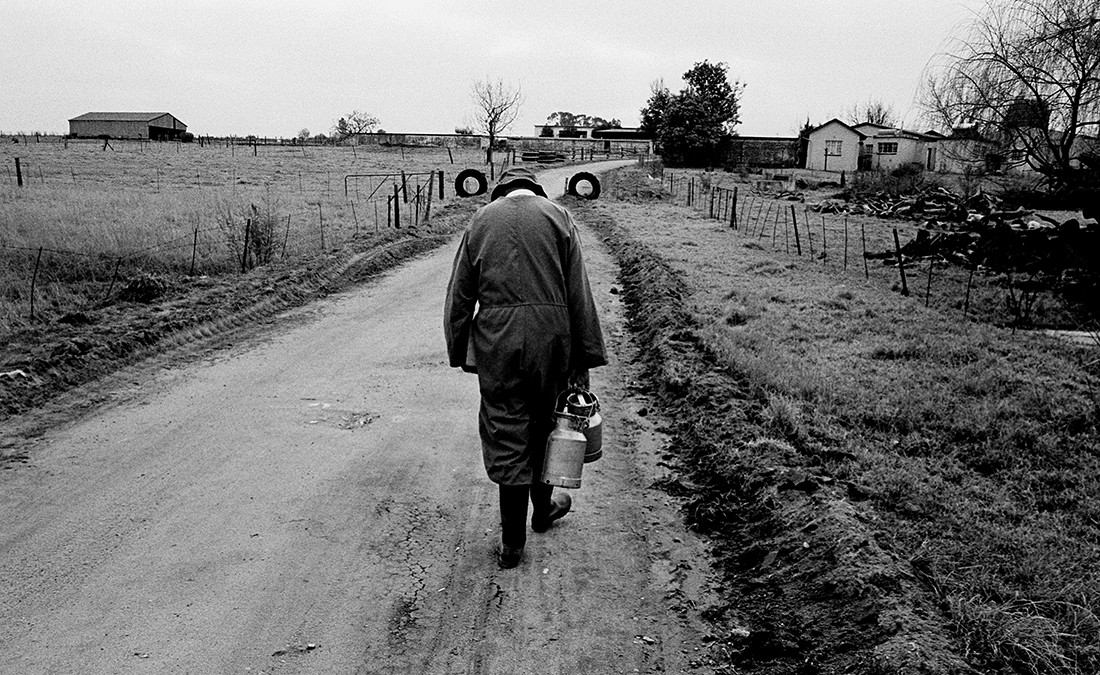
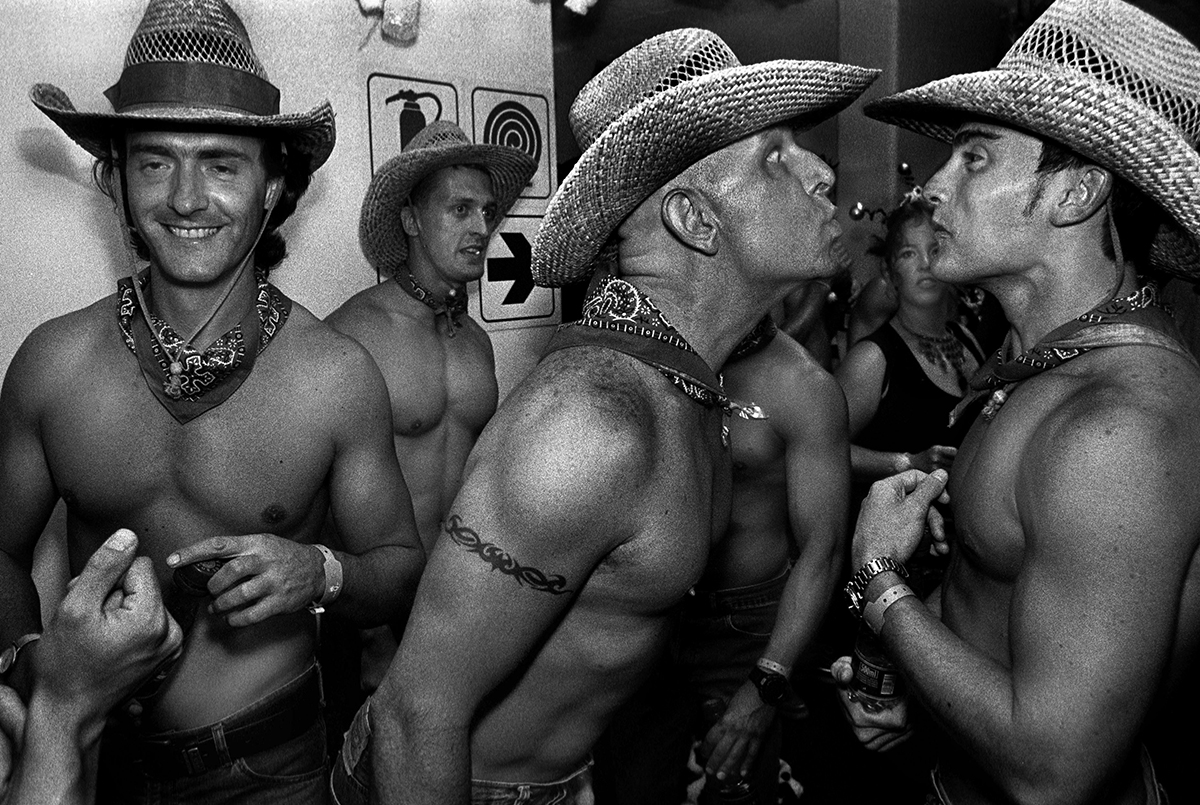
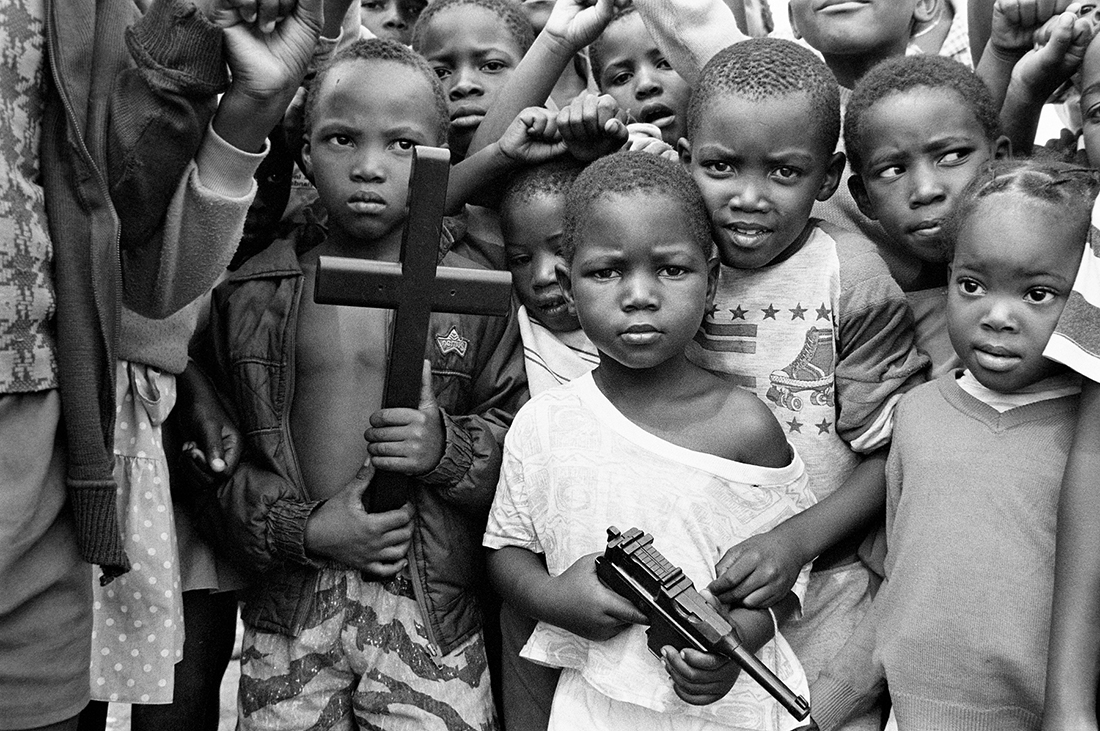
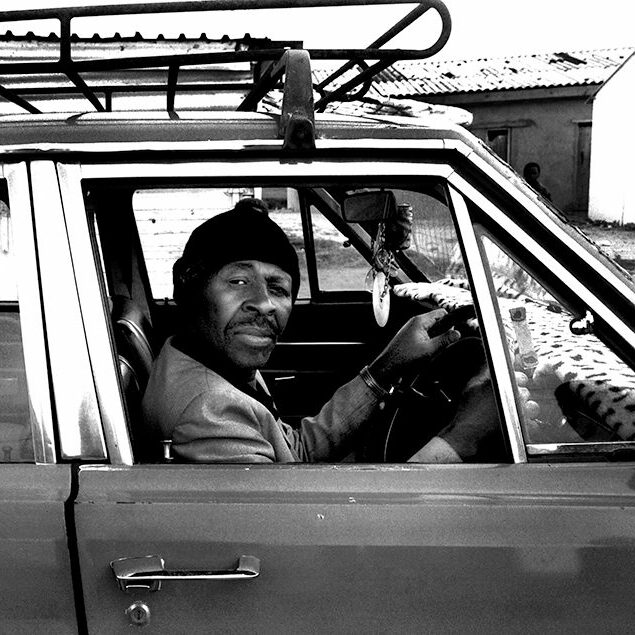
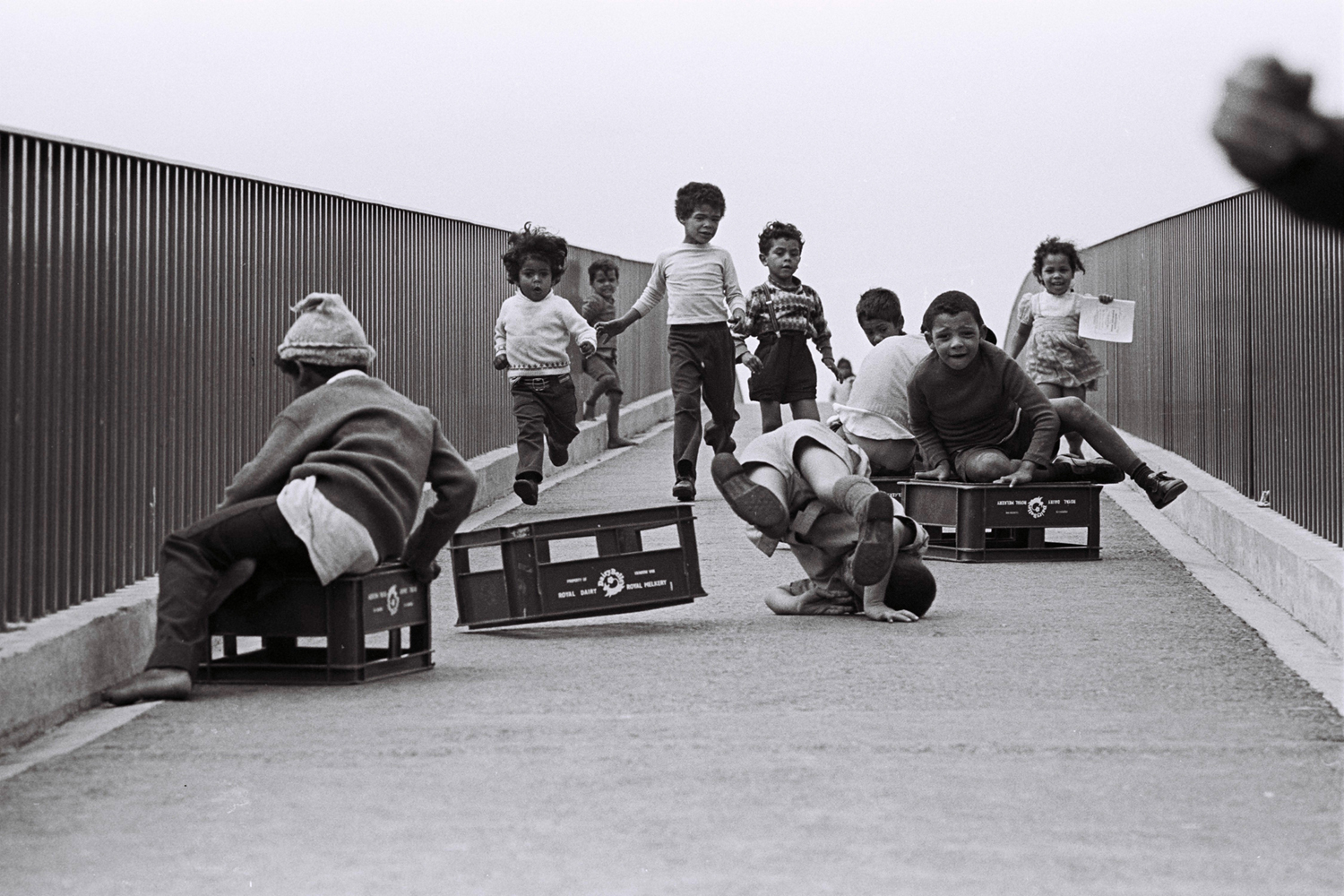
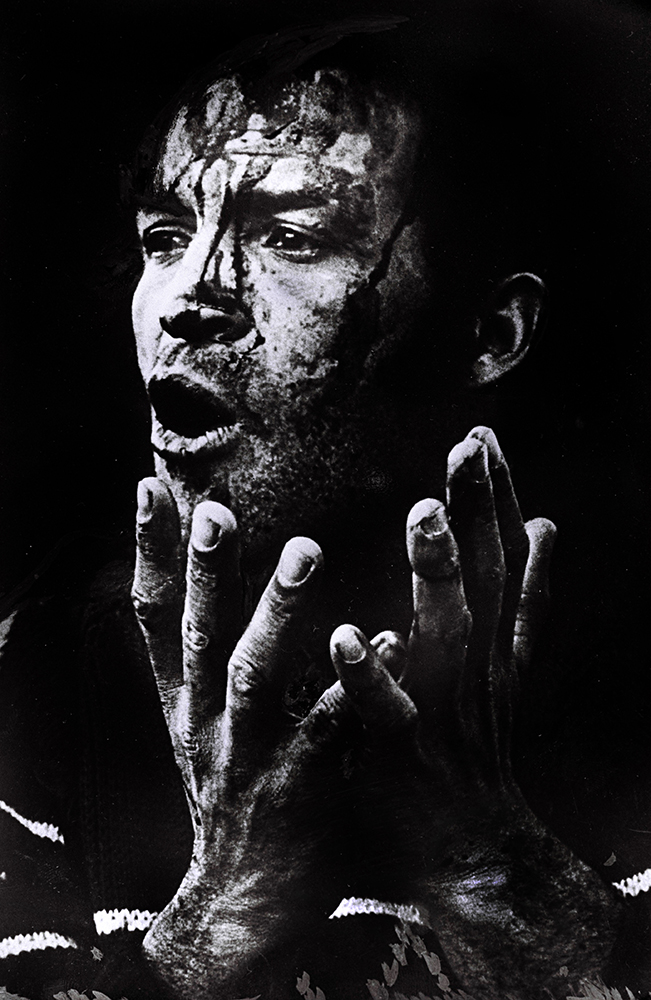
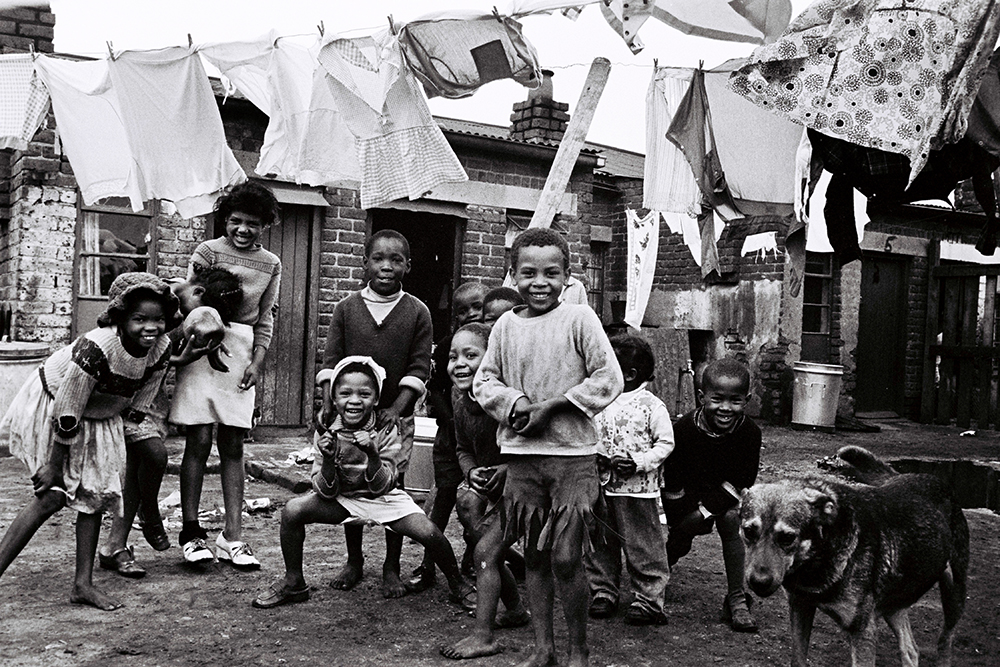
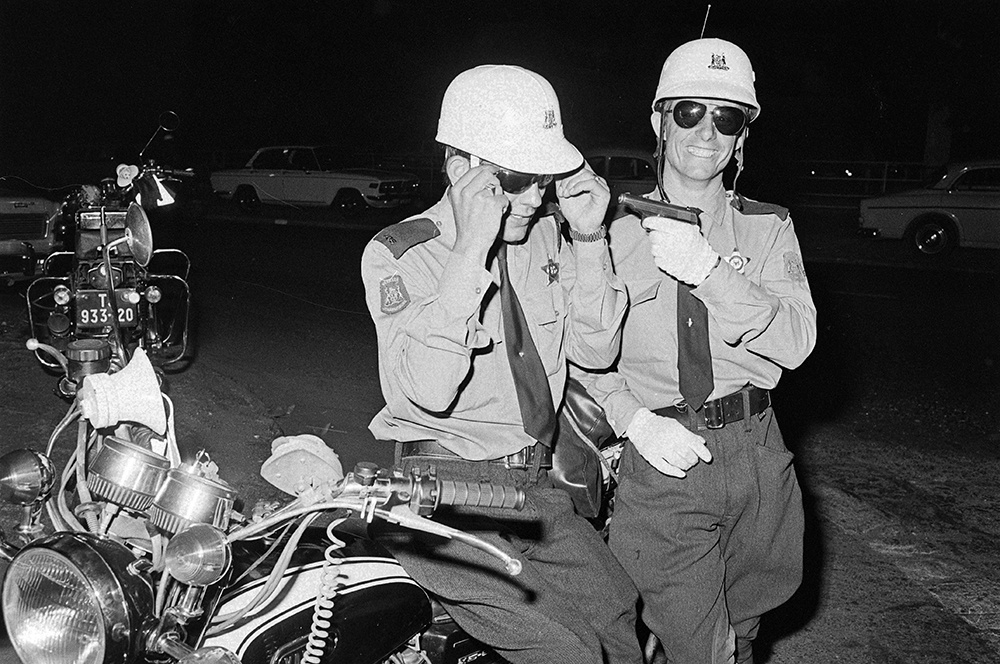
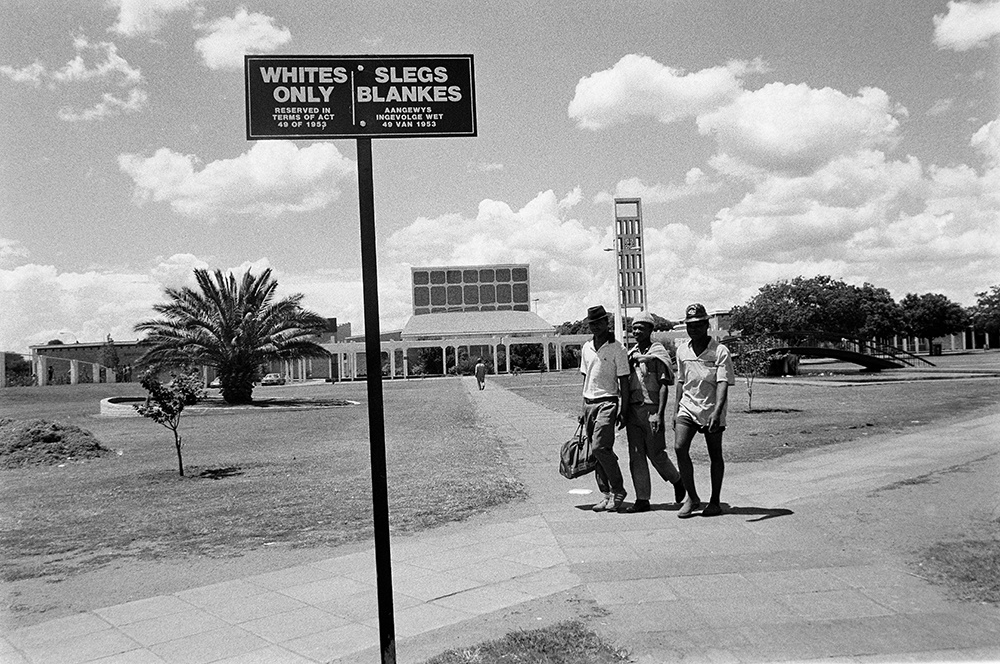
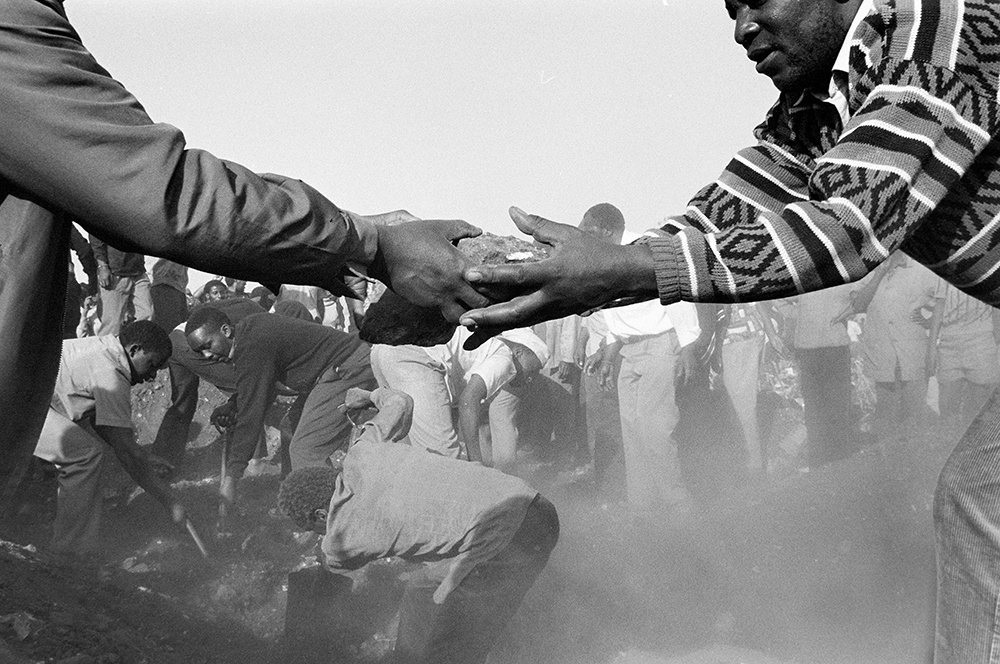
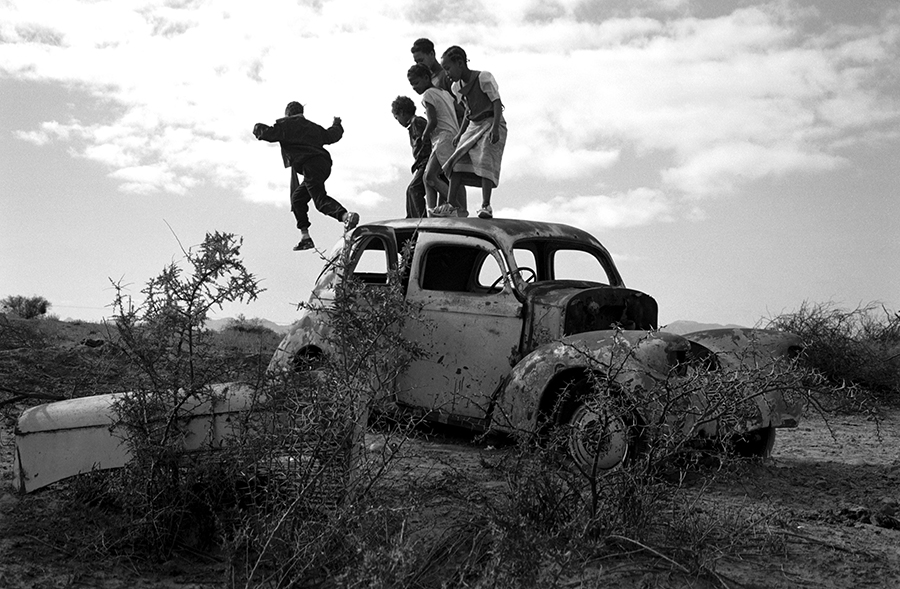
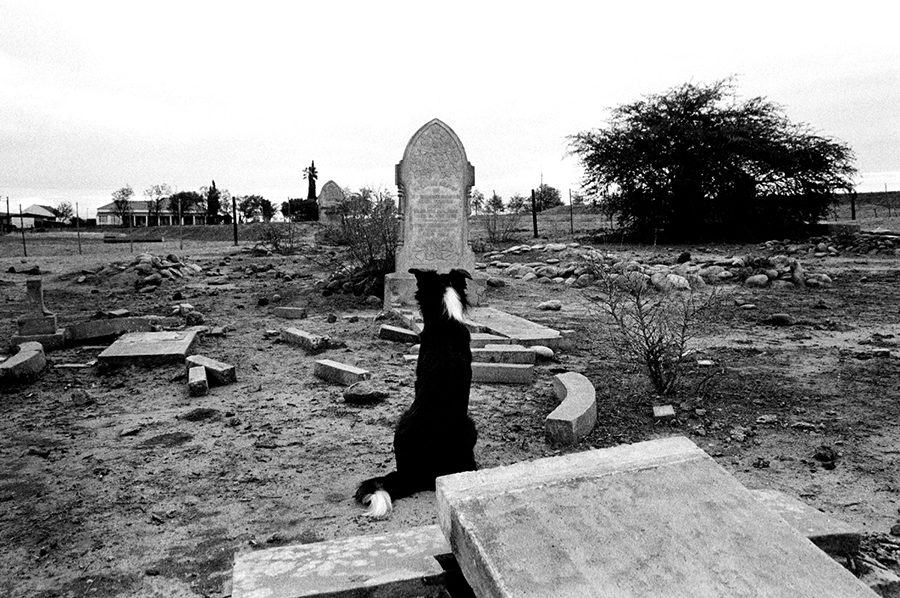
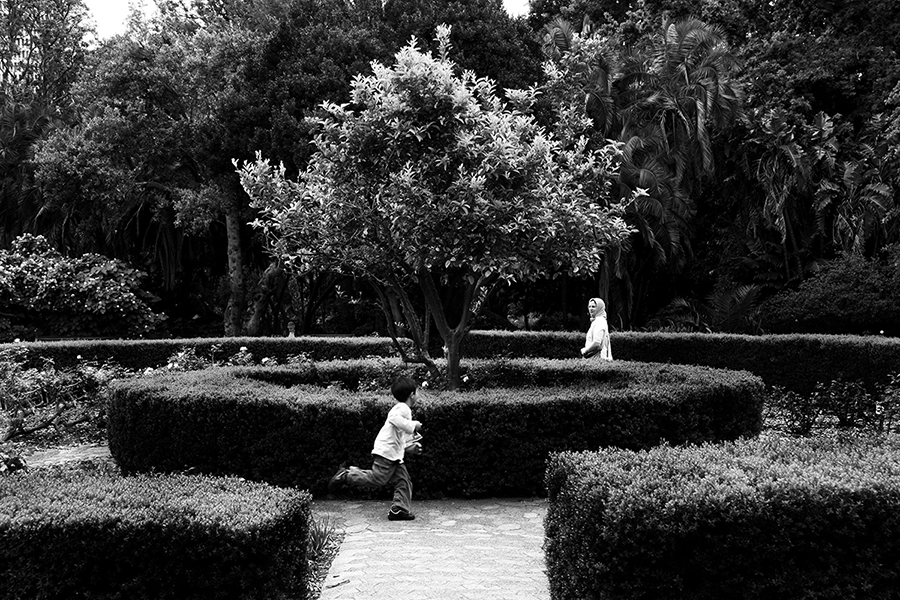
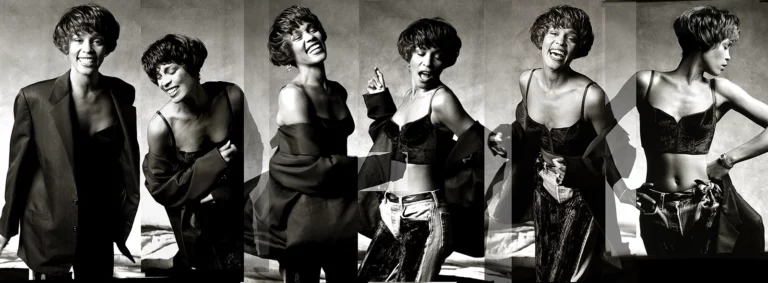
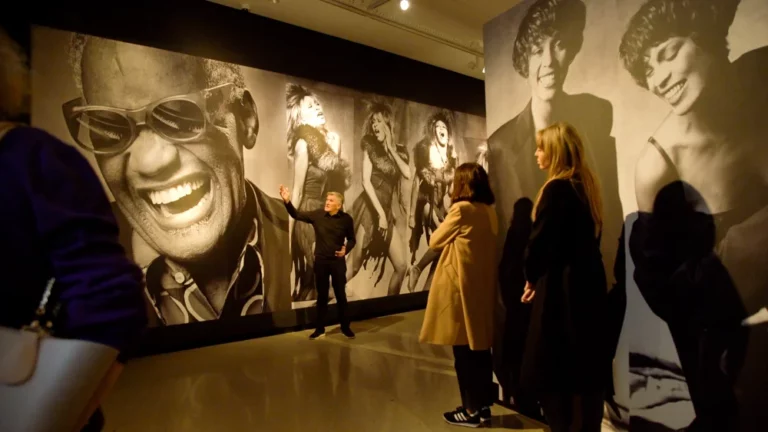
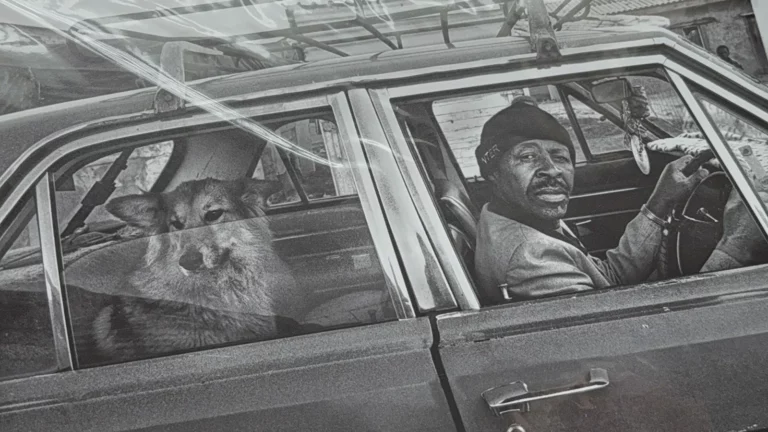
Juhan Kuus produced one of the most sustained photographic records of South Africa during the late twentieth century. Working across decades marked by political conflict, transition and social change, he photographed public gatherings, community rituals, everyday life and moments of historical tension with unusual proximity. A curated gallery of his work allows viewers to move across these different registers of experience and to consider the breadth of his archive beyond any single subject or event.
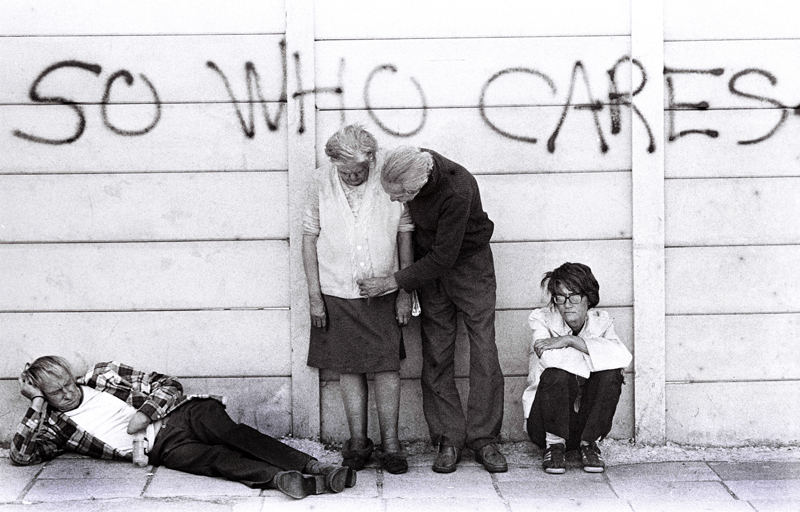
Kuus is often recognised for photographs that place viewers close to public experience. Streets, marches, ceremonies, gatherings and moments of informal interaction all appear within his work, yet they are never treated as generic scenes. His photographs remain attentive to posture, gesture, density and atmosphere, allowing a larger social climate to emerge through detail.
This selected gallery is therefore not only an assembly of individual images. It is also a way of tracing how Kuus returned again and again to the visible textures of South African life, paying close attention to the relationship between people, place and historical circumstance.
Observing Public Life
The importance of Kuus’s archive lies partly in its breadth. His photographs move between moments of high visibility and quieter scenes that might otherwise have gone unrecorded. This creates a body of work in which public history and ordinary experience remain closely connected.
Rather than isolating singular events from the lives around them, Kuus’s work often holds multiple layers of meaning within a single frame. Individuals, crowds, architecture, clothing and gesture all contribute to an image that speaks both to a specific moment and to a wider historical condition.
Seen together, these photographs suggest an archive built through patience, access and sustained looking, one that remains valuable both as visual history and as photographic work.
History, Proximity and Archive
Kuus’s photographs retain their force because of the proximity they establish. Even when recording large gatherings or public events, the work remains grounded in the texture of lived experience. Faces, bodies and social space are rendered with a closeness that resists distance or abstraction.
Within the context of Gallery F, presenting a gallery such as this also supports a broader commitment to South African photographic preservation. It invites viewers to read individual images carefully while also understanding them as part of a wider archival practice grounded in memory, social record and historical continuity.

A Curated Selection
Bringing together a focused group of photographs makes it possible to see the consistency of Kuus’s visual language. The framing may shift from portrait to crowd scene, from intimate proximity to wider observation, yet the images remain tied to a deep interest in how people inhabit public space and historical time.
For collectors, researchers and general viewers alike, the gallery functions as an entry point into a much larger archive. It offers a clear way to encounter the visual force of Kuus’s photographs while recognising their place within the broader history of South African documentary practice.