Juhan Kuus – The Cape Town Minstrel Carnival
A look into Juhan Kuus’s photographs of the Cape Town Minstrel Carnival, capturing the atmosphere, characters and cultural traditions that shape one of the city’s most recognisable annual celebrations.
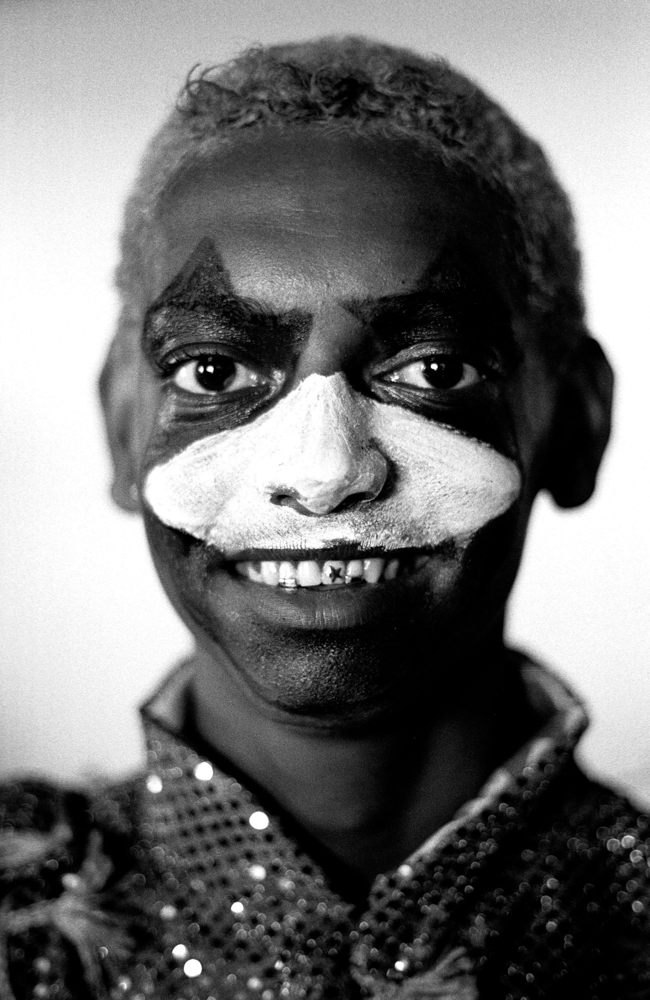
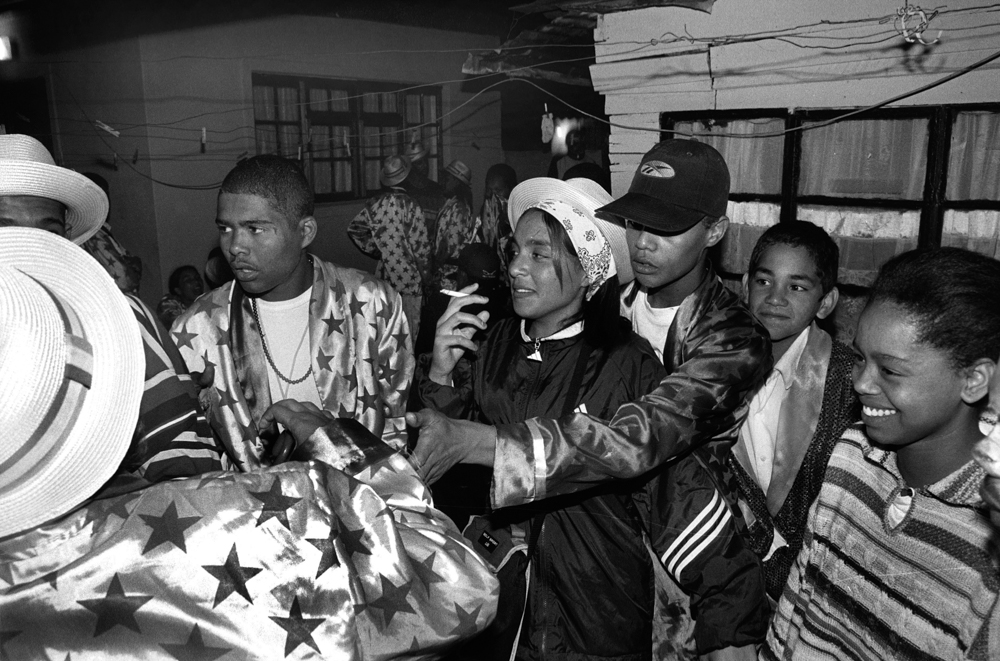
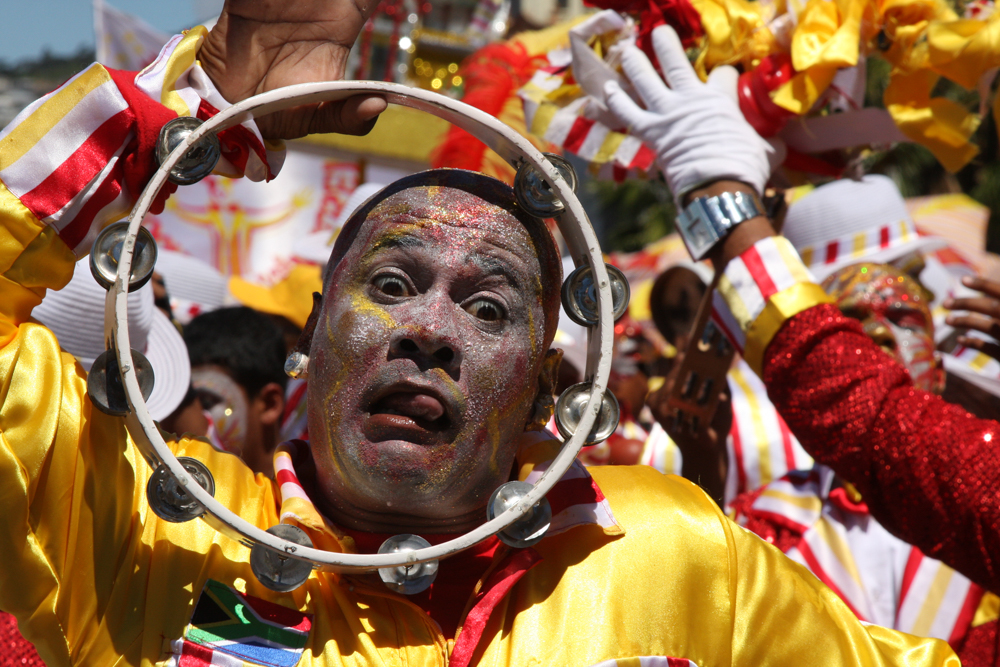
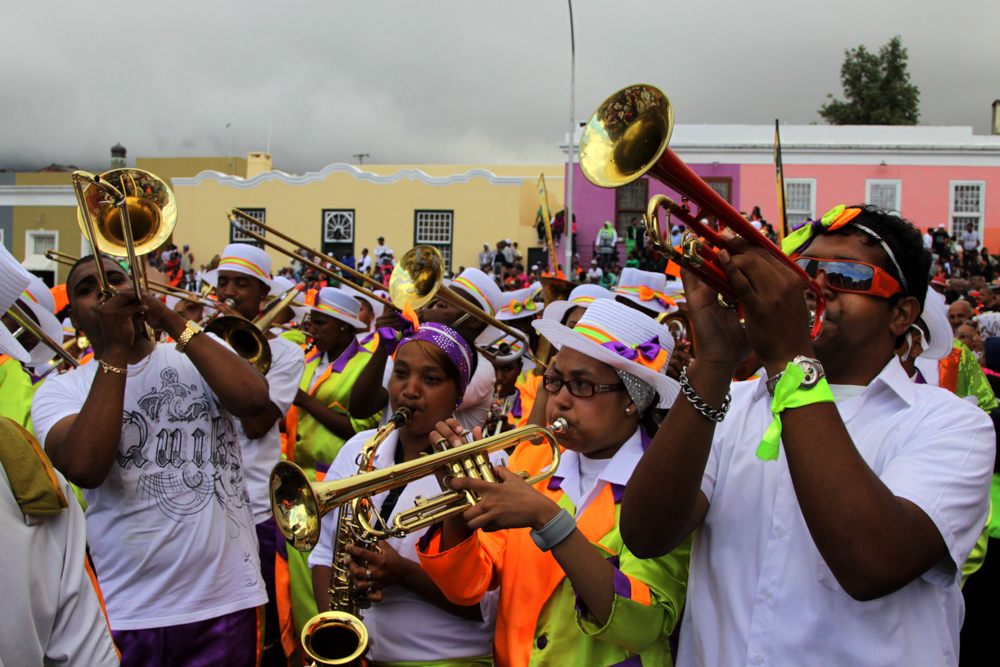
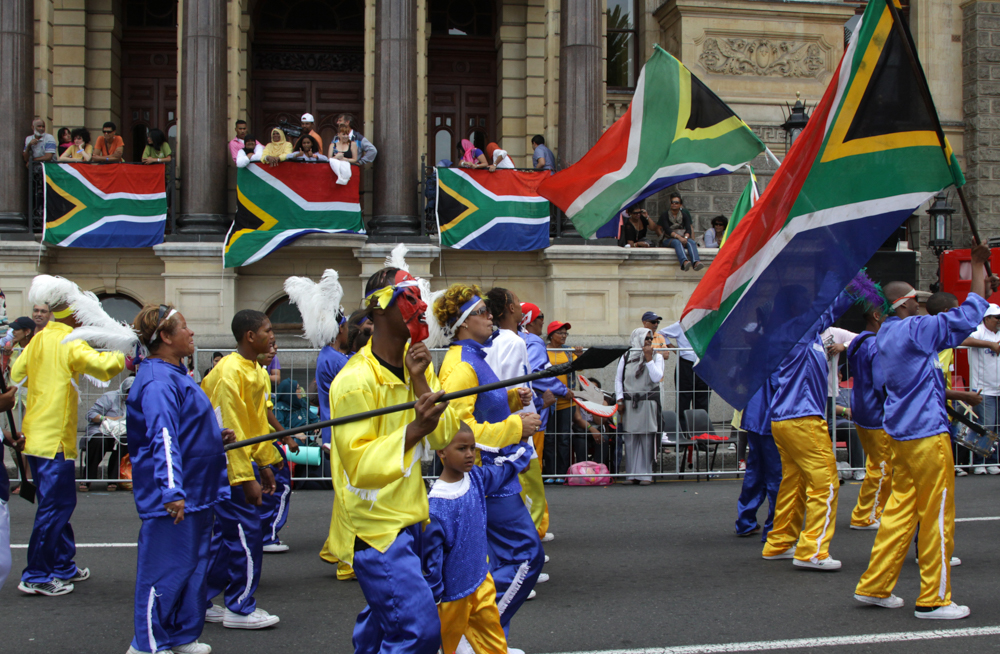
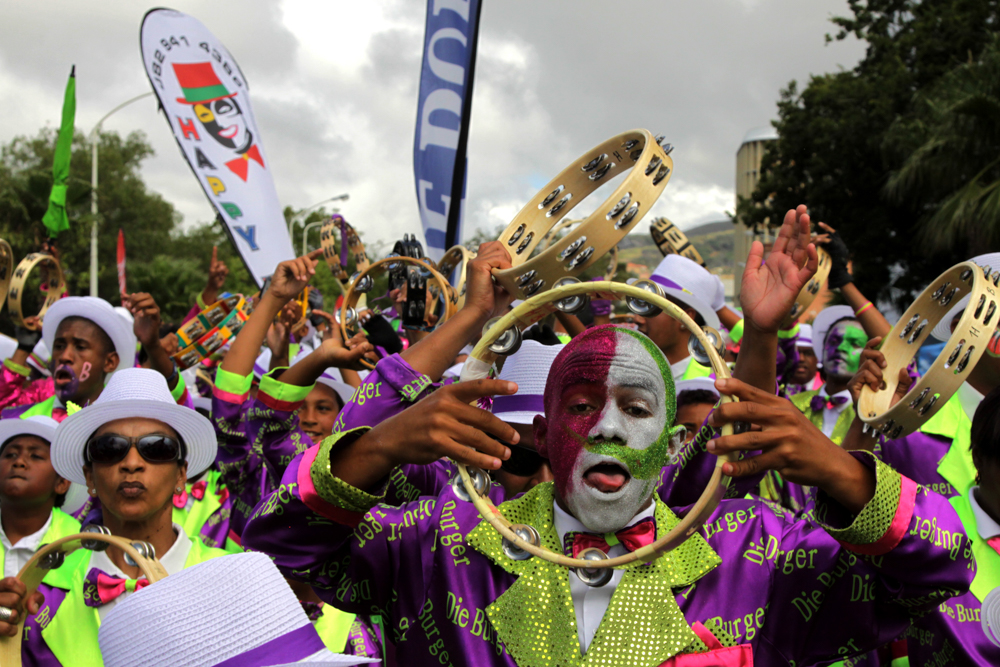
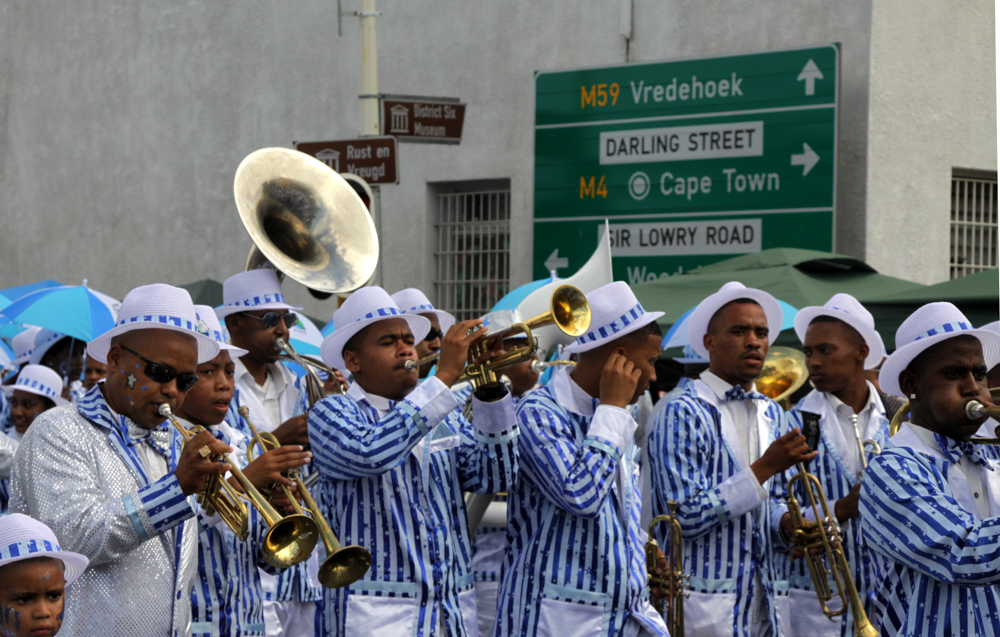
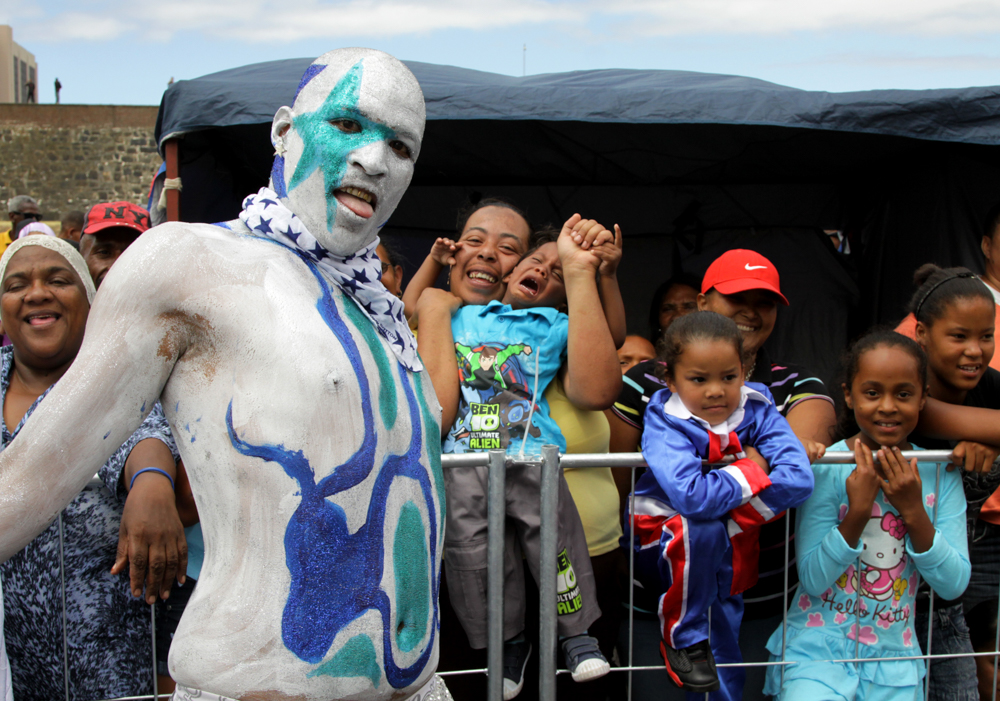
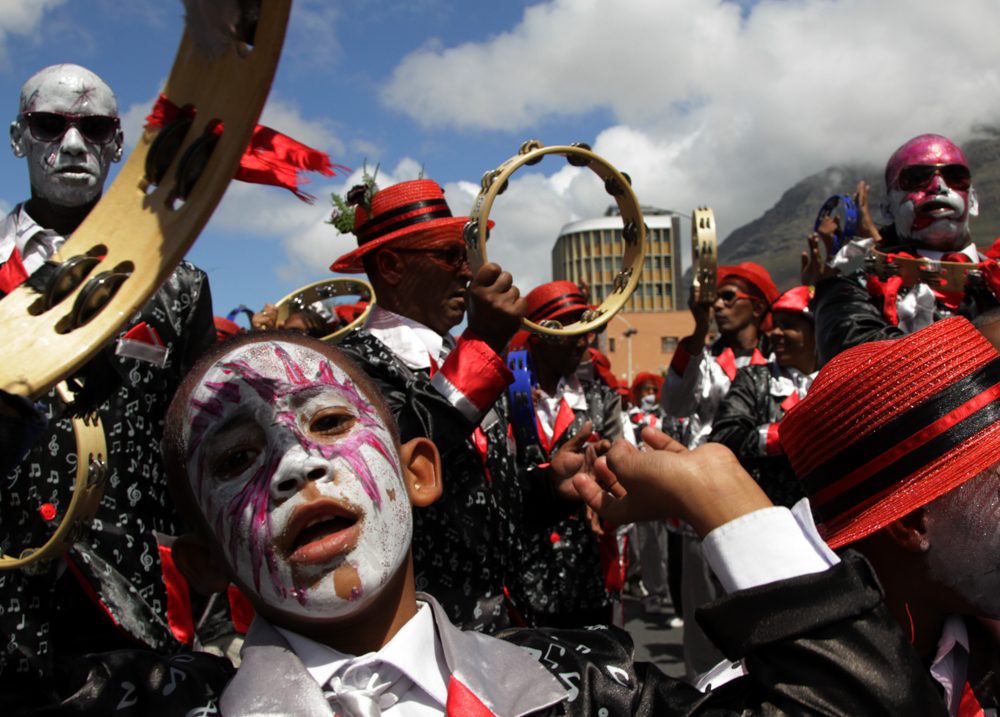
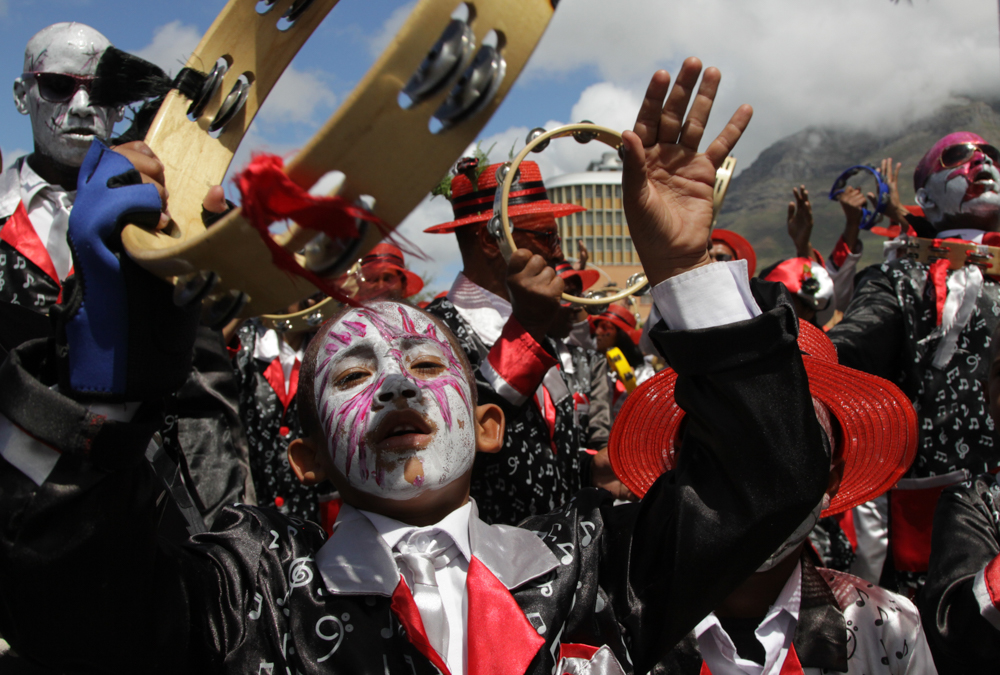
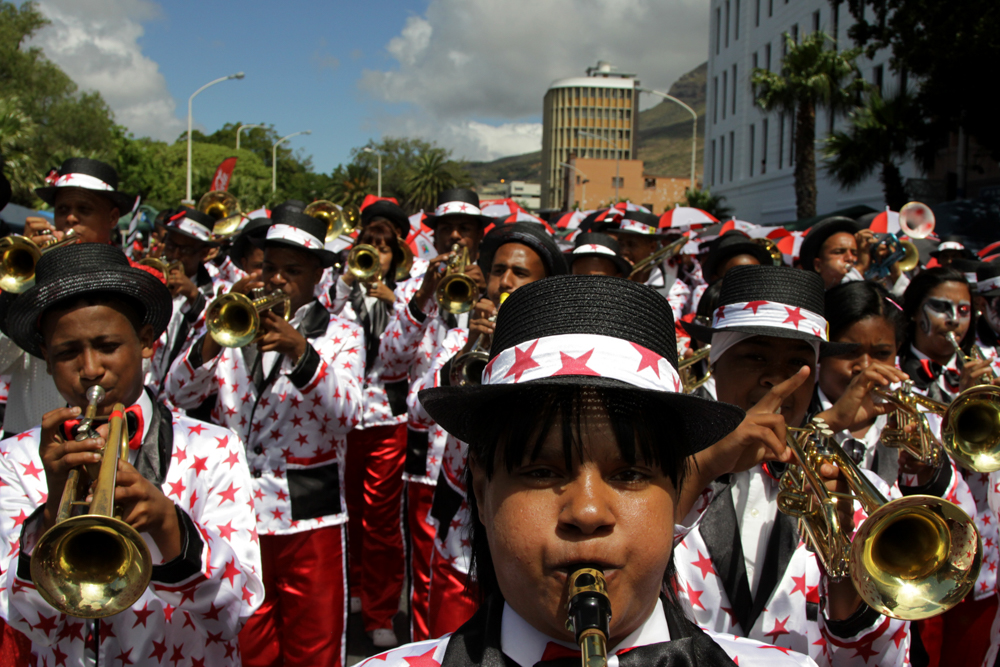
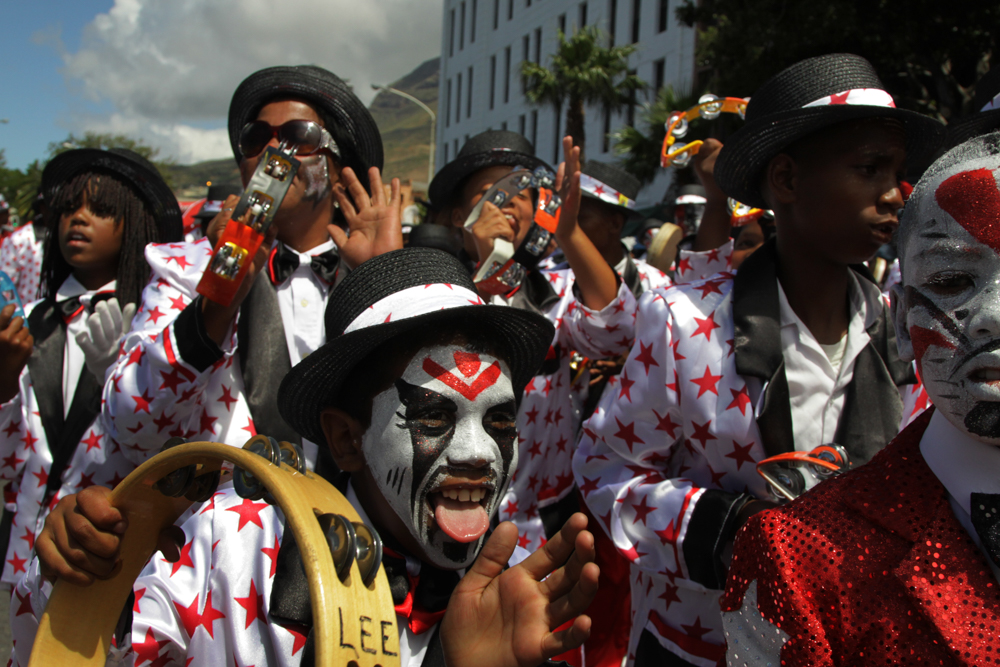
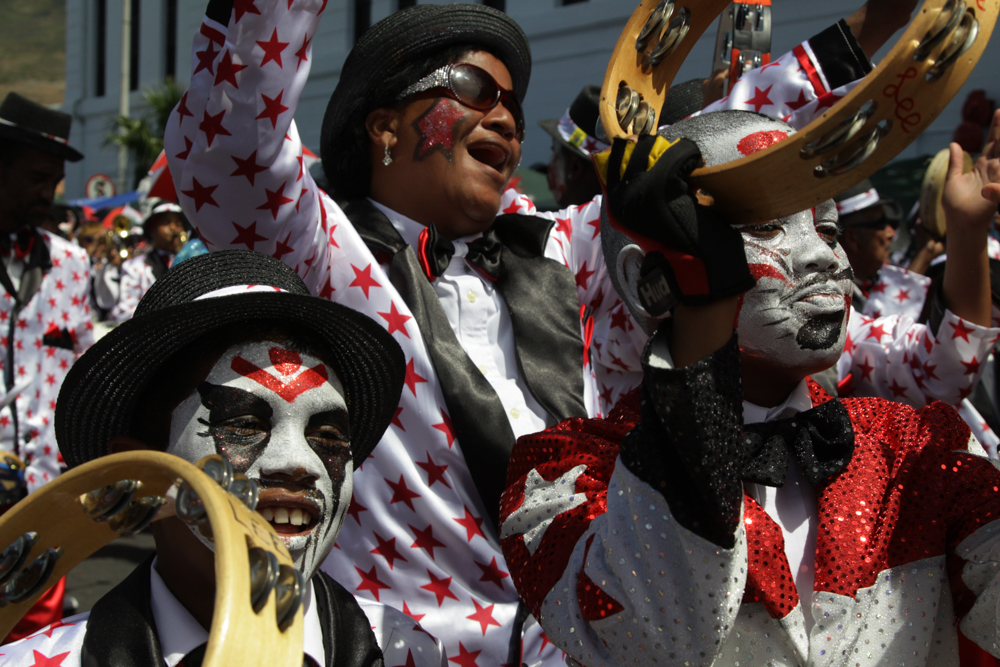
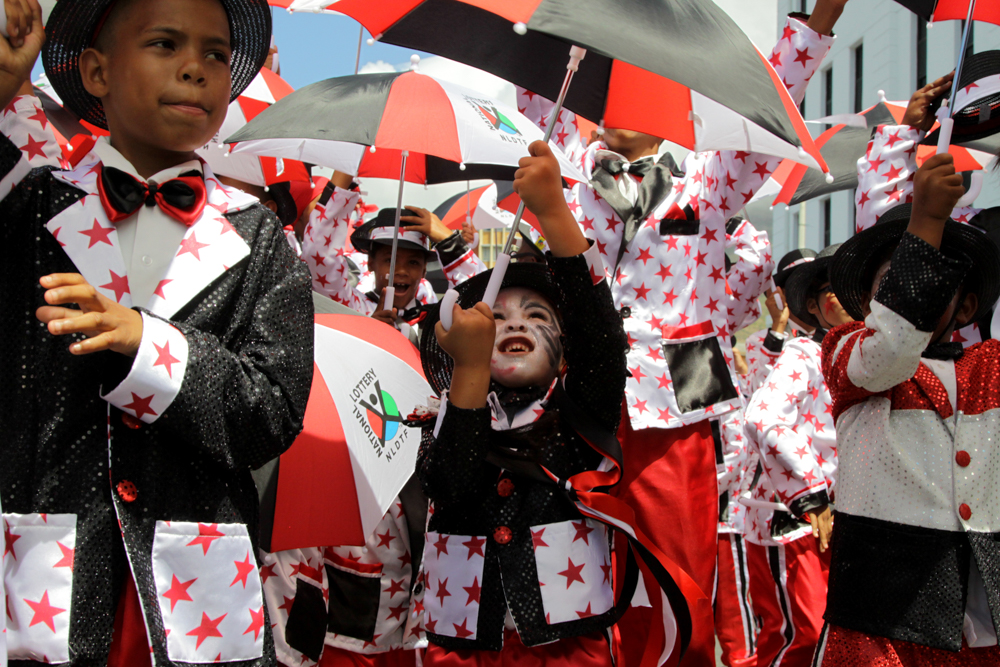
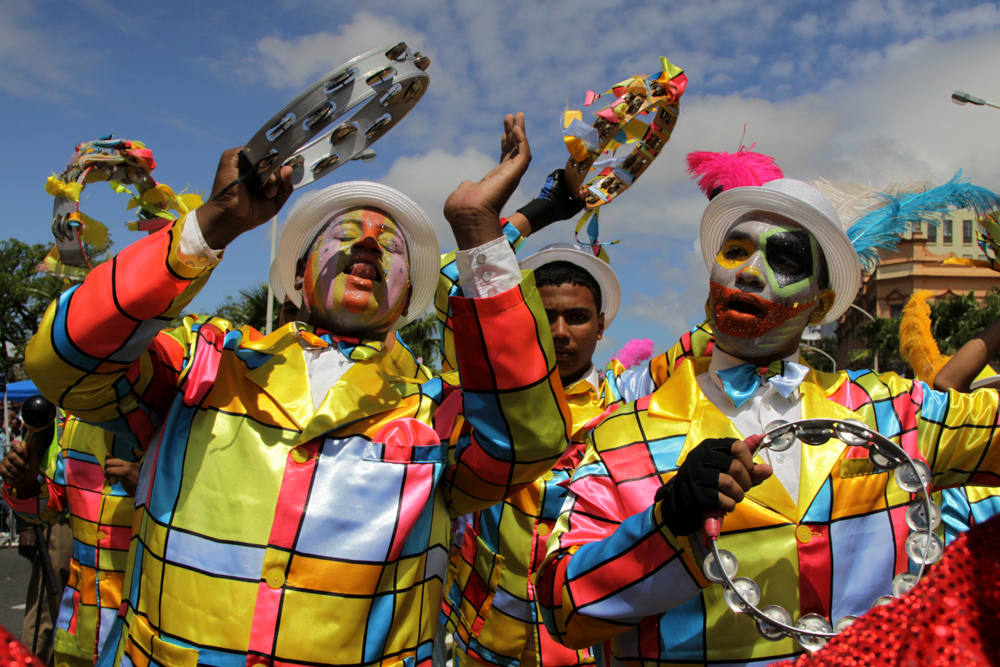
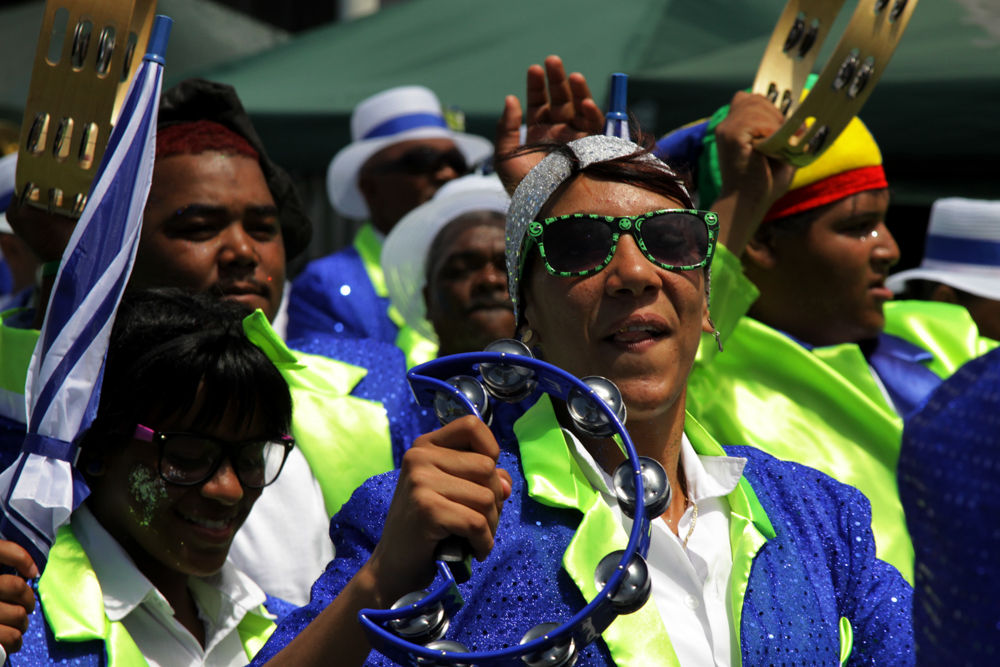
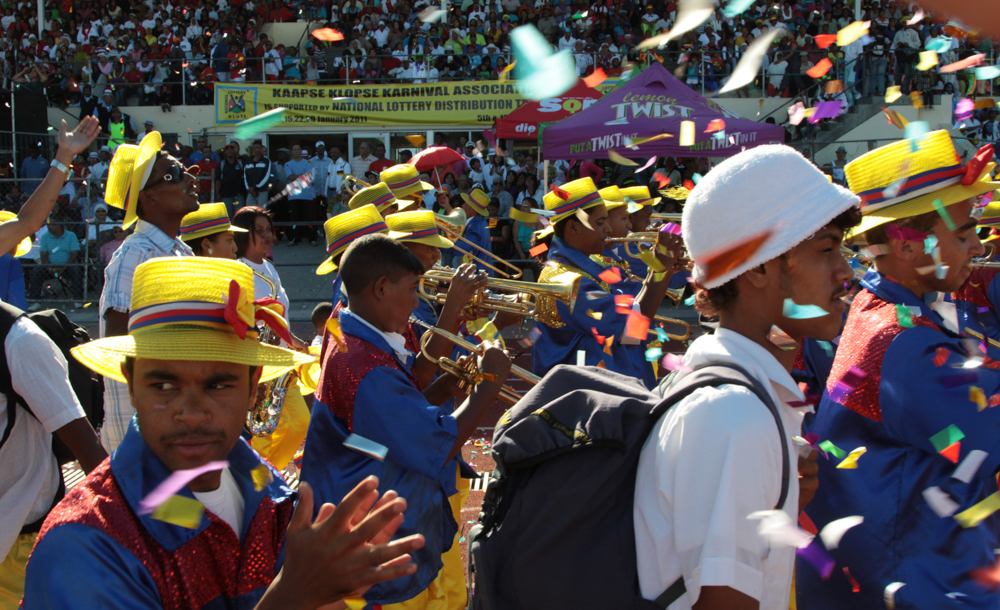
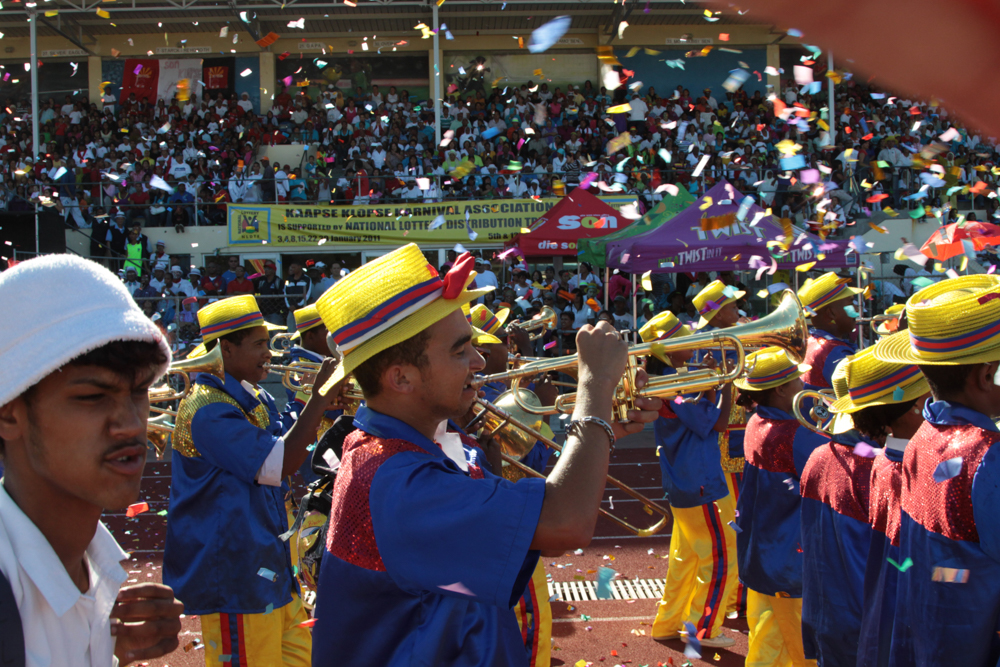
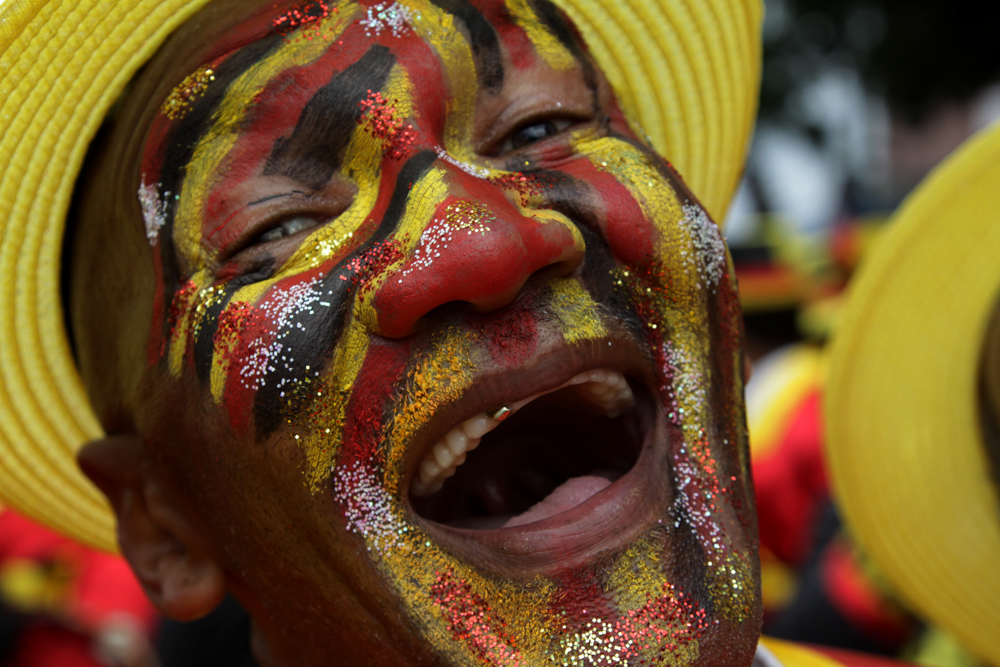
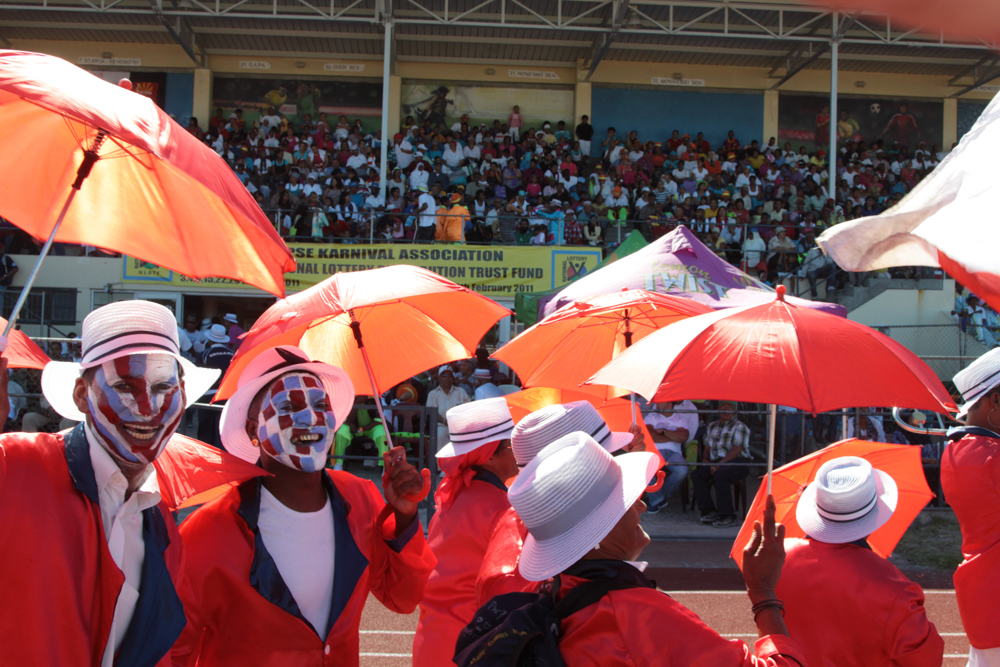
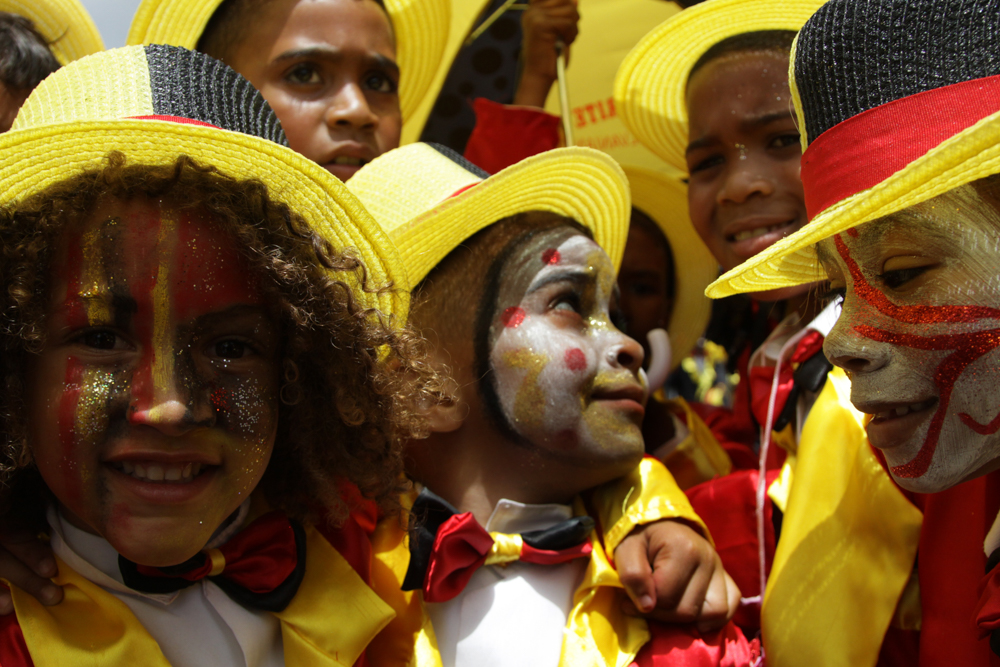
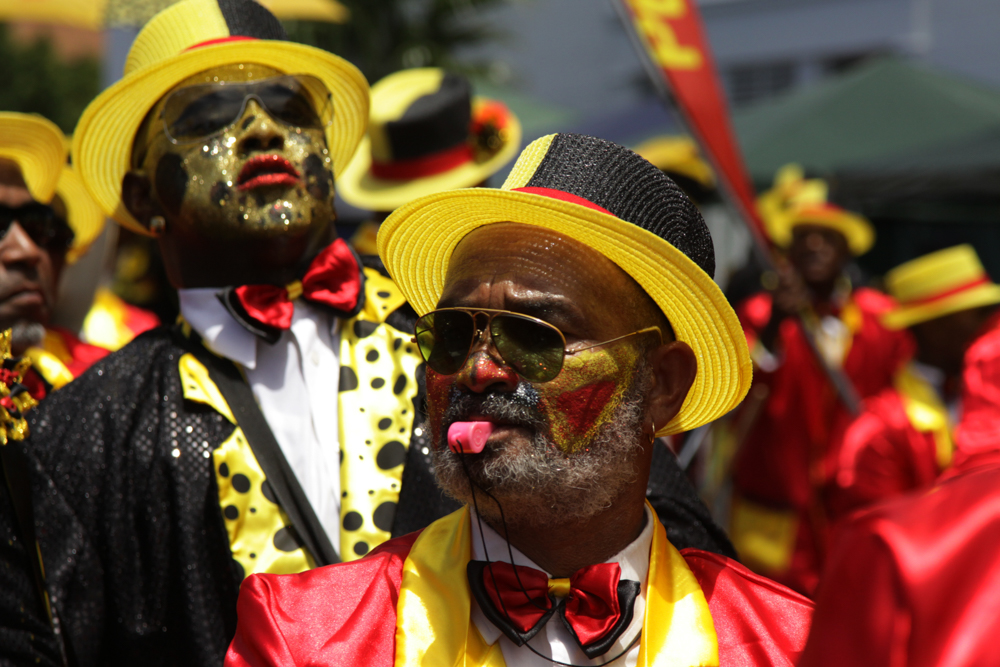
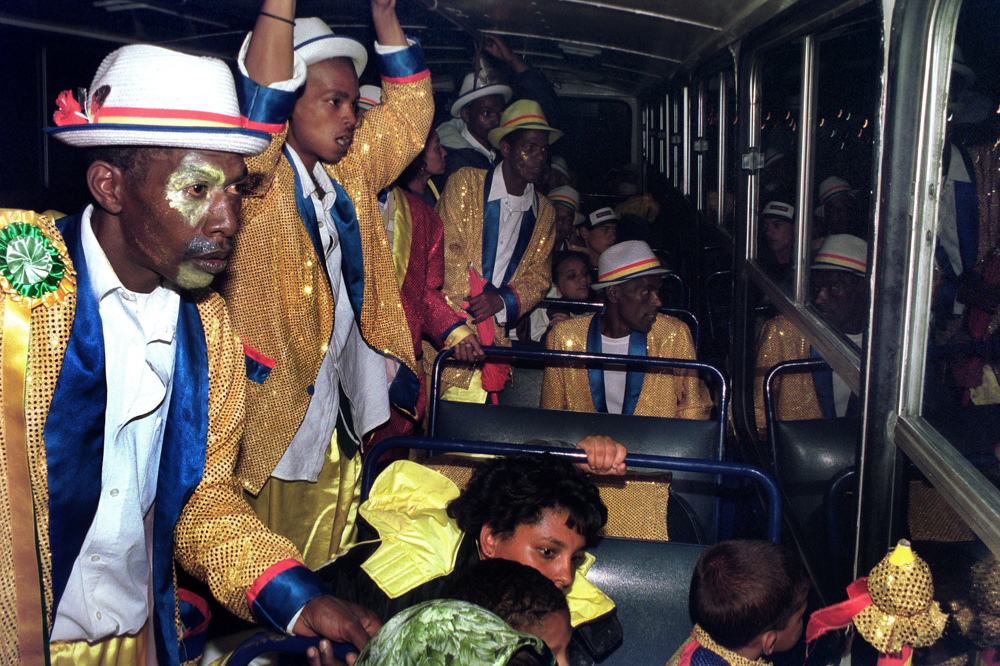
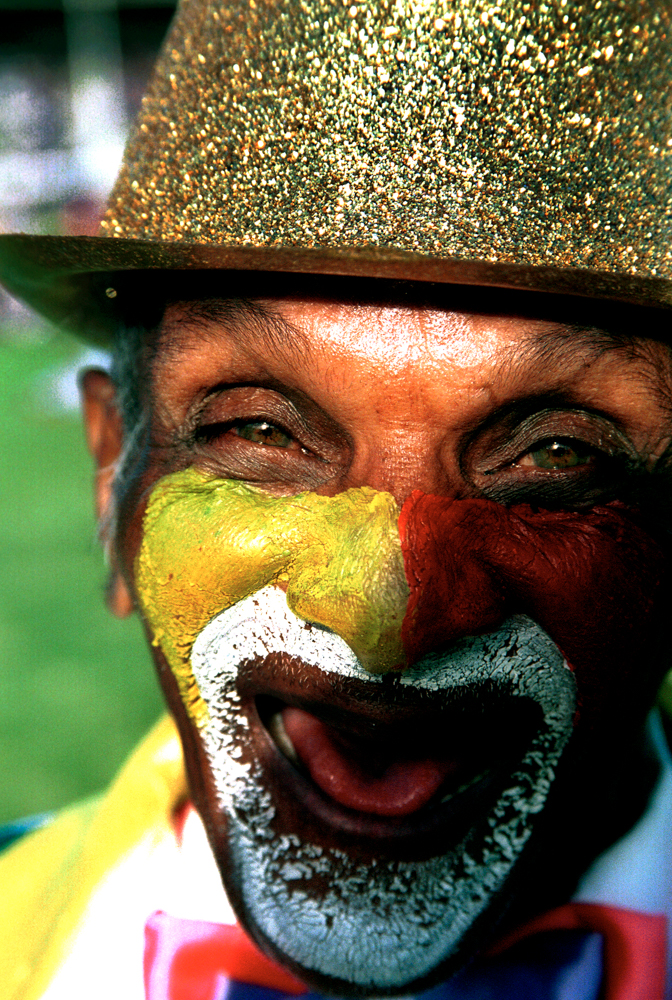
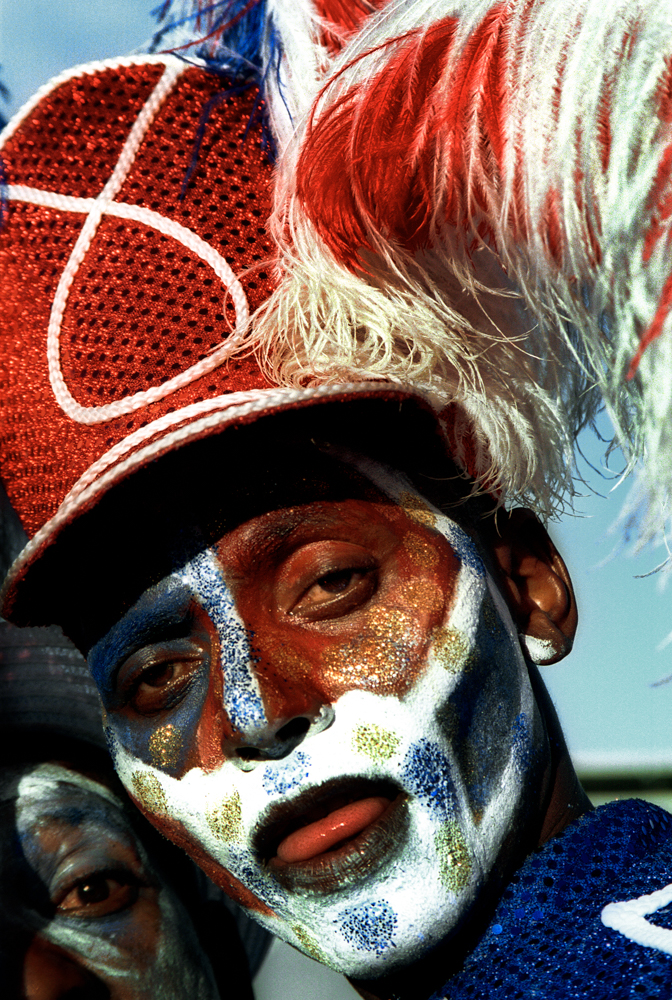
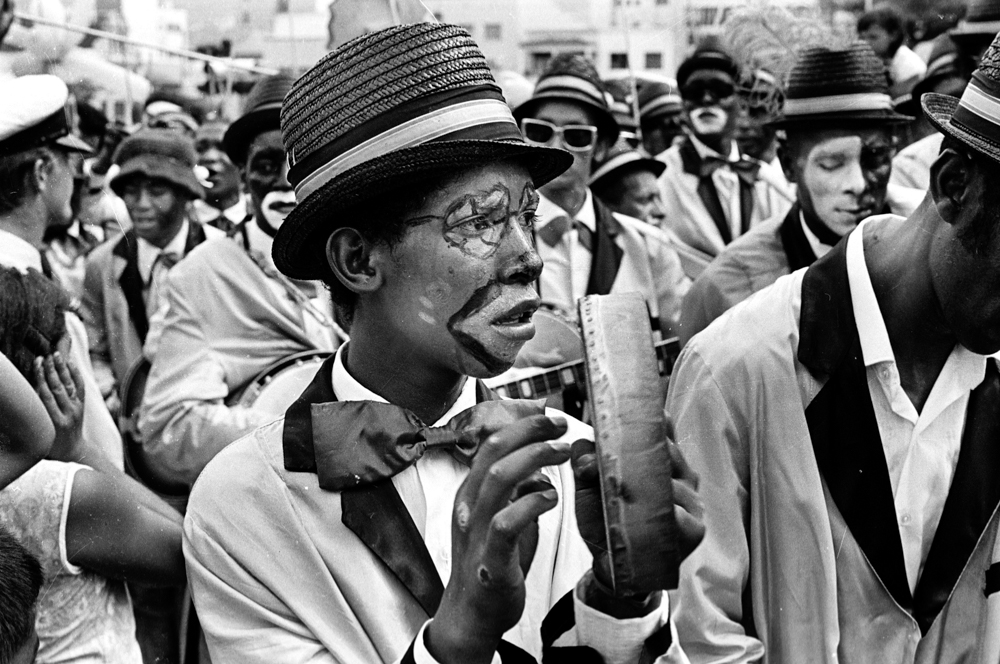
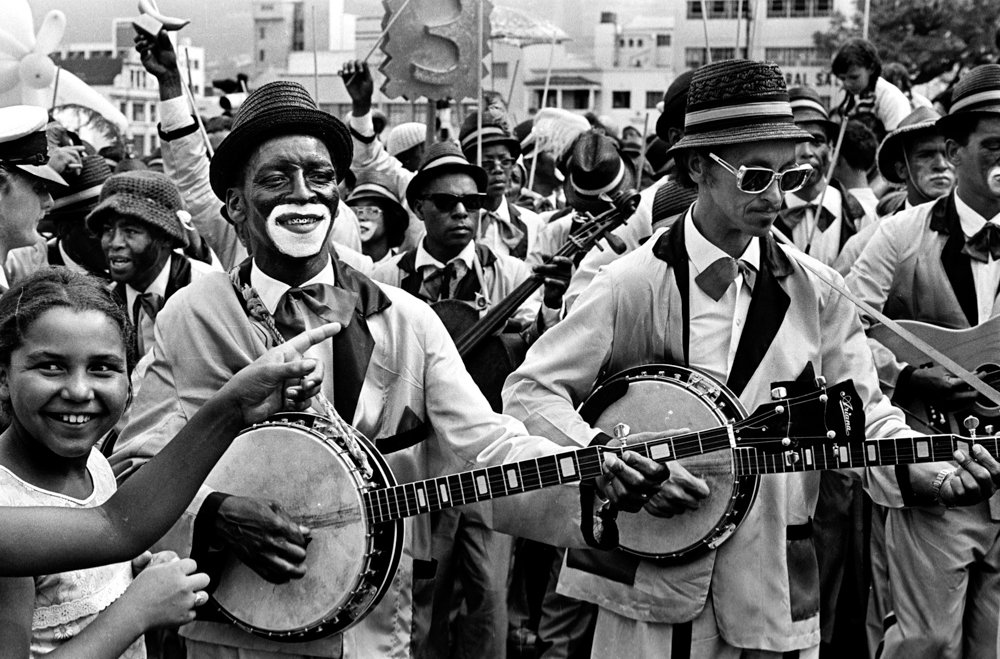
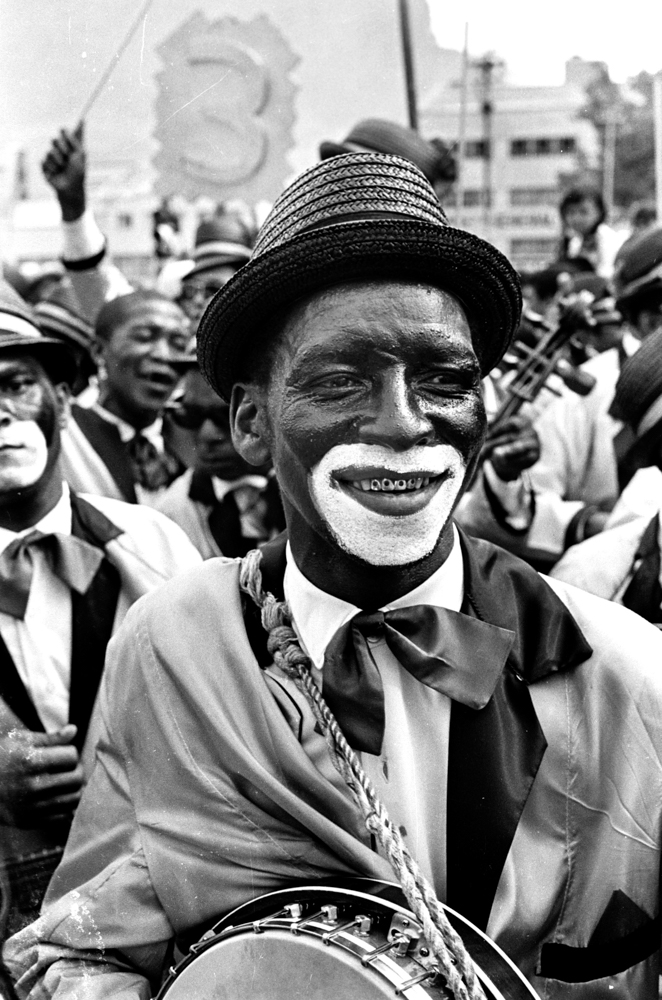
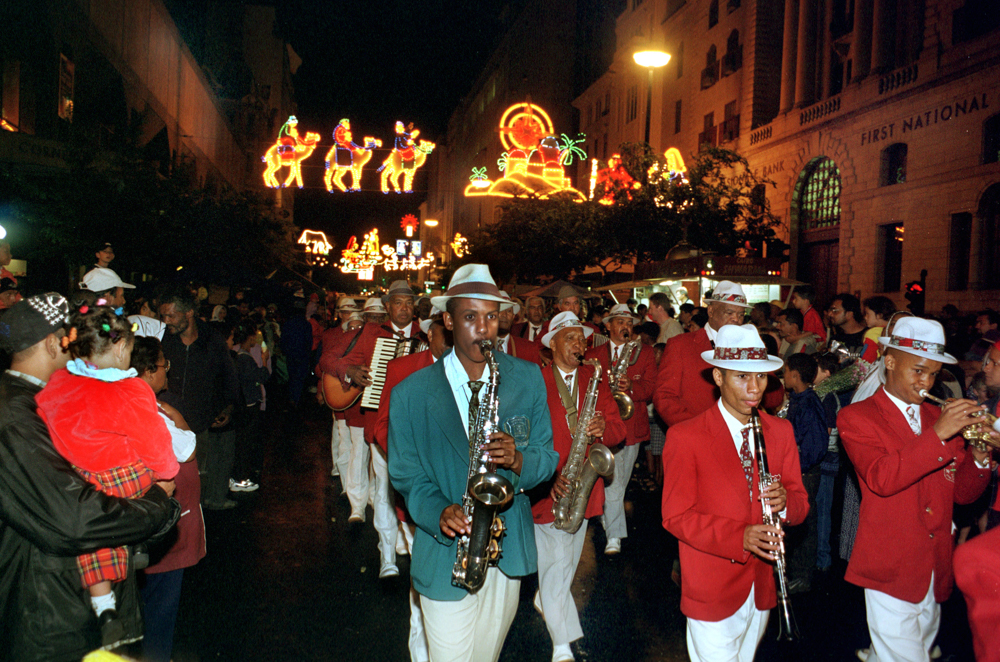
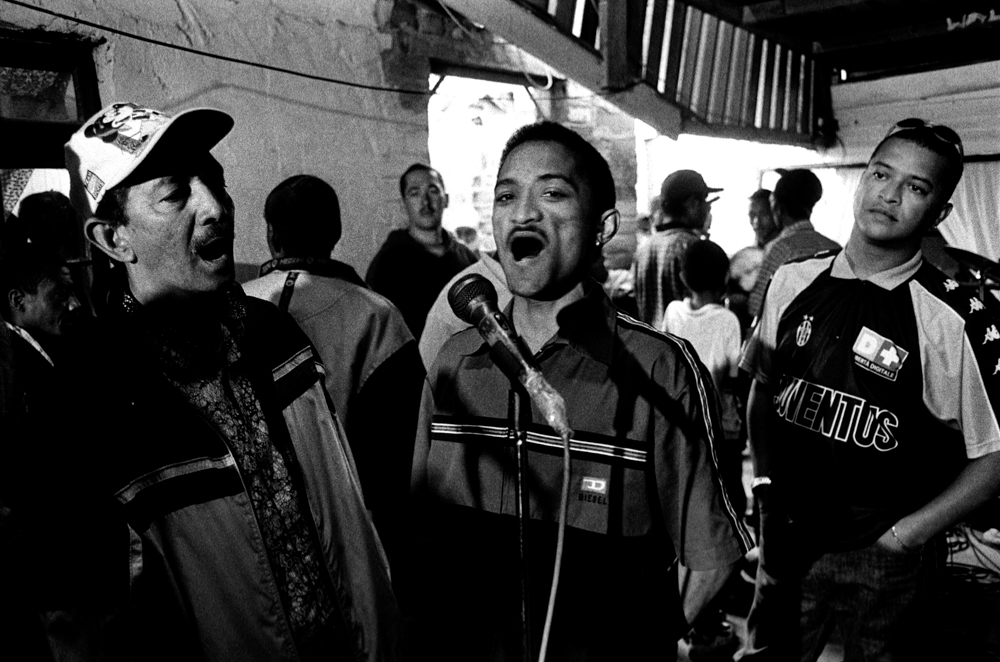
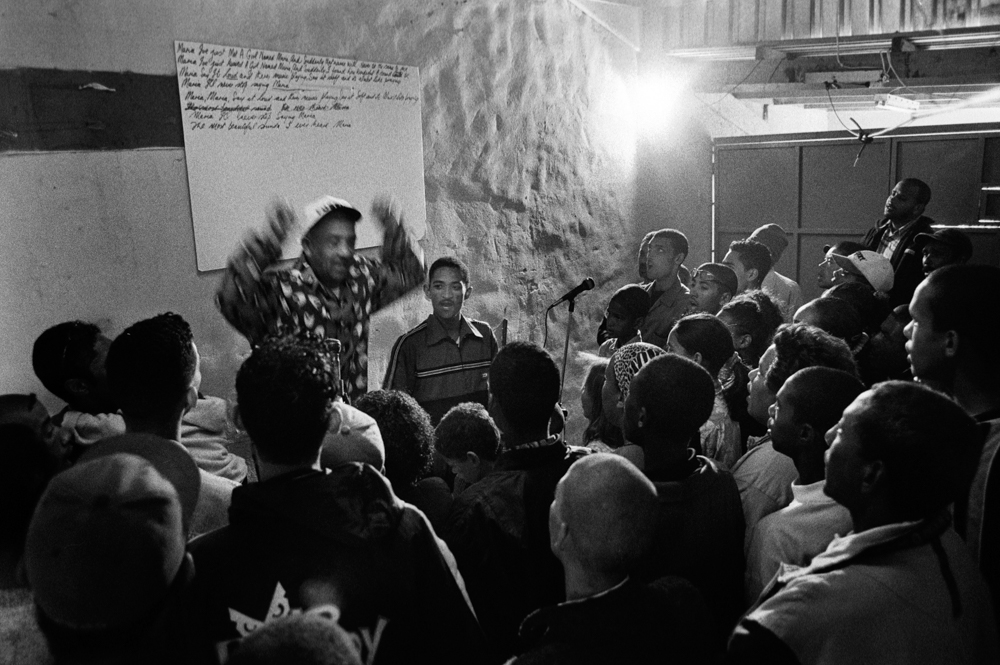
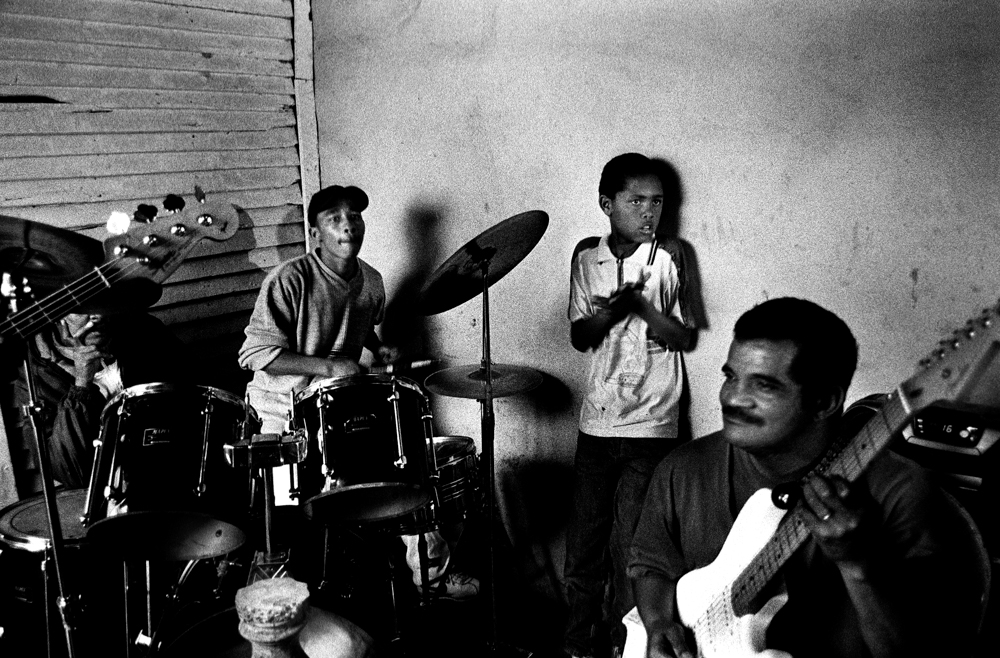
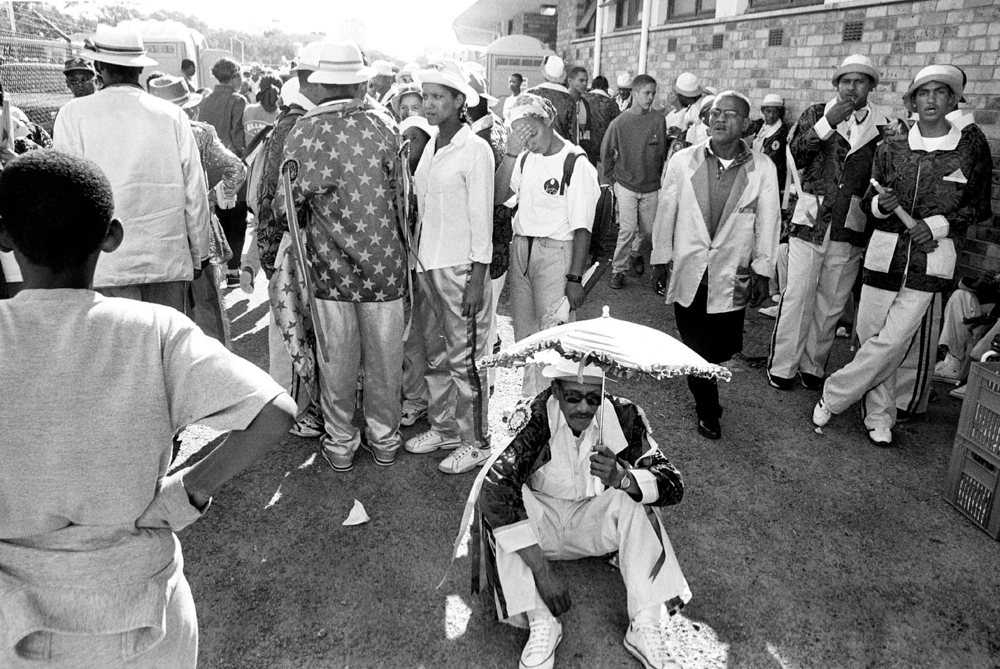
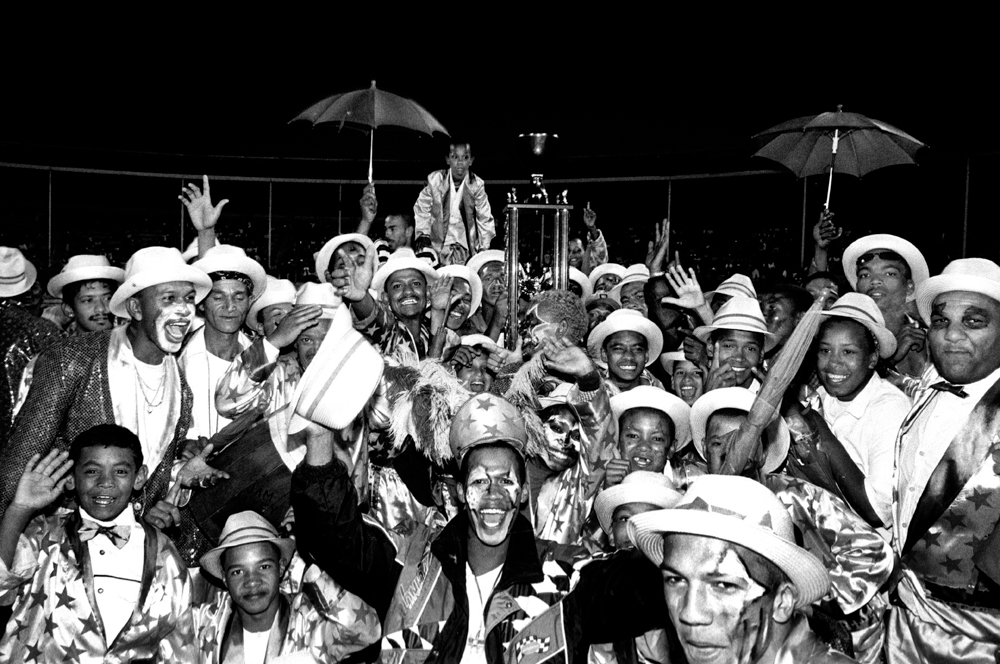
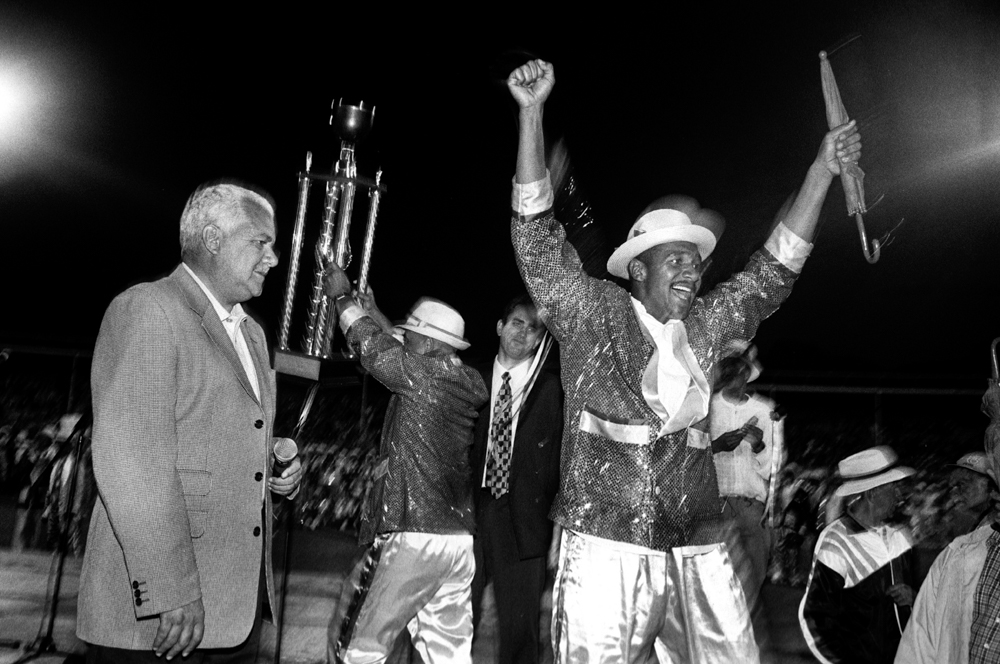
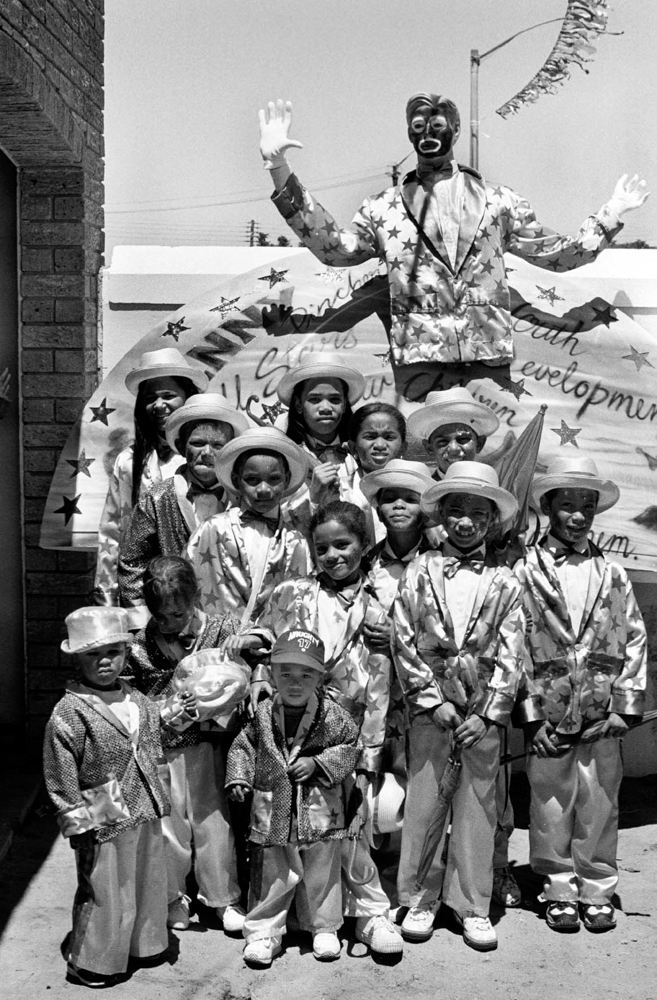
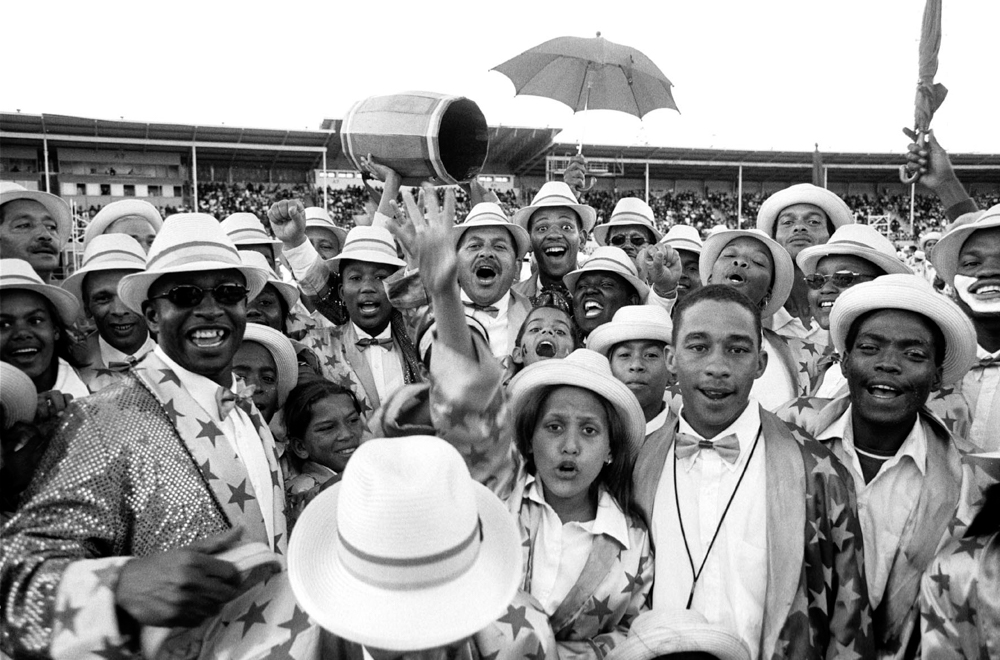
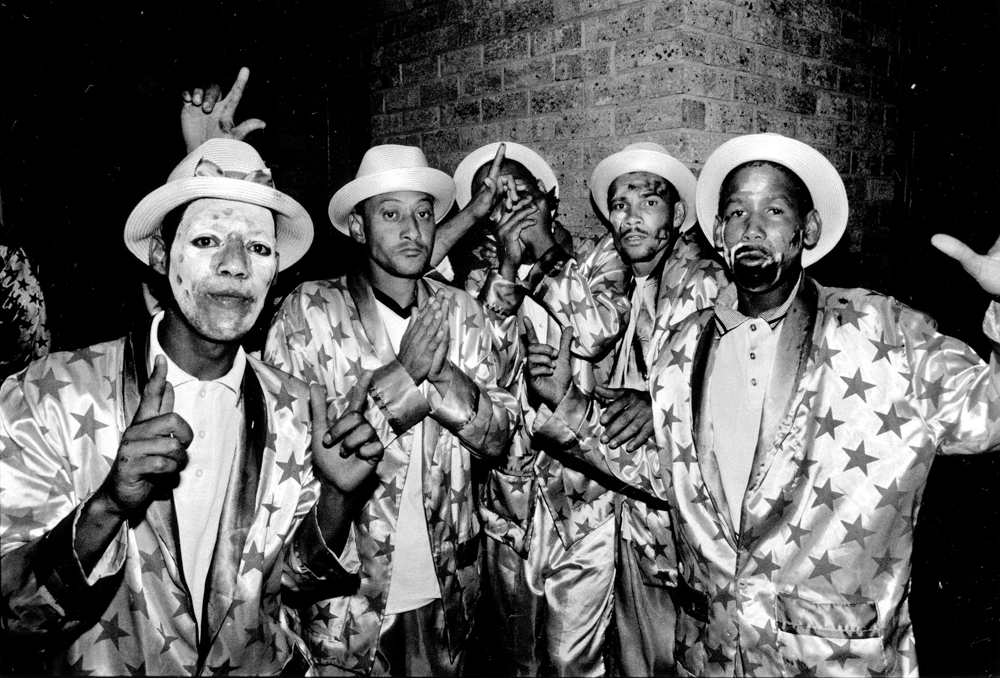
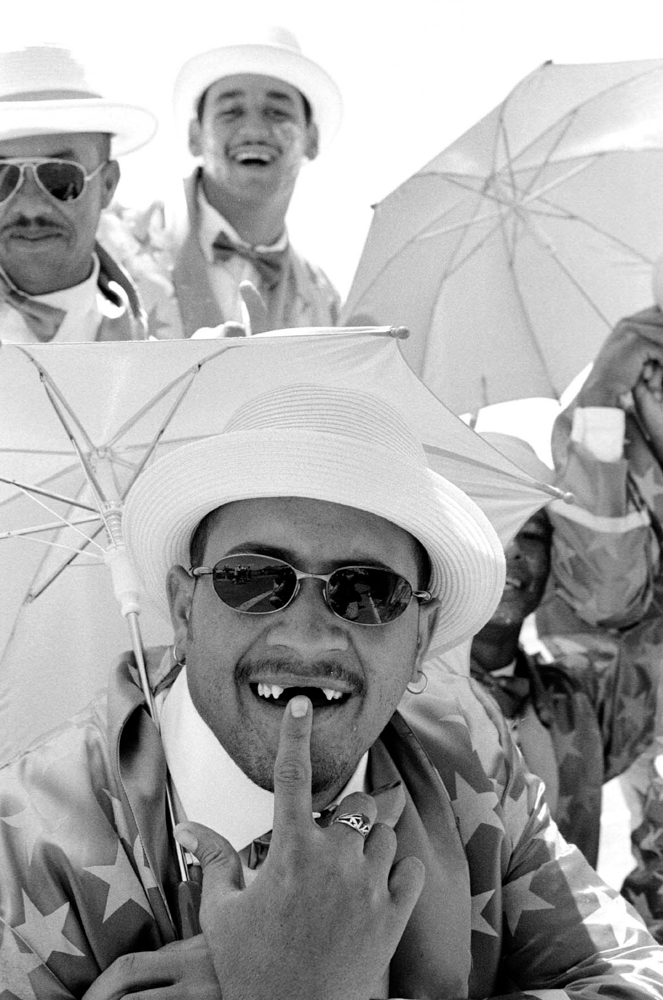
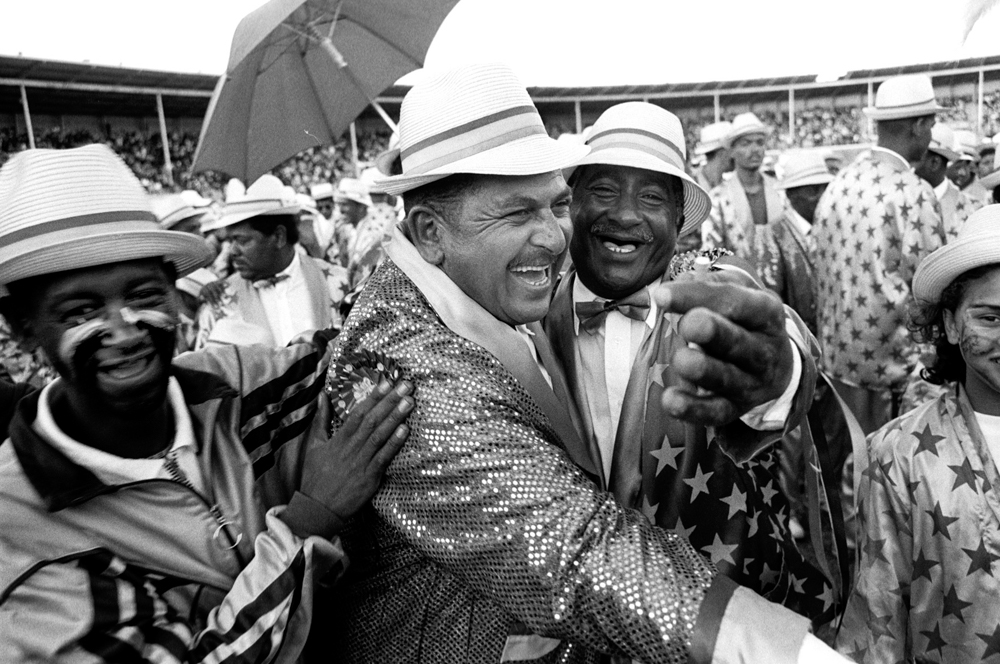
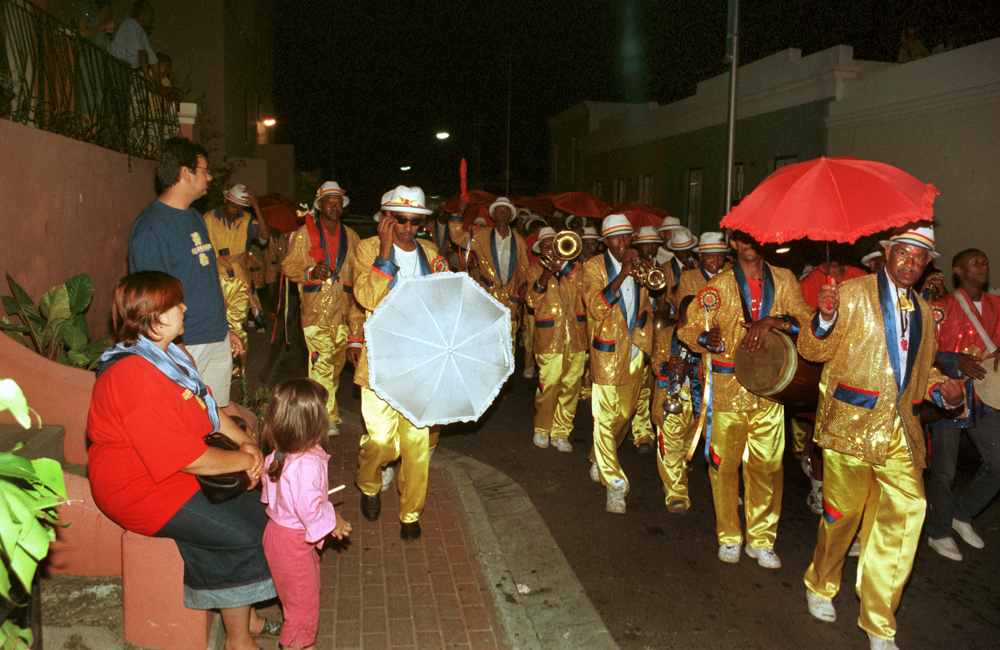
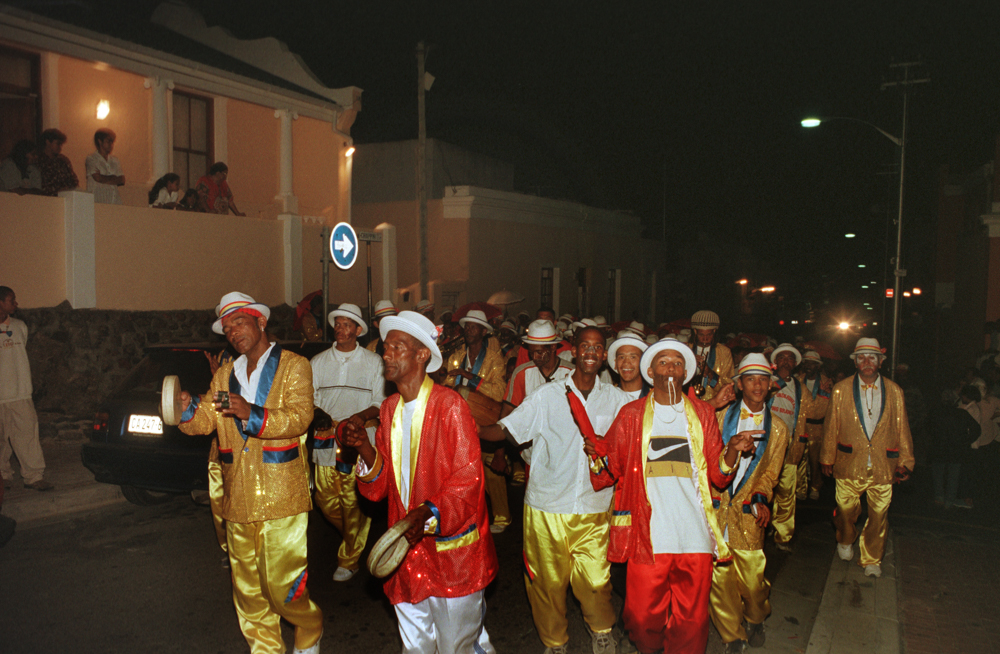
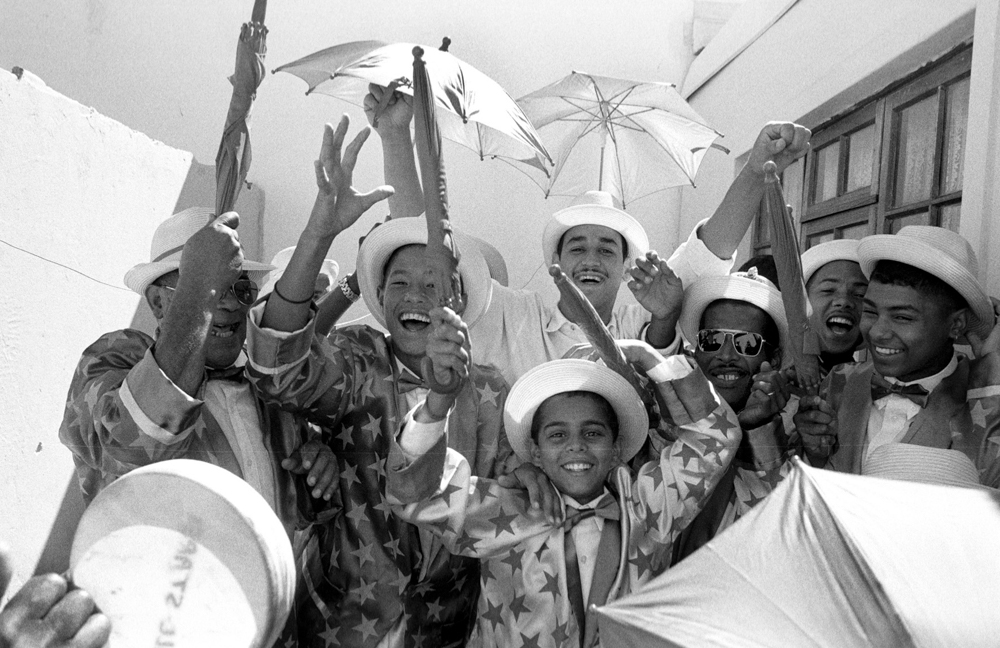
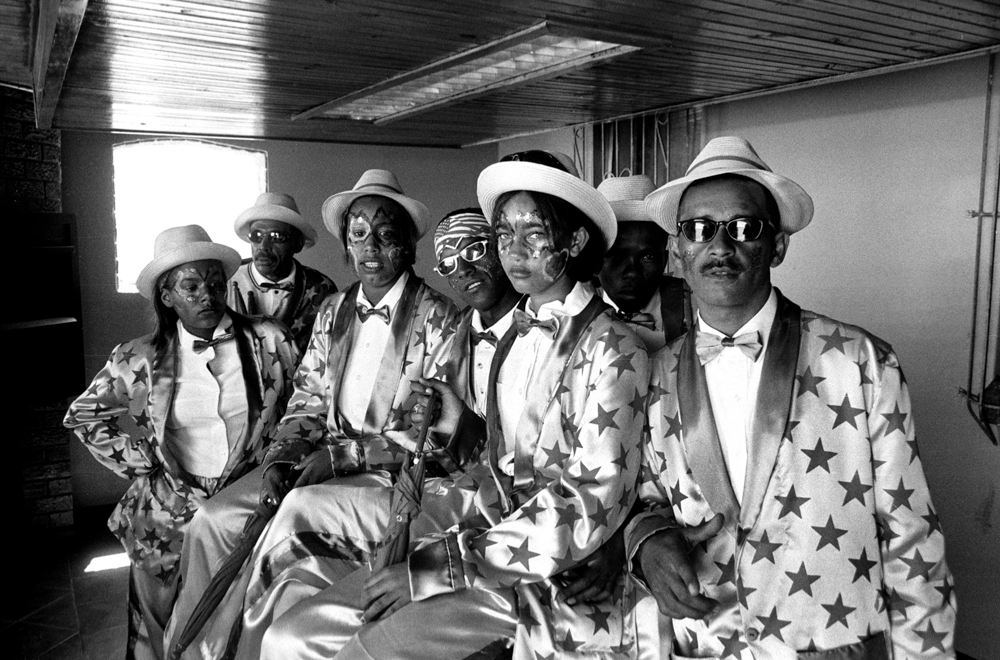
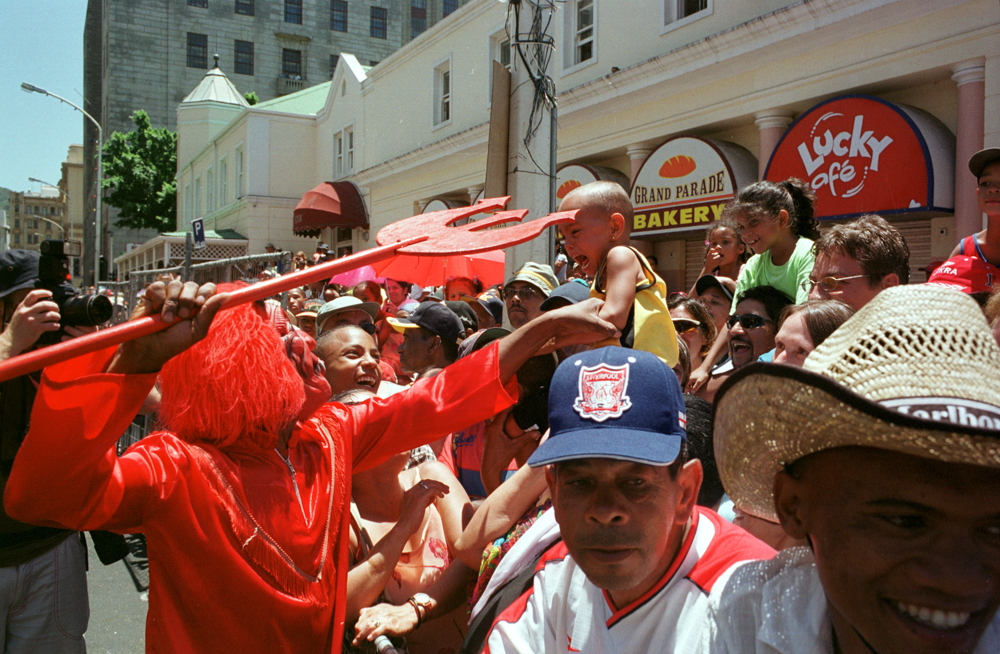
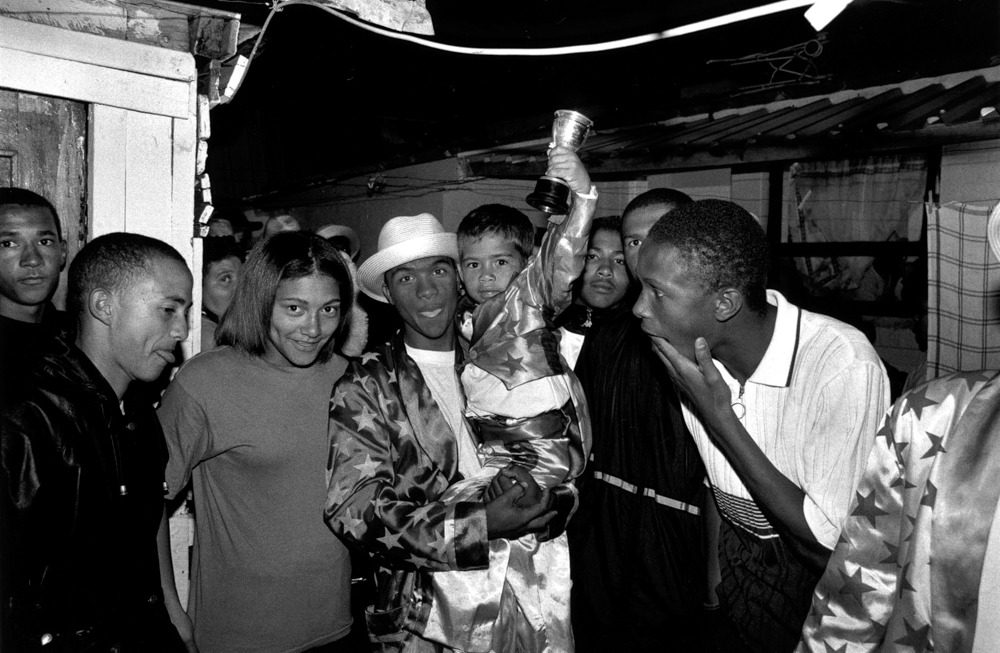
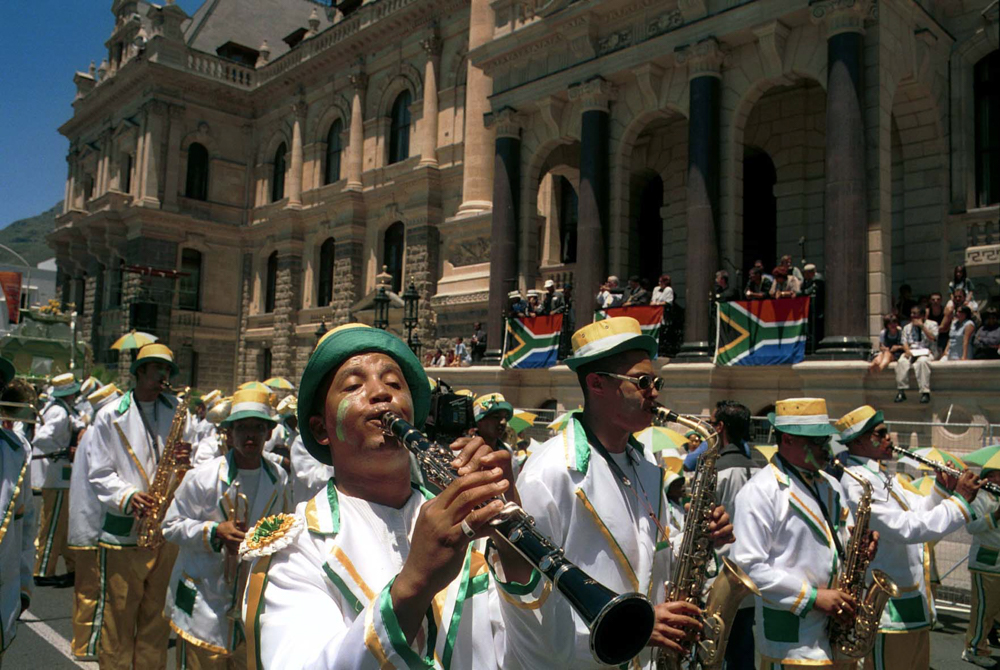
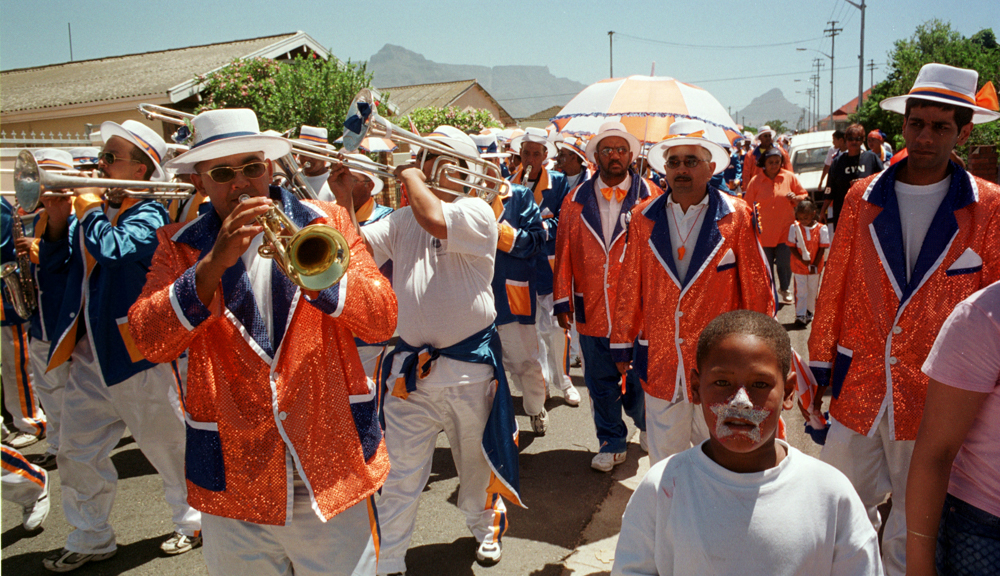
The Kaapse Klopse, often referred to as the Cape Town Minstrel Carnival, form one of Cape Town’s most distinctive cultural traditions. Each year on 2 January, known locally as Tweede Nuwe Jaar (Second New Year), thousands of performers parade through the city in brightly coloured costumes accompanied by brass bands, banjos and the rhythmic ghoema drum. Rooted in the history of slavery at the Cape and shaped by generations of community participation, the Kaapse Klopse has evolved into a powerful expression of community identity and cultural memory in Cape Town. Photographer Juhan Kuus spent time documenting this tradition, producing photographs that capture both the spectacle of the carnival and the people who sustain it.
The Kaapse Klopse and the tradition of Tweede Nuwe Jaar form one of Cape Town’s most distinctive cultural expressions, shaped by music, memory, performance and community identity across generations.
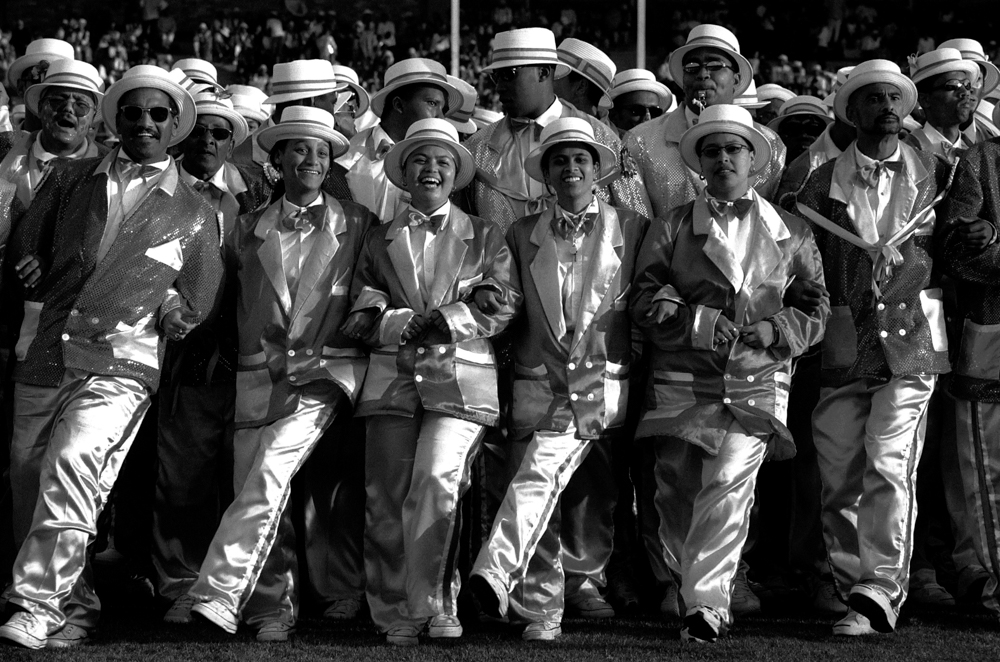
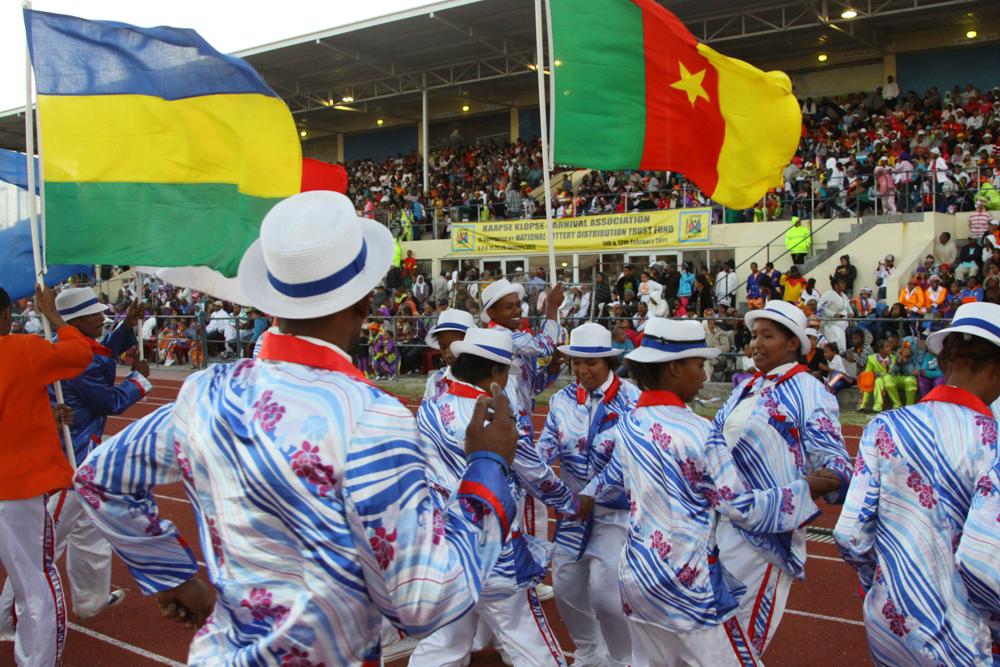
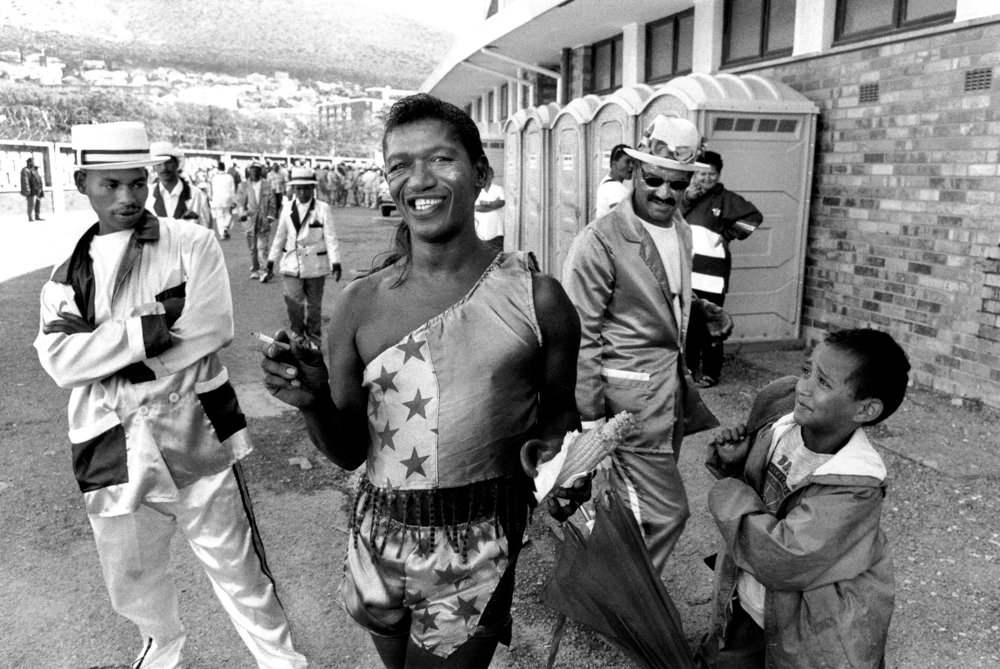
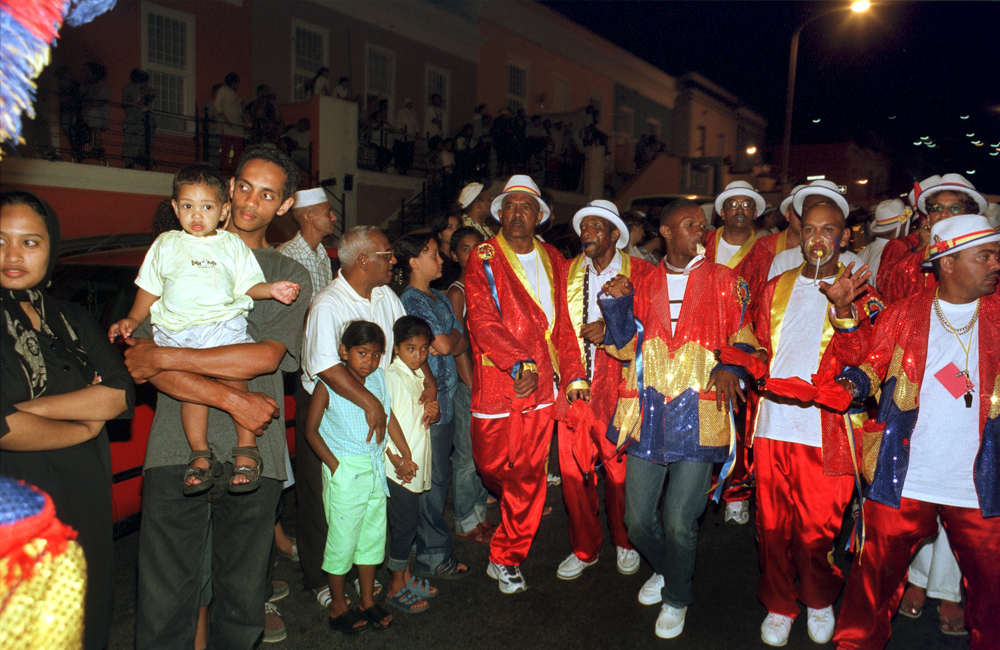
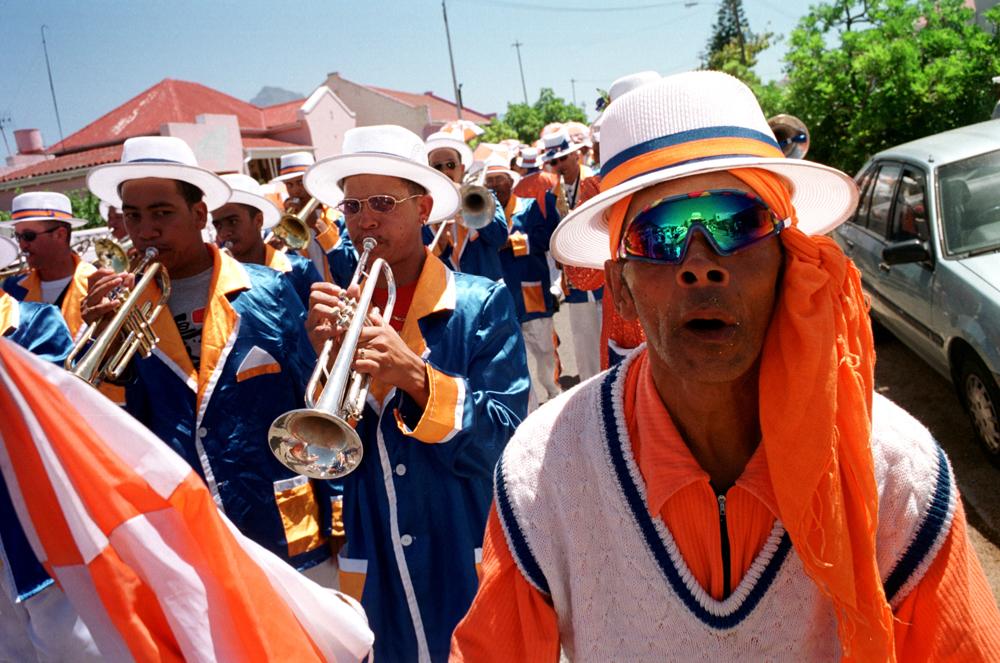
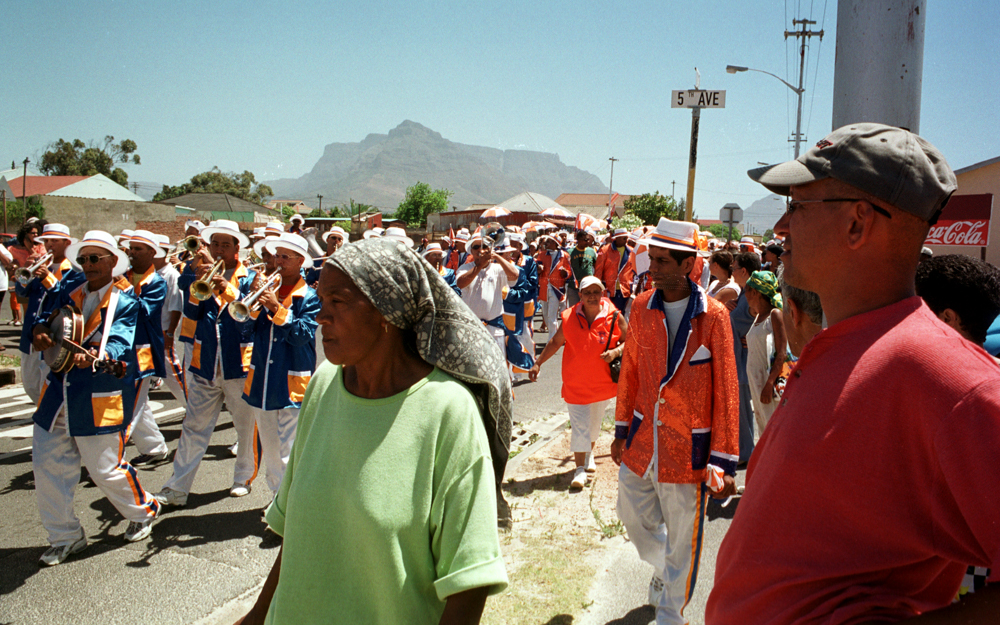
Each year on 02 January, the streets of Cape Town come alive with music, colour and celebration during the annual Kaapse Klopse carnival, also known as the Cape Town Minstrels or Tweede Nuwe Jaar (Second New Year). Thousands of performers dressed in brightly coloured costumes parade through the city while playing banjos, brass instruments and the distinctive ghoema drum, whose rhythm has become closely associated with Cape Town’s working-class cultural traditions.
For many Capetonians, the Kaapse Klopse is far more than a parade. It represents a deeply rooted cultural tradition shaped by centuries of history, migration and community life. The carnival reflects the heritage of communities whose histories are tied to slavery, colonialism and the social changes that followed. Today it remains one of the most recognisable and enduring cultural events in Cape Town.
Understanding the origins of the Kaapse Klopse provides important context for photographs and documentary work produced by photographers such as Juhan Kuus, who spent time documenting the performers, musicians and communities connected to the festival.
Origins of the Kaapse Klopse
The origins of the Kaapse Klopse are closely linked to the history of slavery at the Cape during the seventeenth and eighteenth centuries. Enslaved people were brought to the Cape from regions including Indonesia, India, Sri Lanka, Madagascar and East Africa to work in households, farms and businesses within the Dutch colonial settlement.
Life for enslaved people was strictly controlled and opportunities for leisure or celebration were extremely limited. One of the few occasions when enslaved individuals were permitted time away from labour was 02 January, after their enslavers had completed their own New Year celebrations.
On this day many enslaved people gathered together in public spaces to sing, dance and perform music. These gatherings became a rare opportunity to celebrate cultural traditions and social connections that had survived despite the harsh conditions of slavery. Over time the day became known locally as Tweede Nuwe Jaar, meaning “Second New Year”.
From Slave Celebrations to Community Carnival
Following the abolition of slavery in the Cape in 1834, the Tweede Nuwe Jaar celebrations continued and gradually expanded. Freed communities maintained the tradition of gathering in the streets with music and performance, and the event slowly evolved into a more organised public celebration.
By the late nineteenth century, structured minstrel troupes began to form. These groups developed distinctive uniforms, songs and choreographed performances that would eventually define the Kaapse Klopse tradition. The first organised troupes appeared in the late 1800s and began marching through Cape Town in colourful costumes accompanied by musical bands.
The influence of American minstrel shows, which toured the Cape during the nineteenth century, also played a role in shaping aspects of costume and performance. However, local communities adapted these influences into a uniquely Cape Town cultural expression, blending them with local music, language and traditions.
Music, Performance and the Ghoema Rhythm
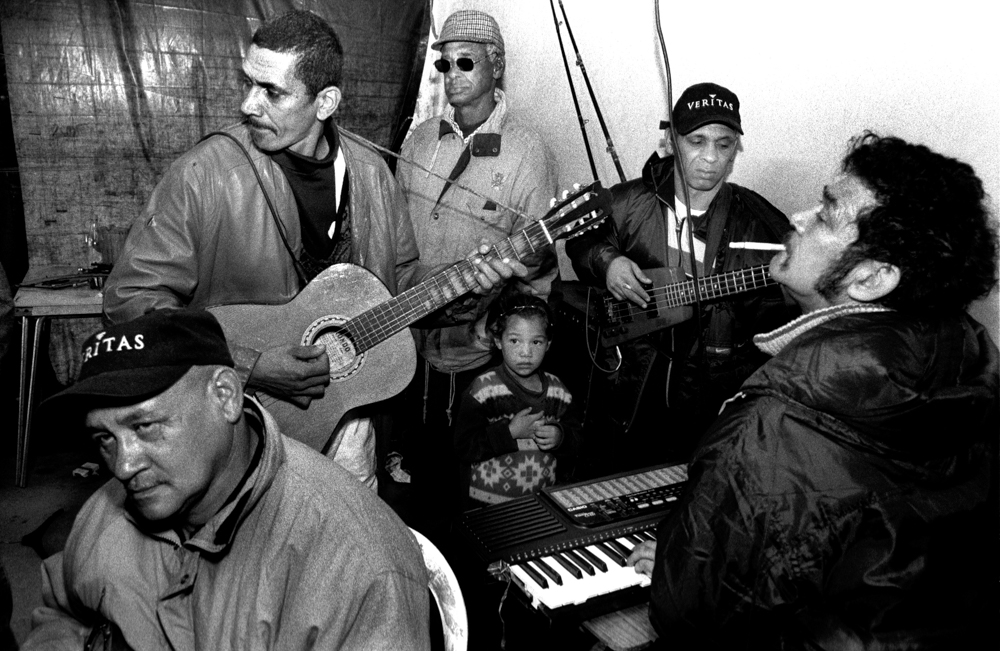
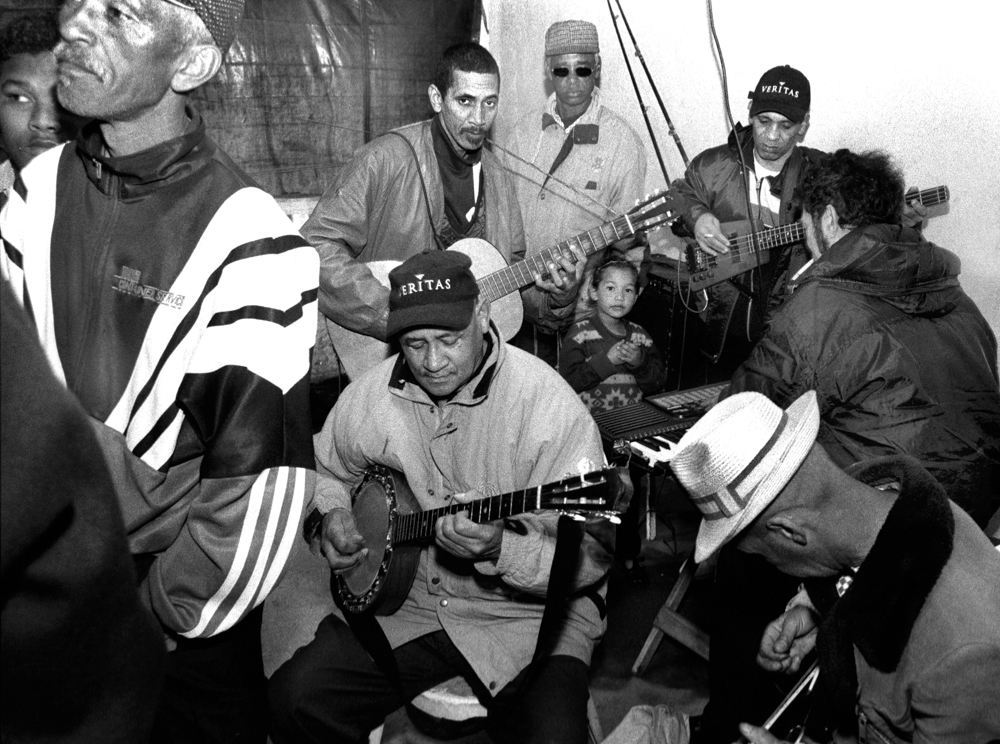
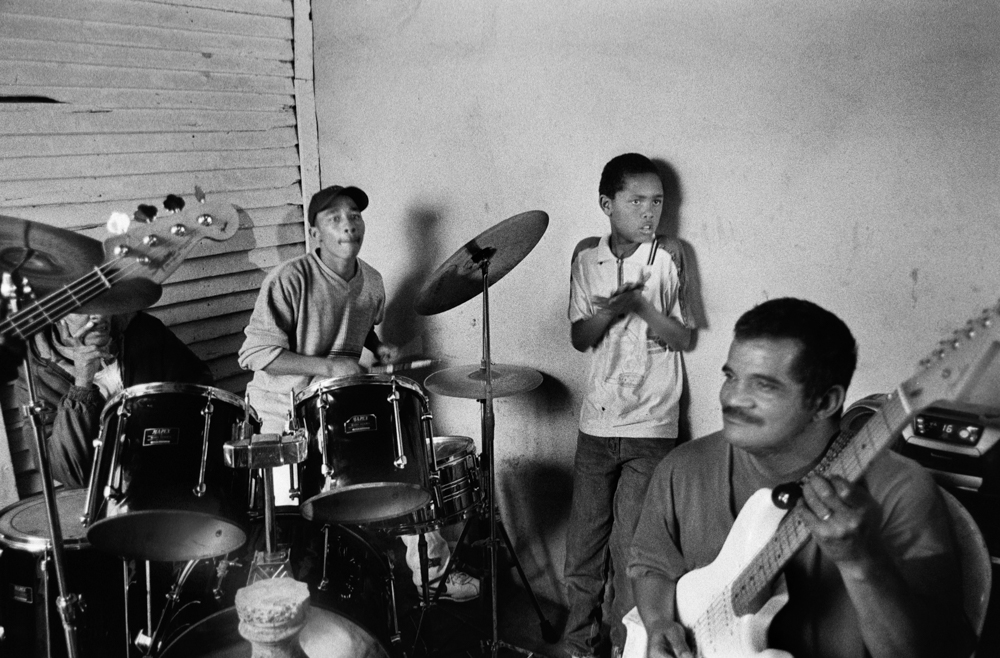
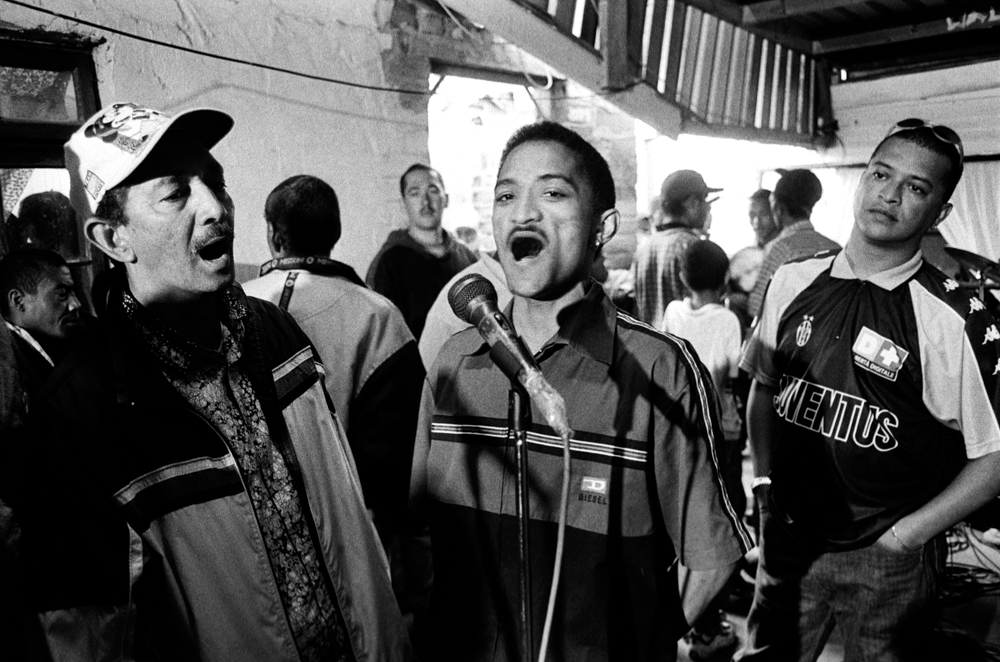
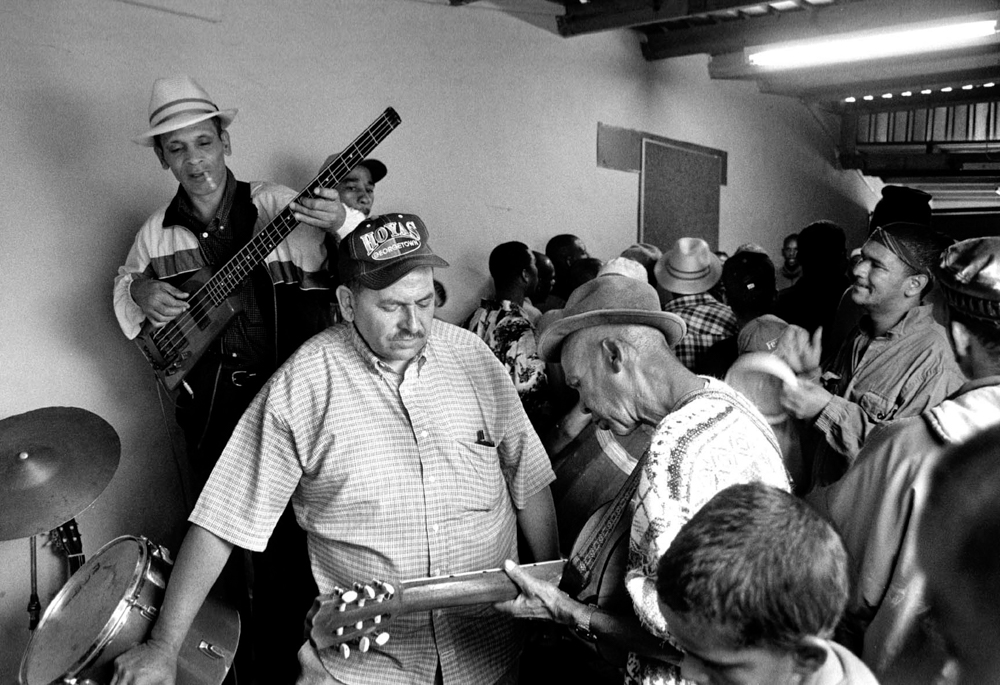
Music lies at the heart of the Kaapse Klopse tradition. Troupes perform songs accompanied by banjos, brass instruments and percussion, creating the energetic soundscape associated with the carnival.
Central to this musical tradition is the ghoema drum, a percussion instrument whose rhythm forms the backbone of many Klopse performances. The ghoema beat reflects the cultural blending that took place in Cape Town over centuries, combining influences from African, Asian and European musical traditions.
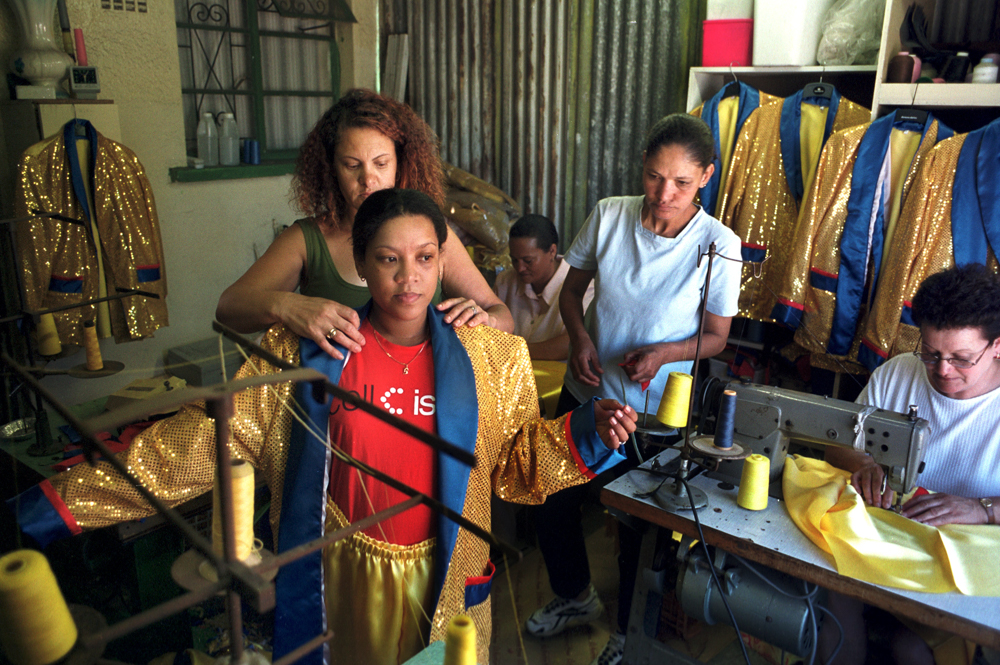
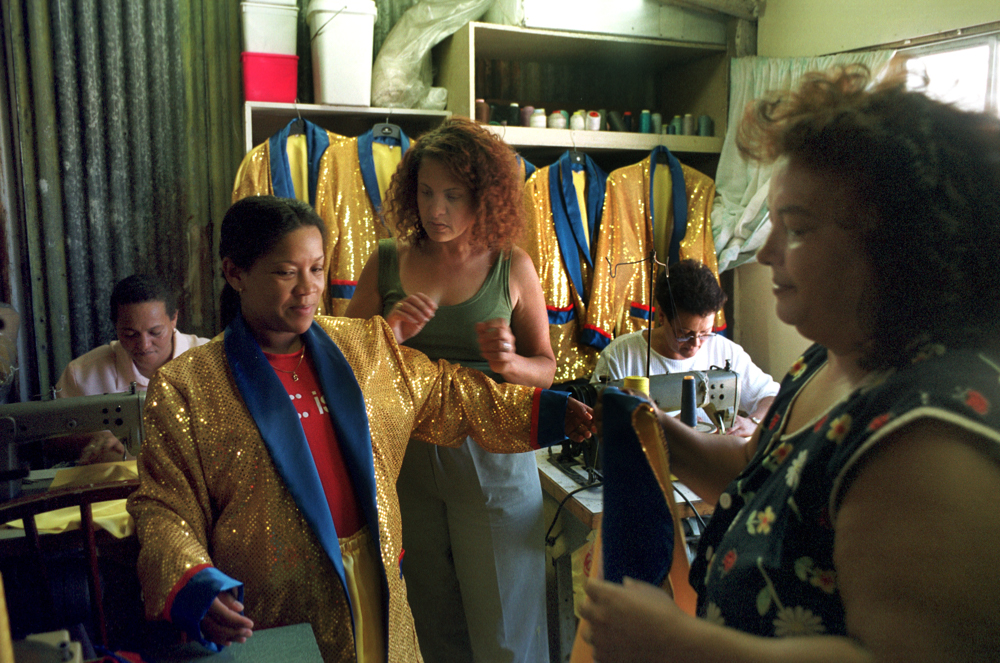
Costumes and choreography are also essential elements of the event. Troupes spend months preparing elaborate outfits, rehearsing musical arrangements and developing coordinated performances that are unveiled during the carnival and subsequent competitions.
Cultural Significance of the Cape Minstrel Carnival
Over time the Kaapse Klopse has become one of the most important cultural events in Cape Town. For many participants the festival represents a celebration of community identity, heritage and resilience.
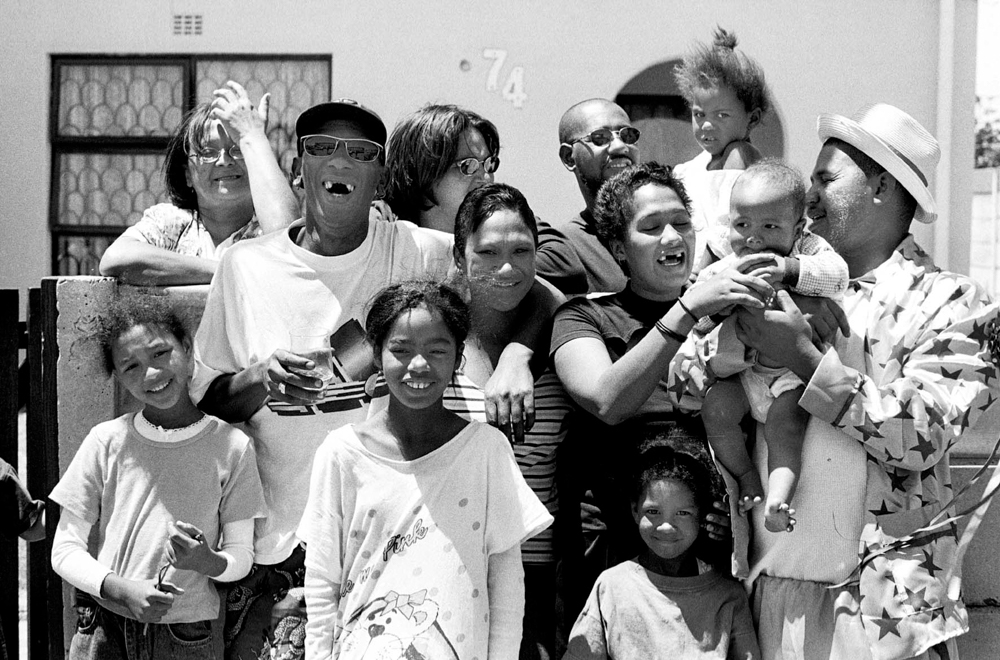
The carnival is particularly significant within communities historically classified under apartheid as “Coloured” communities in the Cape. Participation in minstrel troupes often spans generations, with families and neighbourhoods maintaining strong connections to specific troupes.
Despite periods when the carnival faced restrictions or displacement during apartheid, the tradition survived and continued to evolve. Today it remains a living cultural practice that reflects the history, creativity and shared experiences of many Cape Town communities.
“The Kaapse Klopse remains one of the most enduring cultural traditions in Cape Town, sustained by generations of musicians, performers and families.”
Juhan Kuus and the Kaapse Klopse
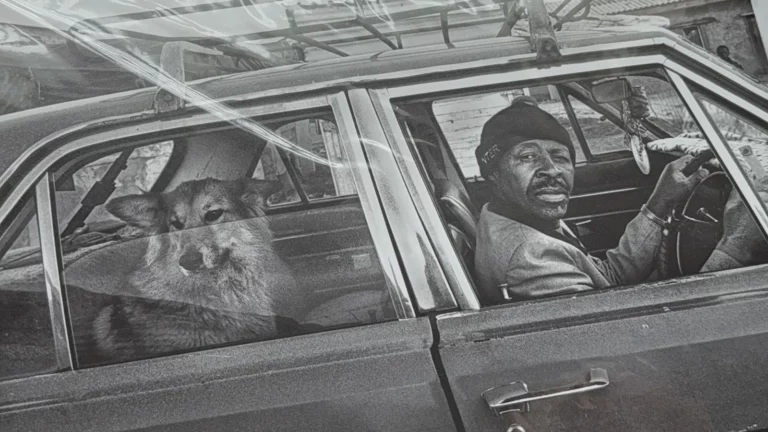
Photographer Juhan Kuus was drawn to documenting communities and social realities across South Africa. His work frequently focused on people and environments that were underrepresented in mainstream media.
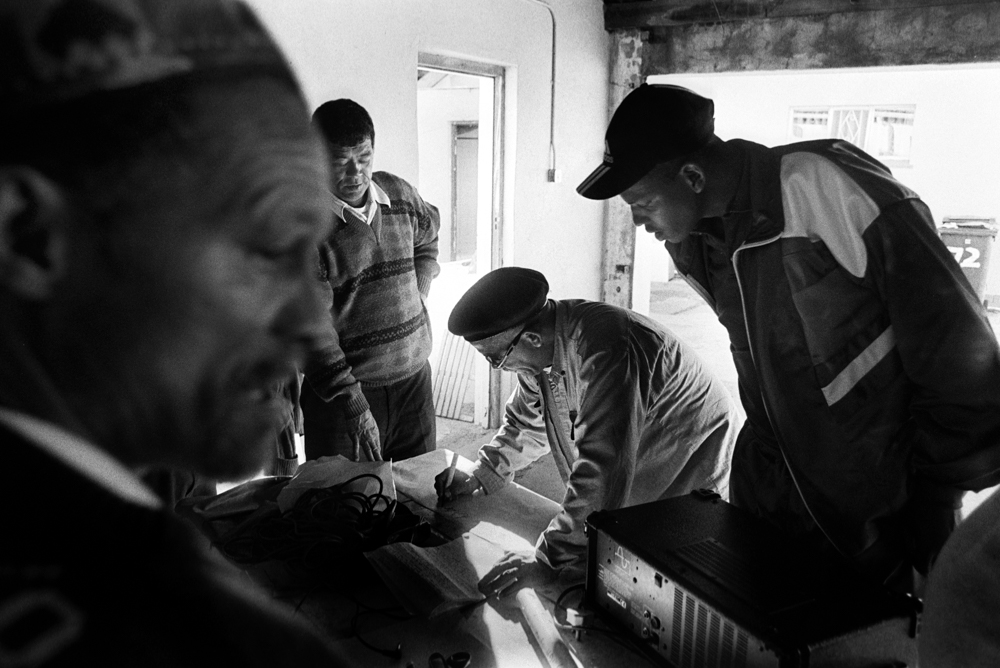
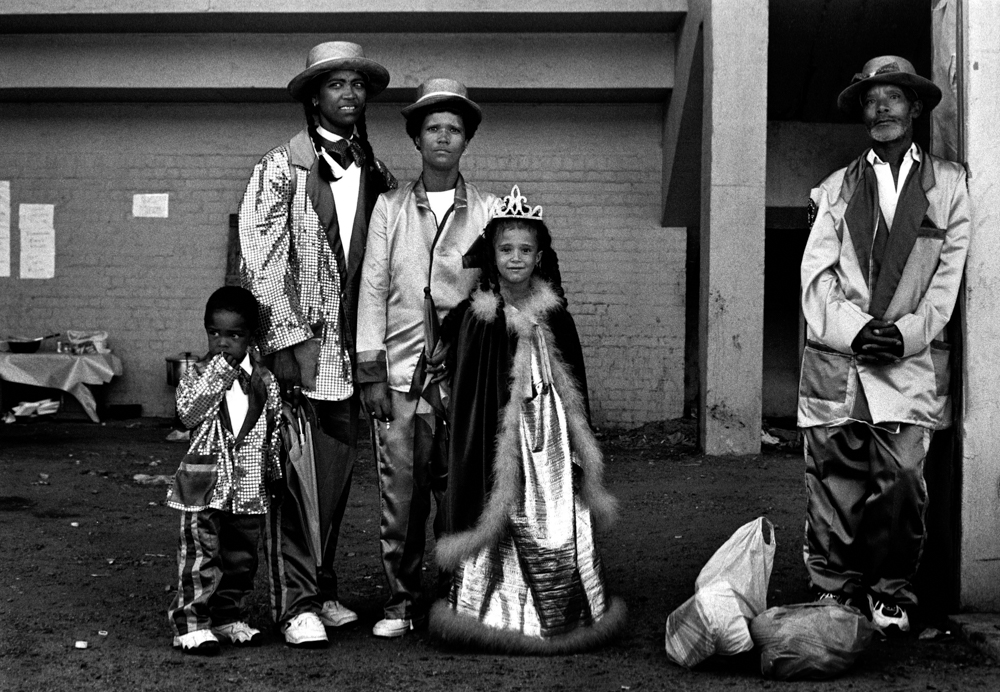
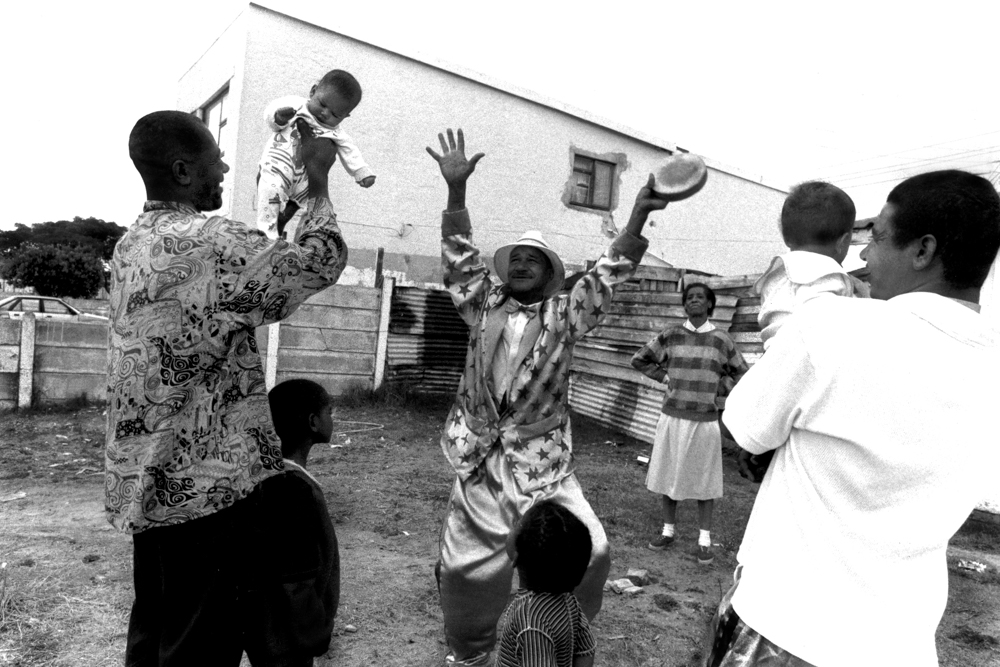
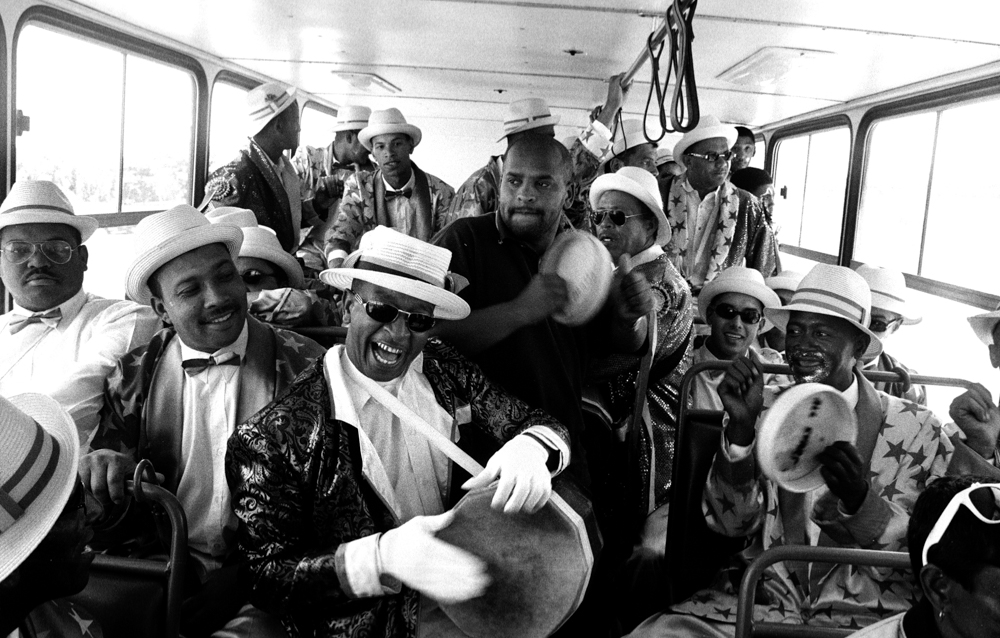
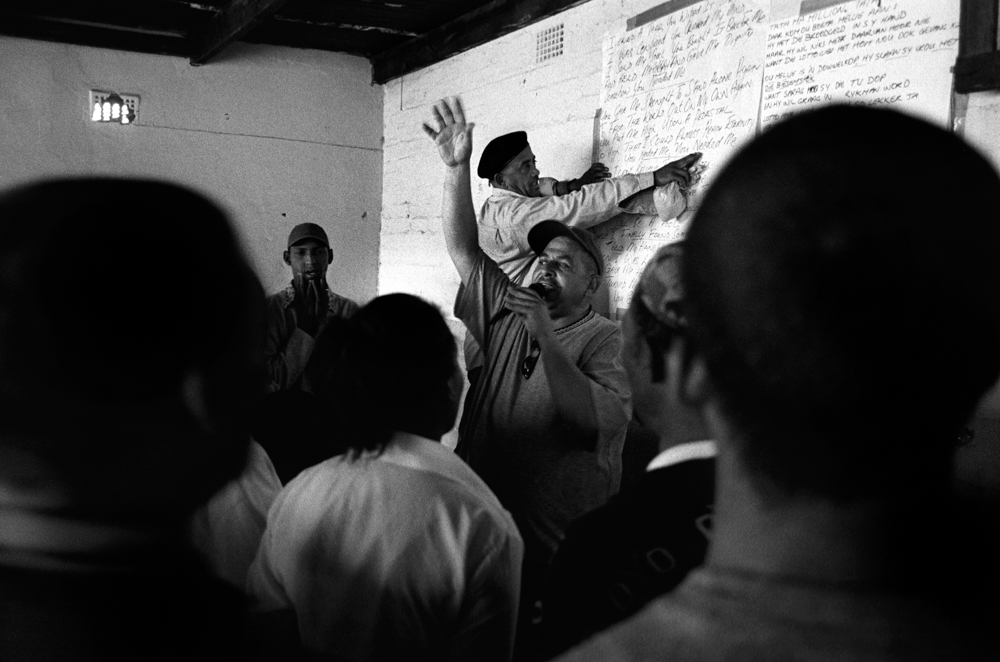
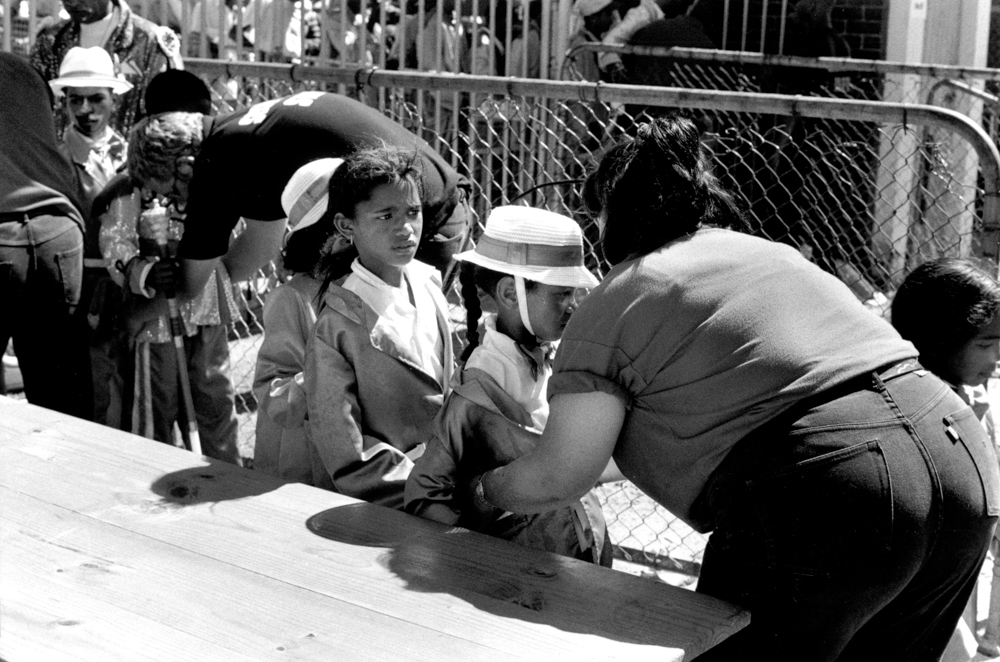
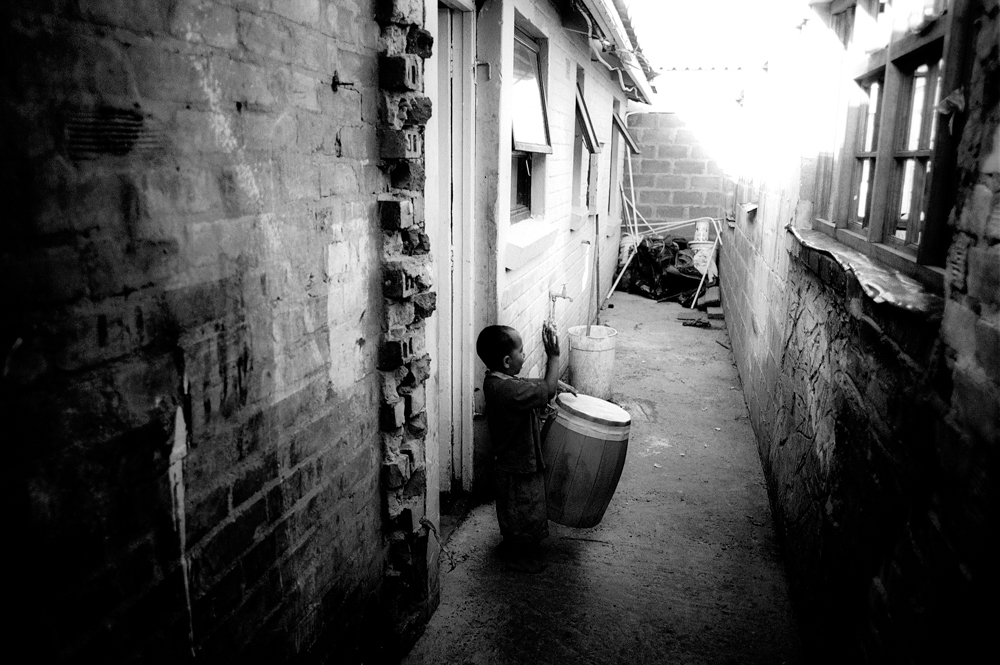
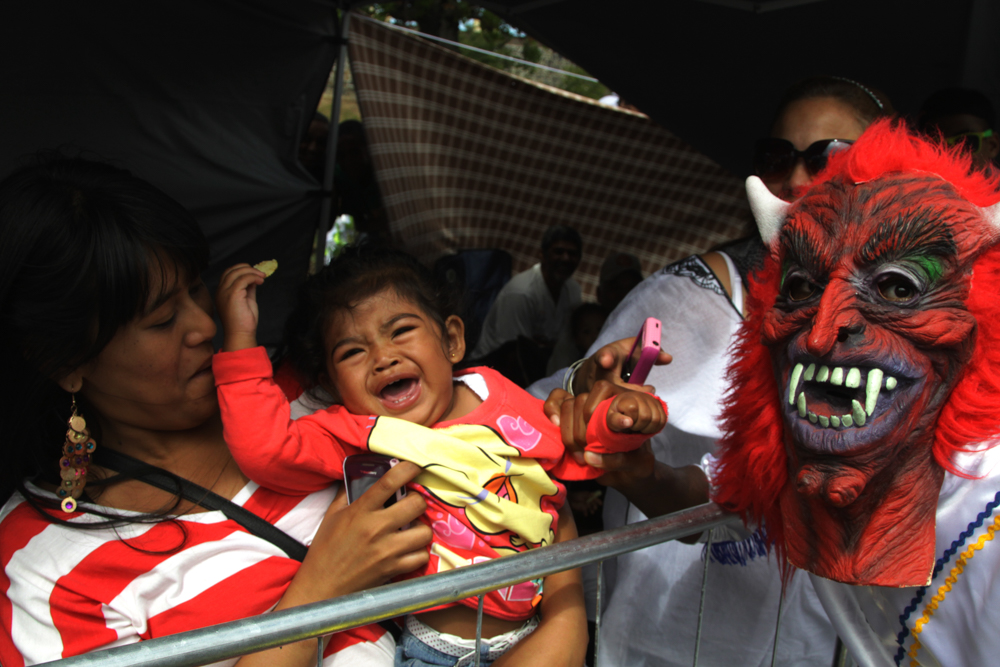
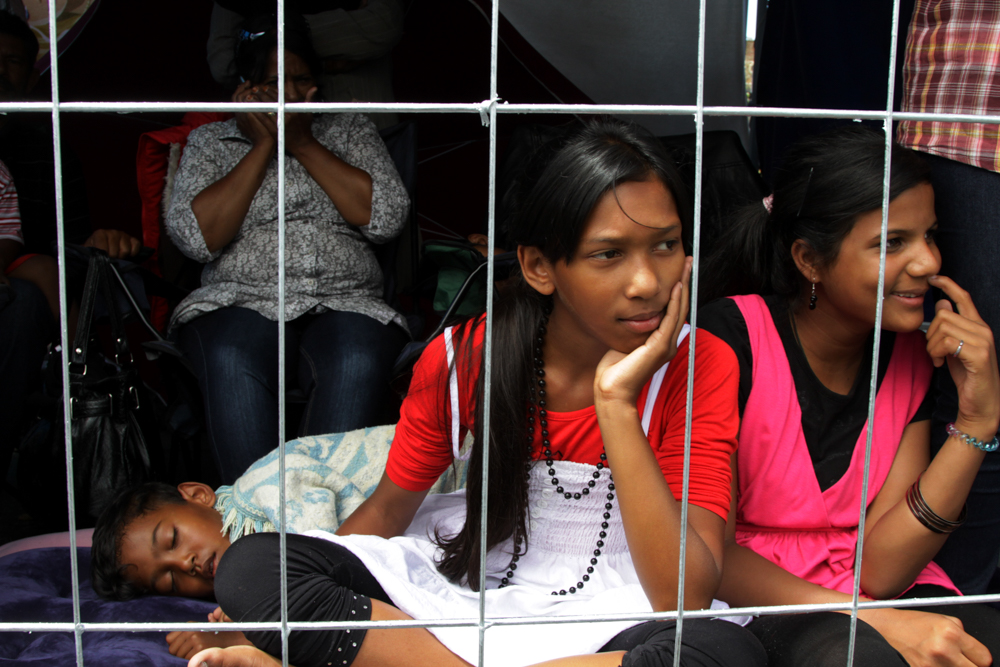
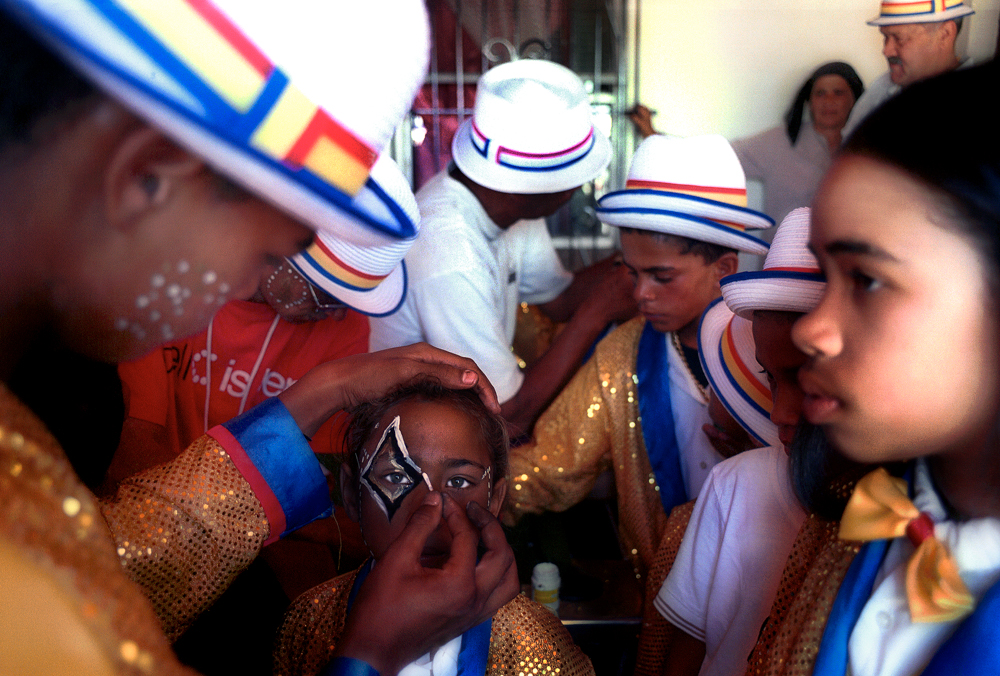
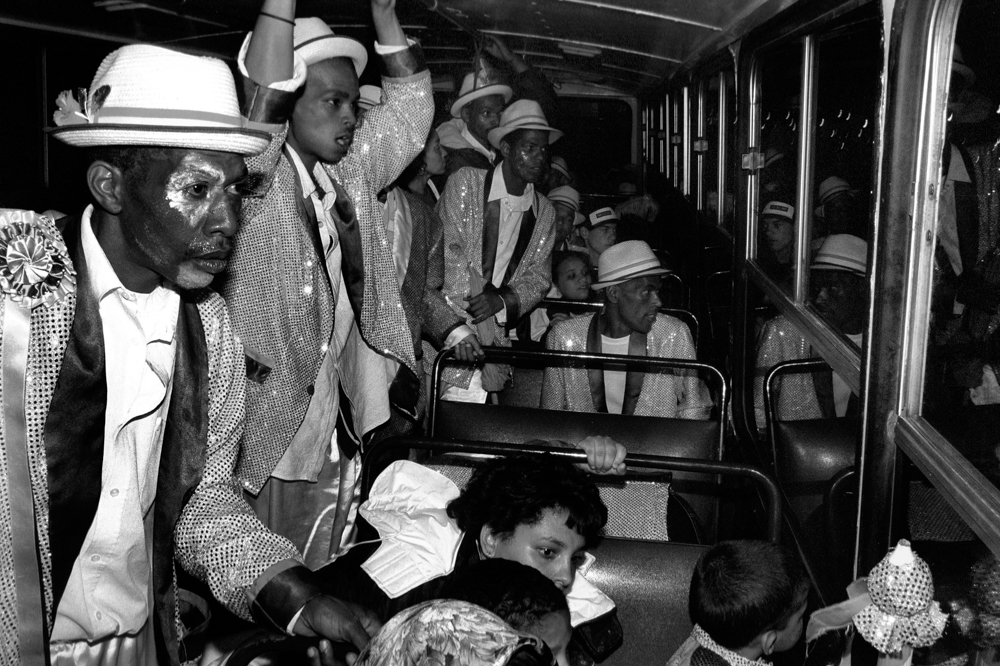
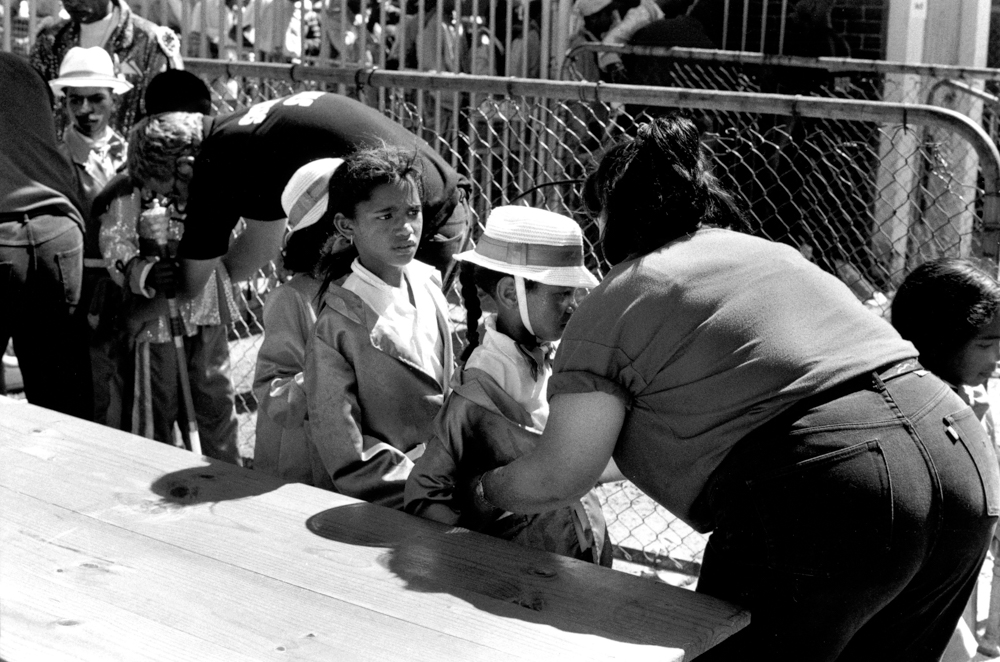
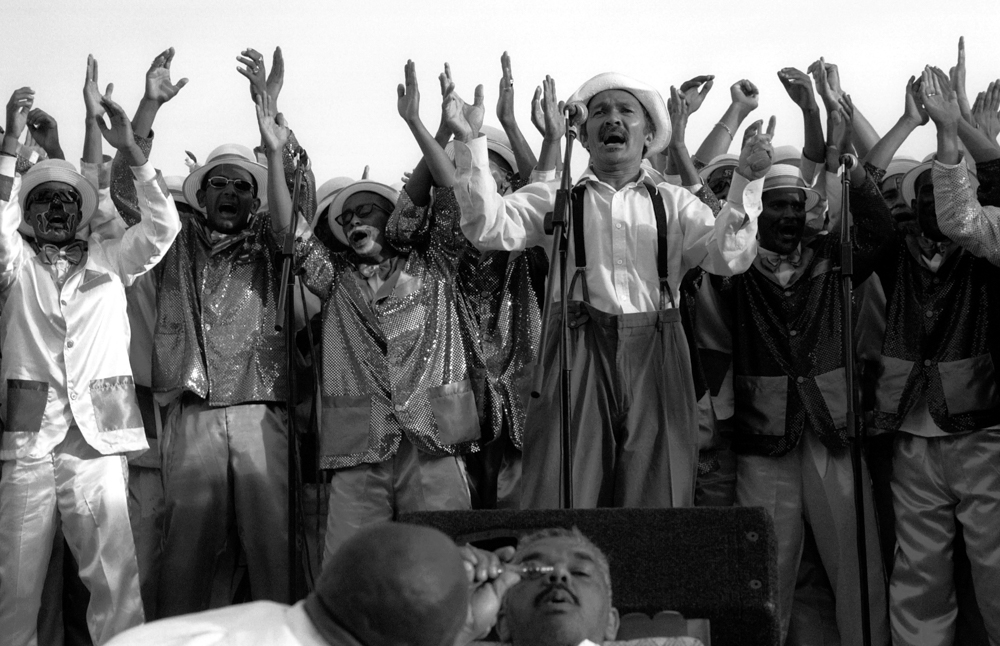
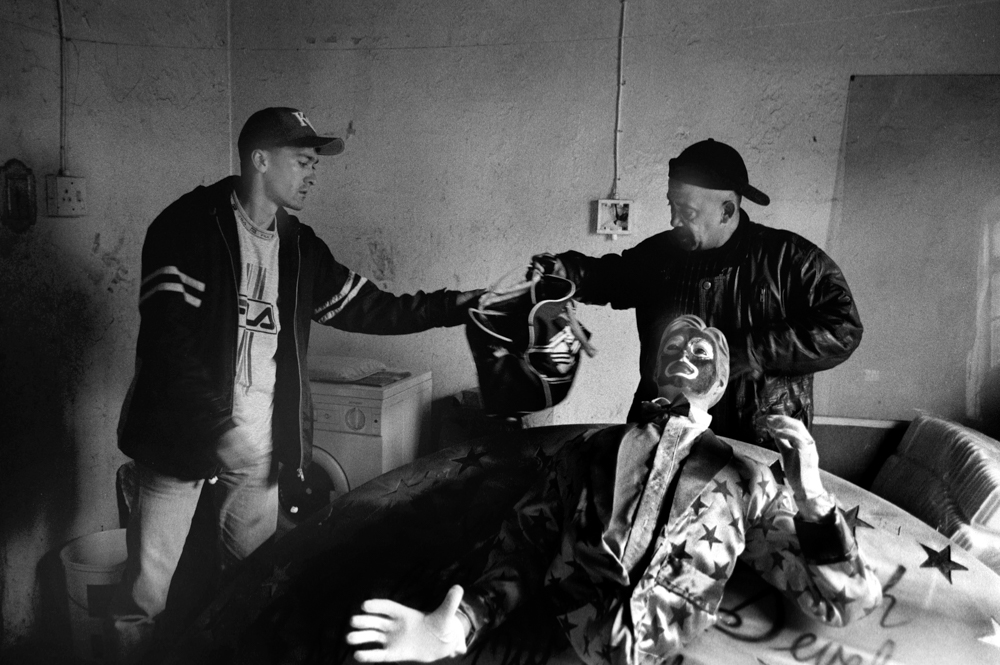
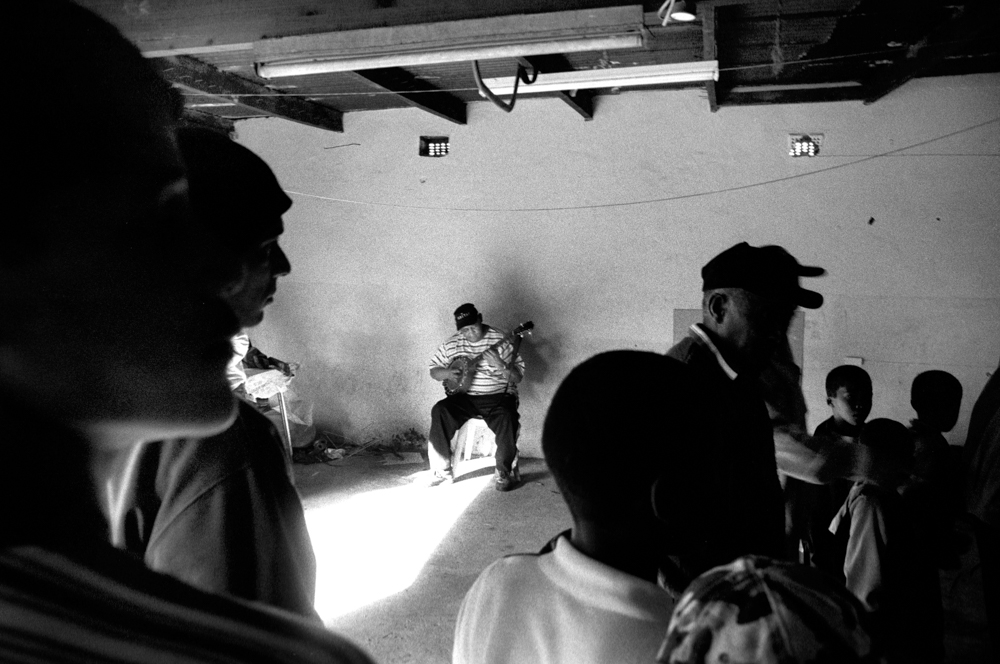
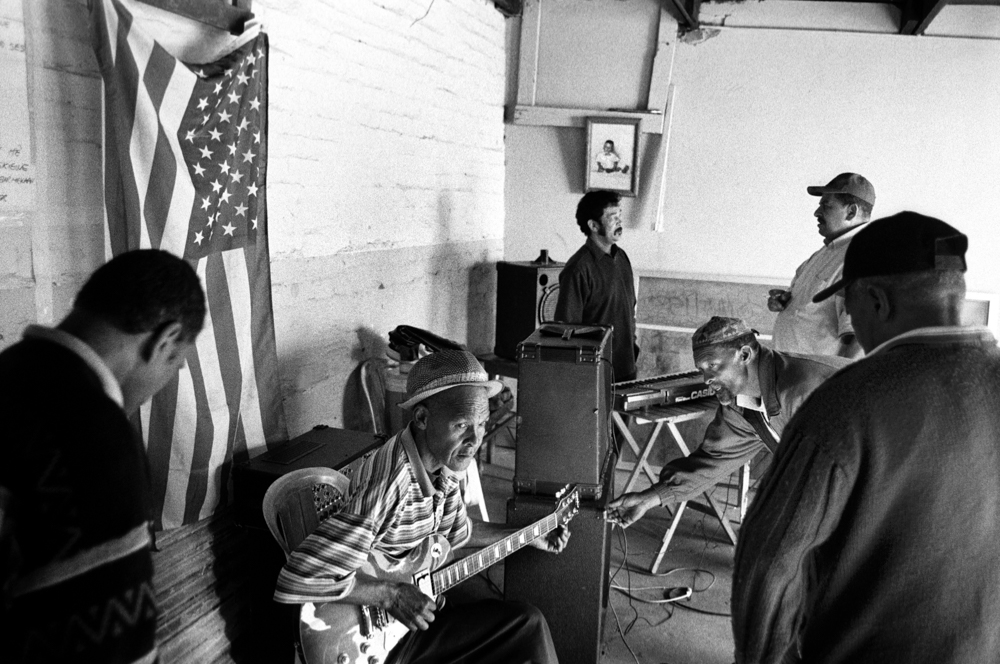
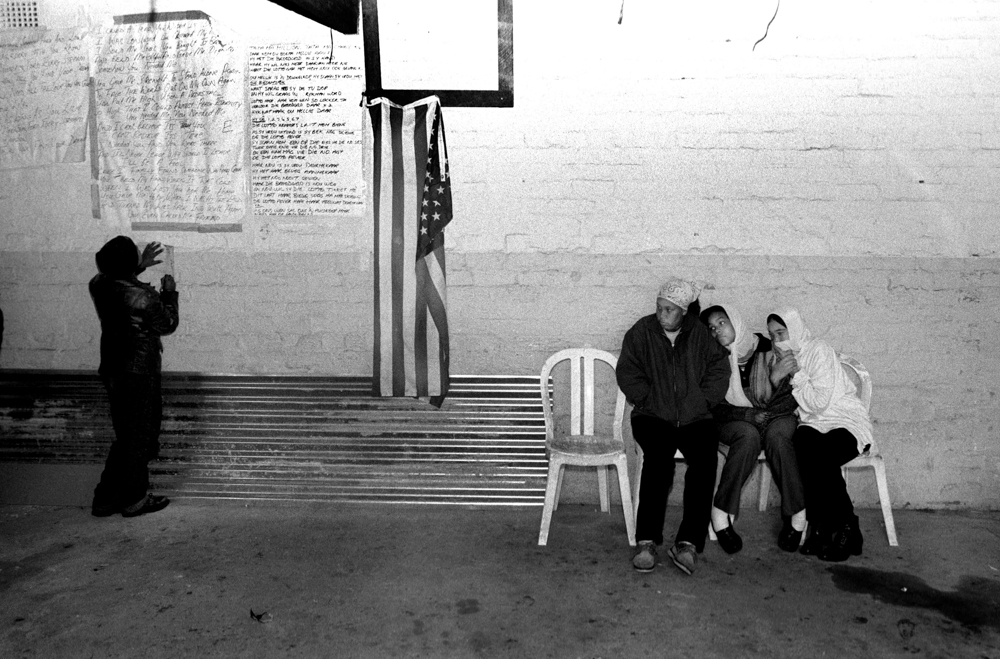
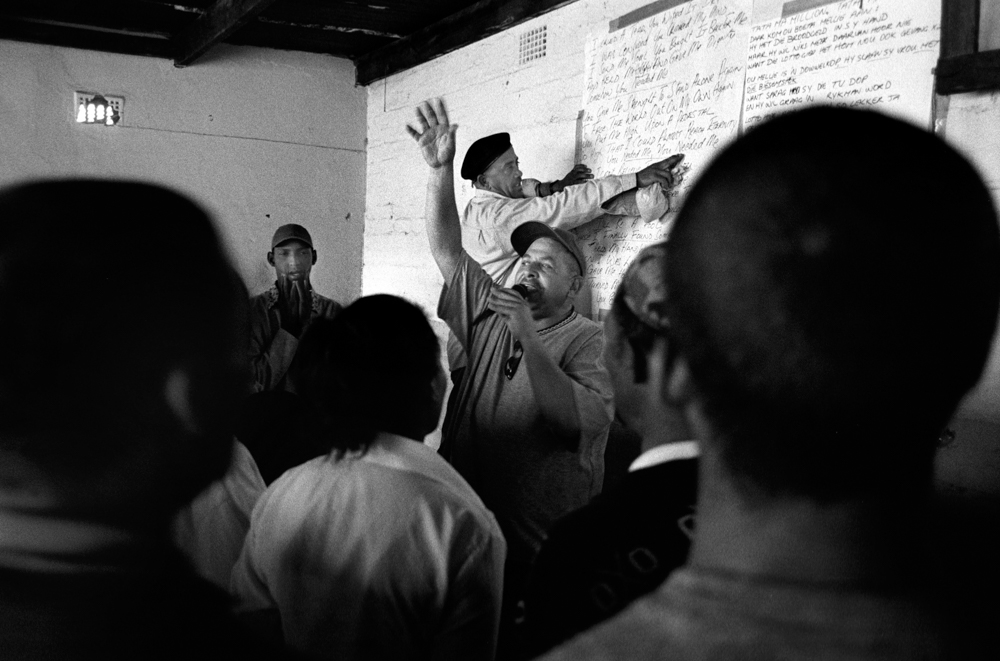
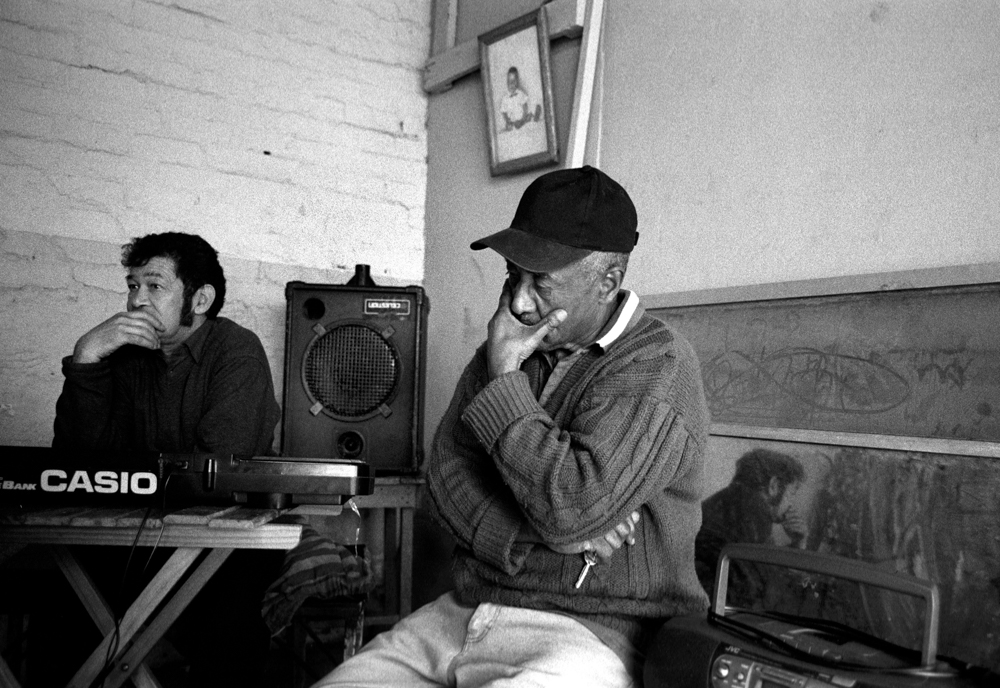
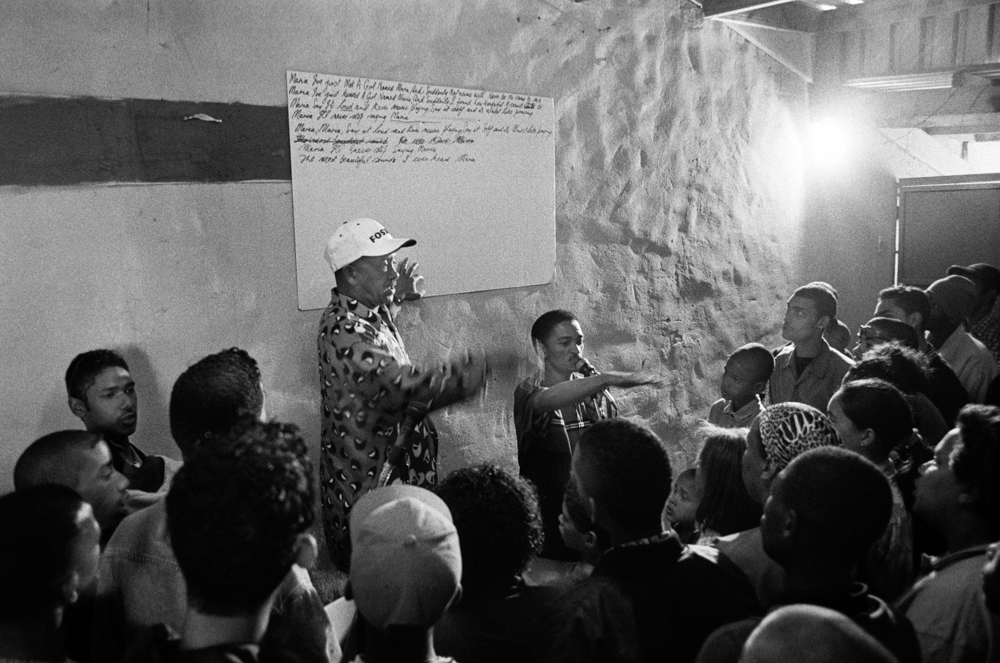
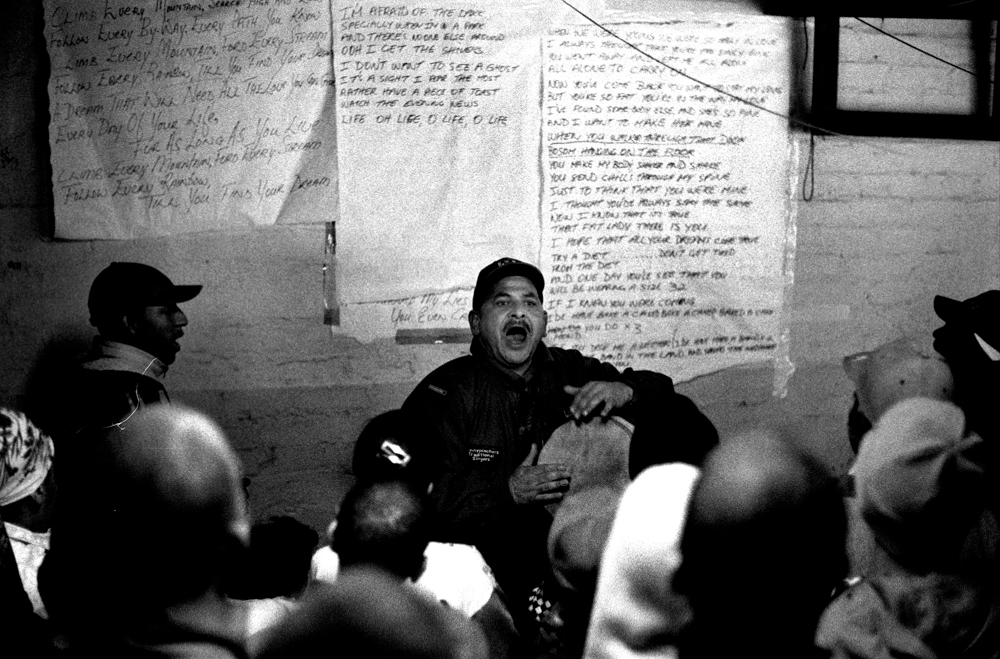
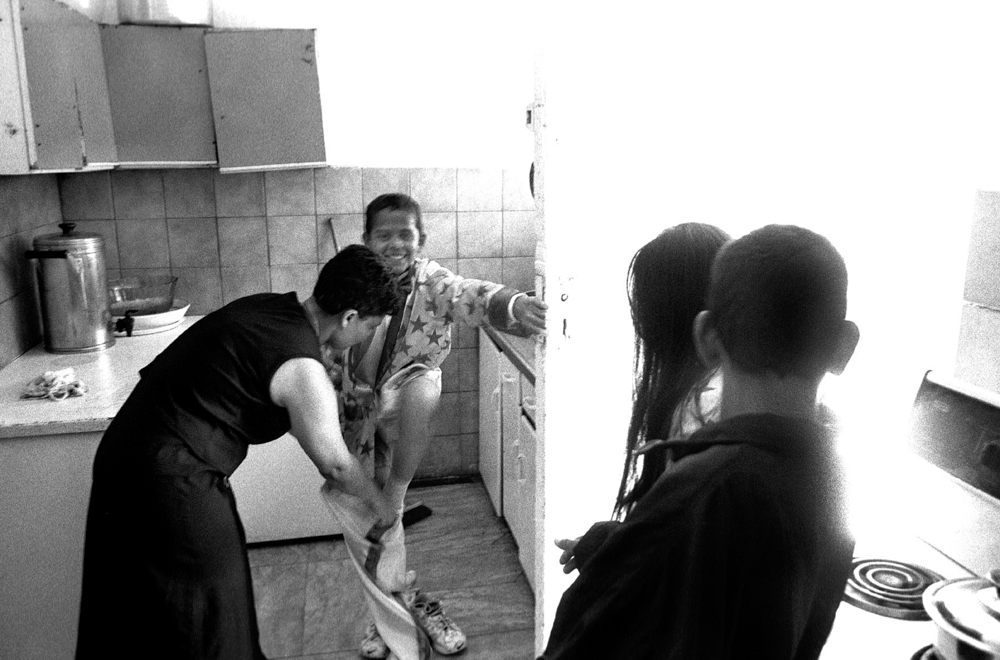
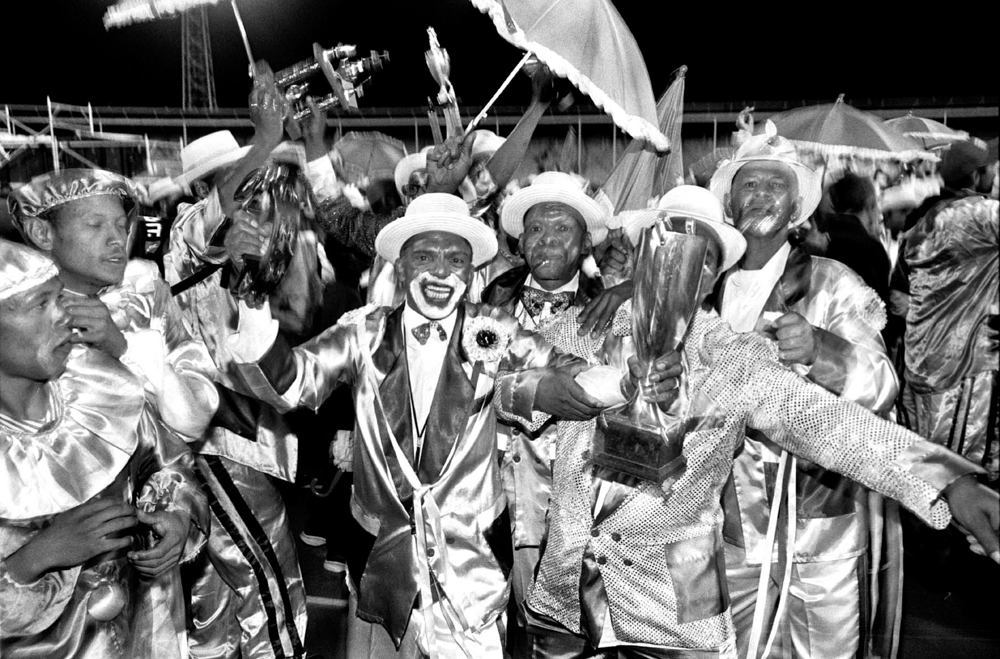
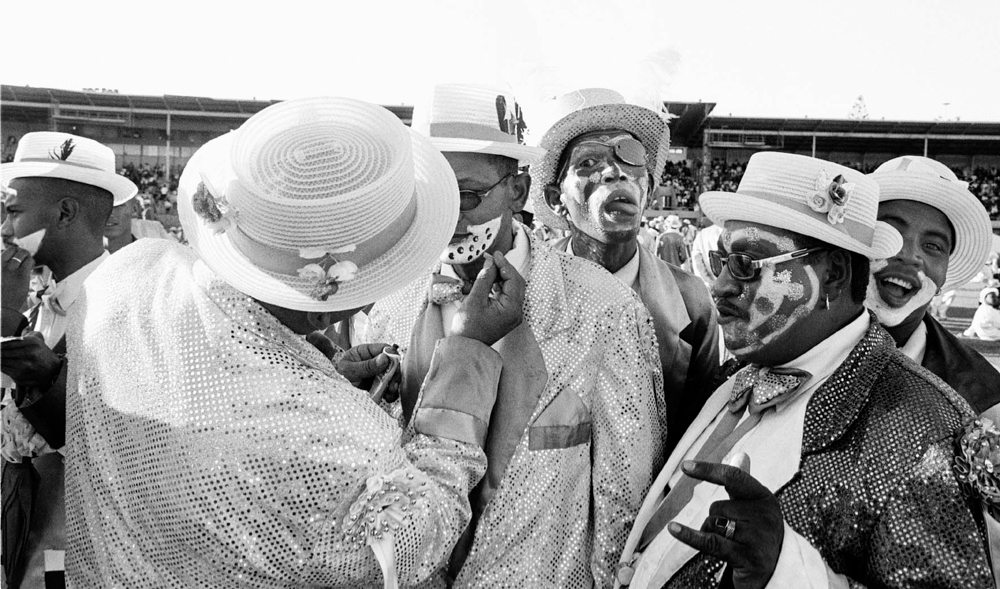
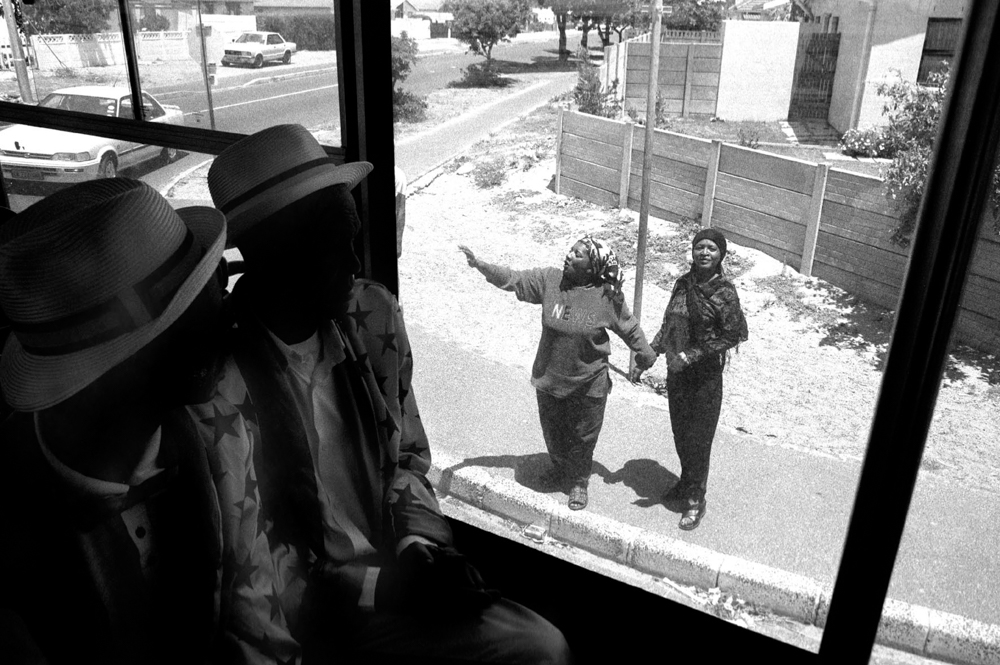
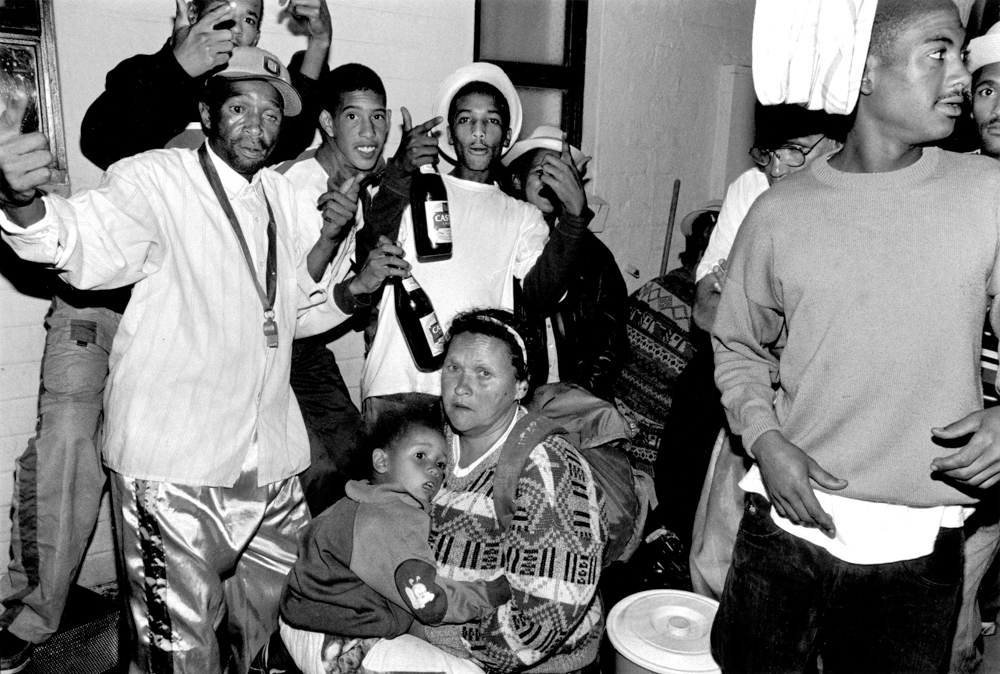
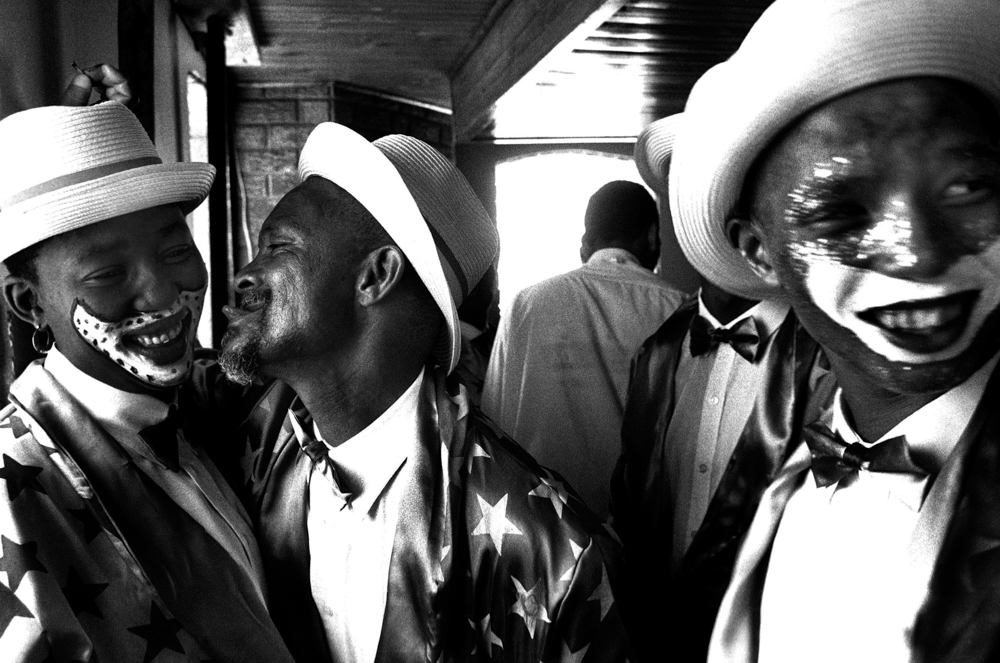
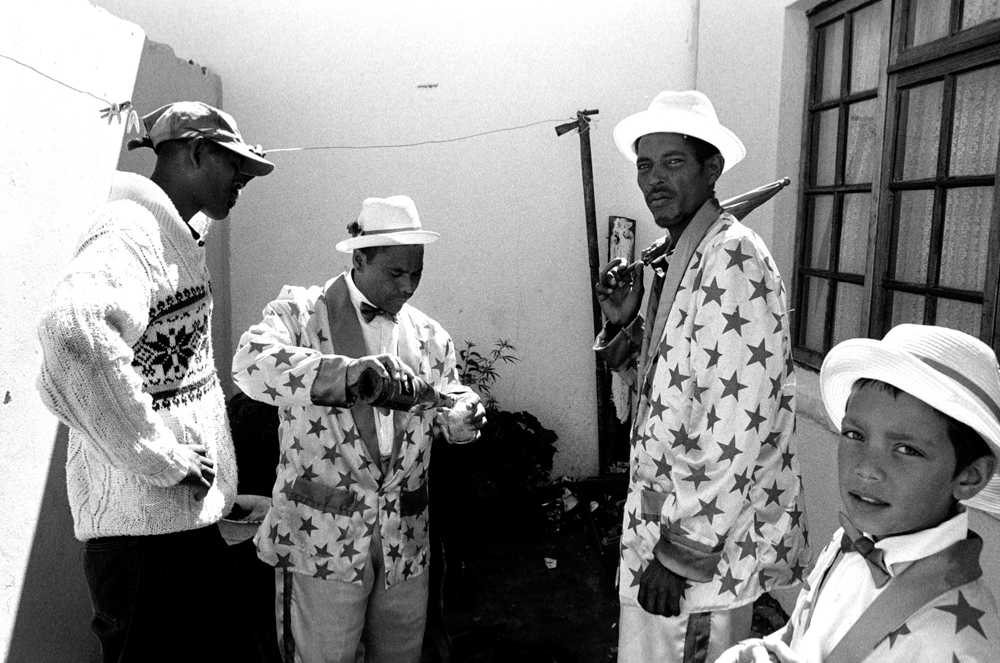
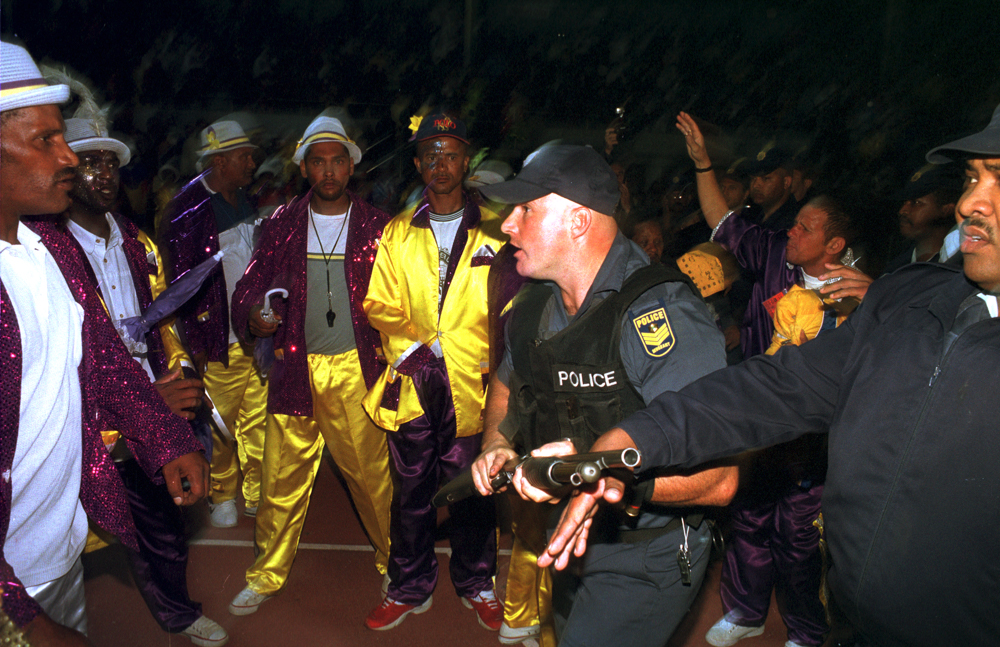
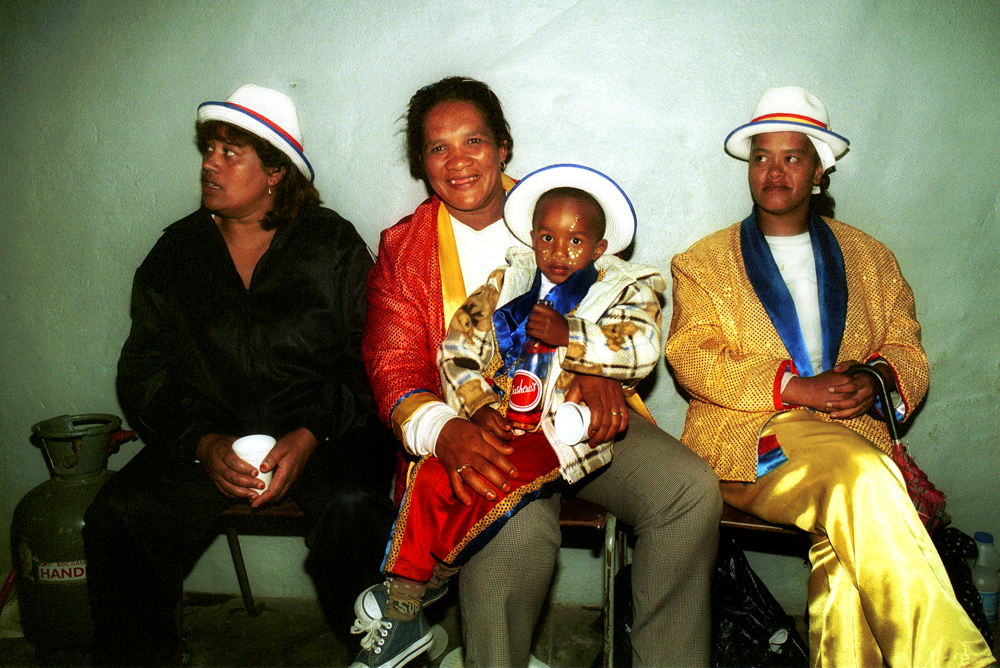
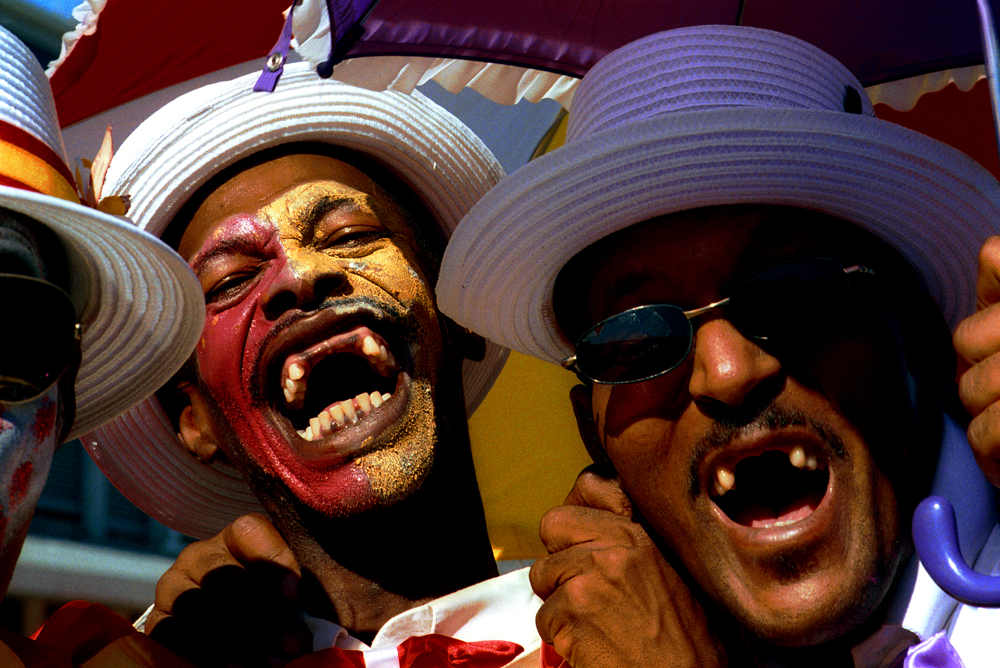
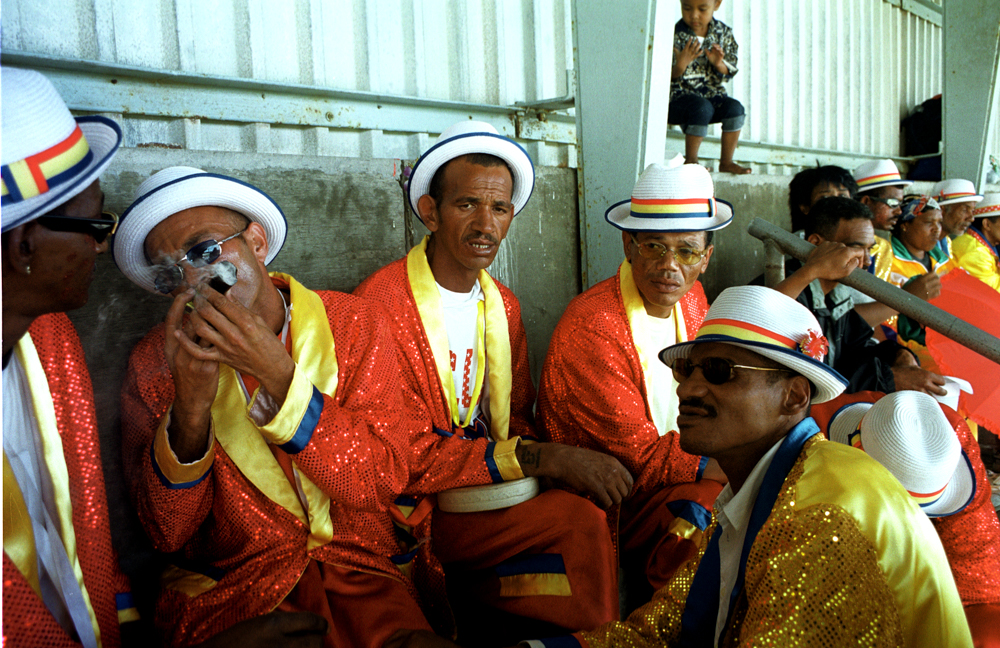
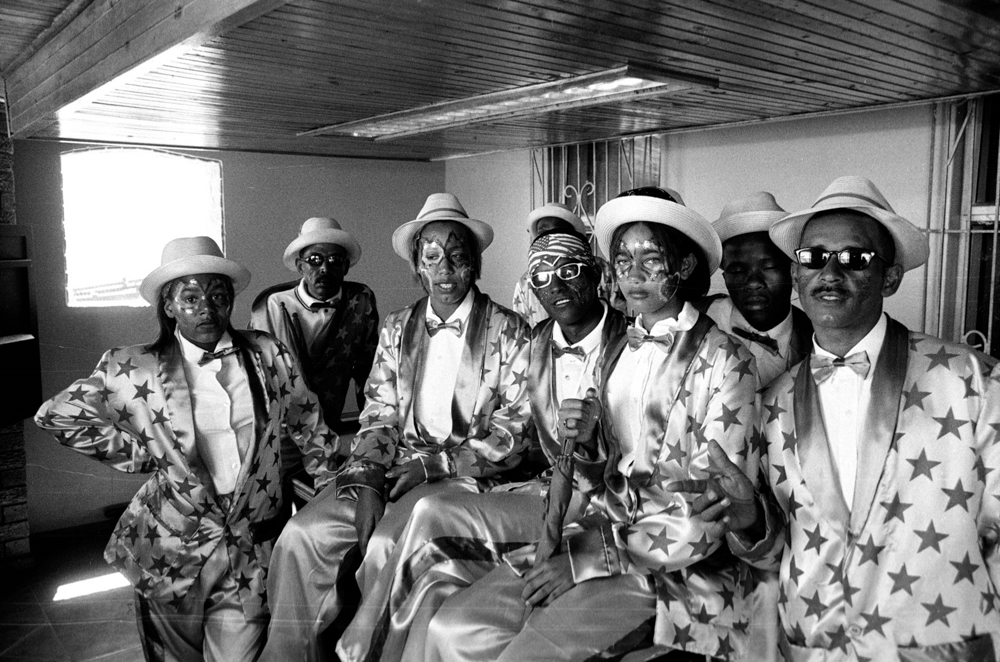
In his photographs of the Kaapse Klopse, Kuus captured both the spectacle of the carnival and the human stories behind it. His images reveal moments of preparation, performance and everyday interaction among the musicians, dancers and families who sustain the tradition.
Seen together, these photographs form part of a broader visual record of Cape Town’s social and cultural history. They offer insight into a festival that continues to shape the identity and cultural landscape of the city.
The following text, written by Juhan Kuus himself, provides further insight into his experience photographing the Kaapse Klopse.
Sources
- South African History Online — Cape Minstrels: Origins and Evolution of Tweede Nuwe Jaar
- Britannica Kids — Cape Town Minstrel Carnival
- Wikipedia — Kaapse Klopse