Paul Alberts – Some Evidence Of Things Seen
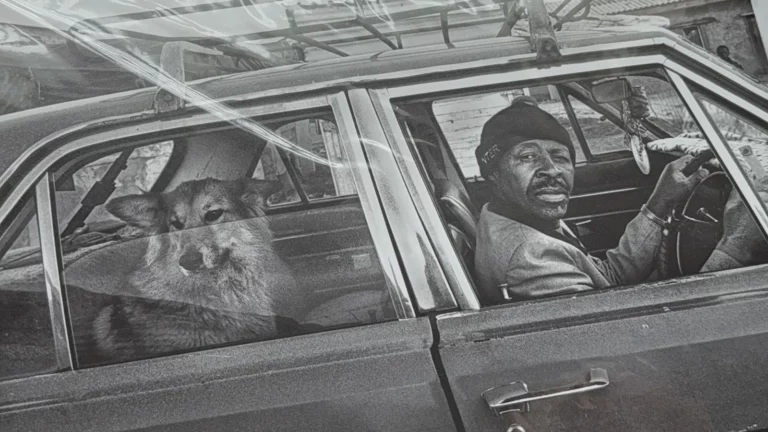
In Some Evidence Of Things Seen, Paul Alberts continues his reflective engagement with South African life and landscape. The photographs observe fragments of everyday experience, presenting quiet yet powerful visual records that speak to memory, presence and the traces people leave behind.
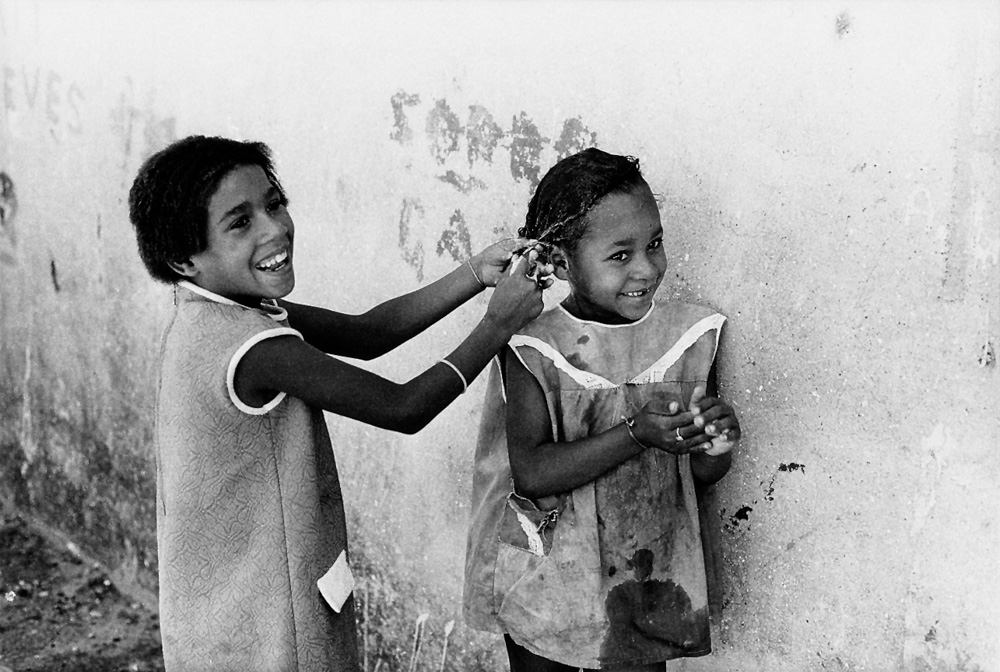
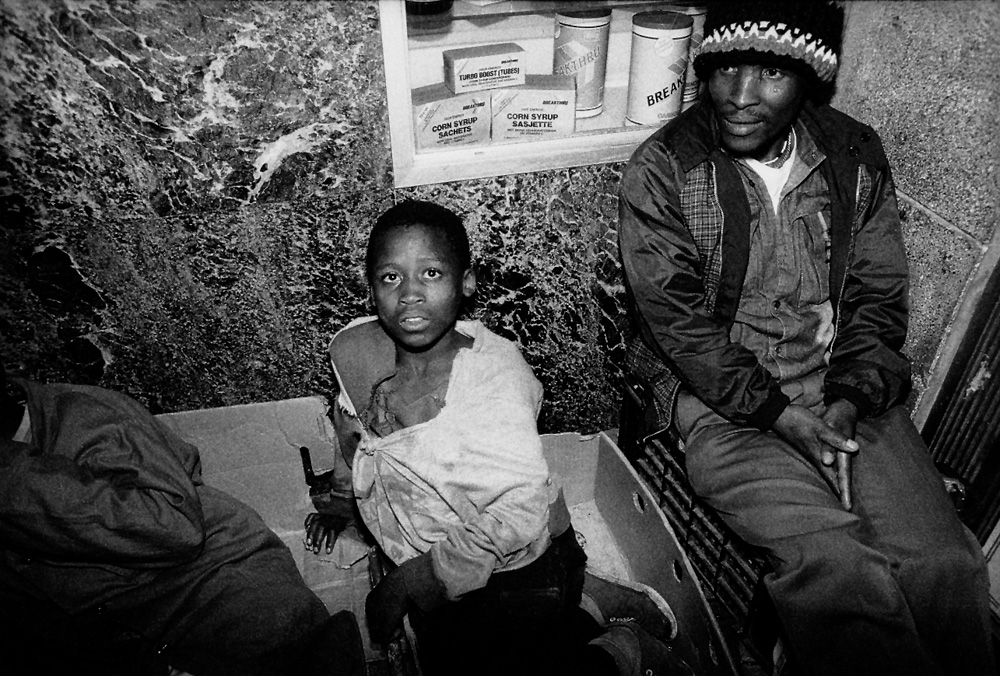
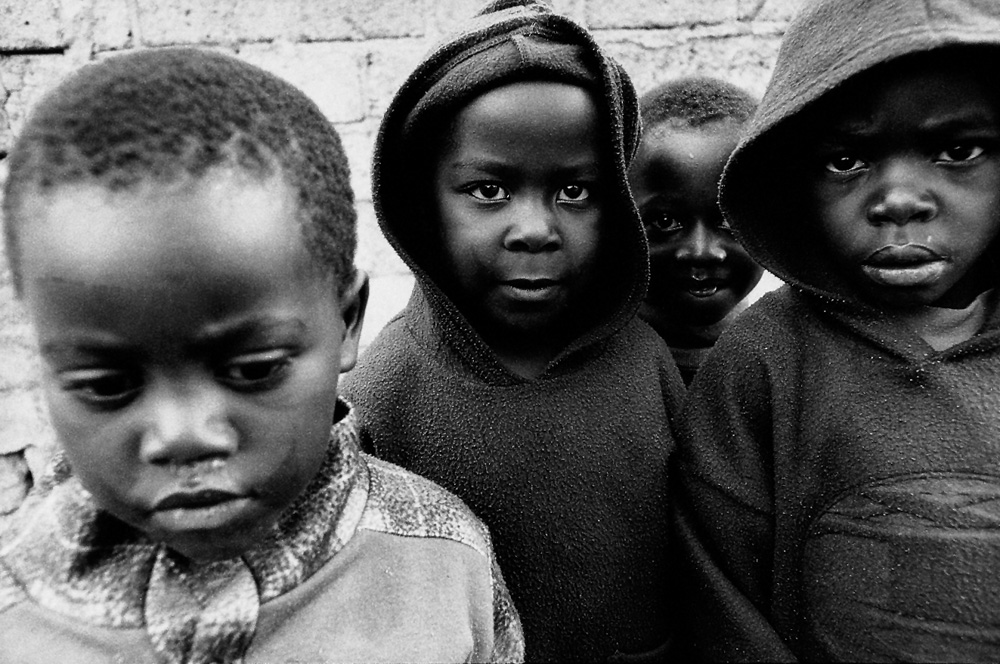
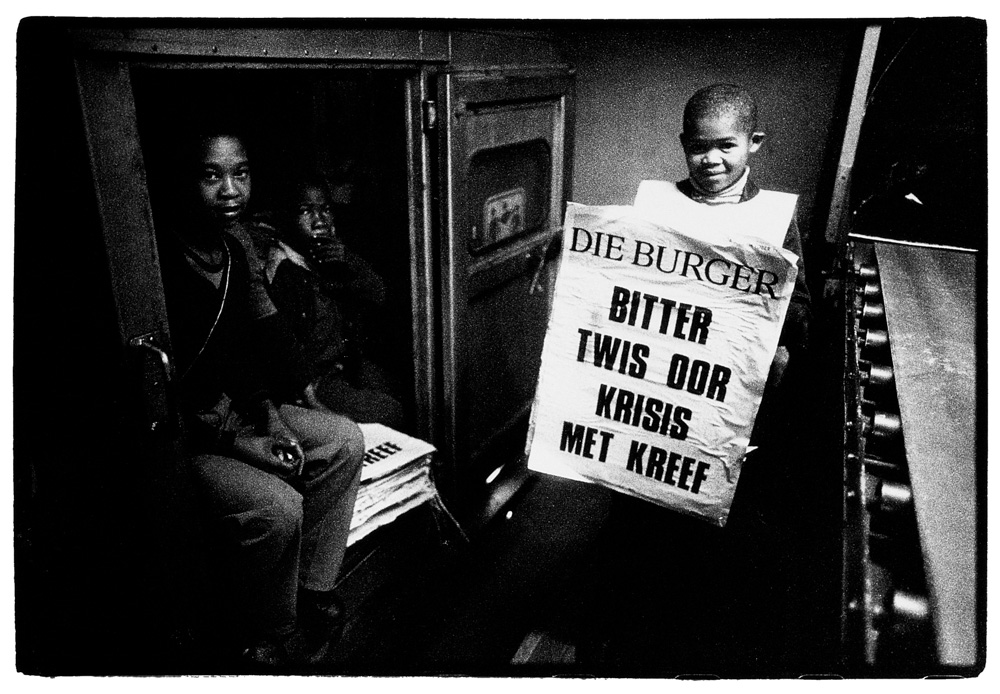
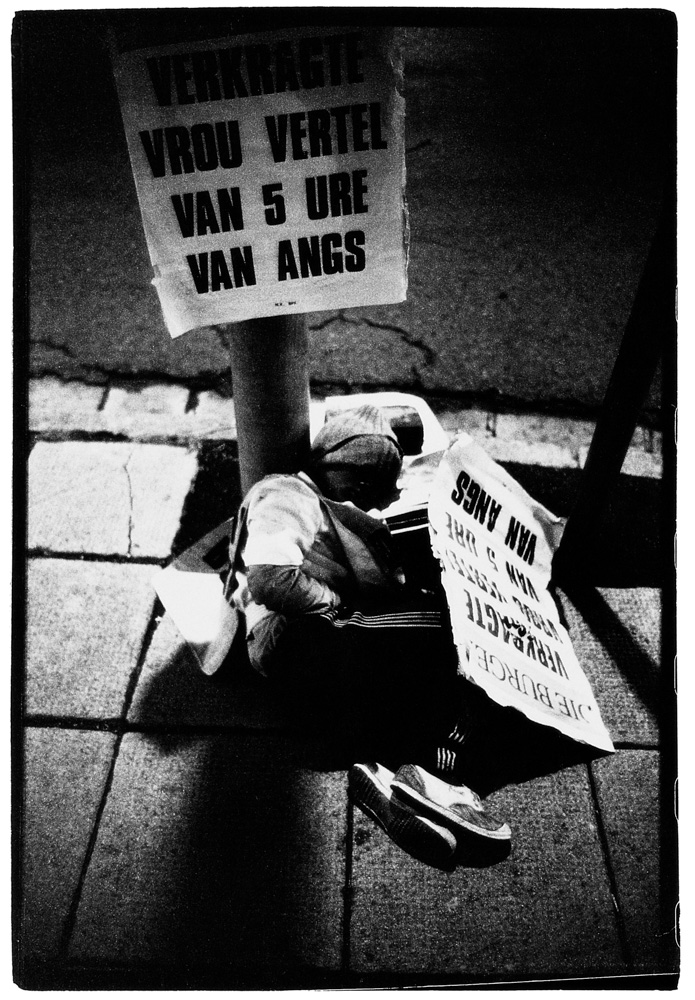
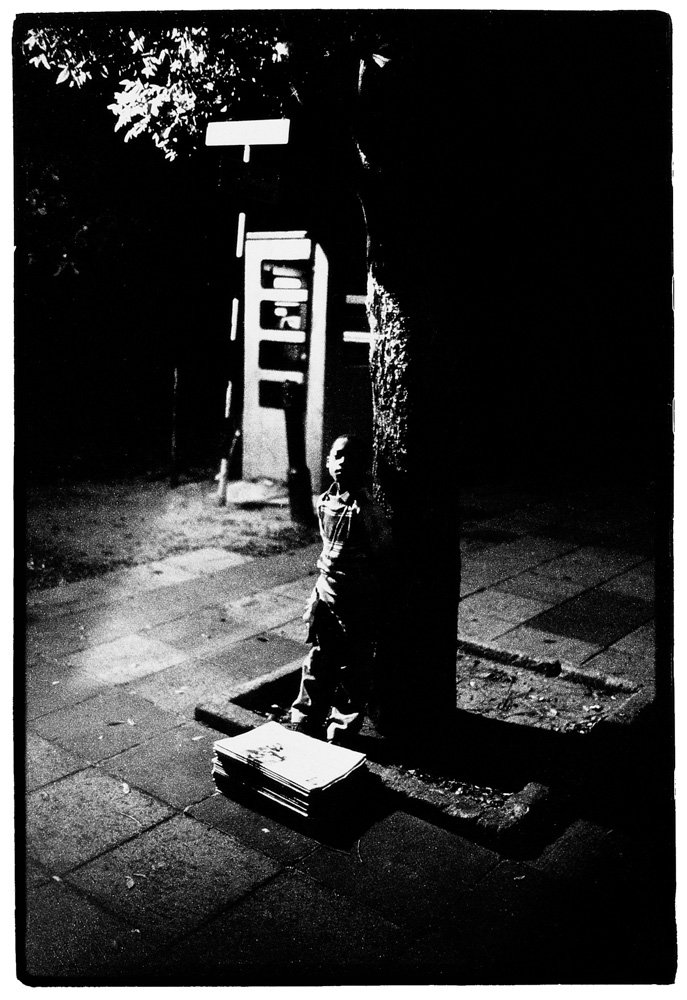
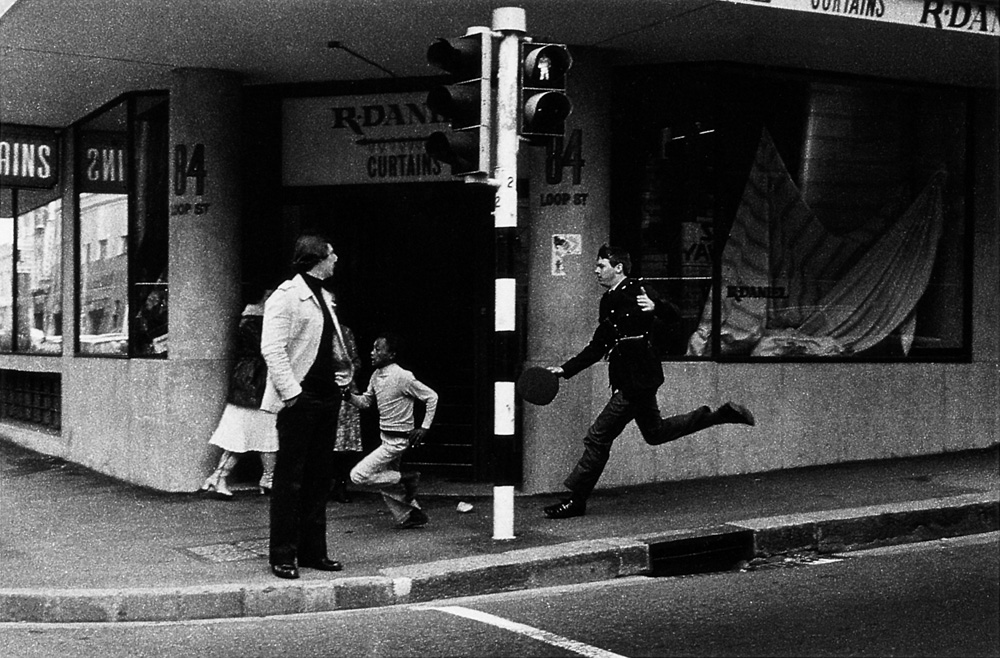
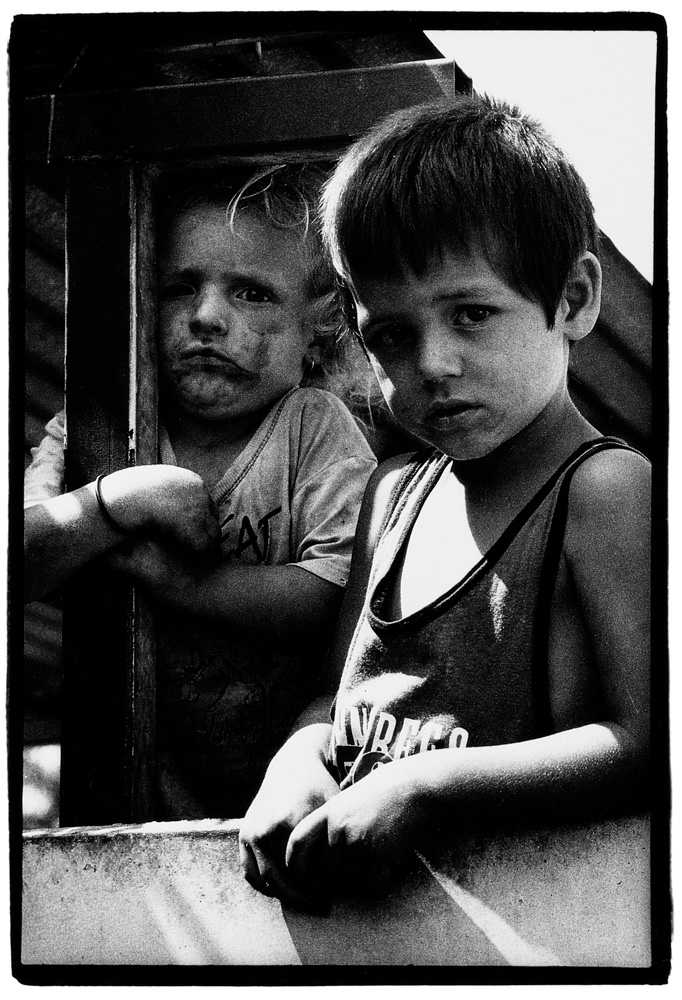
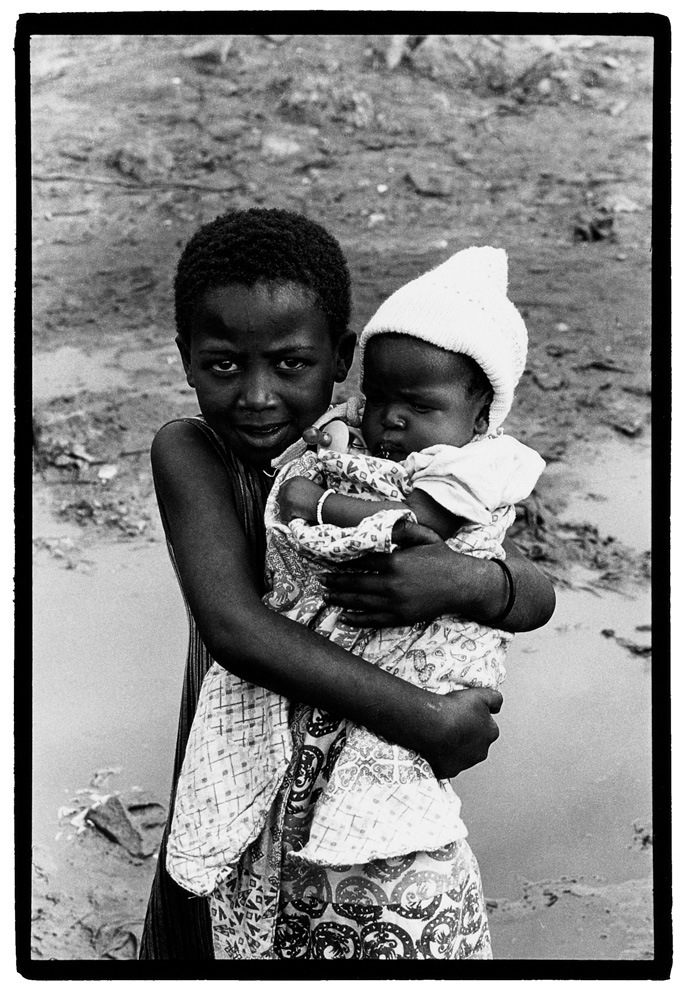
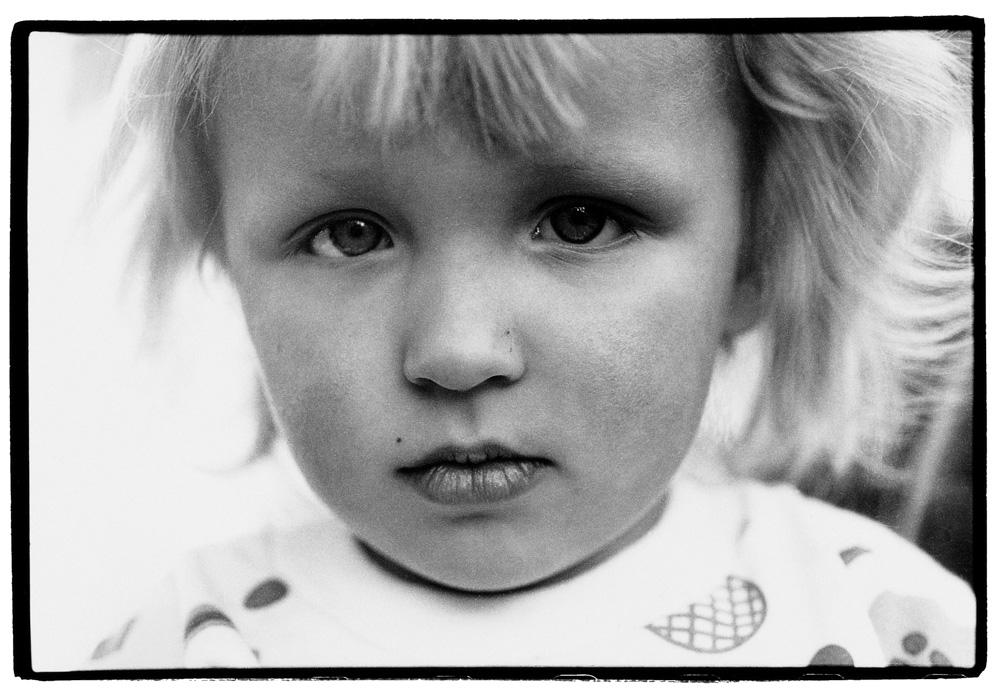
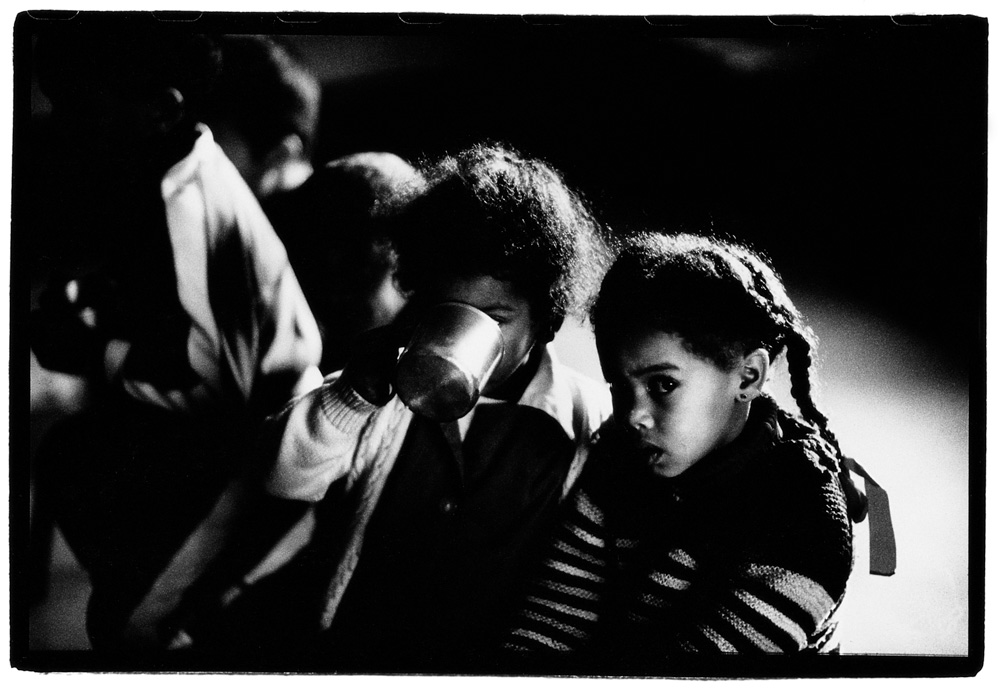
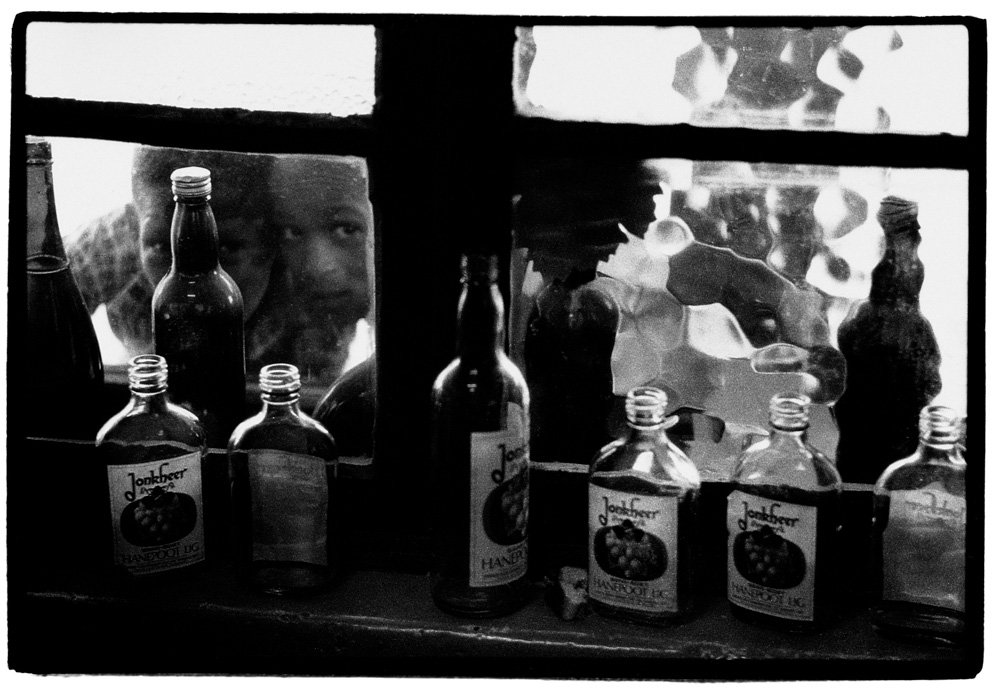
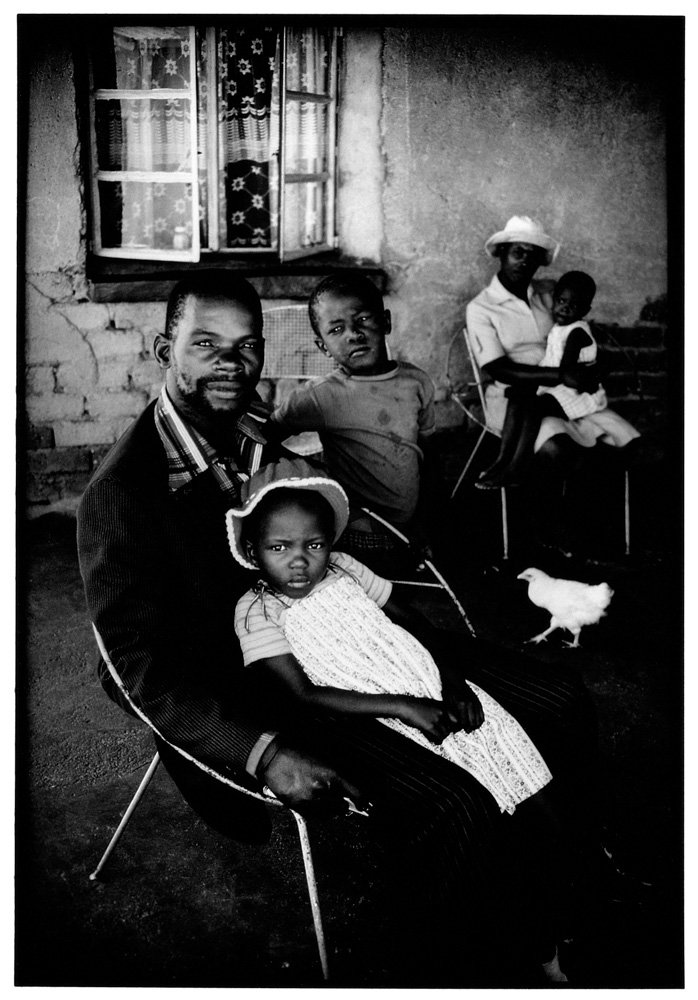
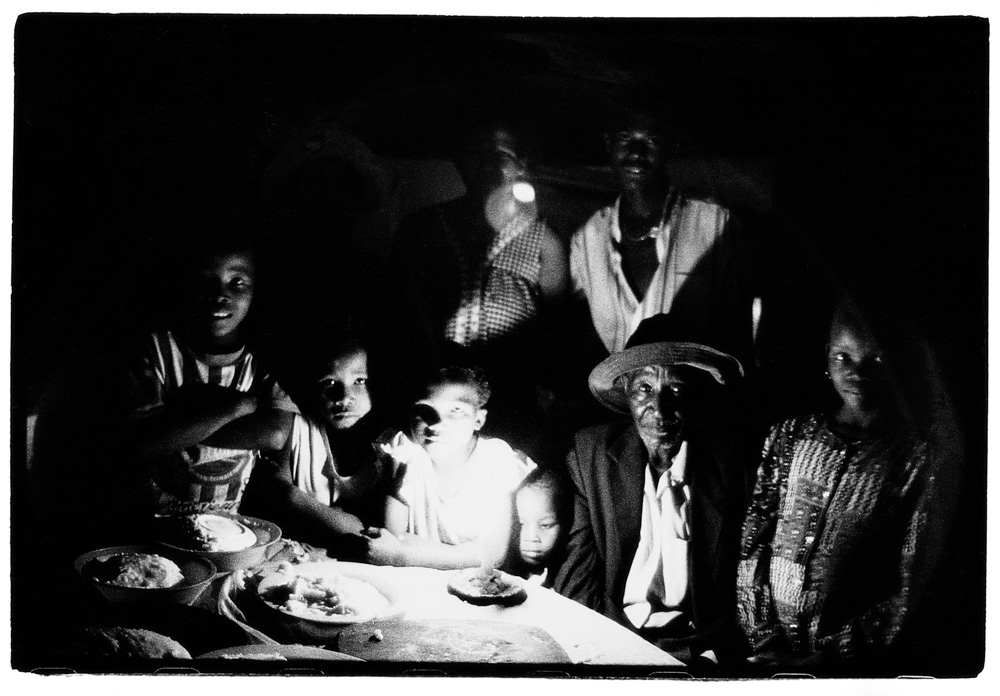
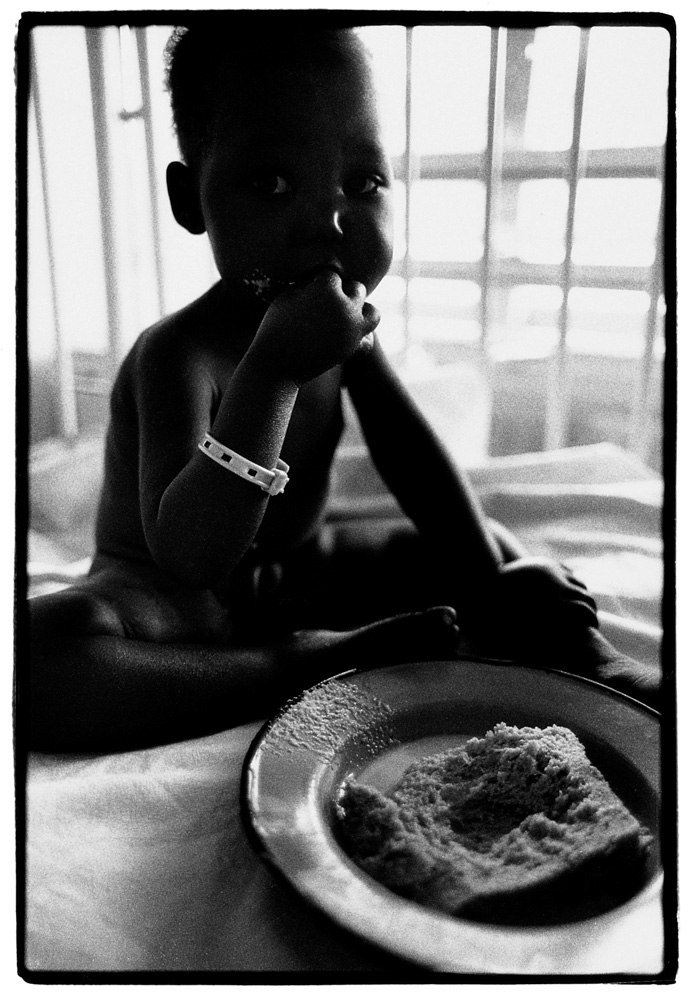
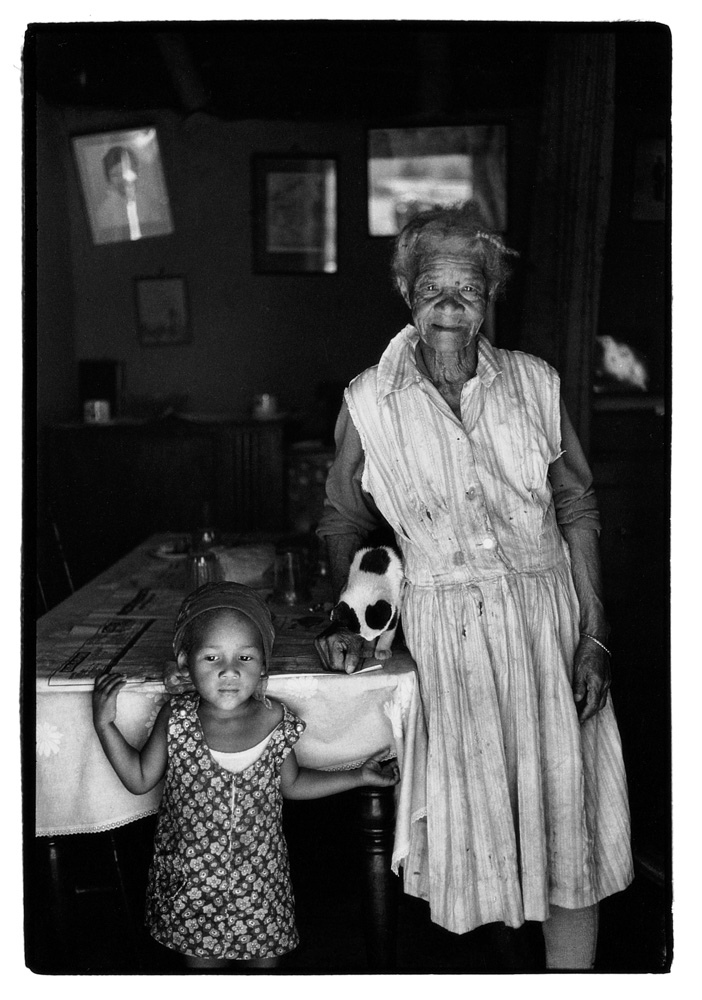
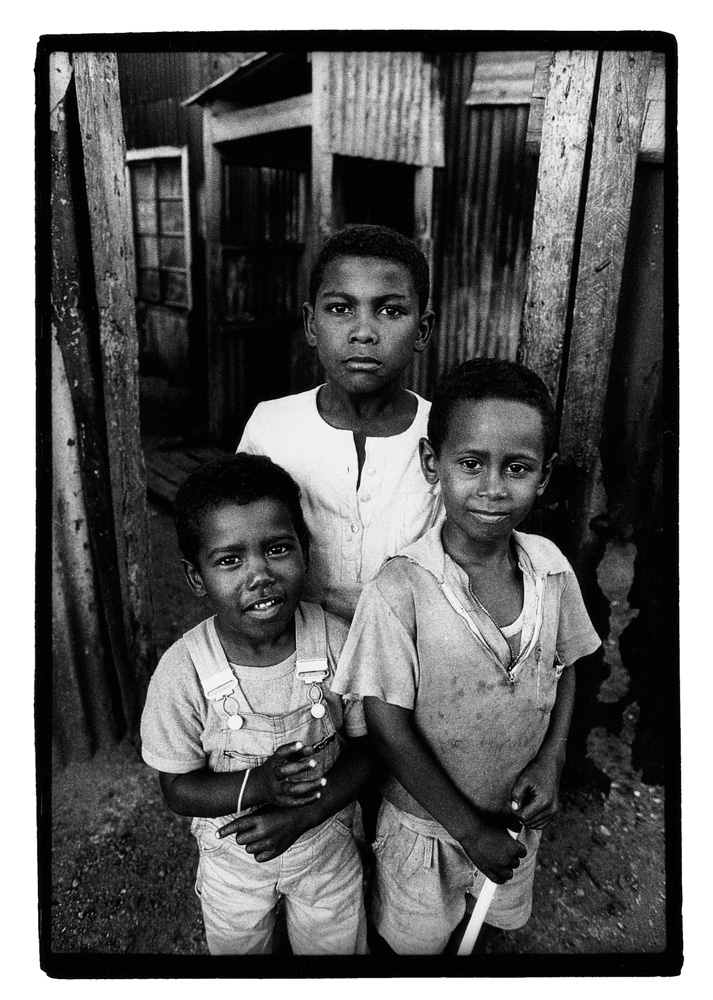
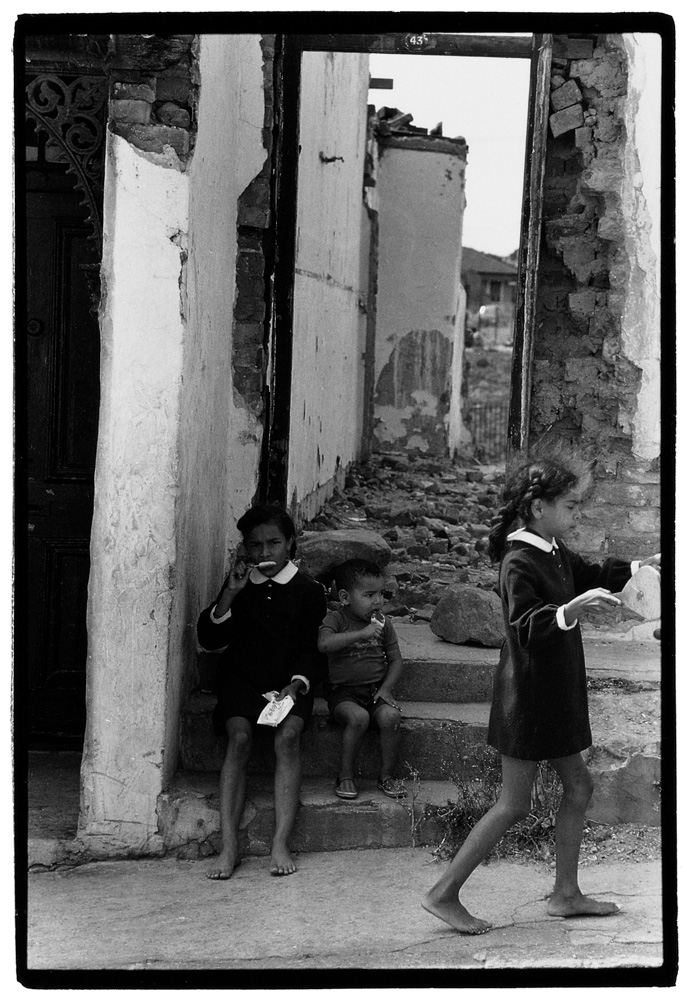
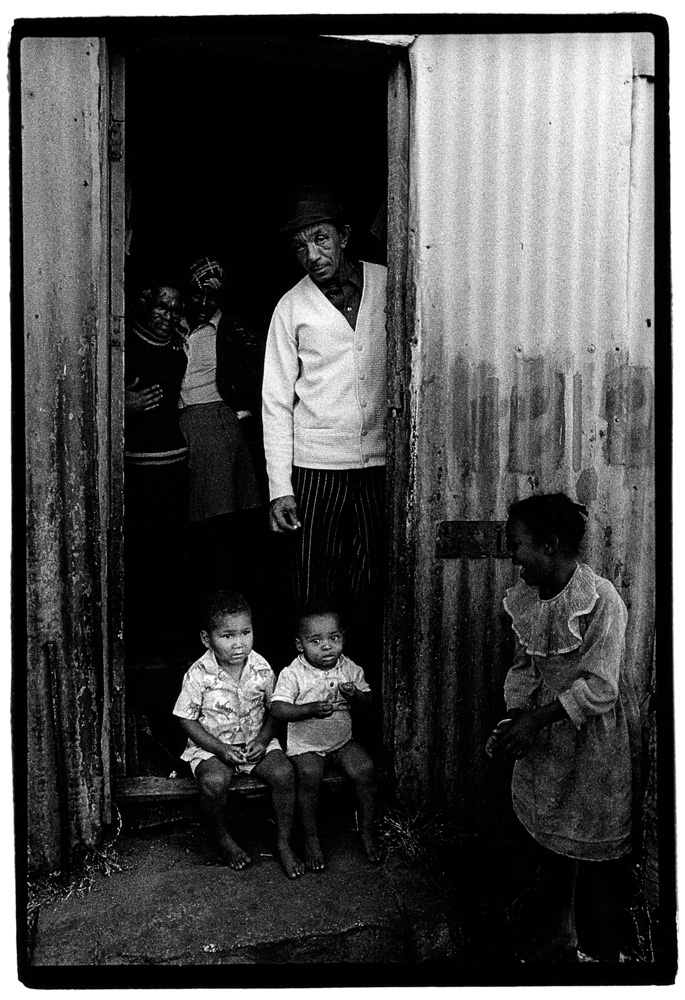
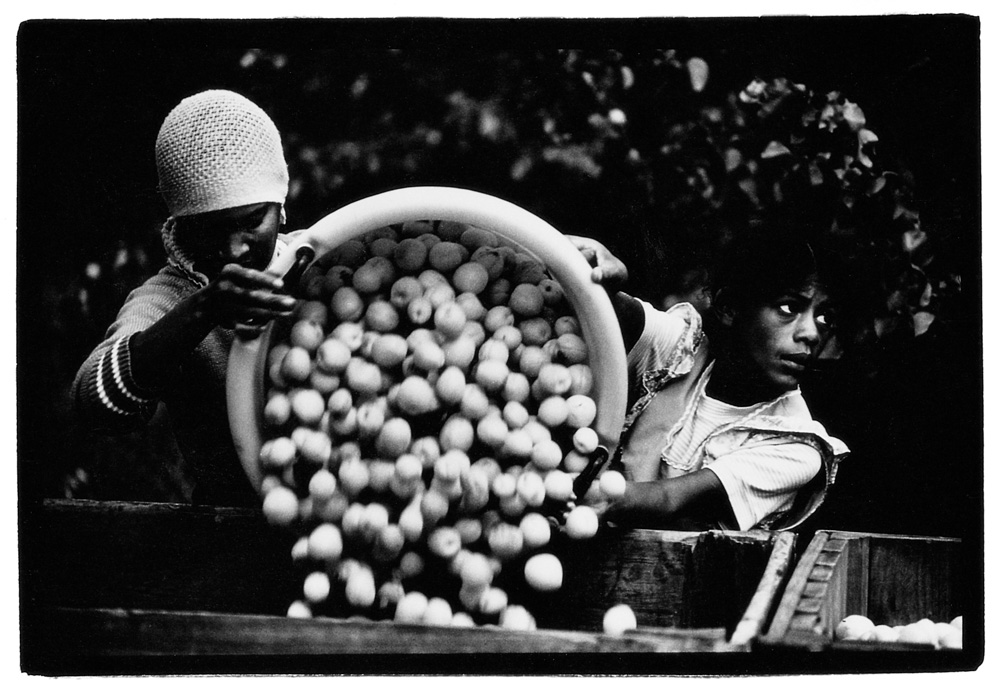
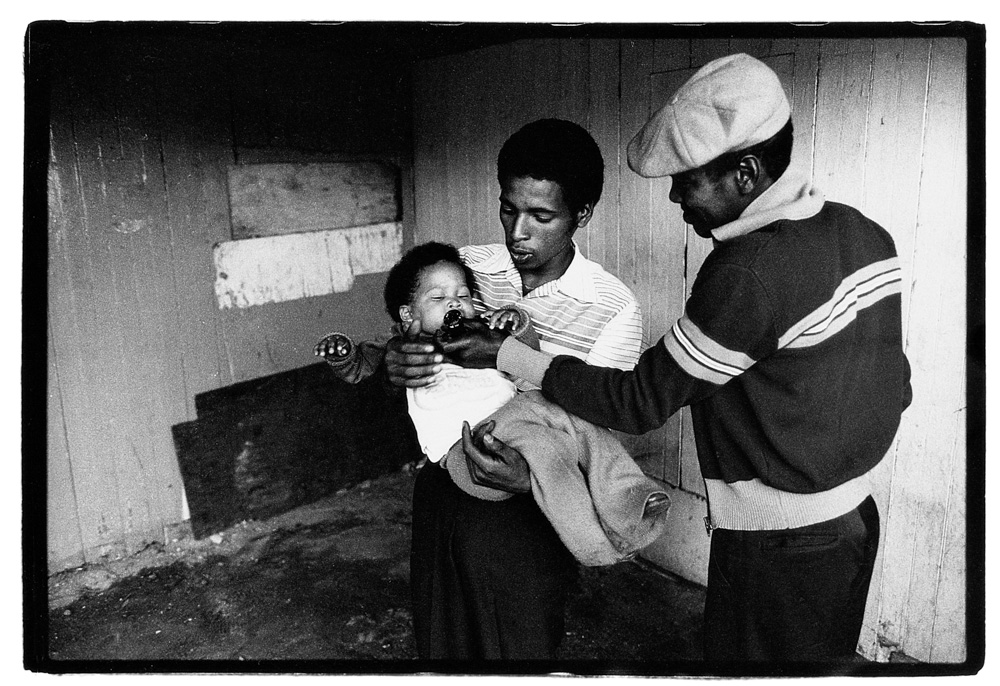
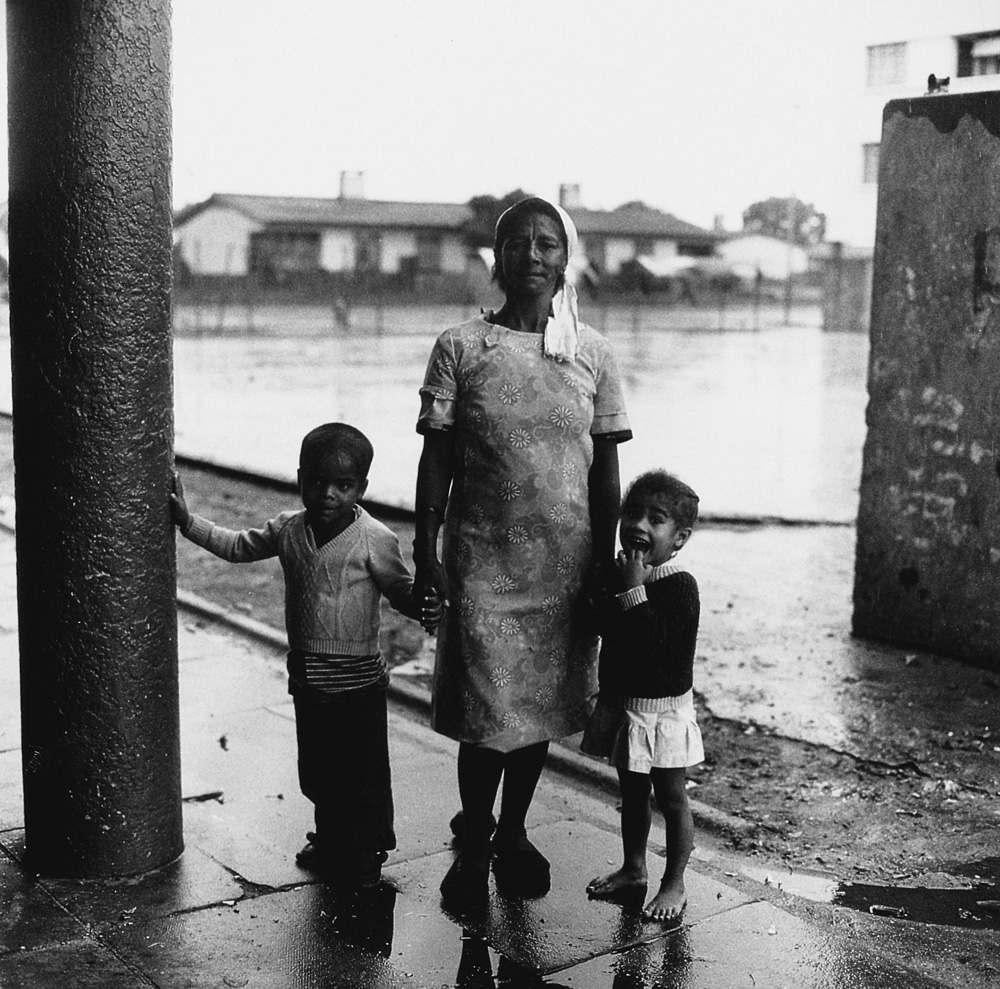
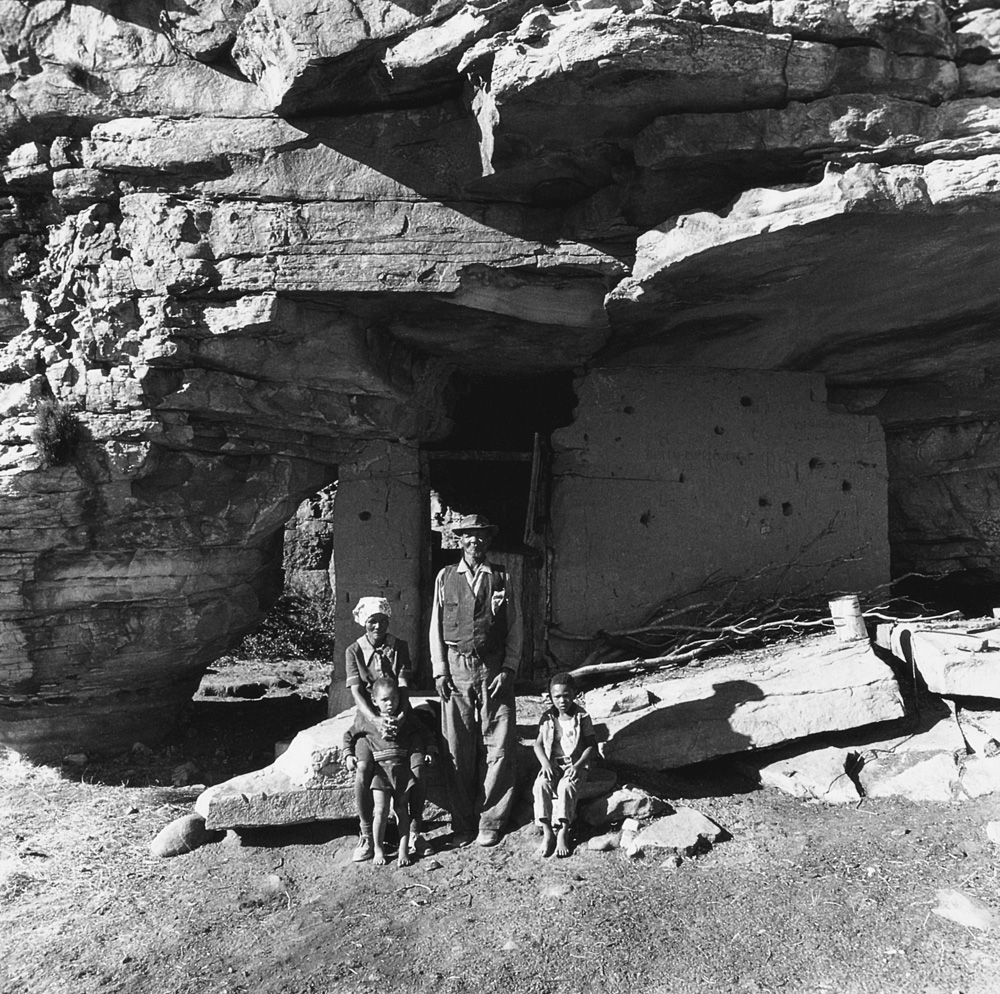
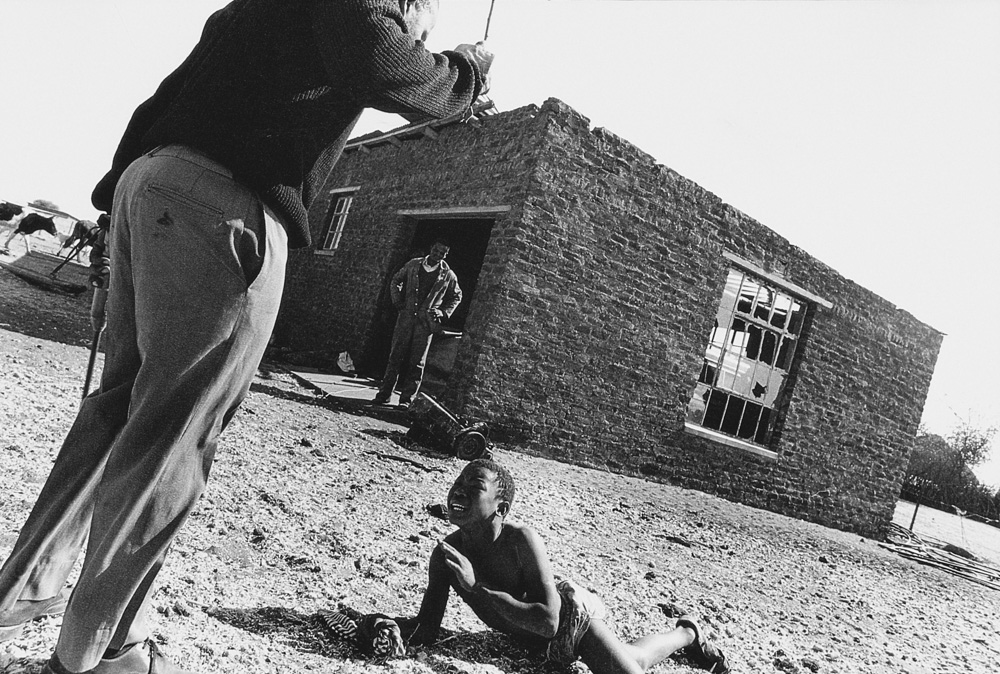
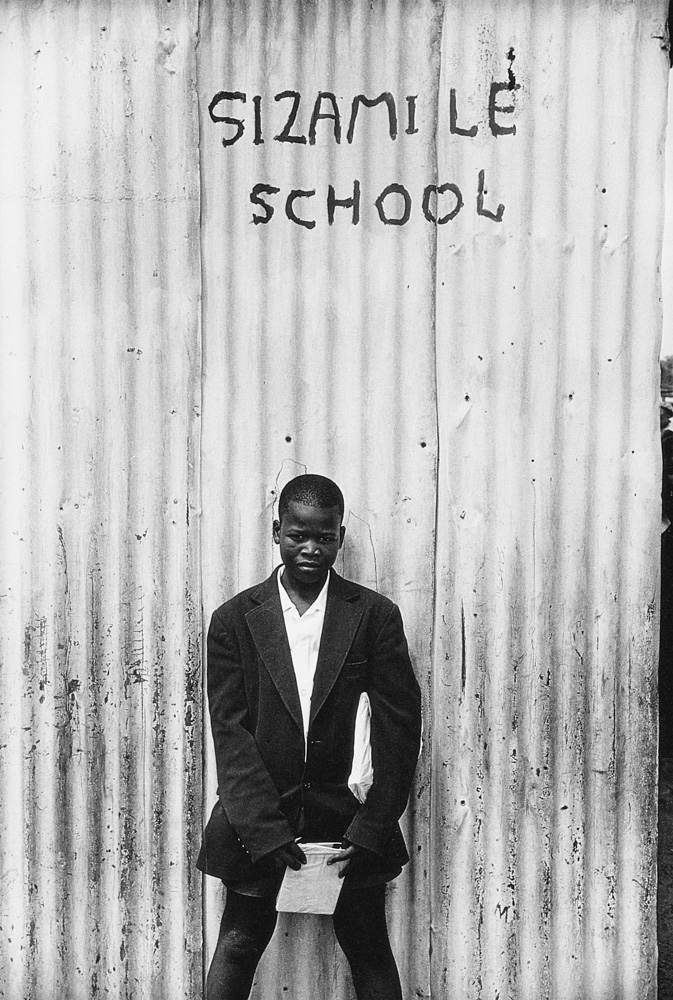
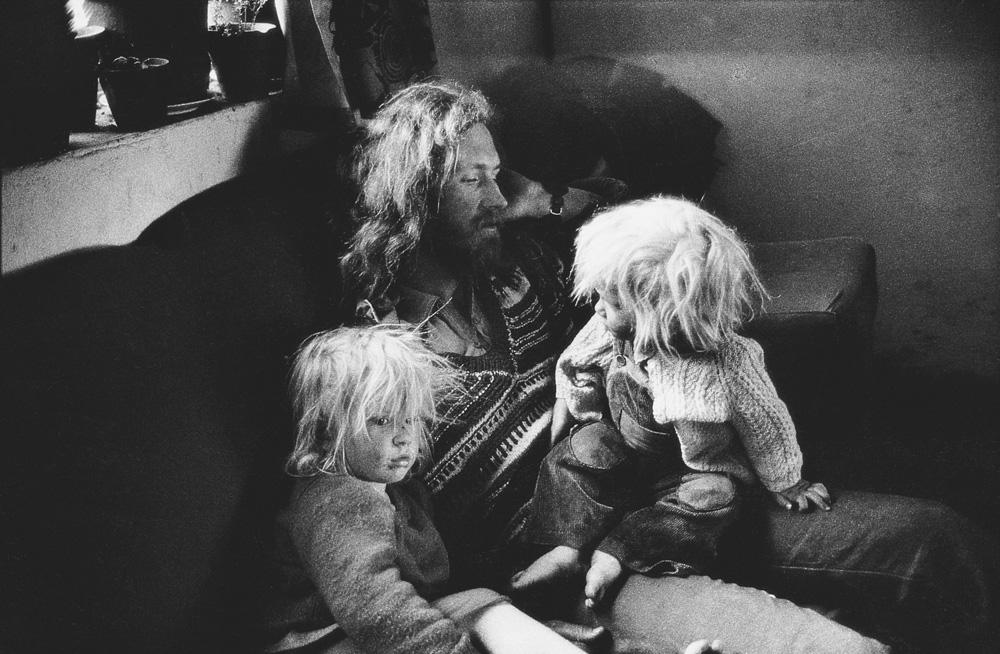
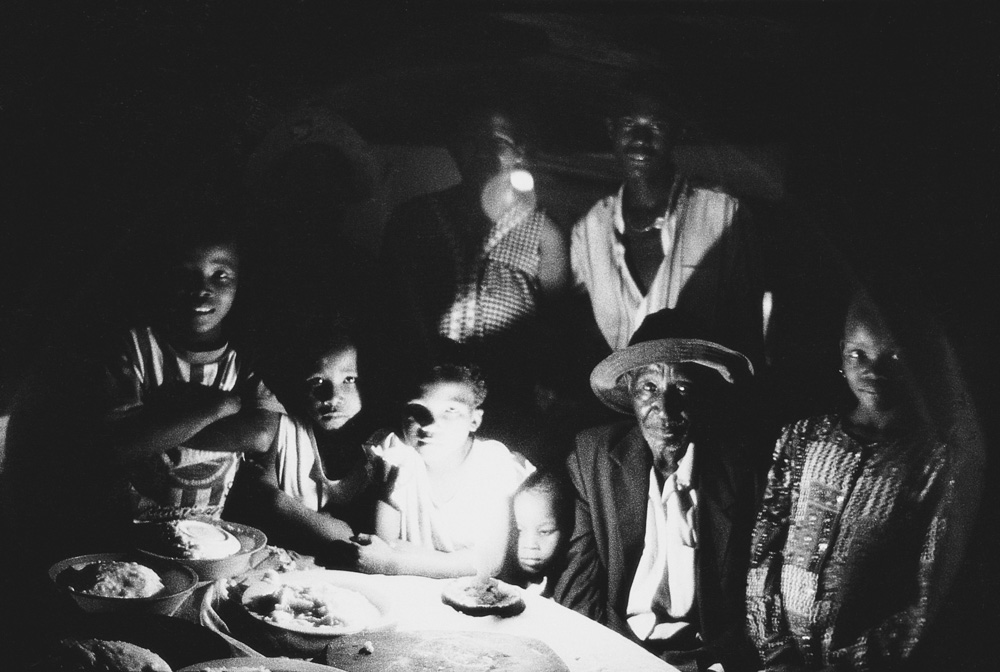
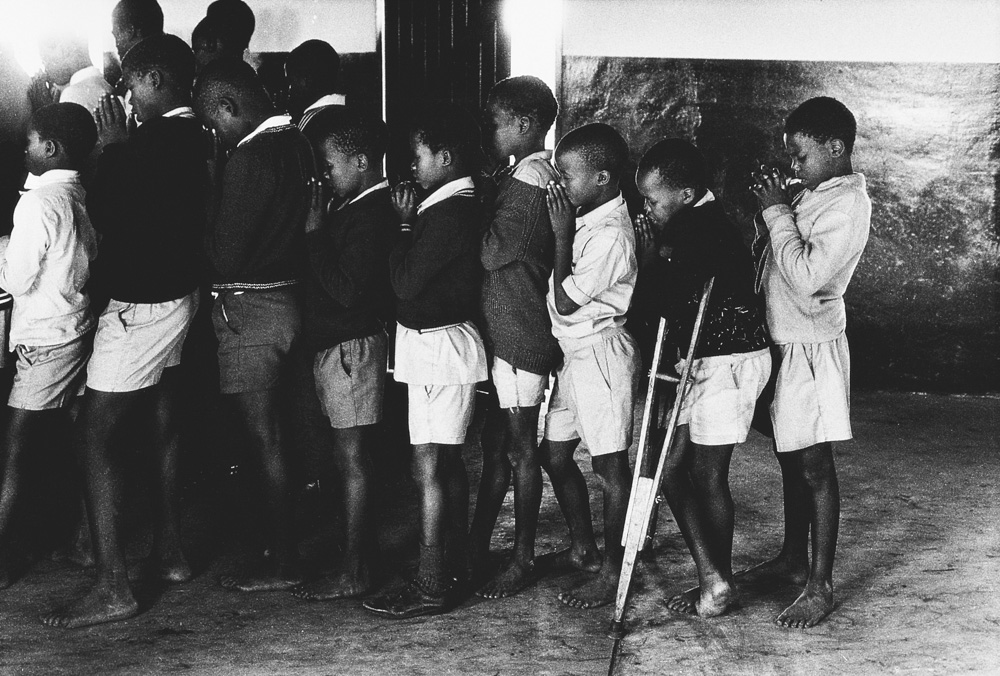
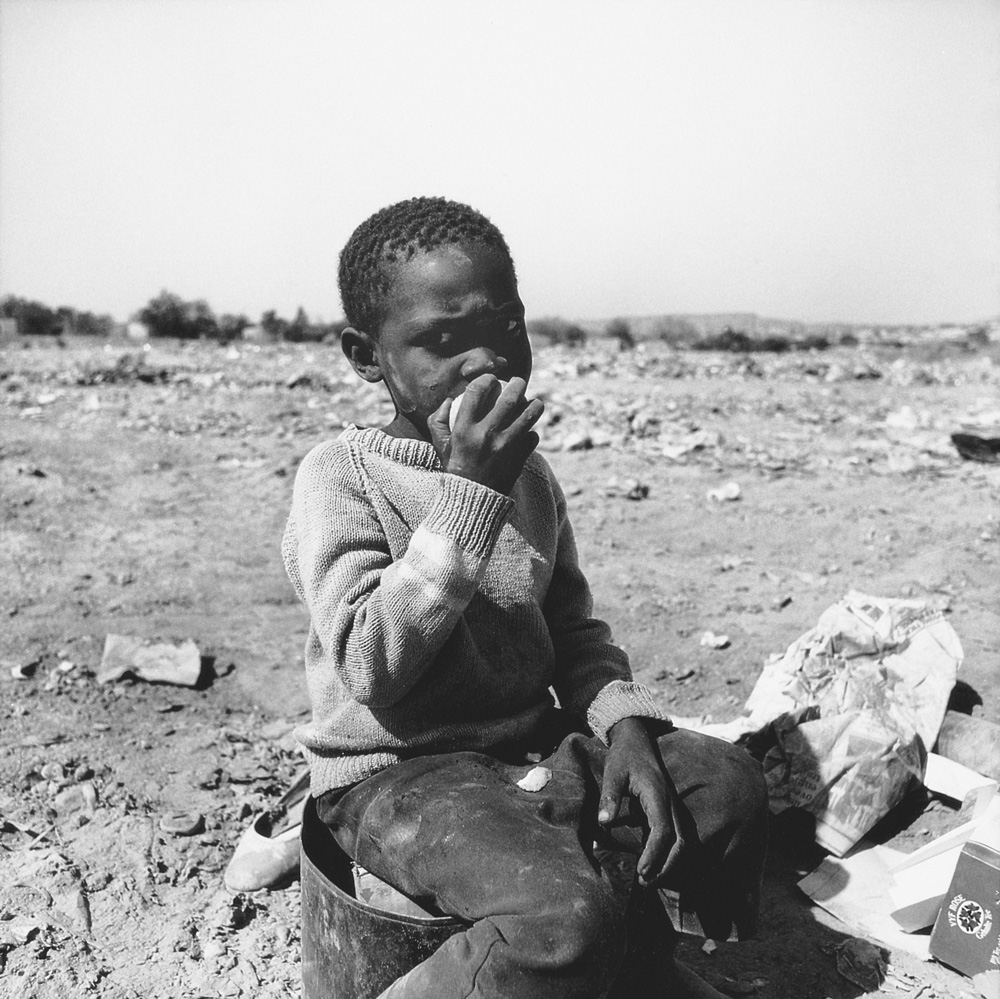
Paul Alberts’ photographic series Some Evidence of Things Seen: Children of South Africa forms a powerful visual record of childhood during the final decades of apartheid. Produced at a time of profound political and social transformation, the series documents the environments in which children grew up while the country confronted the consequences of decades of systemic inequality.
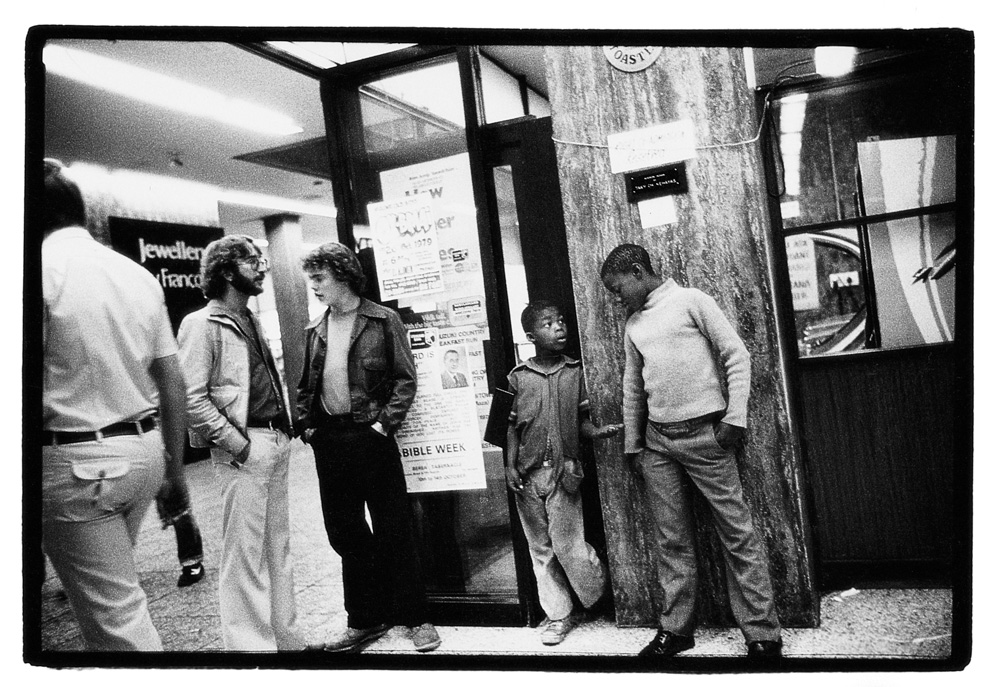
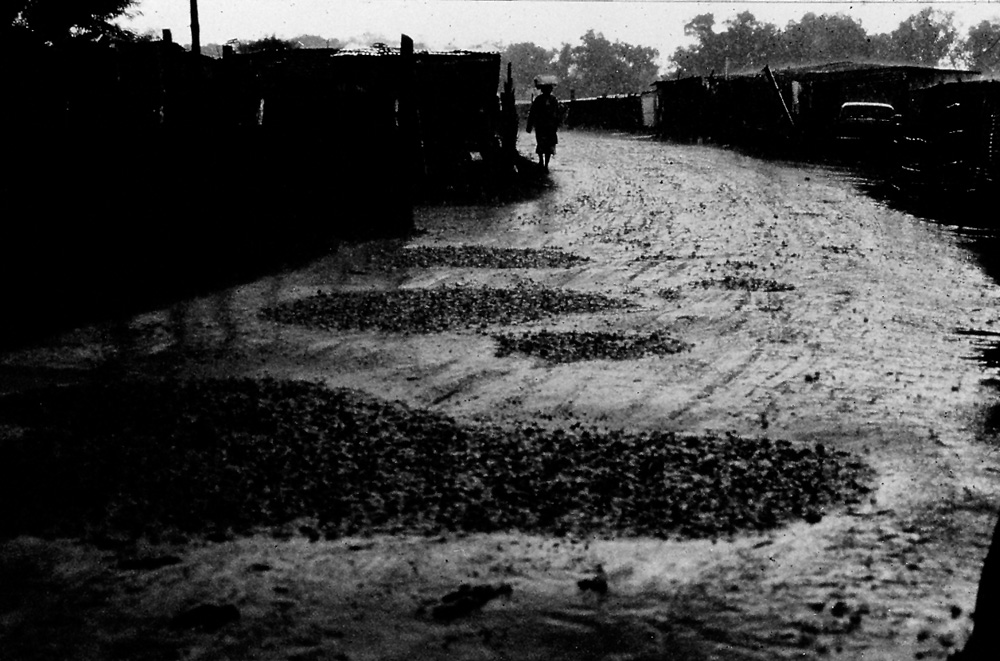
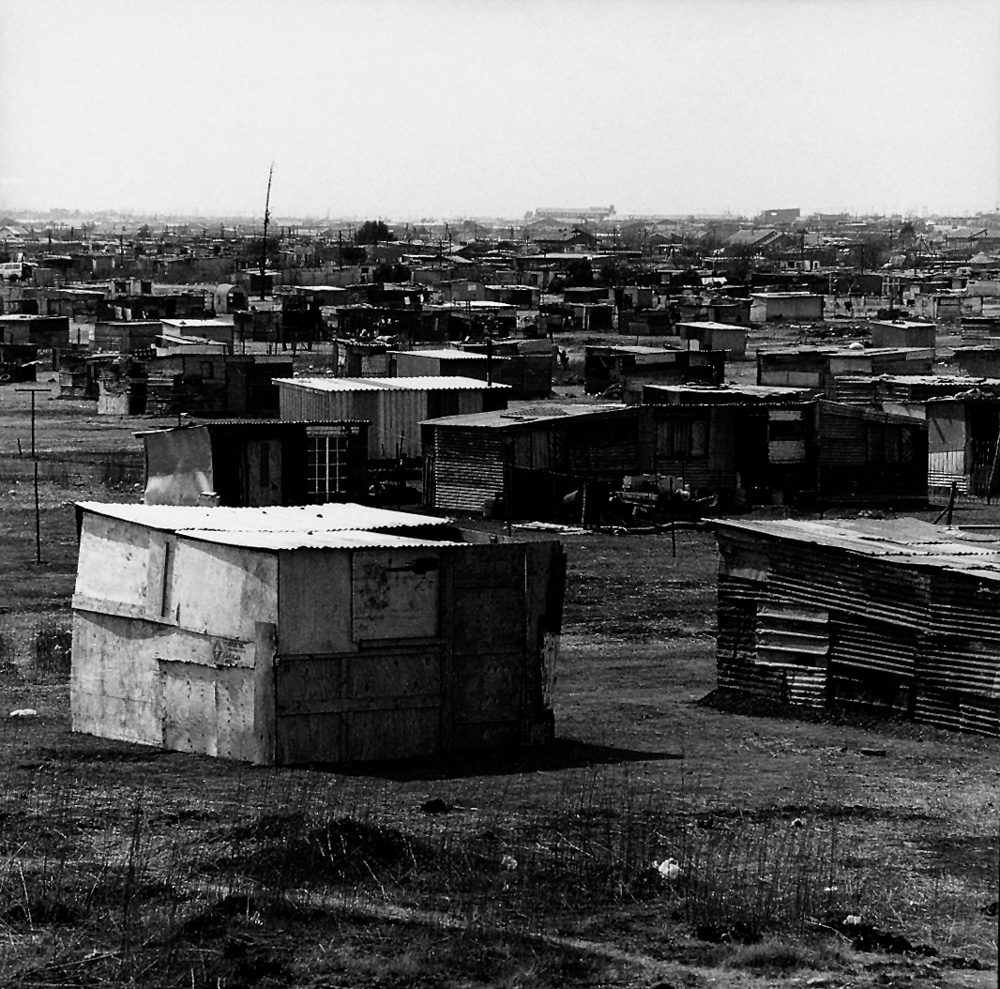
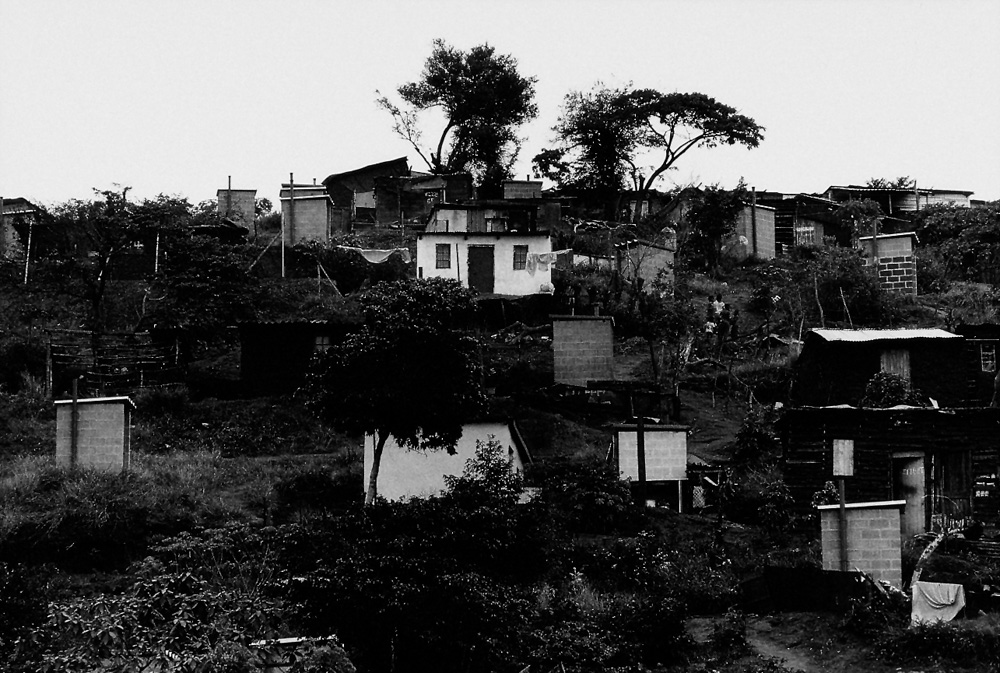
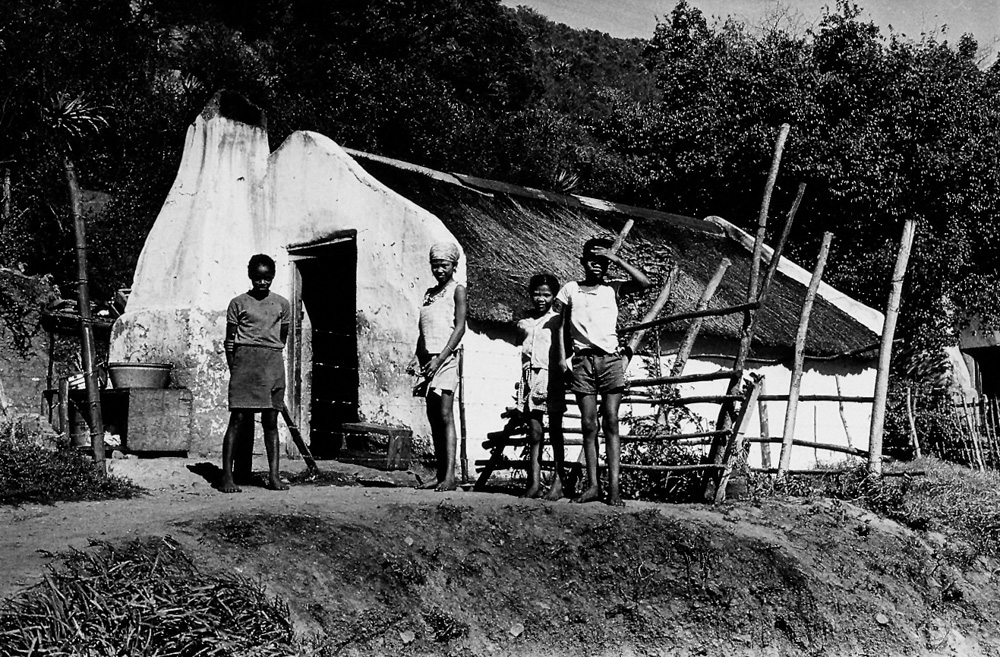
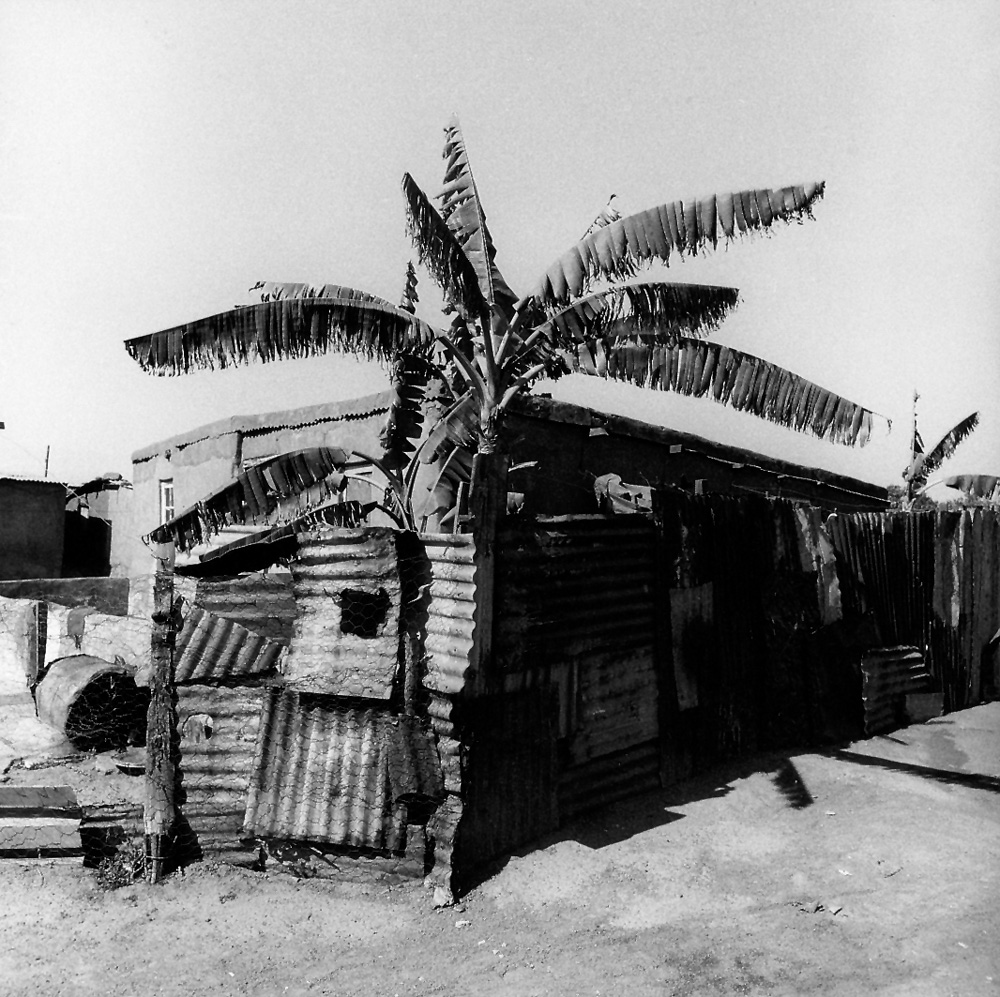
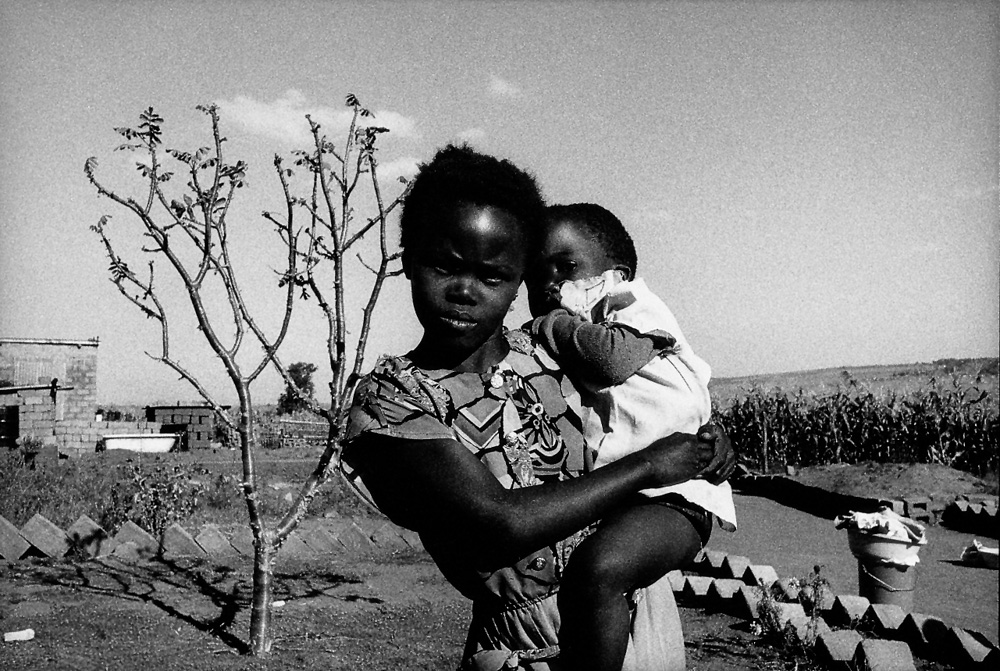
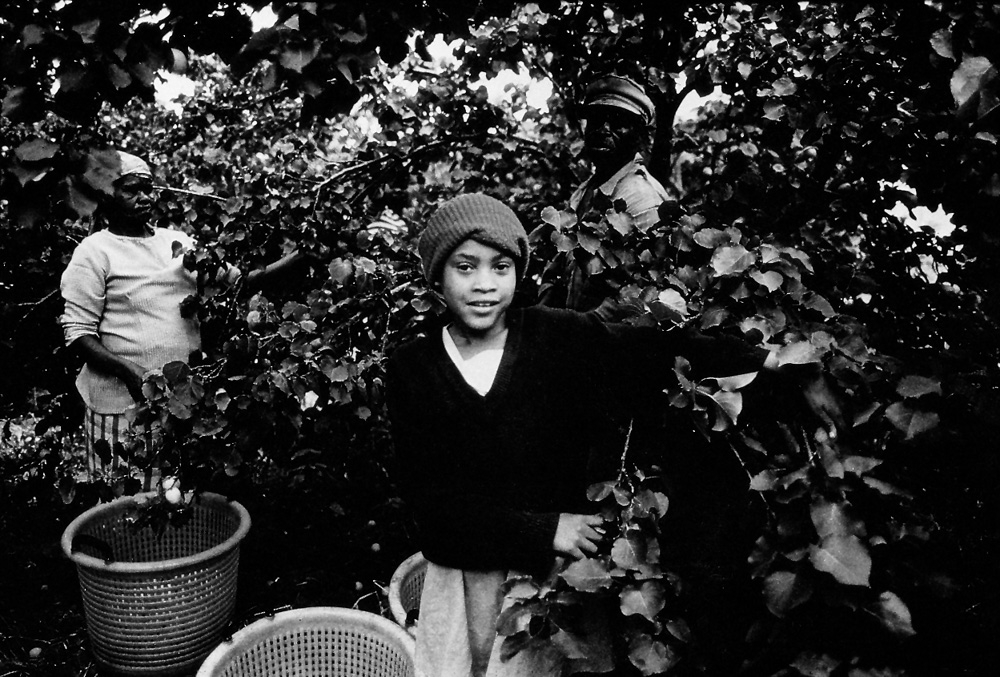
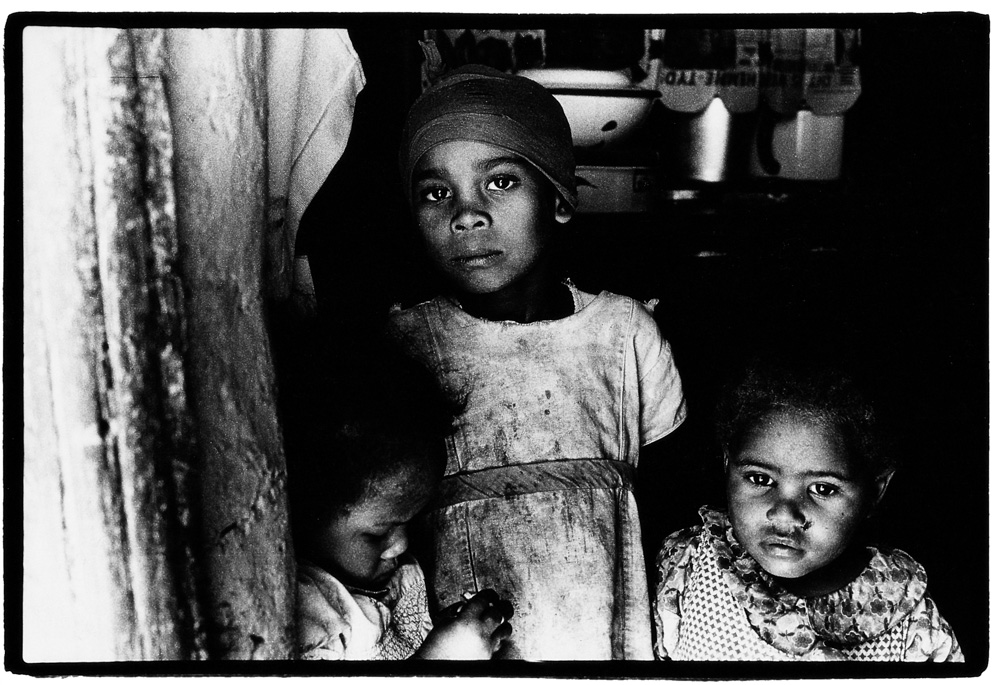
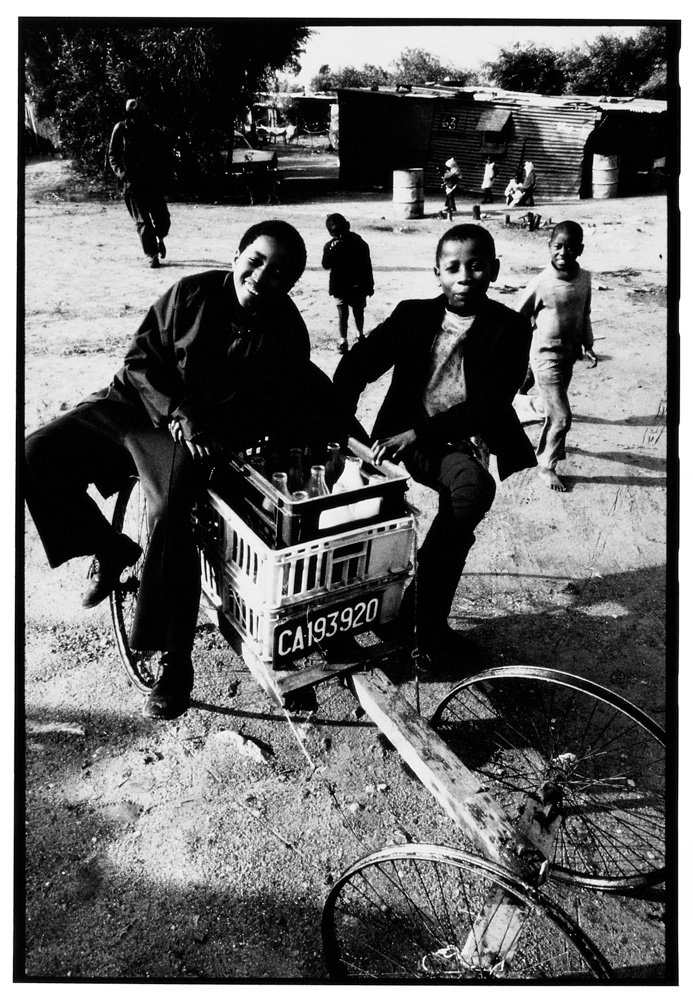
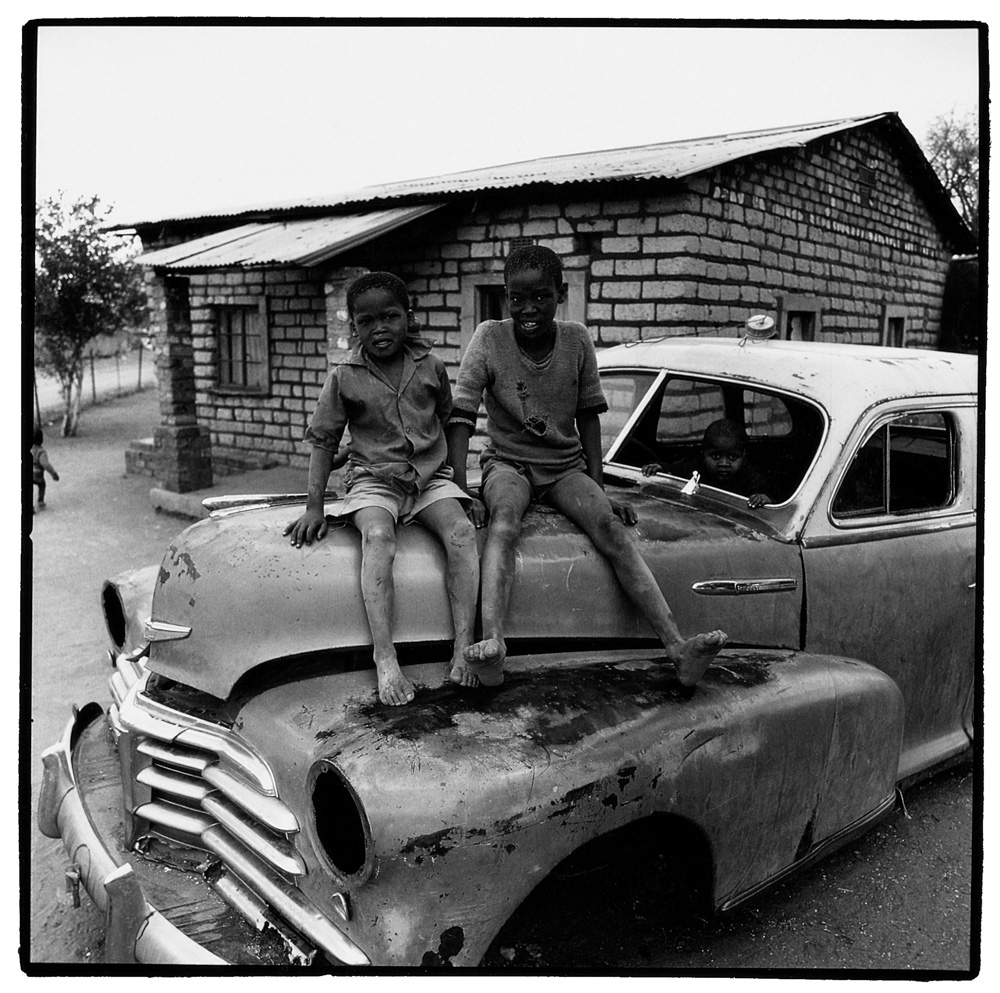
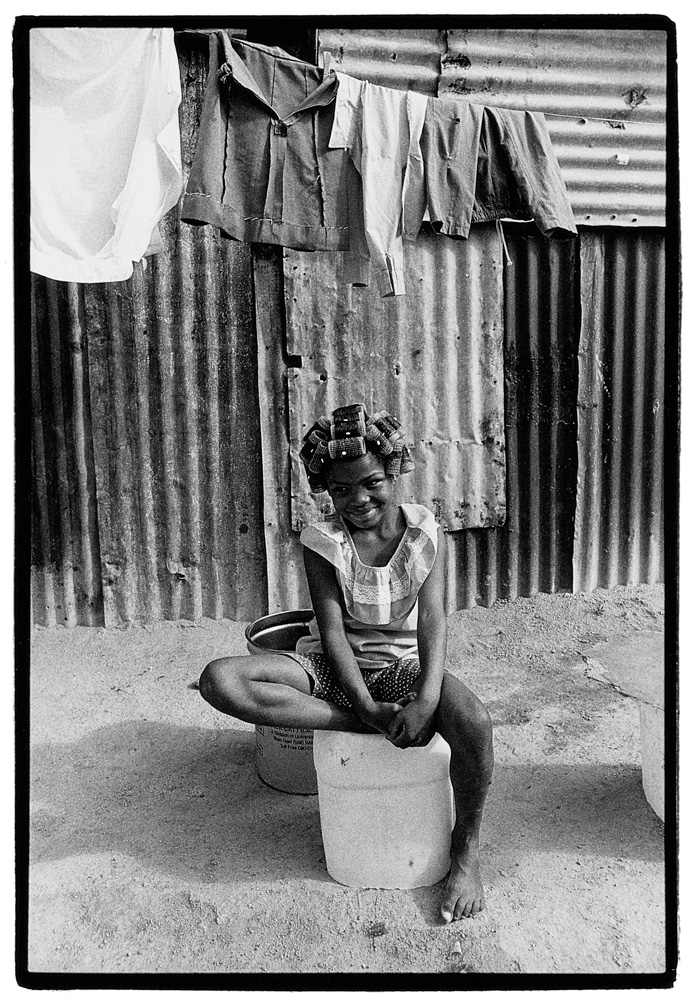
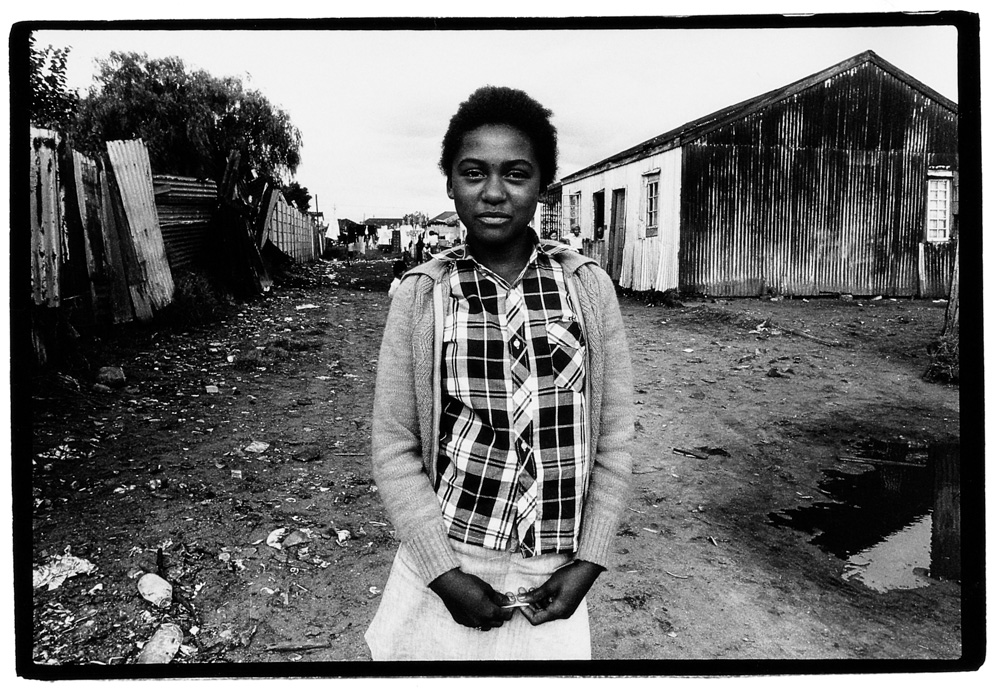
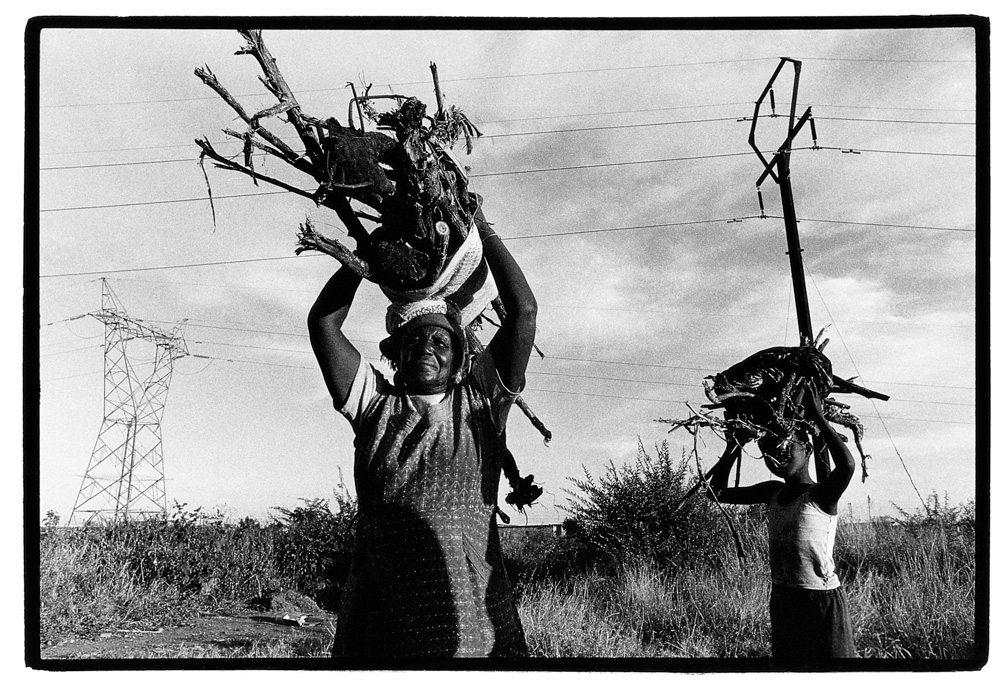
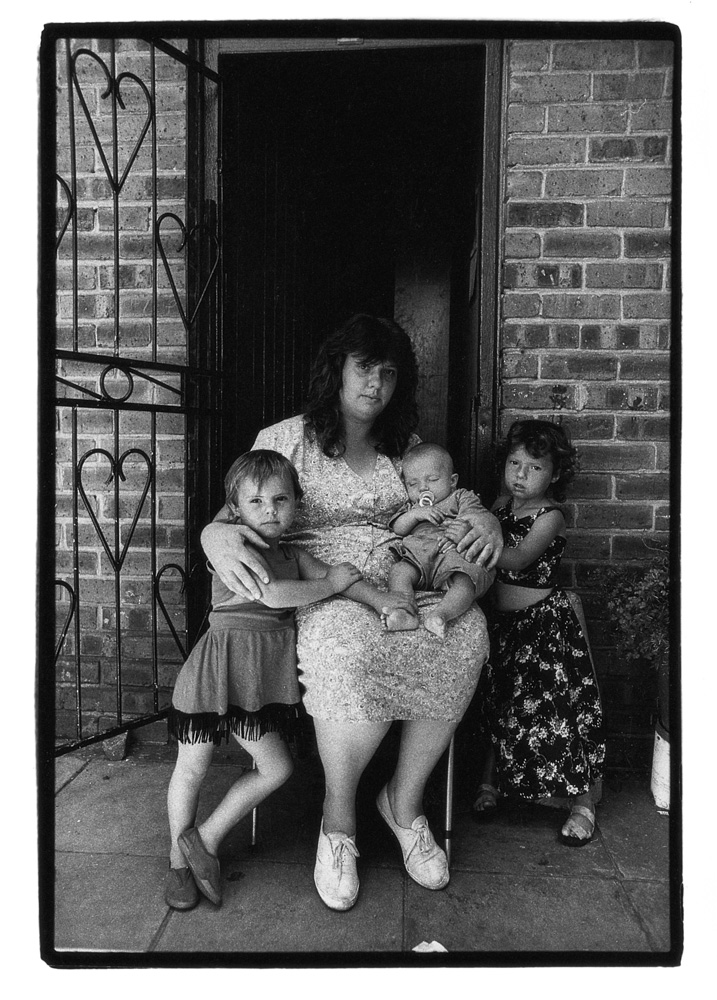
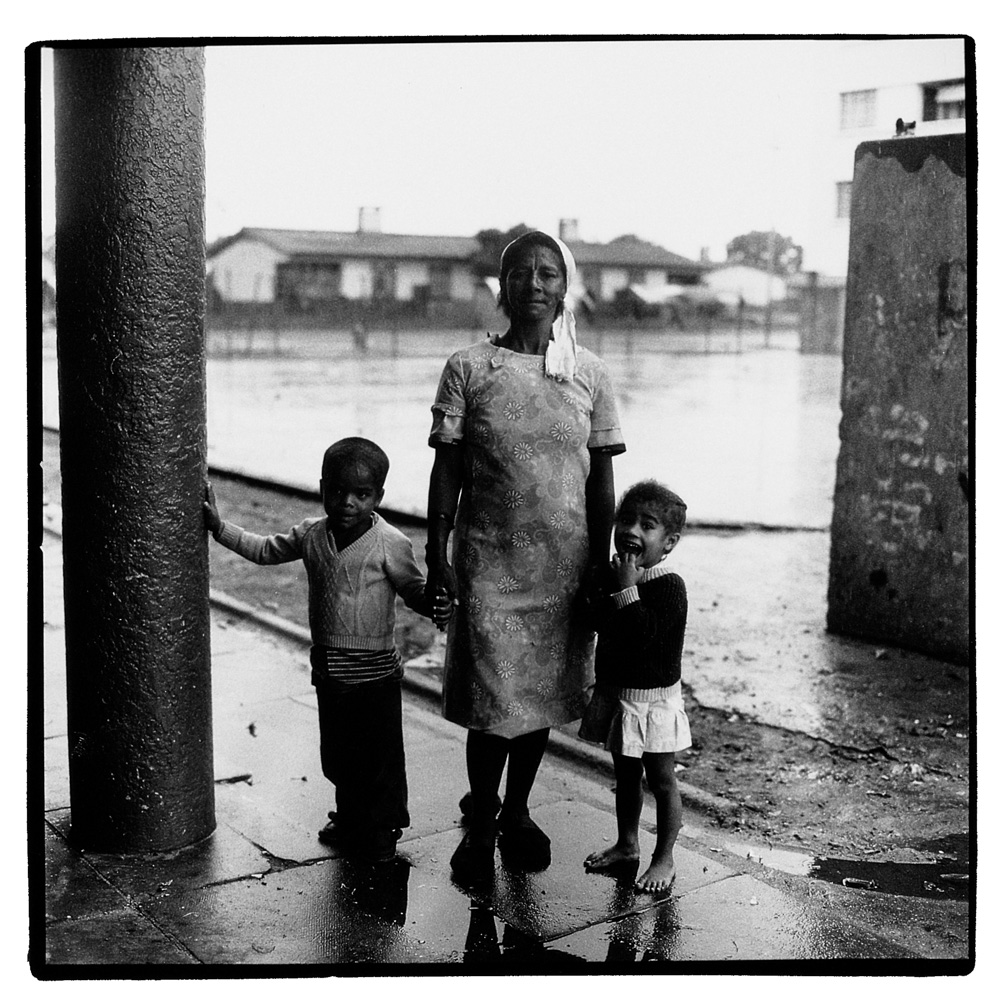
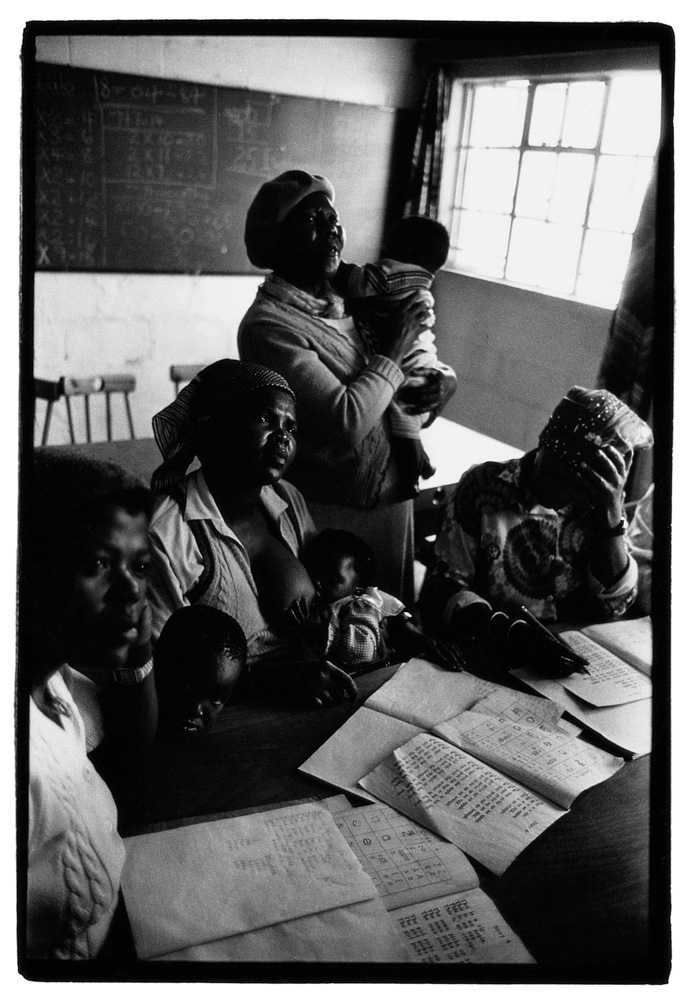
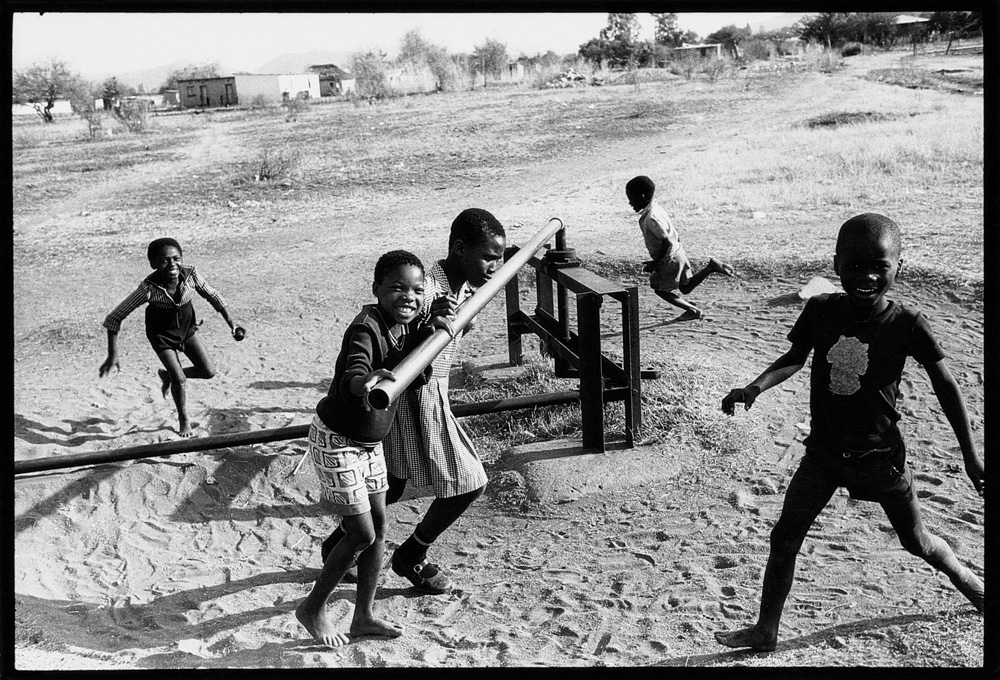
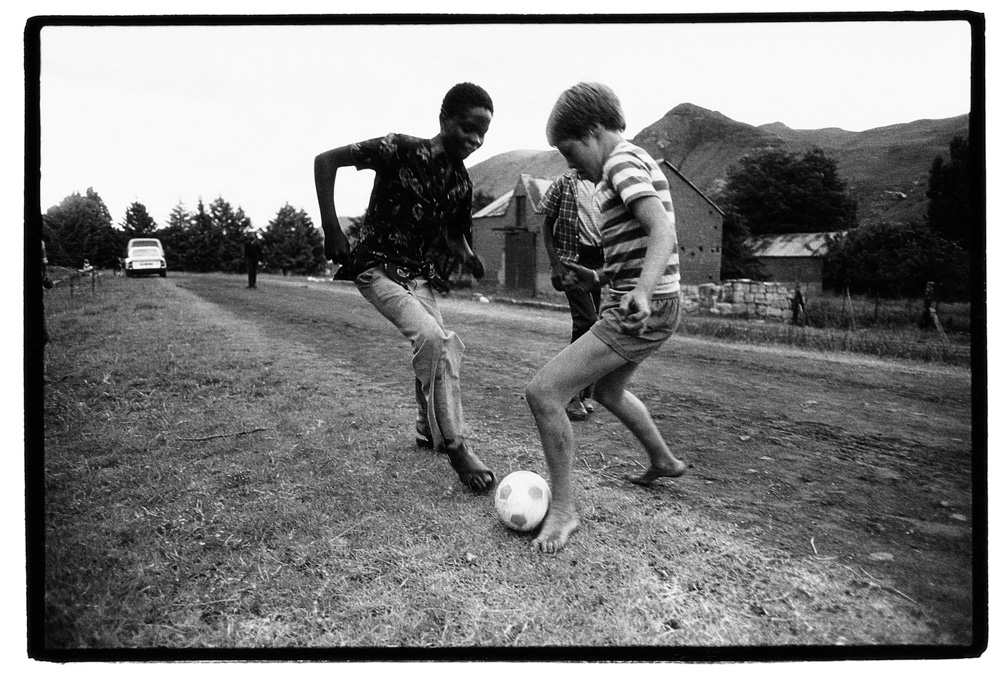
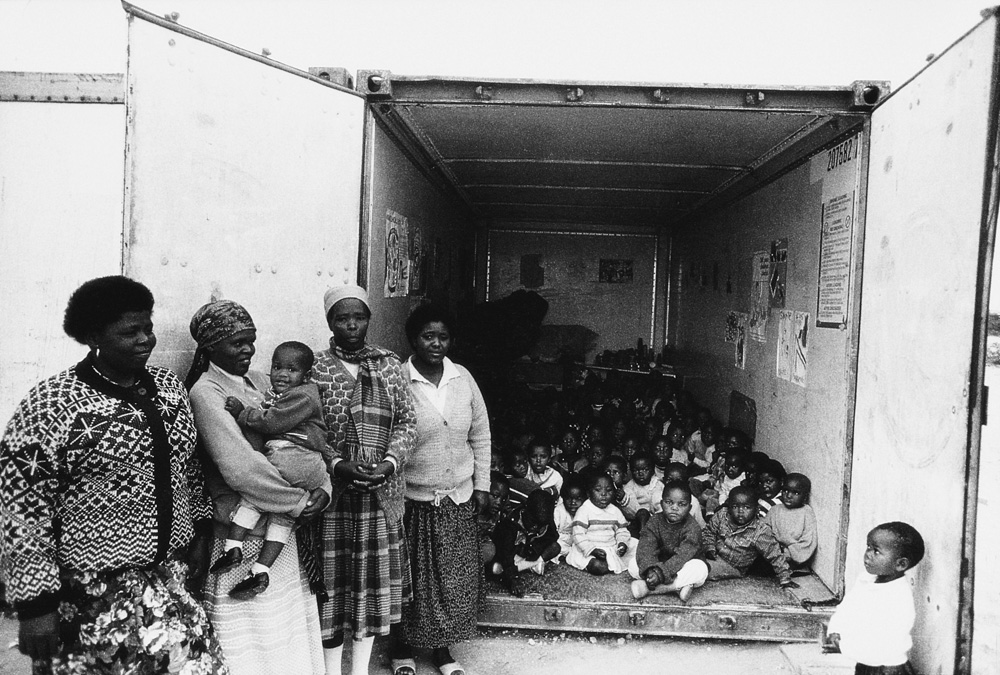
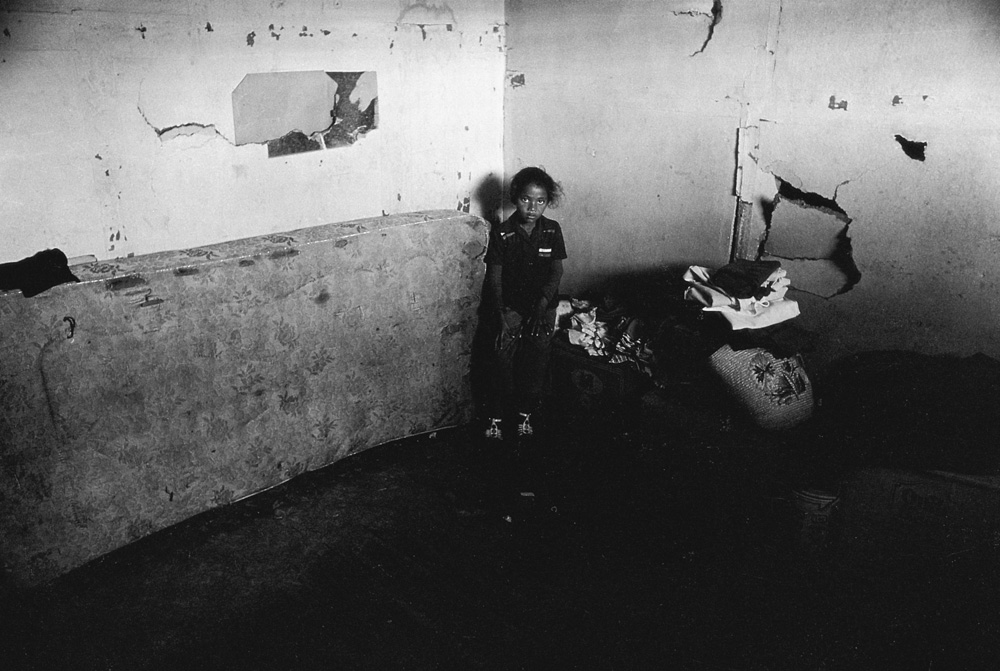
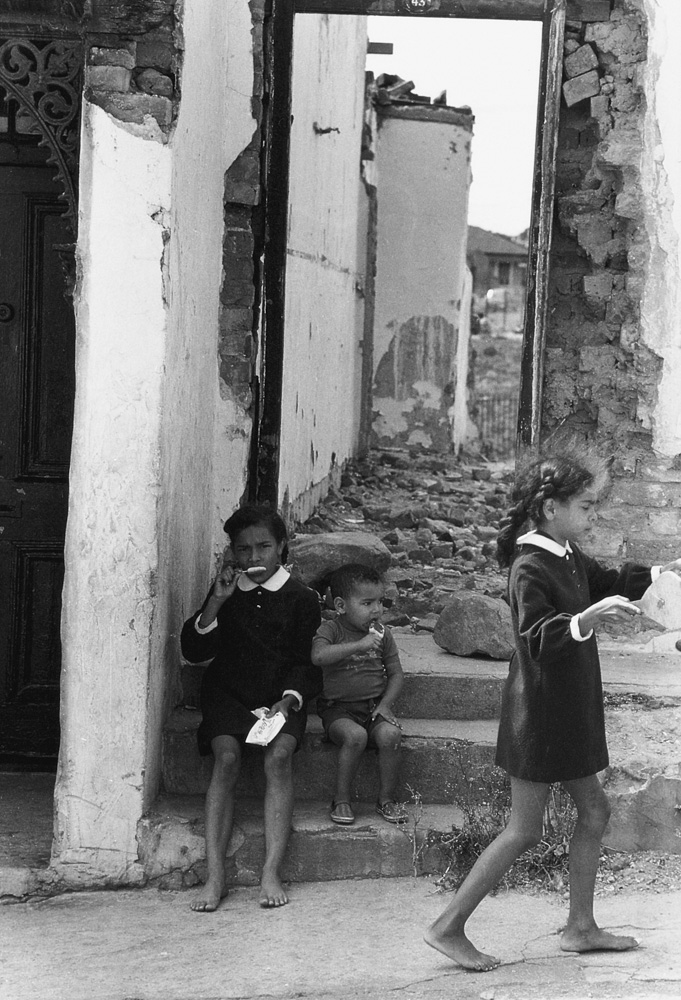
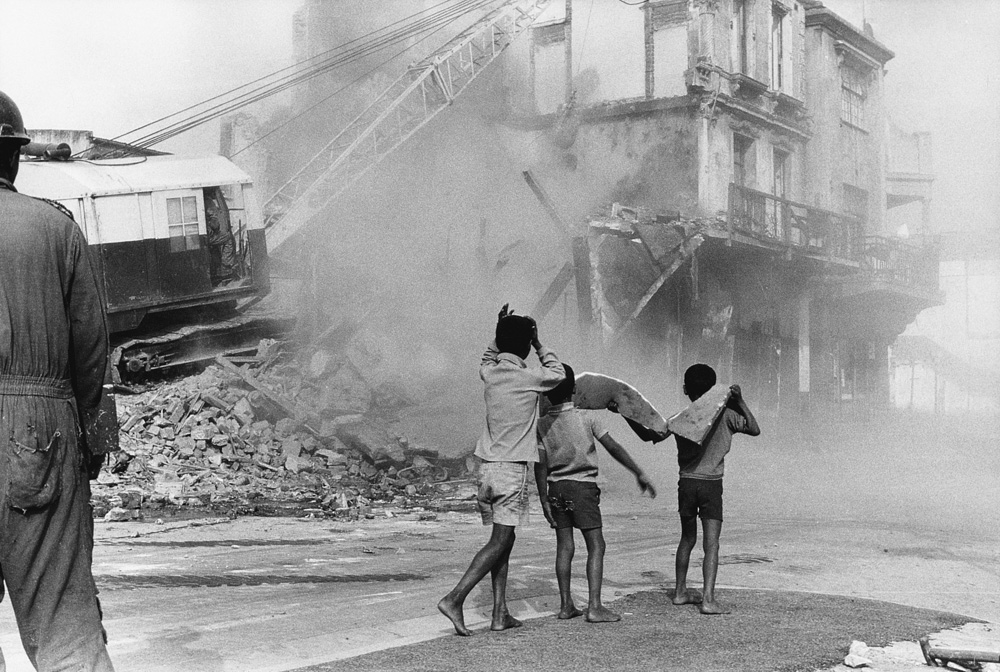
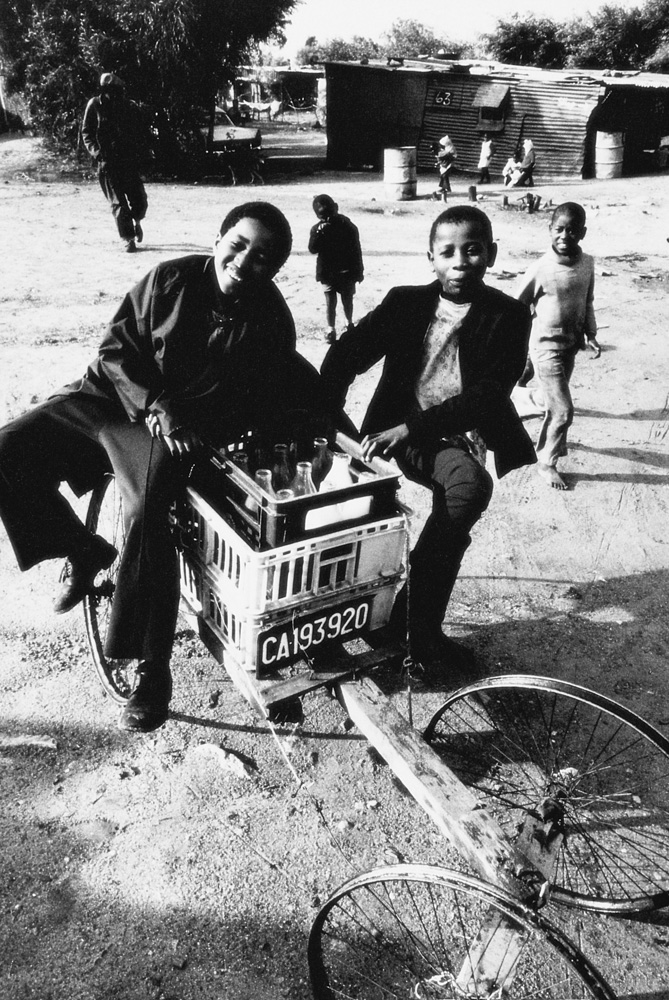
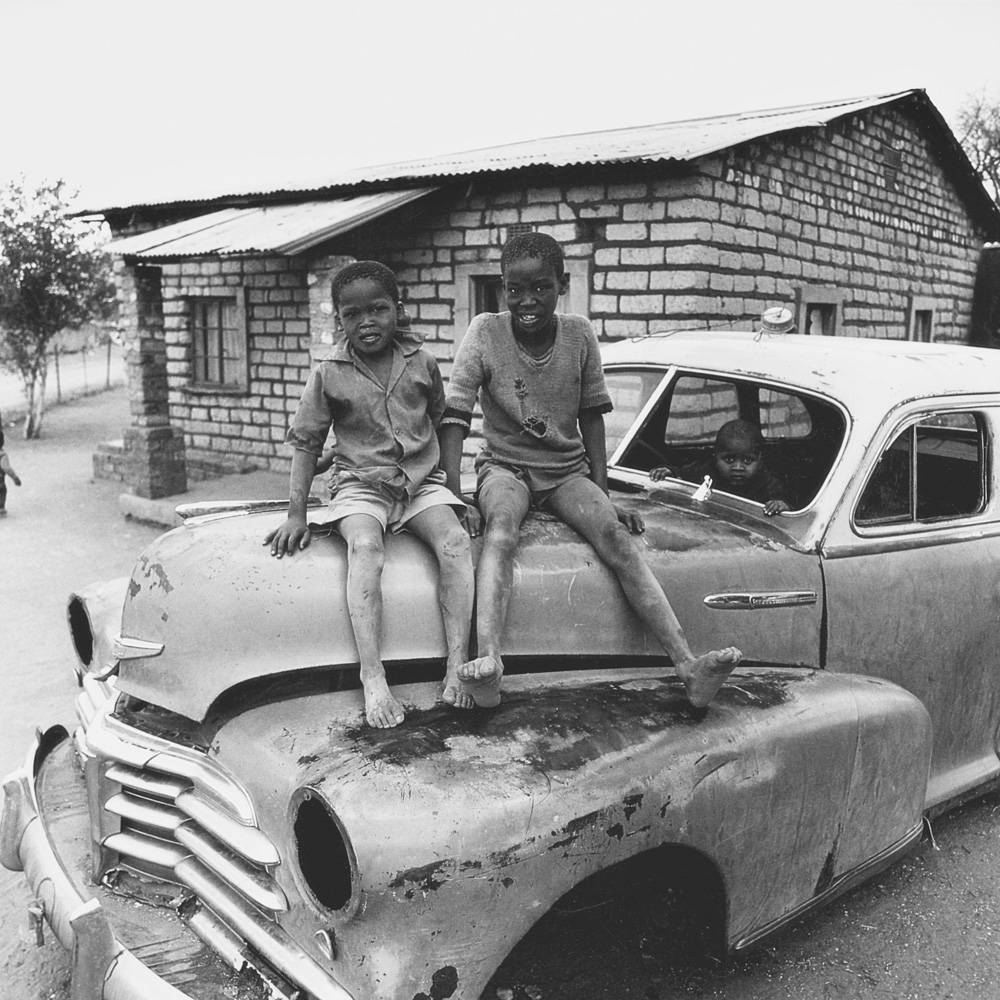
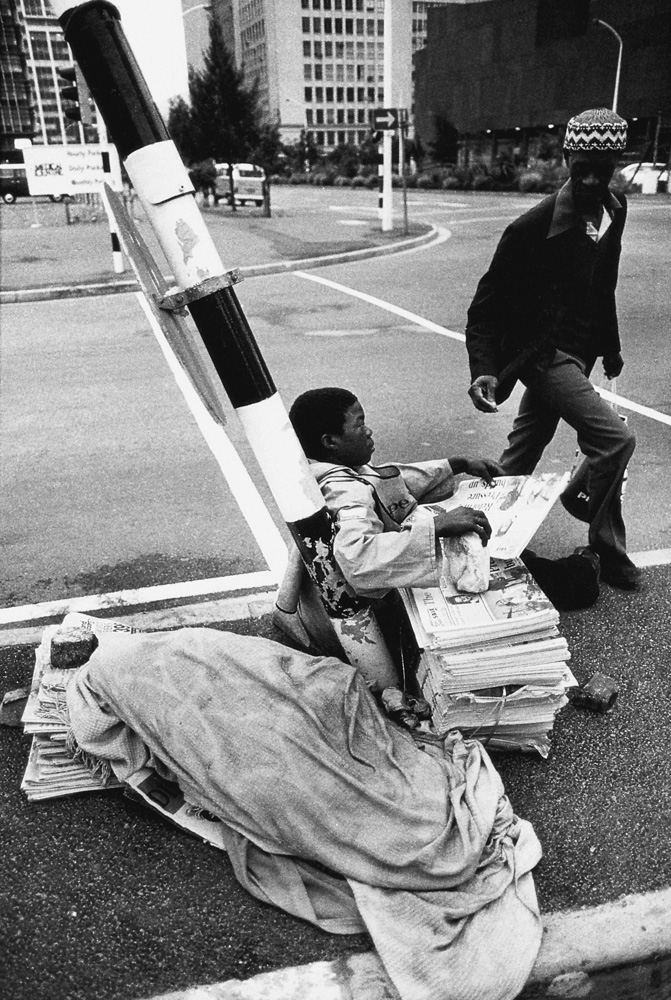
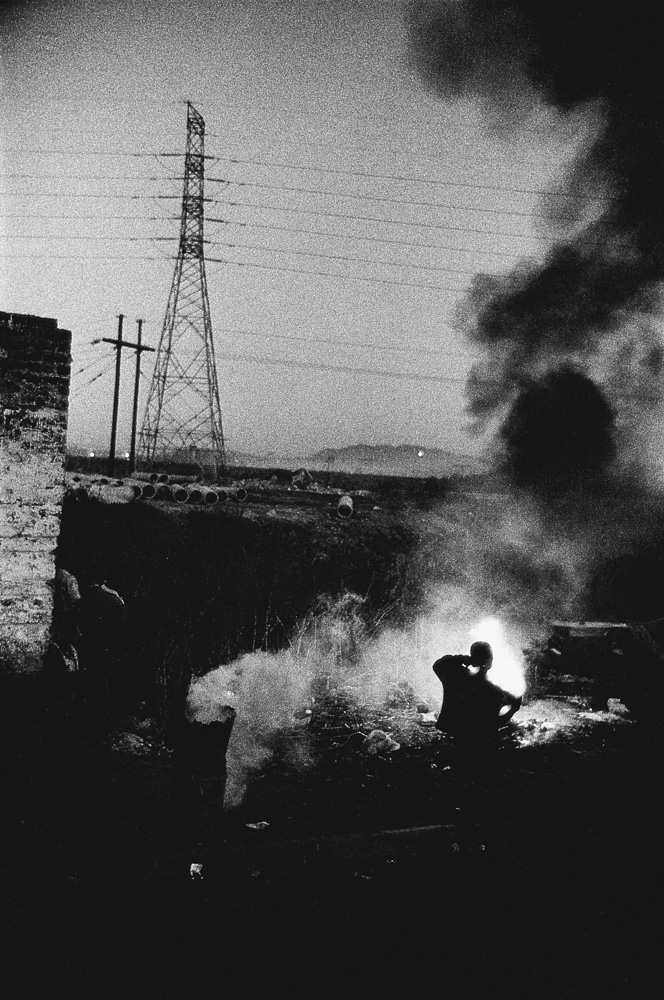
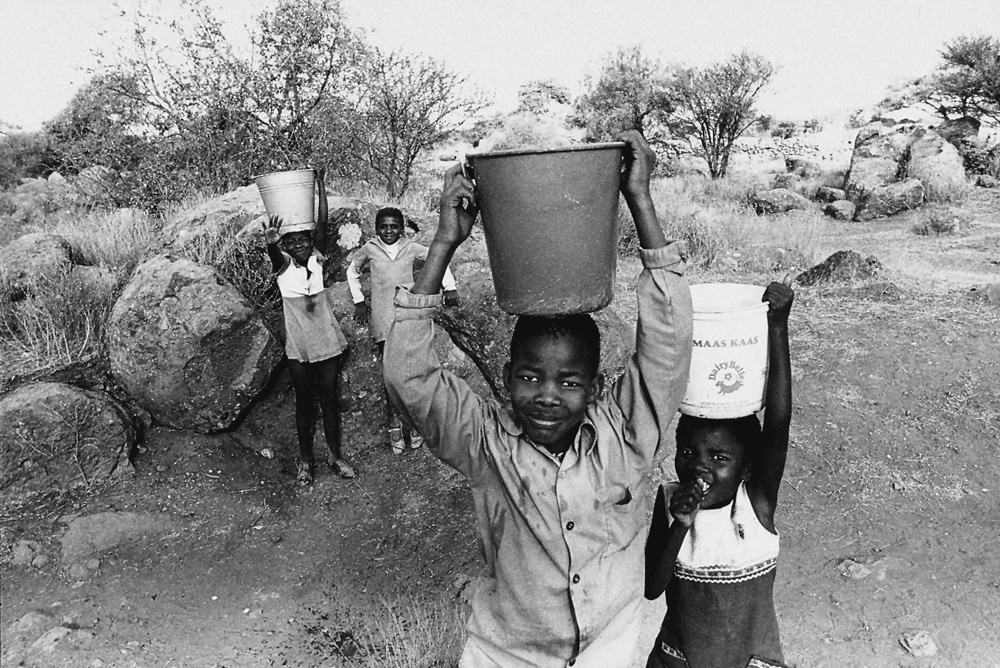
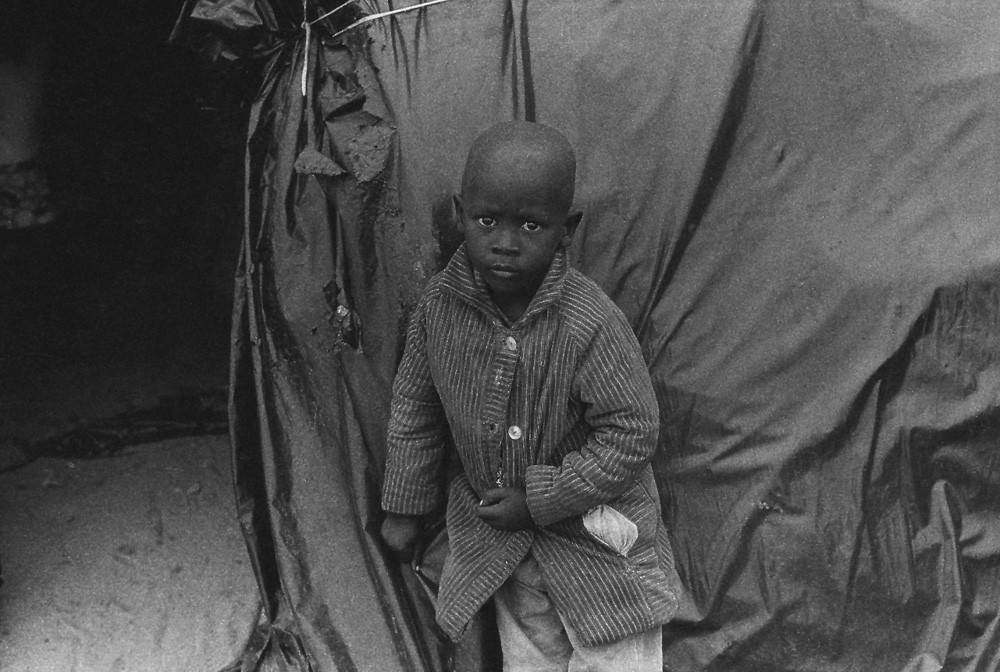
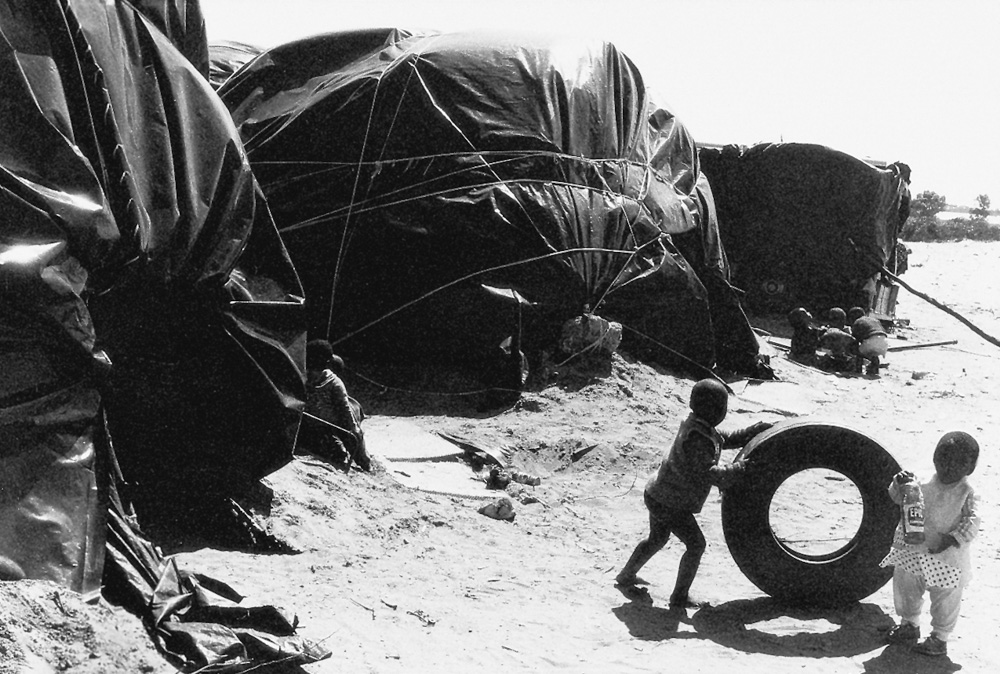
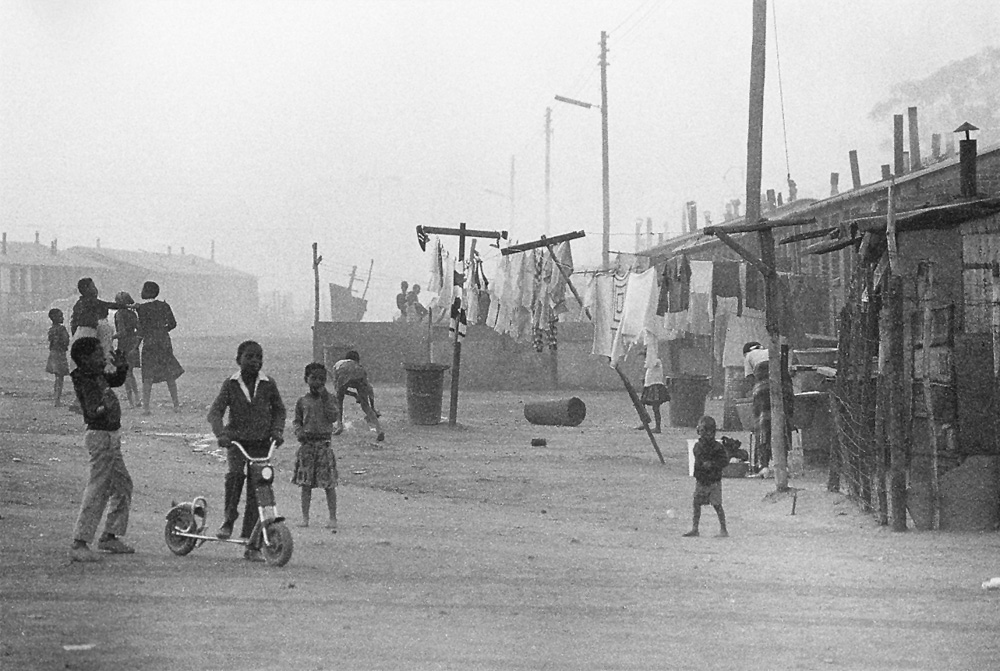
Alberts situates children within the spaces that defined everyday life across the country: township streets, rural settlements, informal housing and improvised play areas. These environments reveal the conditions under which millions of South African children lived during the twentieth century.
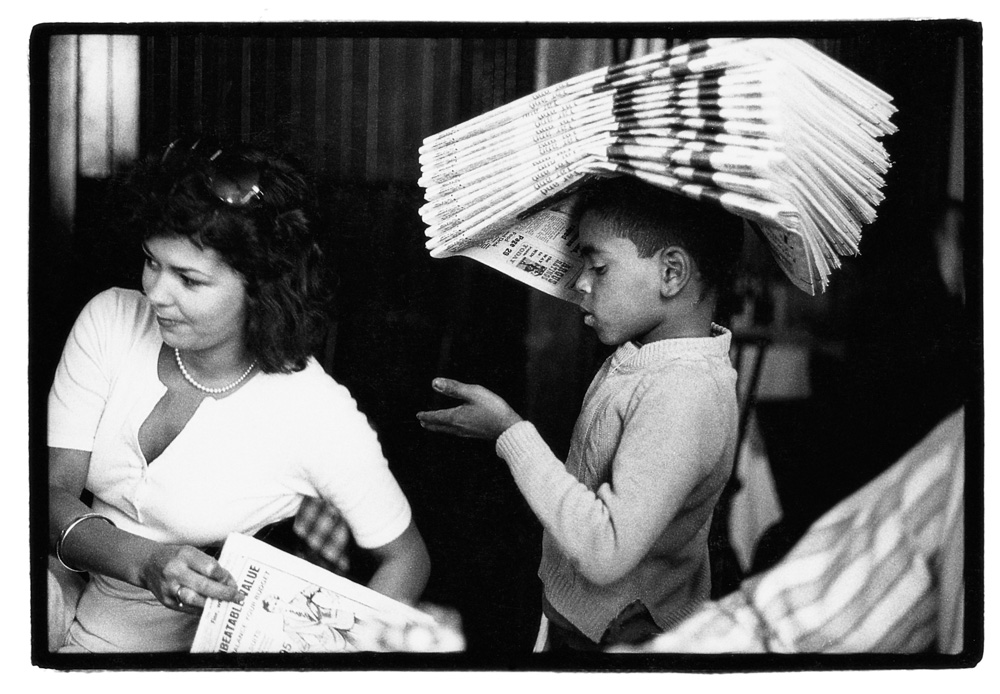
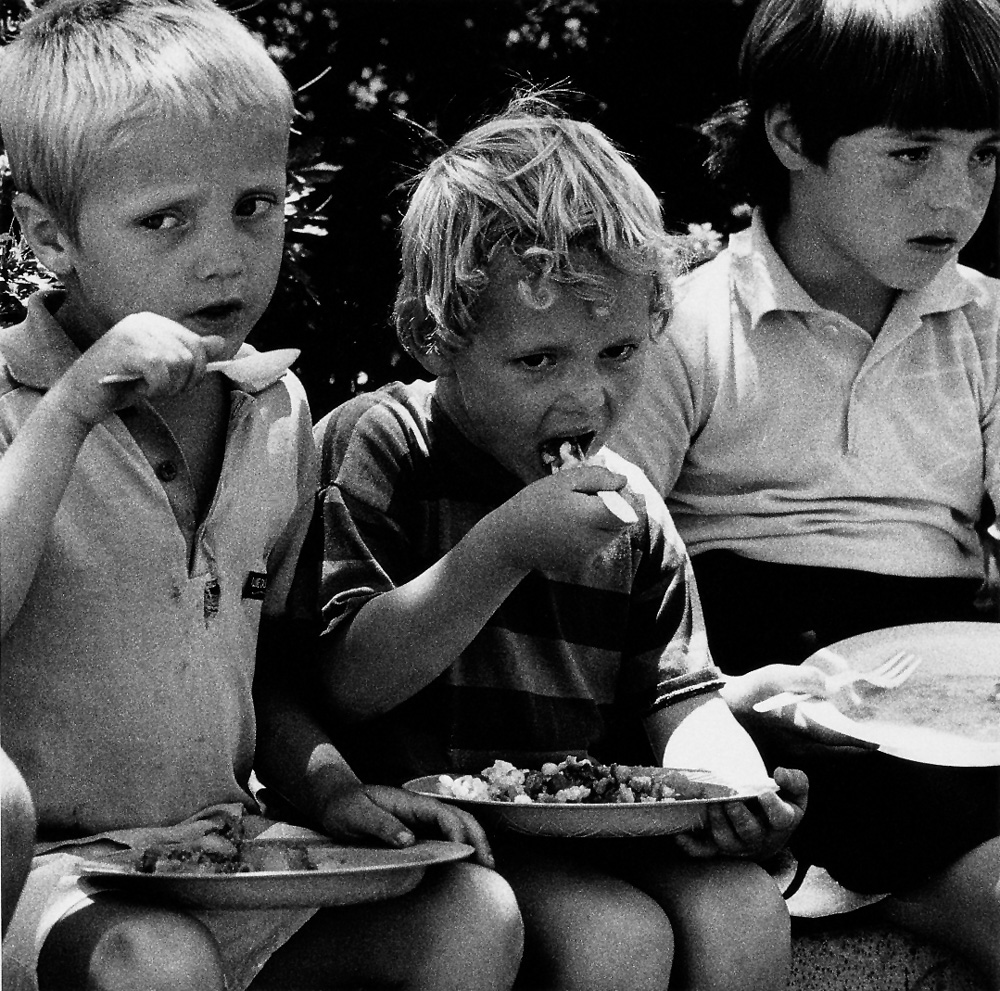
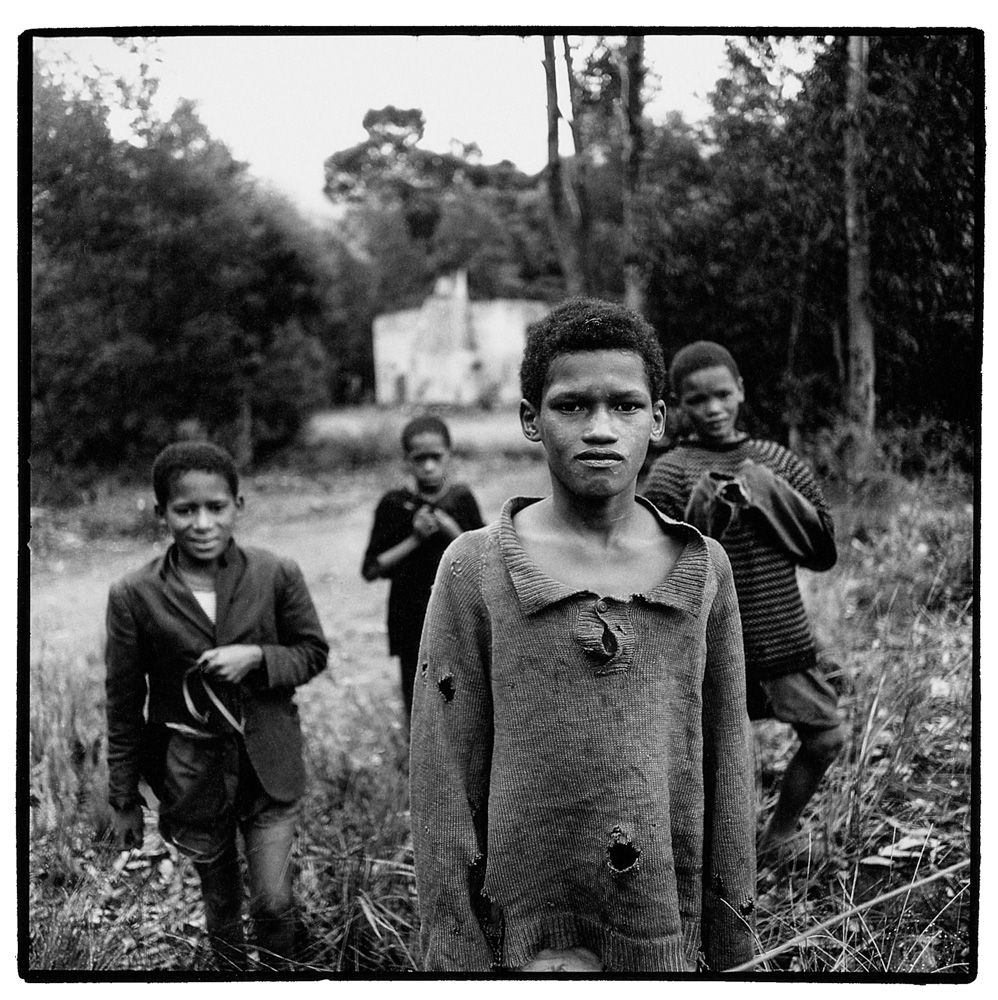
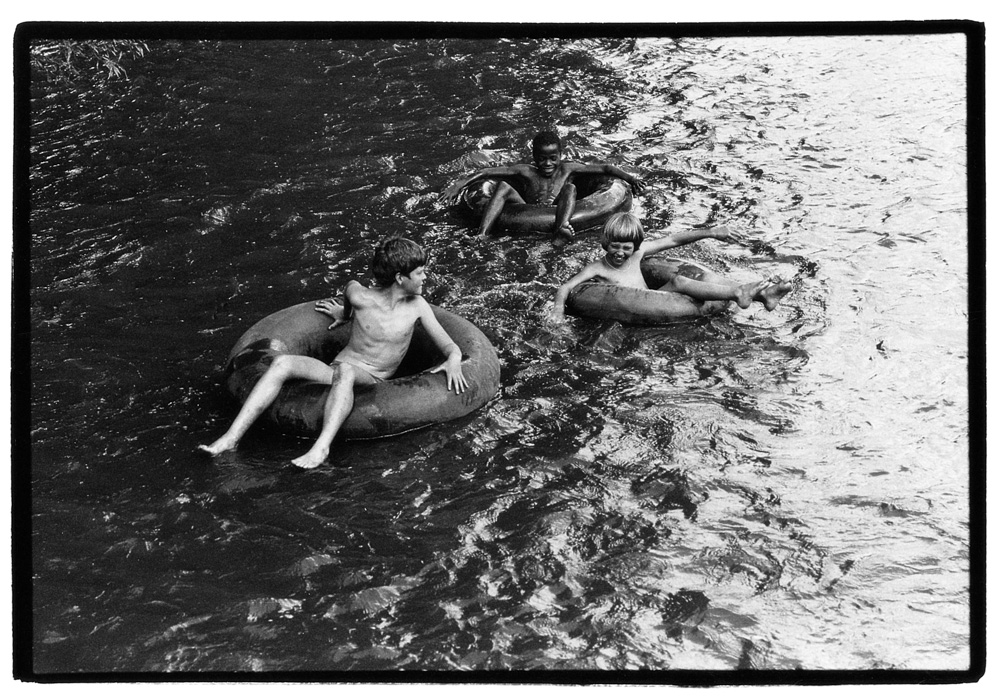
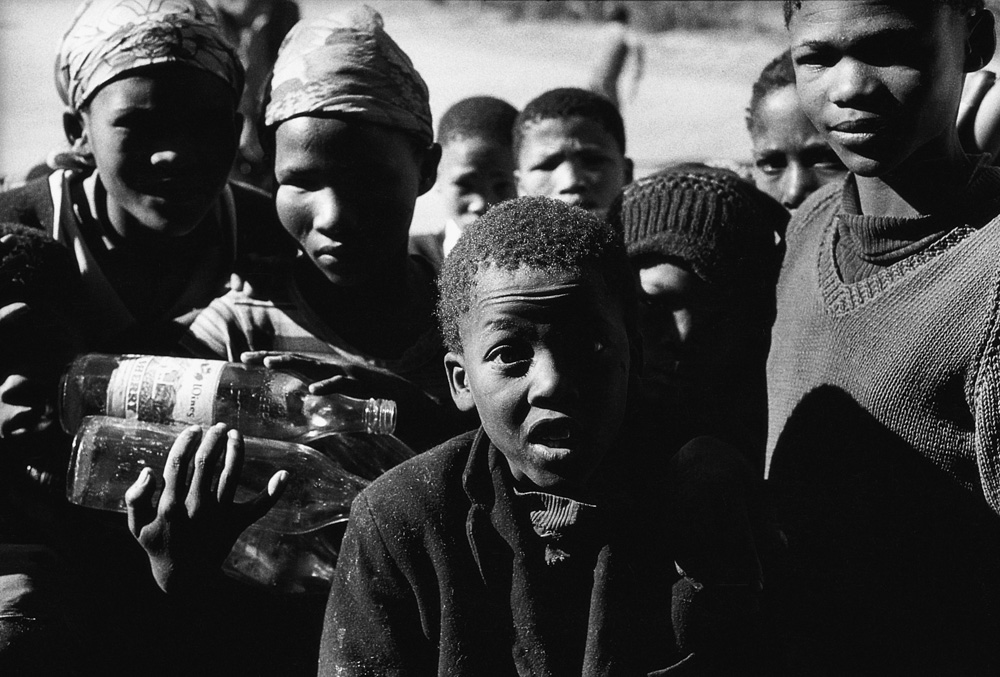
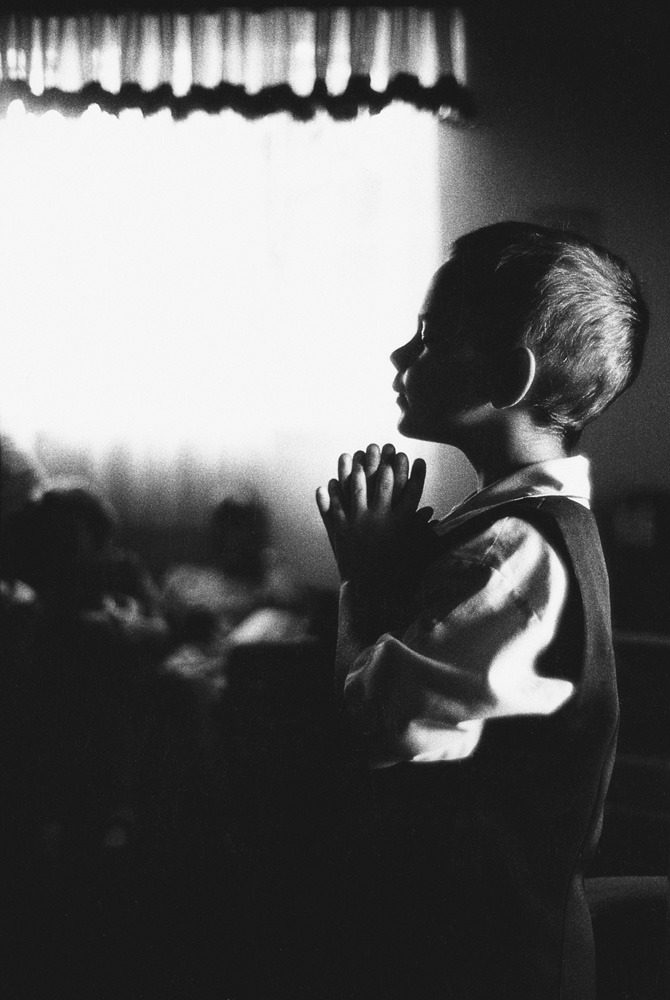
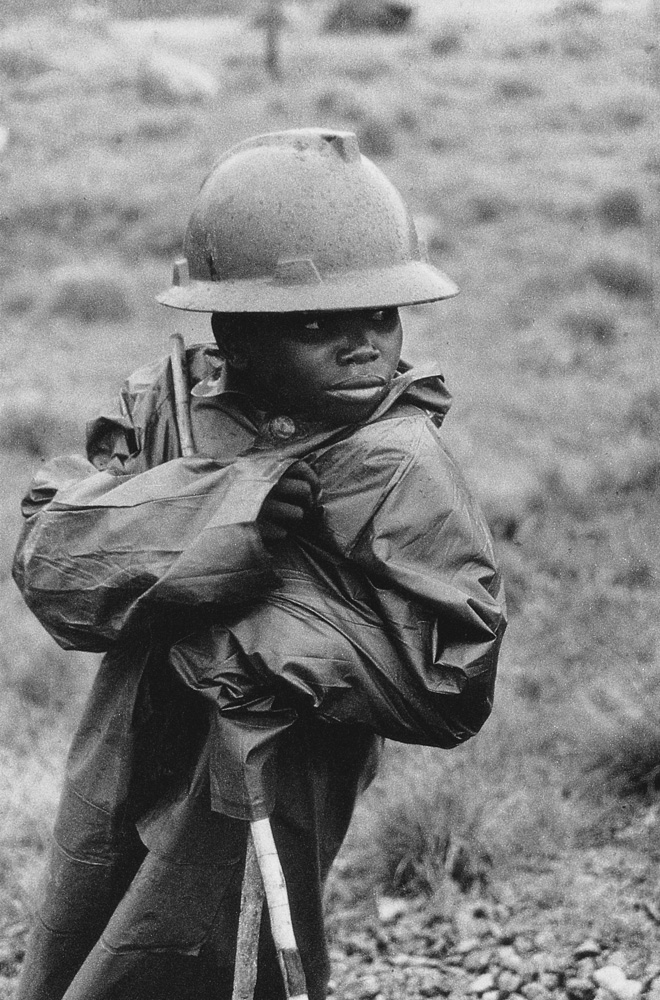
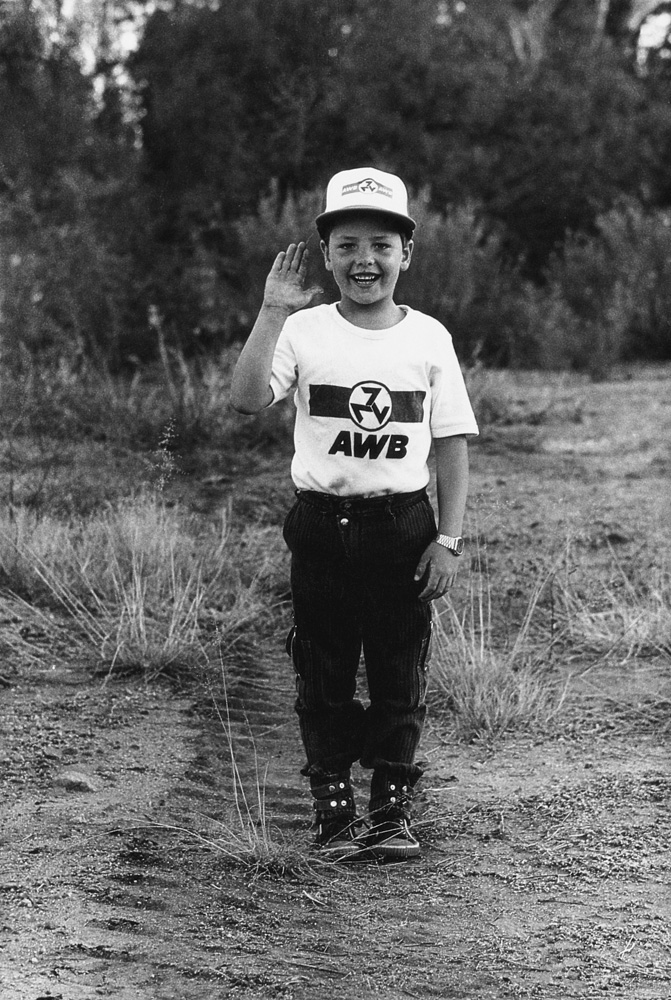
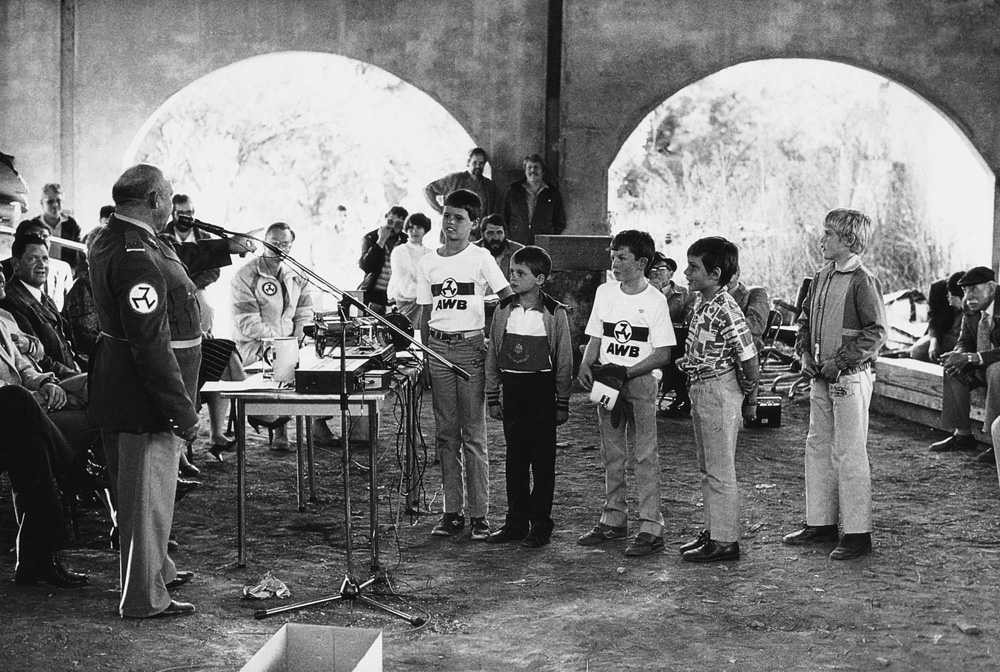
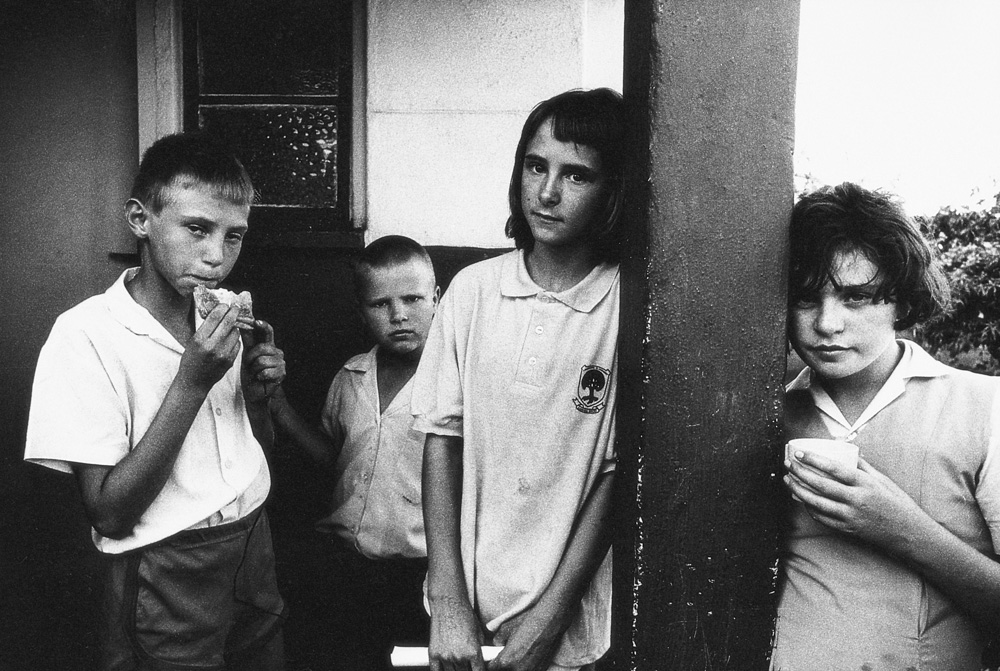
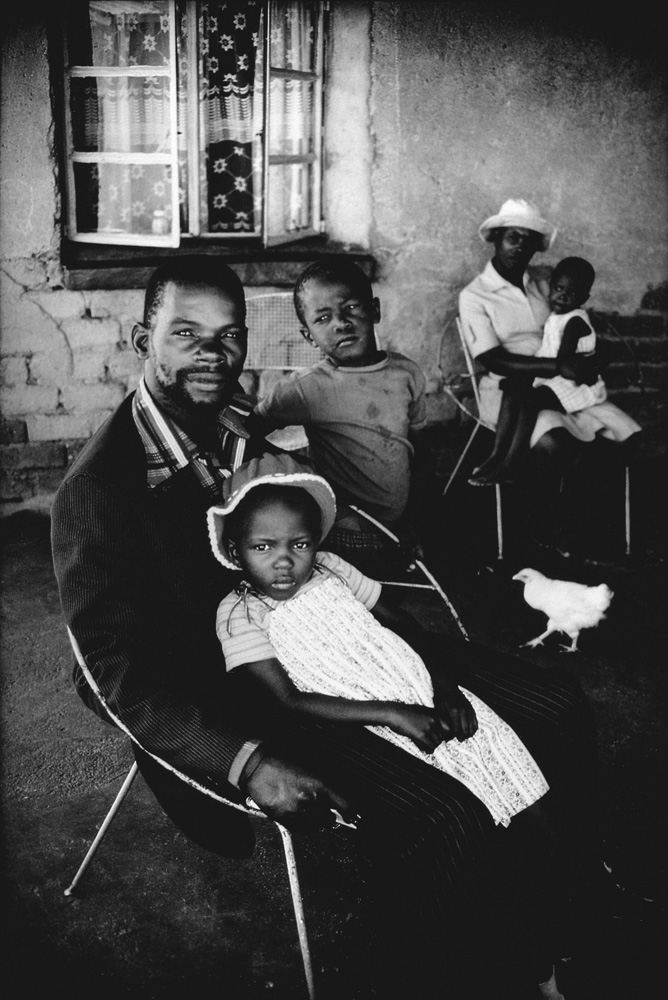
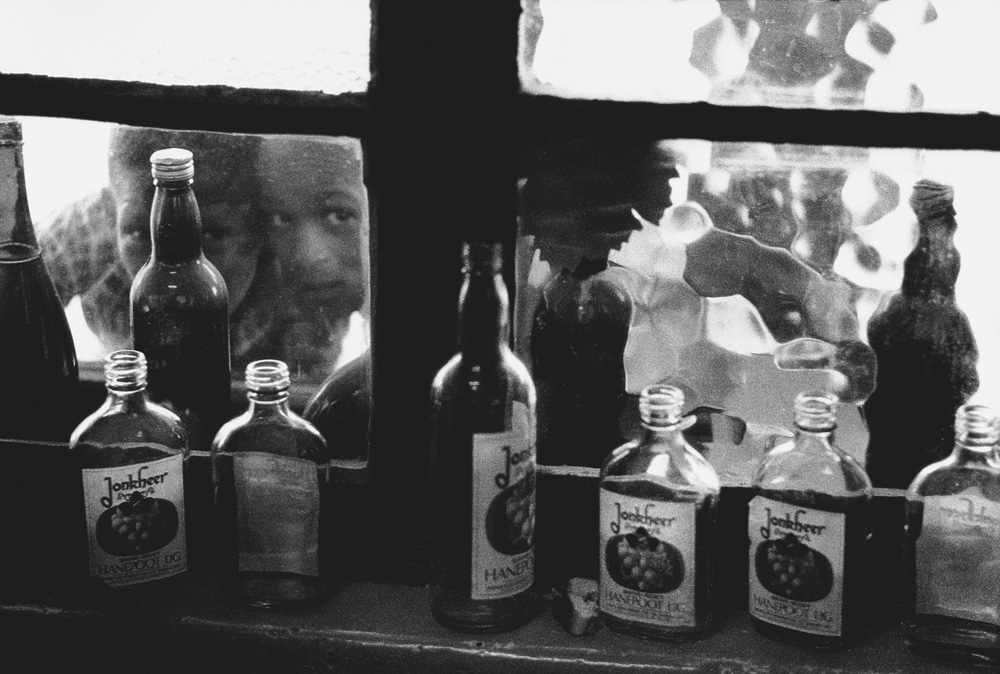
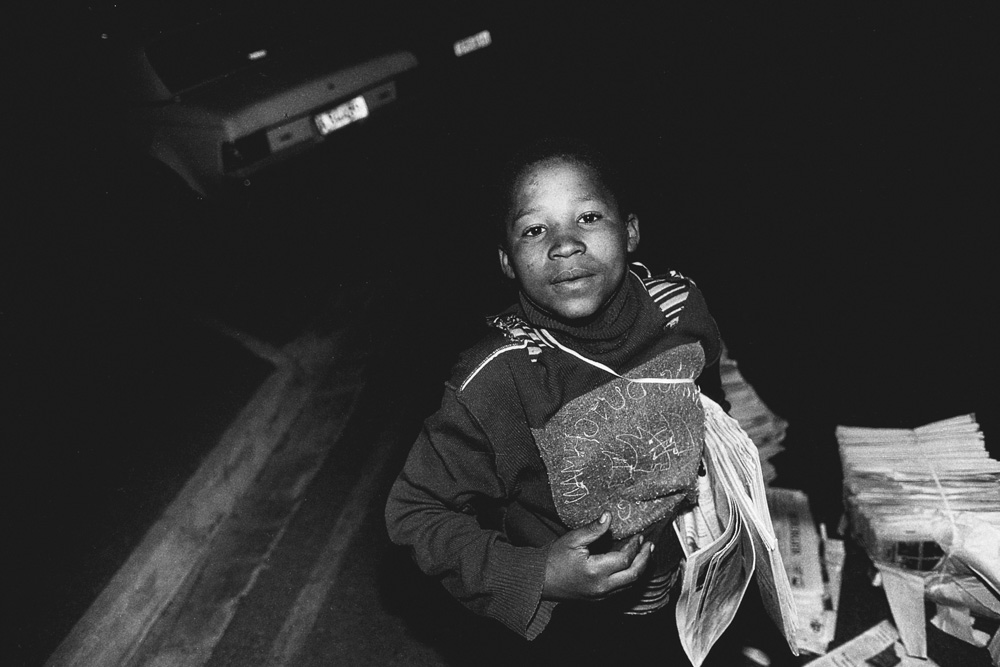
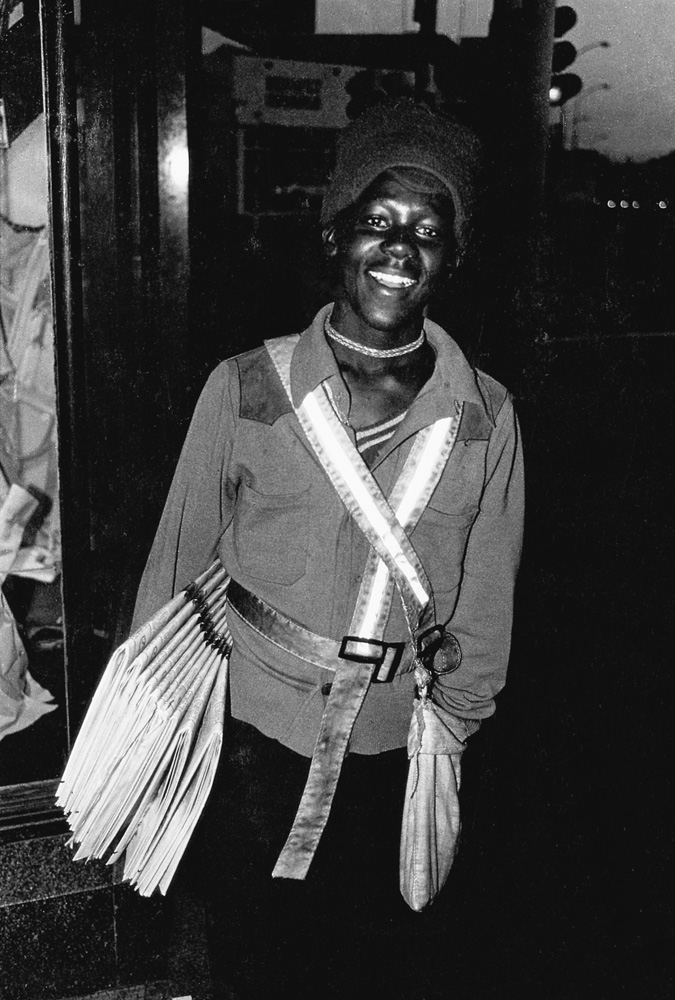
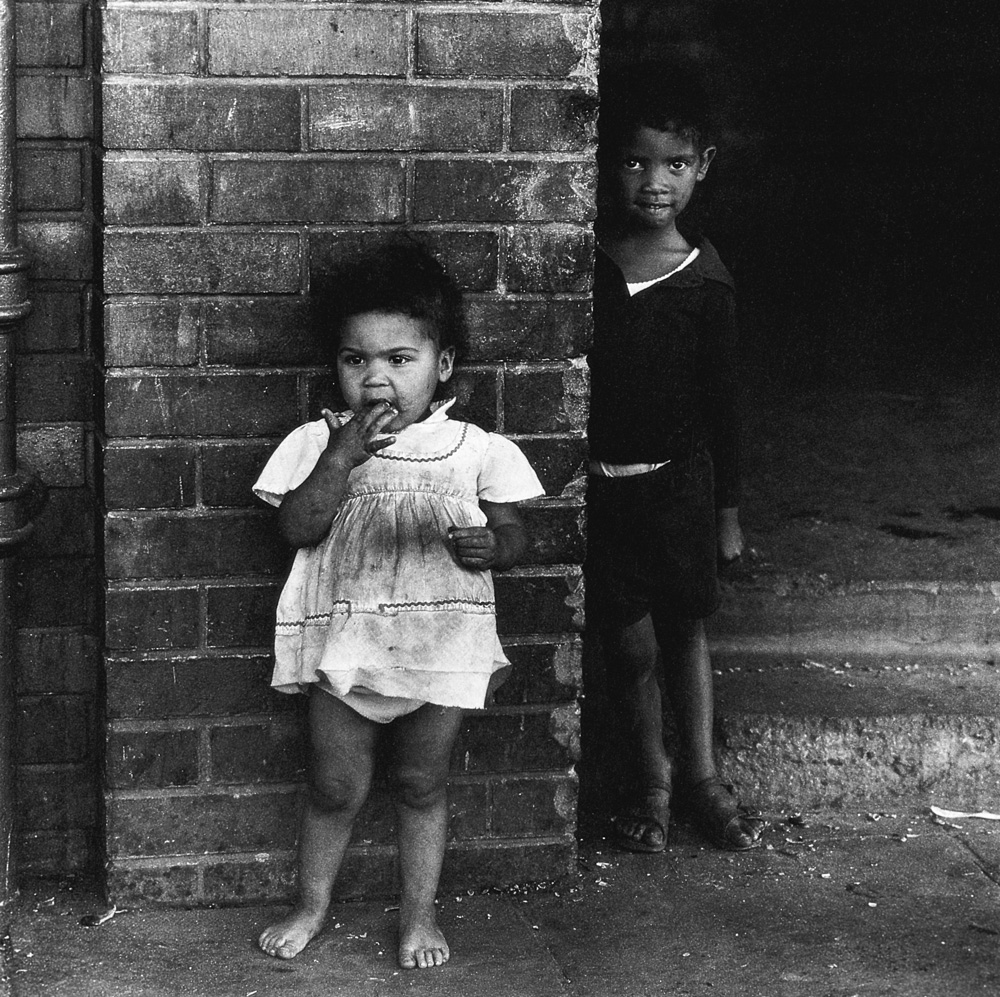
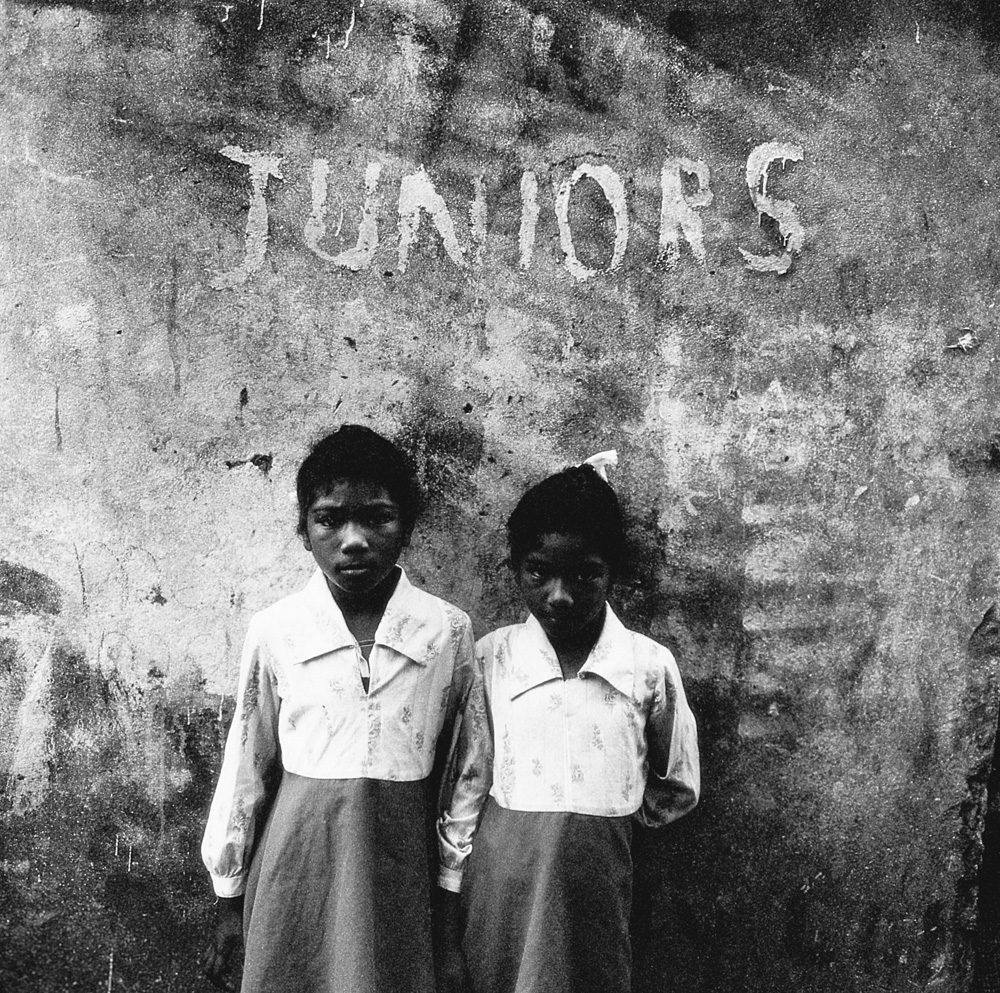
Rather than presenting childhood as an abstract idea, the photographs place young people directly within the social landscape that shaped their experiences. Children appear observing the world around them, interacting with friends or simply inhabiting the spaces available to them.
Childhood and Social Conditions
The publication accompanying the photographs places Alberts’ work within a broader global and historical context. Its opening essay addresses the realities faced by children across the world, reminding readers that childhood is not universally protected or secure.
As the text observes:
“Childhood should be a time of happiness and peace; a time of playing, learning and growing. Yet for millions of children the reality is often very different.”
This statement establishes the central premise of the publication. Childhood is shaped not only by family life but also by the political, economic and social systems within which children grow up.
In South Africa these systems were deeply influenced by colonialism, industrial development and apartheid legislation. They determined where families could live, how they could work and what opportunities were available to them.
Settlement and Inequality
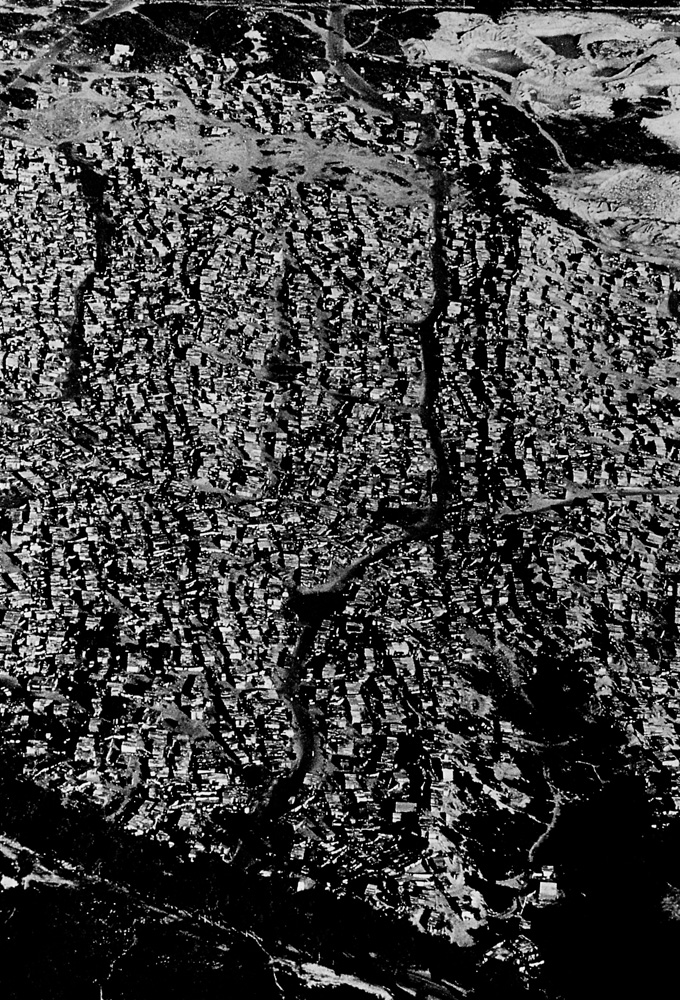
Settlement patterns across South Africa reflected these historical forces. Millions of people were relocated to townships or rural homeland territories, often far from employment opportunities and essential infrastructure.
Housing shortages and poverty contributed to the expansion of informal settlements and overcrowded communities. Many families lived in makeshift homes constructed from corrugated iron, cardboard or salvaged materials, often without reliable electricity, sanitation or access to clean water.
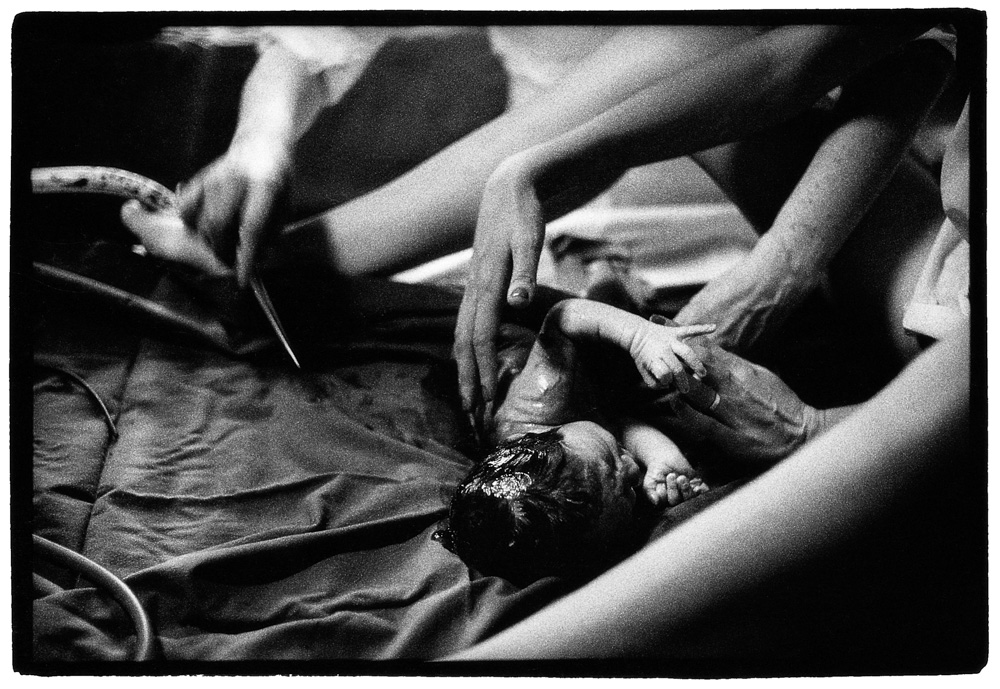
Such environments inevitably affected the health and wellbeing of children. The publication highlights the contradiction of a country capable of sophisticated medical treatment while many children continued to die from preventable illnesses due to unequal access to healthcare.
Growing up under Apartheid
The book also includes reflections by Archbishop Desmond Mpilo Tutu, who recalls the stark inequalities that characterised his own childhood under apartheid.
Tutu describes how these disparities were visible in everyday life, from access to parks and playgrounds to the broader opportunities available to children growing up in different communities.
“You could see the difference everywhere. White children had parks and playgrounds and facilities, while black children often had nothing but the dusty streets.”
Despite these inequalities, Tutu also emphasises the strength of family structures, education and community resilience. These elements helped sustain hope during a period defined by political oppression and social division.
Youth Perspectives
Later sections of the publication include testimonies from individuals who grew up during the years of political struggle against apartheid. These voices describe how young people gradually became aware of the injustices shaping their lives.
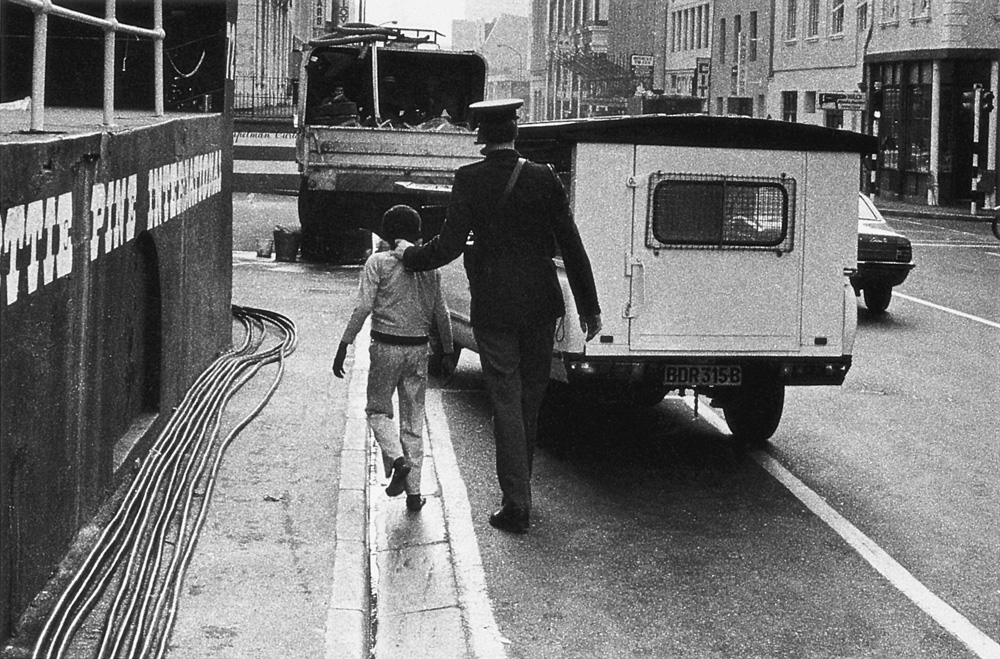
For many children and teenagers the political struggle was not distant from everyday experience. It was woven into the atmosphere of township communities and into the ways authorities interacted with residents.
Figures such as Nelson Mandela, imprisoned for decades by the apartheid government, became powerful symbols of hope for a generation growing up during years of repression and uncertainty. His release in 1990 marked a turning point in the national political landscape.
Photography as Witness
The title Some Evidence of Things Seen points to the documentary role of photography itself. Alberts’ images do not dramatise events or attempt to impose a narrative. Instead they record everyday moments with quiet attentiveness.
Children stand in doorways, walk through dusty streets, gather in open spaces or observe their surroundings. Individually these moments appear simple. Taken together they form a powerful visual archive of childhood within a society undergoing transformation.
Photography becomes a form of witness, preserving gestures, environments and relationships that might otherwise fade from historical memory.
Historical Significance
Today the photographs from Some Evidence of Things Seen hold significant historical value. They document childhood within South Africa during a period of immense social and political change while reminding viewers that many structural inequalities affecting children remain unresolved.
At Gallery F the preservation and presentation of South African photographic heritage forms a central part of the gallery’s mission. Projects such as this demonstrate how photography can engage deeply with social history while also existing as works of visual and cultural importance.
Through Alberts’ images viewers encounter not only the environments of childhood but also the enduring presence of curiosity, resilience and humanity within those spaces.
Original handprinted photographs from this series are available on request through Gallery F.