Remembering Nelson Mandela: A Visionary Leader’s Impact.
Today we celebrate the stories of our photographers who have documented moments connected to Nelson Mandela’s life, legacy, and enduring impact on South Africa and the world.
Nelson Mandela’s legacy isn’t only found in history books. It lives in the images, in the moments, and in the way his life was documented over time. Photography gives us a way to return to those points and see them clearly, beyond the headlines. Nelson Mandela (1918–2013) was a South African anti-apartheid activist, political leader, and statesman. Born on July 18, 1918, in Mvezo, he dedicated his life to dismantling apartheid, a system built on racial segregation and inequality. His journey included decades of imprisonment, followed by a shift into leadership that led to his election as South Africa’s first Black president in 1994. What still resonates is not just the political change he helped bring about, but how he approached it. His focus on justice, reconciliation, and equality shaped a path forward that still matters today. His influence goes beyond South Africa, showing that leadership is not just about power, but about bringing people together and rebuilding.

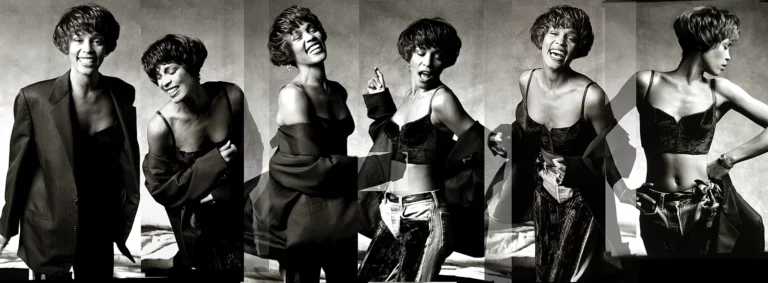
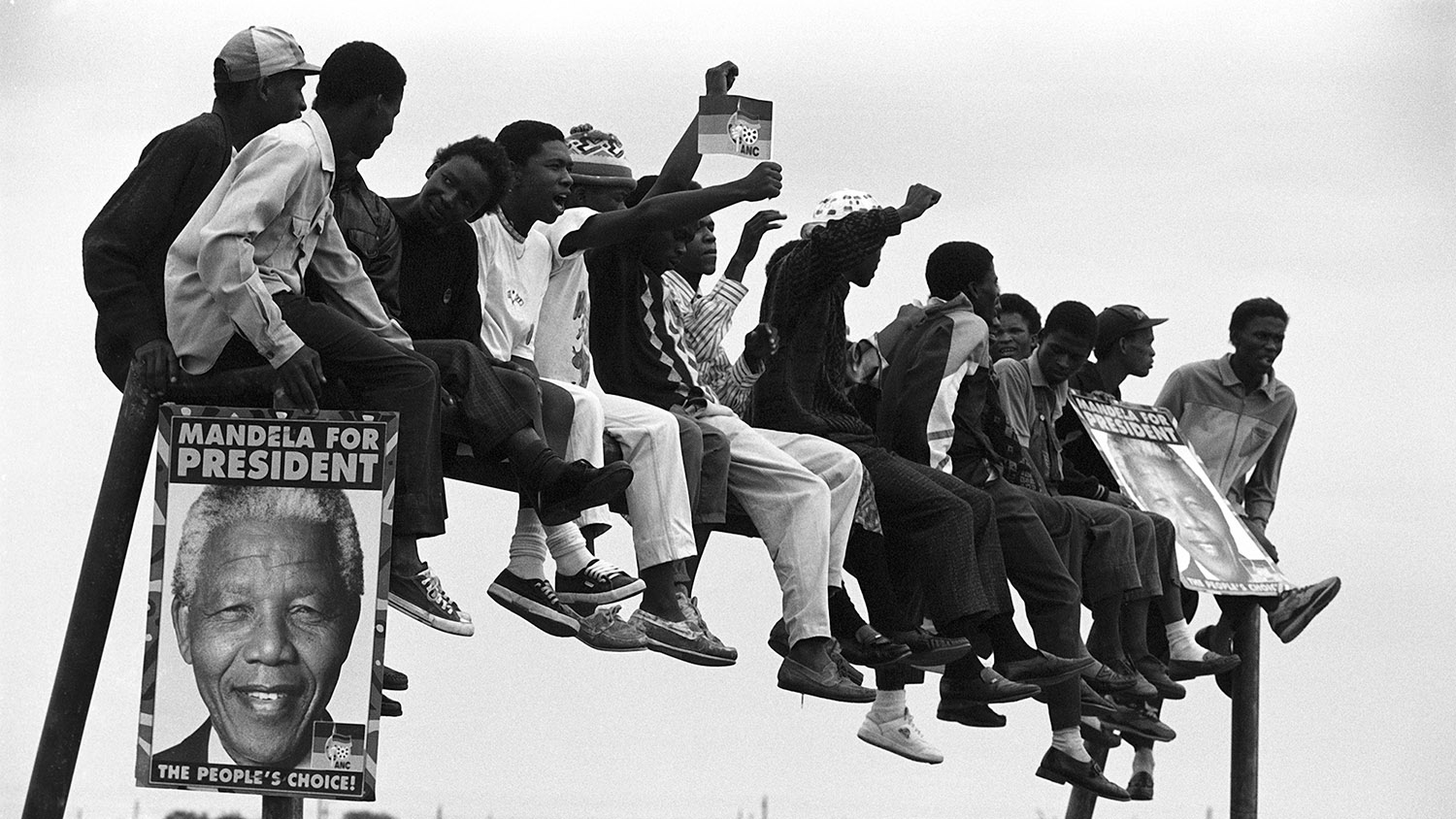
Keith Bernstein is a photographer whose work has become closely tied to the visual record of Nelson Mandela’s life. He started his career young, taking on his first paid job photographing The Clash at London’s Rainbow Theatre. From there, his path eventually led him to South Africa, where he spent years documenting Mandela at different stages of his life.

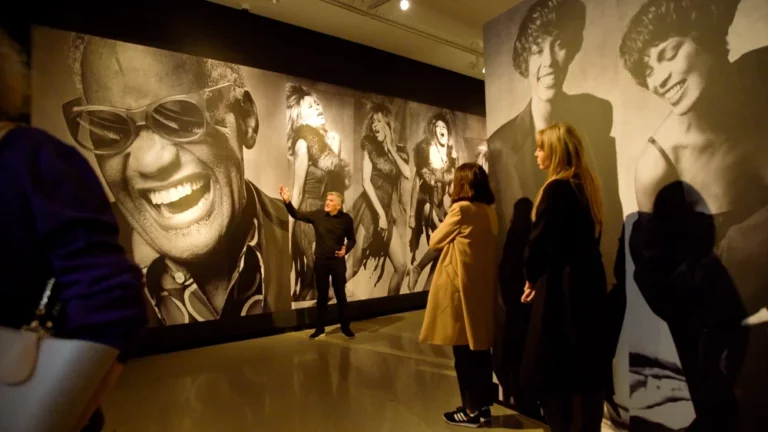
Bernstein had rare access. He photographed Mandela from his early years as president through to his 90th birthday, capturing both public events and quieter, less formal moments. Many of these photographs now form part of a travelling exhibition organised by Global Citizen, offering a broader view of Mandela beyond the usual historic images.
View Keith’s profile Browse available prints
Photography as a Record
What stands out in Bernstein’s work is the range. Some images show Mandela in formal settings, others are more relaxed, even unexpected. There’s a well-known moment where Mandela told Bernstein that one of the greatest moments of his life was meeting the Spice Girls. It’s a reminder that behind the legacy was someone with humour and personality.

These photographs don’t try to overstate anything. They simply document, and in doing so, they’ve become an important part of how Mandela’s story continues to be seen. You can explore more photographic prints that reflect moments like these.
Juhan Kuus
Juhan Kuus was an internationally recognised photographer whose work focused on South Africa during apartheid and the transition that followed. Over a 45-year career, he documented the resistance movement and key moments in Nelson Mandela’s journey toward the presidency.

His photographs go beyond simple documentation. They reflect the reality of the time and the people within it. Kuus is also notable for being the only photographer of Estonian descent to win the World Press Photo Award twice.

One of his most recognised images shows Mandela alongside Bill Clinton on Robben Island, capturing a moment that connects past and present in a single frame.
View Juhan Kuus’ profile Browse available prints
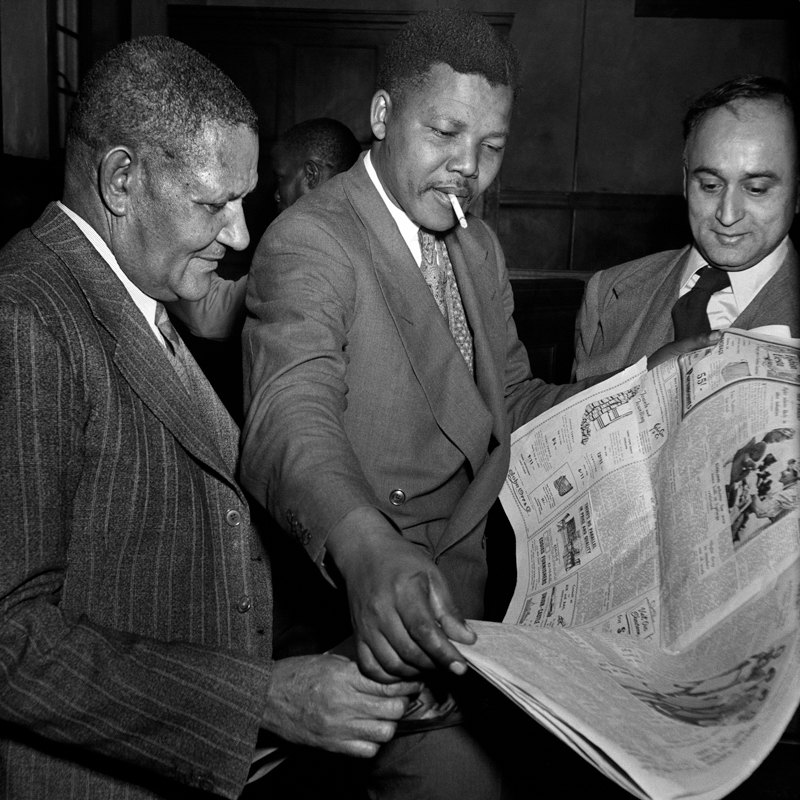
Jürgen Schadeberg
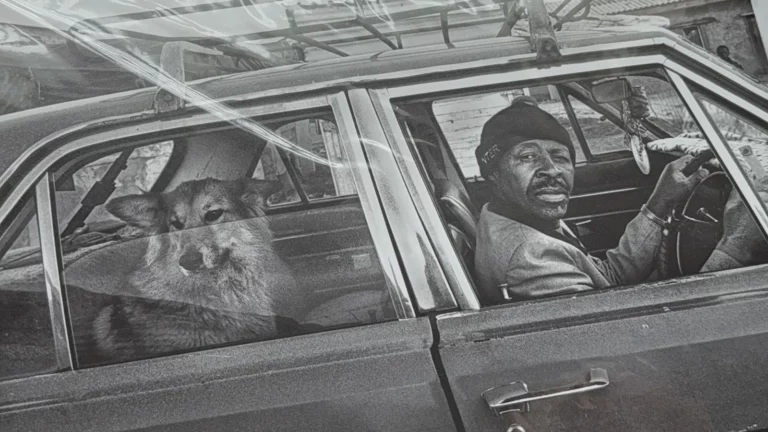
Jürgen Schadeberg (1931–2020) played a key role in documenting South African history. His work includes some of the most recognisable images of Nelson Mandela, including the well-known photograph of Mandela at Robben Island.
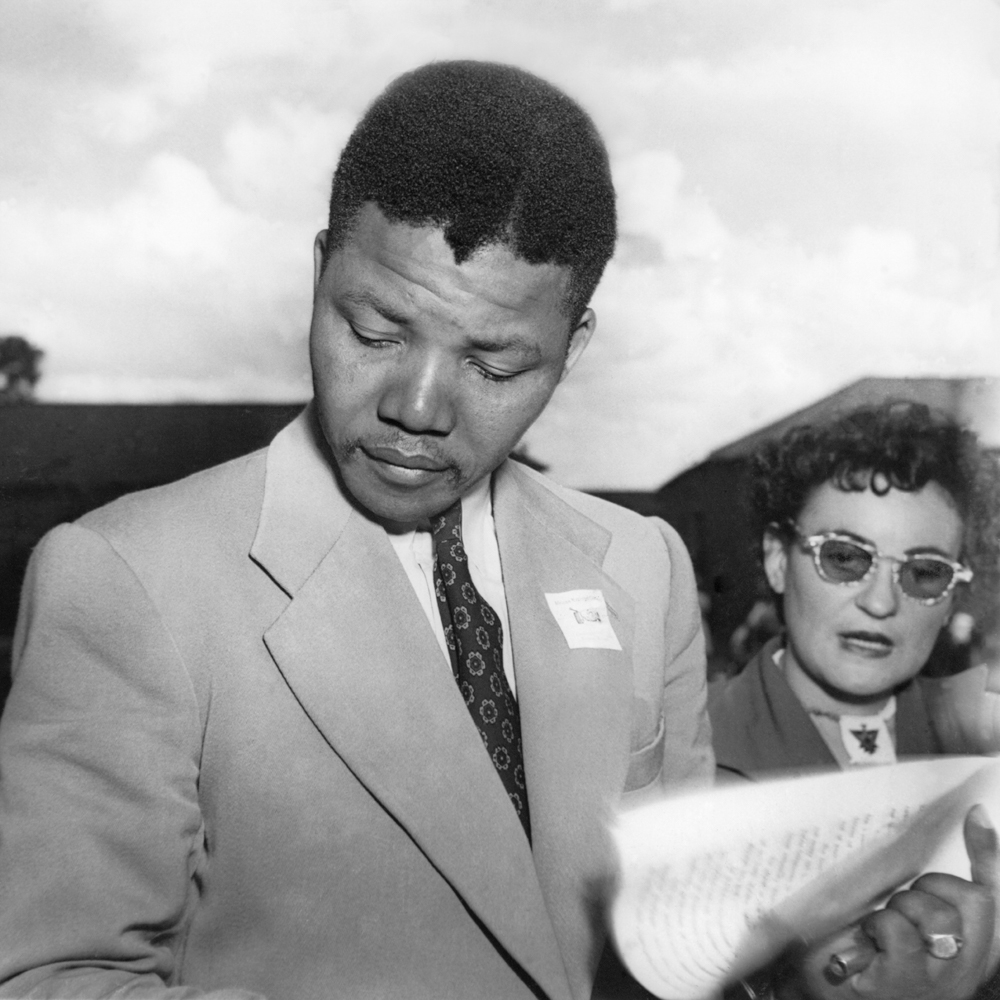
Beyond Mandela, Schadeberg also documented pivotal moments such as the Defiance Campaign, the Treason Trial, and the cultural life of Sophiatown. His work provides a broader view of the country’s history through both political and everyday scenes.

His photographs continue to shape how these moments are remembered, offering a visual record that remains relevant today.
View Jürgen’s profile Browse available prints
67 Minutes of Service
The idea of 67 minutes is central to Mandela Day. It represents the 67 years Nelson Mandela dedicated to public service, activism, and the fight for human rights.
The concept is simple. People are encouraged to give 67 minutes of their time to help others, whether through volunteering, supporting local organisations, or small acts within their communities.
It’s not about scale. It’s about consistency. Small actions, repeated across many people, can create meaningful change over time.
For collectors, understanding the context behind images like these adds another layer. You can also explore topics like editioned prints and archival paper to better understand how these works are preserved.
“Photography holds moments in place, long after history has moved on.”
More Stories