District Six: A Captivating Photographic Journey
Explore the history, memory and visual legacy of District Six through photography that honours one of Cape Town’s most powerful stories of community, resilience and loss.
District Six is one of Cape Town’s most significant historical sites, remembered both for its rich community life and for the lasting impact of its destruction under apartheid.
Named the Sixth Municipal District in 1867, the area developed rapidly after the emancipation of enslaved people in 1833. Located close to the city centre and the port, District Six became a dense, working-class neighbourhood shaped by its proximity to trade, labour and daily urban life.
Its streets, homes and institutions reflected a deeply connected community, where everyday life unfolded through shared spaces, cultural exchange and longstanding social ties.
A Diverse and Growing Community
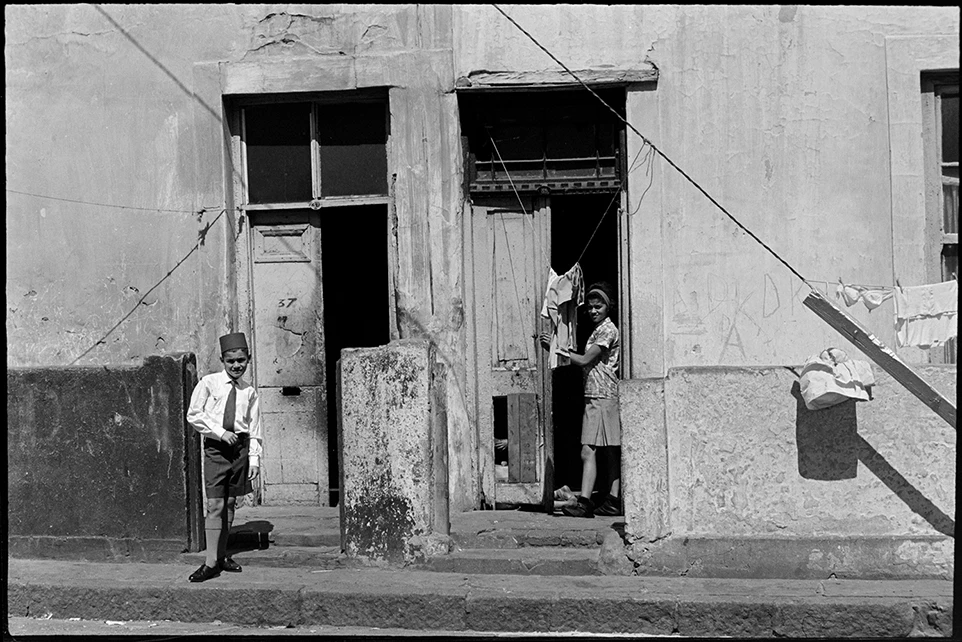
From its earliest years, District Six was defined by diversity. Freed slaves, merchants, artisans, labourers and immigrants from across Africa, Europe and Asia lived side by side in a tightly woven urban environment.
Communities included Cape Malays, Xhosa residents, Jewish migrants from Eastern Europe, and smaller groups of Indians, Afrikaners and English-speaking whites. By the early 20th century, nearly a tenth of Cape Town’s population lived in District Six, making it one of the city’s most vibrant and culturally layered areas.
A Centre of Culture and Political Life
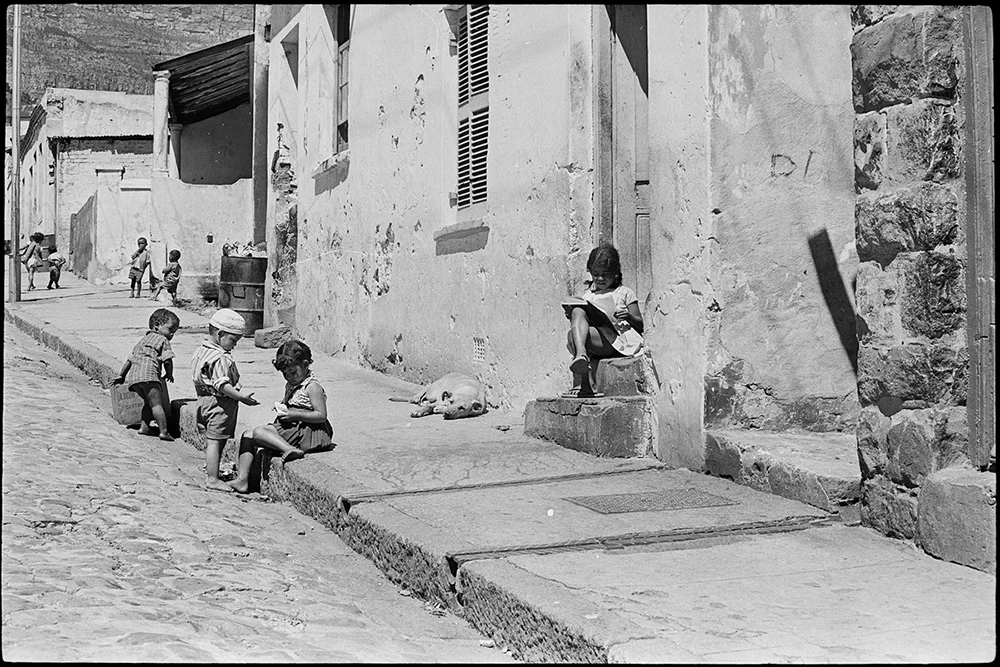
The diversity of District Six shaped its identity as a place of cultural richness and social interaction. Religious institutions, schools, sports clubs and political organisations all formed part of its fabric, contributing to a strong sense of community and shared belonging.
The area also played an important role in Cape Town’s social and political life, with early forms of organisation, resistance and civic engagement emerging from within the neighbourhood.

Living Conditions and Urban Pressure
Despite its vibrancy, District Six faced challenges. By the mid-20th century, parts of the area were overcrowded and affected by poverty. Authorities increasingly labelled sections of the neighbourhood as slums.
These classifications were later used to justify large-scale redevelopment, although the area’s central location near Table Mountain, the harbour and the city centre made it highly desirable under apartheid planning policies.
The 1966 Declaration and Forced Removals
On 11 February 1966, District Six was declared a whites-only area under the Group Areas Act. This marked the beginning of one of the most devastating forced removal processes in South African history.
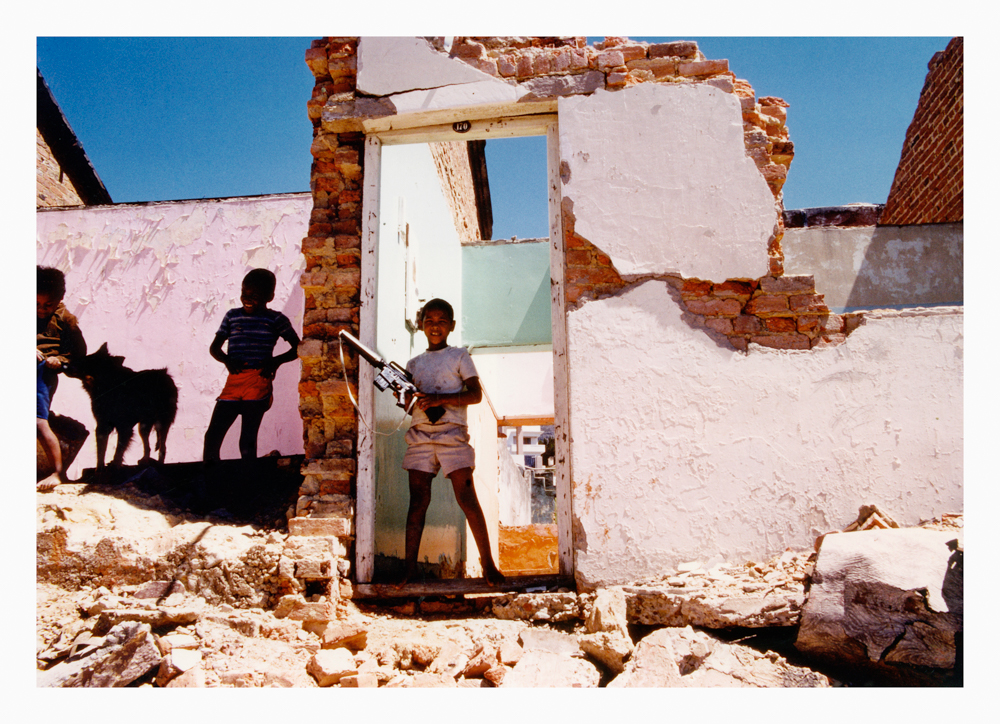
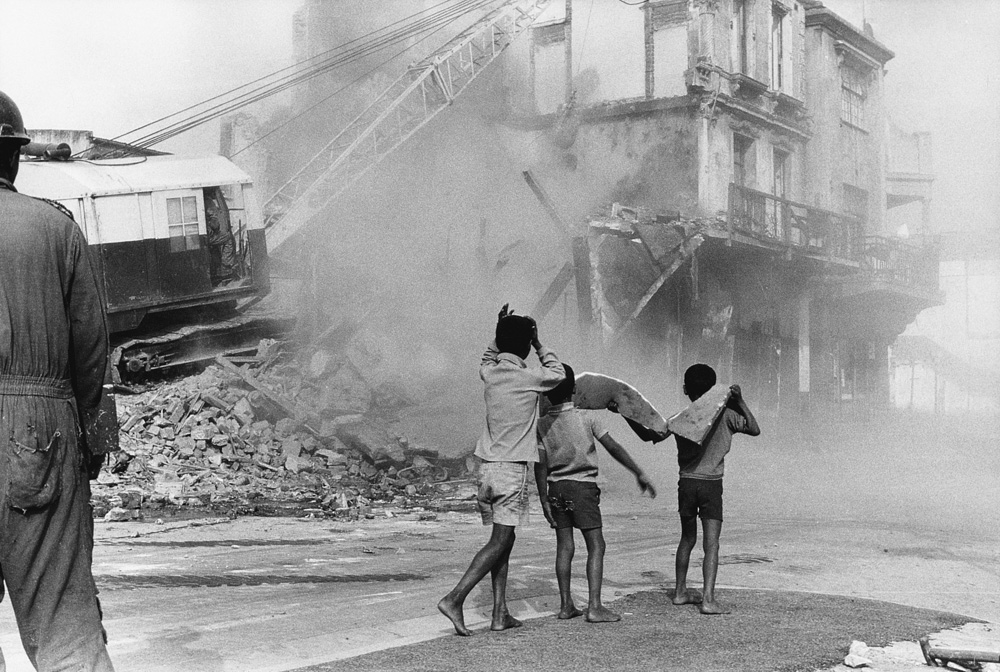
Over 60,000 residents were displaced to the Cape Flats, often to areas far removed from economic opportunities and community networks. Homes, shops and entire streets were systematically demolished, and by 1982, the neighbourhood had largely been erased.
The destruction of District Six was not only physical. It dismantled a social world built over generations, separating families from their homes, livelihoods and shared histories.


A Landscape of Memory and Absence
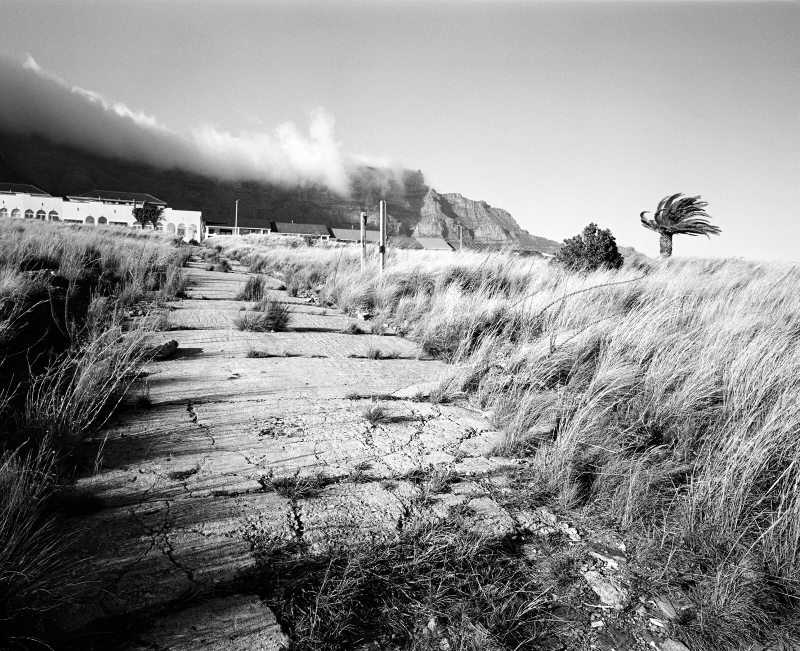
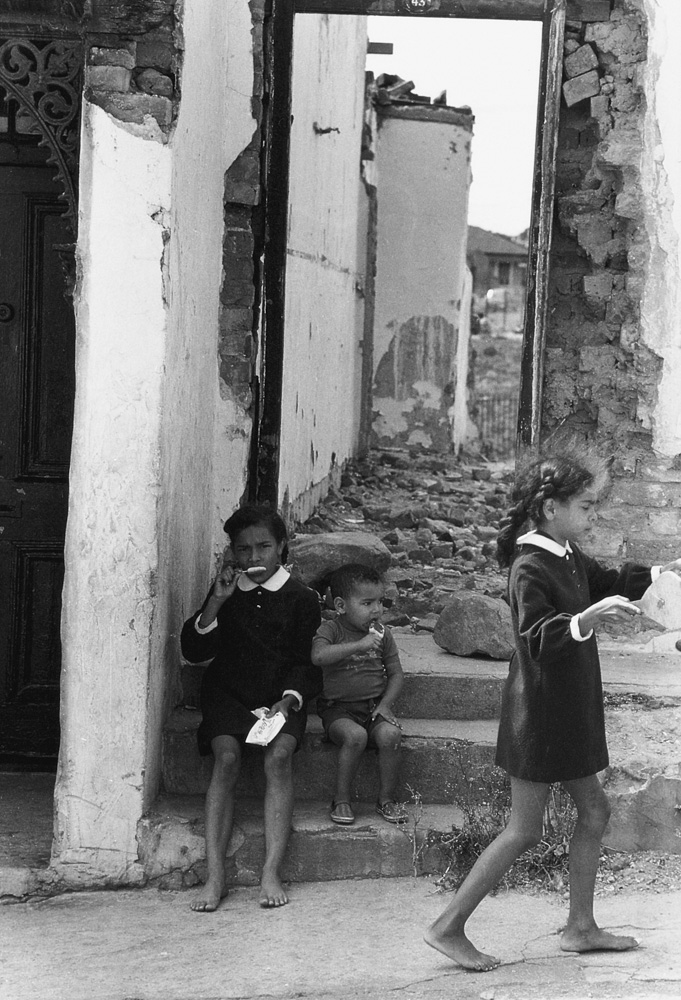
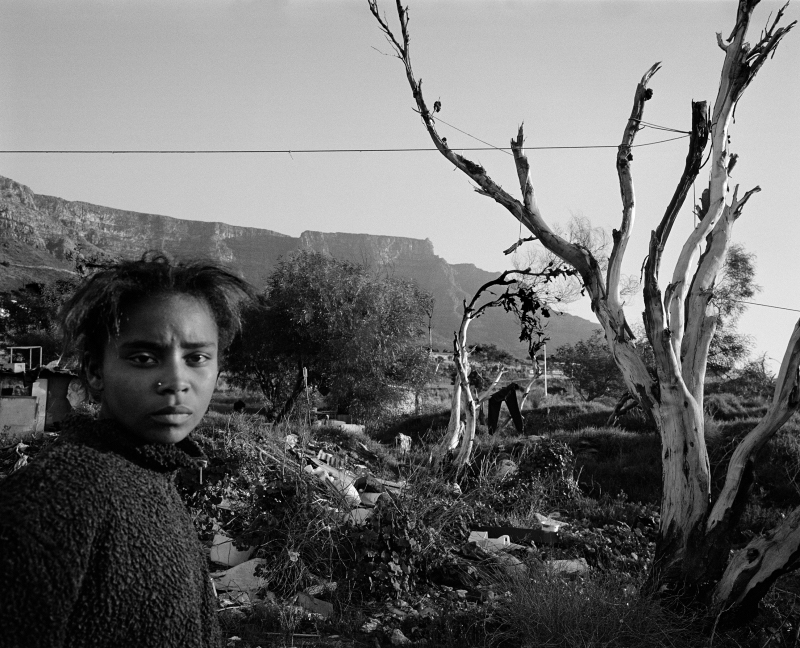
For decades after the demolitions, much of District Six remained undeveloped. The open land became a visible and symbolic reminder of apartheid’s human cost, standing in stark contrast to the life that once filled the area.
The absence itself became meaningful, representing both loss and the enduring presence of memory within the city.
Restitution and Cultural Legacy
After 1994, efforts began to address the injustices of forced removals through land restitution. Some former residents and their families have since returned or received homes through the restitution process, but many claimants are still waiting for final resolution.
Institutions such as the District Six Museum have helped preserve the history of the area and honour the experiences of those who were displaced, while the long process of restitution and rebuilding continues.

Photography as Record and Witness
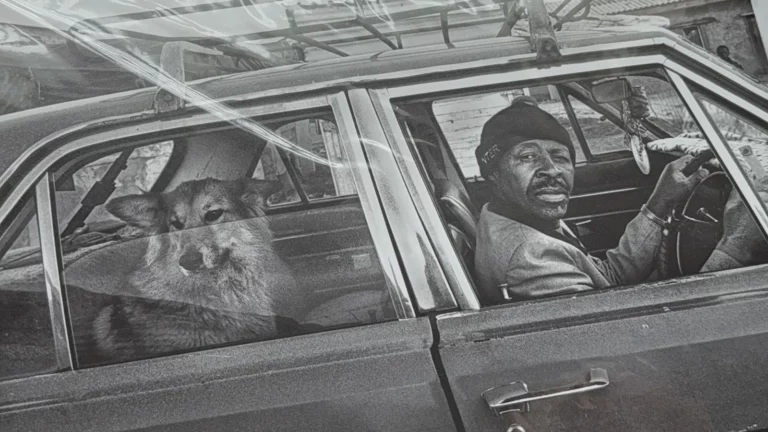
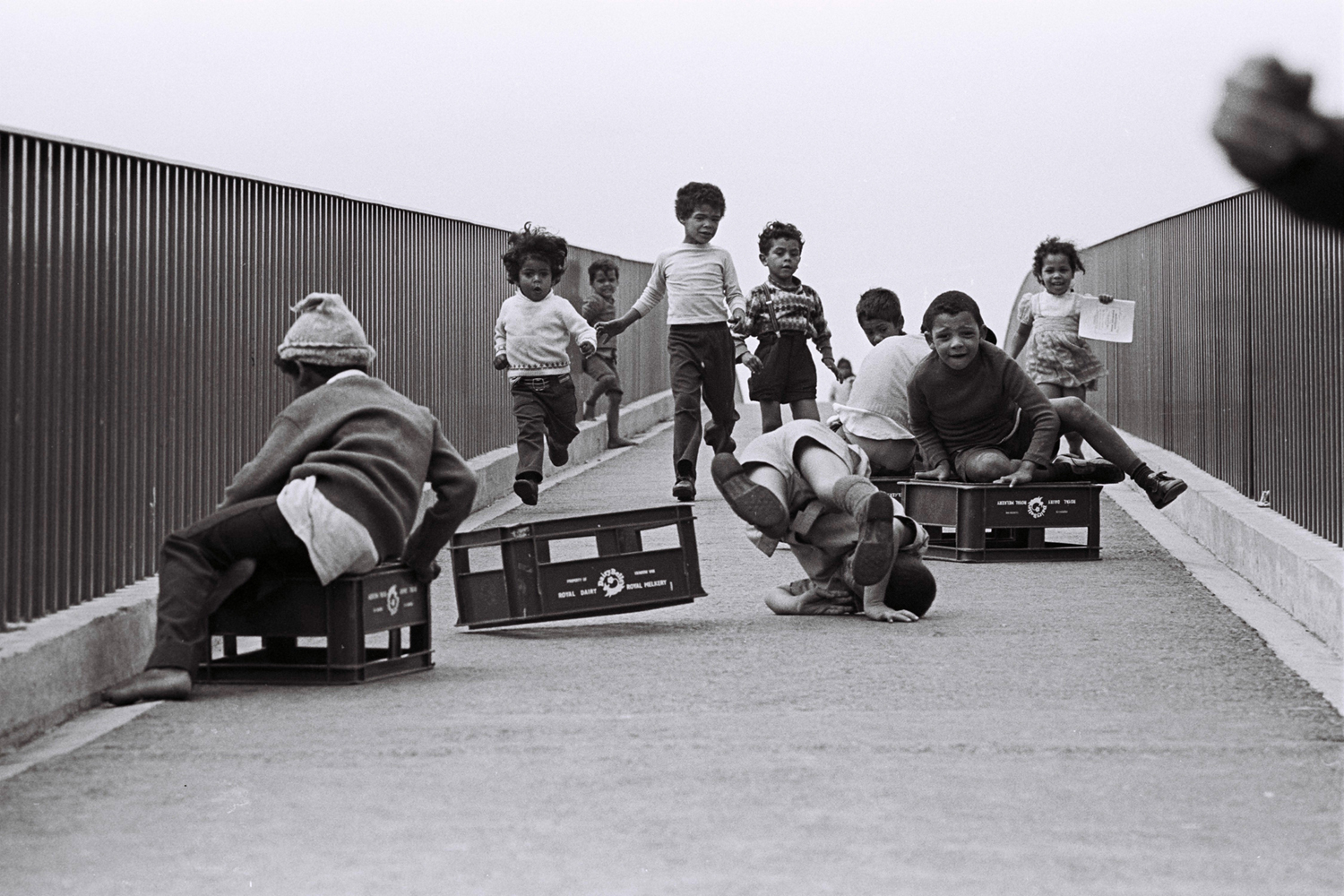
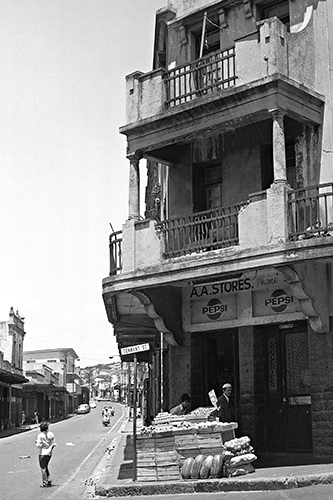
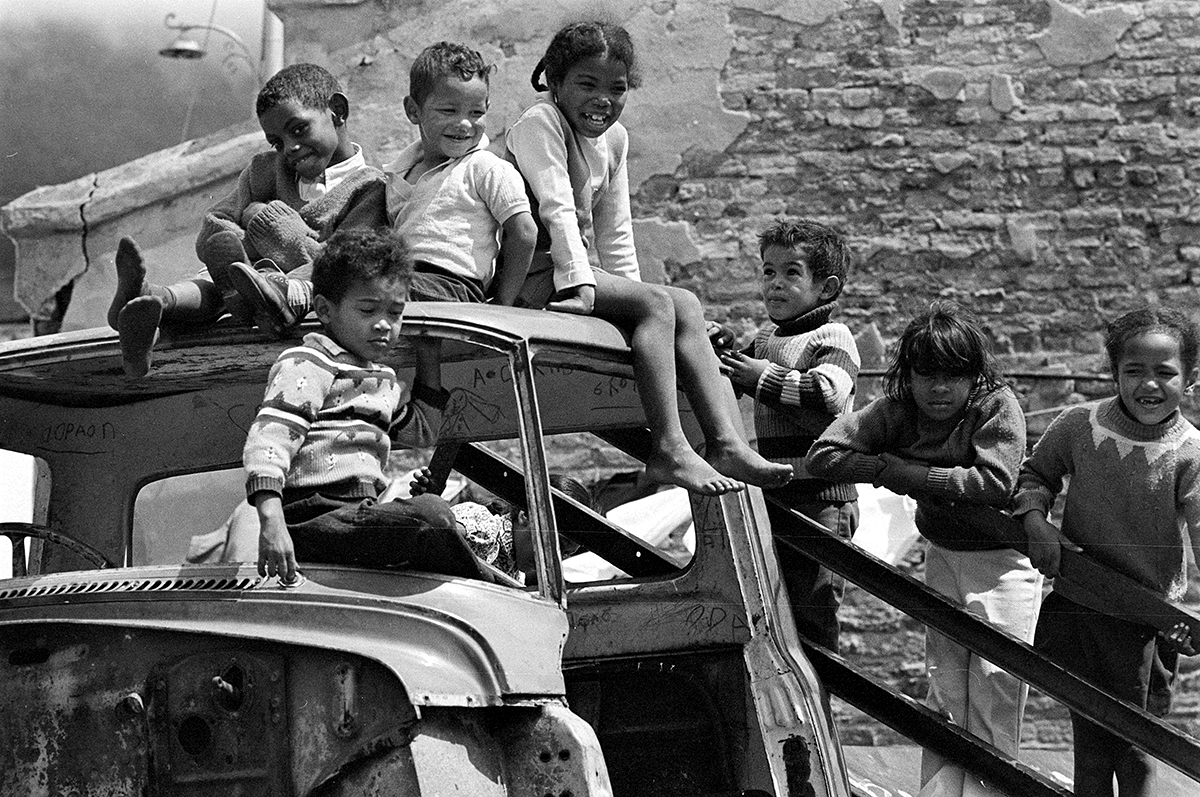
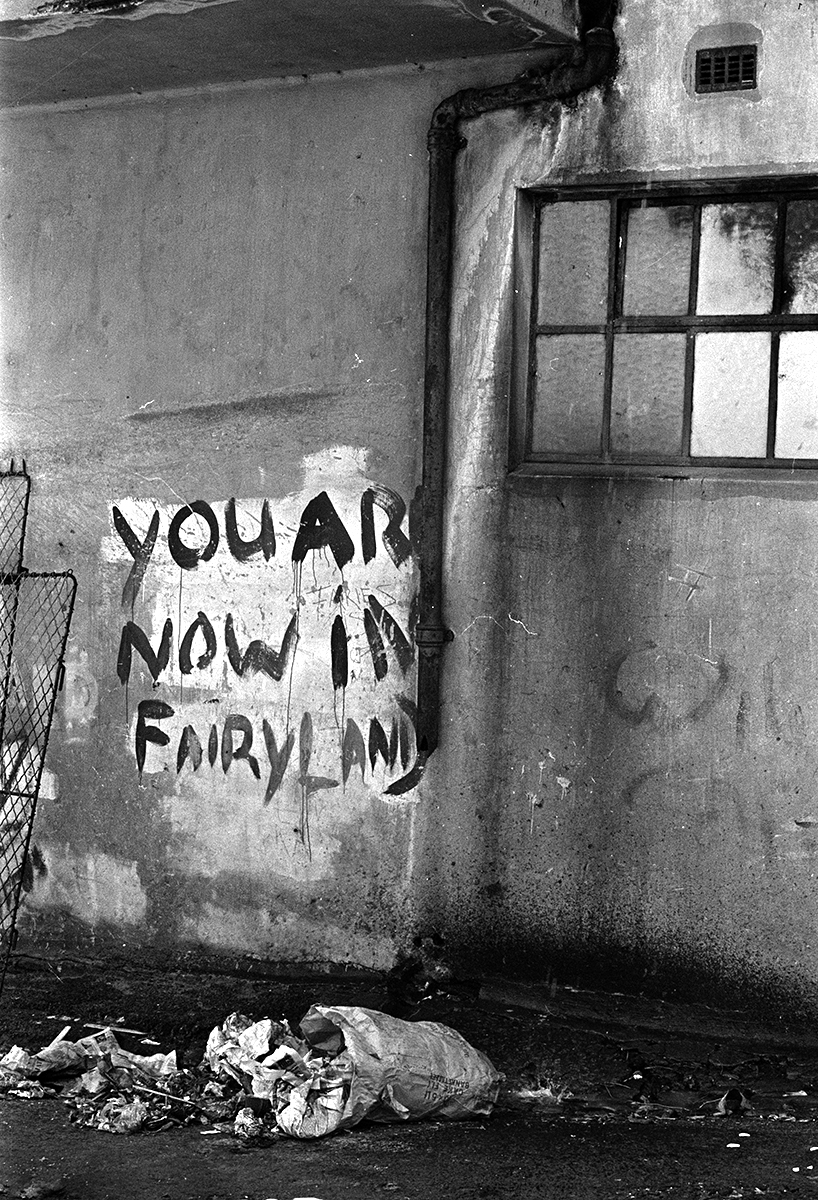
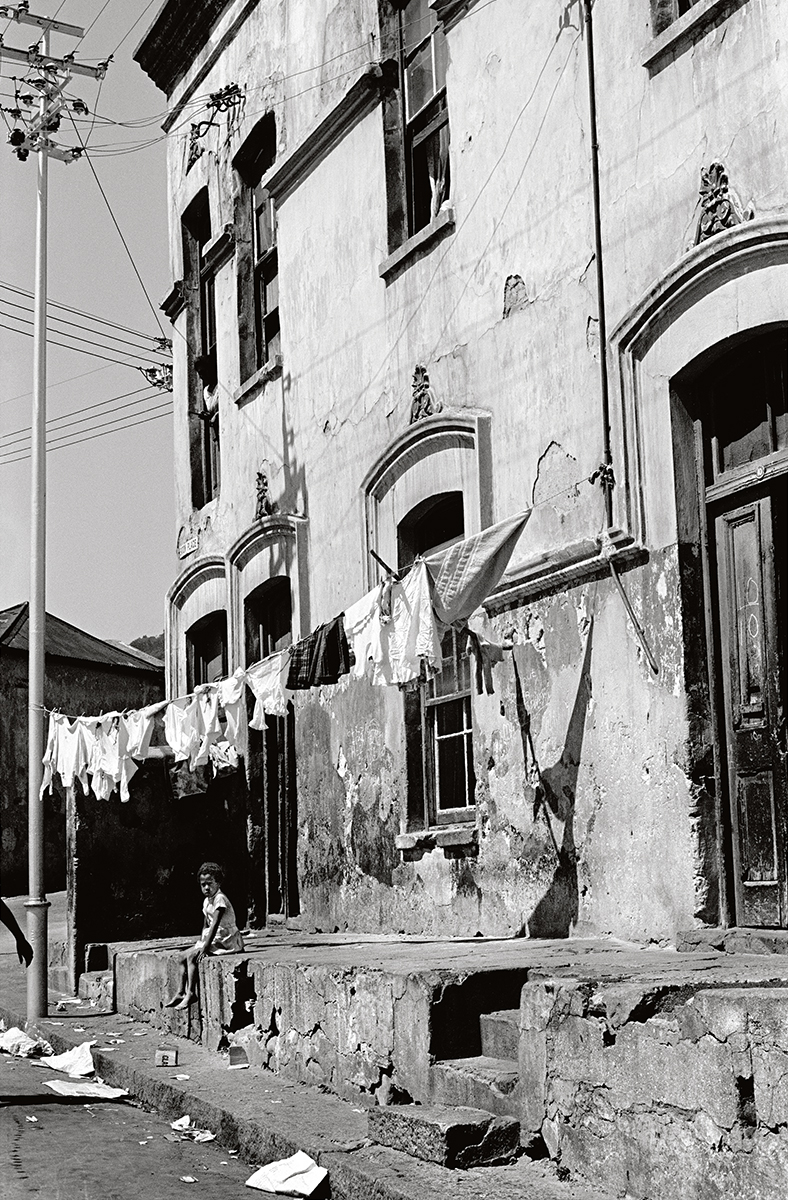
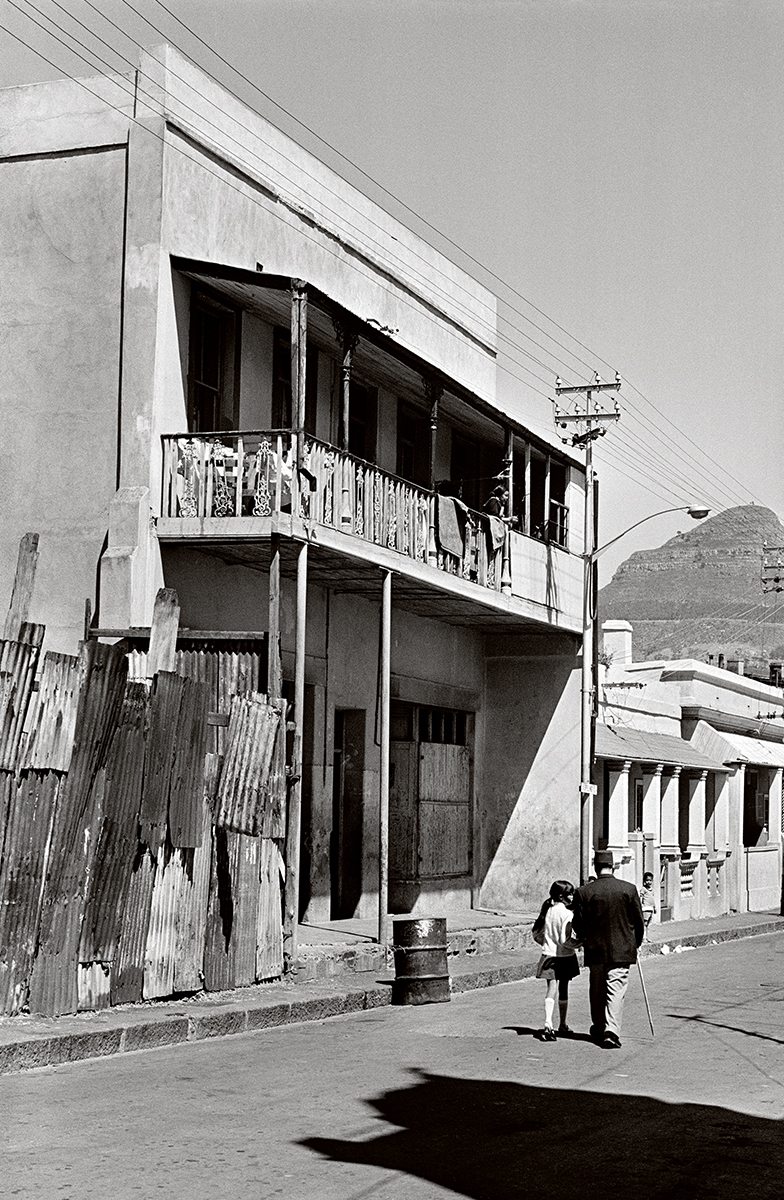
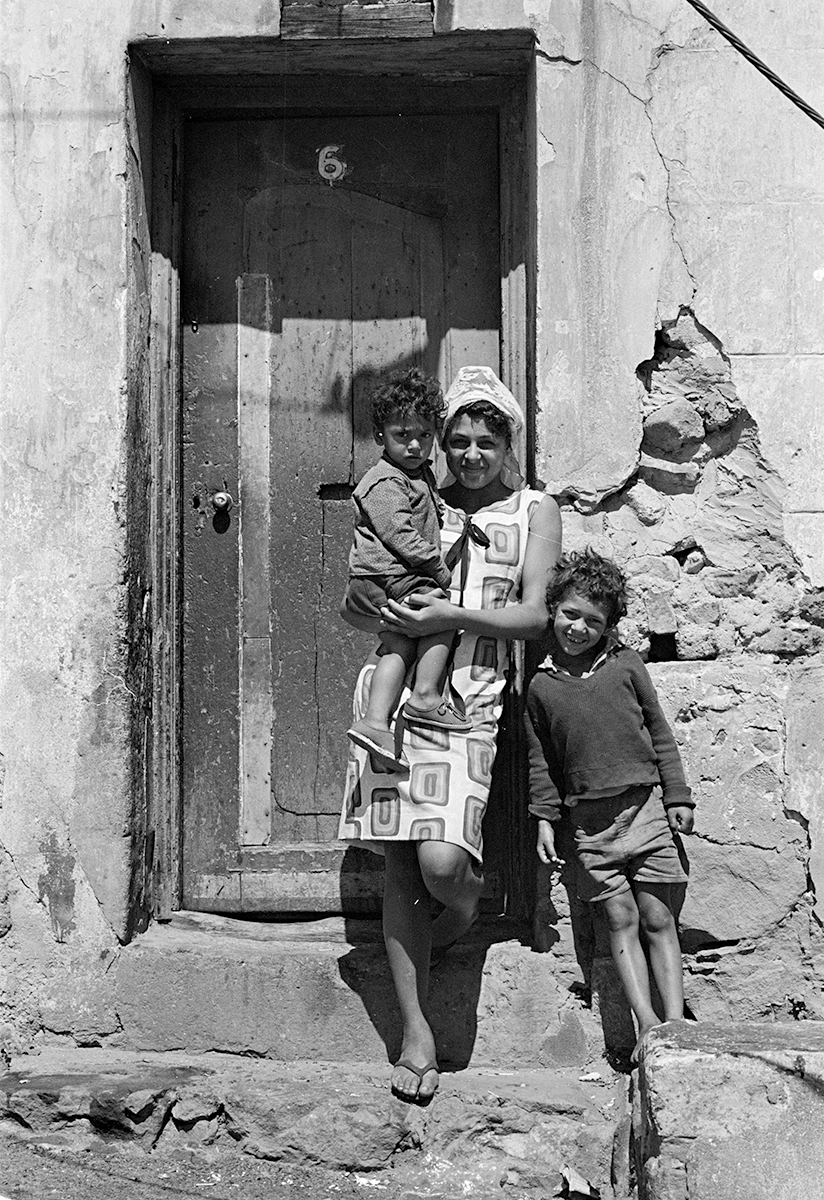
Photography plays a vital role in preserving the memory of District Six. Images taken before and during the removals provide a visual record of everyday life, community interaction and the trauma of displacement.
Photographers such as Juhan Kuus documented the removals in the 1970s, creating powerful images that continue to serve as both historical evidence and emotional testimony.
Collecting Photographs of District Six
For collectors and viewers, photographs of District Six offer both historical depth and emotional resonance. They provide a connection to a complex past while preserving the visual legacy of a community that shaped Cape Town’s identity.
For those interested in collecting photographic prints, these works also introduce important considerations around authorship and rarity. Understanding editioned prints can help provide context when evaluating historically significant images.
The Importance of Print Material
The physical qualities of a photograph influence how it is experienced over time. Paper type, tonal range and durability all contribute to the longevity and presence of the image.
This is why many collectors prioritise archival paper, ensuring that important photographic works remain stable and visually intact for future generations.
District Six remains a powerful reminder of how community, memory and identity can endure, even after physical erasure.





/
More Stories