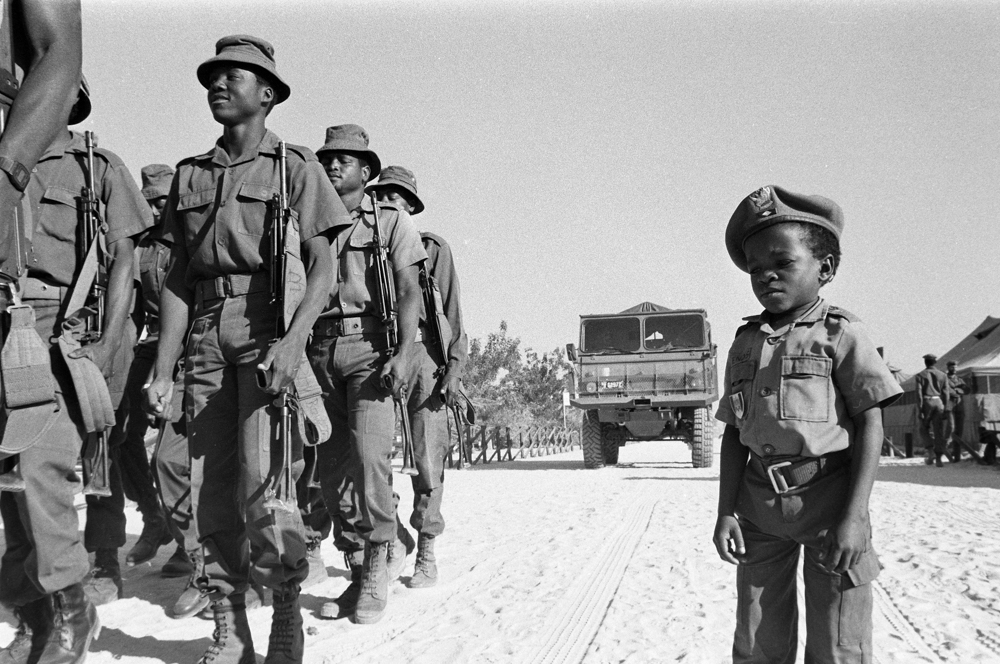
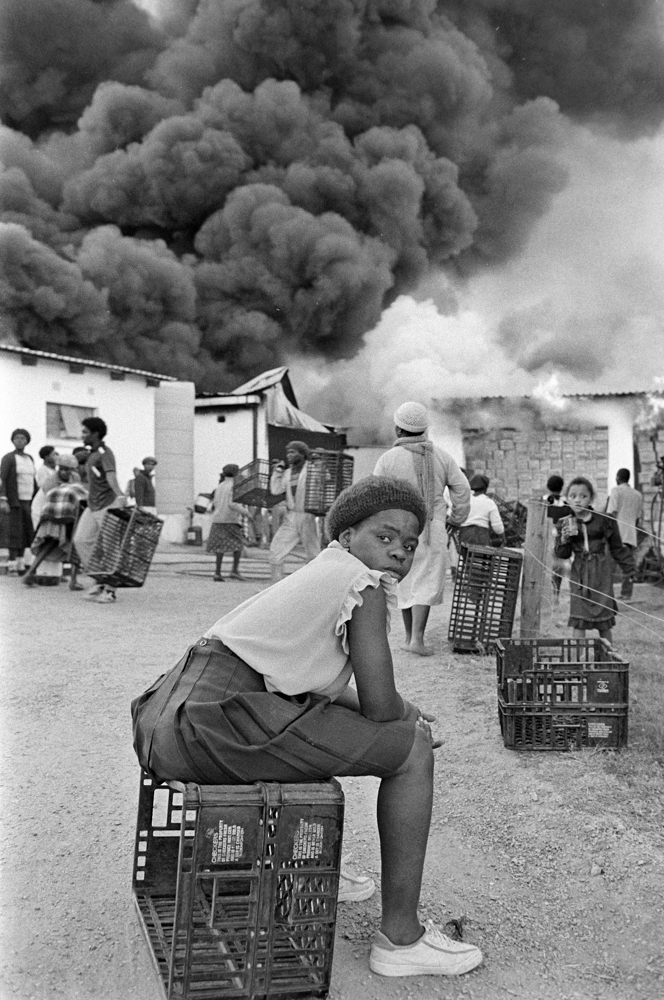
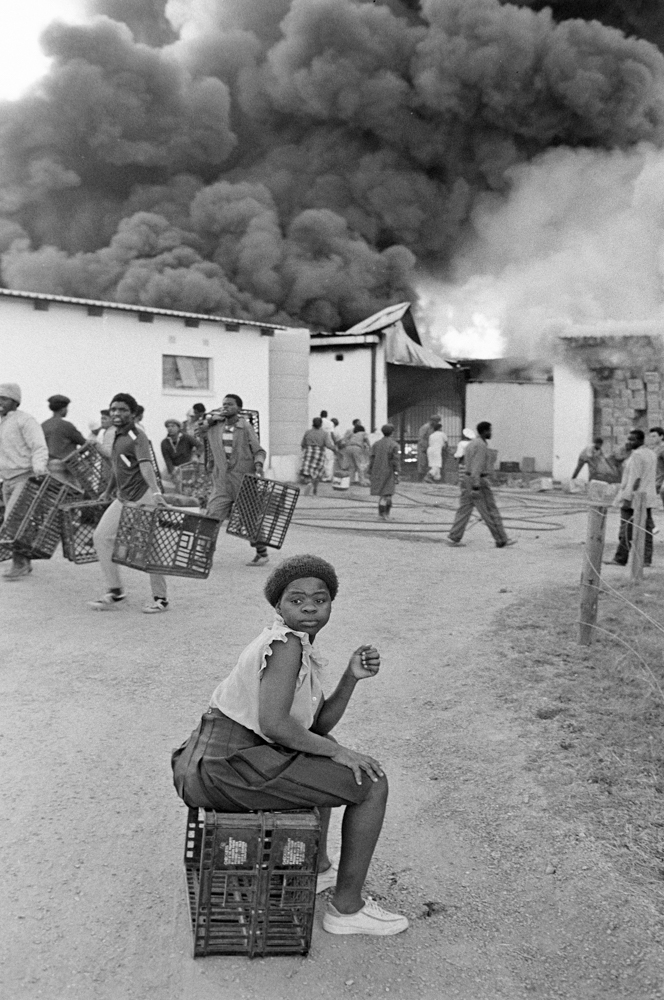
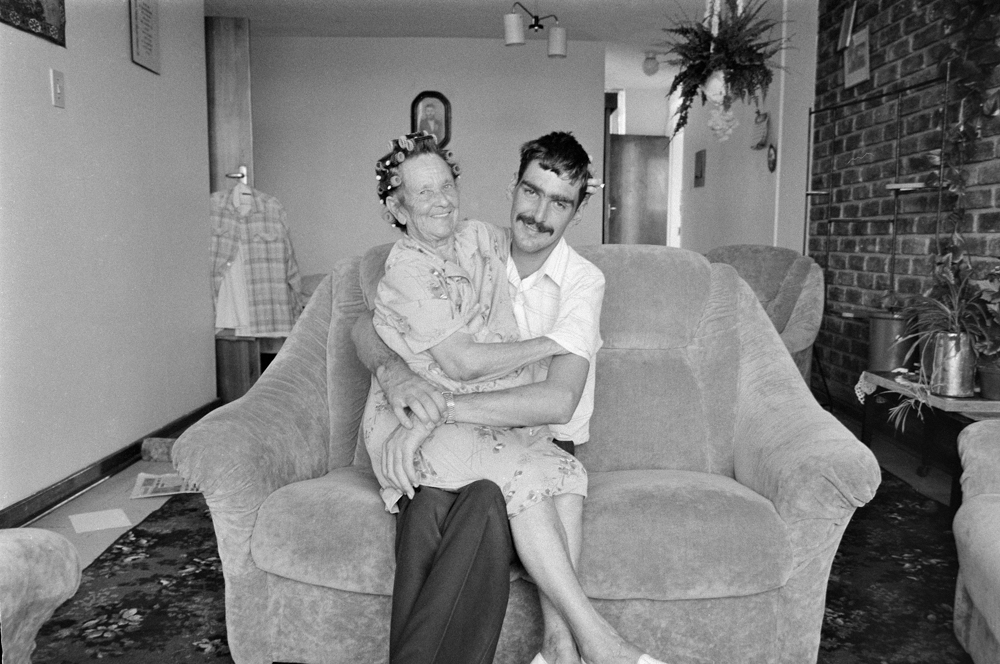
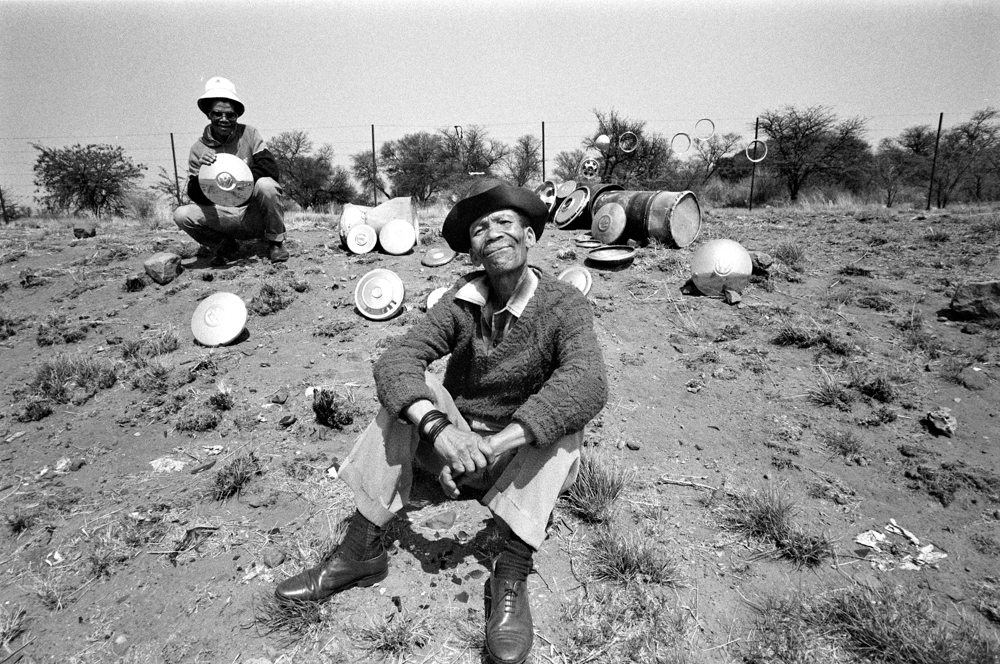
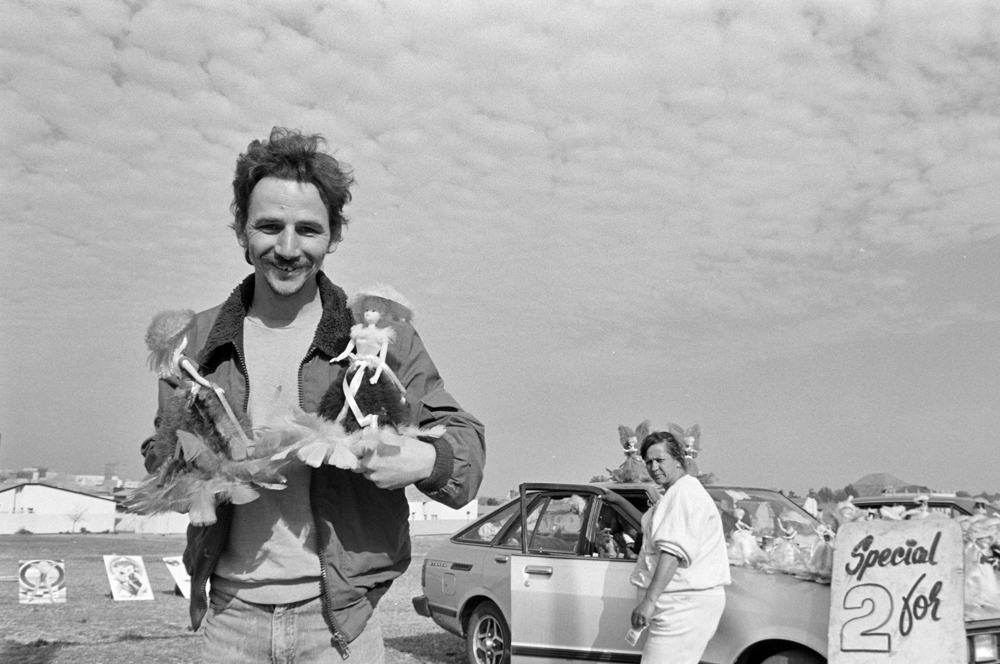
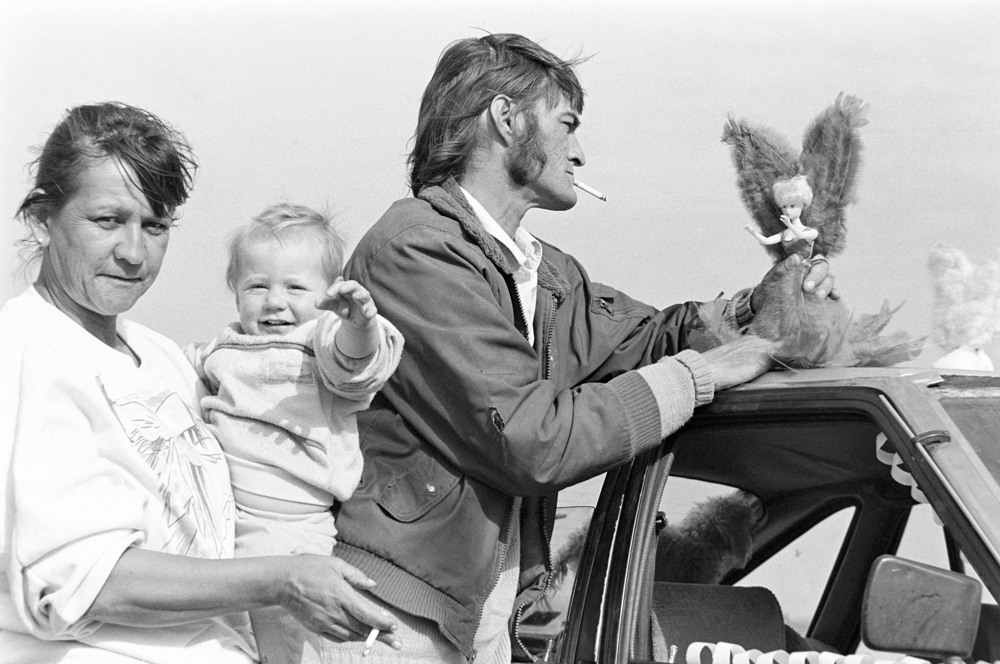
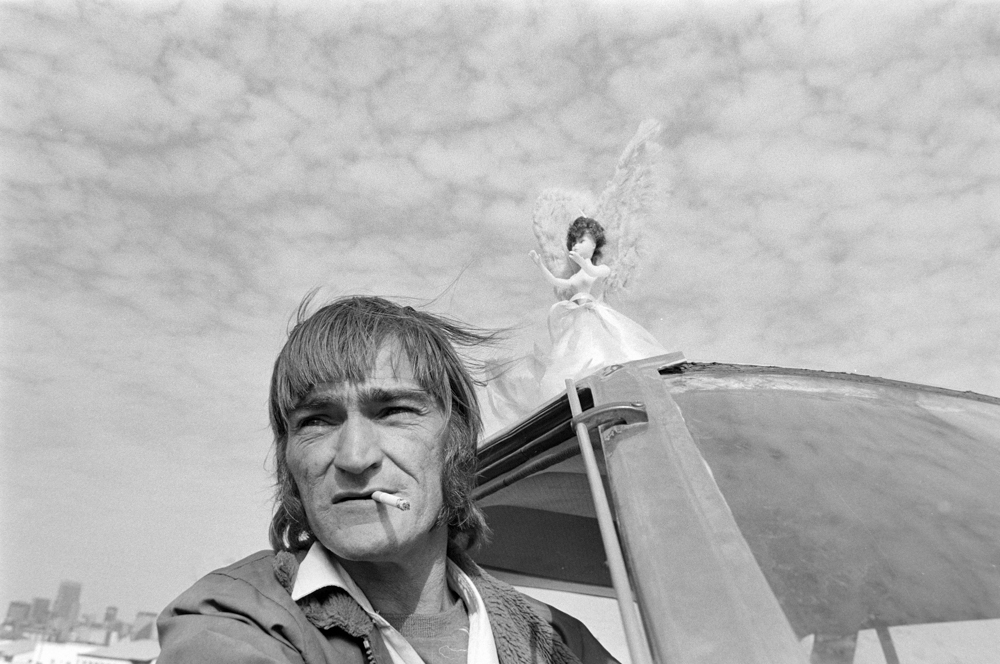
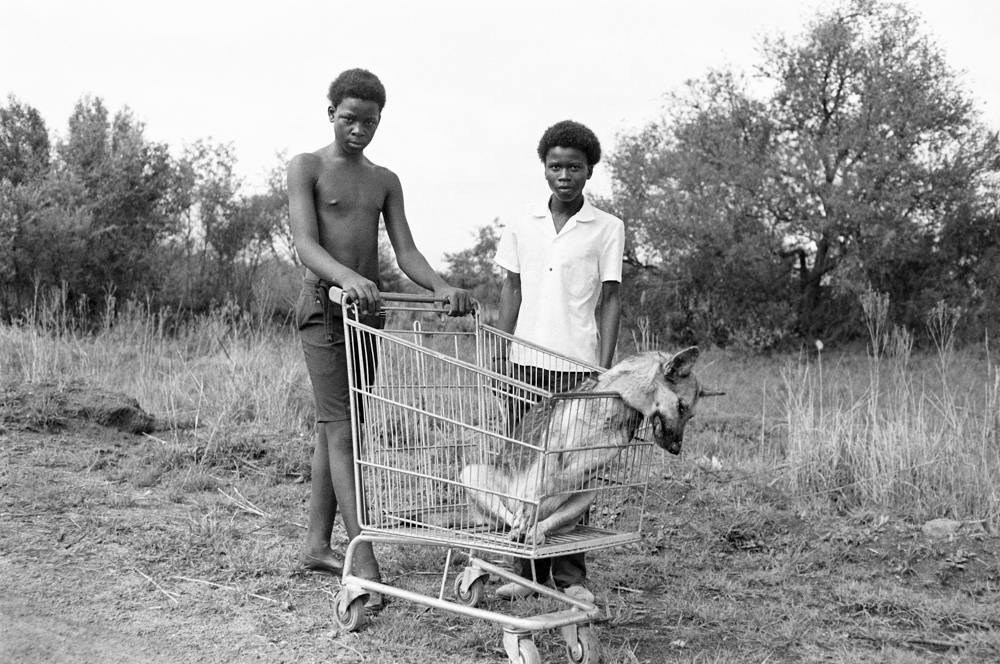
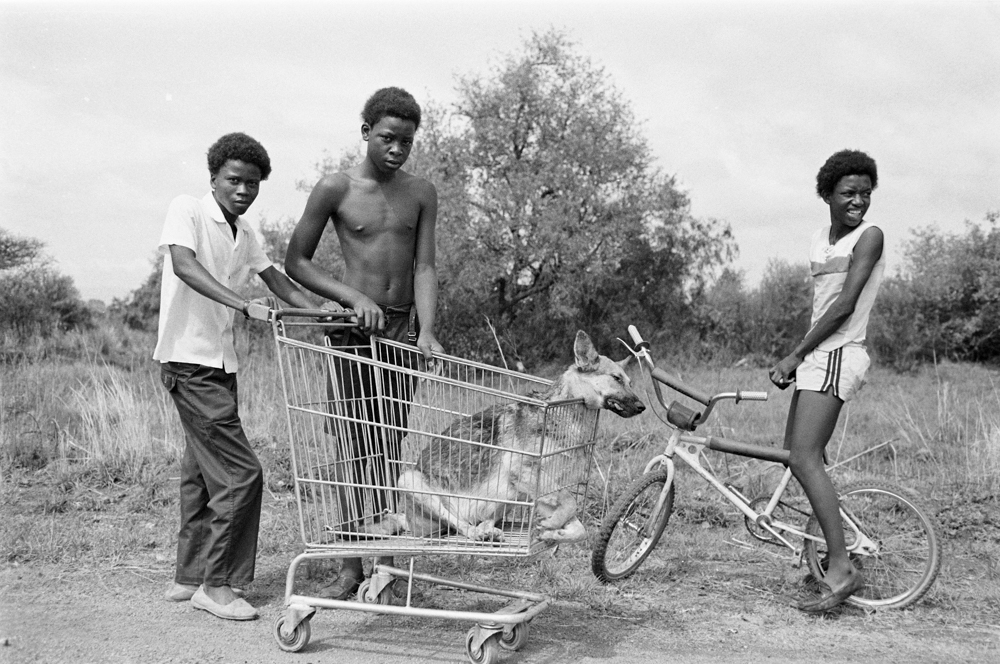
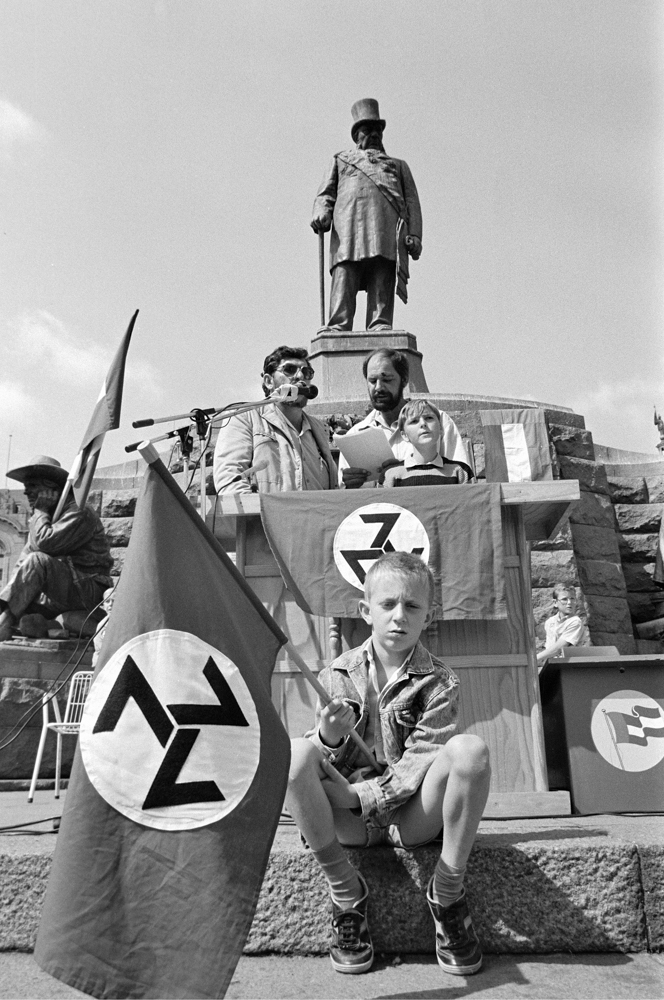
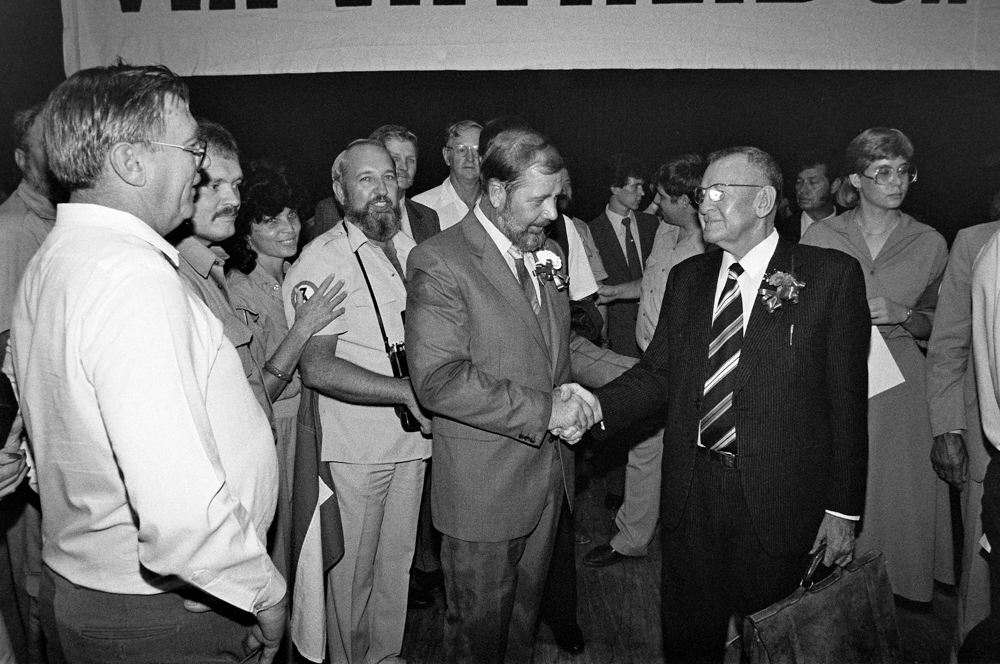
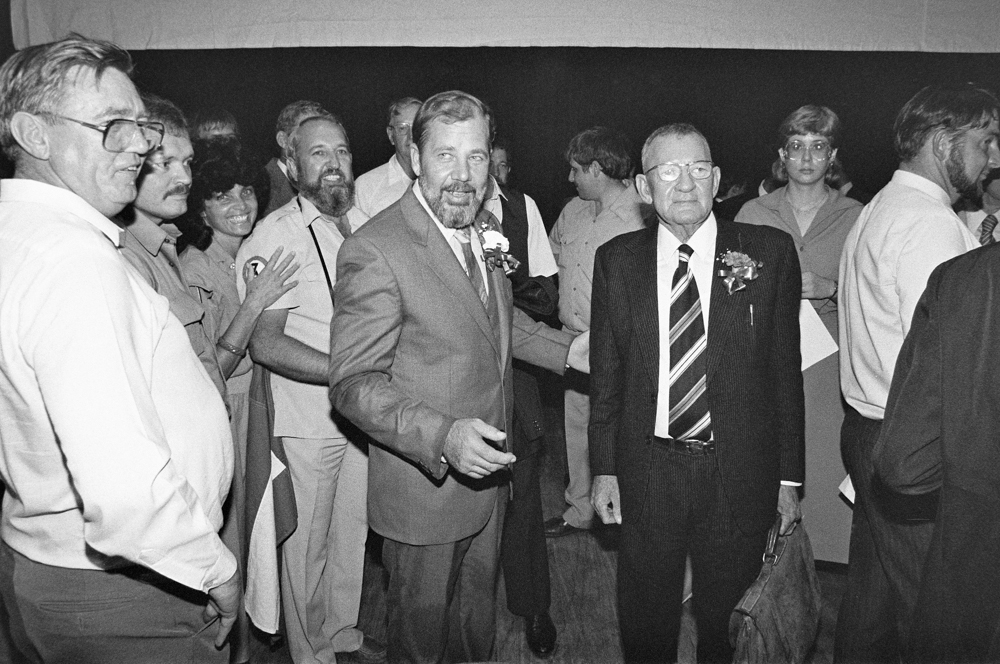
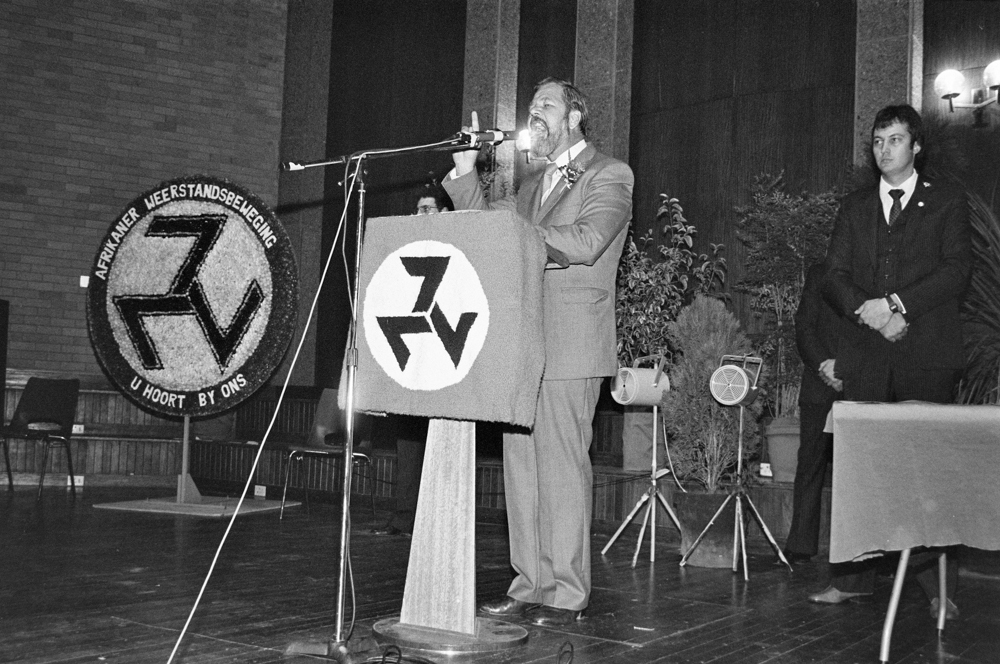
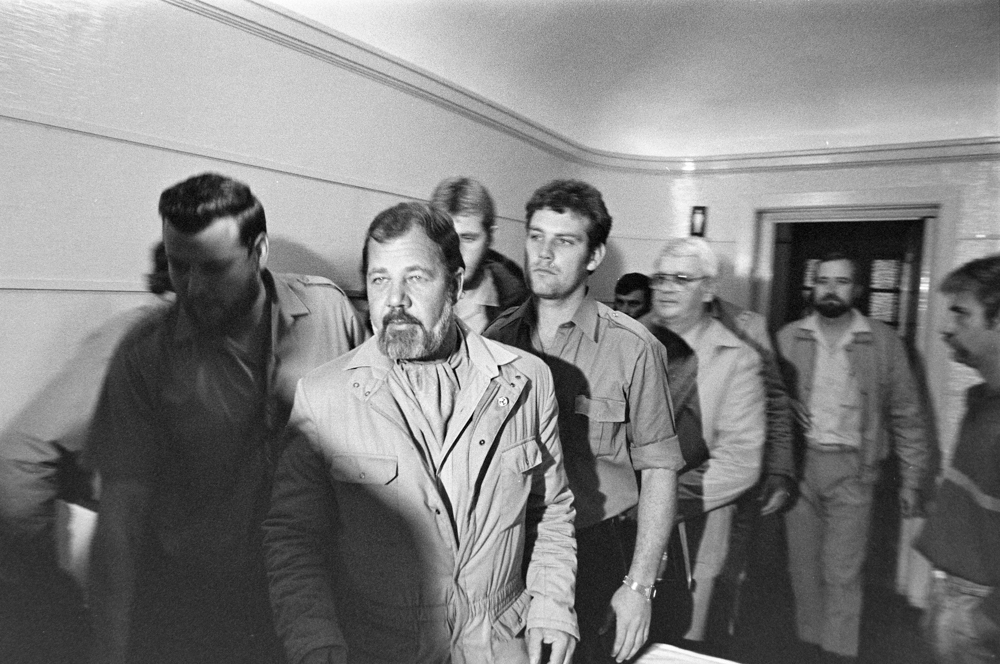
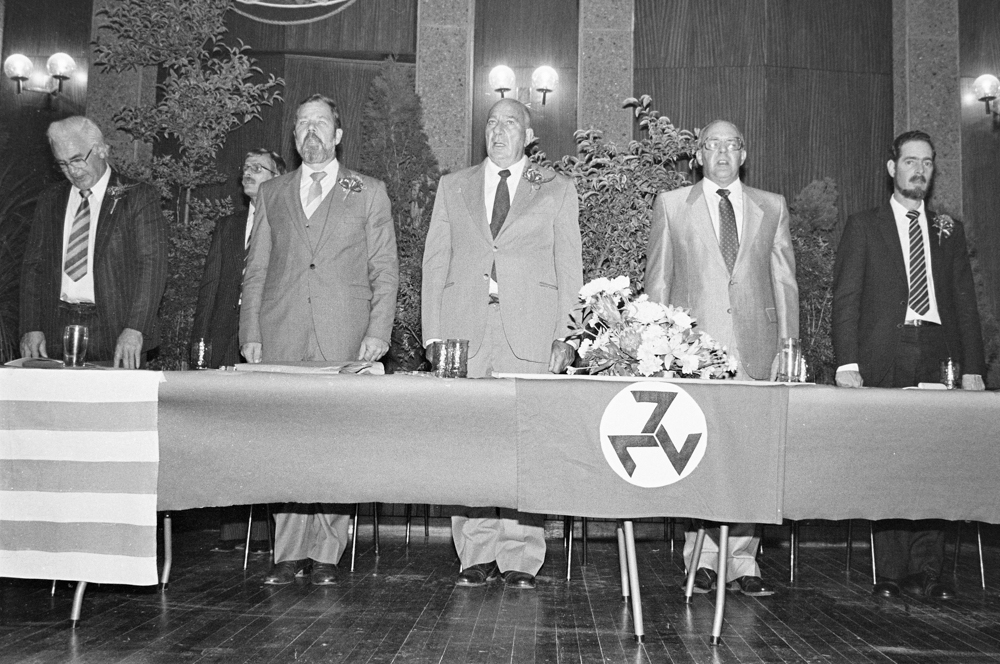
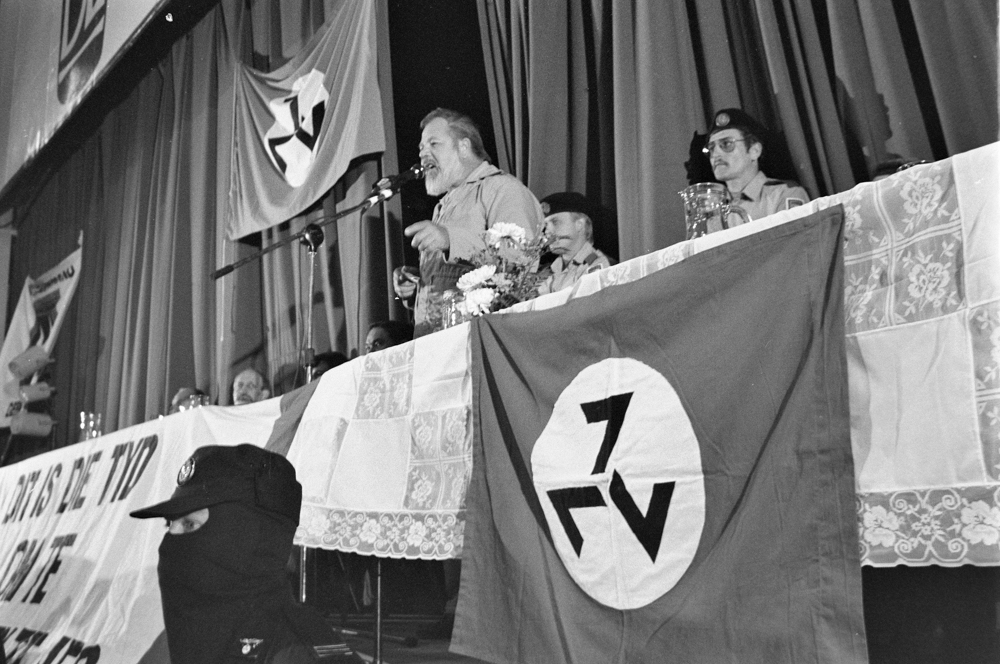
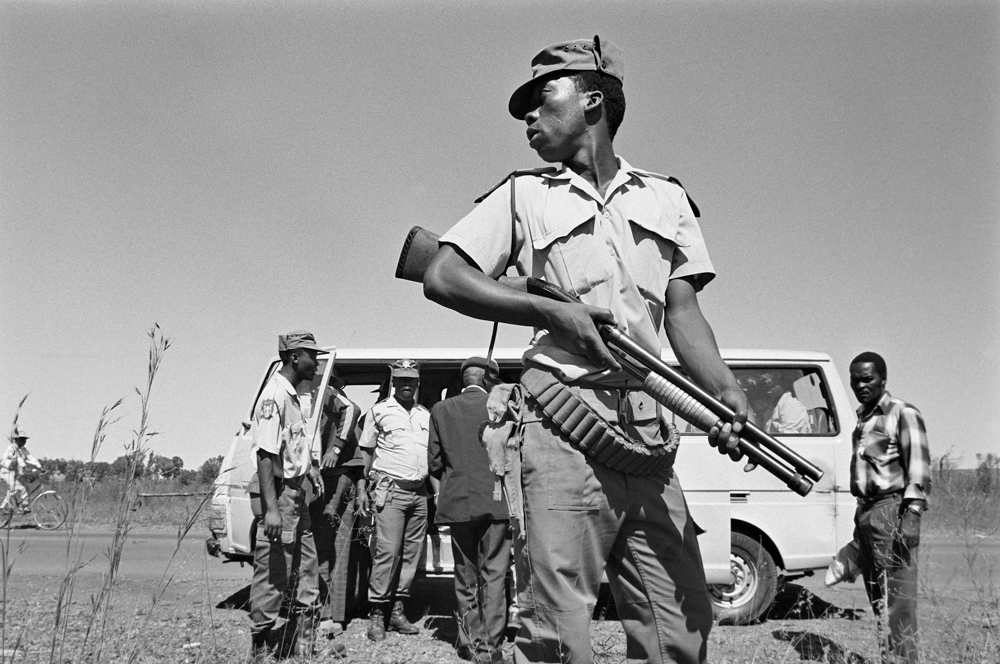
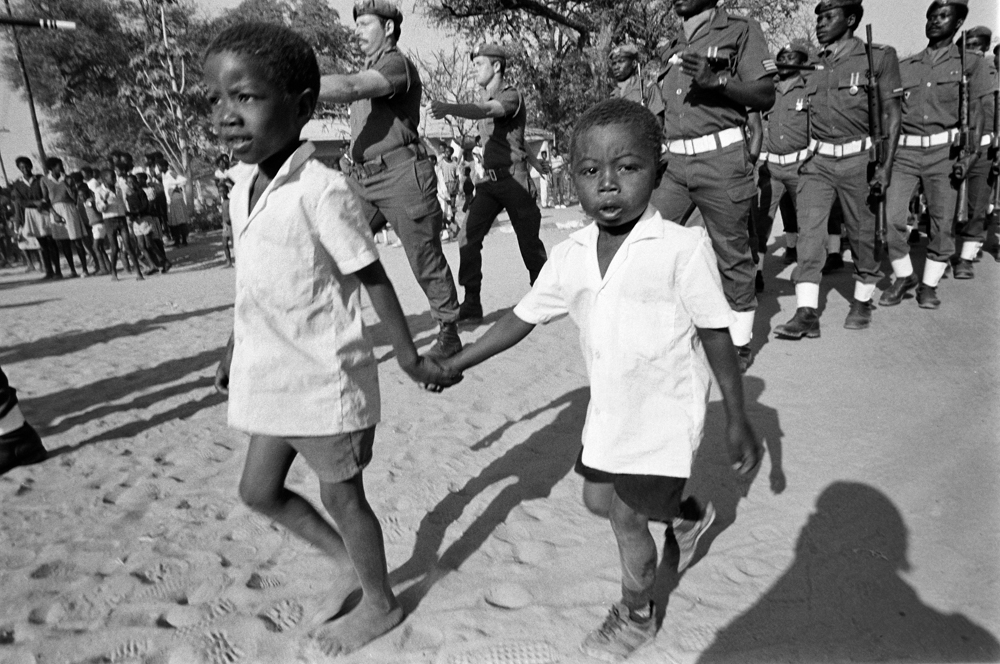
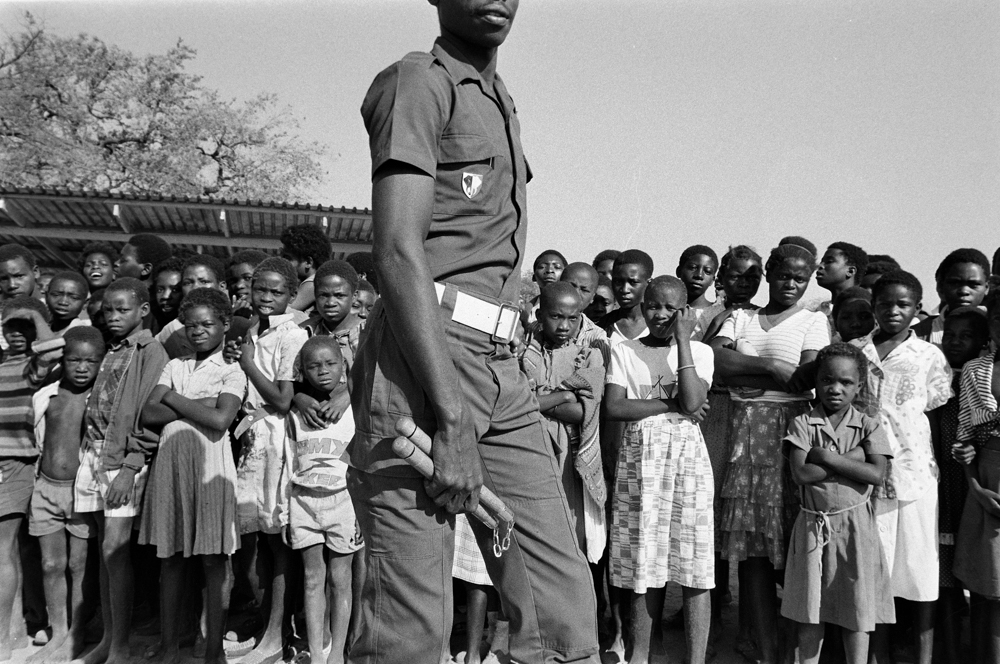
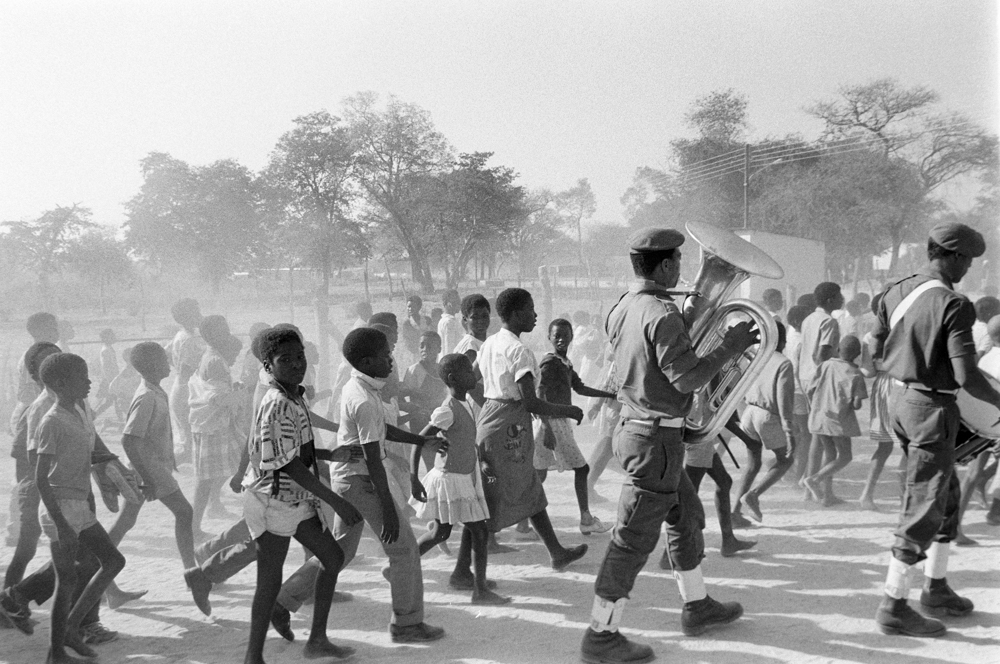
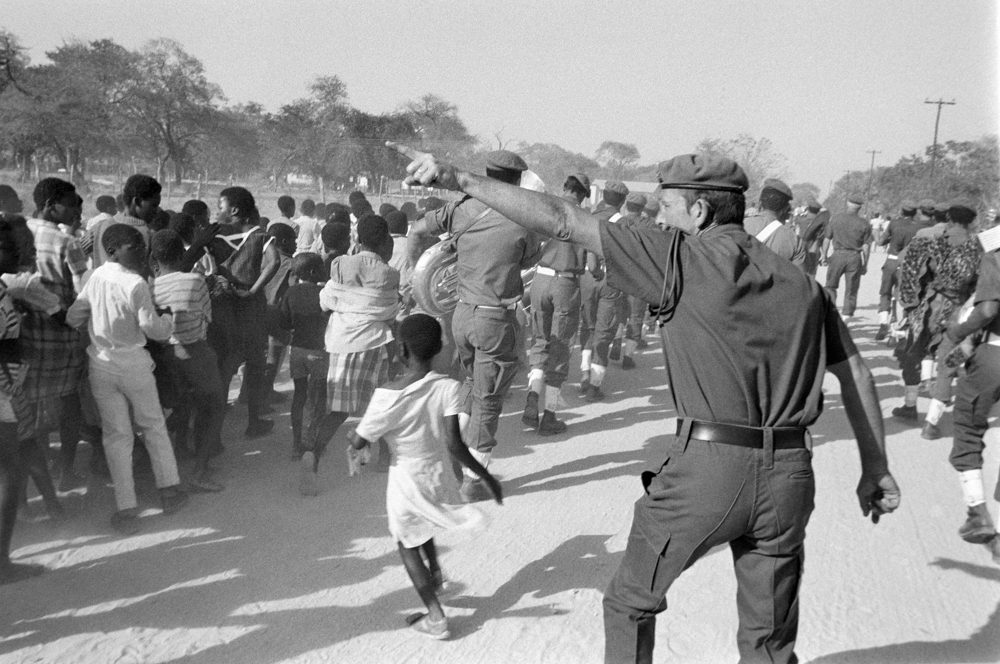
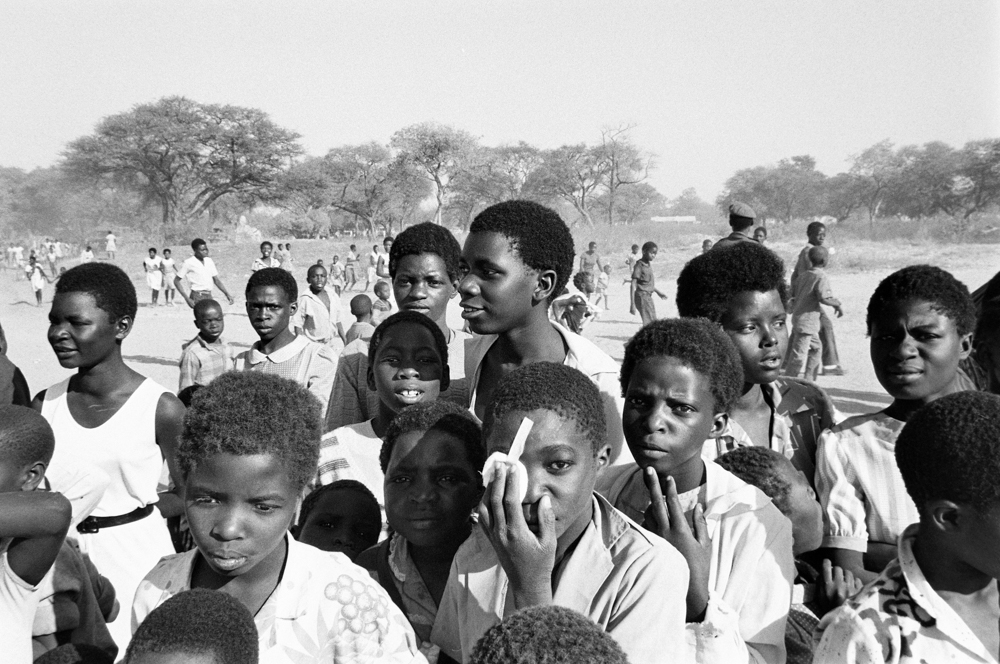
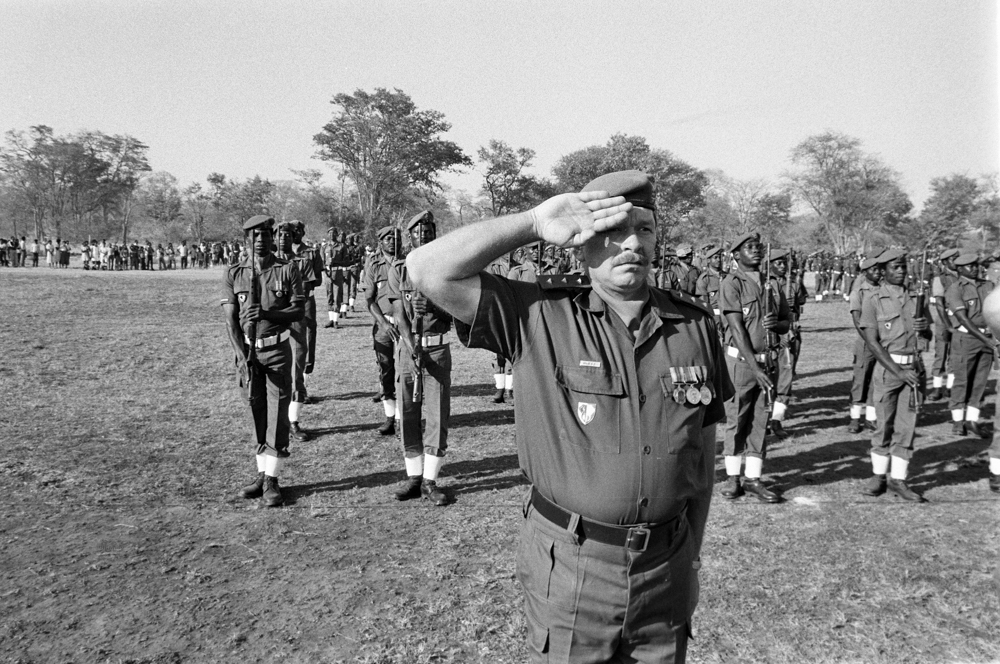
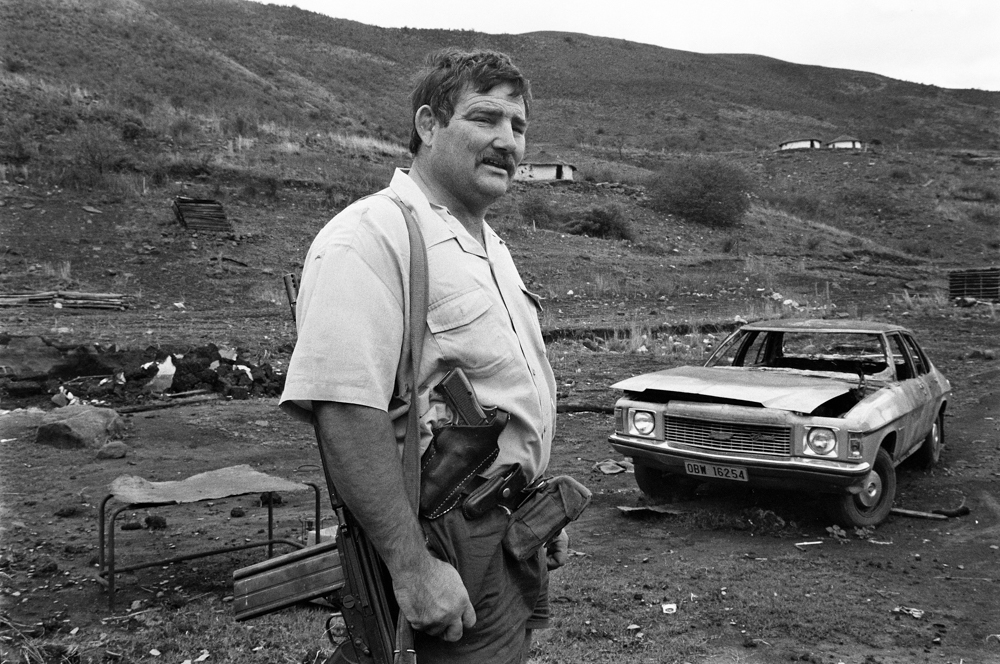
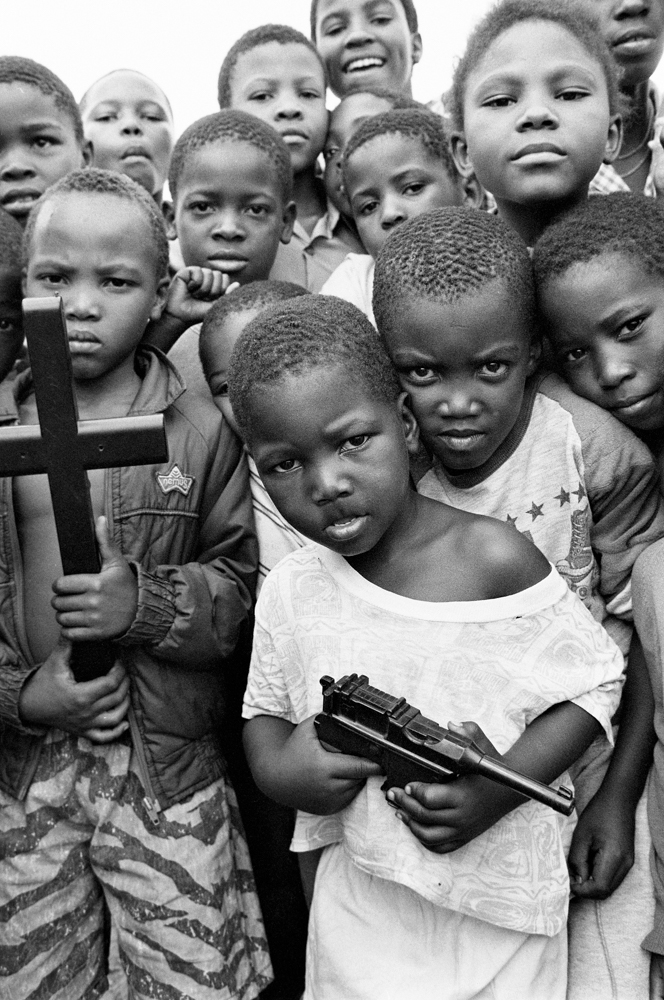
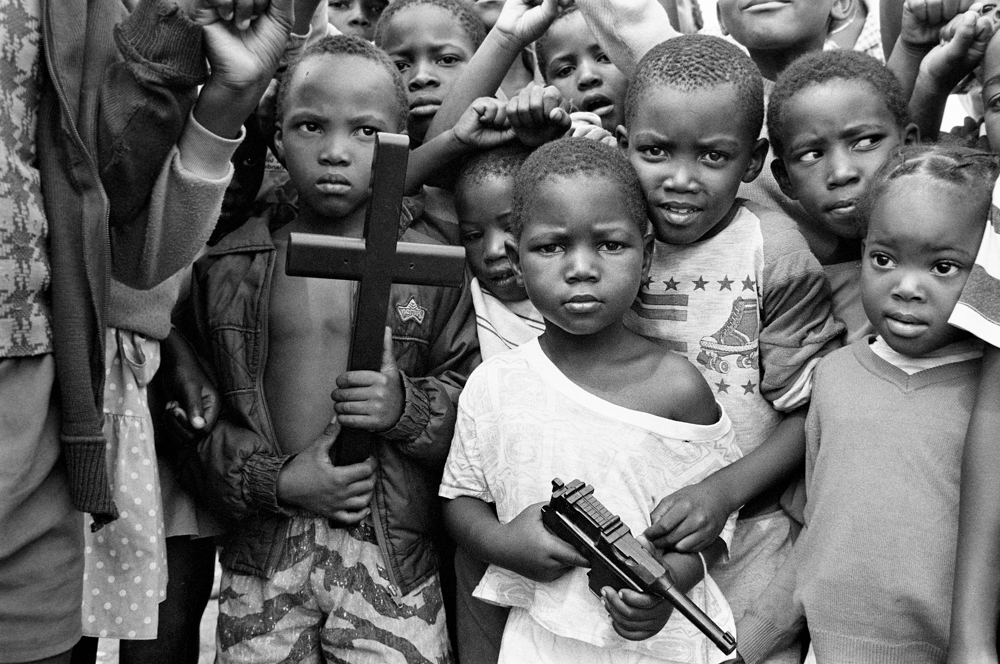
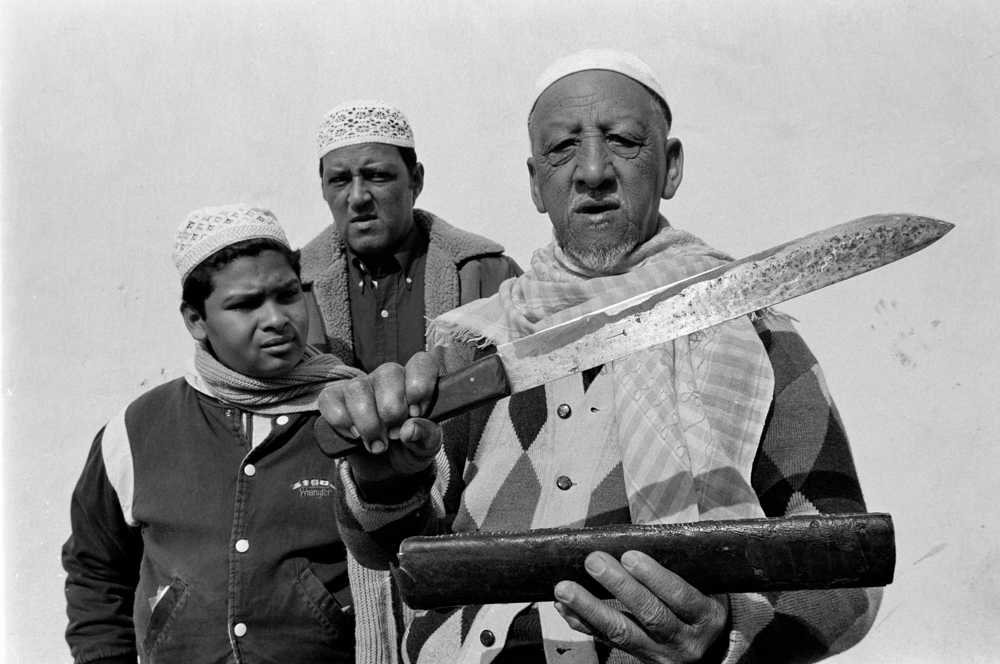
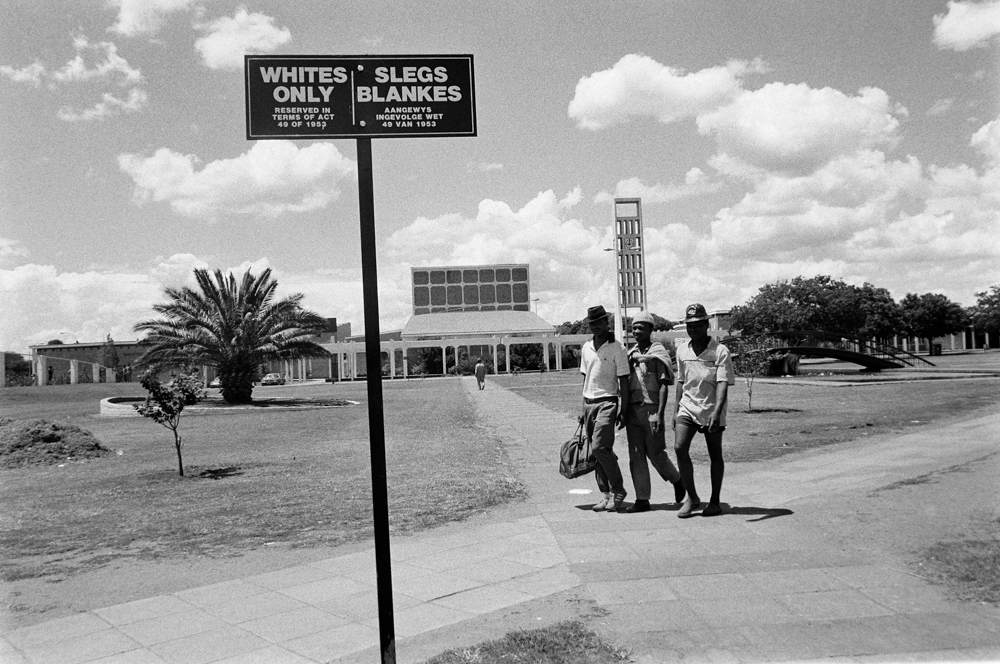
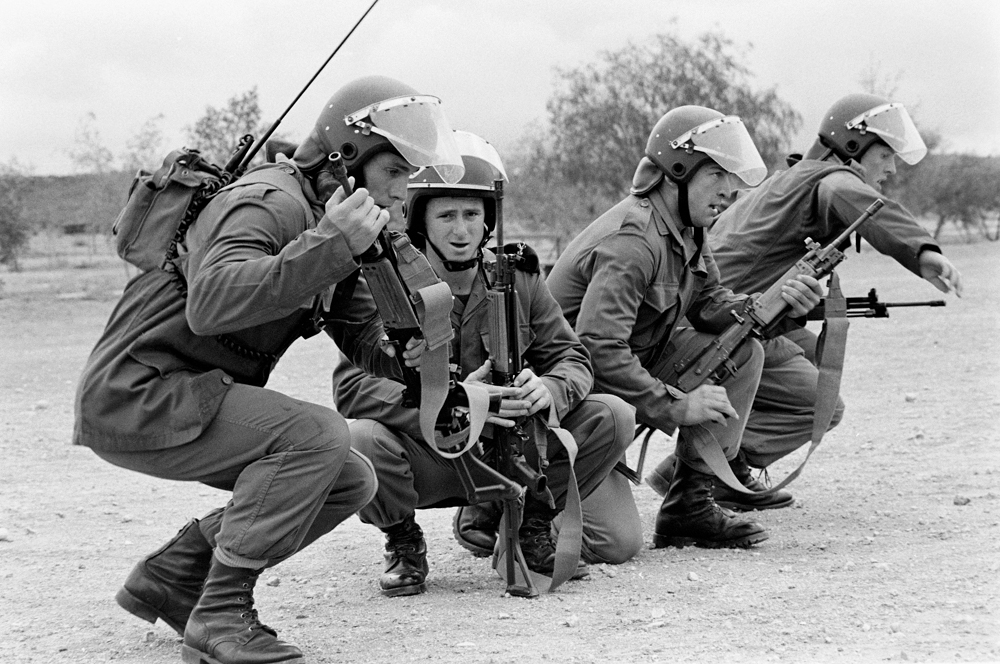
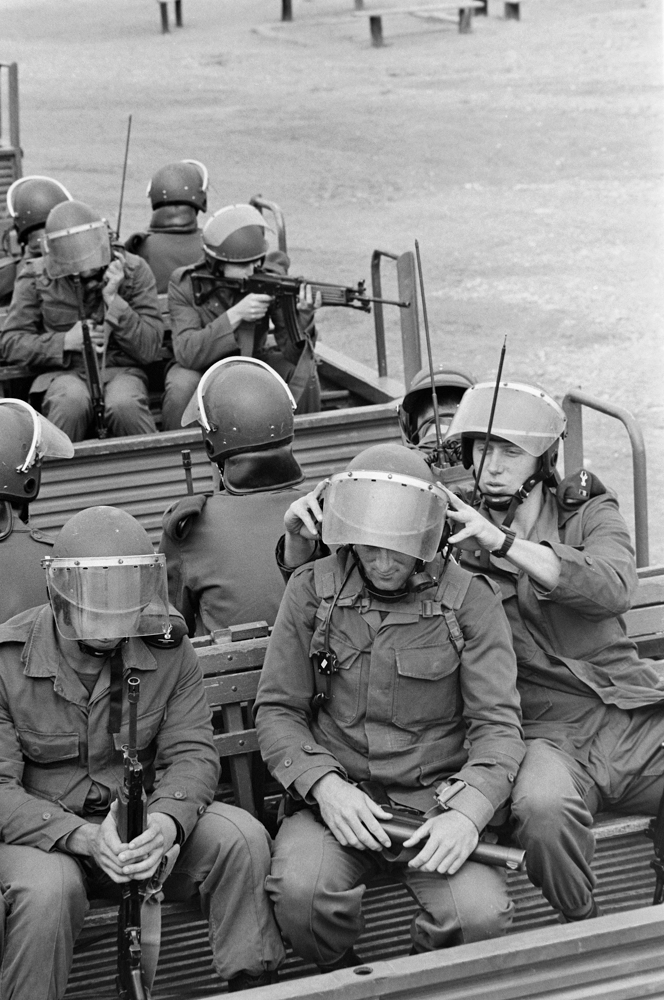
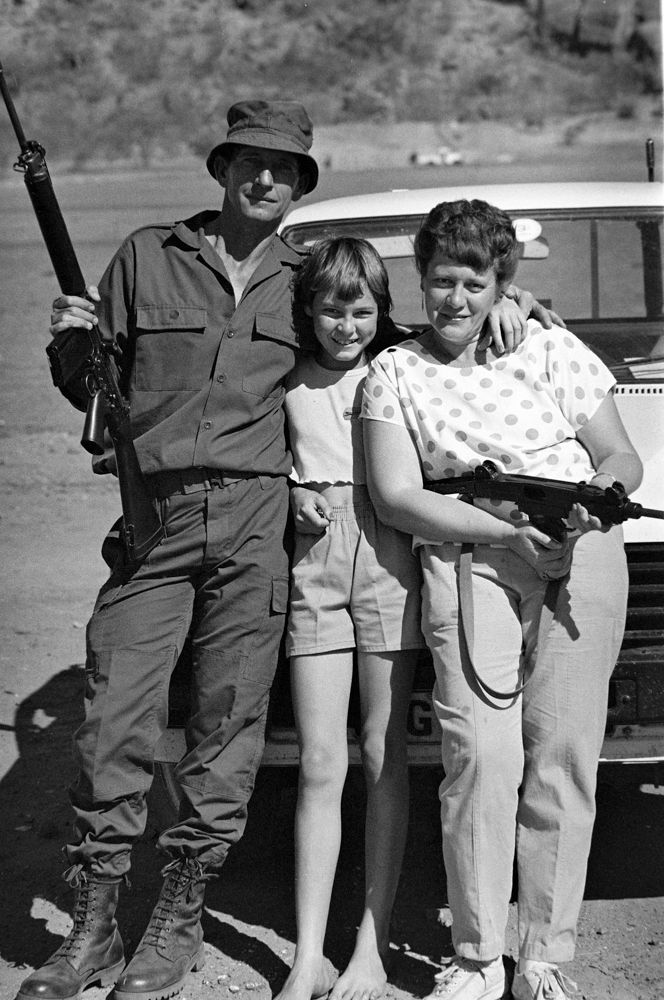
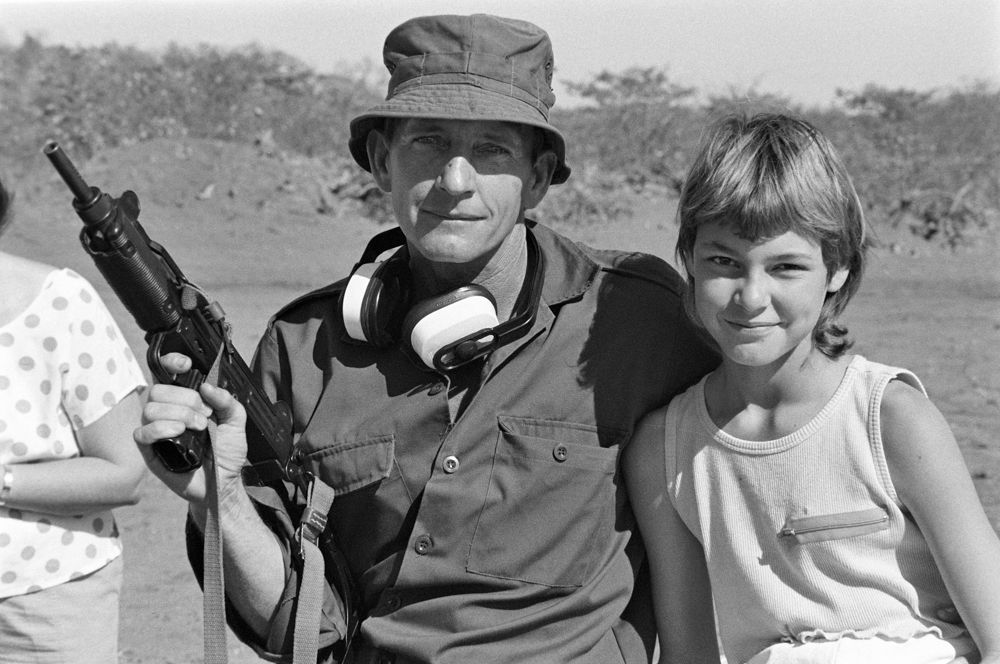
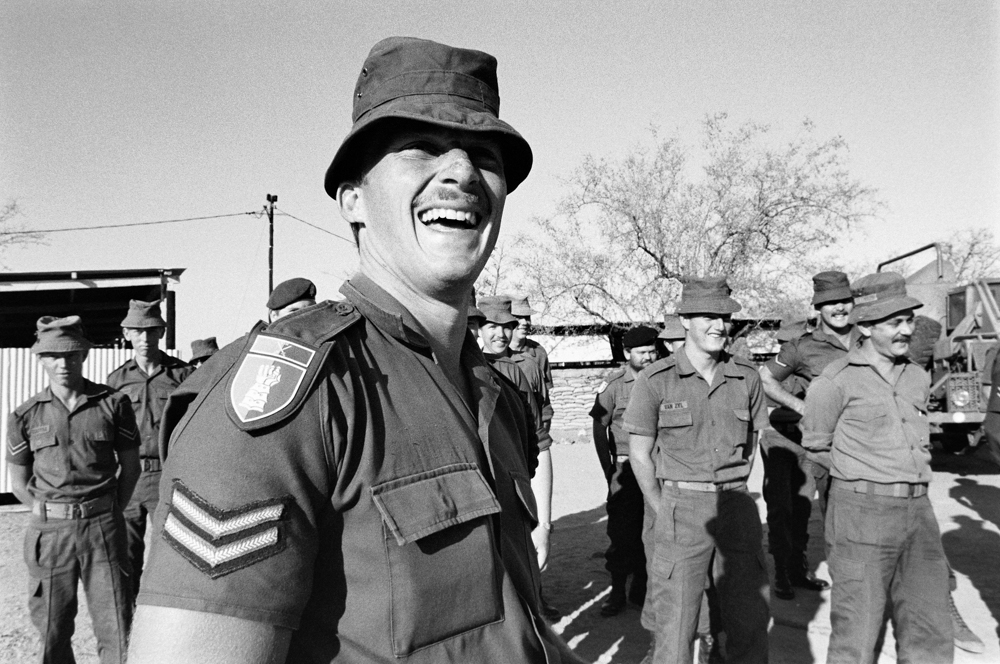
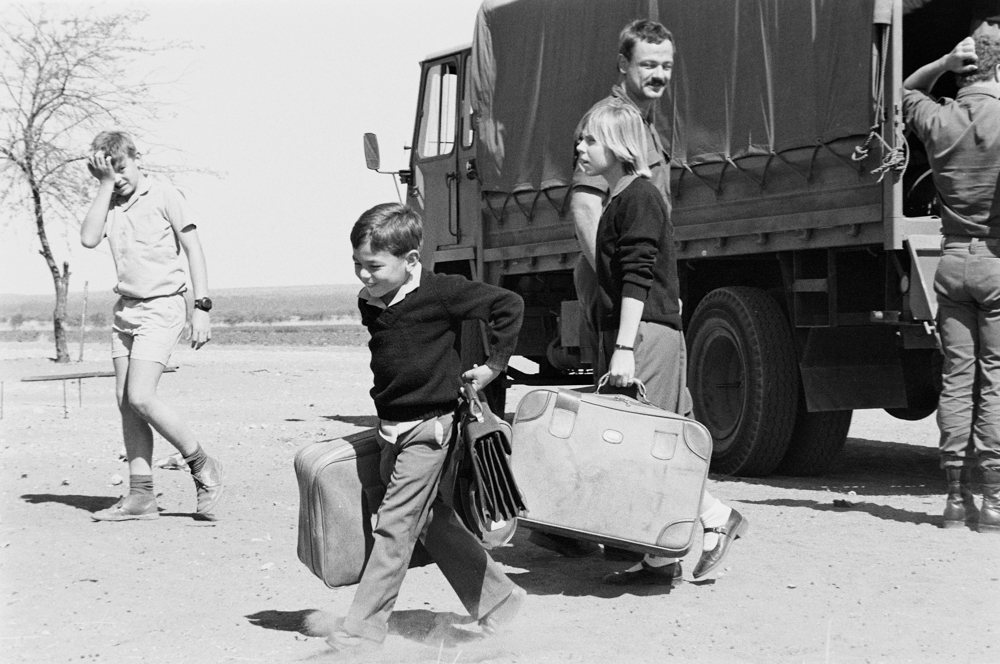
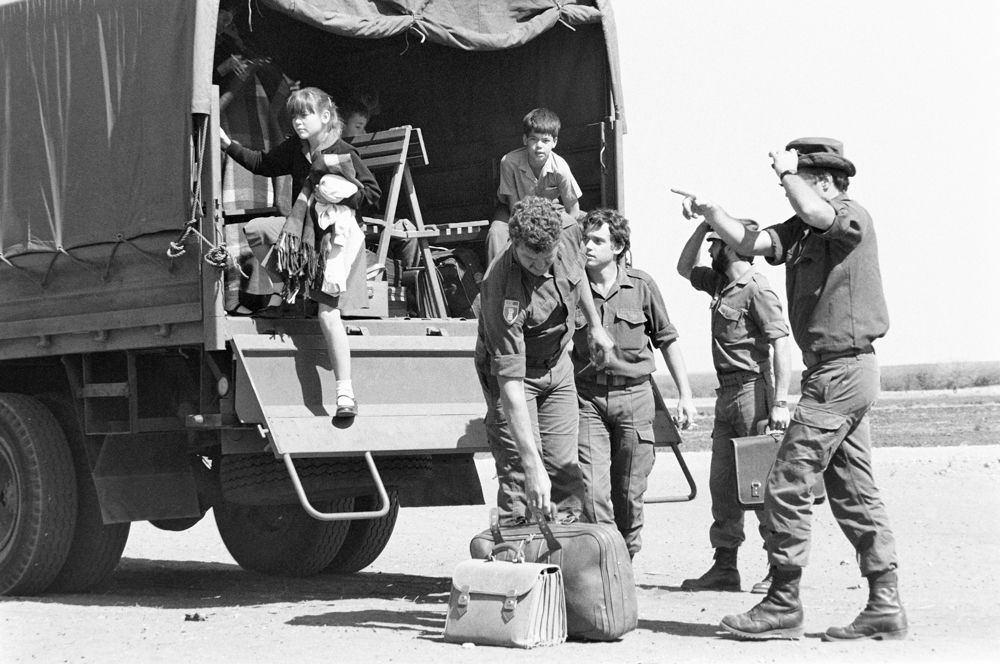
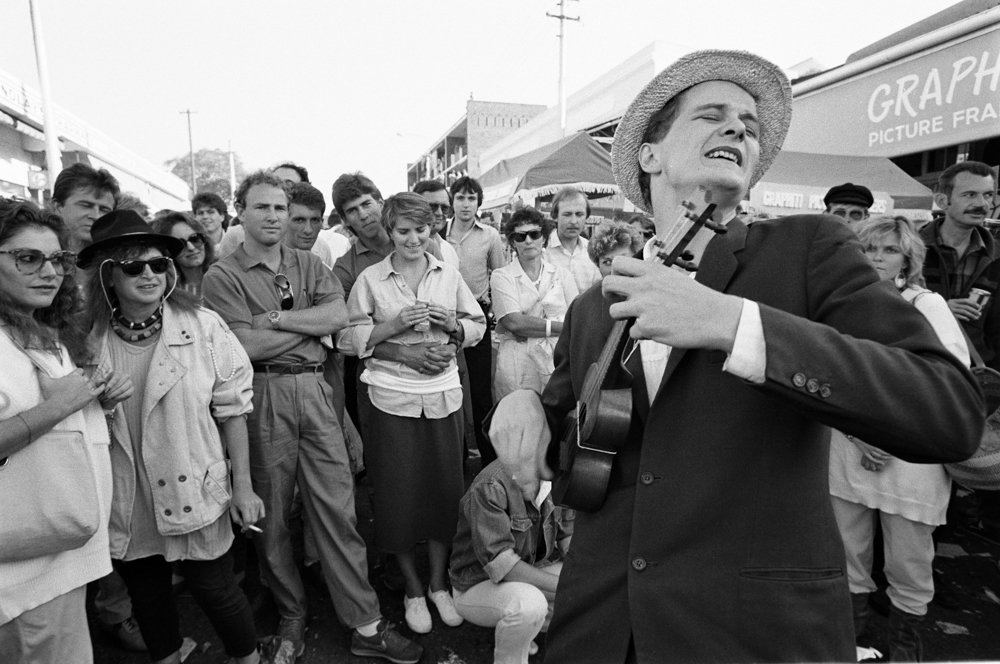
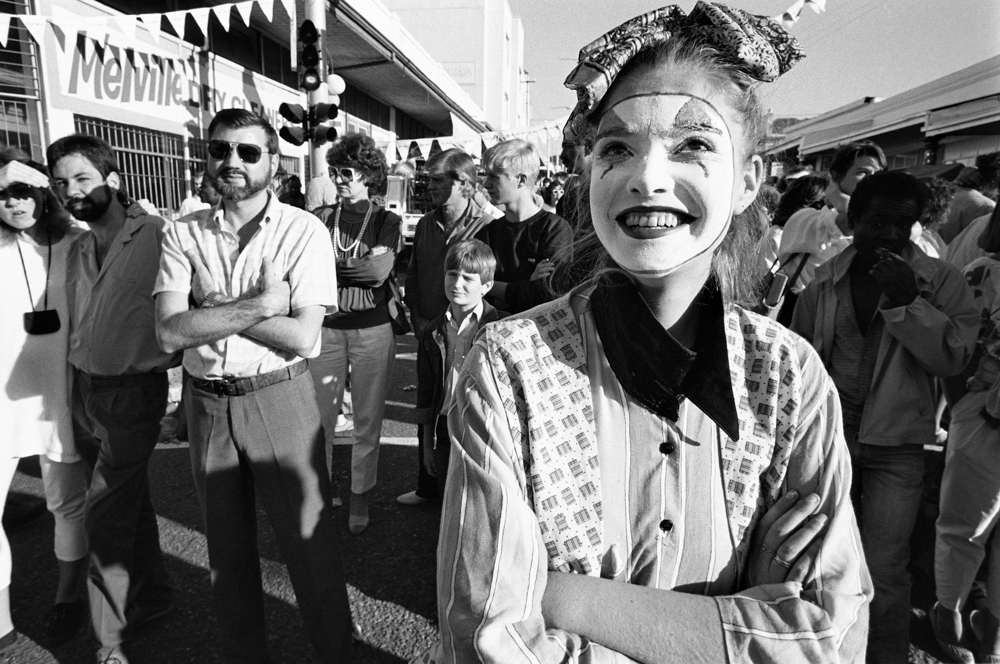
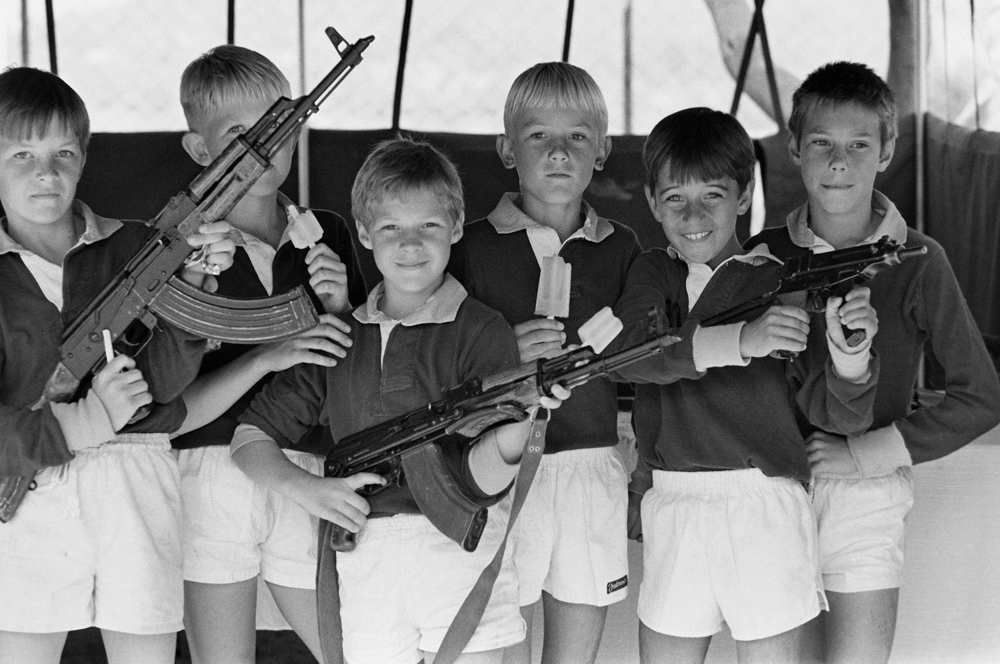
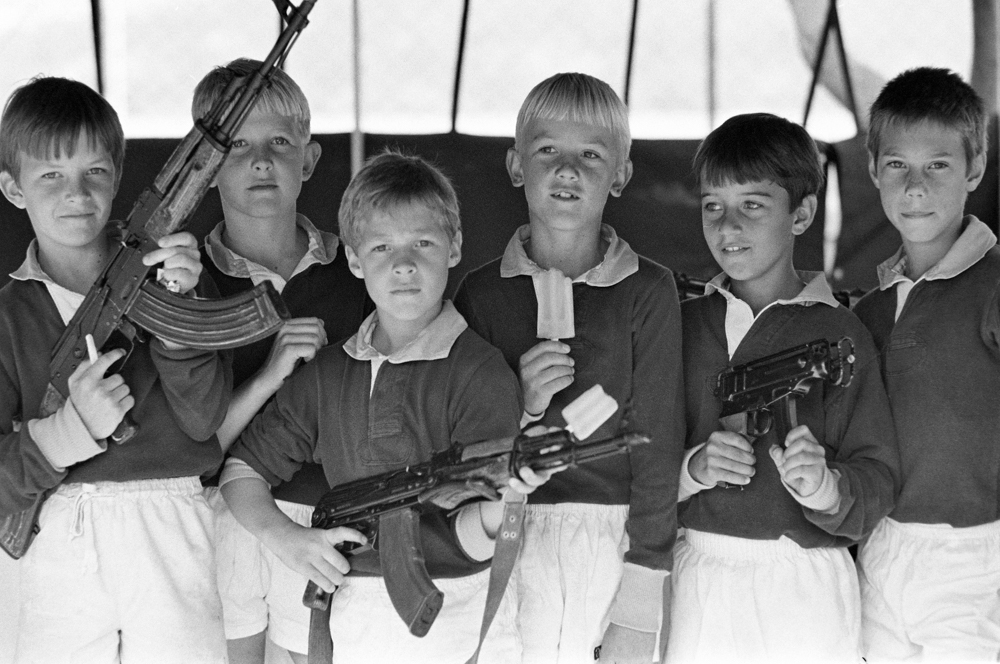
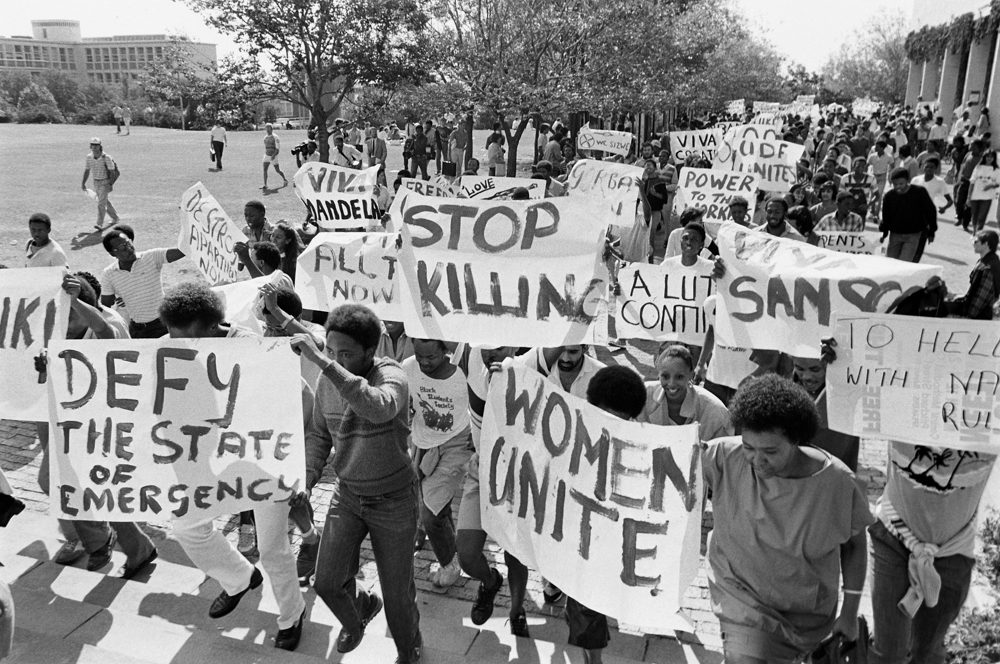
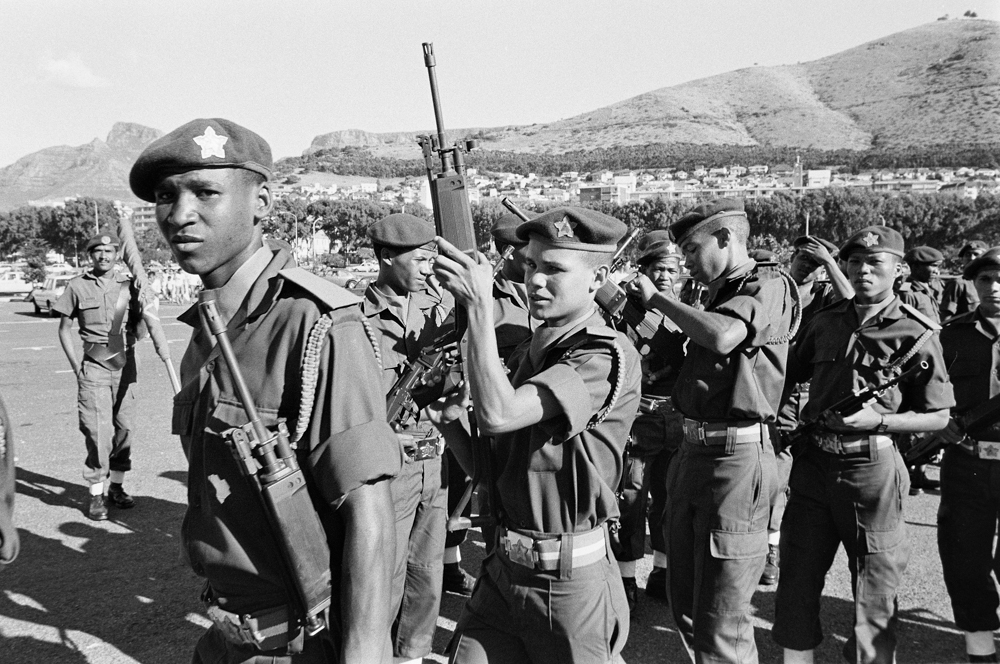
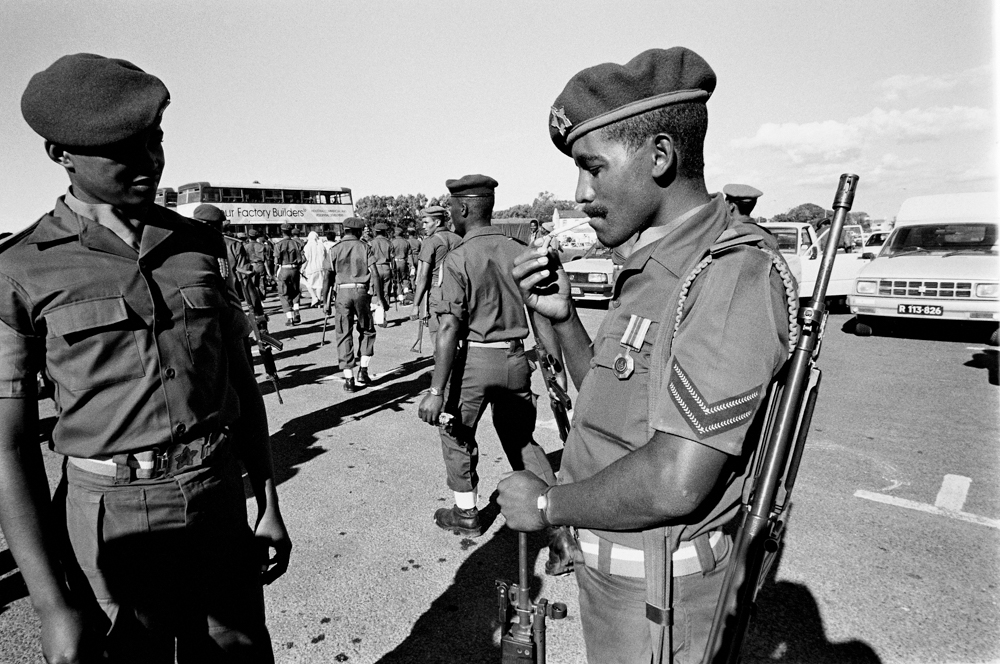
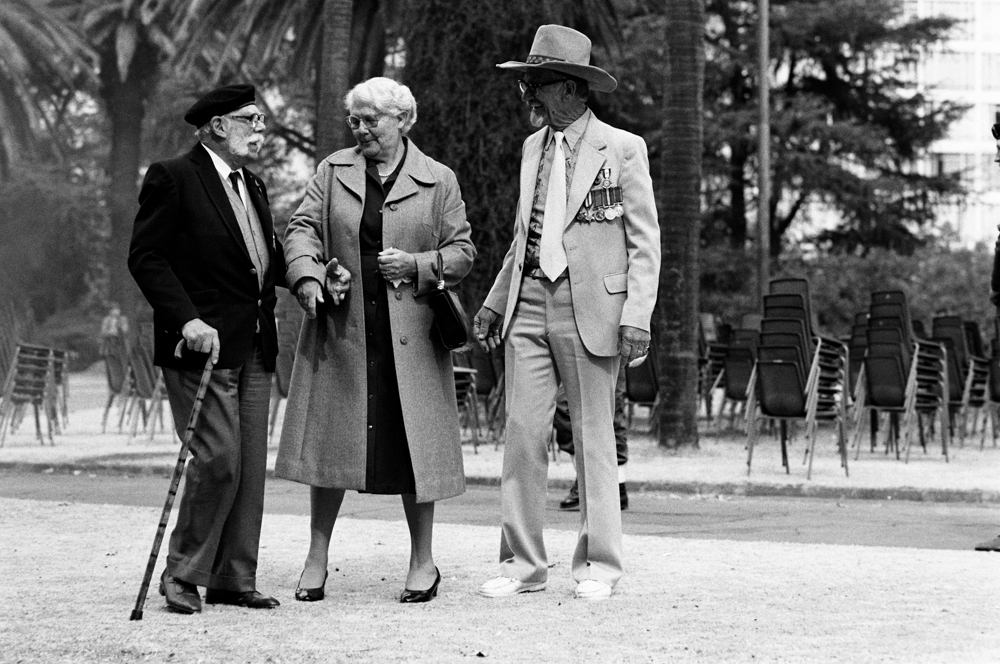
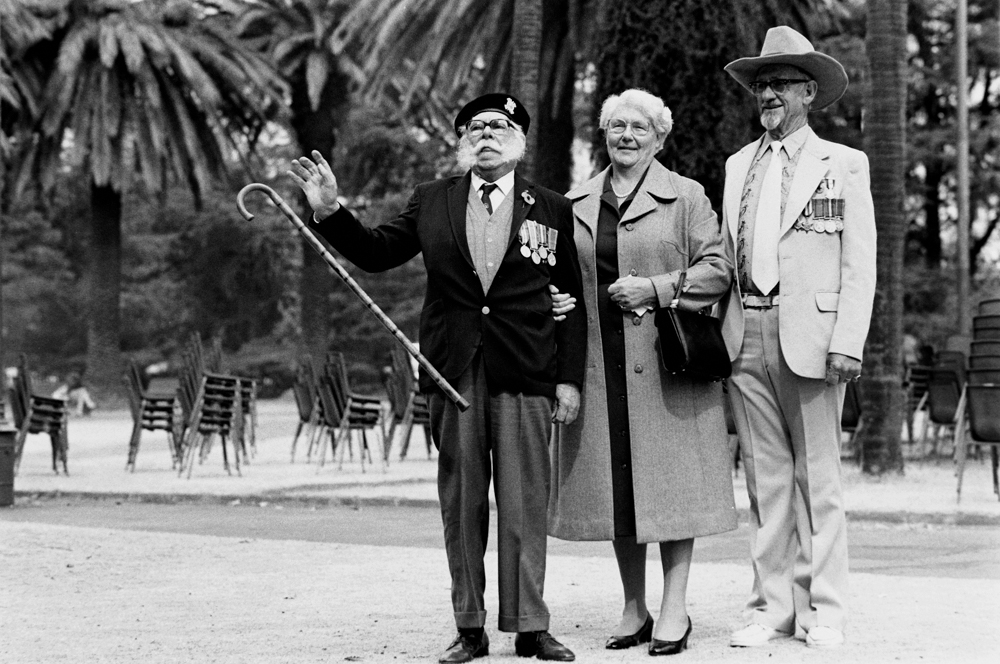
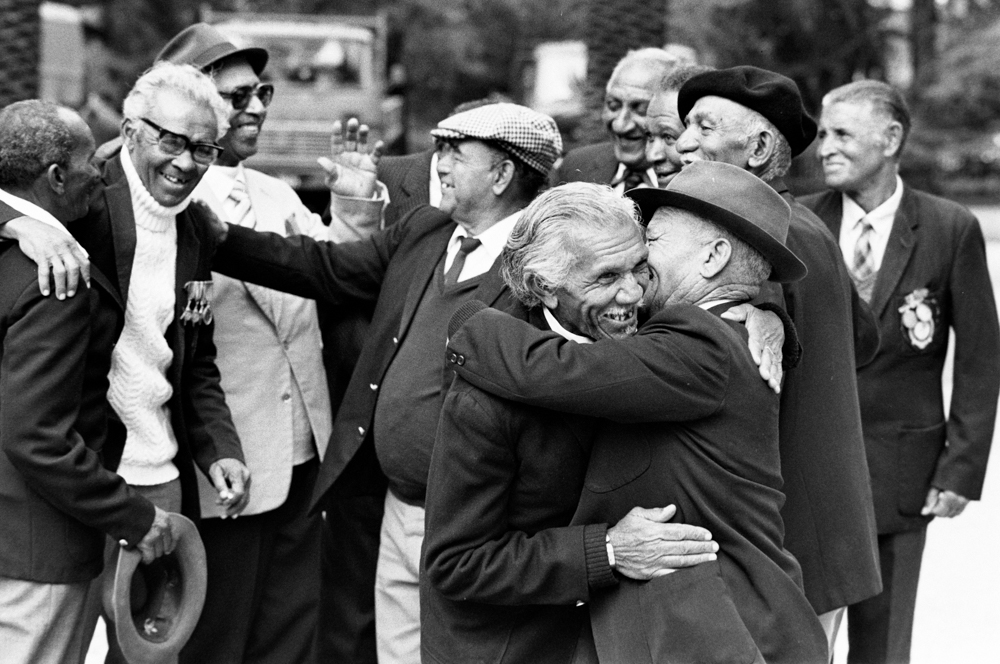
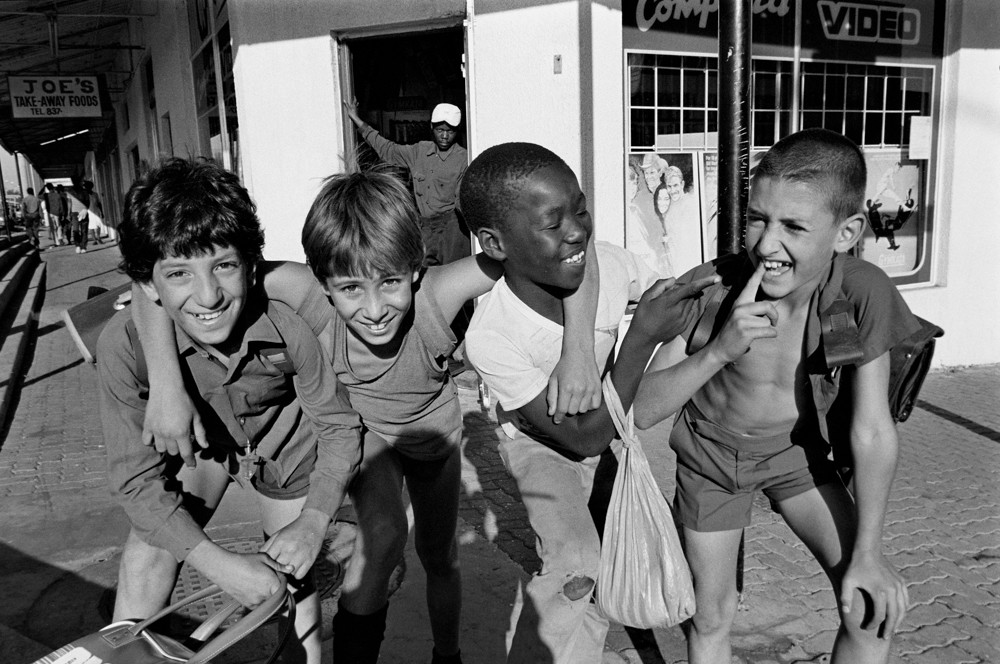
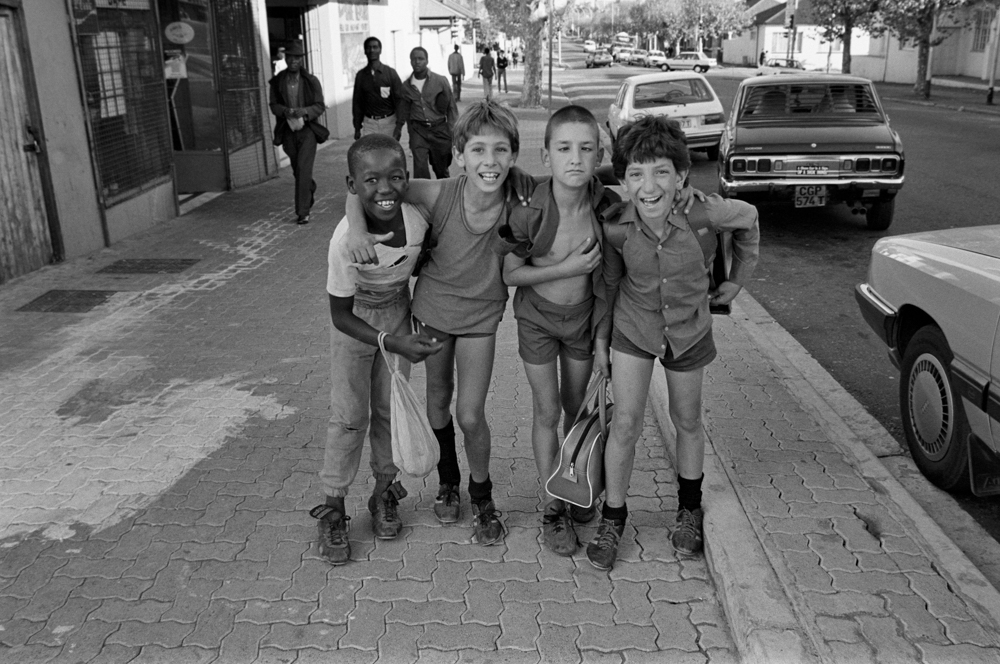
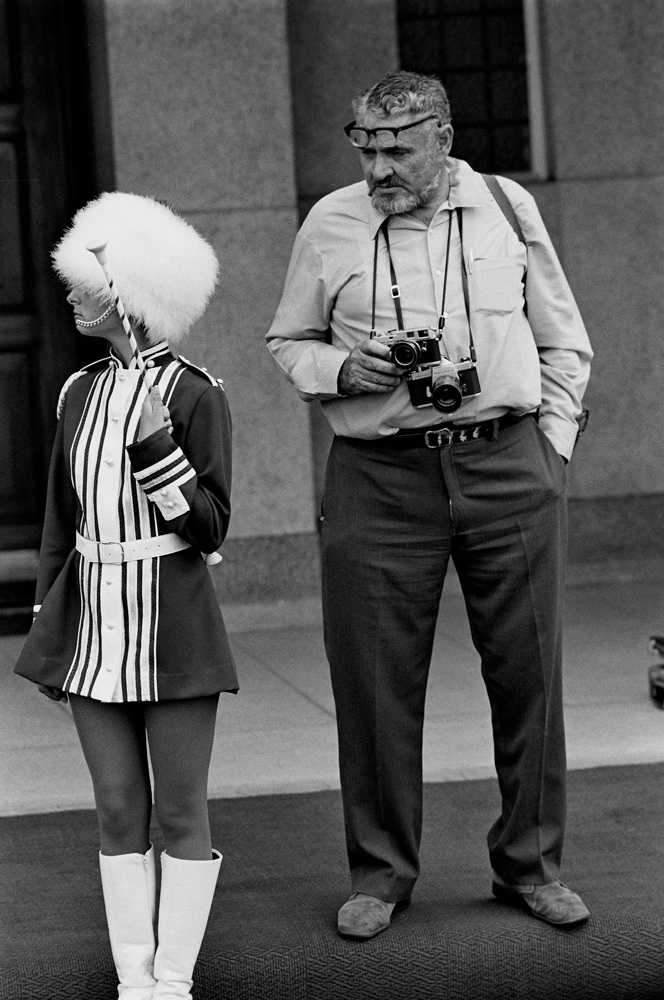
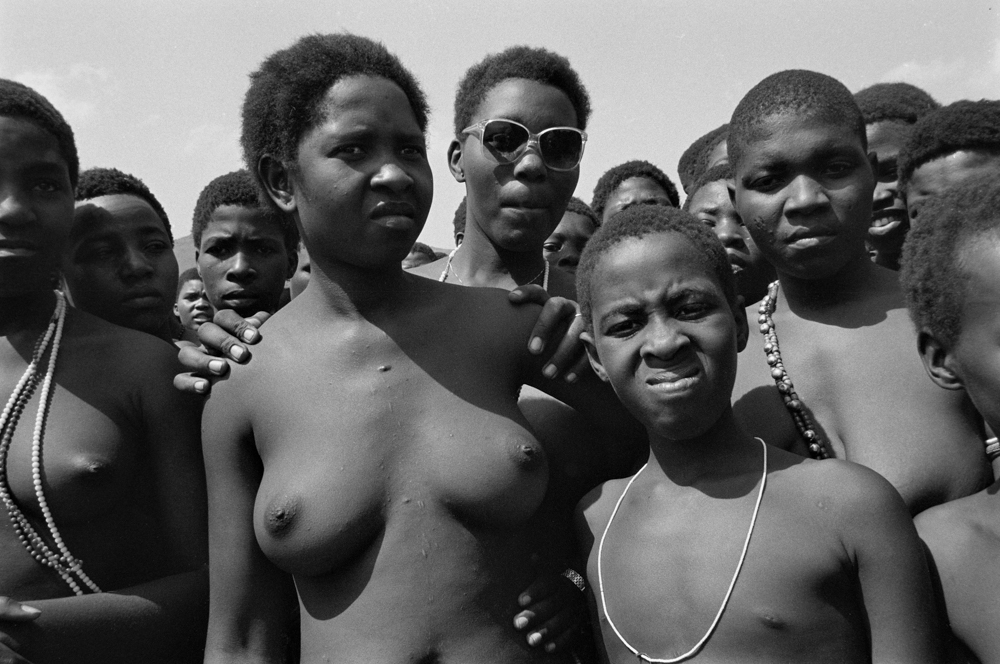
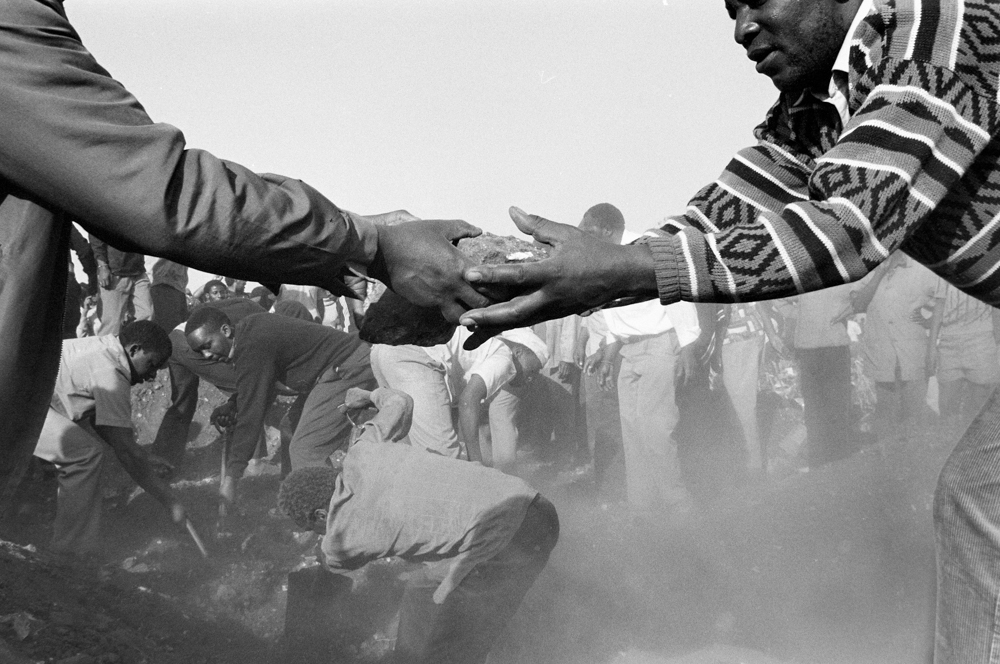
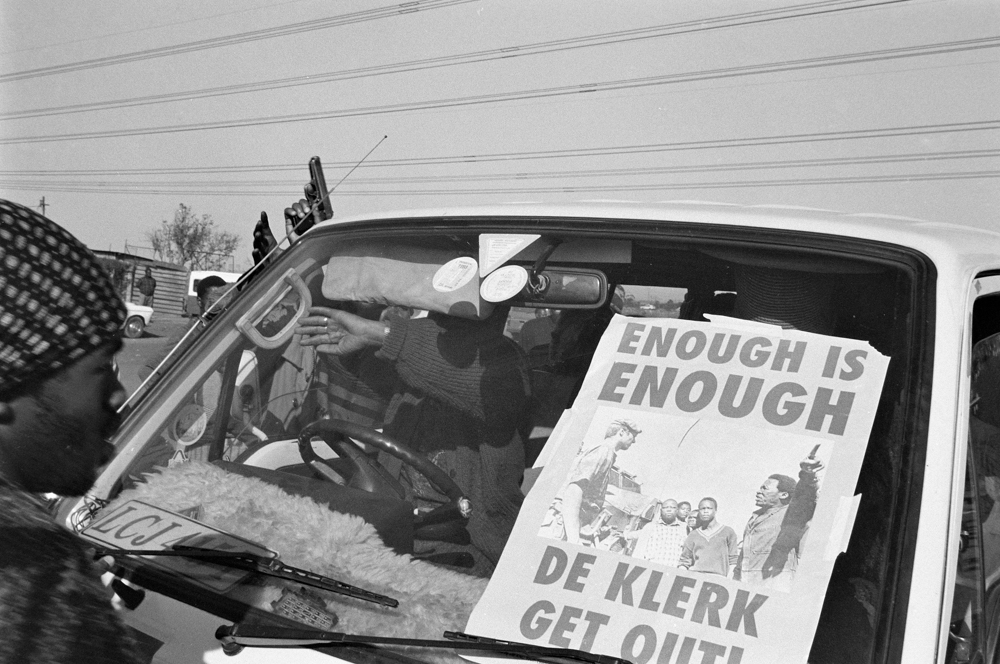
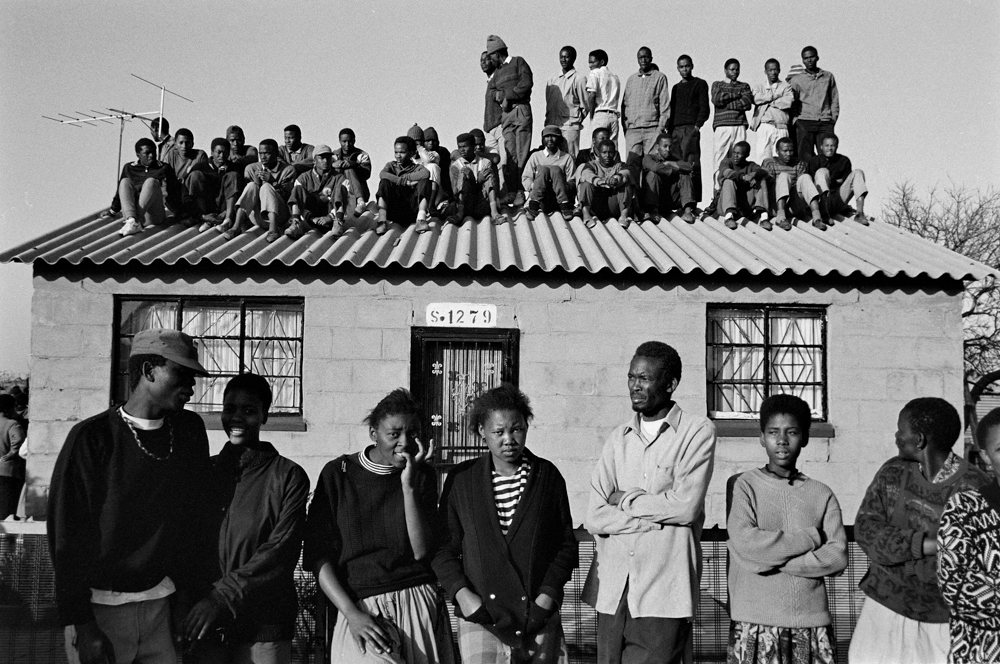
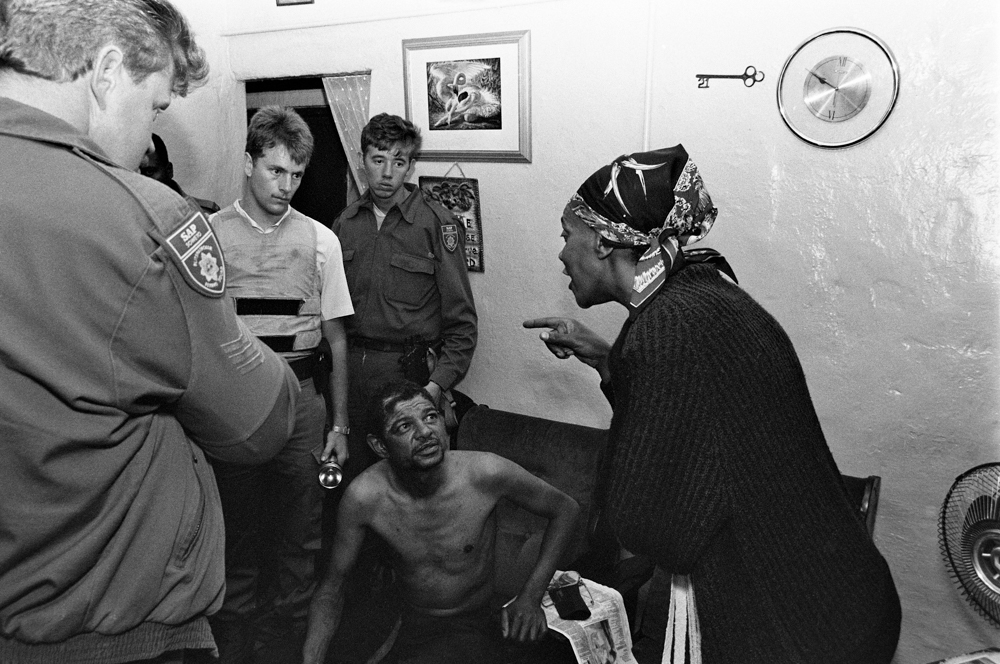
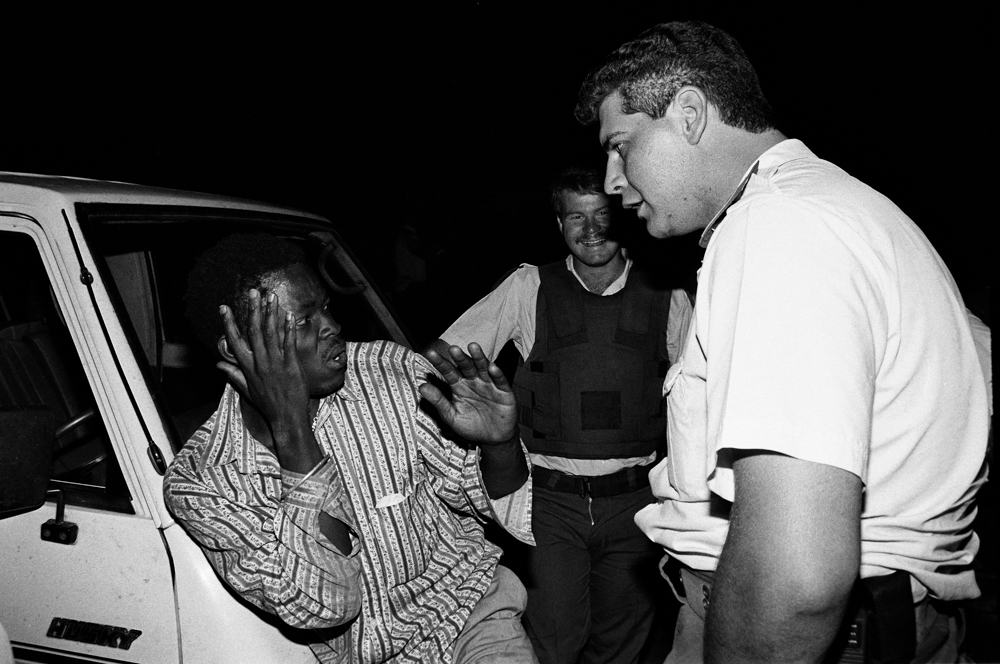
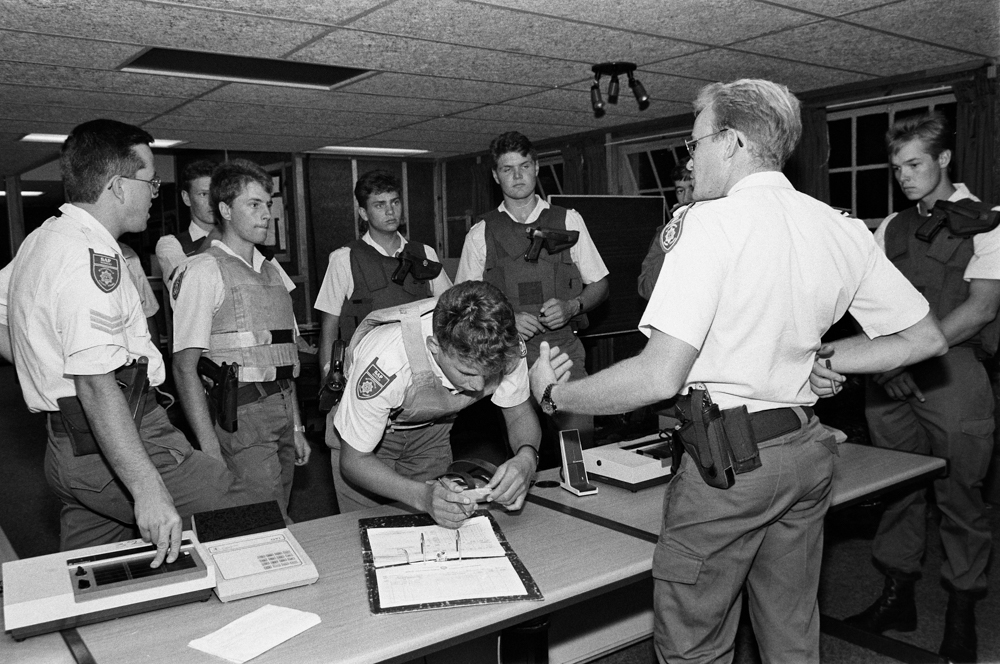
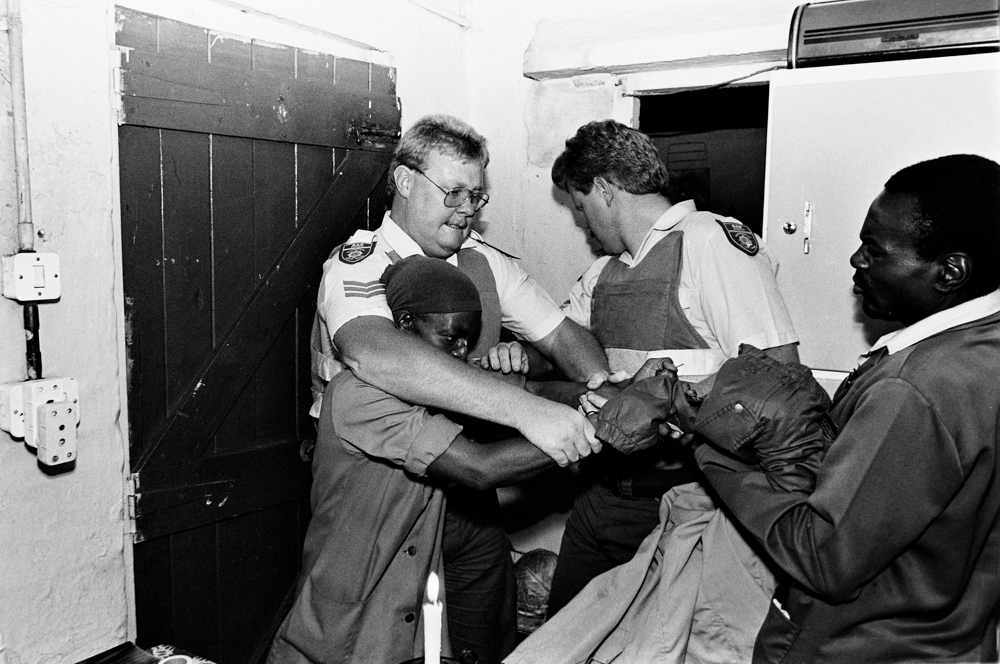
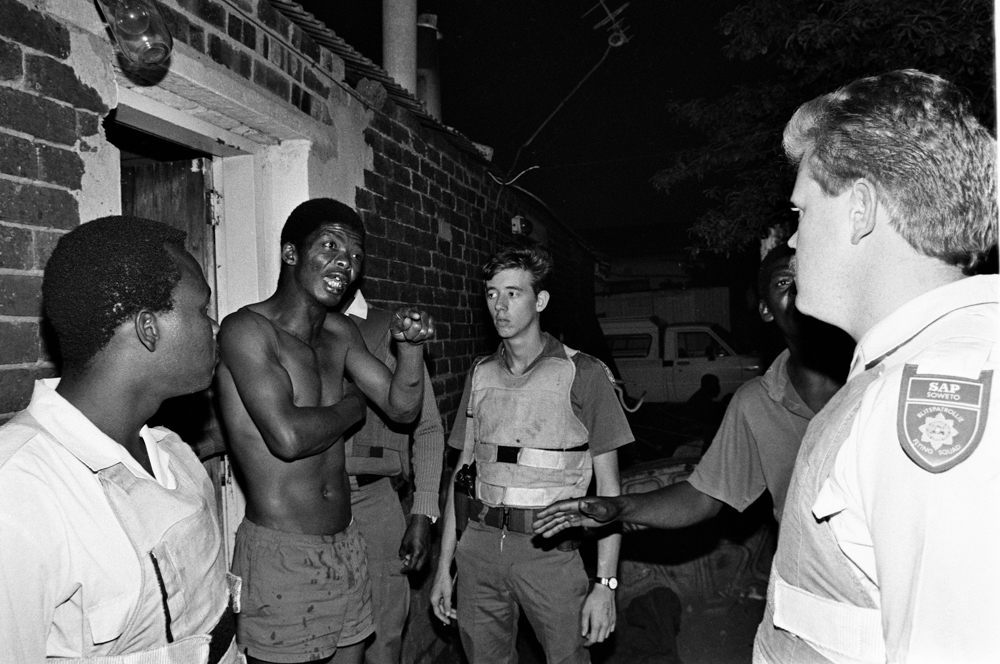
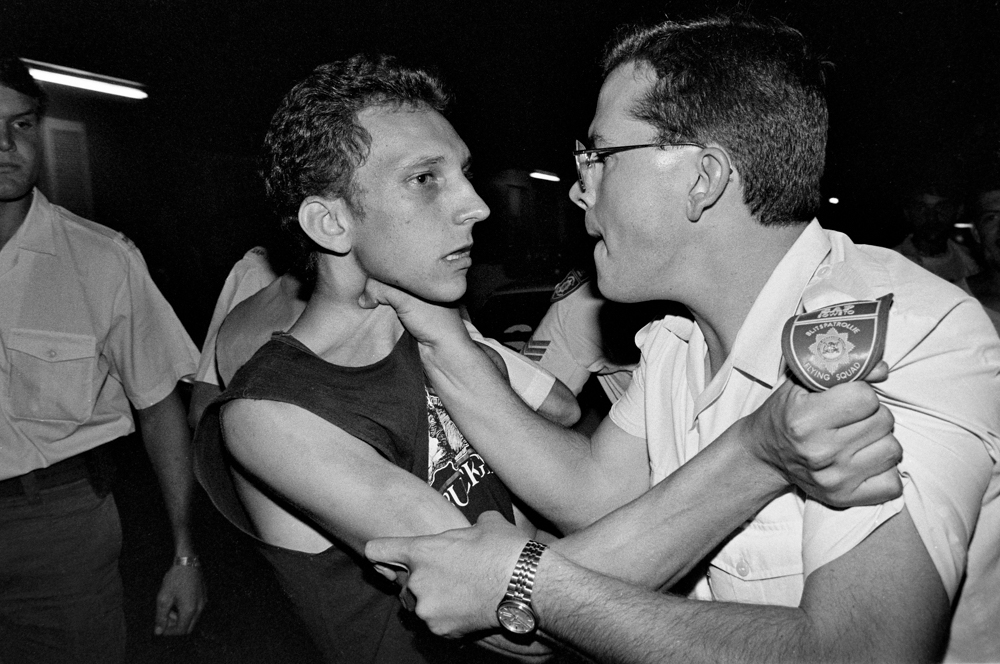
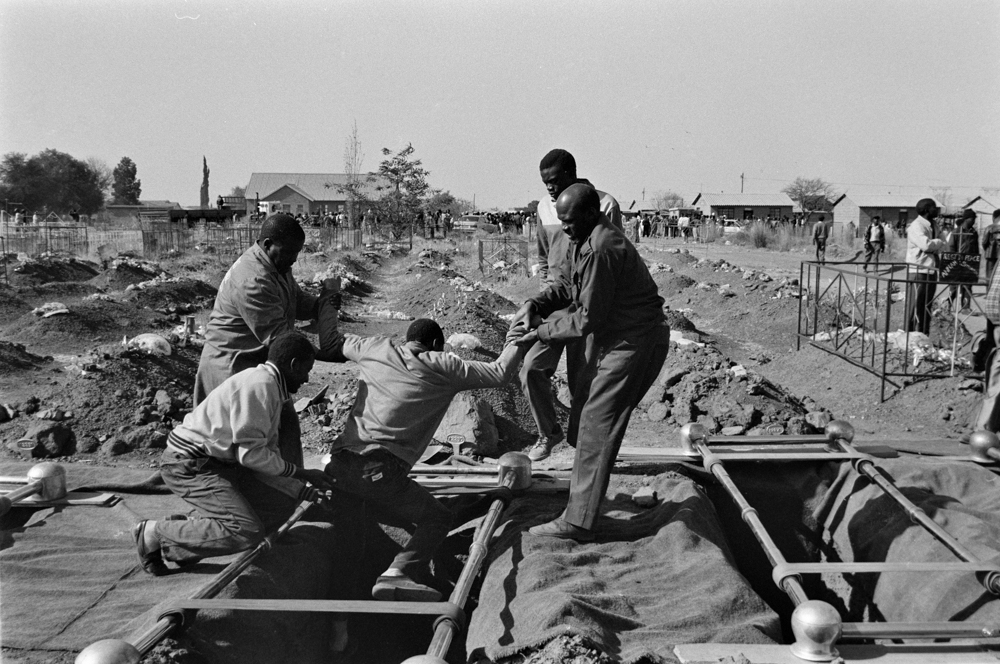
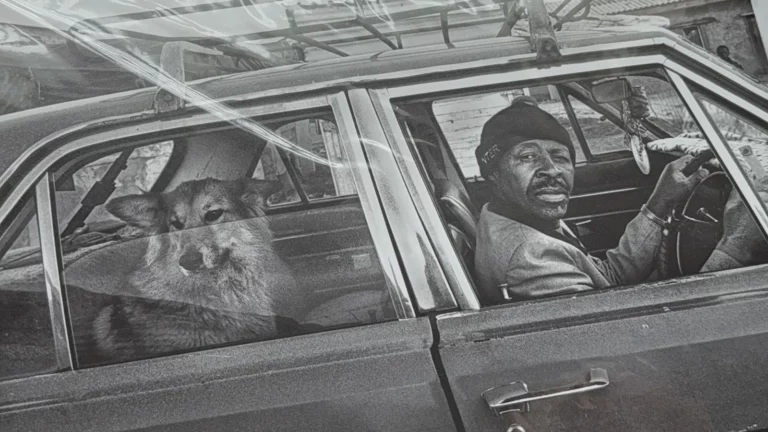
South Africa In Black And White occupies a significant position within Juhan Kuus’s photographic practice, forming a sustained visual record of South African society during apartheid. Published in 1987, the work brings together photographs made across different regions and social environments, reflecting the structural realities of segregation as they were lived and encountered in everyday life.
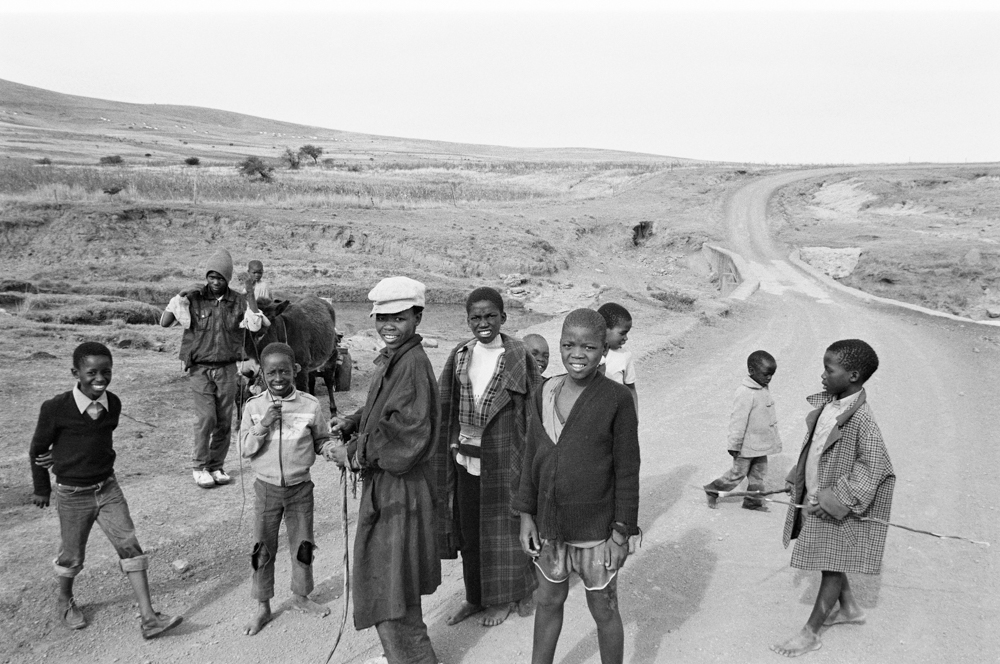
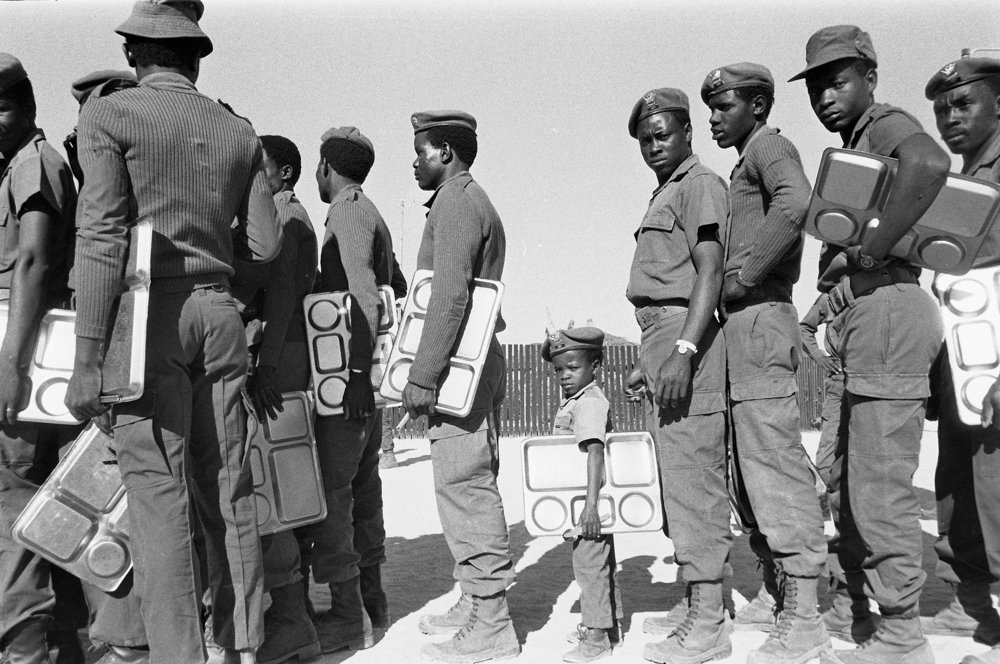
Conceived as both a photographic publication and a documentary project, the work aligns Kuus with a broader lineage of photographers concerned with long-term social conditions rather than isolated events. The images move across public and private spaces, tracing the visible consequences of apartheid through labour, domestic life, street activity and public gathering.
Rather than presenting a singular narrative, the publication constructs a broader visual account of a society shaped by systemic division. The photographs accumulate to form a complex and layered record, where meaning emerges through repetition, proximity and contrast between different social environments.
A Photographic Publication
As a book, South Africa In Black And White operates through sequence as much as through individual images. The ordering of photographs establishes a rhythm that allows viewers to move between different social contexts while maintaining a sense of continuity.
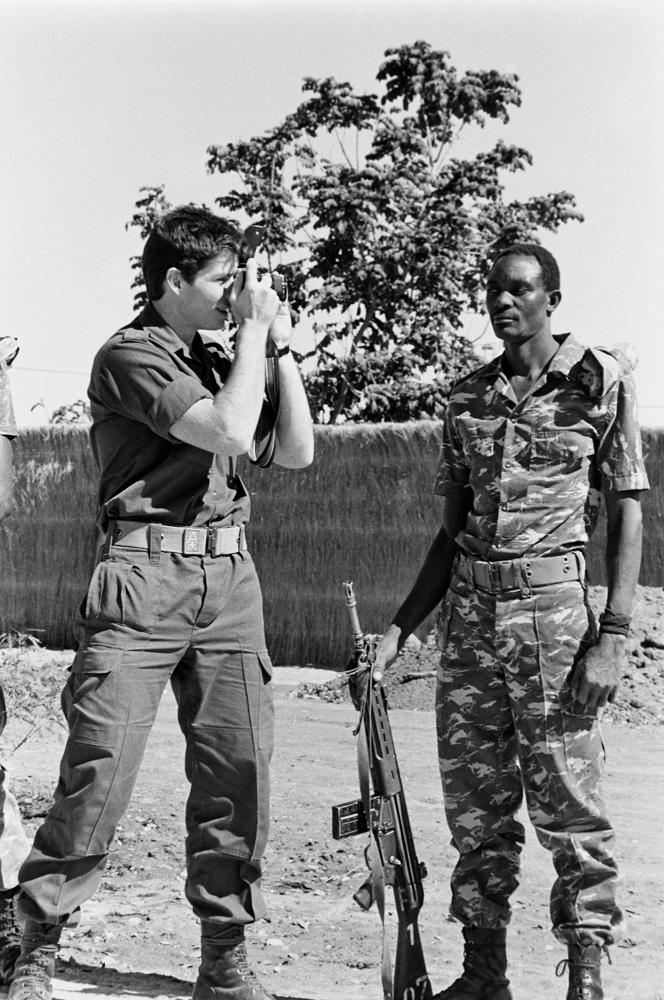
This structure reflects Kuus’s method of working. His photographs are grounded in observation and access, often placing the viewer within close proximity to the subjects depicted. The result is a body of work that feels immediate while remaining attentive to broader social conditions.
Social Conditions and Everyday Life
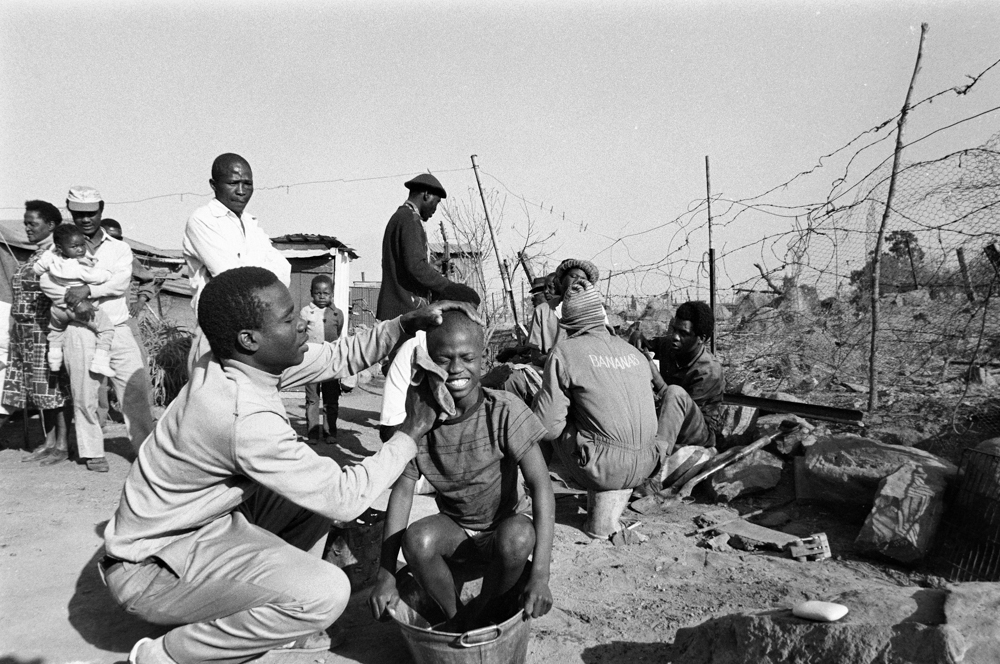
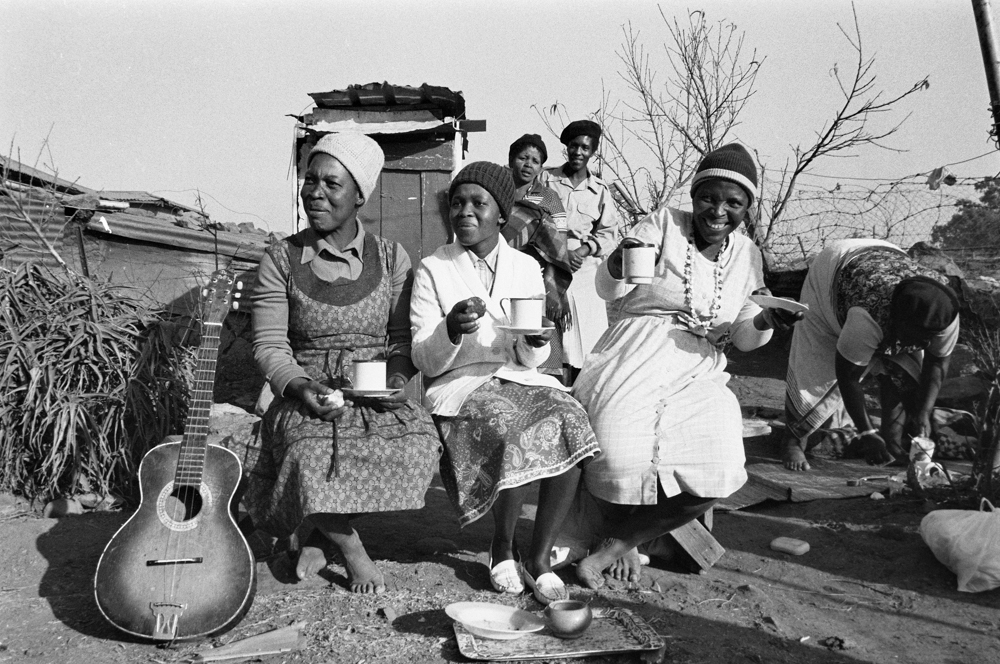
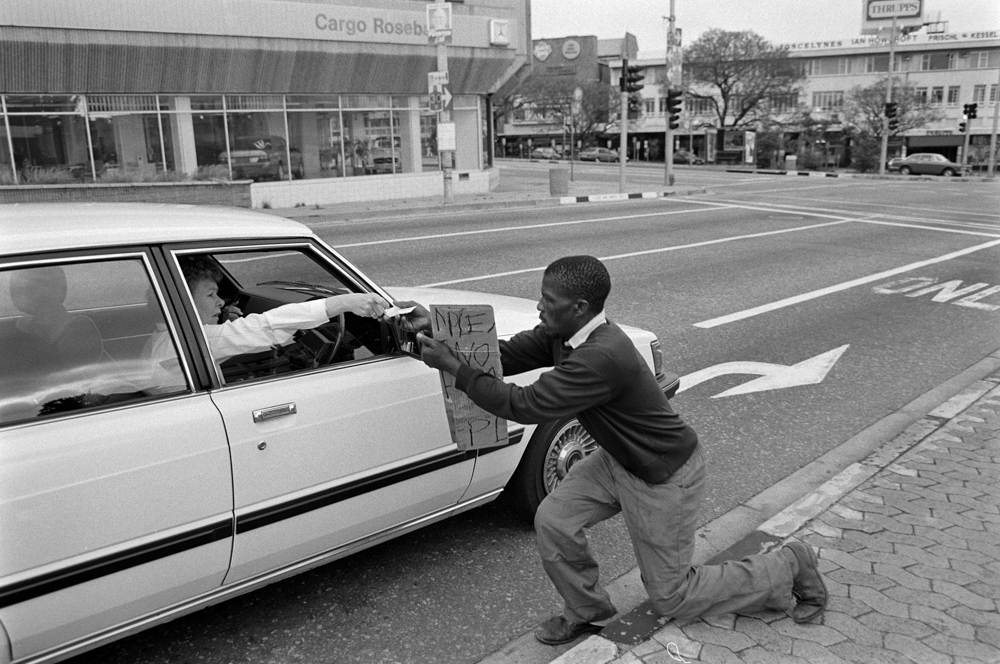
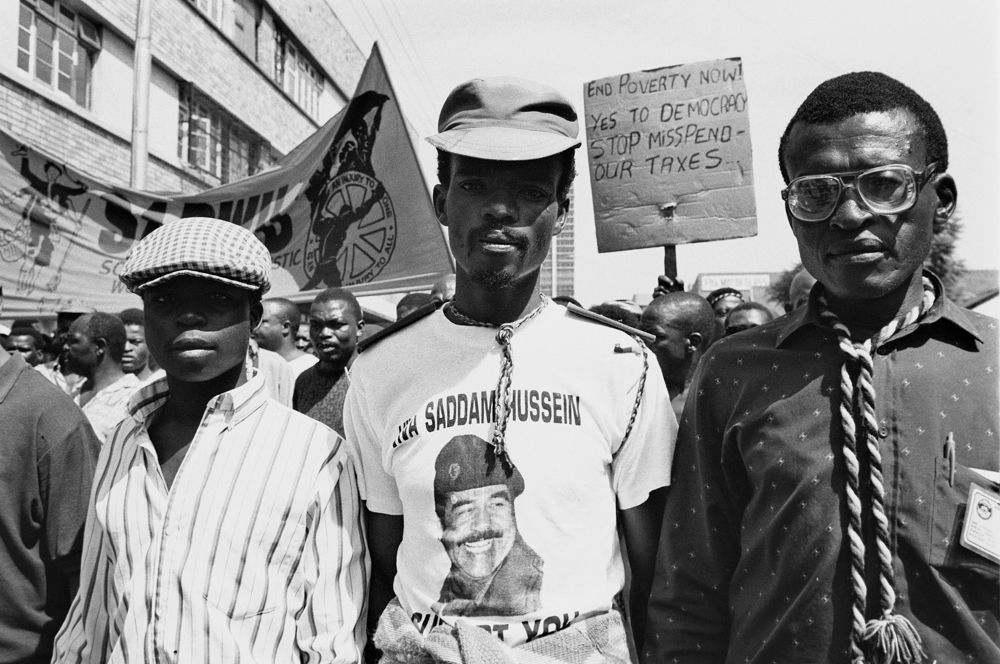
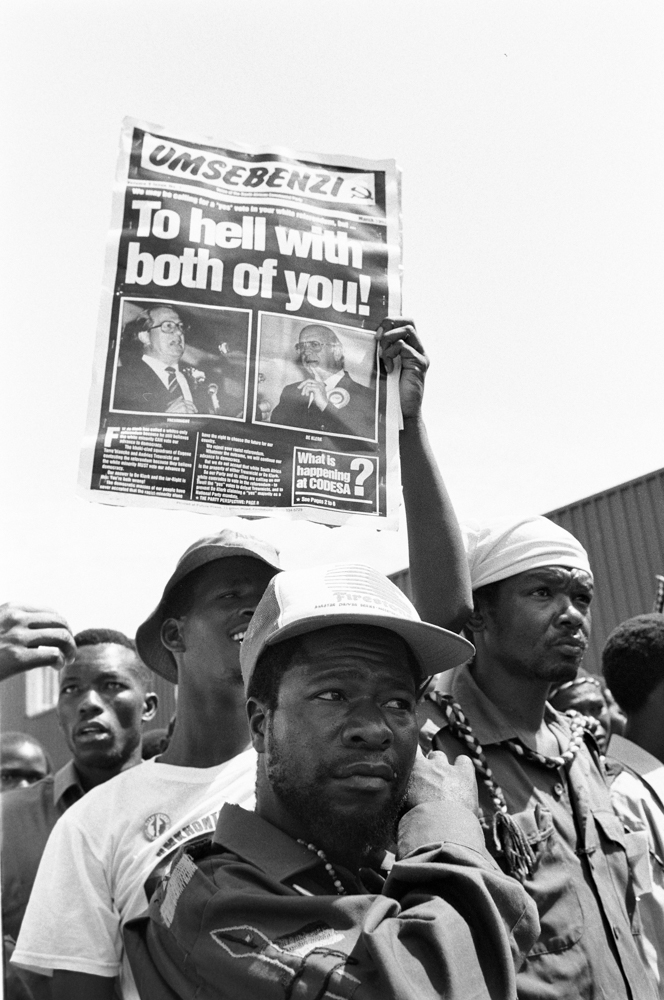
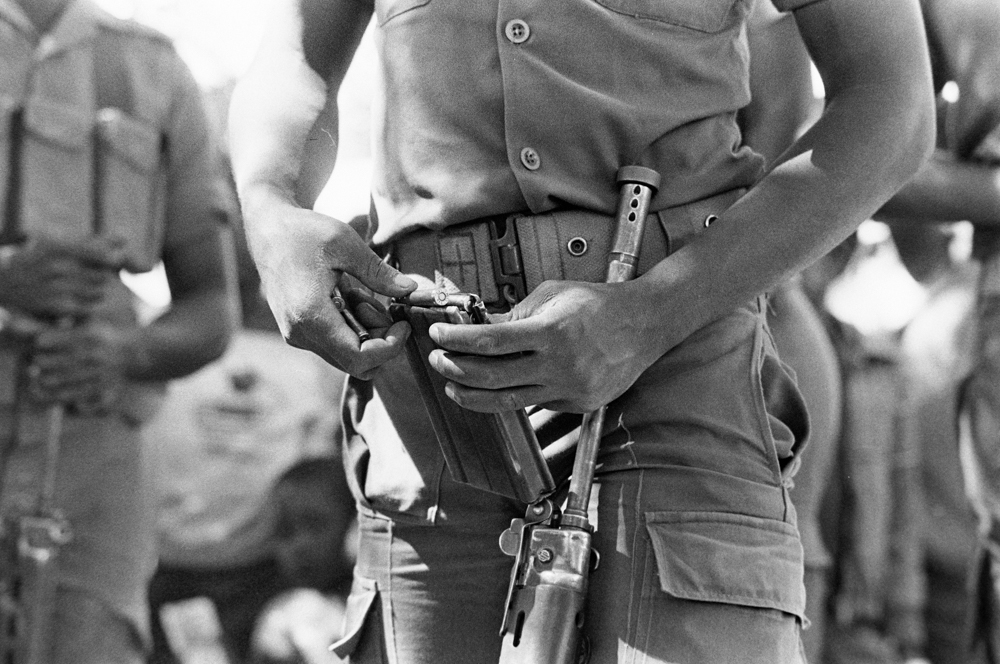
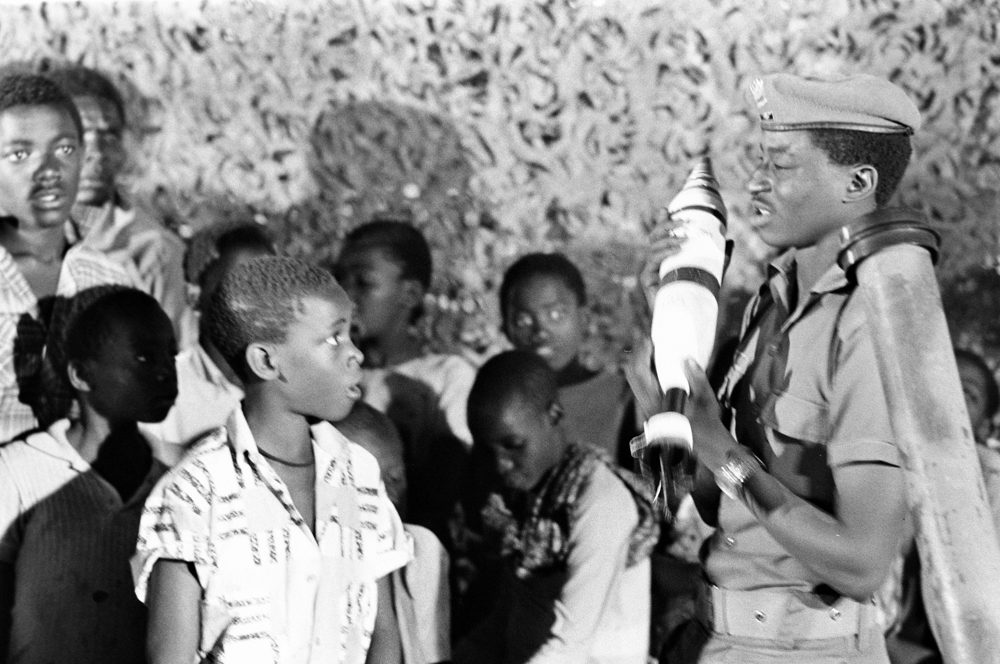
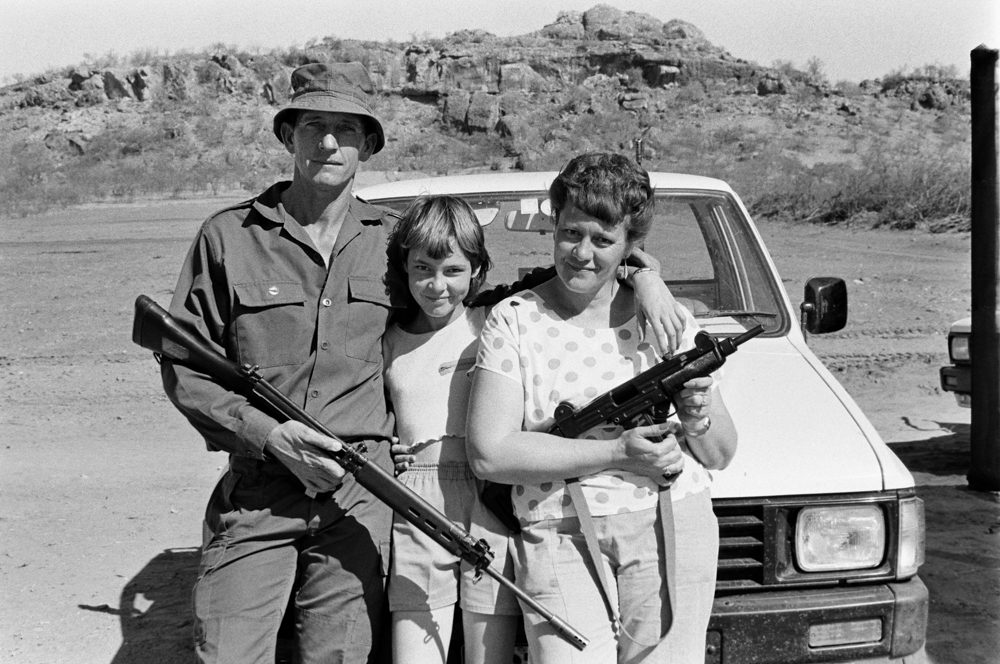
The photographs situate individuals within the environments that shaped their daily experience. Streets, workplaces, informal settlements and domestic interiors appear not as background, but as integral elements of the social landscape.
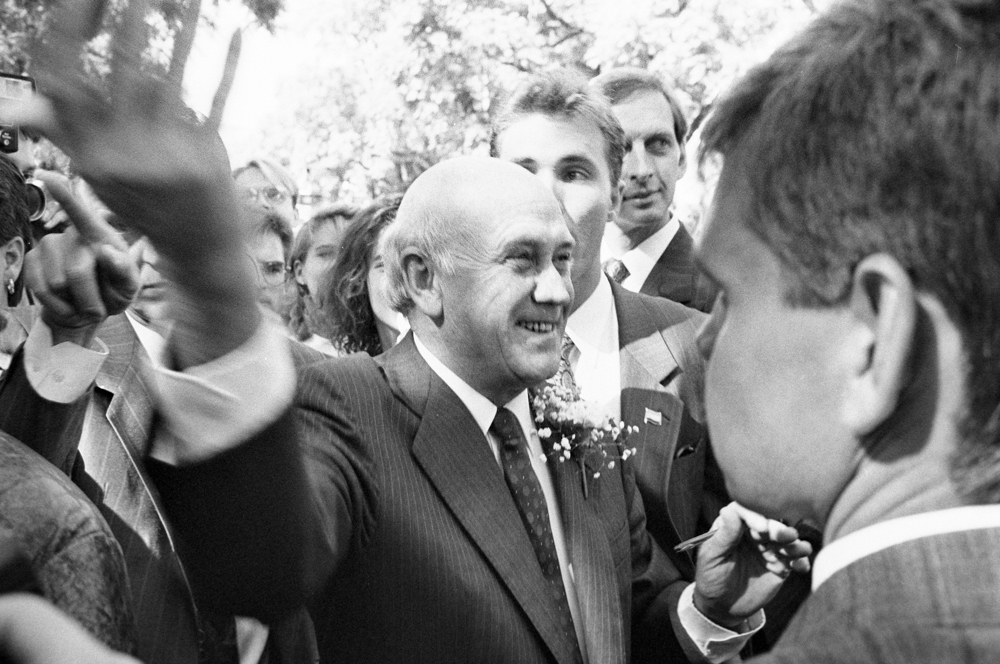
Within these spaces, Kuus records gestures, interactions and moments of stillness that reveal how political systems are lived through ordinary life. The images do not rely on spectacle. Their force lies in clarity and in the sustained attention given to people within their immediate surroundings.
The work draws its strength from proximity, allowing broader political structures to emerge through the detail of everyday life.
Publication and Restriction
The later declaration of South Africa In Black And White as prohibited literature within South Africa points to the political sensitivity of the work at the time of its release. The publication existed within a context in which visual material could be understood as evidence, critique or disruption.
This restriction underscores the extent to which documentary photography was not only a means of recording events, but also a form of engagement with the conditions it depicted. The circulation of such images carried implications that extended beyond the photographic field.
Archival Significance
Today, the work holds particular value as part of the broader photographic archive of South Africa. It offers a record of a period defined by systemic inequality while also reflecting the role of photography in preserving and communicating that history.
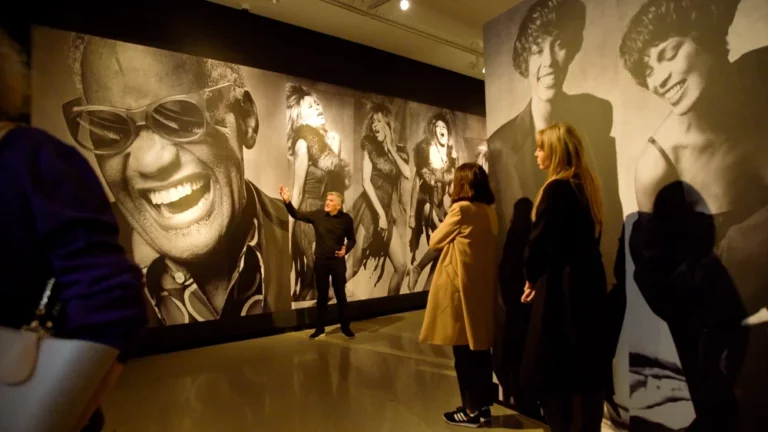
Presented within Gallery F, this selection provides an entry point into the publication and its wider context. It allows the photographs to be considered both as individual works and as part of a sustained documentary project grounded in historical experience and visual record.
Continuing Relevance
Seen in the present, South Africa In Black And White remains closely tied to ongoing questions around representation, memory and the role of archives in shaping public understanding. The images continue to function as both documentation and reflection, maintaining their relevance beyond the moment of their production.
As such, the work stands not only as a record of apartheid-era South Africa, but also as part of a longer conversation about how photographic practices engage with social realities and historical change.